2027 Most Affordable Healthcare Degree Programs Ranking in Shreveport

Co-Founder and Chief Data Scientist
Are you considering a healthcare degree in Shreveport but unsure where to start? This article presents the 2027 Most Affordable Healthcare Degree Programs Ranking in Shreveport, carefully crafted by the Research.com team of data scientists. It's designed to guide you toward programs that offer both quality education and affordability.
Choosing the right healthcare degree can open doors to meaningful and rewarding careers. Exploring these rankings will help you make an informed choice that fits your goals and budget, setting you up for success in an evolving field.
Key benefits of getting healthcare degree in Shreveport
- Healthcare degree graduates in Shreveport can expect competitive salaries such as a Medical Assistant earning around $43,350 annually and a Quality Improvement Coordinator making up to $103,150, providing strong financial stability.
- Graduates from local universities often pursue diverse career paths including Patient Care Technician and Health Information Technician roles, offering variety and growth opportunities in the healthcare field.
- Completing a healthcare degree online from a Shreveport university benefits students with flexible schedules and the ability to balance work and study, making education more accessible and convenient.
- Key benefits of getting healthcare degree in Shreveport
- What can I expect from healthcare degree in Shreveport?
- Where can I work with healthcare degree in Shreveport?
- How much can I make with healthcare degree in Shreveport?
- 2027 Most Affordable Healthcare Degree Programs Ranking in Shreveport
- Key Findings
- How long does it take to complete healthcare degree in Shreveport?
- Accreditation and Licensing Requirements
- What's the difference between online and on-campus healthcare degree?
- Accreditation and State Licensing Requirements
- What is the average cost of healthcare degree in Shreveport?
- Licensing and Certification Requirements in Louisiana
- What financial aid is available to healthcare degree students in Shreveport?
- Campus Life and Student Experience in Shreveport, LA
- What are the prerequisites for enrolling in healthcare degree program in Shreveport?
- Tips for Success in Healthcare Education
- What courses are typically in healthcare degree programs in Shreveport?
- What types of specializations are available in healthcare degree programs in Shreveport?
- How do you choose the best healthcare degree in Shreveport?
- What career paths are available for healthcare degree students in Shreveport?
- What is the job market for healthcare degree in Shreveport?
- Top Trending Healthcare Rankings
- See What Experts Have To Say About Studying Healthcare
What can I expect from healthcare degree in Shreveport?
The average cost of a healthcare degree in Shreveport is often more affordable than many expect, especially at public institutions like Louisiana State University Health Sciences Center (LSUHSC). Graduates frequently share how managing tuition fees felt less stressful here compared to national averages, allowing them to focus more on hands-on learning and skill-building. For example, nursing students at LSUHSC have consistently highlighted the value of quality education paired with reasonable costs, supported by financial aid and scholarships that ease the burden.
Many students find that their investment goes beyond tuition; experiential learning through partnerships with local hospitals like LSU Health Shreveport Medical Center amplifies their readiness for real-world healthcare challenges. This combination creates a rewarding educational journey that feels worth every dollar. Accelerated programs further help students save money by shortening time in school, which is a great option to consider if you're eager to start your career swiftly without excessive debt.
Where can I work with healthcare degree in Shreveport?
With a healthcare degree in Shreveport, you step into a city brimming with diverse career opportunities. Many graduates find rewarding roles at large institutions like Ochsner LSU Health Shreveport, where nursing, medical technology, and physician assistant positions are common pathways. Imagine joining teams that directly impact patient care every day in a major academic medical center-an experience that many local graduates cherish deeply.
Others pursue careers in outpatient clinics or community health centers across Caddo Parish. Here, healthcare professionals serve underserved populations, providing roles such as medical assistants and health educators. Graduates from Northwestern State University of Louisiana often share how rewarding it is to connect with their community while applying culturally sensitive healthcare skills.
Long-term care and rehabilitation facilities also welcome healthcare degree holders eager to support Louisiana's growing aging population. Positions like physical therapy assistants or certified nursing aides allow you to make a tangible difference in patients' lives, a path many Louisiana State University Health Sciences Center alumni embrace with pride.
Finally, public health agencies and educational institutions provide dynamic careers for those passionate about health policy, epidemiology, or healthcare management. The variety of settings available in Shreveport ensures your healthcare education can transform into a meaningful, fulfilling profession.
How much can I make with healthcare degree in Shreveport?
Graduates with healthcare degrees in Shreveport often step into rewarding roles with solid earning potential. For instance, medical assistants typically earn a mean annual wage of about $43,350, providing a great starting point for those eager to enter the field quickly. Those who pursued careers as patient care technicians at local institutions like Louisiana State University Shreveport benefit from higher wages, averaging nearly $60,790 annually, reflecting their essential hands-on care skills.
Health information technicians, another popular role among healthcare grads here, earn around $43,380 per year, combining medical knowledge with data management-skills increasingly valuable in today's healthcare landscape. Clinical research coordinators also see similar income, roughly $43,350 annually, especially those collaborating with research programs on campus.
For those aiming higher, quality improvement coordinators stand out with a mean wage of $103,150 a year, a role often pursued by graduates expanding their expertise post-degree. Many local graduates share how advancing their skills and certifications quickly boosts their income, making healthcare degrees in Shreveport both a practical and inspiring investment in their futures.
2027 Most Affordable Healthcare Degree Programs Ranking in Shreveport
How do we rank schools?
Investing in your education is a significant decision that can shape your future, and the Research.com team understands the importance of making informed choices. To help prospective students in Shreveport, we have carefully developed the "2027 Most Affordable Healthcare Degree Programs Ranking in Shreveport." Our dedication to quality, credibility, and accuracy is demonstrated through thorough research and rigorous analysis in creating this ranking.
We utilized the following reputable data sources to ensure a comprehensive evaluation of healthcare degree programs:
By exploring this ranking, readers will gain valuable insights into the most affordable healthcare degree programs available in Shreveport, empowering them to make well-informed decisions about their educational investment. For more information about our ranking process, please visit our Research.com methodology page.

# 3 position
Louisiana State University Health Sciences Center-Shreveport
Master of Health Administration

# 4 position
Louisiana State University Health Sciences Center-Shreveport
Bachelor of Science in Health Sciences
Key Findings
- Tuition for public universities in Shreveport ranges from $6,000 to $10,000 per year for in-state students, while private schools charge between $15,000 and $25,000 annually.
- Common healthcare programs include Registered Nursing (RN), Licensed Practical Nursing (LPN), dental hygiene, radiologic technology, and health information management.
- The healthcare job market is growing due to an aging population and demand for medical services, supported by major centers like Ochsner LSU Health Shreveport and Willis-Knighton Health System.
- Starting salaries for healthcare graduates typically range from $45,000 to $60,000, with Registered Nurses starting around $50,000 and experienced professionals earning $70,000 or more.
- Programs focus on certification and licensure preparation to meet Louisiana state requirements and improve employment chances.
- Financial aid and scholarships are available to help reduce education costs for healthcare degree students.
How long does it take to complete healthcare degree in Shreveport?
Completing a healthcare degree in Shreveport usually fits within clear timeframes, depending on your chosen path. Many graduates from community colleges share how their 2-year associate degrees in nursing or medical assisting quickly launched their careers locally, balancing studies with part-time jobs. If you're aiming higher, bachelor's degrees from institutions like Louisiana State University Health Sciences Center typically take about 4 years full-time, allowing students to immerse themselves fully in their studies and campus life.
For those driven to specialize, master's degrees often require 1.5 to 3 years beyond the bachelor's. Graduates frequently highlight hybrid programs that offer flexibility, perfect for working professionals in Shreveport managing family and career alongside education. Doctoral degrees are a longer journey-3 to 4 years post-bachelor's for DNPs or 4 years plus residency for medical degrees-demands many embrace with passion, knowing the impact they'll have in healthcare.
Remember, whether you choose accelerated or part-time study, your determination shapes your unique timeline, just like many successful healthcare professionals here in Shreveport have shown.
Accreditation and Licensing Requirements
Before enrolling in any healthcare degree program in Shreveport, LA, verifying accreditation is essential to ensure quality education and eligibility for professional licensure. Regional accreditation from bodies like the Southern Association of Colleges and Schools Commission on Colleges (SACSCOC) guarantees overall institutional standards, while programmatic accreditations-such as CCNE or ACEN for nursing, CAAHEP for allied health, and CAHIIM for health informatics-confirm that specific curricula meet industry benchmarks. Graduates of accredited programs are more likely to pass certification exams and secure state licensure, which is required for most clinical roles in Louisiana. Licensing requirements vary by profession. For example, aspiring registered nurses must graduate from a CCNE‐ or ACEN‐accredited nursing program and pass the NCLEX‐RN exam administered by the Louisiana State Board of Nursing. Health information technicians need graduation from a CAHIIM-accredited informatics program to qualify for the RHIA credential. Always consult the relevant state board early in your studies to confirm prerequisites and clinical hour regulations. If you’re considering advanced online options after completing a Shreveport-based bachelor’s, explore our Inexpensive Online Master’s in Healthcare Degree Programs Ranking in North Dakota to compare tuition costs, accreditation status, and program outcomes-ensuring a seamless transition to graduate study without compromising on quality or eligibility for licensure exams.
What's the difference between online and on-campus healthcare degree?
Choosing between online and on-campus healthcare degrees in Shreveport hinges on your learning style and lifestyle. Graduates from Louisiana State University Health Sciences Center Shreveport often recall the invaluable benefit of hands-on labs and direct mentorship, which created a strong sense of community and real-time support. They thrived with the structured schedule that kept them accountable and connected to faculty and peers.
Online degrees, on the other hand, appeal to those juggling jobs or family, offering flexibility unmatched by traditional programs. Graduates who took this route appreciated the ability to study asynchronously but remember needing to arrange local clinical placements, ensuring their skills were sharpened practically even from a distance. This balance between virtual coursework and essential in-person training challenges students to be proactive and organized.
Whether immersed on campus or managing a remote learning plan, students in Shreveport learn that real growth comes from embracing both theory and hands-on practice. Align your choice with your daily rhythms and career ambitions, knowing either path can lead to a fulfilling healthcare career.
Accreditation and State Licensing Requirements
Choosing an accredited healthcare degree program in Shreveport, LA is critical to ensure eligibility for licensure exams and to secure quality employment upon graduation. Accredited programs meet rigorous academic and clinical standards set by national bodies such as: • Commission on Collegiate Nursing Education (CCNE) or Accreditation Commission for Education in Nursing (ACEN) for nursing programs • Commission on Accreditation of Allied Health Education Programs (CAAHEP) for medical assisting and related fields • Council on Education for Public Health (CEPH) for public health degrees • Commission on Accreditation of Healthcare Management Education (CAHME) for healthcare administration Beyond institutional accreditation, graduates must satisfy Louisiana state licensing requirements. For example, aspiring registered nurses must pass the NCLEX-RN and obtain licensure through the Louisiana State Board of Nursing. Health information technicians should verify certification pathways with the Louisiana Board of Medical Examiners and consider national credentials such as the Registered Health Information Technician (RHIT) exam. Prospective students should review program pass rates on state licensure exams and consult academic advisors about clinical placement partnerships with local hospitals. Maintaining active accreditation status not only supports your learning but also demonstrates to employers that you’ve met the highest standards of healthcare education. For comparative insights on affordable online graduate options, explore our Inexpensive Online Master's in Healthcare Degree Programs Ranking in North Dakota.
What is the average cost of healthcare degree in Shreveport?
In Shreveport, the average cost of earning a healthcare degree can be quite manageable, especially when considering in-state tuition rates. Many graduates from Louisiana State University Health Sciences Center (LSUHSC) share how they found the affordability of their programs encouraging, with median in-state costs around $7,500. This affordability allows students to focus more on their passion for healthcare rather than financial worry. However, out-of-state students should be prepared for costs closer to $20,000, which is still reasonable compared to many other regions.
Private healthcare programs in Shreveport tend to be more expensive, often exceeding $20,000 annually. Graduates often recount balancing these higher costs with scholarships, financial aid, and part-time work. These strategies help make the dream of becoming a healthcare professional attainable despite initial price concerns. When planning your education path, understanding these expenses is key to finding affordable healthcare degree programs Shreveport offers without compromising quality.
It's important to remember that tuition isn't the only expense involved. Books, lab fees, and clinical placement necessities can add several thousand dollars each year. Many students appreciate knowing these realities upfront, preparing them to manage their budgets wisely. If you want a detailed breakdown and to learn more about cost-saving opportunities, universities in Shreveport often update their pricing online, and you can explore the cheapest healthcare programs in louisiana for valuable additional options.

Licensing and Certification Requirements in Louisiana
After earning an affordable healthcare degree in Shreveport, LA, graduates must obtain state licensure or national certification to practice legally and maximize their career prospects. Below is an overview of the key steps and credentialing bodies you’ll encounter: 1. Complete an Accredited Program – Ensure your degree program is accredited by a recognized agency (e.g., ACEN for nursing, CAHIIM for health informatics). – Accreditation is a prerequisite for sitting professional exams and for eligibility in many employer-based reimbursement programs. 2. Submit Application to the Appropriate State Board – Nurses apply to the Louisiana State Board of Nursing and must pass a criminal background check and submit official transcripts. – Allied health roles, such as Health Information Technicians, typically register through the Louisiana Board of Medical Examiners. 3. Pass National Certification Exams – Registered Nurses: NCLEX-RN exam administered by the National Council of State Boards of Nursing. – Licensed Practical Nurses: NCLEX-PN exam with similar requirements. – Health Information Professionals: Consider RHIT (Registered Health Information Technician) or RHIA (Registered Health Information Administrator) through AHIMA. – Public Health Graduates: For broader public health practice, explore the cheapest mph programs in usa and then sit for the CPH (Certified in Public Health) exam by the National Board of Public Health Examiners. 4. Fulfill Clinical Practice and Continuing Education – Many boards require a minimum number of supervised clinical hours or internships. – Maintain licensure through periodic continuing education credits (e.g., 15–30 contact hours biennially for RNs in Louisiana). By understanding and planning for these licensing and certification steps during your degree program, you can streamline your transition from student to practicing healthcare professional in Shreveport.
What financial aid is available to healthcare degree students in Shreveport?
Securing financial aid for a healthcare degree in Shreveport is not only possible but also a path many graduates have successfully navigated. At universities like LSU Health Shreveport, students often begin by applying for federal aid through FAFSA, unlocking access to Pell Grants and direct loans that ease the burden of tuition fees. Imagine being awarded a Pell Grant-you won't worry about repayment, allowing you to focus fully on your studies.
State programs like the Louisiana Go Grant also play a pivotal role, especially for those who demonstrate financial need. These grants have helped countless students attending institutions like Centenary College reduce their tuition stress significantly. Local scholarships provided by healthcare employers, such as the Willis-Knighton Health System, offer not only financial support but also a connection to the workforce through tuition reimbursement programs, creating inspiring opportunities for future nurses and allied health professionals.
Many students find work-study positions in nearby hospitals that perfectly fit their schedules while gaining real-world experience. For example, working part-time at LSU Health's clinics has been a game-changer for students balancing school and finances. Plus, several programs offer flexible payment plans and in-state tuition discounts that make continuing education feel achievable and encouraging.
Campus Life and Student Experience in Shreveport, LA
Beyond the classroom and competitive tuition rates, a robust campus experience plays a pivotal role in shaping healthcare professionals. Students not only benefit from top-notch academic resources but also from a vibrant community, dedicated career services, and real-world internship opportunities that complement their theoretical learning. In Shreveport, many institutions foster an environment where learning extends into practical engagements-be it through research projects, clinical simulations, or community health outreach programs. Students find that joining student organizations and participating in campus events unlocks valuable networking opportunities and builds lasting connections with peers, faculty, and local healthcare leaders. These experiences often translate to internships and volunteer work that enhance resumes and offer firsthand exposure to industry trends. Many prospective students also research and compare options by exploring resources like the cheapest healthcare programs in louisiana, ensuring they choose a program that not only meets educational and financial criteria but also offers a supportive and engaging campus life. By integrating academic excellence with a dynamic community experience, Shreveport’s healthcare programs prepare graduates to navigate both clinical challenges and professional growth, creating well-rounded individuals ready to contribute meaningfully to the evolving field of healthcare.
What are the prerequisites for enrolling in healthcare degree program in Shreveport?
To enroll in a healthcare degree program in Shreveport, you'll need a strong foundation in key academic subjects. Graduates often reflect on how completing courses like biology, chemistry, mathematics, and English before starting at institutions such as LSU Health Shreveport or local community colleges truly set them up for success. These courses build the scientific knowledge and communication skills crucial for healthcare studies.
Most programs expect you to have a high school diploma or GED, accompanied by standardized test scores like the ACT or SAT, although some community colleges in Shreveport may offer more flexible options. Many students find that having volunteer experience or job shadowing in healthcare settings greatly enhances their readiness and confidence when entering hands-on training.
Additionally, be prepared for practical requirements such as immunization records and background checks, which ensure patient safety. Think of these as stepping stones that prove your commitment and help you stay focused on your goal of becoming a healthcare professional in our vibrant Shreveport community.
Tips for Success in Healthcare Education
Achieving success in healthcare education requires a proactive and strategic approach that extends beyond the classroom. Developing strong study habits, leveraging campus resources, and seeking real-world experiences can help you thrive in your chosen program. Start by establishing a consistent study routine and tapping into academic advising, tutoring services, and faculty office hours to clarify challenging concepts. Another crucial tip is to pursue internships or volunteer opportunities-these not only bolster your resume but also provide invaluable hands-on experience that complements your academic learning. Networking with peers, mentors, and healthcare professionals can lead to unexpected opportunities and insights into the industry. For instance, exploring online medical sonography programs offers an excellent way to diversify your skills and cater to the evolving demands of the healthcare sector. Additionally, staying abreast of current trends, such as technological advancements in medical equipment and digital health, will prepare you for future challenges in the field. Lastly, remember to prioritize your well-being by balancing rigorous academic demands with self-care and stress management practices. Regular self-assessment and a supportive study environment can significantly enhance both your educational experience and long-term career success in healthcare.
What courses are typically in healthcare degree programs in Shreveport?
When pursuing a healthcare degree in Shreveport, expect a curriculum that deeply roots you in both science and real-world care. Graduates from local institutions like LSU Health Shreveport Medical Center share how courses in anatomy and physiology gave them an eye-opening understanding of the human body-knowledge they applied daily during clinical rotations. These foundational classes are essential, preparing you to think critically about patient health from the inside out.
You'll also dive into microbiology and pathology, unlocking the mysteries behind diseases and treatments. Imagine working alongside experts at Ochsner LSU Health System, where understanding these concepts can make a life-saving difference.
- Pharmacology teaches you about medications and their effects, equipping you to manage patient care safely.
- Nutrition courses emphasize the impact of diet on recovery and wellness, a skill that many graduates find personally rewarding to share with patients.
- Health informatics introduces technology's role in healthcare, preparing you for today's data-driven medical environments.
- Medical ethics and healthcare law ensure you're ready to handle the complex decisions healthcare professionals face every day.
- Hands-on clinical practicums tie theory to practice, often in nearby hospitals or clinics, building confidence and competence crucial for licensure.
These courses reflect Shreveport's commitment to training healthcare professionals who are ready not just for jobs, but for meaningful, impactful careers caring for their communities.
What types of specializations are available in healthcare degree programs in Shreveport?
When exploring healthcare degree specializations in Shreveport, you'll find a vibrant range reflecting the city's diverse healthcare needs. Graduates from popular local colleges often share how nursing-whether registered nursing, licensed practical nursing, or advanced practice tracks-gave them hands-on skills and confidence to thrive in dynamic clinical settings. Public health programs shine here too, preparing students to address pressing community challenges through education and policy, crucial for Shreveport's unique demographic landscape.
Respiratory therapy is another standout, with programs designed to equip you to support patients facing breathing difficulties, something increasingly vital in recent years. Medical laboratory science prepares students to become the critical problem-solvers in diagnostic testing, essential for quality patient care in growing healthcare facilities.
Many students pursuing Shreveport healthcare program specialization options also consider healthcare management. This path offers insight into the operational side of healthcare systems, opening doors to leadership roles as local providers expand. For those interested in technology-driven careers, online medical sonography programs provide another promising avenue, blending flexibility with specialized training.
How do you choose the best healthcare degree in Shreveport?
When choosing the best healthcare degree in Shreveport, start by exploring the variety of programs offered by local institutions like Louisiana State University Health Sciences Center. Graduates often share how selecting a program aligned with their passion, such as nursing or public health, fueled their motivation during challenging coursework. Accreditation is essential-programs certified by respected agencies ensure your education will open doors for licensure and employment. Many students find peace of mind knowing their degree is recognized by employers.
Financial aspects can't be overlooked. Local public universities tend to offer affordable healthcare degree programs in Shreveport, often below national averages, easing financial stress. Look into scholarships, financial aid, and part-time options to balance work and study effectively. Some students have benefited from programs highly ranked among the cheapest mph programs in usa, which helped make their education affordable without sacrificing quality.
Lastly, consider the program's flexibility and proven job placement rates. Evening classes or online components are vital for those juggling responsibilities. Hearing alumni rave about strong faculty support and robust career services can inspire confidence that your degree will lead to rewarding healthcare opportunities in a growing job market.
What career paths are available for healthcare degree students in Shreveport?
If you are pursuing a healthcare degree in Shreveport, a world of career paths awaits you. Graduates from local institutions like LSU Health Shreveport and community colleges often find rewarding opportunities in nursing, healthcare administration, and allied health services. Many nursing graduates share how affordable programs, costing between $5,000 to $20,000 yearly, allowed them to gain hands-on experience quickly and enter the workforce with confidence. This affordability sets Shreveport apart, making it easier to start a strong healthcare career close to home.
Healthcare degree career options in Shreveport are diverse. Beyond registered nursing, roles such as radiologic technologists, respiratory therapists, and medical lab technicians are in high demand. The growing regional healthcare industry provides jobs not only in direct patient care but also in management positions overseeing hospital departments or healthcare programs.
For those balancing work and study, exploring pathways like the Inexpensive Online Master's in Healthcare Degree Programs Ranking in North Dakota can be an ideal step to advance careers. Graduates often emphasize how this flexibility helps them pursue leadership roles while staying engaged in their communities.
Finally, best healthcare jobs for Shreveport graduates also include allied health roles and public health careers where professionals contribute to wellness and disease prevention. Many find the supportive healthcare ecosystem in Shreveport inviting, with opportunities to grow both professionally and personally.
What is the job market for healthcare degree in Shreveport?
The healthcare job outlook in Shreveport is very promising for graduates holding healthcare degrees. Many who have completed programs at LSU Health Shreveport or other local institutions find rewarding opportunities in hospitals and clinics that actively recruit skilled professionals. Graduates often share how the thriving demand for roles such as registered nurses, respiratory therapists, and health services managers motivates them to stay and grow their careers locally. The region's aging population and expanding healthcare facilities create steady demand, leading to salaries that, while modest compared to large metropolitan areas, provide a comfortable living aligned with Shreveport's cost of living.
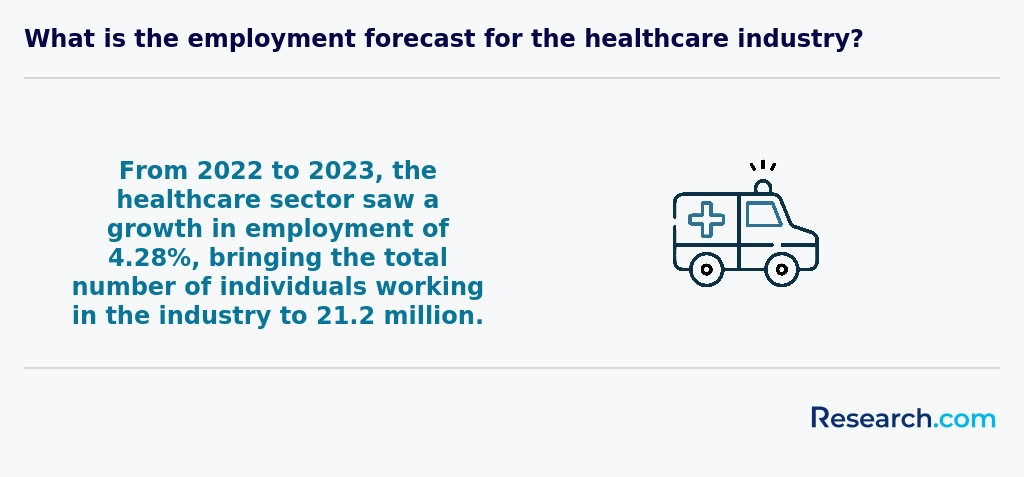
For those concerned about balancing education expenses and career prospects, healthcare degree employment opportunities in Shreveport are strengthened by relatively affordable tuition rates ranging from $5,000 to $15,000 annually at public universities. Many recent graduates praise how this affordability, coupled with strong local job growth, made pursuing their healthcare degrees both accessible and worthwhile. Prospective students might also consider Inexpensive Online Master's in Healthcare Degree Programs Ranking in North Dakota to optimize their educational investment.
Frequently Asked Questions About healthcare
Healthcare degree students in Shreveport can maximize their learning experience by engaging actively with local clinical opportunities. Shreveport hosts several hospitals and clinics, including the LSU Health Shreveport Medical Center, which offers hands-on training and internships essential for skill development. According to the Louisiana Department of Health, clinical experience improves employment prospects by up to 30% in healthcare fields.
Students should also take advantage of Shreveport's community health initiatives. Volunteering in public health campaigns provides practical knowledge and networking with healthcare professionals. Additionally, leveraging campus resources such as tutoring and research programs at local institutions enhances academic success.
Time management and joining study groups can foster collaboration and deeper understanding of healthcare topics. Exploring scholarships specific to Shreveport institutions can reduce financial barriers, allowing more focus on education.
The healthcare field continues to evolve rapidly, creating new opportunities for students pursuing degrees in Shreveport. Emerging niches include telehealth and digital health services, which expanded significantly during the COVID-19 pandemic. According to the Louisiana Department of Health, telemedicine use in Shreveport grew by over 40% between 2020 and 2022. Another growing area is healthcare data analytics, where professionals analyze patient data to improve outcomes and reduce costs.
Personalized medicine and genetic counseling are also gaining traction, with increasing demand for specialists trained in genomics. Additionally, behavioral health remains crucial, given rising mental health awareness and service needs in the region. These niches offer promising career paths aligned with current market trends.
After completing a healthcare degree in Shreveport, preparing for the job market involves several key steps. First, obtaining relevant certifications is crucial, as many healthcare roles require licenses such as Registered Nurse (RN) or Certified Medical Assistant (CMA). Shreveport employers often look for candidates with practical experience, so pursuing internships or clinical rotations during your studies can improve your employability.
Networking within local healthcare facilities like Ochsner LSU Health System enhances job prospects. According to the Louisiana Workforce Commission, healthcare employment in the Shreveport-Bossier City metro area is projected to grow by 10% through 2028, highlighting strong demand.
Lastly, developing soft skills and preparing a tailored resume aligned with local job openings will support a successful job search in this competitive field.
Employers in Shreveport highly value healthcare graduates who demonstrate strong clinical skills combined with effective communication. According to the Louisiana Workforce Commission, professionals who excel in patient interaction, teamwork, and problem-solving are in greater demand locally.
Technical proficiency, especially familiarity with electronic health records (EHR) systems, is essential due to the integration of digital tools in Shreveport's hospitals and clinics. The region's growing healthcare facilities require graduates to adapt quickly to evolving technology.
Additionally, cultural competency is critical. Shreveport's diverse population means healthcare workers must provide respectful, equitable care to various communities.
Overall, adaptability and continuous learning are key traits valued by Shreveport employers in the healthcare sector.
Finding internships in Shreveport relevant to a healthcare degree involves leveraging local healthcare institutions and educational resources. Willis-Knighton Health System and LSU Health Shreveport are major employers offering internship and clinical practicum opportunities to students. Contacting these organizations directly or visiting their career pages is recommended.
Students should also connect with college career centers, such as those at Louisiana State University Shreveport, which maintain partnerships with local hospitals and clinics. Additionally, registering with state workforce agencies like the Louisiana Workforce Commission can help identify paid internships.
Networking through local healthcare professional associations provides valuable leads and mentorships. Early applications are crucial, as competition for healthcare internships is strong in Shreveport's growing medical market.
Healthcare degrees in Shreveport significantly enhance career mobility and advancement opportunities. The city's healthcare sector is robust, with large employers like Ochsner LSU Health Shreveport leading to steady demand for qualified professionals.
According to the Louisiana Department of Labor, healthcare occupations in Shreveport are projected to grow faster than average through 2030, increasing job availability for degree holders. A formal healthcare education offers specialized skills essential for higher-level positions and leadership roles.
Many healthcare employers in Shreveport prioritize candidates with degrees for promotions, resulting in better salaries and job security. Additionally, advanced degrees enable transitions into emerging fields like health informatics and administration.
Studying for a healthcare degree in Shreveport offers unique preparation for interdisciplinary roles through integrated curricula and local healthcare partnerships. Many programs in the region emphasize collaboration among nursing, public health, and allied health fields. This approach reflects the complexity of real-world healthcare, where professionals work across specialties.
Institutions often incorporate clinical rotations in diverse settings like University Health Shreveport and local clinics, fostering practical teamwork skills. According to Louisiana Board of Regents data, the city's healthcare education growth integrates interprofessional training to improve patient outcomes. This prepares students to communicate effectively with physicians, therapists, and administrators.
Ultimately, Shreveport's healthcare degrees focus on producing versatile graduates ready to meet regional healthcare challenges through cooperative practice.
Choosing between a thesis and a non-thesis healthcare degree program in Shreveport depends largely on your career goals and learning preferences. A thesis program emphasizes original research, requiring students to conduct studies and write a detailed paper. This path is ideal for those interested in clinical research or pursuing a PhD later. Non-thesis programs focus more on practical skills and coursework, catering to students aiming for immediate employment in healthcare administration or clinical settings.
In Shreveport, healthcare employers often value practical experience, making non-thesis degrees attractive for local job markets. According to the Louisiana Department of Health, the area's healthcare sector has grown by 4.5% in recent years, increasing demand for skilled practitioners.
Additionally, thesis programs might take longer to complete due to research demands, which is a factor to consider based on your time and financial resources.
Students based in Shreveport interested in studying healthcare abroad have several pathways within the U.S. higher education system. Many institutions partner with international programs, allowing students to gain global clinical experience while earning accredited degrees. For example, students enrolled in Louisiana State University Health Sciences Center in Shreveport can apply for study abroad opportunities in countries with established healthcare collaborations, such as the UK, Canada, and Australia.
Programs typically emphasize global health, nursing, public health, or medical research. According to the Institute of International Education, about 10% of healthcare students nationwide participate in study abroad, enhancing cultural competence and practical skills essential for modern healthcare careers.
Financial aid and scholarships specifically for study abroad are often available through university programs or external organizations, easing the cost burden for Shreveport residents pursuing these international opportunities.
Shreveport offers various part-time job opportunities that complement healthcare degree education, providing valuable hands-on experience. Many students find positions as medical assistants or patient care technicians in local clinics and hospitals such as LSU Health Shreveport. These roles help students apply classroom knowledge and develop clinical skills.
Other common jobs include pharmacy technician positions and roles in long-term care facilities, which are abundant in Shreveport due to its sizable elderly population. According to the Louisiana Workforce Commission, healthcare support occupations are projected to grow by over 10% in the region through 2030.
Working in healthcare administration or volunteering at community health centers also builds relevant experience and networking opportunities, which are critical for career advancement in the field.
Healthcare students in Shreveport benefit from a variety of networking opportunities that connect them with local professionals and institutions. Schools like LSU Health Shreveport offer access to clinical rotations and internships at nearby hospitals, fostering real-world experience and professional relationships. Additionally, the city hosts healthcare conferences and workshops, which are valuable for meeting industry experts.
Local organizations such as the Shreveport-Bossier Medical Society provide membership options for students, promoting networking with practicing physicians and healthcare leaders. According to the Louisiana Department of Health, the region's growing healthcare sector supports these interactions, making Shreveport a strategic place for building professional contacts early in a healthcare career.
Alumni networks provide significant benefits to healthcare degree students in Shreveport by offering access to professional connections and mentorship opportunities. Graduates often share their experiences and advice, helping current students navigate clinical placements and job searches. Regional hospitals like Ochsner LSU Health Shreveport and Willis-Knighton Health System frequently recruit from local alumni, highlighting the importance of these networks.
Such connections can lead to internships and employment in a city where healthcare is a major employer. According to the Bureau of Labor Statistics, healthcare occupations in Shreveport are projected to grow by over 15% through 2030, intensifying demand for qualified professionals. Alumni networks thus serve as a crucial bridge from education to employment in the local healthcare sector.
Customizing a healthcare degree program in Shreveport allows students to align their education with specific career goals. Many local colleges and universities offer flexible curricula where you can choose electives or specializations such as nursing, public health, or health informatics. For example, programs might allow you to focus on rural healthcare delivery, addressing regional needs highlighted in recent Louisiana health workforce reports.
Additionally, internships and clinical placements in Shreveport's large medical centers, like Ochsner LSU Health Shreveport, provide practical experience tailored to your interests. Advisors often help design a study plan that boosts both skills and employability in the local job market, which is expected to grow 15% for healthcare professionals over the next decade according to the Louisiana Workforce Commission.
Healthcare students in Shreveport often face challenges related to balancing demanding coursework with clinical practicum requirements. Many programs require extensive hands-on training, which can be difficult to schedule alongside part-time jobs or family responsibilities.
Additionally, financial strain is a significant concern. According to data from the Louisiana Board of Regents, the average tuition for healthcare degrees in the state has increased by 4% annually, making affordability a persistent issue.
Students also encounter competitive admission processes due to limited spots in local programs. Access to diverse clinical sites can be inconsistent, affecting practical experience quality.
Lastly, adapting to evolving healthcare regulations and technologies requires continuous learning, adding to the overall pressure.
With a healthcare degree, graduates in Shreveport can pursue multiple professional certifications that enhance career prospects. Common certifications include Certified Nursing Assistant (CNA), Licensed Practical Nurse (LPN), and Registered Nurse (RN) licenses, which are critical in Louisiana's healthcare system, according to the Louisiana State Board of Nursing.
For those interested in administrative roles, certifications like Certified Medical Manager (CMM) or Registered Health Information Technician (RHIT) can be valuable. Additionally, specialized fields offer certifications such as Certified Pharmacy Technician (CPhT) or Emergency Medical Technician (EMT). These credentials can significantly increase job opportunities and potential salaries in the Shreveport area, where healthcare demand continues to grow, reflecting data from the Bureau of Labor Statistics.
To write a winning application for a healthcare program in Shreveport, start by researching the specific prerequisites of the schools you are interested in. Many local institutions, like LSU Health Shreveport, emphasize strong academic records and relevant healthcare experience. Highlight any volunteer work or employment in healthcare settings, as this demonstrates commitment.
Focus on crafting a clear personal statement that explains your motivation for joining the healthcare field in Shreveport, referencing local healthcare challenges or opportunities where possible. According to data from the Louisiana Workforce Commission, healthcare jobs in Shreveport are projected to grow 15% by 2030, underlining the sector's importance.
Ensure your letters of recommendation come from professionals familiar with your skills and dedication. Finally, pay close attention to deadlines and complete all required forms carefully to avoid delays.
The healthcare sector is recognized globally as a growing and vital industry, offering stable career opportunities. In the US, including Shreveport, healthcare occupations are projected to grow 13% from 2021 to 2031, according to the Bureau of Labor Statistics. This growth reflects a worldwide trend toward increased demand for medical professionals due to aging populations and expanding access to care.
Students in Shreveport pursuing healthcare degrees can expect their skills to be relevant internationally, as many healthcare principles and practices align worldwide. However, licensing requirements vary significantly by country, so additional certification may be needed for global practice.
Locally, Shreveport benefits from several hospitals and clinics, making it an advantageous place for practical training and employment opportunities in healthcare careers, supported by data from the Louisiana Workforce Commission.
Gaining practical experience while studying for a healthcare degree in Shreveport is essential for building skills and improving job prospects. Many local institutions, such as Louisiana State University Health Shreveport, offer clinical rotations and internships as part of their programs. These opportunities allow students to apply classroom knowledge in real-world healthcare settings.
Students can also find volunteer roles or part-time jobs at Shreveport hospitals like Ochsner LSU Health or Christus Highland Medical Center. According to the Louisiana Workforce Commission, healthcare employment in Shreveport is projected to grow by 10% over the next decade, increasing demand for experienced graduates.
Additionally, some programs collaborate with local clinics for hands-on training. Engaging in simulation labs and community health initiatives strengthens practical skills important for licensure and employment in healthcare fields.
Choosing the right concentration within a healthcare degree program in Shreveport starts with understanding local industry demands and your personal interests. Shreveport's healthcare sector is growing, with strong employment projections in nursing, health administration, and allied health fields, according to the Louisiana Workforce Commission.
Research the area's largest employers, such as LSU Health Shreveport and Willis-Knighton Health System, to identify in-demand skills. Consider stateside licensure requirements and certification pathways linked to each concentration, as these affect future job opportunities.
Evaluate program offerings at regional institutions like Southern University at Shreveport or Centenary College to find concentrations aligned with your goals. Engage with advisors and attend information sessions to clarify curriculum focus areas.
Data from the Bureau of Labor Statistics shows that healthcare occupations in Louisiana are projected to grow by 13% through 2031, reinforcing the importance of selecting a specialization with sustainable demand.
Related Healthcare Rankings for Nearby Cities
- 2027 Most Affordable Healthcare Degree Programs Ranking in Little Rock
- 2027 Most Affordable Healthcare Degree Programs Ranking in Baton Rouge
- 2027 Most Affordable Healthcare Degree Programs Ranking in New Orleans
- 2027 Most Affordable Healthcare Degree Programs Ranking in Mobile
- 2027 Most Affordable Healthcare Degree Programs Ranking in Birmingham
- 2027 Most Affordable Healthcare Degree Programs Ranking in Wichita
- 2027 Most Affordable Healthcare Degree Programs Ranking in Montgomery
- 2027 Most Affordable Healthcare Degree Programs Ranking in Kansas City
- 2027 Most Affordable Healthcare Degree Programs Ranking in Atlanta
- 2027 Most Affordable Healthcare Degree Programs Ranking in Tallahassee
Top Trending Healthcare Rankings
See What Experts Have To Say About Studying Healthcare
Read our interview with Healthcare experts

References
- Online Degree vs. Traditional: Choosing the Right Path https://beal.edu/online-degree-vs-traditional/
- Average Cost of Medical School [2025]: Yearly + Total Costs https://educationdata.org/average-cost-of-medical-school
- 6 Tips On Networking For Medical Professionals https://aaams.net/blog/how-to-network-in-the-medical-field-nurses/
- 10 Skills Employers Are Looking for in Healthcare Management Jobs https://www.aiuniv.edu/blog/10-top-skills-for-healthcare-management-jobs
- Employment Opportunities at LSU Health Shreveport https://www.lsuhs.edu/about/employment
- Experiential Learning to Enhance Global Health Collaboration and Student Opportunity https://annalsofglobalhealth.org/articles/10.5334/aogh.4537
- Career Opportunities in Healthcare Without a Medical Degree https://www.just-medical.ch/en/blog/medical-careers-without-formal-education
- What Are the Differences in Salary Level for Different Degrees in Healthcare Management? | MHA Salary https://www.healthcare-management-degree.net/faq/what-are-the-differences-in-salary-level-for-different-degrees-in-healthcare-management/
- How to Succeed in a Difficult Job Market After Graduation https://www.hospitalrecruiting.com/blog/6542/how-to-succeed-in-a-difficult-job-market-after-graduation/
- Getting medical work experience https://www.bma.org.uk/advice-and-support/studying-medicine/becoming-a-doctor/getting-medical-work-experience