2027 Most Affordable Healthcare Degree Programs Ranking in Louisiana

Co-Founder and Chief Data Scientist
Choosing the right healthcare degree program in Louisiana is a big decision that can shape your future. To help you make an informed choice, the Research.com team of data scientists has created the 2027 Most Affordable Healthcare Degree Programs Ranking in Louisiana.
This article highlights affordable options designed to fit your budget without sacrificing quality education. Pursuing a healthcare degree opens doors to rewarding career opportunities and the chance to make a real difference in people's lives.
Explore this ranking to discover programs that suit your goals and start your journey with confidence.
Key benefits of getting healthcare degree in Louisiana
- Graduates with healthcare degrees in Louisiana can earn competitive salaries, such as Medical Assistants making around $43,350 annually and Patient Care Technicians earning about $60,790 yearly, reflecting strong financial rewards in this field.
- Career paths for healthcare graduates include roles like Health Information Technicians and Clinical Research Coordinators, offering diverse and stable opportunities within Louisiana's healthcare system.
- Obtaining a healthcare degree online from Louisiana institutions allows flexibility and balance, making it easier for students to work while earning, just like many successful online graduates do today.
- Key benefits of getting healthcare degree in Louisiana
- What can I expect from healthcare degree in Louisiana?
- Where can I work with healthcare degree in Louisiana?
- How much can I make with healthcare degree in Louisiana?
- 2027 Most Affordable Healthcare Degree Programs Ranking in Louisiana
- Key Findings
- How long does it take to complete healthcare degree in Louisiana?
- Additional Resources and Next Steps for Prospective Students
- What's the difference between online and on-campus healthcare degree?
- Accreditation and Licensure Outcomes
- What is the average cost of healthcare degree in Louisiana?
- Emerging Trends in Healthcare Education in Louisiana
- What financial aid is available to healthcare degree students in Louisiana?
- Certification and Professional Development Opportunities
- What are the prerequisites for enrolling in healthcare degree program in Louisiana?
- Accreditation and Quality Assurance
- What courses are typically in healthcare degree programs in Louisiana?
- What types of specializations are available in healthcare degree programs in Louisiana?
- How do you choose the best healthcare degree in Louisiana?
- What career paths are available for healthcare degree students in Louisiana?
- What is the job market for healthcare degree in Louisiana?
- Related Healthcare Rankings for Nearby States
- Top Trending Healthcare Rankings
- See What Experts Have To Say About Studying Healthcare
What can I expect from healthcare degree in Louisiana?
The average cost of pursuing a healthcare degree in Louisiana is notably more affordable compared to many other states, largely due to substantial state support and in-state residency benefits. Graduates from institutions like Louisiana State University and Southern University often share how these lower tuition fees alleviated financial stress, allowing them to focus more on their studies and clinical training.
For example, a nursing student at LSU might spend significantly less on tuition than peers in neighboring states, making high-quality education accessible without overwhelming debt. Community college allied health programs also offer budget-friendly pathways, appealing to students balancing work and study.
Many students describe feeling motivated knowing their investment leads not only to licensure but to promising employment opportunities, especially amid Louisiana's healthcare sector growth. Work-study partnerships with local hospitals provide hands-on experience without adding financial burden, further enhancing the value of these programs.
If emerging trends continue, such as increased funding for healthcare education and expanded scholarships, future students in Louisiana can expect costs to remain manageable while reaping rich clinical and academic benefits.
Where can I work with healthcare degree in Louisiana?
Graduates with healthcare degrees in Louisiana often find themselves working in bustling hospital systems like Ochsner Health or LSU Health System, where they can quickly rise from direct patient care roles into leadership positions. Many recall the rewarding energy of early shifts spent alongside seasoned nurses, gaining hands-on experience that fuels their passion and confidence. Others discover fulfilling careers in community health centers, where the focus on preventive care allows them to connect deeply with local families and improve public well-being in a meaningful way.
At places like Tulane University or Louisiana State University Health Sciences Center, students experience diverse clinical rotations that prepare them for emerging opportunities, including telehealth and digital health analytics. These expanding fields promise exciting work environments that blend healthcare with technology, perfectly suited for innovative graduates ready to shape Louisiana's future health landscape.
Skilled nursing and rehabilitation centers, growing due to the aging population, offer welcoming spaces where healthcare professionals provide compassionate elder care. Graduates often share stories of meaningful patient interactions that inspire continued dedication. Administrative roles in private practices and insurance companies provide dynamic career paths requiring both clinical knowledge and management skills, meeting the demands of an evolving healthcare market in Louisiana.
How much can I make with healthcare degree in Louisiana?
Graduates from healthcare programs in Louisiana can look forward to promising earning opportunities, with salaries varying by specialization. For instance, medical assistants typically start around $43,350 annually, while patient care technicians can earn closer to $60,790. These figures reflect many graduates from institutions like LSU Health Sciences Center or Tulane University School of Medicine who rapidly transition into the workforce with competitive wages.
Health information technicians, who play a crucial role in managing medical data, earn about $43,380 per year in Louisiana. This stable income aligns well with local demand for healthcare support roles, encouraging graduates to enter these fields confidently. Meanwhile, positions like quality improvement coordinators offer significantly higher pay-averaging $103,150 annually-highlighting how advanced certifications and experience can elevate income potential.
Many graduates share that soon after earning their degrees, the strong regional demand provides job security and opportunities for wage growth, especially as Louisiana's healthcare needs expand. This ongoing demand means that advancing skills or pursuing specialized roles can substantially increase earnings in a relatively short time, creating an optimistic outlook for new healthcare professionals in the state.
2027 Most Affordable Healthcare Degree Programs Ranking in Louisiana
How do we rank schools?
Investing in your education is a significant decision that can shape your future, and the Research.com team understands the importance of making informed choices. To assist prospective students in Louisiana, we have meticulously crafted the "2027 Most Affordable Healthcare Degree Programs Ranking in Louisiana." Our commitment to quality, credibility, and accuracy is reflected in the extensive research and analysis conducted to compile this ranking.
We utilized the following reputable data sources to ensure a comprehensive evaluation of healthcare degree programs:
By exploring this ranking, readers will gain valuable insights into the most affordable healthcare degree programs available in Louisiana, empowering them to make well-informed decisions about their educational investments. For more details on our methodology, please visit our Research.com methodology page.


# 4 position
Nicholls State University
Master of Science in Clinical Nutrition and Dietetics Leadership


Key Findings
- Tuition at public universities in Louisiana for healthcare programs ranges from $8,000 to $12,000 per year for in-state students, while private schools charge between $20,000 and $30,000 annually.
- Healthcare jobs in Louisiana are projected to grow by about 13% over the next decade, matching national employment trends.
- Average starting salaries for healthcare graduates include around $55,000 for registered nurses and between $40,000 and $50,000 for medical technologists and respiratory therapists.
- Practical training through clinical experiences and internships is a required part of many healthcare programs in Louisiana.
- Licensing in Louisiana follows national standards, making it important to complete accredited programs and exams for professional practice.
How long does it take to complete healthcare degree in Louisiana?
Completing a healthcare degree in Louisiana typically spans from 2 to 4 years depending on the degree level and program type. Graduates from local community colleges, like Delgado Community College, often share how their 2-year Associate of Science in Nursing programs provided a solid, practical foundation that quickly launched them into entry-level positions. Meanwhile, those attending universities such as Louisiana State University experience a full 4-year commitment earning a Bachelor of Science in Nursing, appreciating the broad clinical exposure that prepares them for diverse healthcare roles.
Looking ahead, many students at institutions like the University of Louisiana at Monroe express optimism about the flexibility offered by online and hybrid programs, which can adjust timelines based on individual pace. Graduate programs generally add another 2 years, with doctoral candidates spending up to 4 more years refining specialized skills. The overall sentiment among Louisiana healthcare students is excitement about how evolving education models may shorten or customize completion times, making it easier to meet rising workforce demands across the state.
Additional Resources and Next Steps for Prospective Students
In this rapidly evolving landscape of healthcare education in Louisiana, it is essential for prospective students to access reliable resources that guide every step of their academic journey. Beyond program rankings and cost comparisons, gathering up-to-date information about admissions trends, campus support services, and career placement outcomes can empower students to make choices that best align with their professional aspirations. Exploring expert reviews, virtual campus tours, and networking opportunities can also provide critical insights into each institution’s culture and success metrics. For instance, checking out affordable online healthcare schools in louisiana can help students gauge the flexibility and quality of online programs while comparing them with traditional on-campus alternatives. This comprehensive approach not only reinforces informed decision-making but also lays a strong foundation for a successful career in healthcare.
What's the difference between online and on-campus healthcare degree?
Online and on-campus healthcare degrees in Louisiana differ mainly in how students engage with their learning environments and practical experiences. Graduates from LSU Health Sciences Center often recall the energy of attending labs and clinical rotations in person, where hands-on practice and immediate faculty guidance boosted their confidence in real-world scenarios. Conversely, alumni of Southeastern Louisiana University appreciate the flexibility of online coursework, which allowed them to balance family and jobs while completing essential clinical hours at nearby healthcare facilities.
On-campus programs immerse students in a community, fostering close connections through campus events and face-to-face mentoring, vital for building professional networks in Louisiana's healthcare sector. Online formats, meanwhile, demand self-discipline but offer the freedom to progress asynchronously, relying on digital tools and steady internet access. Both routes require local clinical practice, ensuring that no matter the format, students gain tangible, real-world skills.
Accreditation and Licensure Outcomes
Choosing an accredited healthcare program in Louisiana is essential for ensuring your degree is recognized by employers and licensing boards. Regional accreditation by bodies like the Southern Association of Colleges and Schools Commission on Colleges (SACSCOC) guarantees institutional quality, while programmatic accreditation-such as CCNE for nursing or CAHME for healthcare management-confirms specialized rigor. Graduates of CCNE-accredited nursing programs in Louisiana consistently report NCLEX-RN pass rates above the national average, reflecting comprehensive preparation in clinical practice and patient safety. Likewise, students completing a CAHME-accredited Health Services Administration track are eligible for the Certified Healthcare Executive (CHE) examination, positioning them for leadership roles in hospitals and clinics. Before enrolling, verify that your chosen institution holds both regional and programmatic accreditation; this not only impacts eligibility for federal aid and transfer credits but also ensures you meet state licensure requirements. Many employers and advanced programs require transcripts from accredited schools, making this step critical for long-term career mobility. Additionally, students seeking flexible graduate-level study can compare tuition and accreditation standards by exploring the Low Cost Online Master's in Healthcare Degree Programs Ranking in Georgia, which highlights fully accredited online master’s options with competitive pricing and strong licensure outcomes. By prioritizing accredited programs, you safeguard your investment in education and streamline your path to professional certification and practice.
What is the average cost of healthcare degree in Louisiana?
The average cost of a healthcare degree in Louisiana typically centers around $33,385 in total, with in-state students often paying closer to $10,125. Many graduates who have completed their degrees at well-known Louisiana institutions share that the investment feels justified given the quality of education and hands-on experience they receive. For example, students pursuing degrees at community colleges or universities known for healthcare programs appreciate the balance between affordability and the comprehensive training provided, which often includes clinical placements and certifications.
Those exploring affordable healthcare degree programs Louisiana-wide can find that public universities tend to offer lower tuition for residents, making it easier for local students to pursue their goals without overwhelming debt. Private schools and out-of-state tuition rates can push costs higher, but many students find that scholarships or financial aid available through state programs help reduce the burden. Ancillary expenses, such as uniforms or lab fees, do add to the total but remain manageable within most budgets.
Graduates often emphasize positive experiences with real-world application during their studies, especially in nursing or health sciences degrees that require specialized coursework. Prospective students looking to plan ahead should explore options carefully. For those wanting more insights on budgeting for their education path, there are resources outlining affordable online healthcare schools in louisiana that might fit varying financial and scheduling needs perfectly.
Emerging Trends in Healthcare Education in Louisiana
The landscape of healthcare education in Louisiana is evolving fast with technological innovation, enhanced digital curriculum delivery, and strategic industry partnerships. In addition to traditional classroom and clinical experiences, institutions are integrating advanced simulation labs, telehealth practices, and comprehensive online learning modules that complement hands-on training. These developments ensure that the quality of education remains high while making programs more accessible and cost-effective. The rise of online learning, for example, has opened doors for working professionals and remote students. Many are now exploring options at affordable online healthcare schools in louisiana, which offer flexible schedules and blended learning models. This approach not only reduces the financial burden but also provides exposure to the latest innovations in patient care and medical technology, ensuring students are well-prepared for the dynamic healthcare environment. Moreover, Louisiana’s education providers are updating their curricula to include emerging healthcare trends such as telemedicine, electronic health records, and data-driven decision making. By fostering close relationships between universities, hospitals, and research institutions, these programs are giving graduates a competitive edge. Staying informed about these evolving trends is essential for prospective students, as they highlight how modern educational strategies can lead to more successful and versatile healthcare careers.
What financial aid is available to healthcare degree students in Louisiana?
Healthcare students in Louisiana often find relief through a variety of financial aid options designed specifically for their fields of study. Graduates from institutions like Louisiana State University Health Sciences Center or Tulane University frequently describe how Pell Grants and the Federal Supplemental Educational Opportunity Grant (FSEOG) helped ease their tuition burdens, permitting them to focus more on their demanding coursework.
Many also turn to federal student loans available through the William D. Ford Federal Direct Loan Program, appreciating their relatively low interest rates and flexible repayment terms. For example, nursing students from Delgado Community College have shared how these loans made their education manageable without overwhelming debt.
State-specific programs provide additional support. The Louisiana Go Grant and tuition assistance from the Board of Regents often serve as crucial funding sources for those committed to healthcare careers. Particularly inspiring are stories from graduates aided by the Louisiana Nursing Incentive Program, who receive loan repayment assistance by serving in underserved communities.
As healthcare demands grow, these funding opportunities blend traditional support with emerging targeted scholarships, fostering hope and opportunity for future students pursuing vital roles in Louisiana's healthcare system.
Certification and Professional Development Opportunities
In addition to obtaining a degree, aspiring healthcare professionals in Louisiana can significantly boost their careers by pursuing certifications and ongoing professional development. Many roles, especially in fields like health information management, require not only a solid academic foundation but also specialized credentials. For instance, certifications in patient safety, healthcare quality, or electronic health records can set you apart in a competitive job market. Moreover, for positions that involve data management and health information processing, exploring certification courses such as medical coding is a valuable way to enhance your expertise. Professional development doesn’t end with certification. Many institutions across Louisiana offer workshops, seminars, and networking events that promote continuous learning and provide insights into emerging trends. Engaging in these opportunities not only updates your skill set but also connects you with industry experts and alumni, who can offer mentorship and career guidance. As the healthcare landscape evolves, staying informed through professional courses and conferences ensures that graduates remain competitive and ready to address industry challenges with up-to-date knowledge and skills.
What are the prerequisites for enrolling in healthcare degree program in Louisiana?
Enrolling in a healthcare degree program in Louisiana typically starts with having a high school diploma or GED, laying the groundwork for future success. Graduates from institutions like LSU or Tulane report that a solid grasp of biology, chemistry, and math was essential, smoothing their path through early courses and building confidence. Many programs now emphasize not just academic readiness but also English proficiency, often requiring standardized test scores or placement exams to ensure clear communication skills vital in clinical settings.
Students from universities across Louisiana describe how placement tests in reading and science helped identify strengths and areas to focus on before diving into demanding coursework. A GPA of around 2.5 or higher usually opens doors, yet motivated learners often find that meeting these prerequisites fosters a growth mindset, preparing them for the challenges ahead. Background checks and immunization records have become common hurdles, but students often feel reassured knowing these steps promote safety during hands-on clinical experiences.
Personal statements and recommendation letters allow aspiring healthcare professionals to share their passion and commitment, making admission feel personal and encouraging. This blend of academic and practical prerequisites at Louisiana's healthcare institutions not only prepares students effectively but also fosters a supportive and inspiring community.
Accreditation and Quality Assurance
Accreditation is the cornerstone of any reputable healthcare degree program, ensuring that educational standards meet federal and professional requirements and that graduates are eligible for licensure and certification. In Louisiana, regional accreditation by the Southern Association of Colleges and Schools Commission on Colleges (SACSCOC) is complemented by programmatic accreditation from bodies such as the Commission on Collegiate Nursing Education (CCNE) for nursing programs, the Accreditation Council for Occupational Therapy Education (ACOTE) for occupational therapy, and the Commission on Accreditation in Physical Therapy Education (CAPTE) for physical therapy assistant tracks. Prospective students should verify that their chosen institution holds both regional and specialized accreditation to guarantee clinical placement opportunities and transferable credits. Beyond accreditation, quality assurance measures include graduation rates, board examination pass rates, and student satisfaction surveys. Universities that publish transparent outcomes data, such as licensure exam pass percentages and employer satisfaction metrics, often correlate with stronger student success. When comparing programs, review each school’s published performance indicators and look for partnerships with top healthcare facilities in Louisiana, as these relationships often enhance clinical training quality. For students exploring diverse pathways within allied health, consider pairing your research with our guide to the best online associate in physical therapy assistant programs to understand how program accreditation aligns with industry demand. By prioritizing accredited and quality-assured programs, you safeguard your investment, strengthen your career prospects, and ensure readiness for a dynamic healthcare landscape.
What courses are typically in healthcare degree programs in Louisiana?
Healthcare degree programs in Louisiana commonly include foundational courses such as anatomy, physiology, microbiology, and chemistry, which graduates often describe as both challenging and rewarding. At universities like LSU and Tulane, students share how these courses deepen their understanding of the human body, preparing them for real-world medical settings.
Ethics and healthcare law classes are also typical, focusing on patient rights and confidentiality, with practical discussions about HIPAA and the impact of socioeconomic disparities in Louisiana's healthcare system. Graduates reflect on how these lessons shaped their approach to compassionate patient care in diverse communities.
Many programs incorporate healthcare administration and technology courses, responding to Louisiana's unique rural healthcare challenges. Students from UNO appreciate hands-on experiences with electronic medical records and policy analysis, skills crucial for navigating evolving healthcare landscapes.
Clinical rotations and simulations at community hospitals or clinics provide immersive training. Graduates often recall these moments as transformative, building confidence in managing conditions prevalent in Louisiana, like diabetes and cardiovascular disease, ensuring readiness for immediate impact after graduation.
What types of specializations are available in healthcare degree programs in Louisiana?
Healthcare degrees in Louisiana typically offer specializations that reflect both current needs and future trends, such as Nursing, Healthcare Administration, and Allied Health Sciences. Graduates from institutions like LSU Health Sciences Center share how programs in Nursing, from LPN to advanced Nurse Practitioner roles, prepare them to meet the state's ongoing nursing shortage with confidence and skill. Administrative tracks train students in hospital management and policy, equipping them to shape the future of healthcare systems in Louisiana's evolving landscape.
Other popular areas like Public Health focus on tackling community health challenges, a critical need in Louisiana given its high chronic disease rates. Rehabilitation sciences in Physical and Occupational Therapy provide hands-on patient recovery skills that graduates find deeply rewarding. For those interested in diagnostic careers, allied fields like radiologic technology and respiratory therapy continue expanding. Many students also explore emerging educational opportunities, such as medical coding, reflecting demand for tech-savvy healthcare professionals. These healthcare degree specializations in Louisiana offer practical pathways aligned with the state's workforce needs and healthcare innovations.
How do you choose the best healthcare degree in Louisiana?
Choosing the best healthcare degree in Louisiana starts with understanding the state's unique healthcare landscape and the growing opportunities within it. Graduates from universities like Louisiana State University or Tulane frequently share how their programs balance rigorous academic standards with hands-on clinical training at nearby hospitals. This practical exposure builds confidence and readiness for real-world challenges, which many find deeply rewarding.
Affordability is another powerful factor. With tuition costs in Louisiana often below the national average, students pursuing affordable healthcare degrees Louisiana 2027 can access quality education without overwhelming debt. Scholarships and flexible online courses offered by colleges expand access, especially for those balancing work or family.
Look for programs well accredited and recognized in Louisiana's healthcare workforce, ensuring smooth licensure and job placement. Some students have benefited from targeted programs, such as the best online associate in physical therapy assistant programs, which combine flexibility with strong local employment prospects.
Ultimately, envision your future role and choose a degree that matches your passion and the state's evolving healthcare demands.

What career paths are available for healthcare degree students in Louisiana?
Graduates of healthcare degrees in Louisiana discover a spectrum of career paths fueled by the state's healthcare demands and vibrant educational institutions like Tulane University and Louisiana State University Health Sciences Center. Many find rewarding roles as registered nurses or physician assistants, stepping into the critical gap caused by Louisiana's nursing shortage and rapidly growing healthcare access. These hands-on roles offer fulfilling experiences, enabling graduates to impact patient lives directly, often in both urban hospitals and rural clinics.
Others pursue administrative careers, enjoying positions in healthcare management where they oversee complex hospital operations or outpatient services. Their work supports efficient care delivery, with salaries reflecting the value of their expertise. This avenue suits graduates who thrive on leadership and organizational challenges, often inspired by internships at renowned Louisiana medical centers.
Younger graduates are also drawn toward public health roles, tackling state health disparities and chronic disease through education and policy development. These positions allow them to influence community wellness on a larger scale, resonating with those passionate about long-term solutions. Allied health professions such as radiologic technologists and respiratory therapists remain in steady demand, offering stable incomes and specialized opportunities for hands-on practitioners.
For those budgeting their education, the relatively affordable tuition in Louisiana encourages enrollment, while various financial aids enhance accessibility. Ambitious students often refer to rankings like the Low Cost Online Master's in Healthcare Degree Programs Ranking in Georgia to explore affordable pathways to advanced credentials that further diversify career options.
These tangible prospects and success stories highlight the attractive future for anyone considering healthcare career opportunities in Louisiana.
What is the job market for healthcare degree in Louisiana?
Graduates entering the healthcare job market in Louisiana find a landscape rich with opportunity and growth, especially in nursing and allied health fields. Students from popular programs in New Orleans and Baton Rouge often share how their hands-on clinical experiences at local hospitals prepare them to meet the rising demand. This demand is fueled by Louisiana's aging population, making roles in geriatric and chronic care both crucial and rewarding. For many, securing a position as a registered nurse or medical technician shortly after graduation feels encouraging, as these roles offer competitive wages and stability within the state.
Many degree holders also appreciate how Louisiana's healthcare degree employment opportunities extend beyond traditional settings, with expanding urban medical centers and state initiatives aimed at rural community health. Those seeking faster entry into the workforce can explore fastest degree college options for working adults, which balance affordability with relevancy. This creates exciting possibilities for students eager to align their education with the evolving healthcare landscape in Louisiana.
Frequently Asked Questions About healthcare
Healthcare degree students in Louisiana can maximize their learning experience by engaging actively in both classroom and practical settings. Louisiana's healthcare system faces ongoing workforce shortages, making clinical exposure critical for skill development. Students should seek internships and externships at local hospitals or community health centers to gain hands-on experience. Participating in simulation labs and interprofessional education programs also enhances practical skills, as supported by the Louisiana Center for Nursing.
Additionally, leveraging resources such as academic advising and tutoring services can improve retention and success rates. Connecting with professional organizations like the Louisiana State Nurses Association offers networking and mentorship opportunities. Keeping updated with state healthcare statistics through the Louisiana Department of Health helps students understand regional health priorities.
Emerging niches within Louisiana's healthcare field reflect broader national trends shaped by technology and changing patient needs. One fast-growing area is telehealth, which expanded sharply during the COVID-19 pandemic and continues to offer increased access to care in rural areas of Louisiana, where about 20% of residents live. Another emerging specialty is healthcare informatics, which combines data analysis and patient care to improve outcomes efficiently.
Additionally, Louisiana sees rising demand for behavioral health professionals, driven by mental health challenges in the state. The Louisiana Department of Health highlights workforce gaps in these roles, creating opportunities for graduates. Lastly, geriatric care is growing due to an aging population, emphasizing specialized skills in elder care management.
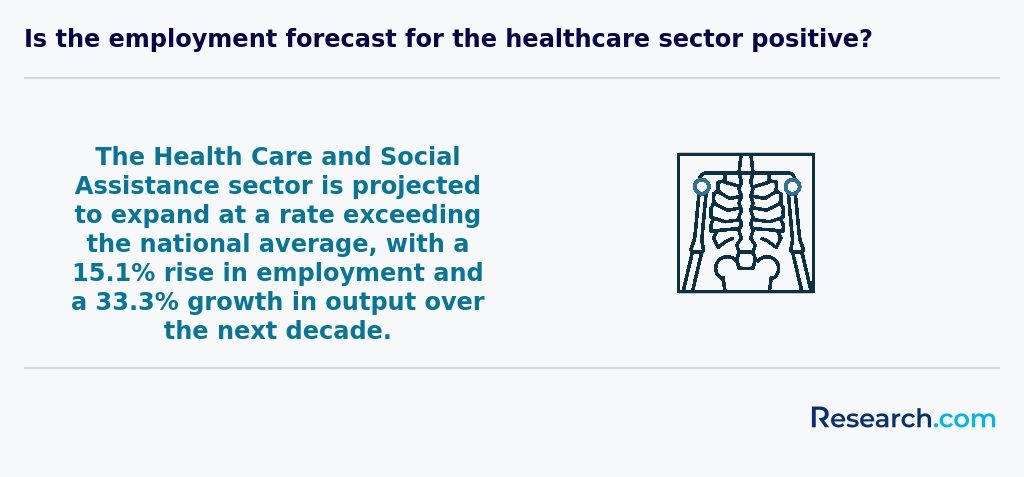
Graduates with healthcare degrees in Louisiana should begin preparing early for the job market by gaining practical experience through internships or clinical rotations. Louisiana's healthcare sector is growing, with many opportunities in hospitals, clinics, and long-term care facilities. According to the Louisiana Workforce Commission, employment in healthcare occupations is projected to grow 15% through 2030, which is faster than average for all industries.
Professional licensure is essential in most healthcare fields. Graduates must understand state-specific requirements and prepare for licensing exams promptly. Networking through professional associations and job fairs in Louisiana can provide leads and mentorship.
Developing soft skills like communication and teamwork is also critical since these are highly valued by Louisiana employers. Additionally, continuing education and certification in specialized areas can enhance employability and earning potential.
Employers in Louisiana highly value healthcare degree graduates who demonstrate strong clinical skills and patient care abilities. According to the Louisiana Workforce Commission, practical experience in medical procedures and proper use of healthcare technology ranks among the top competencies sought by employers. Communication skills are also critical, as healthcare professionals must effectively interact with diverse patient populations and multidisciplinary teams.
Problem-solving and critical thinking skills are essential due to the complex healthcare environment in Louisiana. Graduates who understand healthcare regulations and compliance, particularly related to HIPAA and state-specific laws, are more competitive in the job market. Adaptability and teamwork also stand out as vital skills, reflecting the collaborative nature of healthcare delivery in the state.
Finding internships in Louisiana related to healthcare degrees involves multiple strategic steps. First, students should utilize university career centers, which often hold partnerships with local hospitals and clinics. Institutions like Louisiana State University and Tulane University provide dedicated resources linking students to internships in healthcare. According to the Louisiana Department of Health, the state employs over 250,000 healthcare workers, indicating numerous potential sites for practical experience.
Additionally, joining professional associations such as the Louisiana Public Health Association can open doors to internship opportunities. Online platforms like Handshake and the Louisiana Workforce Commission also list healthcare internships statewide, including in Baton Rouge and New Orleans. Networking at local healthcare conferences is another effective approach to discovering positions.
Students are encouraged to start their search six months before their intended internship to maximize options. Many healthcare employers require background checks and immunization records, so early preparation is essential.
Obtaining a healthcare degree in Louisiana significantly enhances career mobility and advancement opportunities. The state's growing healthcare sector, driven by an aging population and expanding healthcare needs, increases demand for qualified professionals.
According to the Louisiana Workforce Commission, healthcare occupations are projected to grow 16% by 2030, much faster than average. This growth creates diverse roles from nursing to health administration, enabling degree holders to move between specialties and leadership positions more easily.
Additionally, healthcare degrees often serve as prerequisites for certifications and licenses essential for advanced roles. For example, registered nurses with bachelor's degrees are more competitive for management jobs and higher salaries in Louisiana hospitals such as Ochsner Health System and LSU Health.
Higher education institutions in Louisiana also offer continuing education and specialized training, further supporting career progression within the state's healthcare field.
Studying for a healthcare degree in Louisiana offers strong preparation for interdisciplinary roles, reflecting the collaborative nature of modern healthcare. Louisiana's programs typically emphasize teamwork among disciplines such as nursing, public health, and health administration, aligning with guidelines from accrediting bodies like the Commission on Collegiate Nursing Education (CCNE) and the Council on Education for Public Health (CEPH).
Students engage in coursework and clinical experiences designed to enhance communication and problem-solving skills across various healthcare fields. According to the Louisiana Department of Health, over 60% of healthcare facilities in the state prioritize interdisciplinary teamwork to improve patient outcomes.
This focus equips graduates to work effectively in integrated settings such as hospitals and community health centers, addressing complex health challenges endemic to Louisiana, including chronic diseases and access disparities.
Choosing between a thesis and a non-thesis healthcare degree program in Louisiana depends largely on your career goals. Thesis programs typically involve conducting original research, which is ideal if you aim to pursue a PhD or work in research-driven roles.
Non-thesis programs focus more on practical skills and coursework, suitable for students targeting clinical practice or administrative positions.
In Louisiana, healthcare education is influenced by the state's high demand for healthcare professionals, especially in nursing and public health fields. According to the Louisiana Workforce Commission, healthcare occupations are expected to grow by 15% by 2030.
Also, thesis programs often require more time, potentially extending your studies by a semester or two. Consider your available time and financial resources before deciding.
Students based in Louisiana who want to study healthcare abroad have several pathways through partnerships and exchange programs. Many Louisiana institutions, such as LSU Health Sciences Center, offer opportunities to study in countries with diverse medical systems, including programs in Europe, Asia, and Latin America. These options allow students to gain hands-on experience while earning credit toward their degrees.
The Louisiana Board of Regents highlights that international study can enhance understanding of global health challenges, valuable in a state with healthcare disparities like Louisiana, where 13.5% of residents lack health insurance (U.S. Census Bureau, 2023).
Students can also pursue accredited online degrees from foreign institutions, but should verify accreditation through agencies recognized by the U.S. Department of Education to ensure credential transferability.
Part-time job opportunities in Louisiana that complement healthcare degree education include roles such as certified nursing assistant (CNA), medical receptionist, and pharmacy technician. These positions offer practical experience and flexibility for students balancing coursework.
In Louisiana, CNAs can gain valuable hands-on patient care skills while earning an average hourly wage of around $12, according to the Louisiana Workforce Commission. Medical receptionists provide administrative support in clinics or hospitals, improving communication and organizational competencies vital for healthcare careers.
Pharmacy technician roles allow students to understand medication dispensation and healthcare regulations, with Louisiana showing steady demand for this occupation in recent labor reports.
Healthcare students in Louisiana have access to a variety of networking opportunities through local universities, professional organizations, and community events. Institutions such as Louisiana State University and Tulane University offer student chapters of national health associations, which facilitate connections with healthcare professionals and peers. These groups often host conferences, seminars, and career fairs, providing valuable industry exposure.
Additionally, Louisiana's annual healthcare conferences and workshops attract practitioners statewide, enabling students to build relationships within the local healthcare market. According to the Louisiana Department of Health, the state's healthcare sector employs over 650,000 people, creating substantial professional networking potential.
Alumni networks play a vital role for healthcare degree students in Louisiana by providing valuable connections within the local medical community. Graduates often help current students find internships, job opportunities, and mentorships. According to the Louisiana Department of Health, healthcare employment is expected to grow by 15% through 2030, highlighting the benefit of strong networks in a competitive job market.
Many Louisiana universities, such as LSU Health Sciences Center, maintain active alumni associations that organize events and career fairs. These connections can lead to firsthand insights about specific healthcare fields and institutions statewide.
Students with access to alumni networks often report increased confidence and preparedness entering the workforce, benefiting from advice and real-world experiences shared by former graduates.
Students in Louisiana can customize their healthcare degree programs by selecting concentrations or electives that align with specific career goals. Many universities offer options in nursing, health administration, public health, or allied health fields. For example, Louisiana State University provides tailored tracks within nursing and health sciences to meet regional workforce needs.
Practical experiences, such as internships or clinical rotations, allow students to gain exposure in specialized settings like rural clinics or urban hospitals, which are significant in Louisiana's healthcare landscape. According to Louisiana's Department of Health, targeting underserved areas helps meet state demands.
Additionally, choosing part-time, online, or hybrid courses supports working professionals aiming for flexibility without pausing careers.
Healthcare students in Louisiana often face significant challenges related to both academic rigor and practical experience. Many programs require extensive clinical hours, which can be difficult to balance with personal commitments or part-time jobs. According to the Louisiana Board of Nursing, clinical placement shortages have increased competition for sites, slowing student progress in some cases.
Additionally, financial barriers are common; healthcare degrees tend to be expensive, and Louisiana ranks near the national average for student debt, according to the Institute for College Access & Success. Limited availability of scholarships specific to healthcare fields adds to the strain.
Finally, students must navigate a complex licensing process controlled by multiple regulatory bodies, which can be confusing and time-consuming. These combined factors contribute to the overall difficulty of completing a healthcare degree in Louisiana.
Graduates with healthcare degrees in Louisiana can pursue various professional certifications to enhance their careers. Common certifications include Registered Nurse (RN), Certified Medical Assistant (CMA), and Health Information Technician (RHIT). These credentials often require passing national exams after completing specific educational requirements.
Louisiana's healthcare industry is growing, with a strong demand for certified professionals. According to the Louisiana Department of Health, nurse practitioners and medical assistants are among the fastest-growing occupations in the state.
Additional certifications include specialized fields such as Certified Professional Coder (CPC) or Licensed Practical Nurse (LPN). Each certifying body sets educational prerequisites and lessens barriers for healthcare degree holders.
Writing a winning application for a healthcare program in Louisiana requires careful preparation and attention to detail. Start by researching the specific program requirements, as many Louisiana schools like LSU Health New Orleans emphasize GPA, prerequisite coursework, and healthcare experience. According to the Louisiana Board of Regents, competitive applicants often have a minimum GPA of 3.0 in science courses. Including direct patient experience or volunteer work can strengthen your profile, demonstrating commitment to the field.
Craft a clear, concise personal statement highlighting your motivation and connection to healthcare challenges in Louisiana, such as the state's rural health disparities reported by the Louisiana Department of Health. Lastly, secure strong letters of recommendation from academic or professional references familiar with your skills and dedication.
Healthcare careers hold a vital place globally, reflecting growing demand across nations. In the United States, healthcare occupations are expected to grow 13% from 2021 to 2031, faster than the average for all jobs, according to the U.S. Bureau of Labor Statistics. Louisiana mirrors this trend, with approximately 14.2% employment growth projected for healthcare support roles through 2030, driven by an aging population and increasing chronic diseases, as noted by the Louisiana Workforce Commission.
Globally, many countries emphasize advanced healthcare education to meet workforce shortages, which aligns with Louisiana's focus on accessible degree programs. International collaboration and shared health challenges also highlight the importance of globally informed healthcare professionals. Pursuing a healthcare degree in Louisiana thus offers an opportunity to enter a field with strong local and global relevance.
Gaining practical experience while studying for a healthcare degree in Louisiana is essential for career readiness. Many programs include clinical rotations or internships, especially in nursing, allied health, and medical technology fields. These experiences allow students to work in hospitals, clinics, or community health settings under supervision. Local healthcare facilities like Ochsner Health and Louisiana State University Health provide opportunities for hands-on training.
Additionally, some schools partner with Louisiana's rural health organizations to offer fieldwork, addressing regional healthcare needs. Students should also explore volunteering or part-time jobs in healthcare environments to build skills and professional networks while studying.
Choosing the right concentration within a healthcare degree program in Louisiana involves evaluating your interests, career goals, and local job market demands. Louisiana faces particular shortages in registered nurses and allied health professionals, according to the Louisiana Department of Health. Exploring concentrations like nursing, health informatics, or public health can align your education with these regional needs.
Research various programs offered by Louisiana's public universities and community colleges, noting differences in curriculum and clinical opportunities. Consider accreditation and career support services to ensure your education leads to strong employment prospects.
Additionally, analyze salary ranges for different healthcare roles in Louisiana, where registered nurses earned an average annual wage of around $67,000 as of 2023 (BLS).
Related Healthcare Rankings for Nearby States
- 2027 Most Affordable Online Healthcare Degree Programs Ranking in Mississippi
- 2027 Most Affordable Online Healthcare Degree Programs Ranking in Texas
- 2027 Most Affordable Online Healthcare Degree Programs Ranking in Tennessee
- 2027 Most Affordable Online Healthcare Degree Programs Ranking in Missouri
- 2027 Most Affordable Online Healthcare Degree Programs Ranking in Florida
- 2027 Most Affordable Online Healthcare Degree Programs Ranking in Kentucky
- 2027 Most Affordable Online Healthcare Degree Programs Ranking in Illinois
- 2027 Most Affordable Online Healthcare Degree Programs Ranking in South Carolina
- 2027 Most Affordable Online Healthcare Degree Programs Ranking in North Carolina
- 2027 Most Affordable Online Healthcare Degree Programs Ranking in Ohio
Top Trending Healthcare Rankings
See What Experts Have To Say About Studying Healthcare
Read our interview with Healthcare experts

References
- Cost of Attending LSU Health Shreveport https://www.lsuhs.edu/admissions/student-financial-aid/cost-of-attendance
- Louisiana Healthcare Administration Degree Programs https://www.healthadministrationdegrees.com/states/louisiana/
- Niche Markets in Healthcare: How to Find & Target https://nechayadvisors.com/blog/niche-markets-in-healthcare
- Job-Ready Healthcare Skills for 2026 https://cliniwave.in/blogs/latest-article/job-ready-healthcare-skills
- Shop Plans | Blue Cross and Blue Shield of Louisiana https://www.lablue.com/shop-plans
- Welcome to the Upstate Nursing Alumni Association! https://www.upstatefoundation.org/NursingAlumni
- Challenges for Medical Students - Health Action Research Group https://www.healthactionresearch.org.uk/mental-health/challenges-for-medical-student/
- Master’s in Healthcare Management Degrees in Louisiana – M-Z - Healthcare Management Degree Guide https://www.healthcare-management-degree.net/in/louisiana-m-z/
- Health Management Careers https://www.ache.org/Career-Resources/Start-Your-Career/Health-Management-Careers
- Education requirements for the fastest-growing healthcare jobs https://www.corridorcareers.com/job-tips/blog-news-education-requirements-fastest-growing-healthcare-jobs