2027 Fastest Online Doctorate in Healthcare Degree Programs Ranking in St. Louis, MO

Co-Founder and Chief Data Scientist
Are you considering advancing your career with a healthcare doctorate but need flexibility? Our article offers a detailed look at the 2027 Fastest Online Doctorate in Healthcare Degree Programs Ranking in St. Louis, MO. Created by the Research.com team of data scientists, this ranking helps you find the fastest programs tailored to your goals.
Whether you want to boost your expertise, increase job opportunities, or make a meaningful impact, this guide supports your next steps. Discover programs that fit your lifestyle while maximizing your potential. Your journey to a rewarding healthcare career starts here.
Key benefits of getting online healthcare degree in St. Louis
- Healthcare degree graduates in St. Louis can expect strong salary potential, with roles like Program Director earning around $129,330 annually and Healthcare Services Researchers making about $112,380 per year.
- Graduates from local schools such as Saint Louis University often pursue diverse careers in healthcare management, research, and development, giving you many exciting paths to explore.
- Choosing an online healthcare degree offers flexibility and convenience, allowing busy students to learn at their own pace while benefiting from the same quality education as traditional programs at institutions like Webster University.
- Key benefits of getting online healthcare degree in St. Louis
- What can I expect from online healthcare degree in St. Louis?
- Where can I work with online healthcare degree in St. Louis?
- How much can I make with online healthcare degree in St. Louis?
- 2027 Fastest Online Doctorate in Healthcare Degree Programs Ranking in St. Louis, MO
- Key Findings
- How long does it take to complete online healthcare degree in St. Louis?
- What's the difference between online and on-campus healthcare degree?
- What is the average cost of online healthcare degree in St. Louis?
- What financial aid is available to online healthcare degree students in St. Louis?
- What are the prerequisites for enrolling in online healthcare degree program in St. Louis?
- What courses are typically in online healthcare degree programs in St. Louis?
- What types of specializations are available in online healthcare degree programs in St. Louis?
- How do you choose the best online healthcare degree in St. Louis?
- What career paths are available for online healthcare degree students in St. Louis?
- What is the job market for online healthcare degree in St. Louis?
- Top Trending Healthcare Rankings
- See What Experts Have To Say About Studying Healthcare
What can I expect from online healthcare degree in St. Louis?
The average cost of an online healthcare degree in St. Louis generally falls between $300 and $700 per credit hour, reflecting the region's balanced mix of quality and affordability. Graduates from well-known institutions like Washington University School of Medicine and local public universities often share how the tuition aligns with their expectations for accessible, yet comprehensive education. Many appreciate that this range allows them to pursue advanced qualifications without overwhelming financial strain, especially when juggling work or family responsibilities.
One graduate recalls the relief of finding a program at a St. Louis college that combined rigorous coursework with flexible pacing, all while maintaining a reasonable price point. This flexibility and cost-efficiency enable students to focus more on gaining meaningful skills rather than worrying about debt.
Financial aid options also play a critical role here, with Missouri-based scholarships supplementing overall expenses. For those balancing clinical placements and virtual learning, the cost transparency contributes to confident planning and steady progress toward career goals.
Where can I work with online healthcare degree in St. Louis?
Graduates with an online healthcare degree in St. Louis often find rich opportunities in organizations like BJC HealthCare, where roles range from nursing to health administration. Having friends from Washington University who pursued healthcare administration, I've seen firsthand how they smoothly transitioned into managing community health programs at local public health agencies such as the City of St. Louis Department of Health.
For those passionate about research, alumni from Saint Louis University frequently secure positions coordinating clinical trials or managing healthcare data, blending academic rigor with practical impact. Several graduates describe the excitement of contributing to advancements in public health while working alongside leading experts in familiar city institutions.
Nurses and healthcare practitioners also benefit from St. Louis's aging population, finding fulfilling careers in outpatient clinics or home healthcare agencies. The region's growth in healthcare tech opens doors too-graduates with an interest in informatics or telemedicine report feeling inspired by the innovative environment of local startups transforming patient care with cutting-edge technology.
Overall, studying healthcare in St. Louis offers a vibrant professional landscape where online degrees open doors to meaningful and diverse career paths in familiar community settings.
How much can I make with online healthcare degree in St. Louis?
Graduates with online healthcare degrees in St. Louis often find rewarding salary opportunities aligned with the city's growing healthcare sector. For instance, many from universities like Saint Louis University or Washington University report stepping into roles such as Program Director, Healthcare, where the mean annual wage reaches around $129,330. This role often involves overseeing complex programs, a natural progression for those who combined their online education with practical experience.
Others transition into leadership positions like Chief Development Officer, earning about $95,600 per year, applying their skills to advance healthcare organizations creatively and strategically. Graduates interested in research and innovation find roles such as Healthcare Services Researcher or Research Director appealing, with mean salaries near $112,380. These positions blend academic training with practical insights gained from St. Louis's rich healthcare environment.
Real-life experiences shared by alumni highlight how earning an online degree locally offers flexibility without sacrificing competitive wages. They appreciate being able to stay connected to the St. Louis job market, where healthcare expertise is highly valued, and salaries reflect the region's strong demand for skilled professionals.
2027 Fastest Online Doctorate in Healthcare Degree Programs Ranking in St. Louis, MO
How do we rank schools?
Investing in your education is a significant decision that can shape your future, and the Research.com team understands the importance of making informed choices. To assist prospective students in St. Louis, MO, we have meticulously crafted the "2027 Fastest Online Doctorate in Healthcare Degree Programs Ranking." Our commitment to quality, credibility, and accuracy is reflected in the extensive research and analysis conducted to compile this ranking.
We utilized the following reputable data sources to ensure a comprehensive evaluation of healthcare doctorate programs:
By exploring this ranking, readers will gain valuable insights into the fastest online doctorate programs in healthcare available in St. Louis, MO, enabling them to make well-informed decisions tailored to their educational and professional goals. For more details on our rigorous approach, please visit our Research.com methodology page.
# 1 position
Maryville University of Saint Louis
Doctor of Adult-Gerontology Primary Care Nurse Practitioner

# 2 position
Chamberlain University - St. Louis
Doctor of Nursing Practice

Key Findings
- Many accredited universities in St. Louis offer fully or partially online bachelor's and master's programs in healthcare fields like nursing and healthcare administration.
- Bachelor's degree tuition ranges from $15,000 to $30,000 per year for in-state students, while graduate programs cost between $20,000 and $45,000 annually.
- Entry-level salaries for bachelor's graduates start around $50,000, with mid-career pay reaching $70,000 to $85,000 depending on specialization.
- Master's degree graduates, such as nurse practitioners, can start with salaries above $80,000, potentially exceeding $100,000 over time.
- Healthcare employment in the St. Louis area grew by nearly 6% in the past five years, driven by aging populations and expanding services.
- Many programs require local clinical hours or internships for licensure, and it's important to check for regional and program-specific accreditation like CCNE for nursing.
How long does it take to complete online healthcare degree in St. Louis?
Completing an online healthcare degree in St. Louis varies, but most graduates at institutions like Saint Louis University or Webster University find clear timelines helpful for planning. Associate degrees typically take about two years full-time, perfect for entering healthcare roles quickly. Some part-time students appreciate the flexibility, extending study to around three years without feeling overwhelmed.
Bachelor's degrees often span four years full-time, although many students with prior credits experience a shorter journey. Graduates recall how flexible scheduling and credit transfer options made finishing doable even while working. This flexibility is invaluable for balancing life and study in bustling St. Louis.
- Master's programs usually need 1.5 to 3 years, with many local online options emphasizing pacing that fits working professionals' busy lives.
- Doctorate degrees, such as the Doctor of Nursing Practice, typically require 3 to 6 years, blending advanced coursework with real-world projects, often adjusted around careers.
Residents often note that occasional on-site practicums at nearby hospitals enrich learning, although these extend timelines slightly. Ultimately, motivated students in St. Louis benefit from supportive community resources and accelerated paths that foster steady progress without sacrificing quality.
What's the difference between online and on-campus healthcare degree?
The key difference between online and on-campus healthcare degrees in St. Louis lies in the learning environment and how students engage with their studies. Many graduates from institutions like Saint Louis University share that on-campus programs offer rich face-to-face interactions, fostering immediate feedback and strong connections with local hospitals for clinical practice. This hands-on experience, embedded in the fabric of St. Louis's healthcare community, often boosts confidence and networking opportunities.
Conversely, online programs provide unparalleled flexibility, especially for those balancing work or family commitments. Students from universities offering online healthcare courses appreciate being able to study around their schedules, tapping into lecture videos and interactive modules from anywhere in or beyond St. Louis. Still, they report the necessity to travel occasionally to local clinics for essential practical training, ensuring their skills remain grounded.
Choosing between these paths hinges on personal motivation, learning style, and the desire for direct community immersion versus adaptable pacing. Both formats ultimately lead to respected degrees, but the St. Louis context makes the clinical experience and local support crucial factors to weigh carefully.
What is the average cost of online healthcare degree in St. Louis?
The average cost of an online healthcare degree in St. Louis typically centers around $54,900, reflecting a median total tuition figure that blends both public and private institution rates. Many graduates from the University of Missouri-St. Louis recall how affordable in-state tuition, often between $300 and $500 per credit hour, was instrumental in making their education manageable financially. This accessibility has been a pivotal factor encouraging local students to pursue healthcare degrees without excessive debt.
St. Louis affordable online healthcare doctorate tuition programs often extend beyond just cost savings, offering flexible learning schedules vital for working professionals. Alumni from private colleges highlight that while tuition costs can exceed $600 per credit hour, the trade-off comes in the form of specialized courses and faculty expertise, which many feel justifies the investment. These insights reveal that balancing tuition fees with program quality is key when estimating expenses for an online healthcare degree in this area.
In addition to tuition, other costs like technology fees and certification exams add to total expenses but are often offset by financial aid and scholarships aimed at healthcare students. Some graduates recommend exploring support options and even employer tuition reimbursement to lighten the financial load. For those weighing options, considering programs with reasonable costs and benefits can make a significant difference in overall satisfaction and success.
For prospective students researching shorter, career-focused pathways, examining best 6 month certifications that pay well can provide a practical entry into healthcare careers without the full financial commitment of a degree.
Understanding the average cost of online healthcare degrees in St. Louis through the experiences of students from well-regarded universities offers prospective learners a well-rounded perspective, enabling them to make informed decisions grounded in both affordability and educational quality.
What financial aid is available to online healthcare degree students in St. Louis?
Students pursuing online healthcare degrees in St. Louis often find relief through a combination of federal, state, and local financial aid options that make their education more attainable. For instance, graduates from well-regarded institutions like the University of Missouri-St. Louis recall how completing the FAFSA opened doors to federal aid programs, including Pell Grants for undergraduates and Federal Direct Loans for graduate students, easing the financial pressure significantly.
State programs such as the Access Missouri Financial Assistance Program also play a crucial role by providing grants and scholarships tailored to Missouri residents. Many online learners at local colleges have benefited from these resources, which often reward commitment to serving underserved St. Louis communities.
Institutional scholarships, common at schools like Saint Louis University, frequently reward merit or offer need-based support. Some alumni fondly remember receiving tuition discounts as working healthcare professionals, which helped balance their full-time jobs and studies.
Additionally, employer tuition assistance programs are a hidden gem. Healthcare workers in St. Louis often find that their employers partially or fully reimburse tuition, making advanced degrees not only achievable but a source of pride and motivation to excel.
What are the prerequisites for enrolling in online healthcare degree program in St. Louis?
Students aiming to enroll in online healthcare degrees in St. Louis often find that a high school diploma or GED is the first step, especially for bachelor's programs at well-known local colleges. Graduates frequently share how meeting a minimum GPA requirement, typically around 2.5, really boosted their confidence, proving they were ready for the challenges ahead.
Many associate and bachelor's programs expect foundational coursework in biology, chemistry, or anatomy, which helps students handle the demanding science material. One graduate recalled how early mastery of statistics at a St. Louis university made later research projects much less intimidating.
For those pursuing master's or doctoral degrees online, holding a relevant bachelor's degree from an accredited institution is standard. Some programs also value or require a few years of professional healthcare experience. This blend of education and practical work, emphasized by graduates from local universities, often makes classes more meaningful and relatable.
- Standardized tests like the GRE may be optional or waived, easing entry barriers in recent years.
- Proof of immunizations and background checks remain important for programs involving any clinical work.
- Certifications such as CNA or EMT can enhance applications for specialized online tracks.
What courses are typically in online healthcare degree programs in St. Louis?
Online healthcare degrees in St. Louis typically include a thoughtful blend of courses designed to build both foundational knowledge and practical expertise. Graduates from well-known local institutions often reflect on their comprehensive studies in human anatomy, physiology, and medical terminology as essential stepping stones, helping them confidently navigate real-world clinical environments.
Many students also appreciate courses in healthcare ethics, which prepare them to face difficult decisions with integrity and compassion-vital qualities when working in diverse community settings throughout St. Louis. The inclusion of healthcare administration and policy classes offers insight into how local hospitals and clinics operate, reflecting the region's dynamic healthcare landscape.
Furthermore, research methods and evidence-based practice courses stand out as particularly impactful. Graduates recall engaging virtual simulations and case studies that brought complex theories to life, enabling them to improve patient care even without traditional clinical hours. These courses, common in St. Louis online programs, blend flexibility with real-world relevance, fostering confidence and readiness for the evolving healthcare sector.
What types of specializations are available in online healthcare degree programs in St. Louis?
Online healthcare degree programs in St. Louis typically offer a range of specializations tailored to diverse career goals. Graduates from prominent institutions like Saint Louis University or the University of Missouri-Saint Louis often highlight how specializations such as Healthcare Administration prepare them to manage hospitals and clinics effectively, reflecting the city's robust healthcare economy. Others find public health enlightening, focusing on community wellness and disease prevention, which resonates with local public health needs.
Students pursuing Nursing Leadership appreciate how their programs foster advanced clinical skills and leadership in patient care-a vital asset in a city with a significant healthcare workforce. The specialization in Health Informatics is also gaining traction, combining IT and patient data management, aligning perfectly with the digital shift in healthcare delivery.
Choosing among St Louis healthcare degree programs specializations requires reflection on personal passion and career ambition. Those intrigued by policy and reform find the Healthcare Policy track rewarding. For anyone still unsure, exploring what's the easiest masters degree to get can provide useful perspective on balancing interest and academic challenge.
How do you choose the best online healthcare degree in St. Louis?
Choosing the best online healthcare degree programs St Louis involves weighing accreditation and program credibility foremost. Graduates from local institutions such as the University of Missouri-St. Louis often share how regional accreditation and approval by bodies like CAHME gave their qualifications strong legitimacy in the St. Louis job market. Reflecting on their experiences, aligning your specialization with Missouri's growing healthcare fields-like administration or public health-can lead to meaningful career advancement.
Cost is a vital consideration. Affordable healthcare doctorate online St Louis MO students recount that balancing tuition expenses with financial aid options significantly eased their educational journey. The practical, flexible schedules many online programs offer allowed these learners to maintain jobs while studying. A graduate recalled how asynchronous classes helped them manage family commitments without losing pace.
Practical exposure remains essential. Programs partnered with area hospitals enhance real-world skills, even through remote learning. For those starting out, exploring options like the fastest associate degree can provide an accelerated path into the healthcare field while building a foundation for further study.

What career paths are available for online healthcare degree students in St. Louis?
Graduates from online healthcare degree programs in St. Louis find a variety of fulfilling career paths waiting for them, reflecting the city's dynamic healthcare landscape. Many pursue roles as registered nurses or nurse practitioners, leveraging flexible BSN or MSN programs offered by respected institutions like Washington University. Their experiences reveal a rewarding balance of hands-on clinical impact and career growth, with salaries reflecting the city's robust healthcare economy.
Others channel their skills into healthcare administration, where managing hospital operations or medical practices becomes a daily challenge met with enthusiasm. The projected growth in health services management jobs in St. Louis encourages graduates to take on leadership roles that directly influence community health outcomes.
Public health careers also attract those passionate about systemic change, especially given St. Louis's focus on chronic disease prevention. Graduates equipped with a Master of Public Health are well-positioned for work with government and nonprofits, driven by mission-focused work.
For students intrigued by online healthcare doctorate job opportunities in St. Louis, clinical research and health informatics offer innovative pathways. The synergy between local research institutions and these roles creates enriching environments where data and patient care intersect.
Several graduates recommend exploring options among the top online universities in the region, highlighting that online healthcare degree careers St. Louis can be both accessible and economically sensible without sacrificing quality.
What is the job market for online healthcare degree in St. Louis?
The job market for online healthcare degree graduates in St. Louis reflects a robust and expanding landscape supported by major healthcare employers such as BJC HealthCare and Mercy. Graduates from well-regarded local institutions often find opportunities not only in direct patient care but also in healthcare administration and public health roles. The strong partnerships between these healthcare systems and local universities create a pathway where students can leverage internships and networking to secure meaningful employment. This dynamic is a key factor for many pursuing online healthcare jobs St. Louis MO.
Graduates report that the flexibility of online programs allows them to balance work and study, which is crucial when navigating this competitive and growing job market. For example, those completing degrees at universities popular in the region often transition into positions supporting community health initiatives or healthcare technology development. Those seeking leadership roles find the cost-effective, quality education in St. Louis bridges the gap between ambition and opportunity, and for more information on career prospects, exploring highest paid trades can be insightful.
Frequently Asked Questions About healthcare
Online healthcare degree students in St. Louis can enhance their learning by actively engaging with local healthcare organizations for internships or practical experience. St. Louis hosts top medical centers such as Barnes-Jewish Hospital and St. Louis University Hospital, providing rich opportunities to apply theoretical knowledge. Additionally, students should utilize digital platforms that offer access to up-to-date medical journals and resources, like those available through the Missouri Library Network.
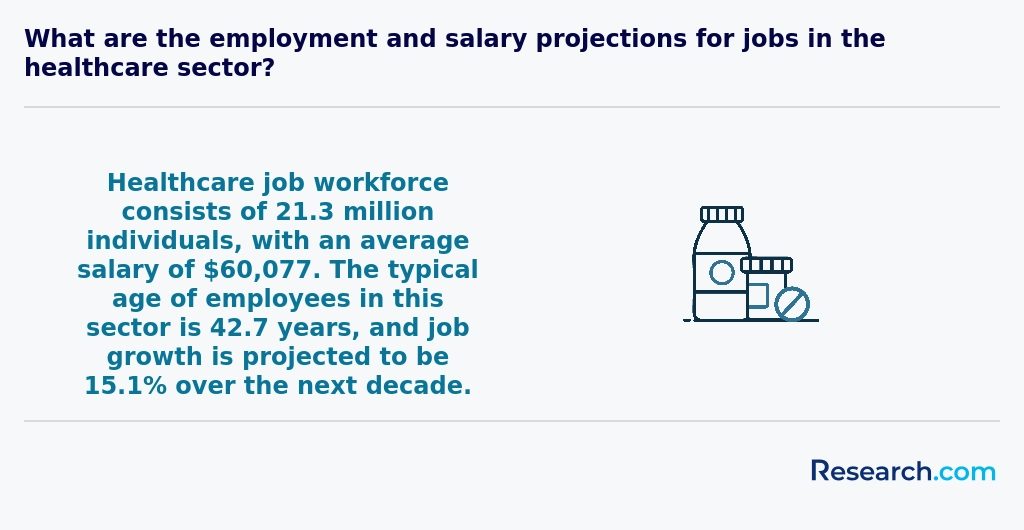
Time management is crucial; setting consistent study schedules helps balance coursework and professional obligations. Joining virtual study groups with peers in the St. Louis region fosters collaboration and deeper understanding. According to the Missouri Department of Higher Education, healthcare jobs in St. Louis are expected to grow by over 15% by 2030, emphasizing the value of thorough preparation.
The healthcare field is rapidly evolving, with several emerging niches gaining prominence. In St. Louis, areas like telehealth and digital health technologies are growing significantly, driven by increased demand for remote patient care. According to the Missouri Economic Research and Information Center, healthcare support occupations are projected to grow by over 15% by 2030, highlighting expanding job opportunities.
Another key niche is personalized medicine, where treatment is tailored based on genetic information. This aligns with St. Louis' strong biotech industry, supported by institutions like Washington University.
Additionally, healthcare data analytics and informatics are critical, helping providers improve patient outcomes and reduce costs.
After completing an online healthcare degree in St. Louis, preparing for the job market involves targeted steps to enhance employment prospects. Start by gaining relevant clinical experience through internships or volunteer roles in local hospitals such as Barnes-Jewish or SSM Health, which serve as major employers in the region.
Networking is essential; connect with professional organizations like the Missouri Hospital Association to access job fairs and mentorships. Additionally, obtain any required certifications or licenses specific to your field promptly, as Missouri enforces strict credentialing standards in healthcare.
According to the Bureau of Labor Statistics, healthcare jobs in St. Louis grew by over 10% between 2019 and 2022, emphasizing the importance of tailored career preparation in this competitive market.
Employers in St. Louis seek healthcare graduates with strong clinical and technical skills that meet local industry demands. Critical thinking and problem-solving abilities are essential, as they ensure effective patient care and decision-making. Communication skills are also highly valued, facilitating teamwork among healthcare professionals and improving patient outcomes.
Given the city's expanding healthcare sector, knowledge of electronic health records (EHR) systems is increasingly important. According to the Greater St. Louis Area Healthcare Workforce Report (2023), proficiency in EHR technologies is required by over 70% of local healthcare employers.
Additionally, adaptability and cultural competence are crucial for working in the diverse patient populations typical in St. Louis clinics and hospitals.
Finding internships in St. Louis related to healthcare degrees involves exploring local hospitals, clinics, and public health organizations. Leading institutions like Barnes-Jewish Hospital and SSM Health offer reputable internship programs that complement online coursework. Many universities in the area maintain partnership networks to help students secure placements.
The St. Louis Regional Health Commission provides resources and connections specific to healthcare careers, often listing internships and job openings. Students can also leverage online platforms like Handshake and LinkedIn, filtering for local healthcare internships.
Healthcare is a major sector in St. Louis, employing approximately 100,000 workers, which expands opportunities for practical experience. Early outreach to faculty and career services at your degree program is vital to navigate local internship options effectively.
Obtaining an online healthcare degree significantly enhances career mobility and advancement opportunities in St. Louis. The city's growing healthcare sector, employing over 120,000 professionals as of 2023 (Missouri Economic Research and Information Center), demands qualified candidates who combine clinical expertise with leadership skills.
Online degrees provide flexibility for working professionals to upgrade their credentials without interrupting employment, a key factor in career progression. Many employers in St. Louis value accredited online programs that emphasize practical skills relevant to the local healthcare landscape.
Furthermore, specialized degrees can open doors to leadership roles in hospitals, public health departments, and research institutions, where St. Louis is nationally recognized for its medical innovation and biotechnological development.
Overall, an online healthcare degree equips graduates with current knowledge and credentials essential for upward mobility within St. Louis's competitive healthcare job market.
Studying for an online healthcare degree in St. Louis offers strong preparation for interdisciplinary roles by emphasizing collaboration across multiple healthcare fields. Programs often integrate coursework in nursing, public health, healthcare administration, and informatics, helping students develop versatile skills. In St. Louis, a major healthcare hub with institutions like BJC HealthCare and Washington University School of Medicine, students gain exposure to real-world healthcare challenges through case studies and virtual simulations.
According to the Missouri Department of Health and Senior Services, St. Louis County leads the state in healthcare employment, highlighting demand for professionals able to work across disciplines. This environment encourages students to master communication, management, and clinical expertise vital for team-based care.
Choosing between a thesis and a non-thesis healthcare degree program in St. Louis depends largely on your career goals. Thesis programs emphasize research and preparation for academic or research roles, requiring original research work. Non-thesis options focus more on practical skills and often include internships or additional coursework.
In St. Louis, healthcare employers value both paths, but research roles at institutions like Washington University School of Medicine may prefer candidates with thesis experience. According to the Missouri Department of Higher Education, about 30% of healthcare graduate students opt for thesis tracks statewide, especially those targeting doctoral or academic positions.
Consider your long-term plans carefully when making your choice to ensure the program aligns with your professional ambitions.
Students based in St. Louis seeking to study healthcare abroad have several options through U.S. universities offering online international programs. Many accredited schools partner with global institutions, allowing learners to complete coursework remotely while gaining exposure to international healthcare practices. This approach suits working professionals and graduate students aiming for flexibility.
For example, Saint Louis University offers global health programs emphasizing international healthcare systems, accessible online. Additionally, some Missouri students pursue online degrees from universities accredited by the Council on Education for Public Health (CEPH) or the Commission on Collegiate Nursing Education (CCNE), which often include global healthcare elements.
According to the St. Louis Regional Chamber, healthcare is a leading industry locally, with over 126,000 related jobs, highlighting the value of global perspectives in this sector. While direct overseas study requires travel, online international programs offer St. Louis students accessible alternatives for broadening their healthcare education.
Part-time job opportunities in St. Louis that complement healthcare degree education include medical assistant roles, patient care technician positions, and pharmacy technician jobs. These roles provide practical experience relevant to healthcare studies and can often accommodate flexible schedules for online students.
St. Louis has a strong healthcare sector, with organizations like BJC HealthCare offering numerous part-time openings. According to the Missouri Economic Research and Information Center, healthcare occupations in the region are projected to grow faster than average through 2028, creating ongoing demand for support roles.
Working part-time in these roles helps students gain hands-on skills and strengthen resumes while pursuing online degrees.
Online healthcare students in St. Louis can access several valuable networking opportunities despite the remote format of their studies. Many universities offer virtual events and career fairs connecting students with local healthcare employers and alumni. Institutions like Washington University and Saint Louis University maintain active healthcare networks, which benefit online students through webinars and mentorship programs. Additionally, St. Louis hosts numerous professional organizations, such as the Missouri State Hospital Association, that provide online and in-person networking options. Engaging in these groups can lead to internships and job opportunities within the city's large healthcare sector, which employs over 100,000 people according to the St. Louis Economic Development Partnership.
Alumni networks offer significant advantages to online healthcare degree students in St. Louis by connecting them to a broad community of professionals in the region. These networks provide access to mentorship opportunities, enhancing career guidance tailored to St. Louis' healthcare environment, which includes major hospitals like Barnes-Jewish and St. Louis Children's Hospital.
Engaging with alumni can lead to job referrals and internships, critical in a competitive job market. Several studies show that nearly 80% of healthcare jobs are filled through networking, underscoring alumni importance.
Additionally, alumni groups often host local events and webinars, keeping students informed about St. Louis healthcare trends and innovations cited by the Missouri Hospital Association.
Customizing your online healthcare degree in St. Louis starts with selecting programs that offer flexible specializations aligned with your career goals. Many universities provide concentrations such as healthcare administration, nursing leadership, or public health, enabling focused skill development.
Look for programs that allow elective courses tailored to your interests. For example, Saint Louis University and the University of Missouri offer healthcare degrees with customizable electives, combining clinical knowledge and management skills.
Additionally, consider programs supporting practical experience through virtual simulations or partnerships with local hospitals in St. Louis, known for its strong healthcare industry employing over 50,000 people (Greater St. Louis, Inc. 2023).
Finally, seek programs with mentorship opportunities from local healthcare professionals to guide your specialization choices effectively.
Online healthcare students in St. Louis face several challenges unique to their region and field. One of the main difficulties is securing clinical placements, as local hospitals and clinics may have limited partnerships with online programs. This can result in delays fulfilling hands-on training requirements essential for licensure.
Additionally, students often encounter technology-related barriers. Although St. Louis has growing internet infrastructure, some suburban and rural areas still experience unreliable connectivity, which complicates participation in live lectures and accessing course materials. According to the Federal Communications Commission, about 10% of Missouri residents lack high-speed internet access.
Time management is another hurdle; many learners balance work, family, and studies without the on-campus support that traditional programs provide. Navigating financial aid options specifically for online healthcare degrees in Missouri can also be confusing. Students benefit from thorough research and utilizing resources like the Missouri Department of Higher Education for guidance.
With an online healthcare degree, students in St. Louis can pursue a variety of professional certifications that enhance career opportunities. Popular options include Certified Healthcare Administrator (CHA), Certified Professional in Healthcare Quality (CPHQ), and Registered Health Information Administrator (RHIA). These certifications are highly regarded nationwide and linked to increased job prospects and higher salaries.
Healthcare employers in St. Louis often prefer candidates with certifications due to the region's growing medical sector, including major institutions like BJC HealthCare. According to Missouri's Department of Health and Senior Services, the demand for certified healthcare professionals is rising consistently. Online degree holders may also pursue certifications in health informatics or public health, depending on their specialization.
To write a winning application for an online healthcare program in St. Louis, start by researching each school's specific requirements. Highlight your healthcare experience and align your goals with the program's mission. Admissions committees in Missouri often value clear career objectives and evidence of leadership or community service in healthcare settings.
Be precise and professional in your personal statement. Mention St. Louis's growing healthcare sector, which includes major hospitals such as Barnes-Jewish and St. Louis Children's Hospital, supporting local healthcare advancements (Missouri Economic Research and Information Center, 2023).
Request strong recommendation letters and submit transcripts promptly. Finally, ensure your application is error-free and tailored to healthcare challenges specific to Missouri.
The global perspective on healthcare careers is increasingly shaped by demands for skilled professionals capable of addressing diverse health challenges. In the United States, healthcare employment is projected to grow 13% from 2021 to 2031, much faster than the average for all occupations, according to the U.S. Bureau of Labor Statistics. For St. Louis, home to a well-regarded medical community, this growth reflects broader national trends and international needs.
Online healthcare degrees provide flexibility for students in St. Louis to gain relevant knowledge recognized worldwide, preparing them for careers in various healthcare settings. The World Health Organization emphasizes the importance of interdisciplinary healthcare education to improve global health outcomes.
St. Louis institutions offering online programs help meet local and global needs by training professionals in rising fields such as nursing, health administration, and public health. This approach aligns with the global shift toward accessible and continuing healthcare education.
Gaining practical experience while studying for an online healthcare degree in St. Louis involves combining virtual coursework with local hands-on opportunities. Many online programs require clinical practicums or internships that students can complete at approved healthcare facilities in St. Louis, such as Mercy Hospital or Barnes-Jewish Hospital. These placements allow students to apply theory in real-world settings, an essential step for licensure and employment.
Students should connect with program advisors early to identify suitable clinical sites nearby. According to the Missouri Hospital Association, St. Louis has over 40 healthcare providers offering diverse clinical experiences. Additionally, participation in local health departments or community clinics can add valuable exposure to practical healthcare challenges.
Choosing the right concentration within an online healthcare degree program in St. Louis requires careful consideration of your career goals and local industry demands. St. Louis is known for its strong healthcare sector, including major employers like BJC HealthCare and SSM Health, which often seek professionals in nursing, healthcare administration, and public health.
Consider programs that align with in-demand specialties. For example, healthcare administration is growing regionally due to the expansion of hospital systems. According to the Missouri Economic Research and Information Center, healthcare support occupations in St. Louis are projected to grow by 12% through 2030.
Research the curriculum and ensure the concentration offers practical skills relevant to your interests. Also, check if the program supports licensure or certification requirements common in Missouri to maximize employability.
Related Healthcare Rankings for Nearby Cities
- 2027 Fastest Online Healthcare Degree Programs Ranking in Saint Charles, MO
- 2027 Fastest Online Healthcare Degree Programs Ranking in Lebanon, IL
- 2027 Fastest Online Healthcare Degree Programs Ranking in Carbondale, IL
- 2027 Fastest Online Healthcare Degree Programs Ranking in Columbia, MO
- 2027 Fastest Online Healthcare Degree Programs Ranking in Peoria, IL
- 2027 Fastest Online Bachelor's in Healthcare Degree Programs Ranking in Springfield, MO
- 2027 Fastest Online Healthcare Degree Programs Ranking in Joliet, IL
- 2027 Fastest Online Healthcare Degree Programs Ranking in Romeoville, IL
- 2027 Fastest Online Healthcare Degree Programs Ranking in Memphis, TN
- 2027 Fastest Online Healthcare Degree Programs Ranking in Hammond, IN
Top Trending Healthcare Rankings
See What Experts Have To Say About Studying Healthcare
Read our interview with Healthcare experts

References
- HEALTH MANAGEMENT (THESIS / NON-THESIS) - Lisansüstü Eğitim Enstitüsü https://lee.nisantasi.edu.tr/en/health-management-thesis-non-thesis/
- Networking and Mentorship During Clinical Rotations https://rotatingroom.com/blog/medical-students-the-importance-of-networking-mentorship-during-your-clinical-rotations
- How to Write Your Cover Letter | NQRTH https://www.nqrth.edu.au/career-planning/how-to-write-your-cover-letter/
- Thesis vs. Non-Thesis Master's Programs: Which is Right for You? https://potomac.edu/thesis-vs-non-thesis-masters/
- Healthcare Assistant Cover Letter Templates | myPerfectCV https://www.myperfectcv.co.uk/cover-letter/examples/healthcare-assistant-cover-letter
- Interdisciplinary Education and Practice https://www.aacnnursing.org/news-data/position-statements-white-papers/interdisciplinary-education-and-practice
- Employability Skills Matrix for the Health Sector https://www.skillsforhealth.org.uk/resources/employability-skills-matrix/
- Health Management Careers https://www.ache.org/Career-Resources/Start-Your-Career/Health-Management-Careers
- Challenges for Medical Students - Health Action Research Group https://www.healthactionresearch.org.uk/mental-health/challenges-for-medical-student/
- How to choose a bachelor's in healthcare administration | edX https://www.edx.org/resources/how-to-choose-a-bachelors-in-healthcare-administration