2027 Most Valuable Fine Arts Degree Programs Ranking in Kansas City

Co-Founder and Chief Data Scientist
Are you considering pursuing a fine arts degree in Kansas City? This article will introduce you to the 2027 Most Valuable Fine Arts Degree Programs Ranking in Kansas City, carefully developed by the Research.com team of data scientists.
Designed to guide you toward programs that offer strong value, this ranking helps you make an informed choice about your education and future career. Exploring fine arts can open doors to creativity, personal growth, and meaningful opportunities.
Whether you're passionate about painting, sculpture, or digital arts, this guide is here to support your journey with clear and reliable information.
Key benefits of getting fine arts degree in Kansas City
- Salary benefits: Graduates with a fine arts degree in Kansas City can earn competitive salaries, such as $71,420 annually for Illustrators and $109,630 for Animators, offering strong financial potential in creative careers.
- Career paths: Fine arts graduates from local universities often pursue diverse roles like graphic artists or art therapists, unlocking various opportunities to express creativity while making a meaningful impact.
- Online degree perks: Earning a fine arts degree online from Kansas City institutions provides flexible study options, allowing students to balance life commitments while gaining skills that employers value in the digital age.
- Key benefits of getting fine arts degree in Kansas City
- What can I expect from fine arts degree in Kansas City?
- Where can I work with fine arts degree in Kansas City?
- How much can I make with fine arts degree in Kansas City?
- 2027 Most Valuable Fine Arts Degree Programs Ranking in Kansas City
- Key Findings
- How long does it take to complete fine arts degree in Kansas City?
- Student Life and Campus Culture
- What's the difference between online and on-campus fine arts degree?
- Accreditation and Recognition
- What is the average cost of fine arts degree in Kansas City?
- Campus Life and Student Experience
- What financial aid is available to fine arts degree students in Kansas City?
- Student Life and Campus Culture: Enriching Your Fine Arts Experience
- What are the prerequisites for enrolling in fine arts degree program in Kansas City?
- Internship and Industry Partnerships
- What courses are typically in fine arts degree programs in Kansas City?
- What types of specializations are available in fine arts degree programs in Kansas City?
- How do you choose the best fine arts degree in Kansas City?
- What career paths are available for fine arts degree students in Kansas City?
- What is the job market for fine arts degree in Kansas City?
- Top Trending Fine Arts Rankings
What can I expect from fine arts degree in Kansas City?
If you're thinking about getting a fine arts degree in Kansas City, the cost can really depend on where you study. For example, students at the Kansas City Art Institute usually face a tuition bill around $43,000 a year. It's a big investment, but many grads say the hands-on experience and close mentorship they get there totally make it worth it. On the flip side, if you go to the University of Missouri-Kansas City, tuition for in-state students is much friendlier-closer to $10,000 per year. That's a huge difference, and it makes fine arts education way more accessible for local students.
Many students also highlight how scholarships aimed specifically at fine arts majors help ease the financial stress. Picture yourself attending studio sessions, working on projects, and showcasing your art locally-all without constantly stressing about tuition paperwork. So, while costs vary, Kansas City offers some solid options that fit different budgets and still deliver a great art education.
Where can I work with fine arts degree in Kansas City?
If you're studying fine arts in Kansas City, you'll find plenty of cool places to work once you graduate. Many grads from the Kansas City Art Institute end up diving into roles at local spots like the Nelson-Atkins Museum of Art, working as curators, art educators, or helping organize exhibitions. It's a creative playground where you get to bring art to life for the community.
Others find their groove teaching art in schools around town or running arts programs at community centers. Missouri's been stepping up its game in arts education, so jobs for art teachers and program coordinators have been steadily growing.
On the flip side, if you love graphic design or animation, local businesses and agencies in KC are hungry for fresh creative talent to boost their projects. The city's creative scene pumps billions into the economy every year, meaning more chances to flex your artistic skills.
And hey, if you're the entrepreneurial type, plenty of grads set up their own galleries or studios, or jump into the buzz of events like the Plaza Art Fair where you get to showcase your work and connect with fellow artists and fans.
How much can I make with fine arts degree in Kansas City?
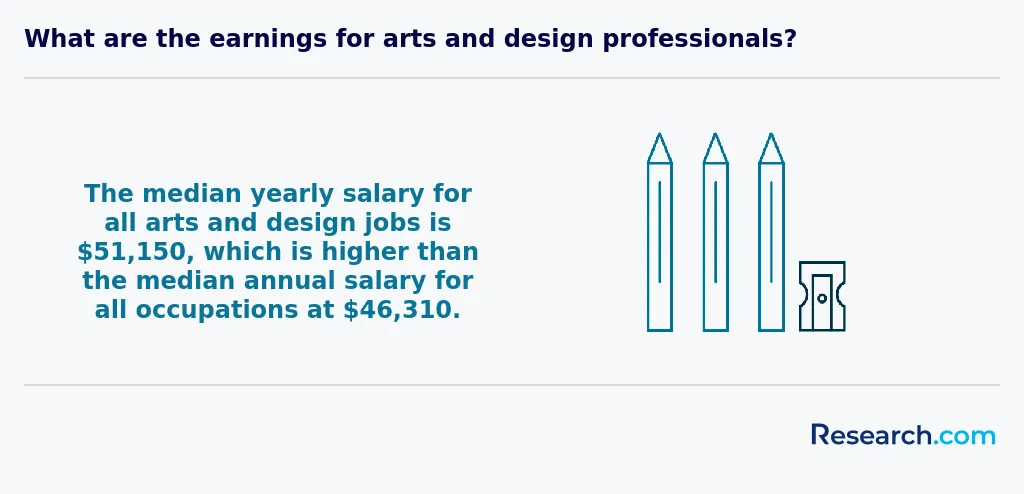
If you're wrapping up a fine arts degree in Kansas City, the paycheck you can expect really depends on the path you pick. For instance, a graphic artist typically earns around $64,700 a year, which feels pretty solid for creative work. Graduates from Kansas City Art Institute often share how combining design skills with tech boosts their chances in this crowded market. For those passionate about teaching, art teachers make an average of $70,740 annually, a steady option if you love sharing your craft with others.
Illustrators in the area pull in about $71,420 a year, which matches well with what freelance grads from local colleges find when they land gallery or commercial gigs. Then there are animators-these folks can make a very impressive $109,630 yearly, thanks to the demand for animated content across media companies near Kansas City. Art therapists, blending creativity with care, see mean wages of $75,660 annually, offering fulfilling work with decent pay.
A lot of grads say building a portfolio while still in school or finding internships nearby really helps push their earning power higher once they graduate. The cool thing is Kansas City's growing creative scene means more opportunities to turn your passion into a reliable income.
2027 Most Valuable Fine Arts Degree Programs Ranking in Kansas City
How do we rank schools?
Investing in your education is a significant decision that can shape your future, and the Research.com team understands the importance of making informed choices. To assist prospective students interested in fine arts, we have meticulously crafted the "2027 Most Valuable Fine Arts Degree Programs Ranking in Kansas City." Our commitment to quality, credibility, and accuracy is reflected in the extensive research and analysis conducted to compile this ranking.
We utilized the following reputable data sources to ensure a comprehensive evaluation of fine arts programs:
By exploring this ranking, readers will gain valuable insights into the most beneficial fine arts degree programs available in Kansas City, empowering them to make well-informed decisions about their educational journey. For more details on our methodology, please visit our Research.com methodology page.


Key Findings
- The average annual cost for a fine arts degree in Kansas City ranges from $15,000 to $30,000 for in-state students, varying by public or private institution.
- Entry-level fine arts graduates typically earn between $35,000 and $45,000 per year, while mid-career professionals can expect salaries from $55,000 to $70,000.
- Employment opportunities include roles like graphic designers, illustrators, art educators, and curators within galleries, theaters, and design firms.
- Fine arts programs offer training in both traditional and digital media, with access to modern studios and exhibition spaces for hands-on experience.
- Students often gain real-world experience through internships with local galleries and marketing agencies in Kansas City.
- Financial aid options include scholarships, grants, and federal aid, often supported by colleges and statewide arts councils to help reduce education costs.
How long does it take to complete fine arts degree in Kansas City?
Most folks aiming for a fine arts degree in Kansas City usually wrap up their bachelor's in about four years, which is pretty standard across the board. Schools like the Kansas City Art Institute and the University of Missouri-Kansas City offer programs where graduates share how balancing studio time and general classes really keeps their days full but rewarding.
If you're going for a BFA, expect to dive deep into hands-on stuff like painting or digital arts, often needing around 120 to 130 credits. BA students might enjoy a bit more flexibility, mixing art with broader subjects, so the timeline stays close to that four-year mark.
For those ready to take it further, grabbing a Master of Fine Arts after the bachelor's typically adds two or three more years-perfect for honing skills or gearing up to teach.
Keep in mind, going part-time or switching schools can stretch out your timeline, but plenty of grads feel the journey is worth every moment spent creating in KC's vibrant art scene.
Student Life and Campus Culture
Kansas City’s Fine Arts programs offer more than just rigorous academics-they boast a vibrant campus culture that plays a crucial role in shaping your creative journey. Students benefit from dynamic art clubs, interactive workshops, gallery events, and collaborative projects that foster both personal and professional growth. Campus life creates an environment where creativity meets community, and where students often find inspiration not only in the classroom but also from fellow artists and local exhibitions. Many institutions arrange regular portfolio reviews, artist talks, and off-campus excursions to galleries and cultural festivals, enriching students’ educational experiences. Furthermore, engaging with peers in such a lively setting boosts networking opportunities, and helps students gain insights into trends and career paths within the art world. To learn more about regional opportunities and benchmark your options against valuable fine arts schools in missouri, prospective students are encouraged to explore additional resources that compare campus cultures and student outcomes across the state. This supportive and stimulating environment complements academic learning, ensuring that graduates are well-prepared not only in their craft but also in building lasting industry connections.
What's the difference between online and on-campus fine arts degree?
If you're thinking about getting a fine arts degree in Kansas City, the biggest difference between online and on-campus programs comes down to how you experience your art. On-campus students at places like the Kansas City Art Institute get hands-on time in studios, working directly with materials like paint or clay, and chatting face-to-face with instructors and classmates. It's the kind of environment where you can walk down the hall to see a gallery exhibit or jump into a workshop anytime.
Online students, on the other hand, get flexibility that fits around busy schedules-perfect if you're juggling work or family. You'll use digital tools, submit video critiques, and build your portfolio virtually. But you might miss the vibe of a real studio or the in-person buzz that sparks creative collaborations.
Graduates from both paths enjoy different perks: on-campus grads often mention how the local art scene and real-world networking in Kansas City helped launch their careers, while online grads appreciate the freedom and focus they could maintain from home.
Accreditation and Recognition
All Fine Arts degree programs in Kansas City, MO are evaluated by regional and national accrediting agencies to ensure academic quality and industry relevance. The Kansas City Art Institute (KCAI) and the University of Missouri–Kansas City (UMKC) both hold regional accreditation from the Higher Learning Commission (HLC), which validates that their curricula meet rigorous educational standards. In addition, many programs are accredited by the National Association of Schools of Art and Design (NASAD), a specialized accreditor recognized by the U.S. Department of Education. Choosing a NASAD-accredited program guarantees access to industry-aligned resources, seamless credit transfer, and eligibility for federal financial aid. Prospective students should verify accreditation status via official school websites or the Department of Education’s Database of Accredited Postsecondary Institutions and Programs. Accreditation impacts not only the quality of instruction but also graduate outcomes-employers and graduate schools often require a degree from an accredited institution. Accredited programs in Kansas City also partner with local galleries and museums, offering curated internships and exhibition opportunities that enhance professional portfolios. Beyond institutional accreditation, specialized accreditation in areas like graphic design and digital media ensures that curriculum and faculty expertise align with evolving industry standards. Students seeking to broaden their skill set can complement their on-campus studies with the best online school for graphic design, gaining proficiency in digital illustration, user experience design, and advanced typography within an accredited framework. By prioritizing accredited and recognized Fine Arts programs, aspiring artists and designers secure a credential respected by employers and graduate schools alike, laying a solid foundation for lifelong creative growth.
What is the average cost of fine arts degree in Kansas City?
If you're thinking about the average cost of fine arts degree Kansas City has to offer, it usually runs around $12,500 for in-state students. Graduates from local public universities like the University of Missouri-Kansas City often mention how affordable the tuition felt compared to other places, which made focusing on their art a lot less stressful. Out-of-state students usually see costs rise significantly, closer to $45,000, which can be a big jump but still competitive given the quality of programs available.
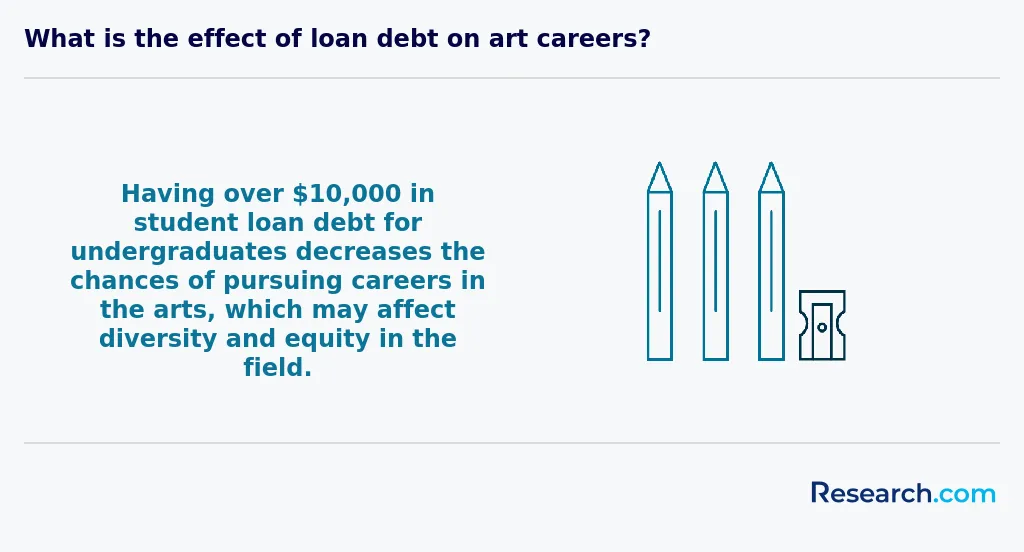
Many fine arts students share stories about stretching their budgets to cover art supplies and studio fees, which definitely add up beyond just tuition. At spots like the Kansas City Art Institute, tuition can be around $50,000 annually, reflecting the specialized training and exceptional facilities, but even then, a lot of students find that scholarships and financial aid can ease the financial load quite a bit.
Since living costs and materials are such important pieces of the puzzle, some graduates suggest planning carefully to balance expenses. Luckily, there are options for financial help that make pursuing this passion more accessible here. If you want to compare and explore more about valuable fine arts schools in missouri, you can check out their rankings for a clearer idea.
Overall, the total tuition fees for fine arts programs in Kansas City offer a range that fits both budget-conscious students and those looking for specialized, top-notch art education.
Campus Life and Student Experience
Studying Fine Arts in Kansas City, MO isn’t just about mastering techniques in the classroom-it's about thriving in a dynamic, supportive community that fuels your creative spirit. Many art students find that campus activities such as gallery nights, student-run exhibitions, and art club events enrich their academic journey and provide essential networking opportunities. Institutions in the area often offer state-of-the-art studios, collaborative workspaces, and mentorship programs that connect you with professional artists and alumni. This vibrant campus life helps you develop soft skills like teamwork and communication that are just as important as your technical training. By engaging in community art projects, internships, and local cultural events, students gain practical experience and a real-world perspective on the art industry. For additional insights on academic excellence, explore how some of the valuable fine arts schools in missouri offer a similar supportive and immersive environment. Whether it’s late nights in the studio or collaborative critiques with peers, the enriching campus experience in Kansas City prepares you not only to excel artistically but also to confidently step into your professional future.
What financial aid is available to fine arts degree students in Kansas City?
If you're after a fine arts degree in Kansas City, there's definitely financial help out there to make things easier. Lots of students tap into the Pell Grant, which is a federal gift of up to $7,395 that doesn't have to be paid back-perfect for easing those steep tuition costs at places like UMKC or other local campuses.
On top of that, many Kansas City schools offer merit-based scholarships just for artsy folks. Graduates often mention how showcasing their portfolios or auditions helped snag scholarships through UMKC's Conservatory of Music and Dance, which covers visual and performing arts. It's a real boost when you see your hard work pay off.
Local groups such as the Kansas City Artists Coalition also throw some extra funding into the mix with grants aimed at emerging artists, especially if you're actively involved in the community. Plus, work-study gigs on campus mean you can get hands-on experience while earning cash, which many students find super rewarding.
Finally, if you need more funds, federal student loans come with pretty reasonable interest and flexible payback plans so you can keep chasing your creative dreams without stress.
Student Life and Campus Culture: Enriching Your Fine Arts Experience
When choosing a Fine Arts program, it's important to consider not only the quality of academics and career outcomes, but also the vibrant campus life and supportive community that can shape your creative journey. Many institutions in Kansas City, MO, boast rich cultural events, collaborative studio spaces, and interactive workshops that foster artistic exploration beyond the classroom. Students often participate in local exhibitions, artist talks, and community projects that strengthen peer networks, enhance industry contacts, and provide real-world experience. Engaging in these extracurricular activities cultivates creativity and builds lifelong connections-elements that can be just as crucial as classroom learning. In fact, when researching your options, you might also want to explore the connection between campus culture and academic excellence by checking out valuable fine arts schools in missouri, which emphasize holistic development in their educational approach. This dynamic atmosphere not only enriches your personal growth but also prepares you for a resilient and versatile career in the arts.
What are the prerequisites for enrolling in fine arts degree program in Kansas City?
If you're thinking about jumping into a fine arts degree in Kansas City, you'll want to have a solid academic foundation-most places expect you to have finished high school or have a GED. The GPA doesn't have to be perfect, but aiming for around 2.5 to 3.0 helps keep you competitive, especially at big names like the University of Missouri-Kansas City. Graduates from these programs often say that a good academic record made the process smoother.
Beyond grades, your portfolio is the real star of the show. Think of it like your creative resume-packed with your best sketches, paintings, or digital art that show off your style and skills. Schools here care more about quality than quantity, so pick your strongest pieces and don't forget an artist's statement explaining the story or feeling behind your work. Many students find that this personal touch really helps their applications stand out.
You might not always need SAT or ACT scores specifically for the fine arts program, but some universities still ask for them to accept you overall. Plus, some programs in Kansas City will want letters of recommendation or even interviews to get a better feel for your passion and skills.
Community colleges in KC usually have chill enrollment policies, but don't think you can skip the portfolio step-they still want to see what you've got. Overall, preparing a strong portfolio and keeping your academics solid makes the whole process feel exciting rather than stressful, just like many recent grads have experienced firsthand.
Internship and Industry Partnerships
Securing real-world experience through internships is crucial for Fine Arts students in Kansas City, MO, as it bridges classroom learning with professional practice. Local institutions and organizations actively partner with colleges to offer structured internship programs that enhance your portfolio, expand your network, and increase employability. • Nelson-Atkins Museum of Art Internship Program - Work alongside curators in exhibition planning, collection management, and public outreach. - Gain hands-on experience cataloging artwork, writing exhibit labels, and assisting with educational workshops. • Crossroads Arts District Studio Residencies - Collaborate with independent artists in live–work lofts, participate in gallery shows during First Fridays, and receive mentorship on project development. - Build connections with gallery owners, event organizers, and fellow residents through open studio events. • Kemper Museum of Contemporary Art Education Assistantships - Lead community art classes for diverse age groups, develop curriculum modules, and support museum educators with installation projects. - Strengthen teaching and public speaking skills while contributing to a major cultural institution’s outreach. • Local Design Firm Partnerships - Intern with top Kansas City design studios that specialize in graphic design, branding, and multimedia art. - Collaborate on real client projects, learn industry-standard software, and receive feedback from seasoned designers. To maximize these opportunities, start your search early by attending career fairs at the Kansas City Art Institute and UMKC, and leverage university career services to identify openings. Networking is key: connect with alumni on LinkedIn, attend gallery openings, and join local arts organizations such as the ArtsKC fund. For students exploring cost-effective program options beyond Missouri, explore the Cheapest Fine Arts Degree Programs Ranking in the South to discover affordable paths to vibrant arts communities.
What courses are typically in fine arts degree programs in Kansas City?
If you're diving into a fine arts degree in Kansas City, expect a bunch of cool courses that really get your creative juices flowing. You'll start with the basics-drawing, painting, sculpture, and design fundamentals-which is exactly what grads from top local schools say helped them build a solid foundation. Picture your first semester getting hands-on with traditional materials and digital tools, so you're ready to explore more complex projects later.
As you move forward, you'll dive into art history classes that don't just cover the usual stuff but also spotlight Midwestern and local artists. It's pretty awesome hearing how graduates got inspired by the Kansas City art scene right in their classrooms.
Studio courses are a big deal here, too. You get to experiment with ceramics, printmaking, photography, and digital media-some students even say their favorite moments were in small pottery or glass art studios where they felt truly part of a creative community. And advanced seminars? They're where you develop your unique style, working closely with mentors who guide your portfolio growth.
Plus, critique and theory classes sharpen your eye and help you understand what's behind your work-so when you share it at galleries or community events around KC, you can speak confidently about your artistic vision.
What types of specializations are available in fine arts degree programs in Kansas City?
If you're looking at fine arts degree specializations in Kansas City, you'll find plenty of options tailored to all kinds of creative interests. Whether you're into painting, drawing, sculpture, or printmaking, the studio art track covers it all with hands-on projects that help you build solid skills. Graduates from schools like the Kansas City Art Institute often mention how their studio classes gave them the confidence to explore their own style and artistic voice.
For those leaning toward something more digital, graphic design is huge here-covering everything from typography to branding. In fact, many students love options that combine traditional art with new media, which is why some pick programs at UMKC that mix both. You can even check out the best online school for graphic design if you want more flexibility.
Other popular tracks include photography, with a focus on storytelling through images, and ceramics, where you get hands-on with kiln work and surface design. Art education is another solid choice if you want to inspire the next generation, and art history is perfect for those curious about the cultural side of things. These Kansas City fine arts program options really reflect the city's vibrant arts scene and growing demand for creative pros.
How do you choose the best fine arts degree in Kansas City?
When you're trying to pick the best fine arts degree programs Kansas City offers, start by thinking about what really fires you up-whether it's painting, graphic design, or even multimedia arts. Graduates from places like the Kansas City Art Institute rave about the hands-on studio time that helped them really get their skills down, while others who went to UMKC appreciate the mix of fine arts with a broader liberal arts vibe. Thinking about how each school's vibe matches your style makes all the difference.
Cost can be a big deal too. Many students find private schools like KCAI can be pricey, but public options like UMKC hit that sweet spot for affordable fine arts colleges in Kansas City, especially for locals. Don't forget to check out scholarships and local internship chances-those connections to the city's arts scene, including spots like the Nelson-Atkins Museum, can boost your experience big time. You might also want to peek at this Cheapest Fine Arts Degree Programs Ranking in the South to spot some budget-friendly choices.
What career paths are available for fine arts degree students in Kansas City?
If you're wondering about fine arts career opportunities Kansas City offers, there's a bunch of paths you can take after graduating from places like the Kansas City Art Institute. Many grads jump into roles as professional artists, illustrators, or graphic designers, creating original works for galleries or digital media. The local scene is buzzing with opportunities, especially with spots like the Nelson-Atkins Museum of Art supporting artists. Some grads also find joy in teaching art, whether in schools or community programs, which feels super rewarding and pays well enough to live comfortably in the city.
Others get into arts administration or art therapy, blending creativity with management or mental health support-two growing fields here in KC. And don't forget freelance gigs: a lot of fine arts grads build strong portfolios and network around town, landing cool commissions or working in advertising. If you want to speed things up, some folks explore the fastest online bachelor degree options to get their foot in the door sooner.
What is the job market for fine arts degree in Kansas City?
Fine arts job opportunities in Kansas City are lively and varied, especially for graduates from local schools like the Kansas City Art Institute or UMKC's fine arts programs. Many grads find their way into galleries, theaters, or cultural hubs like the Nelson-Atkins Museum of Art, where creativity truly thrives. It's pretty common to hear stories about fresh grads landing freelance gigs or contract work as visual artists, which means there's flexibility as you build your own path.
Kansas City's creative scene supports graphic designers too, with median salaries around $53,000, making it a solid option for fine arts majors interested in digital work. Schools here emphasize hands-on experience, so networking through community programs and internships really pays off for job seekers. If you're serious about boosting your prospects, some grads dive deeper with advanced degrees or find niche roles in art therapy or curation.
For anyone curious about the academic side, costs are manageable with in-state tuition hovering between $22,000 and $30,000, so you're not breaking the bank. Plus, a lot of people explore entrepreneurial routes, inspired by arts organizations like ArtsKC. If you want to learn more about the easiest ways to build your education, check out this easiest phd to get.
Kansas City fine arts career outlook looks encouraging and supports a range of creative talents ready to make their mark.
Frequently Asked Questions About fine arts
Fine arts degree students in Kansas City can maximize their learning by engaging with the city's vibrant arts community. Kansas City hosts over 100 galleries and studios, providing rich opportunities for practical experience and networking, according to the Kansas City Art Institute. Students should participate in local exhibitions and internships offered through institutions like the Nelson-Atkins Museum of Art to gain real-world skills.
Collaborating with peers and seeking mentorship from established artists enhances both technical and creative abilities. Additionally, attending workshops and lectures within Kansas City's growing cultural scene helps students stay informed about industry trends. Balancing studio time with academic study is essential for success in fine arts programs.
The fine arts field is evolving with emerging niches that reflect technological advances and cultural shifts. In Kansas City, students increasingly explore digital media arts, combining traditional techniques with animation, video production, and interactive design. This niche responds to growing demand from local multimedia firms and entertainment companies. Another promising area is art therapy, where fine arts support mental health and wellbeing. Kansas City's expanding healthcare sector has increased opportunities in this blend of creativity and psychology.
Environmental art also gains interest, with artists creating work focused on sustainability and ecological awareness, resonating with regional community initiatives. According to the National Endowment for the Arts, these niches have seen a 15% growth nationally over the past five years, a trend reflected in Kansas City's academic programs and galleries.
Preparing for the job market after completing a fine arts degree in Kansas City requires a strategic approach. Graduates should build a strong portfolio showcasing diverse artistic skills, as employers and galleries prioritize demonstrated talent. Networking is essential; Kansas City hosts numerous art festivals and community workshops where connections with local artists and employers can be established. According to the Kansas City Artists Coalition, nearly 70% of local artists find job opportunities through networking. Additionally, internships and apprenticeships at art galleries and studios can provide practical experience. Awareness of the region's growing creative economy, supported by a 4.5% annual increase in arts-related businesses, is crucial for job seekers.
Employers in Kansas City highly value fine arts graduates who demonstrate strong creative thinking and technical skills. Proficiency in digital media tools like Adobe Creative Suite is increasingly important, reflecting local industry trends highlighted by the Kansas City Regional Arts Council. Graduates also need effective communication abilities to collaborate on diverse projects, especially within the city's growing arts and entertainment sectors.
Problem-solving skills and adaptability are crucial, as many fine arts roles require working on commissions and adapting artistic styles to client needs. According to the National Endowment for the Arts, graduates who combine artistic talent with business acumen have better employment prospects in Kansas City's competitive market. Additionally, employers favor candidates with a professional portfolio showcasing a range of techniques and mediums.
Finding internships in Kansas City relevant to a fine arts degree involves tapping into local cultural institutions and educational resources. The city hosts numerous galleries, museums, and theaters such as the Nelson-Atkins Museum of Art and the Kansas City Repertory Theatre that frequently offer internship opportunities for students seeking practical experience. Universities like the University of Missouri-Kansas City often provide career services and internships databases tailored for fine arts students. Additionally, organizations like ArtsKC support internships by connecting students with local nonprofits and artist collectives. According to the Kansas City Area Development Council, the creative sector employs over 15,000 people, indicating a strong market for fine arts internships.
A fine arts degree in Kansas City can significantly impact career mobility and advancement, especially within the city's growing creative sector. According to the Kansas City Business Journal, the local arts economy generates over $600 million annually, supporting a wide range of roles from gallery management to multimedia design.
Graduates with fine arts degrees tend to find opportunities in museums, theaters, and design firms where creativity and technical skills are highly valued. Data from the U.S. Bureau of Labor Statistics indicates that artists and designers in the Kansas City metro area saw a 7% employment growth between 2019 and 2023, outpacing the national average.
Possessing formal education in fine arts also enhances networking possibilities in a city that hosts numerous arts festivals and cultural events, which can lead to collaborative projects and career progression. Employers often prioritize candidates with accredited degrees when promoting to leadership or specialized creative positions.
Studying for a fine arts degree in Kansas City equips students with creative skills that are highly adaptable to interdisciplinary roles. Kansas City's vibrant arts scene, combined with collaborations across design, technology, and business, allows students to engage in projects that blend multiple fields. For example, art programs in the region often partner with local tech startups or community organizations, encouraging a hands-on learning approach.
According to the National Center for Education Statistics, fine arts graduates have grown more likely to work in diverse industries, including marketing, multimedia production, and education. In Kansas City specifically, about 35% of fine arts graduates find employment in interdisciplinary positions within two years of graduation.
This environment fosters critical thinking, teamwork, and communication skills, preparing students to meet evolving industry demands beyond traditional art careers.
Choosing between a thesis and a non-thesis fine arts degree program in Kansas City depends on your career goals and learning preferences. Thesis programs typically require a significant research project or original artwork presentation, which suits students aiming for academic careers or advanced study. Non-thesis options are more practice-focused, often emphasizing portfolio development and professional skills, ideal for those looking to enter the workforce quickly.
According to recent data from the National Center for Education Statistics, about 40% of fine arts graduates in Missouri complete thesis programs, reflecting a balanced demand. In Kansas City, local universities offer both options, so consider faculty expertise and resources when deciding.
Students based in Kansas City who wish to study fine arts abroad have several pathways through partnerships and exchange programs offered by local universities. Institutions such as the University of Missouri-Kansas City (UMKC) often collaborate with art schools in Europe and Asia, enabling students to spend a semester or year overseas while earning credits toward their degree.
These study abroad programs frequently emphasize exposure to global art movements and techniques, enhancing students' portfolios and cultural understanding.
Additionally, financial aid and scholarships specifically for study abroad can help Kansas City fine arts majors manage costs. According to the Institute of International Education (IIE), approximately 5% of US fine arts students participate in study abroad programs, reflecting growing interest.
Part-time job opportunities in Kansas City that complement fine arts degree education include working at local art galleries, museums, and cultural centers. These roles provide hands-on experience with exhibitions and curatorial practices. The Nelson-Atkins Museum of Art, for instance, often offers positions suitable for students seeking to deepen their art knowledge.
Additionally, freelance graphic design and art instruction at community centers or through online platforms are viable options. According to the U.S. Bureau of Labor Statistics, art-related jobs in Kansas City have grown steadily, reflecting a demand for creative skills.
Students may also find roles in art supply stores or assist local artists, helping build portfolios and professional networks while earning income.
Fine arts students in Kansas City benefit from a variety of networking opportunities through local colleges and citywide art organizations. Institutions such as the Kansas City Art Institute and the University of Missouri-Kansas City often host galleries, lectures, and workshops where students can meet practicing artists and industry professionals.
The city's vibrant arts community includes annual events like the Plaza Art Fair, which attracts thousands of artists and visitors, providing students with chances to showcase their work and connect with peers and patrons. According to the Greater Kansas City Community Foundation, over 40% of arts organizations in the metro promote collaborative programs that encourage student involvement.
Internships and mentorship programs with local galleries and theaters are common pathways for emerging artists to build professional relationships. Additionally, networking groups like the Kansas City Artists Coalition offer student memberships that extend access to exhibitions, artist talks, and career resources, fostering valuable connections in the arts sector.
Alumni networks play a crucial role in supporting fine arts degree students in Kansas City. These networks connect current students with graduates who have established careers in local galleries, theaters, and design firms. According to the Kansas City Artists Coalition, over 60% of recent fine arts graduates reported gaining job leads through alumni contacts. Such connections offer mentorship opportunities, portfolio reviews, and insights into industry trends specific to Kansas City's vibrant arts scene. Additionally, alumni events and workshops help students build professional relationships, enhancing their chances of securing internships and freelance projects locally. This support system is vital in a competitive creative job market.
Customizing a fine arts degree program in Kansas City involves selecting courses and experiences that align with your career goals. Many local colleges offer flexible curricula, allowing students to specialize in areas like painting, sculpture, digital media, or art education. You can often choose electives that build skills relevant to your desired profession.
Internships and partnerships with Kansas City's vibrant arts community, including institutions like the Nelson-Atkins Museum of Art, provide valuable practical experience. According to the National Center for Education Statistics, hands-on opportunities increase graduate employability in creative fields by up to 30%.
Additionally, some schools allow dual majors or minors, enabling you to combine fine arts with business or technology to diversify your skillset. Seeking faculty mentorship tailored to your interests can further sharpen your focus.
Fine arts students in Kansas City often face financial challenges due to the costs associated with materials, studio fees, and limited scholarship opportunities specific to the arts. According to the National Endowment for the Arts, funding for arts education in Missouri has seen minimal growth, which impacts students' access to resources. Many students also encounter balancing time between intensive studio work and general education requirements, which can strain their schedules.
Additionally, employment prospects after graduation can be uncertain. While Kansas City offers a growing arts scene, competition for gallery representation and public commissions remains high. Students must develop strong portfolios and professional networks to succeed locally.
With a fine arts degree, several professional certifications can enhance your career prospects in Kansas City's robust arts community. One common certification is the Art Educator License, required for teaching art in public schools. This certification is overseen by the Missouri Department of Elementary and Secondary Education and can be pursued after completing an accredited teacher preparation program.
Additionally, fine arts graduates may seek the Certified Arts Professional (CAP) credential, offered by the Arts Leadership Program, which validates expertise in arts management and leadership roles. Kansas City's growing gallery and museum sectors value this certification.
For digital artists, certifications in software such as Adobe Creative Suite can improve job competitiveness but are not state-issued.
To write a winning application for a fine arts program in Kansas City, start by researching programs offered by local institutions such as the Kansas City Art Institute and the University of Missouri-Kansas City. These schools emphasize portfolios reflecting your unique artistic voice and technical skill.
Present a well-organized portfolio with 10 to 20 pieces showcasing a range of techniques, media, and styles. Include a clear artist statement explaining your creative process and goals.
Strong letters of recommendation from art teachers or professionals in the field can enhance your application. Highlight any exhibitions, awards, or community art projects you have participated in to demonstrate commitment and experience.
Many programs also require a personal essay; use it to convey passion for the arts and connection to Kansas City's vibrant arts scene. Check each school's admissions criteria carefully to meet all deadlines and requirements precisely.
Globally, careers in fine arts are valued for their contribution to culture, innovation, and creative industries. In the United States, including Kansas City, the demand for skilled artists continues to grow, especially in fields like digital media, design, and gallery management. According to the U.S. Bureau of Labor Statistics, employment in arts occupations is projected to grow by 4% from 2022 to 2032, aligning with the expansion of creative sectors.
Kansas City is home to a thriving arts community, offering many opportunities for graduates to engage in both traditional and contemporary art forms. The city's galleries, theaters, and arts organizations contribute significantly to regional economic development. Students with fine arts degrees in Kansas City often benefit from strong local networks and internship programs that prepare them for competitive global markets.
Gaining practical experience while studying for a fine arts degree in Kansas City is essential for career readiness. Many local institutions encourage students to participate in internships at museums, galleries, and theaters, providing exposure to professional environments. Kansas City's vibrant arts scene includes venues like the Nelson-Atkins Museum of Art, which often offers volunteer and internship opportunities specifically for students.
Students can also engage in collaborative projects with community arts organizations such as Art in the Loop, promoting hands-on learning. Additionally, several colleges incorporate studio work and exhibitions into their curricula, allowing students to build portfolios.
According to the National Endowment for the Arts, Missouri allocates resources to support emerging artists, enhancing opportunities for practical experience during studies.
Choosing the right concentration within a fine arts degree program in Kansas City begins with understanding the local art scene and your personal interests. Kansas City hosts a vibrant arts community, including galleries like the Nelson-Atkins Museum of Art, which can offer insights into popular mediums and styles. According to the National Center for Education Statistics, many Kansas City institutions provide concentrations such as studio art, graphic design, and digital media, reflecting current job market demands.
Consider your career goals and hands-on opportunities. For example, a concentration in digital media might offer internships with local design firms, supporting practical skill development. Research each program's curriculum and faculty expertise to find alignment with your artistic strengths.
Additionally, analyze graduation rates and alumni success, which can vary by concentration. The Missouri Department of Higher Education reports that fine arts graduates with specialized skills often benefit from better employment outcomes in Kansas City's creative industries.
Related Fine Arts Rankings for Nearby Cities
- 2027 Most Valuable Fine Arts Degree Programs Ranking in Columbia
- 2027 Most Valuable Fine Arts Degree Programs Ranking in Saint Louis
- 2027 Most Valuable Fine Arts Degree Programs Ranking in Memphis
- 2027 Most Valuable Fine Arts Degree Programs Ranking in Saint Paul
- 2027 Most Valuable Fine Arts Degree Programs Ranking in Minneapolis
- 2027 Most Valuable Fine Arts Degree Programs Ranking in Chicago
- 2027 Most Valuable Fine Arts Degree Programs Ranking in Denton
- 2027 Most Valuable Fine Arts Degree Programs Ranking in Milwaukee
- 2027 Most Valuable Fine Arts Degree Programs Ranking in Indianapolis
- 2027 Most Valuable Fine Arts Degree Programs Ranking in Dallas
Top Trending Fine Arts Rankings
References
- Kansas City Young Audiences: Integrating Creativity at Scale https://www.gettingsmart.com/2019/12/31/kansas-city-young-audiences-integrating-creativity-at-scale/
- Arts, History and Humanities in Global Perspective https://u-paris.fr/language/en/arts-history-and-humanities-in-global-perspective-en/
- Jobs | Academy of Fine Art https://academy-of-fine-art.com/en/jobs-en/
- Know more about thesis vs non- thesis: what is the difference? https://studyfans.com/en/blogs/816
- How to Network as an Artist - AGI Fine Art Blog https://agifineart.com/advice/the-art-of-reputation-how-to-network-if-youre-an-emerging-artist/
- Challenges in Undergraduate Art Education - Arts Education Partnership https://www.aep-arts.org/challenges-in-undergraduate-art-education/
- Fine Arts https://en.uap.edu.pl/admission/programmes/fine-arts/
- Bachelor of Fine Arts in Art & Design (BFA) https://www.ualberta.ca/en/art-design/undergraduate-programs/bfa-art-and-design.html
- Alumni network - ESMA https://www.esma-artistique.com/en/outreach/alumni-network/
- Application writing tips for individual artists https://www.affta.ab.ca/funding/help-and-resources/resources-individual-artists/application-writing-tips-individual-artists