2027 Easiest Online Engineering Degree Programs Ranking in Washington, DC

Co-Founder and Chief Data Scientist
Choosing the right engineering degree program can feel overwhelming, especially when balancing busy schedules and career goals. That's why the article offers the 2027 Easiest Online Engineering Degree Programs Ranking in Washington, DC, created by the Research.com team of data scientists.
This ranking helps potential students in Washington make informed decisions by highlighting programs that combine quality and flexibility. Pursuing an engineering degree not only opens doors to rewarding careers but also empowers you to solve real-world problems.
Explore the options that best fit your lifestyle and ambitions.
Key benefits of getting online engineering degree in Washington
- Graduates with an engineering degree in Washington can expect competitive salaries, such as $117,680 annually for electrical engineers and $105,220 for mechanical engineers, offering strong financial motivation.
- Career paths for engineering degree holders include roles in civil, industrial, mechanical, and electrical engineering, reflecting the diverse opportunities available from universities like the University of Washington.
- Online engineering degrees provide flexibility and convenience, allowing students to balance work and study effectively while gaining recognized qualifications similar to on-campus programs.
- Key benefits of getting online engineering degree in Washington
- What can I expect from online engineering degree in Washington?
- Where can I work with online engineering degree in Washington?
- How much can I make with online engineering degree in Washington?
- 2027 Easiest Online Engineering Degree Programs Ranking in Washington, DC
- Key Findings
- How long does it take to complete online engineering degree in Washington?
- What's the difference between online and on-campus engineering degree?
- Program Accreditation and Quality Assurance
- What is the average cost of online engineering degree in Washington?
- What financial aid is available to online engineering degree students in Washington?
- What are the prerequisites for enrolling in online engineering degree program in Washington?
- Cost Comparison: Washington, DC vs. Northeast Online Engineering Programs
- What courses are typically in online engineering degree programs in Washington?
- What types of specializations are available in online engineering degree programs in Washington?
- How do you choose the best online engineering degree in Washington?
- What career paths are available for online engineering degree students in Washington?
- What is the job market for online engineering degree in Washington?
- Top Trending Engineering Rankings
- See What Experts Have To Say About Studying Engineering
What can I expect from online engineering degree in Washington?
Studying an online engineering degree in Washington typically costs around $9,000 per year for in-state students at public institutions, making it a reasonably affordable option compared to many other states. Many graduates from universities like the University of Washington appreciate this balance of quality and cost, as it allows them to invest in their education without overwhelming financial strain. This affordability encourages students to focus on their studies and hands-on projects that are integral to engineering programs.
One common experience shared by online engineering students is the ability to manage coursework alongside careers or family commitments, thanks to flexible tuition rates aligned with in-state residency. This financial aspect adds a comforting layer of stability, easing concerns about accumulating debt while pursuing a demanding field.
With tuition costs kept accessible, students often find themselves more motivated to engage deeply with technical labs, virtual simulations, and collaborative online projects that replicate real-world engineering challenges faced in Washington's booming tech and aerospace sectors.
Where can I work with online engineering degree in Washington?
Graduates with an online engineering degree in Washington often find themselves welcomed by leading industries that shape the state's vibrant economy. Many have landed roles in aerospace companies like Boeing, where their skills in mechanical and aerospace engineering are highly valued. This hands-on experience became a reality for several alumni from the University of Washington's online programs, who shared how their coursework directly prepared them for these dynamic environments.
Others have thrived in Seattle's booming tech sector, working with companies such as Microsoft and Amazon, where software and systems engineering expertise opens doors to innovative projects. The energy industry also offers inspiring paths; graduates from Washington State University have spoken about contributing to sustainable hydroelectric and wind power initiatives, feeling proud to impact clean energy development locally.
Many civil engineering graduates appreciate the chance to impact infrastructure projects statewide, collaborating with agencies like the Washington State Department of Transportation. Their work ensures safer, more sustainable communities. These varied opportunities reflect the real-world value of an online degree earned within Washington, blending education and career in meaningful ways.
How much can I make with online engineering degree in Washington?
Graduates with an online engineering degree in Washington often find encouraging salary prospects that reflect the state's vibrant industry landscape. For example, those specializing in electrical engineering have reported average annual wages around $117,680, which aligns with data from the U.S. Bureau of Labor Statistics. This figure surpasses the national averages and resonates with experiences shared by alumni from well-regarded institutions like the University of Washington, where remote learners gain skills sought after by local tech giants.
Mechanical engineers, another common graduate pathway, see mean salaries near $105,220 annually, while civil engineers earn about $101,160. These figures echo feedback from graduates who secured roles in regional manufacturing and infrastructure projects, blending their academic knowledge with practical challenges faced by Washington's evolving economy.
Such earnings underscore the value of engineering programs offered online by popular colleges in the state. Graduates often highlight how their flexible education models helped them build both technical expertise and confidence, preparing them for rewarding careers with competitive pay in aerospace, industrial, and civil sectors across Washington.
2027 Easiest Online Engineering Degree Programs Ranking in Washington, DC
How do we rank schools?
Investing in your education is a significant decision that can greatly impact your career, and the Research.com team recognizes the importance of providing reliable guidance. To support prospective students in Washington, DC, we have carefully developed the "2027 Easiest Online Engineering Degree Programs Ranking in Washington, DC." Our dedication to quality, credibility, and accuracy is demonstrated through rigorous research and analysis behind this ranking.
We utilized the following reputable data sources to ensure a comprehensive evaluation of online engineering programs:
By exploring this ranking, readers will gain valuable insights into accessible and flexible engineering degree options tailored to their needs, facilitating smarter educational choices. For more information on how this ranking was compiled, please visit our Research.com methodology page.

Key Findings
- Tuition for in-state students pursuing an engineering degree in Washington typically ranges from $10,000 to $30,000 per year at public universities.
- The average starting salary for engineers in Washington is about $70,000 annually, with experienced engineers earning $110,000 or more.
- Washington's job market for engineers is strong, driven by major technology, aerospace, and manufacturing companies.
- Many online engineering programs in Washington are ABET-accredited, which is important for professional licensure.
- Online degrees offer flexibility for working professionals, though some programs may require occasional on-campus visits or proctored exams.
- Engineering jobs in Washington are expected to grow by approximately 6% over the next decade.
How long does it take to complete online engineering degree in Washington?
Completing an online engineering degree in Washington typically takes around four to five years for full-time students, a timeline reflected by many graduates from Washington State University and the University of Washington. These students often find a rhythm balancing rigorous coursework with practical applications, appreciating the structured pace that still allows for meaningful immersion in their field.
For those enrolling part-time, the journey naturally extends, sometimes up to six years or more. Many working professionals pursuing degrees while managing jobs share how this flexibility fosters a rewarding balance between career and study without overwhelming stress.
Some motivated learners seize accelerated programs available at these institutions, completing their degrees in about three years. This path, while demanding, brings the satisfaction of an expedited achievement and opens doors sooner.
Graduates emphasize how transfer credits and personalized counseling helped them tailor their timelines effectively, ensuring the program's integrity while respecting their individual pace and life commitments.
What's the difference between online and on-campus engineering degree?
Choosing between online and on-campus engineering degrees in Washington often hinges on lifestyle and learning preferences. Graduates from the University of Washington recall the invaluable benefit of hands-on lab sessions and face-to-face collaboration that deepened their understanding of complex concepts. This immersive experience at a top public university fosters confidence in practical skills, enhancing readiness for Washington's tech-driven job market.
Conversely, many working professionals pursuing online degrees appreciate the flexible schedules that accommodate their jobs and families. They describe the freedom to study at their own pace as a game-changer, allowing them to balance commitments without sacrificing educational quality. Despite being remote, these programs often leverage live sessions and digital tools, creating engaging communities that mimic on-campus interactions.
Cost is a practical consideration too. While both formats generally maintain ABET accreditation, online students often save on commuting and housing expenses, though tuition may be similar. The choice ultimately reflects personal circumstances, with Washington's dynamic engineering sector welcoming well-prepared graduates from either path.
Program Accreditation and Quality Assurance
Online engineering programs in Washington, DC should hold ABET accreditation and regional institutional approval to ensure rigorous standards in curriculum, faculty qualifications, and learning outcomes. Accreditation bodies like ABET evaluate programs against criteria such as curriculum depth, laboratory experiences, and faculty credentials, guaranteeing students receive education that meets industry expectations and licensing requirements. Key accreditation factors to verify: • ABET Program Accreditation: Confirms alignment with global engineering practices and eligibility for professional licensure. • Regional Institutional Accreditation: Ensures overall academic quality and transferability of credits within the Higher Learning Commission system. When researching programs, review each university’s accreditation status on official directories and verify recent ABET review cycles. Accreditation status not only impacts eligibility for financial aid and licensure but also influences employer perception. For students seeking complementary leadership or strategic management training, consider interdisciplinary pathways like a bachelor in military science, which integrates organizational leadership with technical problem-solving. By prioritizing accredited programs, prospective engineers in Washington, DC can confidently invest in education that delivers recognized credentials and long-term career value.
What is the average cost of online engineering degree in Washington?
The average cost of an online engineering degree in Washington generally falls near a median total of $53,212, reflecting the blend of public and private institution rates. Graduates from well-known programs like Washington State University's Global Campus often share that tuition around $11,000 per year for in-state students makes engineering education feel attainable and rewarding, especially when balanced with financial aid opportunities. These costs align closely with what many local students expect when searching for affordable online engineering programs Washington DC residents might envy for their accessibility and quality.
Many students appreciate the flexibility of online formats, which often include modest additional fees for technology and proctored exams but avoid costly relocation or housing expenses. Some have built their educational journey starting at community colleges with pathway programs, mitigating the overall cost before transferring to four-year engineering degrees online. Such experiences highlight how careful planning and leveraging institutional options can ease financial strain.
Engaging with scholarships, employer tuition reimbursement, and other financial supports proves essential. For those needing swift career advancement, combining these with quick certifications often supplements the engineering degree experience, creating a more affordable education roadmap. Many find these strategies personally empowering, boosting confidence as they navigate the investment involved in earning their engineering credentials.
Ultimately, Washington's online engineering degree costs reflect a realistic financial commitment within the national context, balanced by practical approaches students take to manage expenses and fully benefit from their studies.
What financial aid is available to online engineering degree students in Washington?
Students pursuing an online engineering degree in Washington often find substantial support through a combination of federal, state, and institutional financial aid. Many graduates from the University of Washington and Washington State University recall how completing the FAFSA unlocked access to Pell Grants, offering up to $7,395 per year that eased the burden without adding debt. This need-based assistance is invaluable, especially when coupled with the State Opportunity Pathway Scholarship, which helps residents enrolled in approved engineering programs cover tuition costs.
Work-study jobs funded by both federal and state programs allowed some graduates to gain practical experience while earning income, reducing financial pressure. Institutional scholarships at Seattle's top engineering schools often reward merit and leadership, reflecting a holistic appreciation of students' efforts and potential.
Several students also benefitted from employer tuition reimbursement, a real advantage for those balancing jobs in the local tech scene with their studies. Private scholarships from groups like the Society of Women Engineers further highlight the community's commitment to diversity and excellence, easing the path for many to thrive.
What are the prerequisites for enrolling in online engineering degree program in Washington?
Enrolling in an online engineering degree in Washington requires a solid academic foundation, especially in math and science. Graduates from popular programs like those at Washington State University share how prior coursework in algebra, calculus, and physics truly prepared them for the demanding concepts encountered online. Many undergraduates needed a high school diploma with strong grades in STEM subjects, often boosted by AP classes, to confidently step into these courses.
For those pursuing graduate engineering degrees virtually, the journey begins with a bachelor's in engineering or a related field. Alumni from the University of Washington recall how having transcripts that reflect quantitative skills and technical knowledge helped ease their transition into advanced study. Some programs may ask for standardized tests like the GRE, but many are shifting away from this requirement.
Technology also plays a pivotal role: past students emphasize the importance of a reliable computer and internet connection, as simulations and virtual labs are integral to the online experience. Those who secured these resources found themselves more engaged and less frustrated throughout their coursework. Meeting these prerequisites in Washington ultimately fosters confidence and a sense of readiness that resonates well beyond the classroom.

Cost Comparison: Washington, DC vs. Northeast Online Engineering Programs
Washington, DC’s median total cost for an online engineering degree sits at approximately $68,625, reflecting a competitive investment in quality education and robust virtual labs. However, prospective students seeking to maximize affordability without sacrificing accreditation may benefit from comparing Washington, DC prices against other regions. For instance, the Cheapest Engineering Degree Programs Ranking in the Northeast highlights several accredited programs with total tuition fees as low as $25,000–$35,000. Key points to consider in a regional cost comparison include: • Tuition Range: – Washington, DC programs: $60,000–$75,000 – Northeast region (top affordable): $25,000–$40,000 • Return on Investment (ROI): – DC graduates benefit from immediate proximity to federal agencies and high-demand tech hubs, often recouping costs through internships and government-funded research roles. – Northeast alumni frequently secure positions in industrial centers where living costs may be lower, potentially increasing net savings. • Financial Aid Variability: – DC institutions offer state-specific grants and institutional scholarships, which can lower net costs by up to 20%. – Northeastern schools often bundle federal aid with performance-based tuition reductions, making them appealing for students with strong academic records. By weighing the higher price point in Washington, DC against the affordability of Northeastern programs, applicants can make an informed decision that aligns both with their budgetary constraints and long-term career objectives.
What courses are typically in online engineering degree programs in Washington?
Online engineering degrees in Washington consistently include a variety of courses that build a solid foundation while addressing the practical demands of the profession. Graduates from institutions like the University of Washington often speak about how courses such as Statics and Dynamics brought abstract forces and motion into clear focus, helping them understand how bridges hold steady or how machines operate smoothly.
Core subjects like Thermodynamics and Materials Science deepen this understanding by exploring energy systems and the behavior of different engineering materials-knowledge crucial for industries thriving here, like aerospace. Electrical engineering students frequently mention how Circuit Analysis and hands-on Electrical Systems classes prepared them to tackle challenges at tech companies around the Puget Sound.
Many online programs also emphasize programming, with languages like Python and MATLAB integrated into coursework. This real-world skillset resonates well among graduates who now develop simulations or automate engineering tasks from home, balancing flexibility with professional growth.
Looking beyond technical skills, courses in project management and communication prepare students to lead teams confidently, a vital asset in Washington's collaborative engineering environments dominated by giants like Boeing and Microsoft.
What types of specializations are available in online engineering degree programs in Washington?
Online engineering degree specializations Washington DC learners often pursue reflect the state's vibrant industrial fabric. Graduates from popular institutions like the University of Washington highlight specializations such as Civil Engineering, where they engage with projects addressing infrastructure challenges in Seattle's fast-growing metropolitan area. Mechanical Engineering remains a strong draw, especially for those inspired by Washington's aerospace giants, who savor the hands-on design and manufacturing components.
Electrical and Computer Engineering specializations appeal to students captivated by the state's booming tech hubs, offering practical experience in power systems or integrated hardware and software solutions. Environmental Engineering also gains traction among those passionate about sustainable practices, mirroring Washington's green energy initiatives. Graduates often describe a rewarding connection between their studies and local industry opportunities, reinforcing the value of choosing one of the best engineering majors online Washington DC offers.
Many students complement their technical training with related online data analytics certifications, enhancing their versatility in today's competitive job market.
How do you choose the best online engineering degree in Washington?
Choosing the best online engineering degree in Washington means first ensuring the program holds the necessary accreditations, especially ABET, which guarantees the curriculum meets industry standards. Many graduates from institutions like Washington State University appreciate how this recognition smooths their path into competitive local fields such as aerospace or environmental engineering. Affordability is another key; Washington residents benefit from lower tuition at schools like the University of Washington's online programs, which helps manage total costs including fees and materials.
Flexibility in course delivery is vital for working professionals balancing multiple commitments. Graduates often share how asynchronous courses at these institutions allowed them to study comfortably around their schedules without sacrificing quality or interaction. This approach makes pursuing one of the best online engineering degrees Washington DC offers both feasible and rewarding.
Finally, look for programs with strong industry connections and career support. Successful alumni emphasize how internship opportunities and employer recognition in Washington's robust job market led them to fulfilling careers. When selecting your path, also consider exploring top-earning potential bachelor's degree programs to complement your engineering education.
What career paths are available for online engineering degree students in Washington?
Graduates with an online engineering degree in Washington enjoy diverse career paths shaped by the state's robust industries. Many find fulfilling roles in aerospace engineering, benefiting from Boeing's strong presence, which offers engaging projects and excellent professional growth. Others leverage opportunities in technology-driven companies like Microsoft and Amazon, thriving in software and systems engineering. These employers value graduates who blend technical skills with real-world problem-solving, making engineering career opportunities online in Washington very promising.
At prominent universities such as the University of Washington or Washington State University, online engineering graduates often talk about the rewarding challenges of civil and environmental engineering careers. Designing sustainable infrastructure or managing natural resources resonates deeply with many students passionate about impacting their communities. These roles align with Washington's strategic investments and reflect the state's commitment to environmental stewardship.
Electrical engineering also opens doors to exciting sectors like renewable energy and telecommunications, which continue expanding in the region. For those aiming to deepen their expertise, exploring a part-time PhD in computer science offers pathways to advanced research or leadership roles.
What is the job market for online engineering degree in Washington?
The job market for graduates with an online engineering degree in Washington remains strong, fueled by the state's thriving technology and manufacturing sectors. Many graduates from universities well-regarded for engineering, such as the University of Washington and Washington State University, find rewarding employment opportunities in aerospace, software, and civil engineering. These fields often intersect with prominent local employers like Boeing and Microsoft, where innovative projects continually arise.
Working professionals pursuing an engineering degree online appreciate the flexibility these programs afford, allowing them to balance studies with career advancement. Graduates often share how internships and cooperative education programs based locally enhance their practical skills and networking, which are critical to securing engineering degree employment opportunities in Washington DC. The ability to engage with familiar industries while studying remotely fosters confidence and readiness to enter the workforce.
Additionally, those interested in a bachelor in military science have found complementary pathways that broaden their expertise. This adaptability provides a valuable edge in Washington's competitive job market, where strong industry connections and high median wages make engineering a rewarding career choice.
Frequently Asked Questions About engineering
Students pursuing online engineering degrees in Washington can enhance their learning by actively engaging with coursework and leveraging local resources. Washington State is home to top engineering employers like Boeing and Microsoft, offering valuable internship and networking opportunities for students. Utilizing virtual labs and simulation tools provided by accredited programs improves practical skills. Participating in online study groups helps maintain motivation and deepen understanding.
According to the Washington Student Achievement Council, engineering graduates in the state see a 7% higher employment rate than the national average. Staying updated on state-specific licensure requirements through the Washington State Board of Registration for Professional Engineers and Land Surveyors is also crucial for career readiness.
The field of engineering is rapidly evolving, with several emerging niches gaining prominence. In Washington, online engineering degree programs increasingly focus on areas like renewable energy engineering, reflecting the state's commitment to clean technology and sustainability. According to the U.S. Bureau of Labor Statistics, jobs in environmental engineering are expected to grow 8% from 2022 to 2032 nationwide, which aligns with state priorities.
Another growing niche is cybersecurity engineering, driven by Washington's tech industry and defense sectors. This specialization addresses the increasing need for secure infrastructure.
Additionally, biomedical engineering shows significant promise, supported by Washington's robust healthcare and biotech sectors. These fields offer new opportunities for online students seeking cutting-edge roles.
Preparing for the job market after earning an online engineering degree in Washington involves several key steps. Networking with local professionals and joining organizations such as the Washington Society of Engineers can provide valuable connections. According to the U.S. Bureau of Labor Statistics, Washington's engineering employment is expected to grow by 6% through 2031, emphasizing demand for qualified candidates.
Gaining relevant internships or cooperative education experiences, even remotely, enhances practical skills employers seek. Additionally, obtaining professional engineering (PE) licensure-regulated by the Washington State Board of Registration for Professional Engineers-can boost job prospects and salary potential.
Developing strong technical and communication skills tailored to high-demand fields like aerospace and civil engineering is crucial. Utilizing career services offered by your online institution and engaging with local job fairs in Washington can also improve employment outcomes.
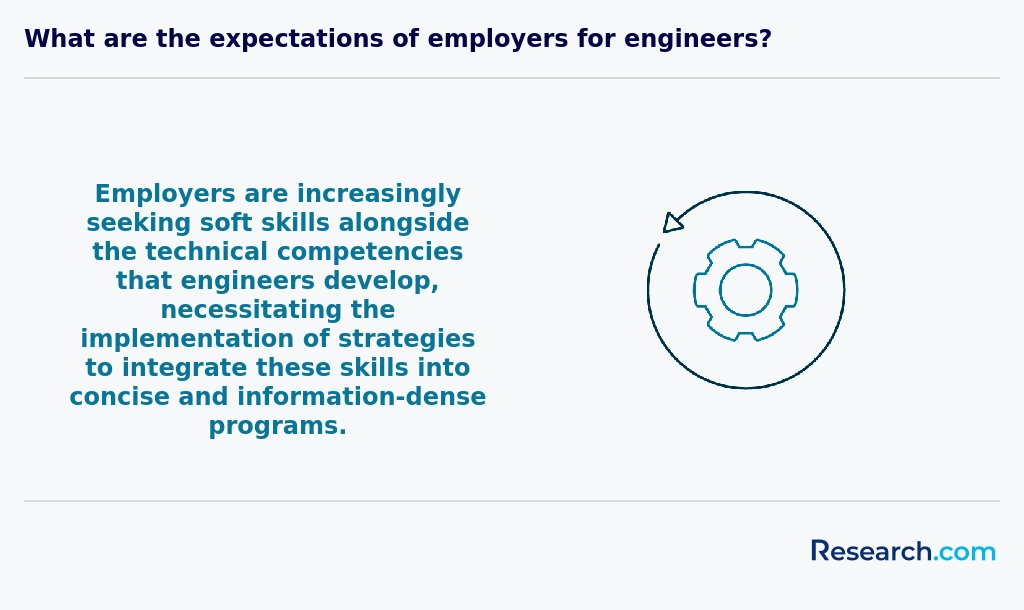
Employers hiring engineering graduates in Washington prioritize a mix of technical and soft skills. According to the Washington Workforce Training and Education Board, strong competencies in computer-aided design (CAD), programming languages like Python and C++, and data analysis are highly valued. These skills support the region's growing tech and manufacturing sectors.
Communication and teamwork are also critical. Engineering roles often require collaboration across interdisciplinary teams, meaning employers look for graduates who can effectively share ideas and solve problems together.
Additionally, problem-solving abilities and a solid understanding of applied mathematics rank among the top skills demanded by Washington's engineering employers, as outlined by recent studies from the National Association of Colleges and Employers (NACE).
Finding internships in Washington relevant to an engineering degree involves leveraging local resources and university career centers. The Washington Technology Industry Association reports that the DC metro area hosts over 1,500 tech and engineering firms, creating ample internship opportunities. Start by exploring job boards like the Washington Aerospace Scholars Internship Portal and local chapters of professional engineering societies.
Networking is key; joining groups such as the National Society of Professional Engineers (NSPE) or attending events organized by the DC STEM Network can open doors to internships. Many employers also offer remote internships, valuable for online students. Utilizing LinkedIn and contacting university alumni in Washington can further boost your chances.
Obtaining an online engineering degree in Washington significantly enhances career mobility and advancement opportunities. The state hosts a robust technology and aerospace sector, including major employers like Boeing and Microsoft, creating strong demand for skilled engineers.
According to the U.S. Bureau of Labor Statistics, Washington's engineering occupation growth projected at 8% from 2022 to 2032 outpaces the national average. Online degrees accredited by ABET allow graduates to meet licensure requirements more flexibly, fostering eligibility for professional engineer status, a key to career advancement.
Employers increasingly recognize online degrees, especially from reputable institutions, enabling professionals to upskill while continuing their roles. This flexibility supports career switching within engineering disciplines and access to leadership positions in Washington's competitive job market.
Studying for an engineering degree in Washington offers students strong interdisciplinary preparation by combining technical skills with practical applications across multiple fields. Many online programs emphasize collaboration between engineering, computer science, and business disciplines, reflecting the diverse needs of the Washington job market.
Washington boasts a high concentration of tech firms and government agencies, encouraging curricula that integrate systems thinking, project management, and communication. According to the U.S. Bureau of Labor Statistics, the region's demand for engineers skilled in multiple domains is growing faster than the national average.
This approach ensures graduates are well-equipped to adapt and lead in sectors like aerospace, cybersecurity, and environmental engineering, where cross-functional expertise is essential.
When choosing between a thesis and a non-thesis online engineering degree in Washington, consider your career goals first. A thesis program typically involves original research and is ideal if you plan to pursue a Ph.D. or a research-focused role. According to the National Science Foundation, about 30% of engineering graduate students take thesis-based options nationwide, reflecting a trend that applies in Washington as well.
On the other hand, non-thesis programs usually emphasize coursework and practical skills, suited for professionals aiming to advance in industry or management. Washington's strong tech and aerospace sectors favor hands-on skills, making non-thesis programs popular among working engineers here.
Also, review program flexibility and time commitment. Thesis options often take longer to complete due to research demands. Non-thesis degrees, in contrast, might allow faster graduation through intensive coursework. Accreditation and program reputation in Washington's online education market should also guide your decision.
Students based in Washington seeking online engineering degrees abroad have limited direct options due to accreditation and licensure concerns within the U.S. educational framework. Most universities that cater to Washington residents' engineering education needs are U.S.-based institutions offering robust online programs recognized by ABET, the Accreditation Board for Engineering and Technology. According to the National Center for Education Statistics, Washington hosts many online-compatible engineering degree programs, but students often opt for U.S. universities with global partnerships instead of fully foreign online degrees.
The Washington State Workforce Training and Education Coordinating Board highlights demand for engineering graduates, promoting programs aligned with local industry standards. Students interested in international study can explore hybrid programs from U.S. colleges partnered with foreign universities, which offer cultural exposure while maintaining U.S. accreditation. This approach ensures eligibility for professional engineering licensure in Washington, which is crucial for career advancement in engineering fields.
Part-time job opportunities in Washington that complement an online engineering degree are diverse and practical. Many students find roles as engineering interns with local companies, gaining hands-on experience relevant to their studies. According to the Washington State Department of Commerce, tech and manufacturing firms often offer part-time internships to engineering students, fostering valuable skills.
Positions in research labs at universities or government agencies such as the Department of Energy's Pacific Northwest National Laboratory provide important exposure to applied engineering. Additionally, tutoring roles in math or physics help reinforce foundational concepts while supporting peers.
Such jobs typically offer flexible hours, making them well-suited for students balancing coursework and employment.
Online engineering students in Washington benefit from multiple networking opportunities despite the virtual format. Universities often host virtual career fairs, webinars, and engineering-focused meetups, connecting students with local industry professionals and alumni. For example, the University of Washington's online programs facilitate access to the Seattle tech scene, which employs over 130,000 engineering workers according to the Bureau of Labor Statistics (2023).
Students can also join professional organizations like the Washington State Society of Professional Engineers, which offers both online and in-person networking events. Additionally, online platforms such as LinkedIn groups help students connect with peers and potential employers in the engineering sector.
Local chapters of national engineering associations provide workshops and mentoring programs tailored for remote learners. These varied options support relationship-building critical for career development in Washington's competitive engineering job market.
Alumni networks play a critical role for online engineering degree students in Washington by providing valuable professional connections. Graduates can access mentors who understand local industry needs, especially in the region's strong aerospace and technology sectors centered around Seattle and Redmond. According to the Washington Student Achievement Council, engineering graduates with strong alumni ties have a 20% higher employment rate within the state.
These networks often offer job leads, internships, and exclusive events, helping students transition from education to employment smoothly. Participation also encourages knowledge sharing, collaborative projects, and industry insights relevant to Washington's evolving engineering challenges, enhancing career readiness.
Engagement with alumni expands students' professional circles beyond their immediate academic environments, often leading to better career mobility and growth opportunities in Washington's competitive engineering market.
Customizing an online engineering degree in Washington allows students to align their education with specific career goals. Many universities offer electives and specialization tracks in areas like civil, mechanical, electrical, or software engineering. Students can select courses that deepen expertise in high-demand fields such as aerospace or renewable energy, sectors significant in Washington state's economy according to the Bureau of Labor Statistics (BLS).
Washington's institutions also provide options for practical experience through virtual labs and project-based assignments. Students may choose programs that support part-time study to continue working, facilitating career advancement while earning a degree. Additionally, some schools partner with local industries, enabling networking and internships tailored to professional aspirations. This flexibility is vital for professionals aiming to move into specialized roles or leadership positions within engineering fields.
Online engineering students in Washington face several challenges that can impact their academic success. One major issue is limited access to hands-on lab work, essential for engineering, which many programs try to overcome through virtual simulations but cannot fully replicate physical experience.
Additionally, balancing coursework with professional or personal responsibilities remains difficult. According to the National Science Foundation, engineering students often report time management as a leading factor in attrition.
Furthermore, networking opportunities and direct interaction with faculty can feel limited compared to traditional programs, potentially affecting mentorship and career development.
Technical difficulties, including reliable internet access, also pose concerns, especially in rural Washington areas where connectivity varies significantly.
With an online engineering degree, professionals in Washington can pursue several key certifications that enhance career opportunities. The most recognized is the Professional Engineer (PE) license, which requires passing the Fundamentals of Engineering (FE) exam, gaining relevant work experience, and then passing the PE exam. This credential is highly respected in Washington's technical job market, especially in civil, mechanical, and electrical engineering sectors.
Other valuable certifications include the Certified Manufacturing Engineer (CMfgE) offered by the Society of Manufacturing Engineers and Project Management Professional (PMP), often pursued by engineers managing projects.
These certifications validate skills and increase earning potential, supporting career growth in Washington's competitive engineering landscape.
Writing a winning application for an online engineering program in Washington requires a clear presentation of your academic and professional background. Emphasize your STEM coursework, especially math and science grades, as these are critical for engineering admissions.
Include a well-crafted personal statement that highlights your motivation, problem-solving skills, and career goals related to engineering. Washington's tech-driven economy values applicants who show an understanding of industry needs.
Strong letters of recommendation, ideally from professors or employers familiar with your technical abilities, can improve your chances significantly.
Also, verify if the program requires GRE scores or specific prerequisites and make sure to meet all application deadlines, which often range from December to March for fall enrollment.
According to data from the Washington Student Achievement Council, applicants who clearly demonstrate alignment with local industry demands tend to have higher acceptance rates.
Engineering careers hold a significant global stature, reflecting rapid technological growth and innovation. In the United States, and specifically Washington, the demand for engineers continues to rise, with a projected 8% increase in jobs between 2020 and 2030 according to the U.S. Bureau of Labor Statistics.
Globally, engineers contribute to solving critical challenges, including sustainability and infrastructure development. Washington's online engineering programs prepare students to engage in this international landscape, equipping them with skills aligned to industry needs.
Washington's proximity to federal agencies and tech hubs influences careers, emphasizing interdisciplinary knowledge and global collaboration.
These factors offer students a competitive edge within the US and abroad.
Gaining practical experience while pursuing an online engineering degree in Washington is essential for career readiness. Many institutions encourage students to engage in internships with local companies, especially in the Seattle tech corridor, which hosts major firms like Boeing and Microsoft. According to the Washington State Labor Market and Economic Analysis, internships and cooperative education programs are among the top ways students build hands-on skills.
Online programs often offer virtual labs and project-based assignments that simulate real-world engineering challenges. Additionally, some universities partner with regional industries to provide remote internship opportunities, allowing students to work on actual projects while studying.
Networking with local engineering societies such as the Washington State Society of Professional Engineers can also create practical opportunities through workshops and mentorships.
Choosing the right concentration within an online engineering degree in Washington begins with assessing local industry demands. Washington hosts a strong tech sector centered around aerospace, software, and clean energy, making concentrations like aerospace engineering, computer engineering, and environmental engineering popular choices.
According to the Washington State Employment Security Department, employment in engineering occupations is projected to grow by 6% through 2030, with the highest demand in mechanical and software-related fields. Prospective students should research which specialties align with these trends.
Additionally, consider your career goals, existing skills, and interests. Look for programs offering relevant internships or partnerships with Washington employers. Accreditation by ABET ensures quality and recognition by industry. Reviewing faculty expertise and support services specific to online students can also guide your decision.
Related Engineering Rankings for Nearby Cities
Top Trending Engineering Rankings
See What Experts Have To Say About Studying Engineering
Read our interview with Engineering experts

Joseph Reichenberger
Engineering Expert
Professor of Civil Engineering & Environmental Science
Loyola Marymount University


Jasna Jankovic
Engineering Expert
Associate Professor
University of Connecticut

References
- Engineering Dual Degree Program https://www.washcoll.edu/dual-degree/engineering/index.php
- Networking for engineers: your questions answered https://targetjobs.co.uk/careers-advice/engineering/networking-engineers-your-questions-answered
- Interdisciplinary Engineering Education: Difficult, but not Impossible https://engineeringedu.press/2020/02/16/interdisciplinary-engineering-education-difficult-but-not-impossible/
- Guide to Engineering Internships https://www.internwise.co.uk/candidate-journey/industry-internships/guide-to-engineering-internships
- 2025 Best Online Engineering Degrees https://www.onlineu.com/degrees/engineering
- 4 Strategies for engineering students to gain quality, hands-on experience https://starfishmedical.com/resource/gain-quality-hands-on-experience/
- FAQ - Online Engineering Programs https://www.onlineengineeringprograms.com/faq
- Engineering Internships: Find 1037 Engineering Intern Jobs https://internshala.com/internships/engineering-internship/
- Top 5 Demanding Engineering Fields in 2025: Future-Proof Your Career - MEC https://mailamengg.ac.in/top-5-demanding-engineering-fields-2025/
- Top Certification Courses for Advancing Engineering Careers - IJOER Engineering Journal Blog https://ijoer.com/blog/top-certification-courses-for-advancing-engineering-careers