2027 Most Popular Education Degree Programs Ranking in Cincinnati

Co-Founder and Chief Data Scientist
Choosing the right education degree program can shape your future and open doors in Cincinnati's vibrant teaching community. This article introduces the 2027 Most Popular Education Degree Programs Ranking in Cincinnati, developed by the Research.com team of data scientists.
Designed to help you make informed decisions, this ranking highlights programs that offer strong career prospects and valuable skills. Whether you're just starting or advancing your education journey, understanding these options can guide you toward a rewarding path in education.
Explore programs that inspire and empower you to make a positive impact in the classroom and beyond.
Key benefits of getting education degree in Cincinnati
- Education degree graduates in Cincinnati can expect competitive salaries, such as Special Education Teachers earning around $76,000 annually and Instructional Designers making approximately $77,200, which reflects strong financial prospects in the field.
- Graduates from popular Cincinnati universities often find diverse career paths, including roles as Early Childhood Educators or ESL Teachers, providing rewarding opportunities to impact communities and grow professionally.
- Completing an education degree online, as many Cincinnati students have, offers flexibility and convenience, allowing you to balance work and study effectively while gaining the same valued credentials as traditional programs.
- Key benefits of getting education degree in Cincinnati
- What can I expect from education degree in Cincinnati?
- Where can I work with education degree in Cincinnati?
- How much can I make with education degree in Cincinnati?
- 2027 Most Popular Education Degree Programs Ranking in Cincinnati
- Key Findings
- How long does it take to complete education degree in Cincinnati?
- Exploring Education Degree Specializations and Career Opportunities
- What's the difference between online and on-campus education degree?
- How Does It Compare?
- What is the average cost of education degree in Cincinnati?
- How Cincinnati Education Degree Programs Compare Nationally
- What financial aid is available to education degree students in Cincinnati?
- How These Education Programs Compare to State and National Averages
- What are the prerequisites for enrolling in education degree program in Cincinnati?
- Teaching Licensure and Certification Requirements in Ohio
- What courses are typically in education degree programs in Cincinnati?
- What types of specializations are available in education degree programs in Cincinnati?
- How do you choose the best education degree in Cincinnati?
- What career paths are available for education degree students in Cincinnati?
- What is the job market for education degree in Cincinnati?
- Top Trending Education Rankings
- See What Experts Have To Say About Studying Education
What can I expect from education degree in Cincinnati?
The average cost of pursuing an education degree in Cincinnati typically varies depending on the institution, but public universities like the University of Cincinnati offer steady affordability for in-state students. Graduates often share how manageable tuition fees, paired with targeted scholarships for education majors, made their academic journey feel both accessible and rewarding. One graduate recalled balancing affordable tuition with real-world student teaching experiences in local schools, which enriched their training without causing financial strain.
At institutions like Xavier University or Miami University's regional campuses, costs might be slightly higher, yet many students find value in the personalized support and community connections that these campuses foster. Many future educators have described feeling motivated by Cincinnati universities' partnerships with nearby school districts, opening doors to internships and employment that offset expenses with practical benefits.
Looking ahead, expanding scholarship opportunities and deeper collaborations with local schools may continue to ease financial burdens, making education degrees an increasingly feasible investment for those passionate about teaching in Cincinnati's vibrant educational landscape.
Where can I work with education degree in Cincinnati?
Graduates with an education degree in Cincinnati find themselves at the heart of a vibrant and expanding job market. Many start their careers in the Cincinnati Public Schools system, engaging with diverse classrooms from elementary through high school. These positions offer opportunities to specialize in STEM, special education, or language arts, creating rewarding classrooms where graduates can make a real impact.
Others find inspiration working in private or charter schools like Cincinnati Hills Christian Academy, where innovative teaching methods are welcomed and celebrated. Students from the University of Cincinnati often share how their hands-on internships prepare them for these dynamic environments.
Early childhood education is another promising field, with countless licensed childcare centers seeking passionate educators. Graduates from Xavier University frequently highlight roles as preschool teachers or administrators, where they nurture young minds and shape lifelong learners.
Educational administration and nonprofit outreach also beckon graduates who want to influence education beyond the classroom, offering fulfilling careers that blend leadership and meaningful community work.
How much can I make with education degree in Cincinnati?
Graduates with education degrees in Cincinnati can expect to earn salaries reflecting their specialization and experience. For instance, elementary school teachers typically earn around $70,740 annually, while special education teachers command higher wages near $76,000. Those focusing on teaching English as a Second Language (ESL) may see incomes approximately $65,430, benefiting from the growing demand for language education in diverse local communities.
Many graduates from institutions like the University of Cincinnati find these figures promising as they launch their careers locally. Early childhood educators, often working in nearby preschools or community centers, earn about $41,410, which can serve as a stepping stone to advanced roles.
Beyond classroom teaching, Cincinnati education graduates sometimes pursue roles in instructional design, with mean salaries of around $77,200. These positions, especially appealing as digital learning expands, showcase the evolving opportunities for education degree holders in the region.
The future shines brightly for education graduates in Cincinnati, where growing educational diversity and evolving digital tools offer increasing chances for rewarding and well-paid careers.
2027 Most Popular Education Degree Programs Ranking in Cincinnati
How do we rank schools?
Investing in your education is a significant decision that can shape your future, and the Research.com team is deeply aware of the importance of making well-informed choices. To support prospective students in Cincinnati, we have carefully developed the "2027 Most Popular Education Degree Programs Ranking in Cincinnati." Our dedication to quality, credibility, and accuracy is demonstrated through the rigorous research and analysis conducted to compile this ranking.
We utilized the following reputable data sources to ensure a comprehensive evaluation of education degree programs:
By exploring this ranking, readers will gain valuable insights into the most popular education degree programs in Cincinnati, empowering them to make informed educational decisions that align with their goals. For more information on how this ranking was created, please visit our Research.com methodology page.


Key Findings
- Cincinnati offers education degrees at public and private universities, covering early childhood to special education with required student teaching for certification.
- Annual tuition ranges from $10,000 to $25,000 at public universities for in-state students, while private colleges may charge over $30,000, not including books and fees.
- Starting salaries for education graduates in Cincinnati average between $40,000 and $45,000, with potential growth to $60,000 or more with experience and advanced degrees.
- The job market is stable with moderate growth expected, especially for special education teachers, elementary teachers, and educational administrators.
- Most education degrees prepare students for Ohio state teaching licensure, requiring exams and supervised teaching hours for public school employment.
How long does it take to complete education degree in Cincinnati?
Completing an education degree in Cincinnati traditionally takes around four years for a bachelor's, with many students at the University of Cincinnati or Xavier University finding a clear path through structured coursework and hands-on classroom experience. Graduates often describe a fulfilling routine balancing class time and practical teaching, which builds confidence early on.
Looking ahead, flexible master's programs at the University of Cincinnati's College of Education, Criminal Justice, and Human Services are reshaping time expectations. Many working professionals embrace part-time schedules, extending programs to two years or more but gaining valuable adaptability and real-world application simultaneously.
Doctoral candidates can expect three to five years post-master's, but emerging hybrid and online formats might accelerate progress, especially for focused researchers aiming for educational leadership roles. Cincinnati's educational landscape suggests future students will benefit from more personalized pacing without sacrificing depth, opening doors to timely and fulfilling completion based on individual needs.
Exploring Education Degree Specializations and Career Opportunities
When considering an education degree, it's essential to explore the various specializations and career opportunities available. In Cincinnati, OH, prospective students can find a range of programs that cater to different interests and career goals. By researching the most popular education degree programs, such as those listed in our most popular education degree rankings, students can gain valuable insights into the most sought-after fields and make informed decisions about their academic pursuits. This can help them align their education with their passions and skills, leading to a fulfilling career in education. Whether it's elementary education, special education, or educational leadership, each specialization offers unique challenges and rewards, allowing graduates to make a lasting impact in their communities.
What's the difference between online and on-campus education degree?
Graduates of education programs in Cincinnati often reflect on the distinct rhythms between on-campus and online pathways. Those attending the University of Cincinnati describe vibrant campus days filled with spontaneous peer collaborations and access to local school practicum placements, creating a deeply immersive learning environment. Conversely, online students share stories of balancing coursework around family schedules or full-time jobs, appreciating the freedom to engage with material asynchronously while still participating in virtual discussions tailored by Cincinnati's education faculty.
Cost and accessibility also set these experiences apart. On-campus attendees relish the tangible support of campus libraries and career services, fostering confidence through face-to-face mentorship. Meanwhile, online learners benefit from streamlined tuition and the ability to avoid daily commutes, making education degrees from Xavier University more accessible to working adults.
Emerging trends suggest hybrid models could blend these strengths, allowing Cincinnati's future education students to customize their learning pace while maintaining vital community connections and hands-on training in local schools.
How Does It Compare?
When evaluating education degree programs in Cincinnati, it's essential to consider how they stack up against similar offerings nationwide. Cincinnati’s education programs distinguish themselves through a blend of competitive tuition rates, hands-on training, and strong local job placement, yet they also face unique challenges compared to programs in larger metropolitan areas. Factors such as program flexibility, internship opportunities, faculty expertise, and overall return on investment play a pivotal role in this comparison. For instance, while Cincinnati’s public and private institutions offer affordable options and robust community engagement, students might find that some specialized programs elsewhere provide additional digital learning resources or broader networking opportunities. This comparative perspective helps prospective students gauge not only local strengths but also potential benefits in fields related to education. Moreover, exploring adjacent disciplines can broaden your academic outlook-consider checking out an online library science degree masters program, which offers insights into another vital area of education and information management. Ultimately, understanding these nuances ensures that your program choice aligns with both your career goals and personal learning preferences.
What is the average cost of education degree in Cincinnati?
The average cost of an education degree in Cincinnati typically centers around $26,063 for in-state students, while out-of-state students may face costs closer to $51,393. These figures reflect a broad mix of public, private, and community college options available locally, with public institutions like the University of Cincinnati offering more affordable tuition and private universities such as Xavier University generally charging higher fees. Graduates from Cincinnati State Technical and Community College often appreciate the practical affordability of starting there, which eases the financial burden early on before transferring to a four-year school.
Many students pursuing education degrees here share stories of balancing tuition expenses with financial aid opportunities, emphasizing that affordability varies greatly based on residency status and the program selected. Those focused on education programs Cincinnati often find that scholarship availability and federal grants for critical-need teaching areas help mitigate overall costs, making the investment feel more manageable amidst rising education expenses.
Looking ahead, future students might explore increasingly flexible and hybrid learning models that combine online and in-person coursework to reduce living expenses. As practical components like student teaching remain essential, programs could evolve to include stipends or scholarships tied specifically to these real-world experiences, further offsetting tuition and fees. For a closer look at the evolving landscape of local study options, consider the most popular education degree programs in Cincinnati.
Considering the average cost of education degrees in Cincinnati helps prospective students envision a clear financial path, anchored by well-known institutions and supported by growing resources, ensuring their journey into education professionals is both attainable and rewarding.

How Cincinnati Education Degree Programs Compare Nationally
Cincinnati’s education degree programs stand out for their balance of affordability, quality, and hands-on experience, yet it’s valuable to see how they measure up against national benchmarks. Across the U.S., the average annual tuition for a public 4-year education degree is approximately $10,560 for in-state students-slightly higher than Cincinnati’s in-state average of $9,750. Conversely, private institutions nationwide average $40,000 per year, compared to Cincinnati’s $38,421, making local private schools marginally more accessible. When it comes to graduate salaries, Cincinnati aligns closely with national figures. The Bureau of Labor Statistics reports a national mean annual wage of $65,090 for K-12 teachers, while Cincinnati educators earn around $63,130 for ESL roles and $38,640 for early childhood positions. Instructional designers nationally make about $74,480, only modestly above Cincinnati’s $73,080. This parity suggests graduates here are well-positioned in the broader market. Program diversity is another key metric. Nationally, 153,800 master’s degrees in education were awarded in 2020–21, a figure that mirrors Cincinnati’s robust graduate enrollments. However, Cincinnati offers a unique advantage with its blended on-campus and online pathways, accommodating working professionals. For students prioritizing cost-effective online options, it’s worth exploring the Inexpensive Online Bachelor's in Education Degree Programs Ranking in Virginia to compare tuition savings and format flexibility. Ultimately, Cincinnati’s education degrees hold their own against national averages in tuition, earning potential, and program variety. Prospective educators can confidently choose Cincinnati programs, knowing they receive a competitive, high-quality education that translates seamlessly into the national career landscape.
What financial aid is available to education degree students in Cincinnati?
Students pursuing education degrees in Cincinnati often tap into federal financial aid as a primary resource, with many at the University of Cincinnati finding relief through Pell Grants that can cover a significant portion of tuition. Imagine a graduate recalling how the $7,395 Pell Grant nearly halved their yearly costs, making studies feel achievable rather than overwhelming.
Beyond federal help, Ohio's College Opportunity Grant adds another layer of support, offering up to $1,800 annually for residents attending public colleges. Graduates from Miami University's education program often speak enthusiastically about how this state grant eased their financial burden alongside merit scholarships awarded for academic excellence and dedication to teaching.
Loan forgiveness programs also motivate many local students, especially those who envision teaching in underserved Cincinnati schools. One grad shared the hopeful feeling of qualifying for up to $17,500 in debt relief after committing five years to a low-income district, making the future look brighter financially and professionally.
Looking ahead, partnerships between universities and community organizations promise to create even more tailored aid opportunities, helping Cincinnati's aspiring teachers feel supported every step of the way.
How These Education Programs Compare to State and National Averages
Education degree programs in Cincinnati, OH, stand out when benchmarked against both Ohio and U.S. figures. On average, in-state tuition for a bachelor’s in education here is $9,750 per year, roughly 10% below Ohio’s public university average of $10,800 and nearly 30% lower than the national in-state average of $13,900. Likewise, Cincinnati graduates report median starting salaries of $45,200, which slightly exceeds Ohio’s $44,000 median and aligns closely with the national median of $46,000 for new teachers. Job growth projections also favor Cincinnati: the local education sector is expected to expand by 7.5% through 2031, compared to a 6.5% growth rate statewide and 6.8% nationally. This accelerated demand reflects the city’s investment in STEM and special education roles, driven by district initiatives to reduce student–teacher ratios. Moreover, Cincinnati’s average classroom size of 18 students compares favorably to Ohio’s 20 and the national average of 22, suggesting more personalized teaching opportunities and stronger learning outcomes. For prospective educators balancing cost and quality, exploring online pathways can be invaluable. For example, our colleagues at Research.com have published an Inexpensive Online Bachelor's in Education Degree Programs Ranking in Virginia, offering a side-by-side look at flexible, lower-cost alternatives beyond Ohio’s borders. By evaluating these comparative metrics-tuition, salary, growth, and class size-students can make data-driven decisions that align with both their financial and professional goals.
What are the prerequisites for enrolling in education degree program in Cincinnati?
Applicants aiming to enroll in education degree programs in Cincinnati typically start by meeting foundational requirements such as holding a high school diploma or equivalent, along with submitting official transcripts demonstrating satisfactory academic performance. Graduates from universities like the University of Cincinnati often reflect on how maintaining a GPA around 2.5 or higher was crucial to moving forward with their application process, fostering a sense of achievement and motivation early on.
Many programs now embrace test-optional policies, inspired by recent trends and experiences during the COVID-19 pandemic, allowing candidates to highlight other strengths without the pressure of submitting SAT or ACT scores. This shift has encouraged prospective students to focus more on expressive elements like personal statements, where aspiring teachers convey their passion and commitment to educational careers.
Letters of recommendation from professors or supervisors add a personal touch, bridging academic performance with character insight. Some graduates recount that successful background checks and demonstrating proficiency in English and math provided reassurance that their path toward licensure and classroom readiness was well supported by local institutions such as Xavier University or Northern Kentucky University, creating an encouraging environment for growth.
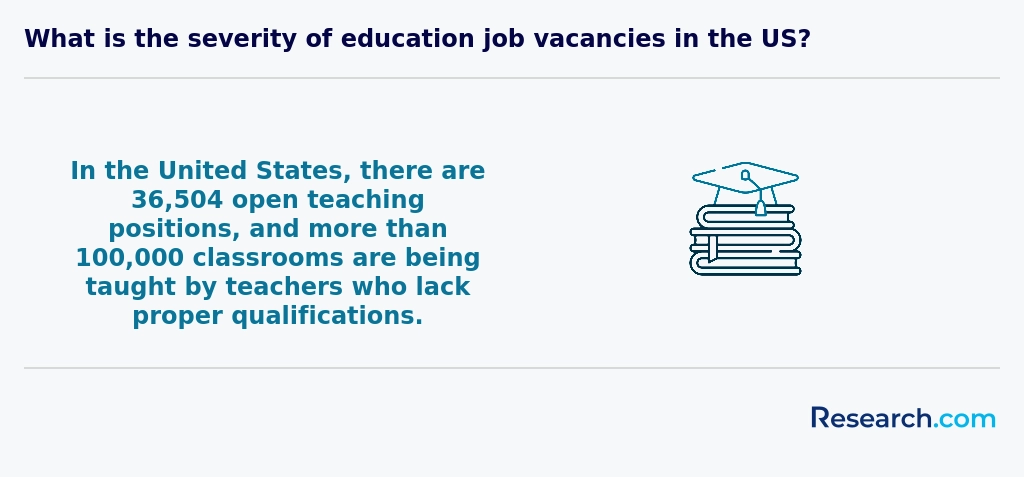
Teaching Licensure and Certification Requirements in Ohio
After earning an Education degree in Cincinnati, OH, aspiring teachers must navigate Ohio’s licensure process to secure a teaching position in K–12 schools. Understanding these requirements early ensures you’re fully prepared for the classroom: 1. Complete an Approved Educator Preparation Program Ohio mandates graduation from a state-approved educator preparation program. Most Cincinnati institutions, such as the University of Cincinnati and Xavier University, are accredited by the Ohio Department of Education (ODE) to provide the necessary coursework and supervised student teaching hours. 2. Pass the Ohio Assessments for Educators (OAE) Prospective teachers must pass content-specific and pedagogical assessments. Typical exams include: - Foundations of Reading - Subject area tests (e.g., Elementary Education, Special Education) - Professional knowledge and instructional strategies 3. Background Check and BCI/FBI Clearance Candidates must submit fingerprints for Bureau of Criminal Investigation (BCI) and Federal Bureau of Investigation (FBI) checks. Clearance is required before licensure, ensuring a safe learning environment for all students. 4. Apply for an Ohio Teaching License After meeting academic and testing requirements, submit your application through the ODE’s Educator Licensure System. Choose from certificate types: - Resident Educator License (initial, valid for five years) - Professional Resident Educator License (renewable upon completion of induction) 5. Complete Induction and Continuing Education During the Resident Educator License period, teachers participate in mentoring and professional development. To upgrade to a Professional License, complete: - A state-approved induction program - 120 contact hours of continuing education or an advanced degree For those weighing program costs and formats, it’s wise to compare traditional campus offerings with flexible online options. You may also explore our sister ranking for cost-effective online pathways: Inexpensive Online Bachelor's in Education Degree Programs Ranking in Virginia. This resource highlights accredited programs that balance affordability with quality, helping you make an informed choice as you pursue licensure and a rewarding teaching career.
What courses are typically in education degree programs in Cincinnati?
Education degree programs in Cincinnati typically include courses like foundations of education, educational psychology, and curriculum development, which many graduates recall as eye-opening for understanding how students learn and how schools operate. At local universities known for education, students often describe how these classes provide a solid theory-to-practice connection, preparing them to design engaging lessons tailored to diverse classrooms.
Classroom management and instructional strategies are also emphasized, helping future teachers confidently create welcoming environments where every student feels valued. Graduates from Cincinnati colleges frequently mention how learning to adapt teaching styles around the city's culturally rich student population made them feel ready and motivated to make a real difference.
Specialized courses vary based on focus-early childhood education students immerse in child development and literacy, while those aiming at secondary education dive into subject-specific content. Those pursuing special education find hands-on approaches toward individualized education plans and adaptive techniques especially rewarding.
Many remember fieldwork experiences in Cincinnati's schools as transformative, turning theory into action and boosting their sense of accomplishment and readiness for teaching careers.
What types of specializations are available in education degree programs in Cincinnati?
Education degree specializations in Cincinnati are evolving to meet future demands, blending traditional pathways with emerging fields. Graduates from popular local colleges often highlight how programs in Elementary and Secondary Education prepare them confidently for diverse classroom environments, whether teaching foundational skills or STEM subjects. These teaching certification programs Cincinnati are designed to align with local school district needs, especially in literacy and science, ensuring graduates feel ready and valued.
There is growing interest among students in Special Education, where hands-on training for supporting diverse learners reflects a deep commitment to inclusion. Meanwhile, emerging areas like Educational Leadership, Counseling, and Curriculum and Instruction equip students to shape school policies and student wellness-roles that many graduates describe as both challenging and rewarding.
Some education students appreciate how early exposure to Early Childhood Education sparks passionate advocacy for developmental stages. In addition, those seeking flexible learning routes often explore options like an online library science degree masters to enhance their educational expertise alongside core specializations.
How do you choose the best education degree in Cincinnati?
Choosing the best education degree in Cincinnati often starts with considering your career goals and how a program fits into your life. Many graduates recall balancing evening classes at the University of Cincinnati with part-time jobs, appreciating the flexibility that allowed them to gain practical experience alongside coursework. Looking ahead, programs offering hybrid and online formats will become even more vital for busy students.
When exploring affordable education degrees Cincinnati offers, cost transparency and financial aid options stand out. Graduates from Cincinnati State Technical and Community College often share how accessible tuition made their education journey less stressful-pairing this with support services boosted their confidence entering the teaching field. For those budgeting carefully, exploring options like the Inexpensive Online Bachelor's in Education Degree Programs Ranking in Virginia might provide inspiration on balancing cost and quality.
Future-oriented students should also value degree programs accredited by recognized bodies, ensuring both quality and employability. Programs that embed extensive student teaching or internships help graduates feel prepared and connected to local school districts, improving job placement. This hands-on approach aligns with the evolving demands of education careers in Cincinnati's dynamic community.

What career paths are available for education degree students in Cincinnati?
Graduates with an education degree in Cincinnati find a variety of promising career paths shaped by the city's vibrant educational ecosystem. Many become licensed teachers within Cincinnati Public Schools, where demand remains strong, especially in STEM and special education fields. These graduates often share how rewarding it is to impact local youth directly, with starting salaries around $55,000 providing a solid foundation.
Others pursue educational administration roles, such as principals or curriculum coordinators, inspired by the chance to shape learning environments district-wide. Cincinnati's universities support this growth by offering opportunities to gain advanced certifications, enabling graduates to qualify for higher-paying positions, sometimes reaching mid-80,000s to 90,000s annually.
Emerging trends include jobs as educational consultants or nonprofit education specialists, responding to growing community needs. Graduates from local institutions appreciate how the combination of affordable tuition and diverse options motivate them toward innovative career paths, including fast track career programs. These opportunities highlight the expansive education degree job opportunities Cincinnati offers for future-focused graduates.
Career options for education graduates Cincinnati also now extend into early childhood education and inclusive educational services, where special education teachers collaborate closely with peers to foster inclusive classrooms. The dynamic nature of these roles keeps graduates engaged and hopeful about long-term job stability as Cincinnati's education landscape continues to evolve.
What is the job market for education degree in Cincinnati?
The education degree job market Cincinnati offers remains vibrant, with graduates from well-known local colleges often finding rewarding paths in teaching and education leadership. Many recent graduates share experiences of landing roles within Cincinnati Public Schools or nearby charter schools, where demand for teachers in mathematics, science, and special education remains particularly strong. These roles often come with competitive starting salaries around $40,000 to $45,000, growing substantially with experience.
Graduates appreciate how the city's evolving educational priorities create new opportunities, especially in specialty areas like special education and STEM subjects. Beyond classrooms, emerging roles such as educational coordinators and counselors open diverse career avenues, nurturing positive outlooks for those entering the field. Awareness of certification requirements and participation in local internships are commonly highlighted as crucial steps towards success.
Students exploring education degrees in Cincinnati find value in programs offered at universities popular for hands-on training and community engagement. For those considering flexible learning options, easy online programs provide alternative pathways that complement busy schedules while preparing candidates effectively for the local job market.
Overall, the teaching careers salary Cincinnati landscape, combined with steady growth and special focus on key subject areas, supports a promising future for education graduates ready to contribute meaningfully to the region's schools and communities.
Frequently Asked Questions About education
Education degree students in Cincinnati can maximize their learning experience by engaging actively with both coursework and community opportunities. Utilizing resources at institutions like the University of Cincinnati, which offers tailored education programs, can deepen understanding through practical application.
Participating in local school internships or partnerships enhances real-world teaching skills. According to the Ohio Department of Higher Education, 75% of education students in Ohio report improved job readiness through hands-on experiences.
Additionally, joining professional organizations such as the Cincinnati Education Association provides access to workshops and networking, vital for career growth. Staying current with state certification requirements ensures smooth progress toward licensure.
The education field in Cincinnati is seeing growth in several emerging niches driven by technological advances and changing community needs. One notable area is educational technology, where professionals design and implement digital tools to enhance learning. According to the Cincinnati Public Schools district, the integration of technology has increased by 20% in classrooms over the past five years, highlighting demand for specialists in this field.
Another niche gaining traction is special education with a focus on inclusive practices. Ohio's emphasis on supporting diverse learners has expanded training and certification programs. Additionally, early childhood education remains critical, with Cincinnati's workforce projections indicating a 10% growth in preschool teaching roles through 2029. These trends reflect evolving priorities in local education policy and practice.
Preparing for the job market after completing an education degree in Cincinnati involves several key steps. Graduates should start by gaining hands-on experience through student teaching internships required by most Ohio certification programs. These placements, often arranged through local Cincinnati schools, provide practical skills and essential classroom management techniques.
Networking is also critical. Attending events hosted by organizations such as the Cincinnati Education Association can connect new teachers with mentors and job opportunities.
According to the Ohio Department of Education, the demand for qualified teachers in Cincinnati remains steady, especially in special education and STEM subjects. Graduates should consider obtaining additional endorsements or certifications to improve employability in these high-need areas.
Finally, researching local school district hiring trends, such as Cincinnati Public Schools, can inform strategic job applications, as these districts often post openings based on enrollment forecasts.
Employers in Cincinnati seeking graduates with education degrees prioritize strong communication skills. Ability to engage diverse student populations and collaborate with parents and colleagues is essential. According to the Ohio Department of Education, over 70% of local school districts emphasize interpersonal skills during hiring.
Classroom management is another vital skill. Districts in Cincinnati look for graduates who can create supportive learning environments and effectively handle disciplinary challenges. Research from the Teaching Policy Initiative underscores that effective classroom management improves student outcomes significantly.
Technology proficiency is increasingly important. Many Cincinnati schools integrate digital tools into daily lessons, requiring educators to be comfortable with educational software and virtual teaching platforms. The 2023 Greater Cincinnati Education Report highlights this trend as a key hiring factor.
Finding internships relevant to an education degree in Cincinnati involves several strategic steps. Many local universities, such as the University of Cincinnati, offer career services that connect students with K-12 schools and educational organizations for practical experience.
Additionally, organizations like Cincinnati Public Schools and Hamilton County Educational Service Center frequently post internship opportunities suited for education majors. Networking through local education conferences and job fairs can also be valuable.
Online platforms such as Handshake and the OhioMeansJobs portal provide listings focused on internships in education. According to the Ohio Department of Education, internships in this region often emphasize classroom management, curriculum development, and student support skills.
An education degree in Cincinnati significantly enhances career mobility and advancement opportunities. Educators with formal degrees often qualify for higher-paying positions within the city's public and private school systems. According to the Ohio Department of Education, teachers holding advanced degrees can earn up to 15% more than those with only a bachelor's degree.
Moreover, Cincinnati's growing emphasis on educational leadership roles creates pathways for degree holders to pursue administrative and specialist positions. Credentials such as a Master's in Education or Education Administration are frequently required for promotions.
The structured salary scales and union contracts in Cincinnati's districts reward additional qualifications, supporting career growth for education graduates.
Studying for an education degree in Cincinnati offers students a strong foundation for interdisciplinary roles by integrating diverse fields such as psychology, sociology, and technology into the curriculum. Many local institutions emphasize practical experience and collaborative projects, preparing graduates to work effectively across disciplines.
Cincinnati's education programs often include partnerships with nearby schools and community organizations, providing opportunities to apply cross-sector knowledge in real-world settings. According to the Ohio Department of Higher Education, regional education programs have grown by 8% in interdisciplinary course offerings over the past five years.
This approach equips students with skills in communication, critical thinking, and adaptability-essential for roles that intersect education, health, and social services.
When deciding between a thesis and a non-thesis education degree program in Cincinnati, students should carefully consider their career goals and learning preferences. Thesis programs typically require original research and the completion of a formal academic paper, which suits those interested in pursuing a doctoral degree or research-based roles.
Non-thesis programs often emphasize practical skills and coursework, making them ideal for professionals aiming to advance in teaching or administrative positions without engaging deeply in research.
According to data from the Ohio Department of Higher Education, about 40% of education graduate students in Cincinnati choose thesis options, reflecting strong interest in academic careers. Cost and time commitments also vary, with thesis programs generally taking longer to complete.
Students in Cincinnati interested in studying education abroad have several pathways through US higher education programs. Many local institutions, such as the University of Cincinnati, offer study abroad options integrated into their education degrees. These programs allow students to earn credits while exploring teaching methods in different cultural settings.
Additionally, organizations like CIEE and IIE facilitate education-focused international exchanges and internships for Cincinnati students. According to NAFSA, nearly 10% of Cincinnati's college students participate in study abroad activities, reflecting growing interest in global education perspectives.
Such international experiences enhance cultural competence and career prospects in the education field.
Students pursuing education degrees in Cincinnati have various part-time job options that complement their studies. One common role is as a teacher's aide or paraprofessional in local schools, which provides hands-on classroom experience. According to the Ohio Department of Education, Cincinnati Public Schools frequently hire part-time aides to support student learning and classroom management.
Additionally, tutoring services are in demand. Many students offer private tutoring in subjects like reading and math to Cincinnati's K-12 learners. This reinforces instructional skills and communication techniques.
Community centers and after-school programs also offer assistant positions. These roles develop skills in youth engagement and program organization, relevant for future educators.
Overall, these jobs align well with education degree coursework and increase practical understanding of teaching dynamics in Cincinnati.
Education students in Cincinnati benefit from several networking opportunities that support career growth and professional development. Local universities such as the University of Cincinnati and Xavier University offer education-specific clubs and student organizations, providing a platform to connect with peers and faculty. Additionally, Cincinnati Public Schools and the Ohio Education Association host workshops and events where students can meet experienced educators and administrators.
The Cincinnati Area Board of Realtors reported strong local engagement in education-related initiatives, and job fairs aligned with teacher recruitment occur regularly, often attracting over 200 participants. These events are valuable for gaining contacts within school districts throughout the region.
Alumni networks play a significant role for education degree students in Cincinnati by providing valuable professional connections. Graduates from local institutions like the University of Cincinnati and Xavier University gain access to active alumni groups that facilitate mentorship and job placement in the region's schools. According to the Cincinnati Education Network, nearly 65% of recent education graduates found employment through alumni referrals.
These networks offer workshops, career advice, and access to exclusive job fairs, helping students transition smoothly into teaching roles. By fostering relationships with experienced educators, students benefit from guidance on certification processes and classroom management techniques.
Overall, alumni networks strengthen the professional community in Cincinnati's education sector, supporting both early and mid-career advancement.
In Cincinnati, students pursuing education degrees have multiple options to tailor their programs according to career goals. Many local universities, such as the University of Cincinnati and Xavier University, offer flexible curricula including elective courses in special education, administration, or curriculum development. This allows students to focus on areas like early childhood education or educational leadership.
Additionally, students can choose between traditional, online, or hybrid learning formats to fit their schedules. Cincinnati also provides opportunities for practical experience through partnerships with local schools. According to the Ohio Department of Higher Education, over 1,500 students enrolled in education programs in the region in 2023, highlighting the availability of resources for specialization.
Education students in Cincinnati often face multiple challenges during their academic journey. One common issue is balancing coursework with demanding field experiences, such as student teaching placements in local schools. According to data from the Ohio Department of Education, these practical hours are essential but can be time-intensive and stressful.
Additionally, financial strain affects many students, with the average student debt for education majors in Ohio reported to be around $30,000 (College Board, 2023). Cincinnati students must also navigate a competitive job market, as the Cincinnati area's teacher employment growth is projected to be slower than the national average through 2028 (Bureau of Labor Statistics).
The need to keep up with evolving teaching standards and technology further complicates their preparation. These challenges collectively shape the experience of education students in Cincinnati today.
With an education degree in Cincinnati, graduates can pursue several professional certifications that enhance their qualifications and career prospects. One common path is obtaining a teaching license through the Ohio Department of Education, which is essential for public school educators. This involves passing the Ohio Assessments for Educators (OAE).
Additional certifications include special education, bilingual education, and school counseling credentials. For example, the Ohio Recognized Levels of Interpreter and the School Nurse Certification are also relevant options.
According to the Ohio Department of Education, Cincinnati area educators show a growing interest in technology integration certificates to meet evolving classroom demands.
When applying for an education program in Cincinnati, it is essential to present a clear and focused application. Start by carefully researching local institutions such as the University of Cincinnati and Xavier University, known for their respected education departments. Highlight your academic achievements and any relevant experience working with children or in educational settings.
Effective applications include a well-crafted personal statement that explains your motivation for pursuing teaching, and how your goals align with the program's strengths. Be specific about your career aspirations and how Cincinnati's community and schools inspire you.
Additionally, letters of recommendation from educators or supervisors who can attest to your commitment and potential strengthen your application. According to the Ohio Department of Education, programs often look for demonstrated leadership and communication skills, so include any evidence of these qualities.
Education careers in the US, including Cincinnati, are influenced by global trends emphasizing cultural competency and technology integration. According to the National Center for Education Statistics (NCES), US educators increasingly engage with international best practices to address diverse student needs.
Global perspectives shape curricula, encouraging future teachers to understand varied learning styles and global issues. In Cincinnati, institutions like the University of Cincinnati prepare students by incorporating cross-cultural skills, crucial in an interconnected world.
Worldwide, education professions focus on lifelong learning and adaptability. The Bureau of Labor Statistics projects a steady 5% job growth for education careers through 2031 in the US, reflecting ongoing demand for qualified teachers who can navigate global challenges.
Gaining practical experience while studying for an education degree in Cincinnati is essential for preparing to enter local schools. Many universities in the area, such as the University of Cincinnati and Xavier University, incorporate student teaching placements in nearby school districts. These internships provide hands-on classroom experience under the supervision of licensed educators. According to the Ohio Department of Education, at least 12 weeks of supervised fieldwork is required for teacher certification.
Additionally, students can volunteer or work as teacher aides in Cincinnati Public Schools or partner with community programs. These opportunities help develop classroom management and instructional skills relevant to Ohio's education standards.
Choosing the right concentration within an education degree program in Cincinnati begins with understanding your career goals and interests. Popular concentrations include early childhood, special education, elementary education, and secondary education. Each area focuses on different age groups and teaching methods.
Consult local labor market data, such as the Cincinnati Labor Market Information from the Ohio Department of Job and Family Services, which projects steady growth for special education teachers and early childhood educators through 2030.
Many Cincinnati institutions like the University of Cincinnati and Xavier University offer tailored programs that align with Ohio's teaching licensure requirements, which also guide concentration choices.
Directly reaching out to program advisors and reviewing curriculum details can help identify a concentration that fits both your passion and the local demand for educators.
Related Education Rankings for Nearby Cities
- 2027 Most Popular Education Degree Programs Ranking in Louisville
- 2027 Most Popular Education Degree Programs Ranking in Indianapolis
- 2027 Most Popular Education Degree Programs Ranking in Columbus
- 2027 Most Popular Education Degree Programs Ranking in Knoxville
- 2027 Most Popular Education Degree Programs Ranking in Cleveland
- 2027 Most Popular Education Degree Programs Ranking in Nashville
- 2027 Most Popular Education Degree Programs Ranking in Chicago
- 2027 Most Popular Education Degree Programs Ranking in Pittsburgh
- 2027 Most Popular Education Degree Programs Ranking in River Forest
- 2027 Most Popular Education Degree Programs Ranking in Erie
Top Trending Education Rankings
See What Experts Have To Say About Studying Education
Read our interview with Education experts

Nooshan Ashtari
Education Expert
Professor & Book Author
University of Southern California


References
- Cincinnati: Financial Aid | Galen College of Nursing https://galencollege.edu/campuses/cincinnati/financial-aid
- Networking For Educators: How To Grow A Professional Circle - Carlow University https://www.carlow.edu/networking-for-educators/
- How to Pick Your Concentration for Your M.Ed. Degree | ACE Blog https://ace.edu/blog/how-to-pick-your-med-concentration/
- "Beyond Ready" to Teach: The Cincinnati Initiative for Teacher Education https://www.edutopia.org/beyond-ready-teach
- Early Childhood Education (ECE) - Cincinnati State https://www.cincinnatistate.edu/academics/degree-certificate/early-childhood-education-ece/
- The 10 Highest Paying Jobs With a Teaching Degree (Quiz) https://www.umassglobal.edu/blog-news/highest-paying-jobs-with-a-teaching-degree
- Financial Aid Overview - Art Academy of Cincinnati https://www.artacademy.edu/money-matters/financial-aid/
- Why Is Education Important in Your Career Advancement? - KWSP Malaysia https://www.kwsp.gov.my/en/w/article/career-advancement
- Educational Success - United Way of Greater Cincinnati https://www.uwgc.org/see-the-impact/educational-success/
- Teaching Job Roles | Teach For Life https://www.teachforlife.com/teachingjobs/global-perspectives-teacher