2027 Most Affordable Education Degree Programs Ranking in Rochester

Co-Founder and Chief Data Scientist
Choosing the right education degree program in Rochester can feel overwhelming. To help you make an informed decision, the Research.com team of data scientists has created the 2027 Most Affordable Education Degree Programs Ranking in Rochester.
This article highlights affordable options that balance quality and cost, so you can pursue your passion without unnecessary financial stress. Earning an education degree opens doors to meaningful careers and lasting impact.
Explore the ranking to find programs suited to your goals, and take confident steps toward a rewarding future in education.
Key benefits of getting education degree in Rochester
- Graduates with an education degree in Rochester can expect competitive salaries, such as Special Education Teachers earning around $76,000 and Instructional Designers making approximately $77,200 annually, offering strong financial stability.
- Career paths for education graduates from institutions like the University of Rochester include roles in elementary education, early childhood education, and ESL teaching, providing diverse opportunities to make a positive impact.
- Obtaining an education degree online, as offered by some Rochester colleges, allows flexible learning schedules and the ability to balance work and study while still accessing quality teaching resources and support.
- Key benefits of getting education degree in Rochester
- What can I expect from education degree in Rochester?
- Where can I work with education degree in Rochester?
- How much can I make with education degree in Rochester?
- 2027 Most Affordable Education Degree Programs Ranking in Rochester
- Key Findings
- How long does it take to complete education degree in Rochester?
- Certification and Licensing Requirements
- What's the difference between online and on-campus education degree?
- Teacher Certification and Licensure Requirements in New York State
- What is the average cost of education degree in Rochester?
- Emerging Trends and Career Growth Opportunities in Education
- What financial aid is available to education degree students in Rochester?
- Alternative Paths and Related Fields
- What are the prerequisites for enrolling in education degree program in Rochester?
- Teacher Certification and Licensing in New York State
- What courses are typically in education degree programs in Rochester?
- What types of specializations are available in education degree programs in Rochester?
- How do you choose the best education degree in Rochester?
- What career paths are available for education degree students in Rochester?
- What is the job market for education degree in Rochester?
- Top Trending Education Rankings
- See What Experts Have To Say About Studying Education
What can I expect from education degree in Rochester?
When considering the cost of an education degree in Rochester, students often find it surprisingly manageable. Public institutions like the University of Rochester and Rochester Institute of Technology offer in-state tuition rates that are significantly lower than many private colleges nationwide. Graduates frequently share how this affordability eased their financial burden, allowing them to focus more fully on mastering both theory and hands-on teaching practices.
Many education students benefit from scholarships and financial aid specifically targeted at education majors, which can drastically reduce expenses. For example, students report receiving support that covered essentials from textbooks to student teaching supplies, making their journey less stressful and more inspiring.
With these financial advantages, pursuing your education degree locally in Rochester becomes not just a dream, but a practical reality. You can immerse yourself in coursework combined with meaningful student teaching experiences across local schools without overwhelming debt, setting a strong foundation for your future as an educator.
Where can I work with education degree in Rochester?
With an education degree in Rochester, your career possibilities are both diverse and rewarding. Many graduates find fulfilling roles as licensed teachers in the Rochester City School District, where there is a high demand for subject specialists in special education, math, and science. Imagine stepping into a vibrant classroom knowing you are part of a community that employs over 7,000 educators, continuously hiring passionate teachers like yourself.
Graduates from the University of Rochester or Rochester Institute of Technology often explore paths beyond K-12, such as becoming academic advisors or instructional coordinators. These positions allow you to influence student success at the college level, guiding others through their educational journeys-an inspiring role for those who want to impact learning on multiple fronts.
Others pursue careers in early childhood centers, where creativity and nurturing go hand in hand. Rochester's growing preschool programs need skilled educators who can shape young minds from birth to five years old, offering a chance to make a difference at education's very start.
Many education graduates thrive in school administration or community-focused roles-working as counselors, curriculum developers, or in outreach programs with nonprofits like the Rochester Educational Opportunity Center. These jobs blend leadership with service, empowering you to transform education beyond the classroom walls while connecting deeply with your community.
How much can I make with education degree in Rochester?
Graduates with an education degree in Rochester can anticipate a range of rewarding salary opportunities. For example, elementary school teachers typically earn around $70,740 annually, while special education teachers see salaries closer to $76,000. A recent graduate from a well-known Rochester college shared how starting as an ESL teacher, earning about $65,430 a year, allowed them to make a meaningful difference in students' lives while building a stable career.
Those who pursue advanced paths like instructional design can expect mean wages near $77,200, combining creativity with education to shape future learning experiences. Early childhood educators, often beginning careers with passionate intents, generally earn about $41,410 annually. Many Rochester graduates find joy in their roles, balancing fulfilling work and competitive pay.
Beyond base salaries, gaining higher certifications or graduate degrees at institutions such as those in Rochester can boost earnings by 10-20%, reflecting the value of advanced skills in the local job market. Seeing peers grow their careers here provides encouragement for new graduates stepping into education.
2027 Most Affordable Education Degree Programs Ranking in Rochester
How do we rank schools?
Investing in your education is a significant decision that requires careful consideration, and the Research.com team recognizes the importance of providing trustworthy information to guide that choice. To support prospective students in Rochester, we have developed the "2027 Most Affordable Education Degree Programs Ranking." Our dedication to quality, credibility, and accuracy is demonstrated through rigorous research and analysis.
We utilized the following reputable data sources to ensure a comprehensive evaluation of affordable education degree programs:
By consulting this ranking, readers will obtain valuable insights into the most cost-effective education degree options in Rochester, empowering them to make well-informed decisions about their academic and financial future. For a deeper understanding of how this ranking was compiled, please visit our Research.com methodology page.


Key Findings
- Rochester offers education degrees at undergraduate and graduate levels through various accredited public and private institutions.
- The total cost for a bachelor's degree in education ranges from $25,000 to $40,000, excluding room and board.
- Starting salaries for education graduates average about $42,000 per year, increasing to around $60,000 after 10 years.
- There is ongoing demand for educators due to district expansions and efforts to reduce student-to-teacher ratios.
- Job opportunities include K-12 public and private schools, educational support services, and administrative roles.
- Teacher certification exams and background checks are required after completing degree programs in New York State.
How long does it take to complete education degree in Rochester?
Completing an education degree in Rochester often fits neatly into well-established timeframes, allowing you to plan with confidence. For example, graduates from the University of Rochester and Rochester Institute of Technology typically complete their bachelor's degree in about four years. This period balances core coursework with hands-on teaching experiences, giving you a well-rounded foundation to thrive in classrooms.
If you're aiming for a master's degree, expect about one to two years, depending on your schedule. Many graduates from St. John Fisher College appreciate the flexible options that accommodate working professionals, enabling them to progress at a comfortable pace without sacrificing personal commitments.
Doctoral programs, such as the Ed.D. or Ph.D., usually take anywhere from three to five years, shaped by your research focus and dedication to the dissertation. Pursuing this path in Rochester can bring the rewarding challenge of contributing original insights to education while balancing your own life.
Realistically, your time to complete can adjust with part-time study, transfer credits, and life's demands. Many find this flexibility empowering, as it allows them to tailor their journey toward becoming influential educators in Rochester's vibrant community.
Certification and Licensing Requirements
Aspiring educators in Rochester, NY, must satisfy New York State Education Department (NYSED) criteria to obtain initial and professional teaching certificates. First, candidates complete a state‐approved teacher preparation program, which includes coursework and supervised student teaching. Next, applicants pass the Educating All Students (EAS) exam, a Content Specialty Test (CST) in their subject area, and the edTPA performance assessment, demonstrating mastery of lesson planning, instruction, and assessment practices. In addition to exams, all teacher candidates undergo fingerprinting and a criminal background check as mandated by NYSED. Upon successful completion, they receive an Initial Certificate, valid for five years. To progress to a Professional Certificate, educators must complete three years of full‐time teaching under the Initial Certificate and accrue 100 hours of Continuing Teacher and Leader Education (CTLE). Renewal cycles thereafter require 175 hours of CTLE every five years. Navigating these requirements can influence program choice. For students comparing flexible learning pathways, it may be helpful to review the Low Cost Online Education Degree Programs Ranking in Idaho, which highlights how affordable online degrees integrate certification support services and state exam preparation. By selecting programs with built‐in NYSED advising and exam prep resources, candidates can streamline their path to licensure and ensure compliance with all state mandates.
What's the difference between online and on-campus education degree?
Choosing between online and on-campus education degrees in Rochester comes down to how you want to experience learning. Graduates from the University of Rochester often recall the energizing atmosphere of face-to-face classes, where lively discussions with professors and peers happen naturally in campus lecture halls. This hands-on environment helps build strong local networks and offers immediate support, which many find invaluable.
On the other hand, alumni from Rochester Institute of Technology share how online programs allowed them to balance family or work commitments without the hassle of commuting. The flexibility to study anytime energized their progress while still meeting New York State's practical teaching requirements through local placements.
Both paths require in-person student teaching, so you'll gain real classroom experience no matter your mode. Online programs can also be more affordable, but remember to check for extra fees. The best choice aligns with your lifestyle, learning style, and long-term goals right here in Rochester's vibrant education community.
Teacher Certification and Licensure Requirements in New York State
Obtaining a valid teaching certificate is a critical step after earning your Education degree in Rochester, NY. New York State Education Department (NYSED) requires candidates to secure an Initial Certificate by completing a state‐approved teacher preparation program, passing the New York State Teacher Certification Examinations (NYSTCE), and satisfying the edTPA performance assessment. The NYSTCE battery typically includes the Content Specialty Test (CST) for your subject area and the Academic Literacy Skills Test (ALST). Many graduates recommend early preparation courses and taking practice exams to boost confidence and success rates. After holding an Initial Certificate and accruing one year of teaching experience, educators can apply for a Professional Certificate. This advanced credential requires completion of a master’s degree or an equivalent 30 graduate‐level credit hours and submission of a mentor teacher’s recommendation. Maintaining certification necessitates 100 hours of continuing teacher and leader education (CTLE) every five years, ensuring your skills stay current with evolving pedagogical standards. If flexibility is a priority, you may explore accredited online pathways recognized by NYSED. For instance, the Low Cost Online Education Degree Programs Ranking in Idaho highlights how cost‐effective online degrees can align with state licensure requirements, although you must verify NYSED approval before enrollment. Always consult the NYSED Office of Teaching Initiatives for the latest regulations and deadlines to streamline your certification journey and transition smoothly into a rewarding teaching career.
What is the average cost of education degree in Rochester?
The average cost of an education degree in Rochester typically reflects a median total expense around $57,248, with in-state students often paying closer to $42,450. Graduates from local institutions like the University of Rochester or Rochester Institute of Technology often share stories about balancing the investment for quality education with practical budgeting strategies. These students appreciate how the local community colleges reduce initial costs, offering a more affordable start before transferring to a four-year program, making Rochester affordable education degree tuition fees achievable for many.
For example, some students began their journey at Monroe Community College, where tuition hovers near $4,500 annually, allowing them to save substantially while earning associate degrees or certificates in education. Transitioning to a university afterwards often means facing tuition from $35,000 up to $60,000 per year, depending on program intensity and whether pursuing graduate paths such as a master's or doctorate. This pathway can feel empowering, showing how smart planning transforms the financial challenge into a rewarding milestone.
Many Rochester students also explore financial aid, scholarships, and work-study programs as lifelines to manage expenses effectively. It's important to consider these resources while assessing the average cost of education degree in Rochester to ease the burden and stay motivated throughout the educational journey. Aspiring educators can also learn about other trusted academic opportunities by visiting lists of affordable computer science schools in New York, which similarly highlight cost-conscious options.
Emerging Trends and Career Growth Opportunities in Education
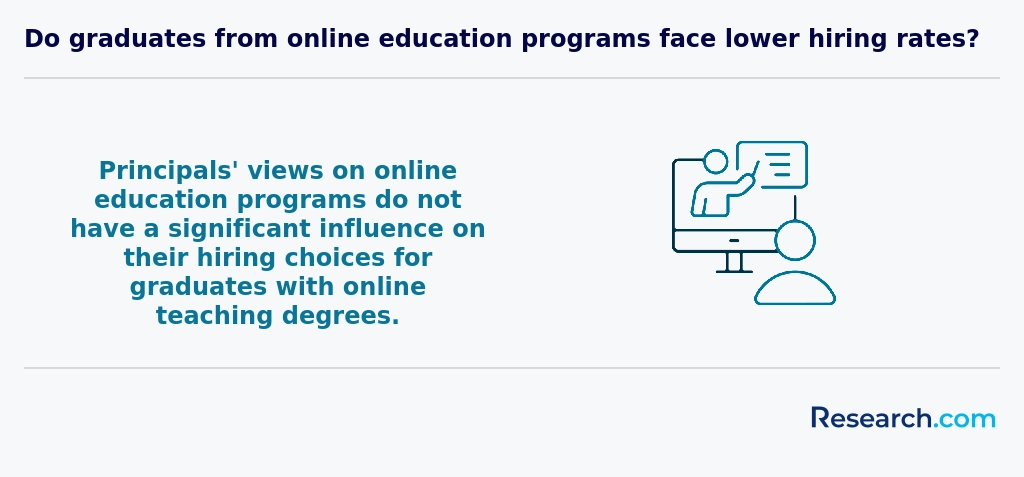
. As the education landscape rapidly evolves, staying informed about emerging trends, innovative teaching methods, and advanced career strategies is essential for both new graduates and seasoned educators. With technology reshaping traditional classrooms, educators are increasingly turning to hybrid models and digital tools to enhance learning experiences, making continuous professional development a key driver of success. For instance, pursuing a master’s degree or specialized certifications can unlock access to highest paying jobs in education that offer not only better financial rewards but also new challenges and leadership opportunities. This section dives into the latest industry trends, from data-driven curriculum design and virtual teaching platforms to emerging roles in educational technology and leadership, equipping you with the insights needed to navigate an ever-changing job market with confidence.
What financial aid is available to education degree students in Rochester?
When pursuing an education degree in Rochester, financial aid can be a game-changer that makes your dream more attainable. Graduates from the University of Rochester and Rochester Institute of Technology often share how federal Pell Grants helped them cover a significant part of their tuition, sometimes up to $7,395 per year, easing the stress of college costs.
As a New York resident, you can also benefit from the Tuition Assistance Program (TAP), which offers up to $6,165 annually to full-time students. Many part-time or non-traditional students studying education tap into the Enhanced Tuition Award or Aid for Part-Time Study, which makes balancing work and school less daunting.
Merit-based scholarships from local universities reward hard work, often providing anywhere from $1,000 to over $10,000. Strong academic performance combined with financial need can open doors to these opportunities. Additionally, if you commit to teaching in underserved Rochester districts, loan forgiveness programs and federal TEACH Grants can provide up to $4,000 yearly, turning your passion for teaching into practical financial support.
Community scholarships, though less advertised, can also bring unexpected relief. Many Rochester students find support from local nonprofits, helping them stay motivated and connected to their education journey.
Alternative Paths and Related Fields
For individuals interested in education but not necessarily in traditional teaching roles, there are several alternative paths and related fields to consider. These fields often require similar skills and knowledge to those acquired through education degree programs, making them attractive options for graduates. One such field is computer science, where professionals can work on developing educational software or designing digital learning platforms. To explore affordable options in this field, prospective students can look into affordable computer science schools in New York, which offer a range of programs that can lead to rewarding careers in tech and education. Other related fields include educational consulting, curriculum development, and educational policy, each offering unique opportunities for those passionate about education to make a difference in meaningful ways.
What are the prerequisites for enrolling in education degree program in Rochester?
To enroll in an education degree program in Rochester, you'll need to meet a set of clear prerequisites that open doors to a rewarding journey. Most students begin with a high school diploma or equivalent, like a GED, to pursue a bachelor's degree. Imagine yourself walking through the doors of the University of Rochester or Rochester Institute of Technology, where many graduates recall that having a strong academic record on official transcripts was key to getting accepted.
If you're aiming for a Master's in Education, a bachelor's degree is essential-though it doesn't always have to be in education. Graduates often share how having coursework in related fields, such as psychology or sociology, gave them a confident edge during admissions. Many colleges also ask for letters of recommendation and a heartfelt personal essay, helping you express your passion for making a difference in classrooms.
Standardized tests like the SAT or GRE might be required, but plenty of schools near Rochester have embraced test-optional policies, especially after 2020, making the path smoother. Also, because you'll work closely with children, background checks are a must, ensuring safety for all.
Lastly, practical experience is treasured. Many successful students started by volunteering or working in educational settings, gaining the hands-on skills that bring theory to life. This blend of preparation and heart readies you for the enriching education programs Rochester offers.
Teacher Certification and Licensing in New York State
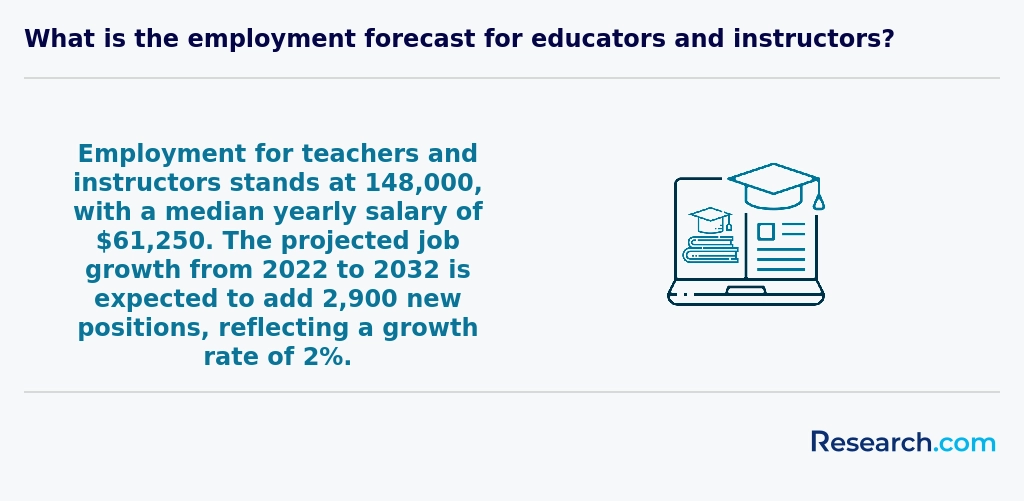
Obtaining your Education degree in Rochester, NY is only the first step-becoming a certified teacher in New York requires meeting state-specific requirements to ensure quality and safety. Prospective educators must complete an approved teacher preparation program, pass the New York State Teacher Certification Examinations (NYSTCE), and fulfill fingerprinting and background check mandates through the TEACH online portal. First, candidates should verify that their chosen institution’s program is registered with the New York State Education Department (NYSED) and leads to initial certification. Core assessments include the Educating All Students (EAS) test, a content specialty test for your subject area, and the edTPA performance assessment, which evaluates your ability to plan, instruct, and assess real classroom lessons. After passing these exams, applicants submit fingerprints and clearance through the Office of Teaching Initiatives to complete the background check. Once all requirements are met, you apply for your initial teaching certificate via NYSED’s TEACH system. This certificate is valid for five years and may be converted to a professional certificate by completing three years of mentored teaching and earning 100 hours of registered professional development. For out-of-state educators exploring alternative pathways, our Low Cost Online Education Degree Programs Ranking in Idaho offers insights into programs that might streamline licensure transfers or meet reciprocity standards in New York. By understanding and planning for these certification steps early-ideally during your degree program-you’ll transition smoothly from student teaching placements in Rochester to a fully licensed teaching role anywhere in New York State.
What courses are typically in education degree programs in Rochester?
When you enroll in an education degree program in Rochester, you dive straight into courses that build a real foundation for teaching success. Graduates from local institutions like the University of Rochester or Monroe Community College often highlight how studying child development and educational psychology gave them eye-opening insights into their future students' minds, making lessons come alive and feel meaningful.
Curriculum design and instructional strategies courses teach you how to craft engaging lesson plans that connect with diverse learners. One former student shared how mastering classroom management techniques helped them confidently maintain order and foster a positive environment during their student-teaching placement in a Rochester elementary school.
Methods courses tailored to specific grade levels or special education prepare you to meet students' unique needs, while field experiences offer hands-on practice for 12 to 16 weeks in real classrooms. Many find courses on educational technology and diversity especially inspiring, equipping them to embrace modern tools and support every learner effectively in Rochester's vibrant schools.
What types of specializations are available in education degree programs in Rochester?
Choosing education degree specializations in Rochester offers a meaningful way to align your passion with community needs. Graduates from popular colleges here often highlight Elementary Education, where you'll nurture young minds from kindergarten through fifth grade-an essential foundation in Rochester's schools. Others find their strengths in Secondary Education, preparing to lead classrooms in subjects like math or English, responding directly to demand in local high schools. For those drawn to making a difference for every learner, Special Education stands out, reflecting Rochester's commitment to inclusive classrooms.
Many students also explore Early Childhood Education, focusing on nurturing children's growth from birth to age eight, a vital area in Rochester's growing early learning programs. Additionally, Educational Leadership prepares future principals and administrators to drive positive change across districts. These options are typical of Rochester teaching degree program options, offering pathways that inspire and equip you for success.
Emerging fields like ESL and STEM education also complement traditional paths, helping you fit the evolving local landscape. For specialized guidance on career prospects, graduates often look into the highest paying jobs in education.
How do you choose the best education degree in Rochester?
Choosing the best education degree in Rochester starts by aligning your goals with programs that offer both strong academic foundations and real-world experience. Graduates from the University of Rochester often share how their hands-on opportunities in local schools deeply enriched their learning, preparing them for effective teaching careers. If leadership roles or specialized education paths interest you, Master's programs here and at Rochester Institute of Technology provide excellent options, many with state-approved certification tracks tailored for New York educators.
For those looking for affordable education degree programs in Rochester, community colleges like Monroe Community College offer a practical pathway, often with smooth transfer options to four-year institutions. Many students find the mix of affordability and quality helps ease financial stress while gaining credentials and experience. Investigate scholarships and financial aid as well-Rochester institutions tend to support education students robustly.
Don't overlook online or hybrid programs if you need flexibility; this format helped graduates balance family and work commitments while progressing toward their goals. To explore more affordable routes, consider the Low Cost Online Education Degree Programs Ranking in Idaho for ideas on cost-effective learning strategies.
What career paths are available for education degree students in Rochester?
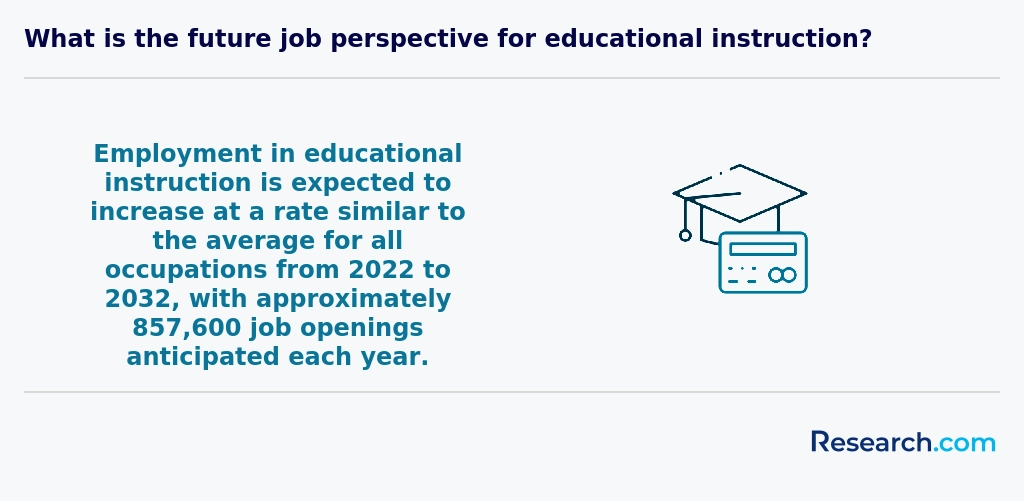
Graduates with an education degree in Rochester have a range of exciting career opportunities. Many become classroom teachers in public or private K-12 schools, where they make a direct impact on young learners in Rochester City School District, a vibrant setting serving over 28,000 students. These teachers often specialize in high-demand fields like special education, STEM, and early childhood education, finding rewarding roles that align with their passion for growth and community.
Others venture into school administration, taking on roles such as principals or curriculum coordinators. These positions offer a chance to lead educational reform and equity efforts that are important in Rochester, with higher earning potential. Graduates from popular local universities often share how hands-on experience in these roles fuels a sense of accomplishment and influence in shaping the future of education.
Career prospects with education degree Rochester also include counseling and nonprofit work. Many graduates pursue counseling degrees to support students' social and academic development or join community organizations focusing on outreach and advocacy. Adult education and workforce development careers are another meaningful path, helping locals acquire new skills for Rochester's evolving economy. For those curious about advanced academic paths, exploring which is the easiest phd course can be a practical next step.
What is the job market for education degree in Rochester?
The job market for education degree graduates in Rochester is promising, especially for those focused on special education, STEM, and ESL fields. Local districts like the Rochester City School District are actively recruiting talented teachers to meet rising demand, creating opportunities for graduates from well-known institutions such as the University of Rochester and SUNY Brockport. Many graduates share a sense of fulfillment working directly with diverse student populations while knowing their role is essential to the community's growth.
When thinking about your future in education, consider that average salaries in Rochester hover around $60,000, competitive for mid-sized cities and reflective of solid earning potential that grows with experience and certification. Beyond K-12, adult education and administrative roles open further career pathways, encouraging graduates to explore diverse possibilities after gaining classroom experience. These options make teaching career opportunities in Rochester both stable and rewarding.
Costs of education degrees here remain reasonable, aligning with national averages. Graduates often find that managing tuition alongside potential salary is key. For advanced academic routes, you might explore the cheapest online phd programs in usa to enhance qualifications without excessive debt.
Frequently Asked Questions About education
Education degree students in Rochester can maximize their learning by engaging actively in both academic and practical experiences. Institutions like the University of Rochester and Rochester Institute of Technology offer diverse fieldwork opportunities in local schools, essential for hands-on learning. According to the New York State Education Department, candidates who combine coursework with real classroom practice tend to perform better on certification exams. Additionally, networking through education-focused events and joining student organizations can provide valuable peer support and professional connections. Utilizing available campus resources such as tutoring centers and academic advising further enhances understanding and academic success in this competitive field.
The education field in Rochester is seeing growth in several emerging niches that reflect broader trends in U.S. education. One key area is educational technology, with programs focusing on integrating digital tools to enhance learning. Rochester institutions have reported a 15% increase in enrollment in such tech-focused education tracks over the past three years (Rochester Education Board, 2023).
Another rising niche is special education, particularly in addressing diverse learners' needs amid increasing awareness of learning disabilities and inclusivity. Demand for certified special educators in Rochester schools is projected to grow by 12% through 2028 (Bureau of Labor Statistics, 2023). Furthermore, career pathways in early childhood education continue to expand as research highlights its importance in long-term academic success.
Finally, adult education and workforce development programs have gained importance, supporting Rochester's evolving labor market. These programs aim to reskill adults, with Rochester community colleges reporting a 20% surge in adult learner enrollment since 2021.
Preparing for the job market after completing an education degree in Rochester involves several strategic steps. Graduates should engage in local networking events, such as those organized by the Rochester Teachers Association, to connect with hiring school districts and educators. According to the New York State Education Department, Rochester schools frequently prioritize candidates with certification in high-demand specialties like special education and STEM subjects.
Securing student teaching experiences and internships within Rochester City School District or nearby districts provides practical skills and strengthens resumes. Additionally, Rochester graduates benefit from leveraging resources at nearby institutions like the University of Rochester's Warner School Career Services, which offers job placement support and professional development workshops specific to educators.
Understanding New York State certification requirements and maintaining updated credentials is essential. According to recent Department of Labor data, the regional education sector expects steady growth, emphasizing the value of continual professional learning and adapting to evolving classroom technologies.
Employers in Rochester highly value education degree graduates who demonstrate strong classroom management skills. According to the Rochester Teachers Association, effective classroom management enhances student engagement and learning outcomes. Graduates must also show proficiency in curriculum development aligned with New York State learning standards.
Communication skills are critical, as educators need to interact effectively with students, parents, and colleagues. Research from the New York State Education Department highlights that collaboration and interpersonal abilities improve school environments.
Additionally, adaptability is essential due to diverse student needs and evolving educational technologies. Familiarity with digital tools and inclusive teaching strategies increases employment prospects in Rochester schools.
Finding internships in Rochester relevant to an education degree involves leveraging local resources and university partnerships. Many colleges, such as the University of Rochester and Rochester Institute of Technology, have dedicated career centers that connect education students with local schools and community programs for hands-on experience.
Rochester City School District and surrounding suburban districts regularly offer internship opportunities for education majors seeking practical classroom exposure. Additionally, platforms like Handshake or college internship boards often list openings specifically tailored to education students.
Networking through professional organizations, such as the Rochester Teachers Association or New York State United Teachers, can also provide leads on internships and mentorship projects within the region.
According to the National Center for Education Statistics, internships significantly improve job placement rates for education graduates in New York State, making these experiences critical for career advancement.
An education degree in Rochester plays a significant role in enhancing career mobility and advancement, especially within the local public and private school systems. According to the Rochester City School District, individuals with advanced education qualifications often qualify for higher-paying roles and leadership positions, such as instructional coordinators or school administrators.
Statewide data from New York's Department of Education highlights that educators holding at least a master's degree typically experience faster promotion rates and greater job stability. Rochester's growing emphasis on educational reform has increased demand for highly qualified teachers and specialists, improving prospects for degree holders.
Moreover, holding an education degree enables professionals to meet certification requirements necessary for specialized fields like special education or literacy coaching, further diversifying career options.
Studying for an education degree in Rochester equips students to excel in interdisciplinary roles by offering a curriculum that blends pedagogy with subjects such as psychology, sociology, and technology. Institutions like the University of Rochester emphasize collaborative learning and field experiences, which help students engage with diverse educational settings. According to the National Center for Education Statistics, nearly 60% of education graduates in New York pursue careers requiring cross-disciplinary skills.
Rochester's education programs often include partnerships with local schools and community organizations, enhancing practical understanding of varied learning environments. This approach prepares graduates to address complex challenges across multiple sectors, including special education, counseling, and educational policy.
Choosing between a thesis and a non-thesis education degree program in Rochester depends largely on your career goals and learning preferences. Thesis programs emphasize research, requiring students to complete an original study. This path suits those interested in academics, education policy, or pursuing a doctoral degree.
Non-thesis options focus more on practical skills and coursework, often appealing to professionals aiming for leadership or administrative roles in schools. In Rochester, many institutions, such as the University of Rochester and local state colleges, offer both formats to accommodate diverse student needs.
Data from the National Center for Education Statistics shows roughly 45% of graduate students in New York opt for thesis programs in education, reflecting strong research interest regionally.
Consider your time availability as thesis programs usually take longer. Salary outcomes for both paths in Rochester remain competitive within educational fields, according to local job market reports.
Students based in Rochester interested in studying education abroad have several pathways through partnerships and exchange programs facilitated by local institutions. The University of Rochester and Rochester Institute of Technology (RIT) offer study abroad options connected to universities in Europe, Asia, and Latin America. These programs enable education majors to gain international perspectives on teaching methodologies and cultural diversity.
According to the Institute of International Education, roughly 10% of Rochester students participate in education-related study abroad programs, often lasting from a single semester to a full academic year. Many programs are designed to count toward degree requirements, ensuring credits transfer smoothly.
Financial aid and scholarships specific to study abroad experiences are available, which can reduce costs for Rochester students aiming to broaden their educational experience globally.
In Rochester, part-time job opportunities that complement education degree programs often focus on gaining practical experience while supporting academic growth. Positions such as teacher's aides, tutoring center assistants, and childcare providers are popular choices. These roles provide hands-on experience working with students and allow aspiring educators to develop classroom management and instructional skills.
Many local schools and community centers in Rochester offer part-time roles aligned with education careers. According to Rochester's Department of Education, over 20% of education students engage in part-time work within school districts, enhancing both their resumes and job readiness.
Additionally, tutoring jobs through organizations like the Rochester Educational Foundation provide flexible hours and valuable teaching practice. These roles help students understand diverse learning needs, a critical skill for future educators.
Education students in Rochester benefit from multiple networking opportunities that help connect them with local schools, educators, and education professionals. Institutions such as the University of Rochester and Rochester Institute of Technology often host career fairs, workshops, and education-focused events that encourage students to build relationships with potential employers.
The Rochester Teachers Association provides a platform for aspiring educators to engage with experienced teachers and participate in professional development activities. Additionally, students can access internships and student-teaching placements in nearby districts, fostering direct interaction with practicing educators.
Local education conferences and seminars, often supported by Rochester's education community, offer further chances to network. These avenues enhance students' career prospects by providing valuable mentorship and collaboration possibilities.
Alumni networks play a crucial role for education degree students in Rochester by providing valuable professional connections. Graduates often gain access to local school districts and educational organizations through these networks, increasing opportunities for internships and job placements. According to the Rochester Regional Chamber of Commerce, schools in the area frequently hire candidates recommended by alumni.
Such networks also offer mentoring and career advice, which is essential for students entering teaching positions. Moreover, they provide forums for sharing resources and continuing education opportunities, helping graduates stay current with educational trends and certifications.
Participation in alumni events strengthens a student's professional presence in Rochester's education community, fostering collaborations that support long-term career growth.
Customizing your education degree program in Rochester allows you to align studies with specific career goals. Many local universities offer flexible curricula, enabling students to choose concentrations such as special education, educational leadership, or curriculum design.
Some institutions provide opportunities for hands-on experience through practica and internships in nearby Rochester schools, helping students build relevant skills and networks. Rochester's strong educational community supports diverse career paths, including administration, counseling, or teaching diverse populations.
According to data from the New York State Education Department, over 50% of education graduates in Rochester pursue certification tailored to their specialty areas, enhancing employability. Coursework customization, combined with local fieldwork, offers a practical approach to career preparation in education.
Education students in Rochester face several common challenges that can impact their academic progress. One significant issue is balancing coursework with fieldwork requirements, as many programs mandate extensive in-classroom experience in local schools. This practical component often conflicts with students' personal and financial obligations.
Financial strain is another concern. According to data from the National Center for Education Statistics, many students managing education degrees juggle tuition costs with living expenses, especially in urban areas like Rochester.
Additionally, adapting to ever-changing state certification standards poses difficulty. New York State requires specific exams and continuous professional development, which can add pressure to students' schedules and budgets.
Finally, access to quality mentorship and support services varies across institutions, resulting in uneven guidance for students navigating complex educational pathways.
With an education degree in Rochester, you can pursue several professional certifications that enhance your teaching career. The most common certification is the New York State Initial and Professional Teaching Certification, which allows you to teach in public schools. This certification requires completion of a state-approved program and passing the Educating All Students (EAS) test and content specialty exams.
Beyond teaching certification, education graduates can earn National Board Certification, recognized nationally and valued by many Rochester school districts for career advancement and higher salaries. Additionally, some educators pursue certifications in literacy, special education, or educational leadership to expand their expertise and job opportunities.
Writing a successful application for an education program in Rochester begins with clear attention to the school's specific requirements. Most programs, including those at the University of Rochester and Rochester Institute of Technology, ask for a personal statement explaining your motivation to teach and your career goals.
Highlight relevant experience, such as volunteer work or internships in educational settings, to demonstrate your commitment. According to the National Center for Education Statistics, practical experience is valued by over 70% of education programs.
Strong letters of recommendation are essential and should ideally come from academic advisors or employers who can attest to your skills and character.
Additionally, Rochester programs often require GRE scores or equivalent tests; aim for scores above the national average for a competitive edge.
Education careers in the United States, including Rochester, are increasingly valued for their global relevance. According to the National Center for Education Statistics, almost 70% of U.S. education graduates pursue roles that impact diverse communities, linking local knowledge to global educational trends. Rochester's colleges offer programs aligned with broad competencies such as multicultural teaching and technology integration, reflecting international standards.
Globally, education professionals are expected to address challenges like equity and digital literacy. U.S. degrees, especially those from accredited Rochester institutions, equip students with skills recognized worldwide. This includes familiarity with frameworks like UNESCO's Sustainable Development Goals, emphasizing quality education for all.
Students pursuing education degrees in Rochester can gain practical experience through several established methods. Many local universities, such as the University of Rochester and Rochester Institute of Technology, require student-teaching placements in nearby public schools as part of their certification programs. These placements allow students to work directly with K-12 students while being supervised by experienced educators.
Additionally, Rochester offers access to numerous education-focused internships and volunteer opportunities within schools and community organizations. According to the Rochester City School District, over 1,000 teaching candidates annually participate in practicum experiences, providing real-world classroom exposure.
Engaging in workshops, mentorship programs, and educational research projects in Rochester further enhances hands-on learning and professional development.
Choosing the right concentration within an education degree program in Rochester involves evaluating your career goals and local job market trends. For example, Rochester's schools show growing demand for special education teachers and STEM (science, technology, engineering, and math) educators, according to the New York State Education Department. Prospective students should consider concentrations aligned with state certification requirements and regional opportunities.
Additionally, research on graduation and employment rates of local institutions can help assess program effectiveness. Many Rochester colleges offer concentrations in early childhood, secondary education, and educational leadership, each targeting different professional paths. Reflect on your teaching preferences and community needs to make a well-informed choice.
Related Education Rankings for Nearby Cities
- 2027 Most Affordable Education Degree Programs Ranking in Buffalo
- 2027 Most Affordable Education Degree Programs Ranking in Erie
- 2027 Most Affordable Education Degree Programs Ranking in Wilkes-Barre
- 2027 Most Affordable Education Degree Programs Ranking in Pittsburgh
- 2027 Most Affordable Education Degree Programs Ranking in Cleveland
- 2027 Most Affordable Education Degree Programs Ranking in Philadelphia
- 2027 Most Affordable Education Degree Programs Ranking in Washington
- 2027 Most Affordable Education Degree Programs Ranking in Dover
- 2027 Most Affordable Education Degree Programs Ranking in Providence
- 2027 Most Affordable Education Degree Programs Ranking in Columbus
Top Trending Education Rankings
See What Experts Have To Say About Studying Education
Read our interview with Education experts

Alan J. Singer
Education Expert
Professor of Teaching, Learning and Technology
Hofstra University

Nooshan Ashtari
Education Expert
Professor & Book Author
University of Southern California

References
- Promising Niches in the Global EdTech Landscape - Blog https://rocketech.it/blog/post/global-edtech-landscape-what-niches-are-the-most-promising
- Is a thesis always mandatory in a master's degree program? - EFMU: The Euler-Franeker Memorial University and Institute https://euler.euclid.int/is-a-thesis-always-mandatory-in-masters-degree-program/
- Education Study Abroad | CIEE https://www.ciee.org/go-abroad/college-study-abroad/programs/subjects-disciplines/education-study-abroad
- Academic Pathways and Programs - Rochester Community and Technical College https://www.rctc.edu/academics/
- Education degree - Tłumaczenie po angielsku - Słownik angielsko-polski Diki https://www.diki.pl/slownik-angielskiego
- 5 Tips on Choosing the Right Course or Study Program - Edunation https://www.edunation.co/5-tips-on-choosing-the-right-course-or-study-program/
- Students: This is How You Should Prepare for the Job Market https://www.agencycentral.co.uk/articles/students-this-is-how-you-should-prepare-for-the-job-market/
- Education Cover Letter: 6 Steps to Write a Job-Winning One [+Example & Template] | Cake https://www.cake.me/resources/cover-letter/education-cover-letter
- Education Technology Trends to Watch in 2065: 10 Innovations Shaping the Future of Learning https://www.digitallearninginstitute.com/blog/education-technology-trends-to-watch-in-2026
- How to Write a Great Letter of Intent for a Teaching Job | Zen Educate https://www.zeneducate.com/us/resources/becoming-a-teacher/how-to-write-letter-of-intent-teaching-job/