2027 Most Affordable Education Degree Programs Ranking in Knoxville

Co-Founder and Chief Data Scientist
Choosing the right education degree program is an important step for students in Knoxville, especially when balancing quality and affordability. This article introduces the 2027 Most Affordable Education Degree Programs Ranking in Knoxville, created by the Research.com team of data scientists.
By exploring this ranking, you can discover programs that offer strong value without compromising on education quality. Whether you're starting your journey or seeking to advance your career, finding an affordable degree can open doors to rewarding opportunities.
Take advantage of this helpful resource to make an informed decision and invest in your future confidently.
Key benefits of getting education degree in Knoxville
- Education degree graduates in Knoxville can expect competitive salaries, such as Special Education Teachers earning about $76,000 and Instructional Designers making around $77,200 annually, offering strong financial stability.
- Career paths are diverse, with graduates from the University of Tennessee exploring roles like Early Childhood Educator or ESL Teacher, providing exciting opportunities to impact various student groups.
- Online education degrees, like those from a popular Knoxville university, offer flexibility and convenience, allowing graduates to balance work and study while still gaining valuable skills and credentials.
- Key benefits of getting education degree in Knoxville
- What can I expect from education degree in Knoxville?
- Where can I work with education degree in Knoxville?
- How much can I make with education degree in Knoxville?
- 2027 Most Affordable Education Degree Programs Ranking in Knoxville
- Key Findings
- How long does it take to complete education degree in Knoxville?
- Continuing Your Education: Master's and Doctoral Programs in Education
- What's the difference between online and on-campus education degree?
- Return on Investment (ROI) for an Education Degree in Knoxville, TN
- What is the average cost of education degree in Knoxville?
- Navigating Education Degree Programs in Knoxville, TN
- What financial aid is available to education degree students in Knoxville?
- Accreditation and Licensure Requirements for Education Programs in Knoxville, TN
- What are the prerequisites for enrolling in education degree program in Knoxville?
- Emerging Trends in Remote Education Careers
- What courses are typically in education degree programs in Knoxville?
- What types of specializations are available in education degree programs in Knoxville?
- How do you choose the best education degree in Knoxville?
- What career paths are available for education degree students in Knoxville?
- What is the job market for education degree in Knoxville?
- Top Trending Education Rankings
- See What Experts Have To Say About Studying Education
What can I expect from education degree in Knoxville?
Students pursuing education degrees in Knoxville typically face an average in-state tuition cost of about $14,000 per year at the University of Tennessee, the region's flagship institution for education studies. Graduates often share how this affordability, combined with strong program quality, eased their financial stress and allowed them to focus more on gaining practical classroom experience.
Many education students recall hands-on opportunities through student teaching placements in Knox County Schools, where working with diverse student populations enhanced both their confidence and skills. This real-world exposure, paired with manageable tuition, creates a fulfilling and accessible pathway toward becoming a certified teacher in Tennessee.
Future students can anticipate similar value, as local programs continue aligning closely with state licensure requirements and maintaining competitive costs compared to other regions. This balance between price and career preparation empowers aspiring educators to build meaningful careers without overwhelming debt, making Knoxville an encouraging place to start their professional journey.
Where can I work with education degree in Knoxville?
Graduates with education degrees in Knoxville often find themselves thriving in Knox County Schools, where there's a strong demand for passionate teachers and counselors eager to impact over 60,000 students. Many recent graduates from the University of Tennessee feel inspired stepping into classrooms, knowing their work shapes the local community's future.
Others discover rewarding roles in private and charter schools around Knoxville, especially when equipped with specialized credentials in STEM or early childhood education. These settings value enthusiasm and fresh ideas, offering a supportive environment for new educators to grow professionally and personally.
Higher education institutions like Pellissippi State Community College provide fulfilling career paths too, with graduates joining as tutors, academic advisors, or research assistants, often while pursuing advanced degrees themselves. This creates vibrant opportunities to influence education reform and student success beyond K-12.
Beyond direct teaching, Knoxville's expanding ed-tech companies and nonprofit youth programs attract graduates excited to innovate curriculum and integrate technology into learning. Education graduates here often describe themselves as joyful collaborators, eager to adapt and lead within these dynamic roles.
Early childhood centers and adult education programs also offer meaningful career options, welcoming educators driven by a mission to support diverse learners of all ages and backgrounds throughout Knoxville's neighborhoods.
How much can I make with education degree in Knoxville?
Graduates holding an education degree in Knoxville often look forward to rewarding career paths with promising earnings. For instance, elementary school teachers starting out can anticipate salaries near the $70,740 mark, reflecting strong local demand combined with the education resources offered by institutions like the University of Tennessee. Many graduates find encouragement in faculty stories about rising beyond basic teaching roles into specialized fields.
Special education teachers, a growing sector within the Knox County Schools, typically earn around $76,000 annually, offering a chance to make a meaningful impact while enjoying financial stability. Similarly, ESL teachers often earn about $65,430, benefiting from Knoxville's diverse communities and expanding language programs. These salaries highlight the value of advanced skills gained through graduate studies or certification.
Looking ahead, instructional designers-roles often pursued by graduates interested in curriculum development-report mean salaries near $77,200, illustrating new opportunities in education technology and training. Knoxville education programs increasingly prepare students for these innovative careers, aligning with evolving educational trends.
Such salary prospects combined with supportive local education networks create an encouraging environment for Knoxville graduates aiming to grow professionally and personally in the education field.
2027 Most Affordable Education Degree Programs Ranking in Knoxville
How do we rank schools?
Investing in your education is a significant decision that can shape your future, and the Research.com team recognizes the importance of making well-informed choices. To support prospective students in Knoxville, we have carefully developed the "2027 Most Affordable Education Degree Programs Ranking." Our dedication to quality, credibility, and accuracy is reflected in the thorough research and analysis undertaken to produce this ranking.
We utilized the following reputable data sources to ensure a comprehensive evaluation of education degree programs:
By exploring this ranking, readers will gain valuable insights into the most affordable education degree programs available in Knoxville, enabling them to make confident and informed decisions about their educational journeys. For more information on how this ranking was created, please visit our Research.com methodology page.
# 1 position
Johnson University
Master of Arts in Teaching

# 2 position
Johnson University
Bachelor of Science in Education

Key Findings
- Education degrees in Knoxville are offered by institutions like the University of Tennessee, Knoxville, with in-state tuition around $12,700 and out-of-state tuition about $30,300.
- The job market for education graduates is steady, with a 5% projected growth for kindergarten and elementary school teachers over the next decade.
- Starting salaries for education degree holders in Knoxville average $43,000 per year, increasing to $55,000-$60,000 after five to ten years of experience.
- Tennessee requires specific credentials for public school educators, making accredited teacher preparation programs essential for licensure.
- Many programs include online coursework options, offering flexible learning for working adults and those with other commitments.
How long does it take to complete education degree in Knoxville?
Completing an education degree in Knoxville generally follows a timeframe shaped by both traditional pathways and evolving trends. For many graduates from the University of Tennessee, Knoxville, finishing a bachelor's degree takes about four years of focused, full-time study, balancing coursework with hands-on student teaching experiences that bring classroom theory to life.
Some students cherish the flexible pace afforded by part-time or online options, which can stretch degree completion but allow for work-life balance. For example, recent graduates pursuing a Master of Education often highlight the one-to-two year window as an exciting period of deepening expertise, where leadership skills and specialized knowledge blossom.
Looking ahead, the rise of hybrid and accelerated programs may significantly shorten timelines, enabling Knoxville students to achieve their goals faster without sacrificing quality. Doctoral candidates nearby experience a three-to-five year journey that, while intensive, fosters a profound sense of accomplishment through research breakthroughs and community impact.
Ultimately, the journey through education degrees in Knoxville feels rewarding to many, offering both personal growth and professional readiness in a supportive academic setting.
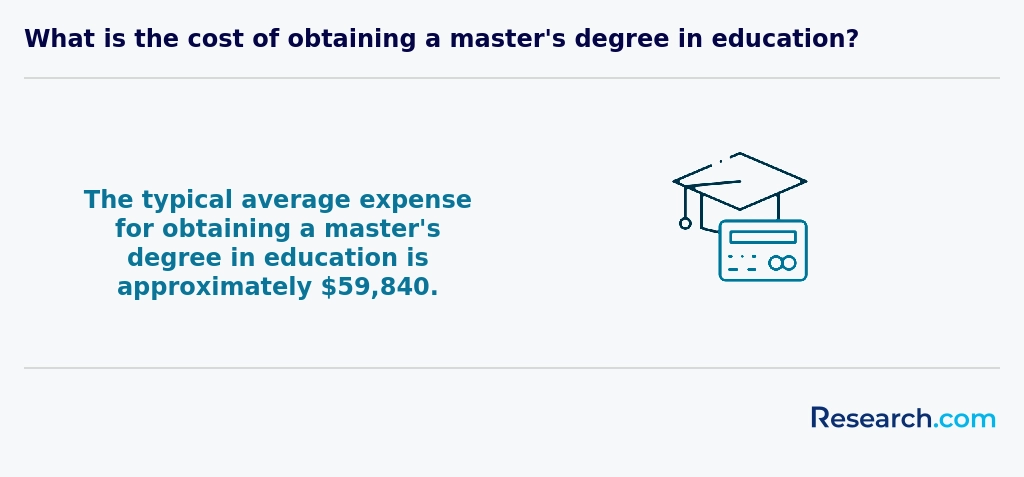
Continuing Your Education: Master's and Doctoral Programs in Education
Pursuing an advanced degree can deepen your expertise, expand career opportunities, and increase earning potential in Tennessee’s education sector. Many Knoxville graduates choose to specialize further through Master of Education (M.Ed.), Master of Arts in Teaching (MAT), or Doctor of Education (Ed.D.) programs that focus on leadership, special education, curriculum design, or counseling. Whether you aim for a school administration role or wish to conduct educational research, selecting an accredited program ensures state licensure eligibility and alignment with national quality standards such as CAEP. Online and hybrid formats offer flexibility for working professionals. For those considering out-of-state options, our Low Cost Online Master's in Education Degree Programs Ranking in Illinois highlights affordable, high-quality master’s programs that accept Tennessee licensure transfers. Online M.Ed. specializations often include: • Educational Leadership: Prepares candidates for roles as principals, district administrators, or curriculum directors. • Special Education: Equips educators to design and implement Individualized Education Programs (IEPs) and support diverse learners. • Instructional Design & Technology: Focuses on developing digital curricula and e-learning solutions for K–12 and corporate settings. Doctoral pathways, such as the Ed.D. in Curriculum & Instruction or Ph.D. in Educational Psychology, emphasize research methodology, policy analysis, and advanced leadership theory. Admission typically requires a bachelor’s degree in education, a competitive GPA, professional recommendations, and a statement of purpose outlining your career goals. Financial aid options include graduate assistantships, fellowships, and specialized scholarships for educators returning to school. Before applying, verify each program’s accreditation status, residency requirements, and licensure reciprocity with the Tennessee Department of Education. By strategically choosing an advanced degree, you’ll position yourself for leadership roles that shape policy, mentor future teachers, and drive innovation in Knoxville’s educational landscape.
What's the difference between online and on-campus education degree?
Graduates from the University of Tennessee, Knoxville, often recall the energizing atmosphere of on-campus education programs, where face-to-face mentorship and lively classroom discussions sharpened their teaching skills. The routine of attending campus labs and group study sessions creates a strong sense of community and real-time collaboration, which many find deeply rewarding. In contrast, students pursuing online education degrees appreciate the freedom to balance family life or jobs while accessing lectures on their own schedule, a critical advantage for those in Knoxville juggling diverse commitments.
Looking ahead, online programs may increasingly integrate virtual reality classrooms or AI-driven tutoring, bridging the gap between the personalized support typical of Knoxville's traditional programs and the flexibility demanded by modern learners. Meanwhile, on-campus experiences could evolve with hybrid models, offering seamless transitions between in-person practicums and digital coursework-empowering Knoxville students to tailor education degrees to their unique lifestyles without sacrificing quality or licensure readiness.
Return on Investment (ROI) for an Education Degree in Knoxville, TN
When evaluating the true cost of an Education degree, understanding your return on investment is crucial. In Knoxville, TN, the average total debt for bachelor’s graduates hovers around $30,000, while master’s graduates often carry debts near $45,000. By comparing these figures with typical starting salaries-approximately $38,640 for Early Childhood Educators and $63,130 for ESL teachers-you can estimate a debt‐to‐income ratio and payback period. Early Childhood Educators, earning $18.58 per hour, may expect a payback window of roughly 8–10 years, whereas ESL teachers, at $30.35 per hour, could see loan balances eliminated in 6–8 years, assuming standard repayment plans. To enhance affordability, consider working part time in a school district’s paraprofessional role while enrolled, leveraging loan forgiveness programs such as Public Service Loan Forgiveness (PSLF), and applying for targeted scholarships. Additionally, exploring flexible online programs can reduce living expenses; for a broader perspective on cost‐effective online master’s options, you might review our Low Cost Online Master's in Education Degree Programs Ranking in Illinois. Ultimately, the ROI of your Education degree depends on balancing tuition costs, living expenses, and projected earnings. By proactively managing debt through repayment strategies and selecting affordable, accredited programs, Knoxville graduates can maximize the long‐term value of their investment and accelerate their path to financial stability.
What is the average cost of education degree in Knoxville?
When considering the average cost of a education degree programs in Knoxville, it's important to recognize that most students will encounter a median total cost around $44,128. For in-state students, this figure is significantly lower, with a median around $16,173, which highlights the clear financial advantage of being a Tennessee resident. Graduates from the University of Tennessee, Knoxville, often share how their investment felt worthwhile given the strong support and relatively moderate tuition compared to private institutions. Many recall managing their budget carefully by taking advantage of scholarships and financial aid opportunities available on campus.
Students attending community colleges such as Pellissippi State can benefit from more affordable tuition rates, which can be roughly $5,000 annually for in-district residents, offering an accessible pathway to a bachelor's degree. These options often ease the upfront financial burden, making education degrees Knoxville tuition and fees more manageable for many families. Graduates from these colleges appreciate the flexibility and lower cost, especially when transitioning to four-year institutions to complete their degrees.
As education costs evolve, future students may find even more innovative financial support structures and flexible learning models emerging. For those exploring options, ranking lists like the most affordable education schools in Tennessee are useful to identify institutions that blend quality with cost-effectiveness, making the journey both affordable and rewarding.
Navigating Education Degree Programs in Knoxville, TN
To make the most of your education degree in Knoxville, TN, it's essential to have a thorough understanding of the local education landscape, including the various degree programs available, career paths, and financial aid options. Prospective students can explore the most affordable education schools in Tennessee to find a program that fits their budget and academic goals. By researching and comparing different programs, students can make informed decisions about their educational path and set themselves up for success in their future careers. Whether you're interested in teaching, educational leadership, or specialized fields like special education, there are numerous opportunities available in Knoxville, TN, to pursue your passion for education and make a meaningful impact in the lives of students and the community.
What financial aid is available to education degree students in Knoxville?
Education students in Knoxville increasingly find a range of financial aid options designed to lighten their financial burden and encourage commitment to teaching careers. Graduates from the University of Tennessee, Knoxville often recall how federal aid programs like Pell Grants made their initial semesters achievable, easing the stress of tuition costs. These grants, being need-based and non-repayable, continue to be a lifeline for many local students. Alongside federal aid, state-sponsored programs such as the HOPE Scholarship and HOPE Access Grant offer targeted support to Tennessee residents, including those pursuing education degrees, providing tens of thousands in cumulative aid over a college career.
Many education majors also report great relief from loan forgiveness programs available through Knoxville school districts, which reward several years of service in local classrooms. Work-study opportunities on campus add flexibility, allowing students to gain experience and earn simultaneously. Looking ahead, an emerging trend involves community-driven scholarships by nonprofits focusing on underserved areas, which helps future educators feel valued and supported even before they graduate.
Accreditation and Licensure Requirements for Education Programs in Knoxville, TN
Accreditation is the cornerstone of a credible education degree, ensuring that your program meets rigorous standards set by both regional and professional bodies. In Tennessee, most reputable institutions-like the University of Tennessee, Pellissippi State Community College, and Johnson University-hold regional accreditation from the Southern Association of Colleges and Schools Commission on Colleges (SACSCOC) and programmatic accreditation from the Council for the Accreditation of Educator Preparation (CAEP). These approvals guarantee that your coursework, practicum experiences, and faculty expertise align with state requirements and national best practices. To become a licensed teacher in Tennessee, candidates must: 1. Complete an approved educator preparation program with a minimum 2.75 GPA in professional education courses. 2. Pass the Praxis Core Academic Skills for Educators assessment (reading, writing, and mathematics) and the Praxis II content exam specific to your teaching specialty. 3. Submit fingerprints for a criminal background check through the Tennessee Department of Education (TDOE). 4. Demonstrate proficiency in classroom management and instructional strategies via the edTPA performance assessment. 5. Apply for initial licensure through the TDOE, which issues a five-year resident license once all requirements are met. Specialized roles-such as special education teachers or instructional designers-may require additional endorsements or advanced credentials. For example, educators pursuing an ESL endorsement must pass the Praxis II English to Speakers of Other Languages exam and complete targeted coursework in linguistics and cultural responsiveness. If you’re planning to advance your credentials or explore alternative pathways, consider expanding your expertise through graduate programs. For a cost‐effective option outside Tennessee, see our Low Cost Online Master's in Education Degree Programs Ranking in Illinois, which highlights fully accredited online master’s programs designed for working professionals seeking licensure renewal or endorsement additions.
What are the prerequisites for enrolling in education degree program in Knoxville?
Enrolling in an education degree program in Knoxville usually starts with having a high school diploma or GED, a foundational step that recent graduates from the University of Tennessee Knoxville often recall as their first big milestone. For those aiming for a master's or specialist degree, holding a bachelor's from an accredited college like Pellissippi State Community College is essential, setting a solid academic base.
Many students remember submitting standardized test scores such as the ACT or SAT, though some have experienced these requirements easing due to newer trends and the pandemic's impact. Graduates frequently share how completing prerequisite courses in English, math, and social sciences helped them feel more confident stepping into their programs.
Beyond academics, Knoxville institutions emphasize character and readiness. Students often reflect on submitting personal essays and recommendation letters that allowed them to share their passion for teaching. Criminal background checks are another important step, ensuring safety for children and peace of mind for families involved.
Emerging Trends in Remote Education Careers
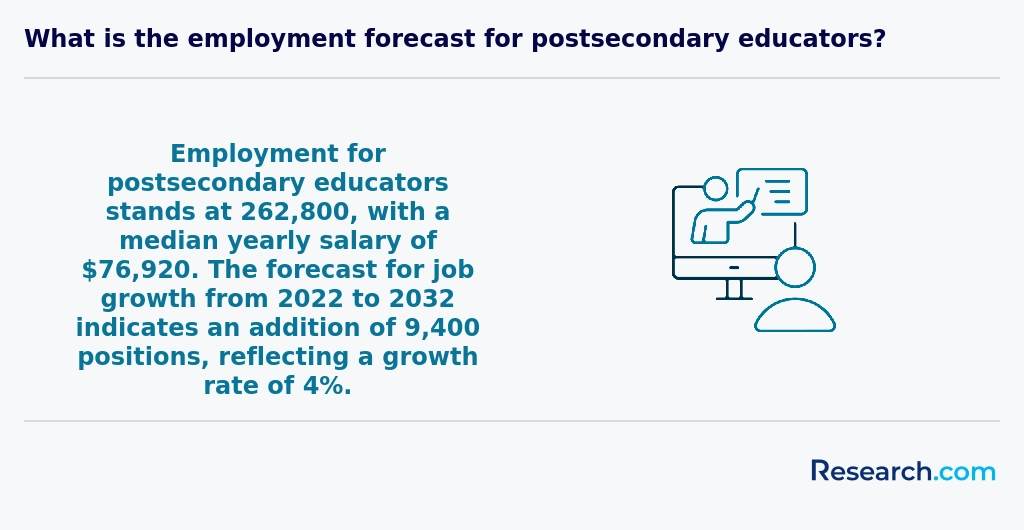
In today’s innovative educational landscape, many graduates are discovering flexible alternatives beyond traditional classroom roles. Increasingly, remote work opportunities-ranging from online curriculum development and virtual tutoring to digital educational consulting-offer a chance to leverage your skills without geographic limits. Embracing remote roles can not only enhance work–life balance but also provide access to global networks and diverse learning environments. For instance, many education professionals are transitioning into positions that allow them to work from anywhere, evidencing a significant shift in how educational expertise is valued in our digital age. To explore these possibilities further, check out our detailed guide on masters in education jobs remote, which highlights lucrative remote opportunities and tips to successfully navigate this expanding job market. Optimizing your credentials for remote environments-such as enhancing your digital communication skills and acquiring specialized certifications-can be key to thriving in these emerging roles while maintaining a strong connection to your passion for education.
What courses are typically in education degree programs in Knoxville?
Education degree programs in Knoxville commonly include foundational courses such as Introduction to Education and Foundations of Educational Psychology, allowing students at institutions like the University of Tennessee to grasp essential learning theories early on. Graduates often describe how classes like Child and Adolescent Development helped them understand the cognitive stages and social skills critical to effective teaching.
As students progress, they experience specialized courses tailored for different grade levels, including elementary and secondary education. These courses often focus on practical skills like Classroom Management and Organization and Instructional Technology and Application, which Knoxville students appreciate for their immediate relevance in modern classrooms.
Courses such as Assessment and Evaluation in Education and Special Education Fundamentals prepare future educators to support diverse learners, reflecting Knoxville's commitment to inclusive education. Many students find the hands-on practicum semesters in local schools immensely rewarding, offering a glimpse into real classroom dynamics that truly bring theory to life.
What types of specializations are available in education degree programs in Knoxville?
Education degrees in Knoxville typically offer a variety of specializations that prepare graduates for the evolving demands of teaching and leadership roles. Programs commonly include Elementary Education and Secondary Education, allowing students to focus on early childhood through high school teaching with practical experience gained at popular local institutions. Graduates often share how hands-on training in Knox County schools helps them feel ready and confident to enter classrooms and address diverse student needs.
Special Education is another vital area, equipping educators to support students requiring individualized learning plans. With rising awareness of inclusive education, graduates appreciate how these programs reflect the realities of local schools. Knoxville's affordable education program options make it easier for many to pursue these valuable specializations without the burden of excessive tuition.
Forward-thinking colleges also emphasize Educational Leadership and Curriculum and Instruction, preparing students for administrative and curriculum design careers. Those exploring career flexibility often find unique advantages through pathways linked to masters in education jobs remote, an option increasingly relevant for Knoxville's education professionals seeking diverse opportunities.
How do you choose the best education degree in Knoxville?
Choosing the best education degree in Knoxville means looking beyond just the program name to how well it fits your career aspirations and lifestyle. Graduates from popular institutions here often share how the close ties between their schools and Knox County Schools enriched their hands-on teaching experience, making the transition to the classroom smoother and more confident. When weighing options, consider the program's accreditation to ensure your degree holds value in Tennessee's strict licensure process.
Cost is an ongoing concern, but Knoxville's universities offer competitive tuition that appeals to many seeking top education programs cost Knoxville. Many students are pleasantly surprised by how affordable these choices can be, especially compared to national averages.
You might also explore innovative options like flexible schedules or online courses, as several local programs increasingly embrace these trends. For example, those balancing work may benefit from the Low Cost Online Master's in Education Degree Programs Ranking in Illinois, which can inspire similar affordability models. Selecting among the best affordable education degrees Knoxville is about imagining where education and innovation meet your personal goals.
What career paths are available for education degree students in Knoxville?
Graduates exploring education degree career opportunities Knoxville find a landscape rich with possibilities beyond traditional teaching roles. Many recent graduates from the University of Tennessee describe rewarding experiences stepping into classrooms where demand for STEM and special education teachers remains strong. These teaching jobs for education graduates Knoxville are complemented by emerging roles in educational technology, where combining pedagogy with digital skills opens doors newly tailored to the evolving classroom environment.
Others have pursued leadership tracks as instructional coordinators or school administrators, motivated by the chance to shape educational policy locally. Knoxville's growing emphasis on early childhood education also presents an inviting path, with graduates often sharing the fulfillment found in nurturing foundational learning at preschools across the city.
Students balancing affordability and ambition often find it helpful to explore the fastest way to get associate's degree online options, enabling quicker entry into the workforce while planning further specialization. Community colleges and universities in Knoxville create an accessible pipeline into both classic and innovative education roles, fueling optimism among new educators ready to make a difference.
What is the job market for education degree in Knoxville?
The job market for education degree graduates in Knoxville is expanding, driven by increasing student enrollment and a growing demand for specialized teaching roles. Graduates from local institutions like the University of Tennessee and Pellissippi State Community College often find opportunities in public schools, especially in high-need areas such as special education and STEM subjects. Many graduates share enthusiastic stories about quickly securing positions that offer both competitive regional salaries and a supportive community environment.
Beyond traditional classroom roles, education degree job outlook Knoxville includes options in administrative, curriculum development, and educational technology support roles. This diversity allows graduates to tailor their careers to their unique interests and skills. For those exploring different paths, the city's schools and colleges often encourage alternative licensure pathways, helping ease the transition from student to teacher.
The affordability of local education, such as in-state tuition under $12,000 per year at the University of Tennessee, motivates many to stay and invest in Knoxville's growing education sector. Those interested in various flexible study options might explore easiest online bachelor degrees to start building their careers confidently within the region's promising teaching career opportunities Knoxville Tennessee.
Frequently Asked Questions About education
Education degree students in Knoxville can maximize their learning experience by actively engaging with both academic and practical opportunities. Enrolling in fieldwork placements offered through local schools helps apply theoretical knowledge in real classroom settings. The University of Tennessee, Knoxville, reports that over 70% of its education students participate in internships, which enhances job readiness.
Utilizing campus resources like tutoring, workshops, and academic advising is essential. Collaboration with peers through study groups also improves retention and critical thinking skills. Staying informed about local education trends in Knox County Schools supports contextual learning, preparing students to meet community needs effectively.
The field of education in Knoxville is evolving, with several emerging niches gaining attention. One growing area is educational technology, where specialists develop tools and programs to enhance digital learning environments. This reflects the national trend of integrating technology into classrooms.
Another significant niche is special education with a focus on inclusive practices, targeting the diverse needs of students with disabilities. Knoxville schools increasingly hire educators trained in these approaches.
Additionally, there is rising demand for professionals skilled in curriculum development centered on culturally responsive teaching, addressing the city's diverse population.
According to the University of Tennessee's College of Education, these areas are expected to see increased job opportunities through 2030.
Preparing for the job market after completing an education degree in Knoxville involves several strategic steps. Recent data from the Tennessee Department of Education shows that Knox County hires over 1,200 new teachers annually, indicating healthy local demand. Graduates should focus on obtaining proper licensure through the Tennessee Teacher Licensure Testing Program, ensuring eligibility to work in public schools. Participating in student teaching internships within Knox County schools provides valuable classroom experience and networking opportunities. Additionally, attending local job fairs and joining professional groups, such as the East Tennessee Education Association, can enhance job prospects. Developing strong communication and technology skills is essential given evolving educational requirements.
Employers in Knoxville highly value education degree graduates who demonstrate strong classroom management skills. According to the Tennessee Department of Education, effective management contributes directly to student achievement and a positive learning environment.
Communication is another crucial skill. Graduates must collaborate with diverse student populations, families, and colleagues. The Knox County Schools district emphasizes educators' abilities to adapt communication styles to meet individual needs.
Knowledge of instructional technology is increasingly important. Many Knox County schools integrate digital tools to enhance learning, making tech proficiency essential.
Finally, problem-solving and critical thinking abilities enable teachers to address varied student challenges, a priority highlighted in local school hiring trends from 2023.
Finding internships in Knoxville related to an education degree involves tapping into local school districts and higher education institutions that offer teaching internships and practicums. The Knox County Schools district is the largest employer of education interns, providing opportunities in K-12 classrooms. Additionally, the University of Tennessee in Knoxville partners with local schools to place education students in classroom settings as part of their certification programs.
Students should also utilize Knoxville's professional organizations, such as the Tennessee Education Association, which often share internship listings. Job boards like Handshake, commonly used by UT Knoxville students, feature local education internship postings. Starting early and networking within Knoxville's education community increases chances of securing meaningful internships.
Obtaining an education degree in Knoxville notably enhances career mobility and advancement opportunities within the local and regional job markets. According to data from the Tennessee Department of Education, graduates with teaching credentials in Knoxville's school districts experience higher employment rates compared to those without formal qualifications. An education degree equips individuals with essential skills valued by public schools, private institutions, and educational organizations, thereby increasing eligibility for promotions and leadership roles.
Furthermore, Knoxville's expanding educational institutions and community programs create demand for qualified professionals in curriculum development and administration. Professionals holding advanced education degrees often see salary increases, with the National Center for Education Statistics reporting that positions requiring formal education credentials typically earn 15-20% more than non-certified roles in the area.
Studying for an education degree in Knoxville offers a strong foundation for interdisciplinary roles by combining core teaching skills with knowledge from related fields such as psychology, technology, and sociology. Local programs emphasize collaborative learning and real-world application, preparing students to work in diverse environments. For example, the University of Tennessee's College of Education consistently integrates cross-disciplinary coursework and practical training.
Graduates gain experience in curriculum development, educational technology, and community engagement, enabling them to address complex educational challenges. According to the National Center for Education Statistics, Tennessee education programs feature above-average student participation in internships and field experiences, helping build versatile skill sets valued in interdisciplinary roles.
Choosing between a thesis and a non-thesis education degree in Knoxville depends on your career goals and learning preferences. A thesis program typically requires original research and a formal written document, which is ideal if you plan to pursue a PhD or a research-focused role.
Non-thesis programs emphasize practical skills through coursework and internships, suited for those aiming for immediate entry into teaching or administrative positions. According to the University of Tennessee at Knoxville, over 60% of education master's students opt for non-thesis tracks to focus on hands-on experience.
Cost, program length, and faculty expertise are also important factors to consider before deciding.
Students in Knoxville seeking education degrees with an international focus have several opportunities through local universities. The University of Tennessee, Knoxville (UTK), offers partnerships and study abroad programs in countries such as Spain, Costa Rica, and South Africa aimed at education majors. These programs typically last from a few weeks to a semester and include options to earn course credits that count toward degree requirements.
Knoxville students can also participate in exchange programs facilitated by the National Student Exchange, allowing study at partner institutions across the US and Canada with some international placements. Financial aid and scholarships are often available to help cover costs.
According to UTK's 2023 Office of International Affairs data, approximately 150 education students from Knoxville engage annually in study abroad, reflecting growing interest in global education perspectives.
These opportunities provide valuable cross-cultural experience, enhancing skills critical for future educators in diverse classrooms.
Part-time job opportunities in Knoxville can greatly complement education degree studies by providing practical experience and income. Many students work as teacher aides in local public schools, which benefit from the Knox County Schools district employing over 60,000 students. These roles enhance classroom management and instructional skills.
Another option is tutoring, either through agencies or independently. Knoxville's numerous after-school programs often seek part-time tutors to help K-12 students, offering real-world practice with lesson planning and assessment.
Additionally, positions in childcare centers or educational nonprofits such as the YMCA provide valuable exposure to early childhood education settings. According to the Tennessee Department of Labor, Knoxville's education and health services sector is growing steadily, increasing demand for related part-time roles.
Education students in Knoxville benefit from a variety of networking opportunities that support their academic and professional growth. The University of Tennessee, Knoxville, hosts active education-focused student organizations such as the UT Council of Teachers of English and the Future Teachers Association. These groups organize events, workshops, and local school visits that help students connect with peers and education professionals.
Knoxville's strong partnerships between universities and local school districts provide numerous field experience placements, allowing students to build connections within the regional education community. Additionally, annual events like the East Tennessee Teachers Professional Development Conference offer networking with over 300 educators, according to the Tennessee Department of Education.
Alumni networks offer education degree students in Knoxville valuable connections within the local and regional education community. These networks often provide mentorship opportunities, helping students navigate their early careers by linking them with experienced educators in Tennessee. According to the University of Tennessee's Center for Career Development, graduates engaged with alumni networks report a 20% higher job placement rate within the first year after graduation.
In Knoxville, alumni events frequently include workshops and panels focusing on trends in K-12 education, aiding students in staying current with certification requirements and teaching strategies. Access to exclusive job listings through alumni portals also enhances employment prospects. Overall, these networks serve as a practical resource for knowledge exchange and professional growth.
Customizing an education degree program in Knoxville begins with selecting from various concentrations that align with your career goals. Local institutions often offer specializations such as early childhood education, special education, or educational leadership, allowing students to focus on their preferred teaching area. According to the Tennessee Higher Education Commission, many programs in Knoxville provide flexible course schedules, including evening and online classes, to accommodate working professionals.
Students can also engage in internships or practicum experiences at nearby schools, gaining practical skills tailored to their interests. Academic advisors play a key role in helping learners design course plans that meet certification requirements and career objectives. Knoxville's active partnerships between universities and public schools enhance these customization opportunities.
Education students in Knoxville often face several challenges that reflect broader trends in U.S. teacher preparation programs. One common difficulty is balancing rigorous coursework with fieldwork requirements such as student teaching, which demands significant time commitment and practical skill development. According to the Tennessee Department of Education, securing quality placements for student teaching can sometimes be challenging due to limited availability in preferred school districts.
Financial constraints also pose a barrier for many. While Knoxville offers affordable options compared to national averages, some students still struggle with tuition and living expenses, especially if they are working part-time or full-time jobs. Additionally, navigating state certification exams is another hurdle; passing scores on the Tennessee Teacher Licensure Assessments are required to move forward.
Finally, adapting to diverse classroom environments in Knoxville's schools, which serve students from varied socioeconomic and cultural backgrounds, requires strong cultural competence and adaptive teaching strategies-a skill set that education graduates must continually develop throughout their studies.
With an education degree in Knoxville, graduates can pursue several professional certifications to enhance their careers. The most common certification is the Tennessee Teaching License, which qualifies individuals to teach in public K-12 schools across the state. Requirements include passing the Tennessee Educator Licensure Assessment and completing relevant coursework.
Other options include certifications in Special Education, English as a Second Language (ESL), and Reading Specialist credentials. Knoxville educators might also consider administrative certifications for roles such as school principals or supervisors. According to the Tennessee Department of Education, around 5,000 active teaching licenses are held in Knoxville, emphasizing ongoing demand for qualified teachers and specialists.
Writing a winning application for an education program in Knoxville begins with clearly demonstrating your passion for teaching and community impact. Highlight any relevant experience, such as tutoring or volunteering at local schools. Knoxville's education degrees often require a personal statement that reflects your understanding of educational challenges specific to Tennessee, including addressing diverse student needs.
Be sure to provide strong academic records; many programs using data from the Tennessee Higher Education Commission show competitive GPA averages around 3.0 or higher for admitted students. Letters of recommendation should come from educators or professionals who can attest to your dedication and skills.
Additionally, familiarize yourself with state licensure requirements, as successful applicants must align their goals with Tennessee's teaching standards. Detailing your career plan in the application shows commitment and readiness for licensure exams.
The global perspective on a career in education increasingly values adaptability and cultural awareness. In the United States, educators are expected to meet diverse student needs, and this reflects a broader international trend of emphasizing inclusive teaching methods. According to the National Center for Education Statistics, over 52,000 education degrees were awarded in the US in 2022, with Tennessee contributing significantly to the workforce, including Knoxville-area institutions like the University of Tennessee.
Internationally, many countries prioritize teacher training to improve student outcomes, a practice echoed in US education programs. Knoxville's education degrees often include global components to prepare teachers for diverse classrooms. Furthermore, education careers in the US tend to offer stable employment with median salaries around $60,000 annually, although regional variations exist.
Students pursuing education degrees in Knoxville can gain practical experience through several structured opportunities integrated within local university programs. Many institutions partner with Knox County schools to offer clinical placements, allowing students to observe and assist licensed teachers in real classroom settings.
Internships and student teaching assignments are common requirements, providing hands-on exposure to diverse educational environments. These placements often last a full semester, enabling the development of classroom management and instructional skills.
Additionally, some Knoxville programs encourage participation in community tutoring or after-school initiatives, which help refine communication and lesson planning abilities. According to the University of Tennessee's College of Education, over 1,500 student teachers worked in local schools during the 2022-2023 academic year, demonstrating the region's commitment to practical educator training.
Choosing the right concentration within an education degree program in Knoxville requires careful consideration of your career goals and local demand. Knoxville offers various concentrations, including special education, early childhood, and secondary education. According to the Tennessee Department of Education, there is a growing need for teachers in STEM subjects and special education throughout the state.
Examine the alignment between your interests and the concentrations offered by Knoxville's accredited institutions, such as the University of Tennessee. Also, consider the availability of internships and student teaching opportunities in local schools, which are crucial for practical experience. Understanding state certification requirements is essential to ensure your chosen concentration qualifies you for licensure.
Related Education Rankings for Nearby Cities
- 2027 Most Affordable Education Degree Programs Ranking in Greenville
- 2027 Most Affordable Education Degree Programs Ranking in Atlanta
- 2027 Most Affordable Education Degree Programs Ranking in Nashville
- 2027 Most Affordable Education Degree Programs Ranking in Charlotte
- 2027 Most Affordable Education Degree Programs Ranking in Louisville
- 2027 Most Affordable Education Degree Programs Ranking in Winston-Salem
- 2027 Most Affordable Education Degree Programs Ranking in Columbia
- 2027 Most Affordable Education Degree Programs Ranking in Macon
- 2027 Most Affordable Education Degree Programs Ranking in Cincinnati
- 2027 Most Affordable Education Degree Programs Ranking in Greensboro
Top Trending Education Rankings
See What Experts Have To Say About Studying Education
Read our interview with Education experts

Nooshan Ashtari
Education Expert
Professor & Book Author
University of Southern California

Alan J. Singer
Education Expert
Professor of Teaching, Learning and Technology
Hofstra University

References
- Education Technology Trends to Watch in 2065: 10 Innovations Shaping the Future of Learning https://www.digitallearninginstitute.com/blog/education-technology-trends-to-watch-in-2026
- Finding Your Path: How to Align Studies with Career Goals https://www.alfabetaglobal.com/blogs/finding-your-path-how-to-align-your-studies-with-your-career-goals
- Navigating Challenges In Education, Learning & Development - those who can https://www.thosewhocan.org/navigating-challenges-in-education-learning-and-development/
- Networking Tips and Advice for Students https://schoolshouldbe.com/post/networking-tips-and-advice-for-students/
- Education Cover Letter: 6 Steps to Write a Job-Winning One [+Example & Template] | Cake https://www.cake.me/resources/cover-letter/education-cover-letter
- Skills Employers Look for In Graduates https://careerdc.com.au/resources/what-skills-employers-want/
- Why Experience is Just as Important as Education https://lateral-connect.com/why-experience-is-just-as-important-as-education/
- Tips for Choosing Your Graduate Concentration - Graduate Programs for Educators https://www.graduateprogram.org/blog/tips-for-choosing-your-graduate-concentration/
- Undergraduate Education Degrees https://johnsonu.edu/undergraduate-education-degrees/
- The importance of networking in the education sector https://www.tlclive.com/blog/the-importance-of-networking-in-the-education-sector