2027 Most Valuable Business Degree Programs Ranking in Lancaster

Co-Founder and Chief Data Scientist
Choosing the right business degree program is an important step toward a successful career. If you're in Lancaster and considering your options for 2027, this article is designed to help.
The 2027 Most Valuable Business Degree Programs Ranking in Lancaster was created by the Research.com team of data scientists. It offers a clear, data-driven look at which programs deliver the best value for students in our area.
Reading this article will guide you in making an informed decision, ensuring your time and investment lead to meaningful opportunities ahead.
Key benefits of getting business degree in Lancaster
- Salary for business degree graduates: Graduates can expect competitive salaries such as $83,190 annually for Business Development Executives and $112,950 for Business Analysts, reflecting strong earning potential in Lancaster.
- Career paths: A business graduate from Lancaster University can explore diverse roles like marketing, finance, or management, enabling you to tailor your career to your passions and strengths.
- Benefits of online degrees: Earning a business degree online from a Lancaster-based university offers flexible scheduling and often lower costs, making it easier to balance studies with work or family commitments.
- Key benefits of getting business degree in Lancaster
- What can I expect from business degree in Lancaster?
- Where can I work with business degree in Lancaster?
- How much can I make with business degree in Lancaster?
- 2027 Most Valuable Business Degree Programs Ranking in Lancaster
- Key Findings
- How long does it take to complete business degree in Lancaster?
- What's the difference between online and on-campus business degree?
- What is the average cost of business degree in Lancaster?
- What financial aid is available to business degree students in Lancaster?
- Choosing the Right Business School
- What are the prerequisites for enrolling in business degree program in Lancaster?
- What courses are typically in business degree programs in Lancaster?
- What types of specializations are available in business degree programs in Lancaster?
- How do you choose the best business degree in Lancaster?
- What career paths are available for business degree students in Lancaster?
- What is the job market for business degree in Lancaster?
- Top Trending Business Rankings
- See What Experts Have To Say About Studying Business
What can I expect from business degree in Lancaster?
Expecting a set average cost for a business degree in Lancaster might oversimplify the rich variety of student experiences here. Graduates from well-regarded institutions in Lancaster often reflect on not just tuition fees-which generally fall between $15,000 and $30,000 per year-but also the deeper investment in their future. Those attending local colleges find that the costs come with direct access to internships at manufacturing firms or healthcare organizations within the region, which can make the expense feel far more like a strategic stepping stone than a financial burden.
One graduate shared how the hands-on projects tied to Lancaster's vibrant small business ecosystem turned classroom theory into tangible skills-insights they believe would be priceless elsewhere. The cost may be daunting at first, but when you consider the growth the local economy supports, the expense becomes an investment in meaningful opportunities. For many, the chance to build career networks bridging Lancaster and nearby metros adds value beyond mere numbers on a tuition bill.
Where can I work with business degree in Lancaster?
Graduates from business programs at institutions like Millersville University often discover that Lancaster's job market is far richer and more varied than many expect. Rather than limiting themselves to traditional corporate roles, they engage with local companies such as Armstrong World Industries or Y.E.S., stepping into management and supply chain positions that directly shape organizational success. These opportunities enable them to feel the pulse of real business challenges every day.
Some graduates find themselves thriving in financial services, working with regional leaders like Fulton Bank or Highmark Blue Cross Blue Shield. Their skills in accounting, risk management, and finance become vital in an industry quietly growing by about 3% annually, offering both stability and room for progression. The excitement lies in knowing their work influences major financial decisions across the community.
Others harness the entrepreneurial spirit fostered through support networks like the Lancaster Chamber and Millersville's Small Business Development Center. Here, a business degree transforms from theory into action as new ventures launch, making graduates feel empowered and connected to the region's economic future.
Healthcare administration roles at institutions such as Lancaster General Health also attract graduates who appreciate the intersection of business acumen and meaningful impact on community wellness. Meanwhile, the vibrant retail and manufacturing sectors invite creative marketing and sales strategies, making every day an opportunity to influence customer experiences locally.
How much can I make with business degree in Lancaster?
Graduates from business programs at Lancaster's respected colleges often find themselves navigating a salary landscape that both surprises and rewards ambition. For example, a recent graduate stepping into a role as a Business Development Executive can anticipate a mean annual wage around $83,190, reflecting real local demand and the region's economic vitality.
Consider another graduate specializing as a Business Analyst. With a mean salary hitting approximately $112,950 annually, this role proves how advanced analytical skills can translate into significant financial gain right here in Lancaster. Such figures challenge the misconception that lucrative business careers demand relocation to major metros.
These earnings come with more than just numbers. They represent the opportunities for graduates to thrive amid Lancaster's balanced cost of living, making financial achievements feel tangible and motivating. The blend of local education and consistent demand grants a sense of security and optimism-future managers and analysts can picture themselves growing professionally and personally without moving far from home.
2027 Most Valuable Business Degree Programs Ranking in Lancaster
How do we rank schools?
Investing in your education is a significant decision that can shape your future, and the Research.com team understands the importance of making informed choices. To assist prospective students in Lancaster, we have meticulously crafted the "2027 Most Valuable Business Degree Programs Ranking in Lancaster." Our commitment to quality, credibility, and accuracy is reflected in the extensive research and analysis conducted to compile this ranking.
We utilized the following reputable data sources to ensure a comprehensive evaluation of business degree programs:
By exploring this ranking, readers will gain valuable insights into the most valuable business degree programs in Lancaster, empowering them to make well-informed decisions about their educational and professional paths. For more details on our methodology, please visit our Research.com methodology page.


Key Findings
- Undergraduate tuition for business programs in Lancaster ranges from $15,000 to $35,000 per year for in-state students, with out-of-state tuition sometimes exceeding $40,000 annually.
- Approximately 70% of business graduates find employment within six months after finishing their degree, consistent with national averages.
- Starting salaries for business graduates average around $50,000 per year and can increase to $80,000-$90,000 with experience or management roles.
- Local schools often provide internships and connections to Lancaster's business sectors like healthcare, manufacturing, retail, and finance.
- Many Lancaster business programs have AACSB accreditation, which indicates recognized quality in business education.
How long does it take to complete business degree in Lancaster?
Completing a business degree in Lancaster typically aligns with the traditional four-year timeline for full-time students, especially at well-known institutions like Franklin & Marshall College. Graduates often share that this structure feels both manageable and rewarding, as they balance core courses with exciting electives in marketing or finance. Yet, the experience is rarely uniform-many working professionals attending evening or online classes at Harrisburg University find themselves stretching their studies beyond four years, relishing the flexibility that lets them earn while they learn.
This stretch isn't a delay but a deliberate choice for many, adding real-world experience alongside academics. Part-time MBA students at local business schools recall taking three to four years, appreciating the chance to apply lessons immediately at work. For those pursuing accelerated MBA tracks in Lancaster, finishing in as little as a year and a half brings a thrilling intensity that sharpens focus and ambition. These varied paths reflect Lancaster's supportive environment, where students tailor their education to life's demands without sacrificing their drive for success.
What's the difference between online and on-campus business degree?
Choosing between an online and an on-campus business degree in Lancaster often reframes what education really means. Graduates from local colleges recall how on-campus programs plunged them into dynamic environments-whether brainstorming in study groups, networking at university-hosted job fairs, or collaborating on live case studies with Lancaster's manufacturing and finance sectors. These interactions ignite a sense of community and connection that many find energizing and motivating.
Contrast this with online business students who emphasize the freedom to balance work, family, and studies. One graduate shared how attending classes virtually allowed them to continue advancing their career while acquiring new skills. The flexibility transforms education from a rigid timeline into a personalized journey that fits diverse lifestyles, especially in Lancaster, where proximity to universities can still provide access to local resources despite remote learning.
The choice boils down to experience: immersive engagement bubbling with spontaneous opportunities, or adaptable learning shaped by self-discipline and convenience. Both paths offer unique advantages for Lancaster's aspiring business professionals, urging students to consider which environment truly fuels their ambition and growth.
What is the average cost of business degree in Lancaster?
Determining the average cost of a business degree in Lancaster requires looking beyond tuition alone. While the median total cost for completing such a degree stands at around $44,050, this figure encompasses tuition, fees, and additional living expenses that vary significantly depending on the institution and student status. Graduates from popular programs in Lancaster often recall balancing tuition payments-ranging from just under $30,000 for in-state students to over $44,000 for out-of-state peers-with daily realities like housing, commuting, and textbooks, which can add thousands more each year. These vivid experiences shape how prospective students view their investment in education.
Choosing a local institution known for business excellence can influence both cost and opportunity. Students describe attending colleges in Lancaster as a dynamic experience that blends rigorous learning with access to internships and networking in the city's business hubs. This interplay of education and community connection can transform the sticker price of a business degree into a pathway aligned with long-term career success. Those mindful of the total expenses for business degree Lancaster 2027 face a landscape where cost varies, but the value lies in how well the program supports individual aspirations.
Financial aid and scholarships remain pivotal in shaping the real price tag. Many professionals recount the relief of grant awards or employer tuition assistance programs that substantially reduce out-of-pocket costs. Prospective students should also explore what makes an institution a valuable business school in pennsylvania, as this impacts both immediate expenses and future earning potential. Reflecting on the continuous evolution of tuition, fees, and benefits helps frame an informed decision beyond simplistic cost comparisons.
What financial aid is available to business degree students in Lancaster?
Many business students in Lancaster tap into federal student aid, including Pell Grants that can cover up to $7,395 annually without repayment. Imagine attending Millersville University and feeling the relief when a Pell Grant eases tuition costs, allowing you to focus more on classes and less on mounting bills. Beyond federal aid, Pennsylvania State Grants offer about $4,000 yearly, making a tangible difference for students at colleges like Franklin & Marshall.
Institutional scholarships also play a crucial role. Graduates often recount how merit-based awards recognizing leadership or academic excellence in business lightened their financial load, making their education feel more attainable and rewarding.
Moreover, part-time jobs and paid internships connect theory to practice. Real-world internships within Lancaster's business community not only offset expenses but build resumes, bridging classroom lessons with professional growth.
Finally, creative funding sources such as private scholarships and employer tuition reimbursement programs show that financial aid here extends beyond traditional routes, inviting students to pursue degrees with confidence and hope.
Choosing the Right Business School
When considering a business degree in Lancaster, PA, one of the most crucial decisions is selecting the right business school that aligns with your career aspirations and financial situation. This decision can significantly impact your future career prospects and return on investment. For instance, researching and comparing different business schools can help you find a program that offers a valuable balance of academic rigor, practical experience, and financial feasibility. To find the most valuable business school in Pennsylvania, you can visit our page on valuable business school in pennsylvania, which provides detailed rankings and information to guide your decision. By making an informed choice, you can set yourself up for success in the competitive business world, whether you're interested in management, finance, marketing, or another field.
What are the prerequisites for enrolling in business degree program in Lancaster?
Enrolling in a business degree program in Lancaster means meeting clear academic expectations that, while standard, open doors to a transformative journey. Graduates from Lancaster's well-regarded universities recall the importance of having a solid high school GPA-usually around 3.0-combined with foundational courses in math and English that sharpen critical thinking and communication skills essential for business success.
Contrary to the belief that standardized tests are strict barriers, many Lancaster schools now embrace test-optional admissions, reflecting an understanding that potential can be seen beyond scores. This approach has given more students the chance to showcase their unique strengths and diverse experiences.
For those aiming higher, like the MBA candidates in Lancaster, the path demands not just academic credentials but also real-world experience-typically two to five years of professional work. Graduates often highlight how blending practical insight with coursework enriched their learning profoundly.
International applicants appreciate the clear expectations for English proficiency, easing their integration. These prerequisites don't just set a baseline; they prepare students to thrive in Lancaster's energetic business education environment.
What courses are typically in business degree programs in Lancaster?
Business students in Lancaster quickly learn that their coursework extends beyond standard theory, weaving in real-world challenges specific to the region's diverse economy. At well-known local colleges, graduates often reflect on how Principles of Management felt like a true initiation to leadership - imagining themselves navigating team dynamics during internships with Lancaster's manufacturing firms or healthcare providers.
Courses such as Financial Accounting and Managerial Economics don't just stay in textbooks; students describe analyzing real financial statements from regional businesses, discovering the financial heartbeat of Lancaster's retail markets. Meanwhile, Marketing Fundamentals encourages creative thinking about consumer behavior, often inspired by local advertising campaigns they've seen firsthand.
Experiential elements rooted in the city, like designing an entrepreneurial pitch tailored to Lancaster's economic landscape, make classes like Entrepreneurship especially exciting. Many graduates recall these moments as eye-opening, revealing the genuine impact of business decisions on their community's growth and resilience.
What types of specializations are available in business degree programs in Lancaster?
When exploring business degree specializations in Lancaster, it quickly becomes clear that the options go beyond traditional paths. Graduates from leading universities in the area frequently highlight how focusing on accounting, marketing, finance, management, or entrepreneurship transforms their career outlook by aligning their education with Lancaster's unique economic landscape. For example, a marketing student described how hands-on projects connecting with local retail businesses made theoretical concepts tangible, fueling both confidence and practical skills.
Many Lancaster business degree concentration options also include newer, niche areas such as supply chain management, reflecting the city's role in regional manufacturing and trade. This specialization doesn't just teach logistics; it immerses students in real-world challenges that companies face daily. The ability to tailor one's education to such specifics is often cited as a game changer by those entering competitive job markets.
Students interested in combining creativity and strategy often gravitate toward a Business Marketing Degree, where they develop skills highly sought after by Lancaster's growing service sectors. Such specializations invite deeper reflection on what skills modern businesses truly need and empower learners to meet those demands with relevant expertise.
How do you choose the best business degree in Lancaster?
Choosing the best business degree in Lancaster means moving beyond surface-level comparisons and diving into what truly shapes your future. Consider how graduates from popular Lancaster colleges often highlight their programs' strong ties to local industries like manufacturing, healthcare, and technology-sectors thriving in Lancaster's economy. These connections translate into hands-on internships that feel less like chores and more like launching pads, deeply enriching the learning experience.
Affordability is critical, but it intertwines with value. Graduates frequently reflect on how their choice between expensive private institutions and affordable community colleges shaped both their confidence and career trajectory. If you want flexibility and speed, exploring an accelerated bachelor's degree online could redefine your path.
To find the best business degree programs in Lancaster, align your specialization authentically with your ambitions. Graduates passionate about management or finance explain how these fields reflect growing job markets in the region, making a smart degree choice more intuitive and rewarding, not just a checkbox on a to-do list.
What career paths are available for business degree students in Lancaster?
Graduates of a business degree in Lancaster often find themselves navigating a rich spectrum of career paths, shaped by the city's unique economic fabric. While many anticipate traditional roles like financial analysts or marketing managers, the reality is far more dynamic. For instance, those attending popular local institutions often leverage opportunities in human resources within Lancaster's thriving medium-sized businesses, gaining firsthand experience that textbooks alone can't provide.
Exploring business degree career opportunities in Lancaster means recognizing how operations managers integrate into the region's logistics and service sectors, merging practical skills with regional demand. Graduates frequently express a sense of pride working in emerging roles closely tied to Lancaster's entrepreneurial spirit. The city encourages ambitious graduates to consider not only established corporate careers but also launching ventures, turning small business ownership into a viable and exhilarating path.
Some graduates go beyond conventional trajectories by supplementing their degree with certifications that enhance their prospects. For those eager to diversify, looking into certifications that pay well without a degree can amplify one's employability, especially in real estate and consulting, sectors growing steadily in Lancaster. These varied career avenues challenge you to rethink what success in the Lancaster market truly looks like and how your degree can unlock unexpected possibilities.
What is the job market for business degree in Lancaster?
The job market for a business degree in Lancaster offers a landscape that rewards adaptability and local insight. Graduates from well-known institutions in Lancaster report landing positions in management, marketing, and finance with regional companies like Armstrong World Industries and Fulton Bank. These roles reflect a steady demand that challenges the notion that smaller metro areas lack opportunity. Business degree job opportunities in Lancaster extend beyond traditional paths, often involving logistics and supply chain positions fueled by the area's strategic location near highways and metropolitan centers.
Many graduates feel encouraged by starting salaries of $50,000 to $60,000, which are competitive when weighted against the affordable tuition found at Pennsylvania's public universities. The balanced equation of cost versus outcome attracts students who value a pragmatic approach to education and career. For those seeking advancement, local employers often support continued education, sometimes linked with non dissertation doctoral programs, providing motivation to deepen expertise without pausing employment.
This market outlook invites prospective students to rethink expectations: a business degree in Lancaster can unlock roles that combine stable growth with real-world relevance, proving that success need not always follow the most crowded, high-cost routes.
Frequently Asked Questions About business
Business degree students in Lancaster can maximize their learning experience by engaging actively with both academic and practical opportunities. Lancaster offers access to several universities known for strong business programs, such as Millersville University and Franklin & Marshall College, which emphasize internships and experiential learning.
Students should seek internships with Lancaster's growing sectors like manufacturing and logistics, where companies increasingly value business skills. According to the Lancaster Chamber of Commerce, local businesses added over 1,200 jobs in 2023, highlighting the demand for skilled graduates.
Participating in campus organizations related to business also enriches understanding and networking. Furthermore, students benefit from attending seminars and workshops on topics like supply chain management and entrepreneurship, often hosted by local institutions.
The business field is rapidly evolving, with emerging niches gaining importance for students pursuing degrees in Lancaster. One key area is data analytics, where businesses use large datasets to guide decisions. According to the Bureau of Labor Statistics, jobs in data analysis within business management are expected to grow 23% by 2030, reflecting strong demand in Lancaster's growing tech sector.
Another niche gaining attention is sustainable business practices, focusing on environmental impact and corporate responsibility. Local companies increasingly seek professionals skilled in green supply chains and ethical investing.
Fintech also stands out, blending finance and technology with innovations like digital payments and blockchain. Lancaster's financial services are adopting these trends, creating fresh opportunities for graduates.
Lastly, healthcare management is expanding. Lancaster's health industry growth means a rising need for leaders skilled in healthcare operations and policy.
Preparing for the job market after completing a business degree in Lancaster involves several key steps. First, gaining practical experience through internships or cooperative education programs is essential. Local businesses such as those in the manufacturing and logistics sectors, which employ a significant portion of Lancaster's workforce, often seek interns with business knowledge.
Networking plays a critical role. Attending career fairs at institutions like Millersville University or engaging with the Lancaster Chamber of Commerce can open doors to opportunities. According to the Lancaster County Workforce Development Board, about 65% of job openings are filled through professional connections.
Additionally, developing skills in data analysis and digital marketing is increasingly important, as employers in Lancaster's growing tech-related business sectors prefer candidates with these competencies. Continuing education and certifications can also enhance employability.
Employers in Lancaster highly value business degree graduates who demonstrate strong analytical skills. According to the Lancaster Chamber of Commerce, 68% of local businesses prioritize candidates proficient in data analysis and financial literacy. Communication skills are also essential, with 72% of employers seeking graduates who can effectively collaborate and present ideas clearly.
Problem-solving and adaptability top the list as well. A 2023 survey by the Pennsylvania Department of Labor noted that 65% of firms in Lancaster expect employees to navigate changing market conditions efficiently. Additionally, technical skills, especially proficiency in business software like Excel and Salesforce, remain in demand.
Leadership potential and ethical decision-making are increasingly important as Lancaster's economy diversifies, ensuring graduates can thrive in varied business environments.
Finding internships in Lancaster for business degree students involves several strategic steps. Start by exploring opportunities through local universities like Franklin & Marshall College, which offers career services and internship fairs focused on business fields. The Lancaster Chamber of Commerce is a valuable resource, connecting students with internships at its network of over 1,400 businesses.
Additionally, platforms such as Handshake and LinkedIn often list internships tailored to Lancaster's growing industries, including finance, manufacturing, and retail. According to the Lancaster County Workforce Development Board, sectors like professional services and administrative support offer a steady stream of internship roles.
Networking events and informational interviews with local professionals can significantly increase your chances of finding relevant internships in Lancaster's competitive business market.
A business degree significantly improves career mobility and advancement opportunities for individuals in Lancaster. Employers in the region, especially in industries like manufacturing, healthcare, and finance, often prefer candidates with formal business education. According to the U.S. Bureau of Labor Statistics, professionals with a bachelor's degree in business are 15% more likely to experience job promotions within five years compared to those without a degree.
Local surveys show that Lancaster's managers and business analysts earn an average 20% higher salary than their peers with only high school diplomas. Additionally, business graduates have access to a wider professional network and specialized skills, such as financial analysis and strategic planning, that are valued highly across Lancaster's growing economy.
Studying for a business degree in Lancaster equips students with skills that extend beyond traditional business functions. Programs often integrate courses in economics, technology, and communication, fostering interdisciplinary knowledge essential for today's dynamic workplaces.
Lancaster's business schools emphasize collaboration with other departments, preparing students for roles that blend finance, marketing, and information systems. According to the Lancaster Chamber of Commerce, over 40% of local businesses seek candidates capable of navigating multiple disciplines.
This approach is reflected in curriculum designs emphasizing problem-solving, data analysis, and ethical decision-making. Such training helps graduates adapt to various industries, including healthcare, manufacturing, and retail in the Lancaster area.
Overall, Lancaster's business degrees prepare students for diverse roles by combining practical business skills with a broader academic perspective.
Choosing between a thesis and a non-thesis business degree program in Lancaster depends on your career goals and learning preferences. A thesis program typically requires original research and a formal written document. This pathway is ideal for students aiming for academic careers, research positions, or further graduate study. According to the National Center for Education Statistics, thesis programs often demand more time but provide strong analytical skills.
Non-thesis programs usually focus on practical coursework and may include internships or capstone projects. These are preferred by professionals seeking immediate entry or advancement in Lancaster's diverse business sectors, such as finance and logistics, which employ over 15,000 workers locally (Lancaster Chamber of Commerce, 2023). Consider workload, career objectives, and how each format aligns with your future plans.
Students based in Lancaster seeking to study business abroad have several options through exchange programs and partnerships offered by local universities. Institutions such as Millersville University and Franklin & Marshall College have established connections with European and Asian universities, allowing students to study abroad for a semester or year while earning credits. Many of these programs focus on business management, marketing, and international trade, providing exposure to global business practices.
Additionally, Lancaster County's close proximity to Philadelphia and New York facilitates access to study abroad advising centers that help arrange internships and experiential learning opportunities abroad. According to the Institute of International Education, nearly 10% of US business students participate in study abroad programs, which enhances their global competitiveness.
Part-time jobs in Lancaster that complement business degree education often focus on roles offering real-world experience in finance, marketing, and management. Popular positions include retail management assistant, sales associate, and administrative support in local firms. These roles help develop critical skills such as customer relations, inventory oversight, and project coordination.
Additionally, Lancaster's growing small business sector provides opportunities for internships and part-time work in accounting, social media marketing, and business analysis. According to the Lancaster Chamber of Commerce, small businesses account for over 85% of local employment, making this sector ideal for practical exposure.
Working in these roles enhances both resume credentials and practical understanding of business principles learned in class.
Business students in Lancaster benefit from multiple networking opportunities that connect them with local industries and alumni. Institutions like Millersville University and Franklin & Marshall College host regular career fairs and business networking events tailored for commerce students. These events attract employers from Lancaster's growing sectors such as manufacturing, logistics, and healthcare administration.
Additionally, the Lancaster Chamber of Commerce frequently organizes business mixers and workshops that encourage student participation, promoting professional connections within the city's vibrant entrepreneurial ecosystem. According to the Lancaster County Economic Development Corporation, over 30% of regional employment is linked to business services, enhancing the relevance of these networking occasions.
Student-run organizations and local internships further support relationship building with Lancaster's diverse business community. This hands-on approach helps students develop critical contacts before graduation.
Alumni networks are vital resources for business degree students in Lancaster, offering strong connections within the local and regional economy. These networks provide access to mentoring, internships, and job placements, leveraging relationships built by graduates who work at prominent companies such as BAE Systems and GE Aviation. According to the Lancaster Chamber of Commerce, 68% of local businesses prefer hiring candidates connected through alumni referrals. Participation in alumni events also helps students develop professional skills and expand their personal brand, positioning them competitively in Lancaster's growing job market. Moreover, alumni often share insights on industry trends specific to the Pennsylvania business landscape.
In Lancaster, students pursuing business degrees have various options to tailor their programs according to their career objectives. Many local institutions offer flexible curricula allowing specialization in areas like finance, marketing, or entrepreneurship. For example, students can select electives aligned with industries prominent in the region, such as manufacturing and healthcare, which represent over 20% of Lancaster's employment sectors according to the Lancaster County Economic Development Corporation (2023).
Internships and cooperative education programs with local businesses also enable students to gain practical experience while customizing their education. Additionally, students can often combine business studies with minors or certificates, such as data analytics or supply chain management, boosting their marketability in Lancaster's competitive job market.
Business students in Lancaster often face several challenges as they pursue their degrees. One common difficulty is balancing academic workloads with part-time jobs, as many students work to support themselves financially. According to the U.S. Bureau of Labor Statistics, about 58% of undergraduates nationally work while enrolled, which can increase stress and impact study time.
Another challenge is gaining hands-on experience in a competitive job market. Lancaster's local economy is growing, with a 3.2% increase in business openings in 2023, but students still struggle to find internships that match their academic focus.
Additionally, adapting to rapidly changing business technologies and digital tools requires continuous learning outside the classroom.
With a business degree in Lancaster, graduates can pursue various professional certifications to boost their careers. Popular options include the Certified Public Accountant (CPA), ideal for those interested in accounting and finance. Another valuable credential is the Project Management Professional (PMP), recognized nationwide for expertise in managing projects effectively.
Additionally, the Certified Management Accountant (CMA) is suited for candidates focusing on financial management and strategic business analysis. According to the Lancaster Chamber of Commerce, demand for certified professionals in finance and project management has increased by over 10% in the past five years, reflecting strong local business growth.
These certifications often require passing exams and relevant work experience, making a business degree a solid foundation.
To write a winning application for a business program in Lancaster, start by carefully reviewing the program's specific requirements. Most colleges in Lancaster, such as Millersville University and Franklin & Marshall College, expect a strong academic record, typically with a minimum GPA of 3.0. Highlight any relevant experience, including internships or part-time jobs related to business. Admissions committees value clear career goals, so articulate your ambitions concisely.
Include well-crafted essays demonstrating your knowledge of business trends and how Lancaster's local economy, which includes sectors like manufacturing and healthcare, aligns with your goals. Finally, secure strong letters of recommendation from professionals or professors who know your strengths well.
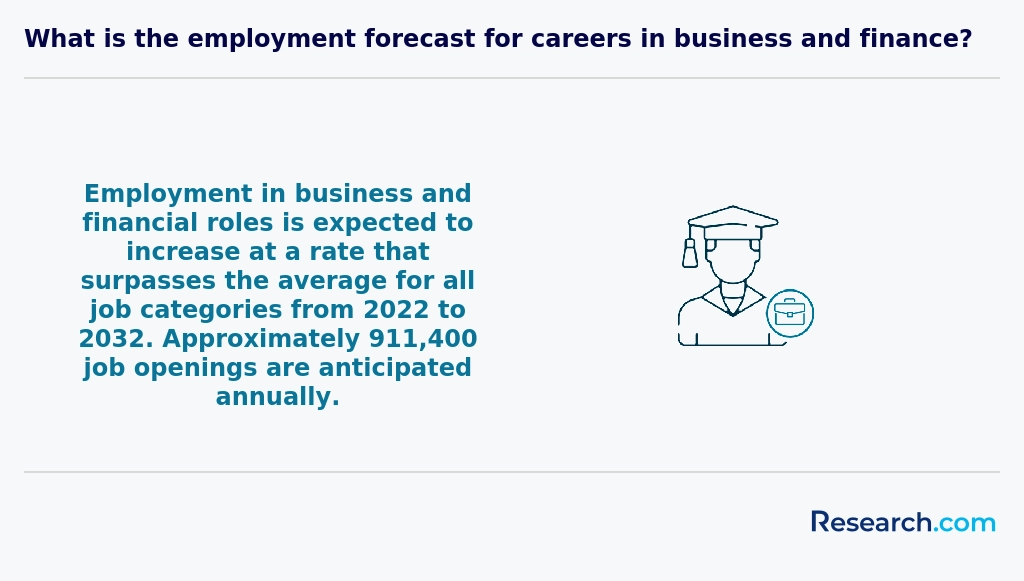
Business careers today are increasingly global, shaped by worldwide markets and cultural diversity. Graduates with business degrees from US institutions often find opportunities in multinational corporations, international trade, and global finance. According to the U.S. Bureau of Labor Statistics, employment in business-related fields is projected to grow by about 8% from 2022 to 2032, reflecting expanding global demand.
In Lancaster, PA, business graduates benefit from the city's growing role as a regional hub for logistics and manufacturing, with companies seeking professionals who understand global supply chains. Institutions offering business degrees here emphasize international business, preparing students for global challenges.
Understanding global economic trends, cross-cultural communication, and international regulations is vital. Business schools integrating these topics help equip Lancaster's graduates for success beyond local markets.
Students pursuing a business degree in Lancaster can gain practical experience through internships offered by numerous local companies. According to the Lancaster Chamber of Commerce, over 50 businesses actively support internship programs each year, providing exposure to real-world business environments.
Many universities in Lancaster also collaborate with regional industries to facilitate cooperative education (co-op) programs. These allow students to alternate semesters of study with full-time work related to their field, often earning academic credit.
Additionally, participation in campus-based business clubs and case competitions helps develop leadership and problem-solving skills valuable to employers.
Community projects and consulting opportunities with local nonprofits offer further hands-on experience for business students.
Choosing the right concentration within a business degree program in Lancaster involves assessing your career goals and local industry demands. Lancaster's economy is diverse, with strengths in manufacturing, healthcare, and financial services, suggesting opportunities in supply chain management, health administration, and finance. According to the U.S. Bureau of Labor Statistics, finance and business-related jobs in Lancaster have grown by approximately 5% over the last five years.
Students should consider concentrations that match both their interests and the skills employers seek. Reviewing course offerings at Lancaster-area colleges can help identify specializations like marketing, entrepreneurship, or data analytics.
Internships and networking with local businesses can also guide your decision by providing real-world insights into specific industries.
Related Business Rankings for Nearby Cities
- 2027 Most Valuable Business Degree Programs Ranking in Baltimore
- 2027 Most Valuable Business Degree Programs Ranking in Washington
- 2027 Most Valuable Business Degree Programs Ranking in Arlington
- 2027 Most Valuable Business Degree Programs Ranking in Newark
- 2027 Most Valuable Business Degree Programs Ranking in New York
- 2027 Most Valuable Business Degree Programs Ranking in Brooklyn
- 2027 Most Valuable Business Degree Programs Ranking in Bronx
- 2027 Most Valuable Business Degree Programs Ranking in Ithaca
- 2027 Most Valuable Business Degree Programs Ranking in New Haven
- 2027 Most Valuable Business Degree Programs Ranking in Syracuse
Top Trending Business Rankings
See What Experts Have To Say About Studying Business
Read our interview with Business experts

Ingrid S. Greene
Business Expert
Clinical Assistant Professor of Management
Loyola Marymount University

David W. Stewart
Business Expert
Emeritus President's Professor of Marketing
Loyola Marymount University


References
- International Year One in Business | Lancaster University International Study Centre https://www.lancaster-isc.com/en/courses/into-international-year-one-in-business
- The Seven Biggest Challenges Faced by Student Entrepreneurs https://venturewell.org/blog/five-biggest-challenges/
- Homepage - ASSETS https://assetspa.org/
- Business Study Abroad Programs | Go Overseas https://www.gooverseas.com/study-abroad/business
- A guide to finding an internship https://www.ipag.edu/en/blog/guide-finding-internship
- Business Administration Degree (BSBA) - Lancaster Bible College https://www.lbc.edu/academics/bachelor-programs/business-administration-degree/
- Online Degree vs. Traditional: Choosing the Right Path https://beal.edu/online-degree-vs-traditional/
- Financial Aid & Scholarships - Lancaster County Career & Technology Center https://lancasterctc.edu/admissions/higher-education-admissions/financial-aid/
- Business Work Experience & Careers Day - Career Days https://www.careerdays.co.uk/business-work-experience-careers-day
- Undergraduate Fees - Lancaster University Leipzig https://www.lancasterleipzig.de/study/undergraduate/fees/