2027 Most Valuable Business Degree Programs Ranking in Louisiana

Co-Founder and Chief Data Scientist
Choosing the right business degree can shape your future success. This article presents the 2027 Most Valuable Business Degree Programs Ranking in Louisiana, created by the Research.com team of data scientists to guide you through the best options available.
By exploring this ranking, you'll gain clear insights into programs that combine quality education with strong career prospects. Whether you're starting your college journey or considering a new path, this information empowers you to make a well-informed decision.
A business degree opens doors to exciting opportunities and growth. Discover what Louisiana offers today.
Key benefits of getting business degree in Louisiana
- Business degree graduates in Louisiana can earn competitive salaries, such as a Business Analyst's mean annual wage of $112,950 and a Business Development Executive's mean annual wage of $83,190, reflecting strong earning potential.
- Graduates from Louisiana State University often pursue varied career paths including roles in management, sales, and finance, making it easy to find a fulfilling job that matches their passion and skills.
- Online business degrees from Louisiana-based universities offer flexibility and convenience, allowing students to balance work and study while gaining respected qualifications that enhance career growth opportunities.
- Key benefits of getting business degree in Louisiana
- What can I expect from business degree in Louisiana?
- Where can I work with business degree in Louisiana?
- How much can I make with business degree in Louisiana?
- 2027 Most Valuable Business Degree Programs Ranking in Louisiana
- Key Findings
- How long does it take to complete business degree in Louisiana?
- Emerging Trends and Future Outlook in Business Education
- What's the difference between online and on-campus business degree?
- What is the average cost of business degree in Louisiana?
- Return on Investment of Business Degrees in Louisiana
- What financial aid is available to business degree students in Louisiana?
- Considering Affordability in Business Education
- What are the prerequisites for enrolling in business degree program in Louisiana?
- Return on Investment of Business Degree Programs in Louisiana
- What courses are typically in business degree programs in Louisiana?
- What types of specializations are available in business degree programs in Louisiana?
- How do you choose the best business degree in Louisiana?
- What career paths are available for business degree students in Louisiana?
- What is the job market for business degree in Louisiana?
- Related Business Rankings for Nearby States
- Top Trending Business Rankings
- See What Experts Have To Say About Studying Business
What can I expect from business degree in Louisiana?
The average cost of a business degree in Louisiana is a sweet spot that balances quality education with affordability, often landing between $10,000 and $25,000 per year for in-state tuition at well-regarded schools like Louisiana State University or the University of Louisiana at Lafayette. Graduates often recall the relief of manageable tuition fees paired with generous scholarships and state grants that eased their financial journey, allowing them to dive fully into projects and internships without the cloud of overwhelming debt.
Imagine a student at Tulane's Freeman School of Business, engaging in innovative, real-world simulations without the stress of sky-high costs, thanks to financial aid tailored for Louisiana residents. The state's lower living expenses add another layer of comfort, letting students focus on mastering supply chain intricacies or entrepreneurial ventures instead of budgeting for rent in a pricey city.
This accessible investment encourages many to embrace Louisiana's booming industries-energy, manufacturing, healthcare-and graduate ready to thrive, all while appreciating a cost that won't weigh down their future. The monetary balance feels like a pragmatic handshake welcoming ambitious minds into Louisiana's diverse business landscape.
Where can I work with business degree in Louisiana?
Graduates armed with a business degree from Louisiana State University or Tulane University often find themselves stepping into a world buzzing with opportunity. Imagine coordinating supply chains for a Gulf Coast energy giant, where your analysis impacts millions of barrels of oil transported daily. Business grads share stories of diving into financial planning roles at New Orleans banks, expertly balancing risk while crafting investments that fuel regional growth.
Picture working alongside healthcare administrators in Baton Rouge, streamlining hospital budgets to improve patient care, or navigating the bustling docks of the Port of New Orleans, optimizing international trade logistics. These real-life scenes capture how a Louisiana business degree unlocks doors to vibrant sectors-from energy and finance to healthcare and logistics.
Many graduates feel exhilarated by entering government agencies or educational institutions, crafting policies and managing projects that shape Louisiana's economic landscape. Their journeys reveal that with a business degree here, your career isn't just a job-it's a chance to drive change in the communities that raised you.
How much can I make with business degree in Louisiana?
Graduates from Louisiana's top business schools, like Louisiana State University or Tulane University, often find themselves stepping into careers where numbers tell a powerful story. Imagine landing a role as a Business Development Executive, where the mean annual wage hovers around $83,190-enough to spark excitement about the future while covering the vibrant lifestyle of cities like Baton Rouge or New Orleans.
Now picture a savvy Business Analyst, turning data into gold, earning approximately $112,950 a year, reflecting the high value placed on analytical skills cultivated during those intense classroom and internship experiences.
Even if starting salaries for entry roles hover closer to $45,000 to $55,000, as many business grads report, the trajectory in Louisiana is electrifying when you consider the blend of regional economic strength and the variety of industries from energy to healthcare.
For a graduate ready to leverage the state's unique business ecosystem with a sharp mind and an ambitious heart, these numbers aren't just figures-they're milestones on a rewarding career path.
2027 Most Valuable Business Degree Programs Ranking in Louisiana
How do we rank schools?
Investing in your education is a significant decision that can profoundly influence your career and future success, and the Research.com team recognizes the importance of providing reliable guidance. To support prospective students in Louisiana, we have carefully developed the "2027 Most Valuable Business Degree Programs Ranking in Louisiana." Our dedication to quality, credibility, and accuracy is demonstrated through rigorous research and thorough analysis to ensure the ranking's trustworthiness.
We utilized the following reputable data sources to compile this ranking:
By consulting this ranking, readers will gain valuable insights into the most valuable business degree programs in Louisiana, empowering them to make well-informed educational decisions. For more information on how this ranking was created, please visit our Research.com methodology page.

# 2 position
Louisiana State University and Agricultural & Mechanical College
Bachelor of Science in Business Administration


# 4 position
Louisiana State University and Agricultural & Mechanical College
Master of Business Administration


# 17 position
Northwestern State University of Louisiana
Bachelor of Science in Business Administration


Key Findings
- In-state tuition at public universities in Louisiana averages around $9,000 per year, while private universities often charge over $20,000 annually.
- Early-career business graduates earn between $50,000 and $55,000 annually, with mid-career salaries ranging from $70,000 to $90,000.
- Key industries driving job growth include energy, healthcare, agriculture, shipping, and finance.
- Several Louisiana universities offer business programs accredited by the AACSB, enhancing resume value and employment chances.
- Support resources like internships, career services, and networking events are available to help business students gain experience and find jobs.
How long does it take to complete business degree in Louisiana?
In Louisiana, diving into a business degree usually means enrolling in a four-year journey when attending schools like Louisiana State University or the University of Louisiana at Lafayette full-time. Imagine balancing campus life, late-night study sessions, and internships over those vibrant years-graduates often recall this time as both challenging and deeply rewarding.
If your schedule demands part-time classes, perhaps because you're juggling a job or family, expect that timeline to stretch to five or six years. One graduate from a Baton Rouge university spoke of how flexible online courses allowed juggling work deadlines alongside mastering marketing strategies-turning the longer path into an empowering adventure rather than a setback.
Graduate studies in Louisiana's business schools speed things up or slow them down based on your pace. An MBA can be conquered in one to two years full-time, or leisurely unfolded over three years when working professionals mix coursework with daily commitments. Specialized master's programs might even wrap up in a bustling single year, perfect for the ambitious who crave intensity mixed with focus.
Emerging Trends and Future Outlook in Business Education
As the landscape of business continues to evolve, staying updated with emerging trends is crucial for both current students and graduates aiming to maintain a competitive edge. Advancements in technology, changing consumer behaviors, and the growing emphasis on sustainability and digital transformation are reshaping the skills needed in today’s job market. This section examines how these future trends are influencing business education in Louisiana and offers insights into how students can prepare for long-term career success. One key trend is the integration of advanced analytics and digital tools into traditional business curricula, equipping graduates with a solid understanding of data-driven decision-making. In response, many institutions are refreshing their course offerings to include modules on big data, artificial intelligence, and digital marketing strategies that directly prepare students for emerging industry challenges. Additionally, the rise of remote work and flexible business models is fostering a demand for professionals who are adaptable and proficient in virtual collaboration-skills that are increasingly becoming part of everyday business operations. Professional development is another area witnessing rapid change. Students and graduates are encouraged to engage in continuous learning and upskilling. For instance, many experts highlight the long-term advantages of pursuing a business management degree benefits program, which can open doors to advanced leadership and management roles. Networking through online platforms, attending virtual conferences, and participating in mentorship programs are strategies that help individuals stay connected with industry innovations and broaden their career opportunities. By understanding these transformative trends and incorporating them into their educational journey, business students in Louisiana can better position themselves for success in an ever-changing work environment. Embracing both traditional business principles and new-age digital competencies is key to navigating the future market landscape with confidence.
What's the difference between online and on-campus business degree?
Imagine juggling your daily grind while earning a business degree-online at a Louisiana university like Southeastern or under the live oaks at Tulane. Graduates who chose on-campus paths often recall the electric buzz of late-night study sessions at LSU's business library, the handshake deals forged during networking mixers, and spontaneous debates that sparked fresh ideas. They felt the heartbeat of a community, face-to-face, thriving amid the buzz of campus life.
On the flip side, many online students treasure the freedom to tailor their schedules around busy workdays or family dinners. One graduate found peace turning her laptop on at midnight, feeling equally anchored by a well-crafted online course from a Louisiana university accredited by AACSB. There's a quiet satisfaction in logging in from Lake Charles or Baton Rouge, knowing tuition sometimes bends in favor of savings, no commute necessary.
Both routes mold sharp business minds, but the pulse you want-whether palpable classroom energy or digital convenience-shapes the journey through Louisiana's diverse educational landscape.
What is the average cost of business degree in Louisiana?
In Louisiana, the average cost of a business degree is surprisingly approachable compared to many other states. Most students pursuing business studies at popular institutions like Louisiana State University or Tulane University see median total tuition and fees around $32,420, blending both in-state and out-of-state rates. For residents snagging in-state tuition, the yearly investment is about $10,125, making a four-year business education more attainable than it first appears.
Graduates often reflect on balancing their budget-savvy choices with immersive campus experiences-picture them thriving in vibrant classes and bustling career fairs without the weight of crushing debt. The total tuition and fees for business programs Louisiana residents pay doesn't just represent numbers; it embodies the gateway to launching a dream career in sectors from entrepreneurship to finance.
Additional expenses like books and housing nudge the budget upward, but state-specific aid and scholarships ease the way. Many students find that the Louisiana GO Grant and university-based scholarships soften financial burdens, allowing them to focus on learning rather than stressing over bills. If affordability is a priority, exploring options like the cheapest business school in Louisiana can be a game changer in this financially conscious journey.
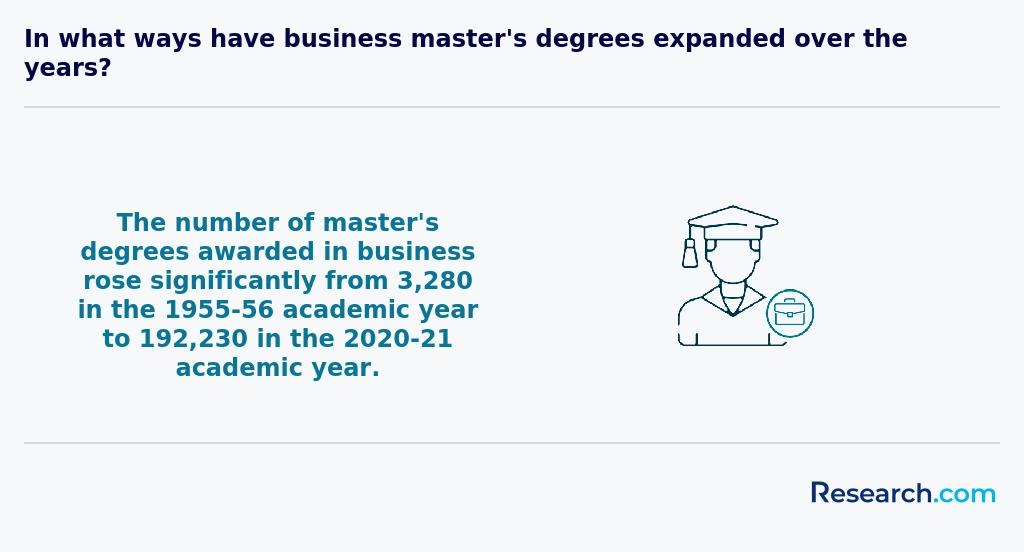
Return on Investment of Business Degrees in Louisiana
Prospective students often weigh the long-term return on investment (ROI) when choosing a business degree program. In Louisiana, the average total tuition for a bachelor’s in business ranges from $12,600 to $13,100, while median starting salaries for graduates are approximately $55,000, escalating to $80,000 within five years of employment. This trajectory suggests a payback period of roughly three to four years, making business education in the state a financially sound choice. Beyond tuition and salaries, graduates should factor in average student debt-around $25,000 for business majors in Louisiana-and average loan repayment timeframes of six to eight years. Financial aid opportunities, such as TOPS scholarships and university grants, can shorten this repayment period by reducing principal balances. Additionally, high-earning roles like Business Analyst or Project Manager can further accelerate ROI, especially when combined with employer-sponsored tuition reimbursement for advanced credentials. When comparing in-state on-campus programs to online alternatives, it’s clear that online offerings can cut costs by up to 20% while providing flexibility. For students seeking cost-effective alternatives, explore our Affordable Online Business Degree Programs Ranking in Illinois to understand how lower-priced programs deliver competitive outcomes. Finally, ROI extends beyond finances; intangible benefits include expanded professional networks, access to alumni mentorship, and career services that facilitate job placement. Evaluating these return metrics holistically ensures that students make informed decisions, maximizing both monetary gains and long-term career satisfaction.
What financial aid is available to business degree students in Louisiana?
Imagine landing at Louisiana State University's E. J. Ourso College of Business with a Pell Grant in hand, easing the weight of tuition that for in-state students hovers around $9,000 yearly. Many business students find relief through this federal lifeline, which offers up to $7,395 based on financial need, creating room to breathe and focus on leadership and market strategy instead of mounting bills.
Some lucky ones tap into the Louisiana Go Grant, a state-specific gem granting up to $1,500 annually, turning dreams into achievable goals with modest but mighty support. Meanwhile, merit-based TOPS scholarships remove the ceiling on ambition, rewarding academic grit with substantial tuition coverage at public institutions.
Beyond grants, graduates often recall how work-study roles on campuses, like Tulane's, blended paying the bills with real-world business chops. Loans, like Federal Direct Subsidized and Unsubsidized, often fill gaps, but the flexibility made them less daunting.
And don't overlook the quiet power players-local chambers or the Louisiana Society of CPAs-whose scholarships can launch a business career with unexpected boosts, making every dollar a step closer to success.
Considering Affordability in Business Education
When exploring business degree programs in Louisiana, affordability is a critical factor for many prospective students. The cost of tuition, fees, and living expenses can vary significantly between institutions, making it essential to research and compare the financial implications of each program. For those seeking the most affordable options, looking into the cheapest business school in Louisiana can provide valuable insights. By understanding the pricing models, scholarship opportunities, and financial aid available, students can make informed decisions that balance their educational aspirations with their financial capabilities, ultimately choosing a path that aligns with their career goals and budget.
What are the prerequisites for enrolling in business degree program in Louisiana?
Imagine stepping onto the vibrant campus of Louisiana State University, where the buzz isn't just about football but also the challenge of meeting business degree prerequisites. Here, a high school diploma or GED isn't just paperwork-it's your ticket into a world demanding strong roots in math and English, setting the stage for mastering business strategies and financial puzzles.
Graduates often recall the crunch of balancing SAT or ACT scores with glowing GPAs around 2.5 to 3.0, plus dazzling extracurriculars that tell their unique stories. Some Louisiana colleges ask for a taste of business fundamentals beforehand, like introductory courses that transform curious minds into confident future entrepreneurs.
Envision mastering economics and accounting basics, not just as theory but as tools to decode real-world markets. With tuition hovering between $9,000 to $11,000 annually, students juggle finances alongside academics, fueling motivation with every challenge faced. These prerequisites aren't hurdles; they're stepping stones lighting the path to success in Louisiana's thriving business education landscape.
Return on Investment of Business Degree Programs in Louisiana
Understanding the return on investment (ROI) is essential for prospective students weighing the cost of a business degree in Louisiana against future earnings and career growth. On average, Louisiana graduates incur $15,000–$20,000 in debt for a bachelor’s program, yet with a mean starting salary of $65,000 and projected five-year salary growth of 40%, many recoup tuition costs within three to five years. When factoring in living expenses and opportunity costs, the net ROI over a ten-year period often exceeds 250%, outperforming several other degree fields. Key factors influencing ROI include: • Tuition Variance: Programs range from $12,600 to $13,100 for in-state students, while private institutions may charge up to $25,000 annually. • Salary Trajectory: Project Managers and Business Analysts graduate into median salaries of $80,220 and $108,790, respectively, accelerating ROI. • Debt Repayment: With average student loan interest rates around 4.5%, most graduates can pay off balances in under six years by allocating 10–15% of gross monthly income. For ambitious professionals seeking to boost long-term ROI, enrolling in an accelerated master's in business administration degree can shorten the time to advanced credentials and unlock higher earning brackets sooner. By strategically selecting a program with strong placement rates and manageable tuition, students can maximize both financial and career returns from their Louisiana business education.
What courses are typically in business degree programs in Louisiana?
Imagine diving into Principles of Management at a popular Louisiana university, where hands-on projects mimic the leadership challenges faced by real businesses along the Mississippi River. Graduates often describe this course as a wake-up call-suddenly, theory transforms into dynamic team strategy under Cajun skies.
Financial and Managerial Accounting classes feel like uncovering the secret language of money, essential for navigating both bustling New Orleans markets and statewide companies. One graduate recalled how mastering these skills at a renowned Baton Rouge college gave them the confidence to analyze financial statements during their internship with a local energy firm.
Marketing Fundamentals spark creativity in students, encouraging them to think like both consumers and strategists. When discussing digital campaigns tailored for Louisiana's diverse economy, graduates relate stories of crafting plans for small agricultural businesses or emerging port ventures south of Lake Pontchartrain.
Courses in Business Law and Economics ground students in Louisiana's unique regulatory and economic landscape, from local contract nuances to market shifts influenced by the Gulf Coast. Statistics and Quantitative Analysis sharpen decision-making skills that graduates say become invaluable, especially when working alongside seasoned professionals in internships at universities like Tulane or LSU.
What types of specializations are available in business degree programs in Louisiana?
Imagine diving into a curriculum where you can sculpt your future with specializations like Accounting, mastering the art of numbers that keep Louisiana's bustling ports and industries afloat. Graduates from popular Louisiana universities often share how this focus has empowered them to unlock doors in auditing and taxation, echoing the heartbeat of the state's economy. For students exploring Louisiana business program concentration options, Finance offers a dynamic plunge-think energizing careers in the energy sector's financial planning or corporate finance, with salaries that mirror ambition and expertise.
Marketing enthusiasts find their spark in promoting Louisiana's rich tourism scene, blending creativity with strategy to capture the state's $17 billion annual appeal. Others embrace Management, learning to orchestrate vast teams and complex operations like the ones thriving around New Orleans' vibrant business hubs. There's even a niche for the adventurous, with specializations like Supply Chain Management and Entrepreneurship, perfect for those envisioning innovative ventures linked to Louisiana's strategic shipping lanes. Those considering a business path often discover these just-right fits at leading schools, fueling their excitement to pursue a business management degree benefits firsthand.
How do you choose the best business degree in Louisiana?
Choosing the best business degree program in Louisiana feels like navigating a vibrant marketplace bustling with choices. Picture graduates from LSU basking in the glow of Southeastern sun after landing roles thanks to the university's strong local networks, or Tulane alumni excitedly recounting how AACSB-accreditation opened doors nationwide. The secret? Dive deep into what your ideal business specialty looks like-whether it's mastering supply chain logistics near bustling ports or tapping into Louisiana's rich energy sector. Affordability plays its rhythm here, with in-state public tuition in the $8,000 to $12,000 range offering serious value, balancing dreams and dollars. Graduates often stress how flexibility-night classes or online formats-made juggling work and study not just possible but empowering. Exploring affordable business schools in Louisiana isn't just number crunching; it's aligning your future in a place buzzing with opportunity. For those racing time, an accelerated master's in business administration degree can be a game-changer.
What career paths are available for business degree students in Louisiana?
Imagine landing a role where Louisiana's vibrant industries become your playground-a port bustling with cargo, an energy firm powering the future, or a healthcare network innovating patient care. Graduates of business programs at universities across the state often find doors open wide, stepping confidently into career paths that reflect Louisiana's diverse economy. From corporate management in New Orleans to supply chain coordination near Baton Rouge's busy ports, the opportunities for business degree career opportunities in Louisiana paint a vivid map of vibrant sectors needing savvy professionals.
Business graduates can thrive as financial analysts navigating the complexities of oil and natural gas ventures or as healthcare administrators enhancing hospital operations. Many alumni recount launching their own entrepreneurial journeys, buoyed by Louisiana's affordable living and supportive environment. Whether tackling marketing challenges in Lafayette or mastering logistics across the Mississippi, a business degree here unlocks high paying jobs with a business degree in Louisiana that blend passion with practicality.
For those curious about affordable pathways to this dynamic future, the Affordable Online Business Degree Programs Ranking in Illinois may offer inspiring comparisons to Louisiana's competitive tuition, encouraging smart investment in a thriving career.
What is the job market for business degree in Louisiana?
The business degree job outlook Louisiana offers is a vibrant tapestry woven from the state's rich industrial colors. Picture graduates from Louisiana State University or Tulane immersing themselves in New Orleans' energetic sectors-energy and finance pulse here, creating dynamic roles in business management and financial analysis. Meanwhile, Baton Rouge's government agencies and manufacturing plants hum with opportunities in supply chain and human resource management.
Louisiana business degree employment opportunities extend beyond traditional offices. Imagine networking events where enthusiastic graduates share stories of internships that transformed classroom lessons into real-world triumphs-some dive into healthcare administration as part of the growing medical hub, others ride the entrepreneurial wave supported by state programs encouraging fresh startups.
The blend of affordable tuition at popular colleges and a competitive local salary creates a practical pathway for many aspiring professionals. For those focused on maximizing value, exploring college majors that are worth it can shine a light on how Louisiana's business degrees stand out among other options.
Frequently Asked Questions About business
Business degree students in Louisiana can maximize their learning by engaging in internships offered by major industries such as energy, petrochemical, and shipping, which dominate the state's economy. According to the Louisiana Workforce Commission, internships improve employment prospects by 15%. Participating in local business competitions and networking events organized by chambers of commerce, like the Greater New Orleans or Baton Rouge chambers, also enhances practical skills.
Students should take advantage of Louisiana's strong entrepreneurial resources, including mentoring programs through the Louisiana Economic Development initiative. Additionally, enrolling in cooperative education programs can combine academic study with paid work experience, fostering a deeper understanding of business operations.
The business field in Louisiana is evolving with several emerging niches gaining importance. One key area is digital marketing, where companies increasingly seek experts skilled in data analytics and social media strategies. According to the Louisiana Workforce Commission, jobs related to marketing analytics are growing faster than average statewide.
Another promising niche is supply chain management, which has become critical for Louisiana's strong petrochemical and shipping industries. The Port of South Louisiana is among the largest in the US, driving demand for logistics professionals.
Additionally, sustainability and green business practices are gaining traction as the state promotes environmentally responsible growth, opening opportunities in energy management and sustainable finance.
Preparing for the job market after earning a business degree in Louisiana requires strategic planning. First, students should seek internships in key Louisiana industries such as petrochemical, financial services, and logistics, which align with regional economic strengths according to the Louisiana Workforce Commission. Gaining practical experience enhances employability and builds professional networks.
Second, networking through local business organizations like the Louisiana Association of Business and Industry can connect graduates with mentors and job opportunities. Communication skills and proficiency in technology, especially Microsoft Office and data analytics software, are essential for Louisiana employers.
Finally, graduates should leverage university career services, including job fairs and resume workshops, to remain competitive. The U.S. Bureau of Labor Statistics notes that Louisiana's job market for business-related roles is projected to grow modestly, emphasizing the need for proactive preparation.
Employers in Louisiana prioritize several key skills when hiring business degree graduates. Communication skills remain essential, as many roles require clear presentation of ideas and collaboration across teams. According to the Louisiana Workforce Commission, problem-solving and critical thinking abilities are also highly sought after to navigate the state's diverse economic sectors, including petrochemical, healthcare, and logistics.
Analytical skills, particularly proficiency in data interpretation and financial literacy, are crucial. The rapid growth of digital tools means technical competency, such as familiarity with business software and data analysis platforms, is increasingly important. Employers also value leadership and adaptability, given the dynamic nature of Louisiana's market conditions.
Finding internships in Louisiana relevant to a business degree involves strategic use of local resources and platforms. Many universities in Louisiana, such as Louisiana State University and Tulane, maintain career centers that connect students with internships in sectors like finance, marketing, and management. These centers often have partnerships with companies in Baton Rouge and New Orleans, where business opportunities are concentrated.
Statewide job boards and resources like Louisiana Workforce Commission provide listings specifically for internships. The Louisiana Economic Development office also supports business growth, creating potential internship openings in emerging industries. According to the Bureau of Labor Statistics, industries such as transportation and warehousing, which are strong in Louisiana, often prefer candidates with business skills for internships.
Networking through local business chapters, such as the Louisiana Business & Technology Center, and participating in campus career fairs can significantly improve chances of securing internships tailored to business students. Using LinkedIn to connect with Louisiana-based companies is another effective approach, given the region's growing emphasis on small and medium enterprises.
A business degree in Louisiana can significantly enhance career mobility and advancement opportunities. According to the Louisiana Workforce Commission, industries such as finance, healthcare administration, and energy management often seek candidates with formal business education. Graduates typically experience higher job placement rates and salary growth compared to those without degrees.
Professional roles in New Orleans, Baton Rouge, and Shreveport show strong demand for business graduates, especially in management, marketing, and accounting fields. Additionally, possessing a business degree provides foundational skills essential for leadership positions and entrepreneurship within the state's diverse economy.
Employers value graduates who understand local market dynamics, making Louisiana-based programs particularly advantageous for regional career development.
Studying for a business degree in Louisiana equips students with skills that go beyond traditional business knowledge, preparing them for interdisciplinary roles. Programs often integrate coursework in economics, information technology, and communications, reflecting the interconnected nature of today's job market.
Louisiana's diverse economy, including energy, healthcare, and shipping sectors, demands graduates who can navigate multiple disciplines. For example, universities like LSU emphasize collaboration across departments, enabling students to understand legal, technological, and cultural aspects impacting business decisions.
According to the Louisiana Board of Regents, graduates with interdisciplinary skills have higher employability, with many entering roles in consulting, data analysis, and project management where cross-functional expertise is vital.
When choosing between a thesis and a non-thesis business degree program in Louisiana, consider your career goals and learning preferences. Thesis programs require conducting original research and writing a substantial paper, which suits students aiming for roles in research, academia, or advanced studies. Non-thesis tracks focus more on coursework and practical skills, appealing to professionals seeking immediate advancement in Louisiana's dynamic business sectors like energy, shipping, and healthcare.
Louisiana ranks well for business opportunities, with the Bureau of Labor Statistics projecting a 5% growth in management jobs through 2030. Universities such as LSU and Tulane offer both options, allowing students to tailor their education based on hands-on experience or research orientation.
Students in Louisiana pursuing business degrees have several opportunities to study abroad through U.S. universities that partner with international institutions. Many Louisiana universities, such as Louisiana State University and Tulane University, offer exchange programs or faculty-led trips to countries in Europe, Asia, and Latin America.
These programs often allow students to earn credits toward their business degree while gaining global experience. According to the Institute of International Education, outbound study in business majors from U.S. universities grew by 4% in recent years, reflecting increased interest in global business perspectives.
Additionally, foundations like Gilman Scholarships provide funding opportunities specifically for students from Louisiana to study abroad, reducing financial barriers. Such experiences enhance cultural fluency and global business understanding, valuable skills given Louisiana's growing international trade sectors.
Part-time job opportunities in Louisiana that complement business degree education often focus on roles offering practical experience in finance, marketing, and administration. Positions such as sales associates, bookkeepers, and administrative assistants provide valuable hands-on exposure to fundamental business operations.
The Louisiana Workforce Commission reports retail trade and professional services as two of the state's fastest-growing employment sectors, making related part-time jobs readily available for students. Additionally, many businesses in New Orleans and Baton Rouge seek interns for marketing and financial analysis roles, which align well with business curricula.
These positions help students develop essential skills like customer relations, financial record-keeping, and data analysis, reinforcing their academic knowledge while enhancing their resumes.
Business students in Louisiana benefit from a variety of networking opportunities that connect them with local industries and professionals. Many universities host career fairs and business expos, allowing students to meet employers from prominent sectors such as energy, manufacturing, and hospitality. For example, the Greater New Orleans Business Council regularly collaborates with campuses to offer mentorship programs and internship placements.
Student organizations like the Louisiana Business Leadership Association provide forums for peer networking and access to guest speakers from leading companies. Additionally, professional groups such as the Louisiana Economic Development agency promote events where students can learn about regional economic trends and job markets.
According to the Louisiana Board of Regents, over 70% of business graduates find employment through internships gained during their studies, highlighting the effectiveness of these networking channels.
Alumni networks play a crucial role for business degree students in Louisiana by providing access to a broad community of professionals. These networks offer opportunities for mentorship, internships, and job placements, which are essential in today's competitive job market. According to the Louisiana Board of Regents, graduates connected to active alumni groups report higher employment rates within six months of graduation.
Business alumni in Louisiana often work in key state industries such as petrochemicals, agriculture, and finance, making their networks valuable for career growth. Networking events and online platforms help students build connections that can lead to internships or full-time roles.
In Louisiana, students can tailor their business degree programs by selecting concentrations aligned with local industry demands. Popular specializations include energy management, healthcare administration, and supply chain logistics, reflecting the state's strong energy sector and growing healthcare markets. Many universities offer elective courses and internships specific to these fields, providing hands-on experience that enhances employability. Additionally, some schools allow students to create interdisciplinary tracks by combining business studies with areas such as information technology or environmental science. According to the Louisiana Board of Regents, institutions support flexible curriculum options to help students meet specific career ambitions within regional economic sectors.
Business students in Louisiana often face several challenges tied to the state's unique economic and educational landscape. One significant hurdle is adapting to a local job market heavily influenced by sectors like energy, agriculture, and shipping, which can limit internship opportunities in other business fields. According to the Louisiana Workforce Commission, unemployment rates fluctuate regionally, affecting students' ability to secure relevant work experience.
Additionally, some students encounter financial barriers, with Louisiana's average tuition rates falling below the national average but still posing difficulties for lower-income populations. Balancing work and study remains a common struggle. Furthermore, limited access to cutting-edge technology and resources at smaller institutions can impact learning outcomes.
With a business degree from Louisiana, you can pursue several professional certifications that enhance your career prospects. Popular certifications include the Certified Public Accountant (CPA) for those interested in accounting, which requires passing the CPA exam and meeting state-specific experience requirements.
The Project Management Professional (PMP) certification appeals to graduates aiming for leadership roles in project management. It demands experience and passing a rigorous exam endorsed by the Project Management Institute.
Another valuable credential is the Certified Financial Planner (CFP), suitable for those pursuing careers in financial advising. It requires education, examinations, and relevant work experience.
Louisiana's growing energy and port industries often seek professionals with these credentials, helping graduates stand out locally. According to the Louisiana Workforce Commission, demand for certified business professionals has risen steadily over the past five years.
To write a winning application for a business program in Louisiana, start by clearly demonstrating your understanding of the region's economic landscape. Highlight your interest in industries strong in Louisiana, such as energy, logistics, and agriculture. Align your goals with how a Louisiana business degree will help you contribute to these sectors.
Provide a well-structured personal statement that emphasizes your leadership skills, academic achievements, and relevant experience. Louisiana universities look for applicants who can show practical business knowledge and community engagement.
Include strong letters of recommendation from educators or professionals familiar with your business potential. Finally, meet all deadlines and ensure your application is error-free.
The global perspective on a business career is increasingly shaped by interconnected markets and evolving technologies. Graduates with business degrees in Louisiana benefit from a growing local economy tied to international trade, especially in industries like energy, shipping, and agriculture. According to the Louisiana Workforce Commission, jobs in business-related fields are expected to grow by nearly 5% through 2030, reflecting robust demand.
Understanding global markets is crucial, as many Louisiana companies engage with partners worldwide. Skills such as cross-cultural communication, digital marketing, and international finance are highly valued. Universities in Louisiana often incorporate global case studies and internships, preparing students to compete effectively in both local and global business arenas.
Gaining practical experience while studying for a business degree in Louisiana is essential for career readiness. Many universities in the state incorporate internships as part of their curriculum, allowing students to work with local companies in industries such as energy, finance, and healthcare. For example, LSU's business students often engage in internships with Louisiana's top employers, gaining real-world skills and networking opportunities.
Additionally, cooperative education (co-op) programs provide paid work terms alternating with academic semesters, offering hands-on experience. Student organizations and business competitions also help develop leadership and problem-solving skills relevant to the Louisiana market. According to the Louisiana Workforce Commission, sectors like logistics and trade are rapidly growing, making related internships highly valuable.
Choosing the right concentration within a business degree program in Louisiana starts with assessing your career goals and interests. Popular concentrations include finance, marketing, management, and supply chain, each aligning with different industries prominent in Louisiana's economy, such as petrochemicals, shipping, and tourism. According to the Louisiana Workforce Commission, fields like logistics and energy management show strong job growth locally, which might influence your concentration choice.
Understanding the curriculum and internship opportunities at Louisiana universities is also essential. Programs connected to regional businesses often provide practical experience, boosting employability. Additionally, consider graduation rates and alumni success in your concentration to make an informed decision.
Related Business Rankings for Nearby States
- 2027 Most Valuable Online Business Degree Programs Ranking in Mississippi
- 2027 Most Valuable Online Business Degree Programs Ranking in Texas
- 2027 Most Valuable Online Business Degree Programs Ranking in Tennessee
- 2027 Most Valuable Online Business Degree Programs Ranking in Missouri
- 2027 Most Valuable Online Business Degree Programs Ranking in Oklahoma
- 2027 Most Valuable Online Business Degree Programs Ranking in Kansas
- 2027 Most Valuable Online Business Degree Programs Ranking in South Carolina
- 2027 Most Valuable Online Business Degree Programs Ranking in North Carolina
- 2027 Most Valuable Online Business Degree Programs Ranking in Ohio
- 2027 Most Valuable Online Business Degree Programs Ranking in Nebraska
Top Trending Business Rankings
See What Experts Have To Say About Studying Business
Read our interview with Business experts

Ingrid S. Greene
Business Expert
Clinical Assistant Professor of Management
Loyola Marymount University

David Souder
Business Expert
Senior Associate Dean for Faculty and Research
Michigan State University


References
- Niche Business Ideas: A Guide to Profitable Niche Business Selection - Inar Learn https://inarlearn.com/niche-business-ideas-a-guide-to-profitable-niche-business-selection/
- Enterprise project challenge https://barclayslifeskills.com/help-others/lessons/enterprise-project-challenge/
- Online Degree vs. Traditional: Choosing the Right Path https://beal.edu/online-degree-vs-traditional/
- Undergraduate Business Major Prerequisites | OnlineMBA.com https://www.onlinemba.com/resources/undergraduate-business-major-prerequisites/
- 1. Online registration https://moderna.edu.pl/majors/management/bachelor-of-management/business-management/
- Online Business Degree Programs | University of Phoenix https://www.phoenix.edu/online-business-degrees.html
- How to Use Your MBA for Career Growth While You’re Still Studying - International Career Institute USA https://icieducation.com/blog/how-to-use-your-mba-for-career-growth-while-youre-still-studying/
- Networking Tips for Business Students and MBA Candidates - Cyprus West University https://www.cwu.edu.tr/networking-tips-for-business-students-and-mba-candidates/
- Top 10 Emerging Business Niches of 2026 & How to Plan for Them https://prometai.app/blog/emerging-niches-business-planning
- College of Business | Louisiana State University of Alexandria (LSUA) https://www.lsua.edu/academics/colleges/college-of-business/