2027 Most Valuable Business Degree Programs Ranking in Duluth

Co-Founder and Chief Data Scientist
Choosing the right business degree program can shape your future in meaningful ways. For students in Duluth, finding a program that offers real value is essential in today's competitive job market.
This article presents the 2027 Most Valuable Business Degree Programs Ranking in Duluth, crafted by the Research.com team of data scientists. It's designed to help you make an informed decision by highlighting programs that deliver strong career prospects and growth opportunities.
Discover options that align with your goals and set yourself on a path to success with confidence.
Key benefits of getting business degree in Duluth
- Salary for business degree graduates: Graduates can expect strong earnings, such as Business Analysts making a mean annual wage of $112,950 and Business Development Executives earning around $83,190 per year, highlighting the financial rewards of a business degree.
- Career paths: A business graduate from a popular Duluth college often pursues diverse roles in management, marketing, or analytics, offering exciting opportunities to grow and make an impact in various industries.
- Online degree benefits: Earning a business degree online from a reputable Duluth institution provides flexibility and convenience, allowing students to balance work and life while still gaining valuable skills and networking options.
- Key benefits of getting business degree in Duluth
- What can I expect from business degree in Duluth?
- Where can I work with business degree in Duluth?
- How much can I make with business degree in Duluth?
- 2027 Most Valuable Business Degree Programs Ranking in Duluth
- Key Findings
- How long does it take to complete business degree in Duluth?
- What's the difference between online and on-campus business degree?
- Why Consider Business Schools in Minnesota for Your Education
- What is the average cost of business degree in Duluth?
- What financial aid is available to business degree students in Duluth?
- Future Trends in Business Education and Career Opportunities
- What are the prerequisites for enrolling in business degree program in Duluth?
- What courses are typically in business degree programs in Duluth?
- What types of specializations are available in business degree programs in Duluth?
- How do you choose the best business degree in Duluth?
- What career paths are available for business degree students in Duluth?
- What is the job market for business degree in Duluth?
- Top Trending Business Rankings
- See What Experts Have To Say About Studying Business
What can I expect from business degree in Duluth?
Budgeting for a business degree in Duluth often comes as a welcomed surprise for many students. At public universities like the University of Minnesota Duluth, tuition costs tend to be moderate compared to national averages, making quality education more accessible. Graduates often share how this balanced affordability paired with strong academic programs allowed them to focus more on gaining rich, hands-on experiences without overwhelming financial stress.
Picture yourself diving into accounting or marketing courses while tapping into Duluth's vibrant business scene, from shipping companies to manufacturing firms, all without worrying excessively about tuition debt. Scholarships and financial aid frequently ease the path even further, turning ambitions into achievable goals.
This affordability, combined with the city's unique port-driven economy, means students aren't just paying for classes - they're investing in real-world connections and opportunities that graduates rave about long after they finish their degrees.
Where can I work with business degree in Duluth?
With a business degree from institutions like the University of Minnesota Duluth, graduates often find themselves immersed in Duluth's vibrant logistics and transportation sector. Imagine stepping into a role at the bustling port, where managing supply chains and optimizing freight routes impact the flow of goods across the Great Lakes. This hands-on experience pushes many alumni to develop sharp operational skills while fueling a sense of adventure in a dynamic environment.
Others discover rewarding paths in healthcare organizations such as Essentia Health, applying their business knowledge to improve hospital administration and drive effective budgeting. These settings offer a chance to blend compassion with strategic thinking, making daily work feel meaningful and impactful.
Financial services also welcome business grads from Duluth's colleges, with positions at regional banks that demand analytical minds and creative marketing approaches. Meanwhile, local manufacturers like Polartec challenge young professionals to innovate in project management and sales, keeping the work fresh and exciting.
Public sector roles add another layer, where graduates contribute to community growth through economic development and nonprofit initiatives, directly shaping Duluth's future.
How much can I make with business degree in Duluth?
Graduates from business programs at Duluth's well-regarded universities often find themselves stepping into exciting roles that offer solid financial rewards. Imagine starting as a business analyst, with a mean annual wage soaring around $112,950 according to the latest data. This figure isn't just a number; it's the gateway to a dynamic career filled with strategic problem-solving and impactful decision-making in Duluth's thriving economy.
For those eyeing the business development pathway, expect to earn roughly $83,190 per year. Many grads share stories of beginning their journeys in this role and quickly growing their networks and skills within Duluth's vibrant business community. The city's diverse industries-from healthcare to manufacturing-create fertile ground for ambitious business professionals.
These salaries reflect more than just competitive figures-they represent the confidence and opportunity graduates feel when stepping into the Duluth job market. If you picture yourself exploring business landscapes while earning a rewarding income, Duluth offers a promising start where your education meets real-world success.
2027 Most Valuable Business Degree Programs Ranking in Duluth
How do we rank schools?
Investing in your education is a significant decision that can shape your future, and the Research.com team understands the importance of making informed choices. To assist prospective students in Duluth, we have meticulously crafted the "2027 Most Valuable Business Degree Programs Ranking in Duluth." Our commitment to quality, credibility, and accuracy is reflected in the extensive research and analysis conducted to compile this ranking. We utilized the following reputable data sources to ensure a comprehensive evaluation of business degree programs:
By exploring this ranking, readers will gain valuable insights into the most valuable business degree programs available in Duluth, helping them make informed decisions about their educational and professional futures. For more details on our methodology, please visit our Research.com methodology page.


Key Findings
- In-state tuition for a business degree at University of Minnesota Duluth is about $15,000 to $16,000 annually, while out-of-state tuition is around $27,000 per year.
- Additional expenses like fees, books, and living costs can add $10,000 to $12,000 more each year.
- Starting salaries for business graduates in Duluth range from $48,000 to $52,000 per year in entry-level jobs.
- Mid-level business professionals typically earn between $70,000 and $85,000 annually, depending on experience and industry.
- Business-related jobs in Duluth are expected to grow at about 3% per year over the next decade.
- Internships and cooperative education programs are available locally, offering practical experience and networking opportunities.
How long does it take to complete business degree in Duluth?
Embarking on a business degree journey in Duluth often means dedicating about four years if you're studying full-time at places like the University of Minnesota Duluth. Imagine juggling classes, campus events, and internships, all while steadily ticking off those 120 to 130 credit hours that pave the way to your diploma. Many graduates fondly recall this vibrant period filled with both challenge and growth.
For those balancing work or family, stretching the adventure to five or six years is common-and flexible scheduling options make this not just doable, but enjoyable. Evening or weekend classes open doors for working professionals eager to level up their careers without pausing life's momentum.
Graduate degrees like the MBA add another exciting chapter, usually two years full-time, but extendable to three or more with part-time formats. Some ambitious executive students find themselves navigating a fast-paced 18 to 24 months of intensive learning, all while gaining real-world experience.
The cost factors into your timeline too-many students wisely pace their courses around tuition budgets, making the journey uniquely their own in Duluth's welcoming educational landscape.
What's the difference between online and on-campus business degree?
Imagine stepping into a bustling classroom at one of Duluth's well-known colleges, where on-campus business students exchange ideas face-to-face and build connections that often lead to internships with local shipping companies or healthcare firms. These graduates cherish the routine of attending live lectures and the energy of collaborating directly with professors and peers. The hands-on access to libraries and study labs enriches their learning, fostering a tangible sense of community and discipline.
Meanwhile, online business students at Duluth institutions embrace a different adventure-balancing work and family while attending classes from wherever they are. Their schedules flex effortlessly around life's unpredictability. These grads often share how virtual group projects and webinars still spark meaningful connections, even across a screen. Plus, saving on commuting and housing makes pursuing a degree more affordable, sometimes by up to 30% compared to on-campus counterparts.
Both paths offer a credible education, but the choice depends on whether you thrive in direct, face-to-face immersion or the freedom to explore business studies from home, all while tapping into Duluth's unique economy.
Why Consider Business Schools in Minnesota for Your Education
When deciding on the best business degree program, considering institutions in Minnesota can be highly beneficial. Prospective students can explore valuable business schools in Minnesota to find programs that align with their career aspirations and provide a comprehensive education. This approach allows students to leverage the state's vibrant business landscape, networking opportunities, and the potential for career growth in a variety of fields, including finance, marketing, and management. By evaluating the strengths of different business schools in Minnesota, students can make informed decisions about their educational investments, ultimately leading to a successful and fulfilling career in the business world.
What is the average cost of business degree in Duluth?
If you're wondering about the average cost of a business degree in Duluth, you'll find that students typically invest around $28,194 for in-state programs, a figure that balances quality education with a manageable price tag. Graduates from the University of Minnesota Duluth often reflect on the value of their education, noting how this investment opened doors for exciting career opportunities while living in a vibrant college town. Out-of-state students face higher expenses, often reaching about $43,079 in total, which still represents a solid return when considering the comprehensive curriculum and networking options available in Duluth.
Traveling beyond just tuition, total expenses for business degree Duluth 2027 hopefuls should consider include costs like books, fees, and day-to-day living, which tend to be moderate compared to bigger cities. This financial balance helps many thrive without overwhelming debt, fostering a positive college experience filled with growth and discovery. Many students describe juggling academics and local adventures-whether enjoying the North Shore's beauty or engaging with campus clubs-as part of what makes their journey unforgettable. The practical yet affordable ecosystem ingrained in Duluth's educational landscape supports enthusiastic ambition.
Students also find encouragement knowing that aid and scholarships can further ease financial burdens. For those curious about where Duluth stands regionally, exploring detailed data from valuable business schools in Minnesota showcases the city's competitive edge alongside state leader institutions. This makes pursuing a degree here an inviting, achievable goal for those eager to build a strong foundation in business without sacrificing adventure.
What financial aid is available to business degree students in Duluth?
Imagine stepping onto the University of Minnesota Duluth campus, excitement buzzing as you discover the variety of financial aid available for your business degree. Many graduates recall how completing the FAFSA unlocked access to Pell Grants, which can cover up to $7,395 without the stress of repayment. This federal support is often the cornerstone of funding, creating a safety net for students eager to dive into their studies.
Beyond federal help, Minnesota's State Grant program opens doors for local students, offering need-based awards that feel like a personal investment in their future. Graduates often share how these grants, paired with merit-based scholarships from the College of Business and Economics, made their educational journey feel more affordable and worthwhile.
In Duluth, the adventure continues as working professionals find relief through employer tuition assistance programs, turning part-time study into an achievable goal. Plus, with national scholarships from business organizations waiting to be claimed, the path to a business degree here is paved with opportunities that encourage curiosity, resilience, and community pride.
Future Trends in Business Education and Career Opportunities
As the business landscape evolves with rapid technological advancements and shifting economic climates, prospective students should consider how emerging trends will shape their education and career paths. Today’s business programs are increasingly integrating digital transformation, data analytics, and sustainable practices into their curricula. This not only provides graduates with the technical acumen needed for modern challenges but also equips them with innovative strategies to lead in an ever-changing marketplace. For example, many institutions are expanding partnerships with local companies to offer immersive internships and project-based learning, ensuring that theoretical knowledge is effectively translated into practical skills. Furthermore, blended learning models and experiential learning opportunities are being adopted to meet the flexible needs of today’s learners. To stay ahead, students may also explore specialized modules like the business and marketing course, which focus on digital marketing trends and customer analytics essential for thriving in competitive industries. This forward-thinking approach not only enhances academic rigor but also significantly boosts employability and career progression in the long run.
What are the prerequisites for enrolling in business degree program in Duluth?
Getting ready to dive into a business degree in Duluth is like gearing up for an exciting adventure, starting with solid academic footing. Most programs expect you to have finished high school or hold a GED, which sets the stage for your journey. Imagine sitting in the warm, inviting classrooms of the University of Minnesota Duluth, where graduates recall how meeting a minimum GPA of around 2.5 helped them unlock the door to their studies.
Many local colleges have embraced a test-optional policy, so submitting SAT or ACT scores is often a choice, not a must. Yet, some students found that sharing strong test scores felt like adding an extra boost to their application, opening doors to scholarships or special opportunities.
Don't forget to gather official transcripts-these documents are like your academic passport, showcasing your strengths in math and English, key subjects for any business path. Some Duluth programs also ask for personal statements or recommendation letters, giving you a chance to share your unique story and leadership flair.
International students embark on this quest by proving English proficiency through exams such as TOEFL or IELTS, showing readiness to thrive in a new environment. Financially, tuition in Duluth often feels more accessible than expected, with many students happily discovering rates between $7,000 and $15,000 annually-making the dream of a business degree even brighter.

What courses are typically in business degree programs in Duluth?
Imagine stepping into a bustling classroom at a well-known Duluth college, where you dive into the essentials like principles of management and marketing fundamentals-courses that graduates often recall as eye-opening moments that shaped their understanding of real-world business. These foundational classes are paired with accounting and finance, giving you the tools to decode balance sheets and budgets with confidence, skills highly prized in Duluth's dynamic shipping and manufacturing sectors.
Business students cherish the chapters on business law and ethics, where lively debates spark fresh perspectives on corporate responsibility. Economics courses, both micro and macro, pull students into explorations of market forces directly impacting the Duluth economy, creating an "aha!" feeling as theory meets local reality.
For many, the excitement peaks when tackling strategic management and organizational behavior-where future leaders discover how to inspire teams and drive change. Business analytics and information systems classes add the thrill of mastering tools that turn raw data into smart decisions, reflecting the tech-forward pulse of Duluth's industries.
Hands-on internships often provide the most vivid memories, as students collaborate with local businesses, blending classroom knowledge with practical challenges to emerge ready for the adventure of their professional journey.
What types of specializations are available in business degree programs in Duluth?
Business degrees in Duluth open doors to diverse specializations that truly reflect the city's unique economic pulse. Graduates from local universities often share experiences about diving into Accounting, where mastering financial reporting and taxation connects them directly with Duluth's thriving small and medium business scene. Finance students eagerly anticipate roles in banks and enterprises, buoyed by projections like the 6% national growth in financial analyst jobs. Marketing captivates those enchanted by Duluth's growing tourism and retail markets, sparking creativity in digital strategies and brand storytelling.
For those drawn to leadership, Management courses excite with insights into organizational behavior and project management, frequently leading to positions in health care or manufacturing sectors expanding in Duluth. Supply Chain Management feels like an adventure, navigating logistics tied to the city's busy port. Some even choose to chart emerging paths like Entrepreneurship or Business Analytics. Those curious can explore offerings in these areas through a business and marketing course at Duluth's top schools, making the business degree specializations in Duluth both exciting and practical.
How do you choose the best business degree in Duluth?
Choosing the best business degree in Duluth means diving into local opportunities that match your passion and career goals. Graduates from popular institutions like the University of Minnesota Duluth often highlight how specialized concentrations-such as accounting or supply chain management-helped them focus their studies and gain confidence entering competitive fields. Exploring programs accredited by organizations like AACSB or ACBSP guarantees a solid education foundation admired by employers.
Many students cherish how affordable business colleges Duluth MN can be, with public universities offering tuition options that ease financial stress. Some tell stories of juggling scholarships and part-time work while thriving academically. Plus, the region's vibrant economy, including transportation and tourism sectors, opens doors for internships and job placements that bring classroom theories to life. Such hands-on experiences spark excitement and deepen understanding, making studies far more than just textbooks.
Small class sizes and approachable faculty with industry insights create a nurturing environment, valued by many recent graduates. Some even recommend considering programs linked to cooperative education or practical internships. For those curious about elevating their credentials further with an easiest masters degree to get, local options also boast supportive communities and flexible pathways.

What career paths are available for business degree students in Duluth?
Diving into the business degree career opportunities in Duluth reveals an exciting array of paths shaped by the city's unique economic landscape. Graduates from local institutions often find themselves drawn to logistics and supply chain management, thanks to Duluth's strategic position as a Great Lakes shipping hub. Many share how their internships with freight companies or warehousing firms sharpened their skills and fueled their enthusiasm for these dynamic roles.
Others have embraced job prospects for business graduates Duluth offers by stepping into financial services, joining banks and investment firms where analytical rigor meets real-world challenge. A graduate might recount managing client portfolios or working alongside trusted accountants, gaining confidence and a clear sense of direction.
Healthcare management is another vibrant sector, where business students blend strategy with compassion, often learning through hands-on experience at Duluth's major hospitals. Entrepreneurial spirits thrive too, supported by community programs and programs at colleges like UW Duluth, turning bold business ideas into flourishing startups.
Those wanting to explore flexible study options can also find excellent opportunities through best accredited non-profit online schools, balancing life and learning while preparing for Duluth's ever-evolving markets.
What is the job market for business degree in Duluth?
The job market for business degree holders in Duluth is vibrant and full of potential, offering opportunities that ignite ambition and creativity. Graduates from the University of Minnesota Duluth often find themselves welcomed into roles like marketing coordinators, financial analysts, and project managers within locally thriving sectors such as healthcare and tourism. These diverse paths showcase the rich business degree job opportunities in Duluth, where networking with nearby companies and engaging in hands-on internships create a launchpad for exciting careers.
The employment outlook for business graduates in Duluth remains steady, matching national trends that promise growth in management and business services fields. Many alumni share how the city's support for startups and small businesses encourages entrepreneurial adventures alongside traditional roles. This dynamic mix lets graduates explore various career paths, including launching ventures that reflect their unique visions.
Entry-level salaries start around $45,000 to $55,000 annually, which feels encouraging for new professionals eager to make their mark. For those considering further credentials, learning what certification pays the most can be a game-changer, opening even more doors in Duluth's competitive market.
Frequently Asked Questions About business
Business degree students in Duluth can maximize their learning experience by engaging closely with local industries such as shipping, manufacturing, and tourism, which are key economic drivers in the region. Participating in internships or cooperative education programs offered through institutions like the University of Minnesota Duluth helps students gain practical skills and professional networking opportunities.
Further, students should leverage resources such as career services, business clubs, and workshops focused on entrepreneurship and leadership. According to the Duluth Area Chamber of Commerce, internships correlate strongly with job placement, making experiential learning a critical element.
Additionally, attending business-related community events or seminars fosters connections and insight into current market trends in Northeastern Minnesota.
Emerging niches within the business field reflect shifts in technology, sustainability, and data-driven decision-making. In Duluth, sectors like supply chain management and sustainable business practices are gaining importance due to the city's role as a regional transportation hub and growing environmental initiatives.
Data analytics and business intelligence have also become critical, with more companies seeking professionals who can interpret complex data to inform strategy. According to recent reports from the Minnesota Department of Employment and Economic Development, job postings for analytics roles in the Duluth area increased by over 15% in the past two years.
Entrepreneurship with a focus on social impact is another expanding area. Local startup incubators emphasize innovation that benefits community development, providing opportunities for business graduates to engage in meaningful projects.
Preparing for the job market after completing a business degree in Duluth involves strategic planning and local engagement. Students should leverage resources from institutions like the University of Minnesota Duluth, which offers career services tailored to business graduates. According to the Duluth Chamber of Commerce, the local economy is strong in industries such as healthcare, manufacturing, and logistics, highlighting potential employment areas.
Gaining internships with Duluth-area companies provides practical experience and networking opportunities. Attending local job fairs and industry events can also enhance connections. Additionally, developing soft skills like communication and teamwork is crucial, as employers in Duluth often seek well-rounded candidates.
Employers in Duluth highly value business degree graduates who demonstrate strong communication skills. Clear and effective communication is crucial in the city's diverse industries, including shipping, healthcare, and education, according to the Duluth Workforce Development report 2023. Analytical thinking is also a top attribute, with firms looking for graduates capable of interpreting data to guide business decisions.
Additionally, leadership and teamwork are essential competencies. Duluth's collaborative work environments emphasize the ability to lead projects and work well with others. Finally, familiarity with technology and digital tools is increasingly important as local businesses adopt advanced software to improve efficiency.
Finding internships in Duluth relevant to a business degree requires understanding the local economic landscape and using available resources strategically. Duluth's economy benefits from industries like shipping, tourism, and manufacturing, which often seek interns with business skills such as marketing, management, and finance.
Start by exploring internships posted on university career centers like the University of Minnesota Duluth (UMD), which connects students with regional employers. Additionally, platforms such as Handshake and internships.com frequently list opportunities specific to Duluth's business community.
Networking through local business organizations like the Duluth Area Chamber of Commerce can also provide leads. Businesses often prefer candidates with familiarity of Duluth's market conditions and regulatory environment.
Utilizing these channels improves chances of securing relevant internships, which are often crucial for real-world experience and future employment in Duluth's competitive job market.
In Duluth, earning a business degree significantly enhances career mobility and advancement opportunities. According to data from the U.S. Bureau of Labor Statistics and local economic reports, professionals with business degrees typically experience faster job promotions and higher earning potential compared to those without formal business education.
The city's diverse economy, which includes shipping, healthcare, and manufacturing sectors, demands skilled managers and analysts-roles often requiring business credentials. Graduates from Duluth's business programs benefit from strong networking ties and internship opportunities within regional companies, helping them move quickly into leadership positions.
Recent studies also show that over 60% of local businesses prefer candidates with at least a bachelor's degree in business when filling managerial roles, reinforcing the degree's value in career growth. This trend reflects the broader national market where a business degree opens doors to advancement across multiple industries.
Studying for a business degree in Duluth equips students with skills suited for interdisciplinary roles by integrating core business principles with practical applications across various fields. Programs often combine coursework in finance, marketing, and management with elements of technology, communication, and data analysis. This approach reflects Duluth's diverse economy, which includes shipping, manufacturing, tourism, and healthcare sectors. According to the University of Minnesota Duluth, business graduates here gain exposure to real-world projects through internships and community partnerships, enhancing their adaptability.
Many Duluth programs emphasize critical thinking and teamwork, essential for roles bridging multiple disciplines. Local employers value graduates who can navigate complex challenges beyond traditional business boundaries.
Choosing between a thesis and a non-thesis business degree program in Duluth depends on your career goals and learning preferences. Thesis programs emphasize research skills and are suited for students planning to pursue doctoral studies or careers in academia. These programs often require 6 to 12 months to complete the research project.
Non-thesis options focus on practical knowledge through coursework and internships, appealing to students aiming for immediate employment in Duluth's diverse business sectors, such as healthcare management and finance.
The University of Minnesota Duluth offers both tracks, reflecting regional job market demands highlighted by the Duluth Economic Development Authority (2023), which shows a 5% annual growth in business-related jobs.
Students in Duluth interested in studying business abroad have several options through their local institutions. The University of Minnesota Duluth (UMD), for example, offers partnerships with international universities that allow students to study business in countries like Spain, Japan, and Germany while earning credits toward their degree.
Additionally, many US business programs, including those accessible to Duluth students, participate in exchange programs under the Global Business Institute and the National Student Exchange, broadening overseas study opportunities.
Financial aid and scholarships specifically for study abroad may also be available, helping reduce costs associated with international education.
Students should consult with Duluth's academic advisors to explore tailored programs suited for their career goals and timing.
Part-time job opportunities in Duluth offer valuable experience for students pursuing business degrees. Retail management positions at local stores, such as those in the large Canal Park district, provide practical lessons in customer service and inventory control. Duluth's growing logistics sector, anchored by its port facilities, also offers part-time roles in supply chain coordination and administrative support.
Internships with small and medium-sized businesses in Duluth's expanding tourism and manufacturing industries allow business students to apply classroom theories in real settings. According to the Duluth-Superior Area Community Foundation, sectors like professional services and finance are steadily growing, increasing demand for part-time roles in bookkeeping and marketing assistance.
Business students in Duluth benefit from several strong networking opportunities connected to the city's economic and educational landscape. The University of Minnesota Duluth hosts regular business and entrepreneurship events, fostering connections among students and regional professionals. Local chapters of organizations such as the Duluth Superior Chamber of Commerce provide forums and mixers, which attract business leaders from industries like shipping, manufacturing, and healthcare.
Duluth's strategic location as a Great Lakes port city supports unique industry partnerships, giving students access to internships and mentorships within logistics and supply chain firms. According to the Duluth Economic Development Authority, over 70% of graduates engaged in local networking events secure internships or job offers within six months.
Alumni networks offer valuable support to business degree students in Duluth by connecting them with successful graduates who work in local industries. These networks provide mentoring opportunities, helping students navigate career paths and develop professional skills. According to the University of Minnesota Duluth, over 70% of recent business graduates found jobs through alumni referrals or networking events. This highlights the importance of these connections in a competitive job market.
Strong alumni engagement also enhances internship placements in Duluth's growing business community, giving students practical experience. Furthermore, alumni often share industry trends and job openings, improving students' employability upon graduation.
Customizing a business degree program in Duluth allows students to align their education with specific career aspirations. Many local institutions provide flexible curricula, including elective courses and concentrations such as marketing, finance, or entrepreneurship. This flexibility enables learners to gain skills directly relevant to Duluth's regional economy, which includes industries like shipping, manufacturing, and healthcare.
Students can also pursue internships and cooperative education opportunities with Duluth-based businesses, offering practical experience and networking advantages. According to the Minnesota Department of Employment and Economic Development, about 10% of jobs in the Duluth metro area are in finance and business services, highlighting the benefit of tailored programs.
Additionally, some schools offer online or hybrid courses, supporting working professionals in customizing their schedules. These options ensure students build expertise in areas that best support their career goals.
Business students in Duluth often face challenges related to balancing rigorous coursework with part-time jobs, as many local students work to support themselves. According to a 2023 report from the University of Minnesota Duluth, about 40% of business undergraduates hold part-time employment while studying.
Another issue is accessing internships. Duluth's smaller market compared to major metropolitan areas limits opportunities, making it harder for students to gain practical experience. Networking can also be a challenge, as local business events often cater to established professionals rather than students.
Lastly, students frequently report difficulty in integrating technology within their studies. Keeping pace with rapidly evolving digital tools and data analysis software requires extra time and effort beyond traditional coursework.
Holding a business degree in Duluth opens the door to several respected professional certifications. Among the most sought-after is the Certified Public Accountant (CPA) credential, vital for finance and accounting roles. Duluth's local firms value CPAs for their expertise in tax laws and auditing.
Another important certification is the Project Management Professional (PMP), which enhances skills in managing complex business projects. According to the Project Management Institute, PMP holders earn 23% more on average.
The Certified Financial Planner (CFP) designation suits those aiming for careers in financial advisory, a growing sector in Duluth's financial services industry. Additionally, the Certified Management Accountant (CMA) is recognized nationally and is useful for management accounting roles.
Writing a winning application for a business program in Duluth begins with understanding the local educational landscape. The University of Minnesota Duluth, a key institution in the area, offers reputable business degrees accredited by AACSB, a recognized standard of quality in business education. Applicants should highlight their academic achievements, relevant work experience, and clear career goals tailored to the dynamic regional economy.
Including specific examples of leadership or community involvement in Duluth's business sectors, such as shipping, manufacturing, or tourism, can strengthen your application. According to the Duluth Area Chamber of Commerce, these industries drive much of the regional economy, making relevant experience highly valuable.
Finally, clear, concise personal statements that connect your ambitions to Duluth's unique opportunities help demonstrate your motivation and fit for the program. Strong letters of recommendation emphasizing these points also improve your prospects.
A business career in Duluth is increasingly seen through a global lens, as companies expand their operations beyond local and national borders. Understanding international markets and cross-cultural communication is vital for modern business professionals. According to the Minnesota Department of Employment and Economic Development, over 20% of Duluth's businesses engage in export activities, highlighting the importance of global awareness for graduates.
Furthermore, many Duluth business programs integrate international case studies and remote internships with global partners. This approach prepares students for challenges such as multinational negotiations and global supply chain management. U.S. employers continue to value graduates with global competence, often linked to higher salary prospects and career advancement.
Students pursuing a business degree in Duluth can gain practical experience through internships offered by local companies such as APEX and Cirrus Aircraft. These internships provide real-world exposure to business operations, marketing, finance, and management. According to data from the University of Minnesota Duluth, nearly 70% of business students participate in internships before graduation.
Additionally, Duluth offers co-op programs where students alternate between classroom study and full-time work, enhancing applied learning. Joining local business organizations like the Duluth Chamber of Commerce can also connect students with networking events and mentorship opportunities.
Volunteering for nonprofits in the area is another way to build applicable skills while contributing to the community.
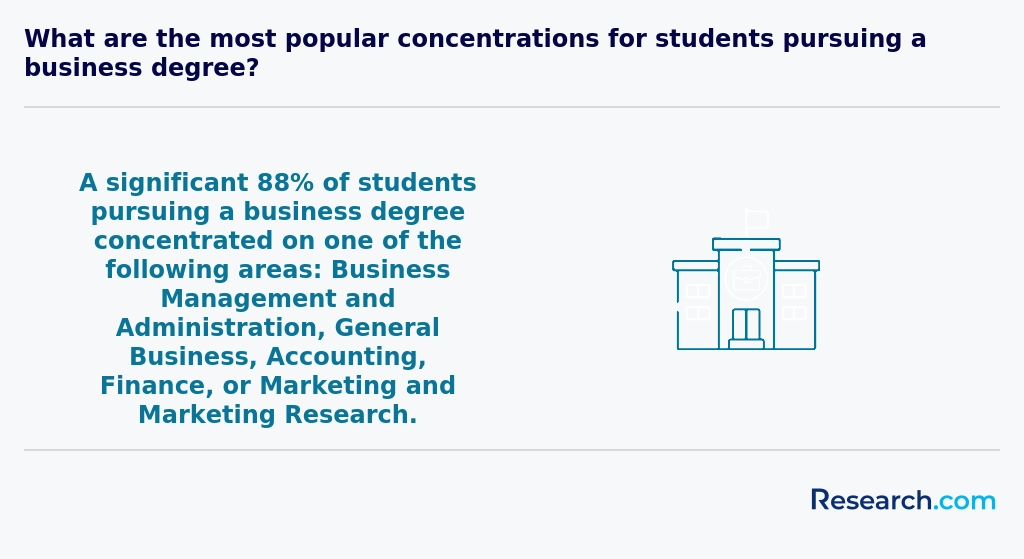
Choosing the right concentration within a business degree program in Duluth requires careful consideration of your career goals and local economic trends. Duluth's economy is diversified, including shipping, healthcare, and finance sectors, which affect demand for specific skills. For example, concentrations in supply chain management or finance may offer strong job prospects locally due to Duluth's port and growing financial services.
It is also advisable to review curriculum details and internship opportunities offered by Duluth institutions. Practical experience, especially in sectors dominant in Duluth, can enhance employability after graduation. According to the Minnesota Department of Employment and Economic Development, business-related fields continue to show steady growth in the Duluth area, emphasizing the importance of selecting concentrations aligned with market needs.
Ultimately, researching industry trends and connecting with academic advisors in Duluth's colleges can help clarify which concentration best matches both your interests and regional job opportunities.
Related Business Rankings for Nearby Cities
- 2027 Most Valuable Business Degree Programs Ranking in Saint Paul
- 2027 Most Valuable Business Degree Programs Ranking in Madison
- 2027 Most Valuable Business Degree Programs Ranking in Dubuque
- 2027 Most Valuable Business Degree Programs Ranking in Milwaukee
- 2027 Most Valuable Business Degree Programs Ranking in Kenosha
- 2027 Most Valuable Business Degree Programs Ranking in River Forest
- 2027 Most Valuable Business Degree Programs Ranking in Chicago
- 2027 Most Valuable Business Degree Programs Ranking in Grand Rapids
- 2027 Most Valuable Business Degree Programs Ranking in Omaha
- 2027 Most Valuable Business Degree Programs Ranking in Lincoln
Top Trending Business Rankings
See What Experts Have To Say About Studying Business
Read our interview with Business experts

Ingrid S. Greene
Business Expert
Clinical Assistant Professor of Management
Loyola Marymount University

David Souder
Business Expert
Senior Associate Dean for Faculty and Research
Michigan State University


References
- 9 Different Types of Business Degrees and Career Paths https://www.umassglobal.edu/blog-news/9-different-types-business-degrees-and-career-paths
- BA in Business Management | Business Management Degree https://www.css.edu/academics/programs/undergraduate/bachelor-of-arts-business-management/
- A 2016 Global Perspective on Business and Career Planning https://careerproinc.com/blogging/a-2016-global-perspective-on-business-and-career
- BUSINESS MANAGEMENT ENGLISH (THESIS / NON-THESIS) - Lisansüstü Eğitim Enstitüsü https://lee.nisantasi.edu.tr/en/business-management-english-thesis-non-thesis/
- 1. Online registration https://moderna.edu.pl/majors/management/bachelor-of-management/business-management/
- 55 Trending Business Ideas for 2025 and Beyond https://www.uschamber.com/co/start/business-ideas/top-trending-business-ideas
- Enterprise project challenge https://barclayslifeskills.com/help-others/lessons/enterprise-project-challenge/
- Professional Business Certifications to Boost Your Career in 2025 https://www.business.com/articles/best-business-certifications/
- Global careers, real impact: building your career with an international business degree | University of East London https://www.uel.ac.uk/blog/global-careers-real-impact-building-your-career-international-business-degree
- Business Study Abroad Programs | Go Overseas https://www.gooverseas.com/study-abroad/business