2027 Most Valuable Business Degree Programs Ranking in Milwaukee

Co-Founder and Chief Data Scientist
Choosing the right business degree program can shape your future career and open doors to exciting opportunities. This article introduces the 2027 Most Valuable Business Degree Programs Ranking in Milwaukee, created by the Research.com team of data scientists to guide students in making informed decisions.
By exploring this ranking, you'll discover which programs offer the best value, helping you invest in your education wisely. Earning a business degree brings confidence and skills that empower your professional journey. Dive in and find the path that fits your goals perfectly.
Key benefits of getting business degree in Milwaukee
- Business degree graduates in Milwaukee can expect strong earning potential, with roles such as Business Development Executives earning a mean annual wage of $83,190 and Business Analysts earning around $112,950 per year.
- Career paths include diverse opportunities in sales, analysis, and management, as shown by graduates from popular Milwaukee institutions who successfully enter roles in dynamic business environments.
- Obtaining a business degree online offers flexibility and convenience, allowing students from Milwaukee to balance work and studies effectively while gaining valuable skills applicable to the evolving job market.
- Key benefits of getting business degree in Milwaukee
- What can I expect from business degree in Milwaukee?
- Where can I work with business degree in Milwaukee?
- How much can I make with business degree in Milwaukee?
- 2027 Most Valuable Business Degree Programs Ranking in Milwaukee
- Key Findings
- How long does it take to complete business degree in Milwaukee?
- Return on Investment: Payback Period for Business Degrees in Milwaukee, WI
- What's the difference between online and on-campus business degree?
- What is the average cost of business degree in Milwaukee?
- Why Choosing the Right Business School Matters
- What financial aid is available to business degree students in Milwaukee?
- Emerging Trends in Business Education
- What are the prerequisites for enrolling in business degree program in Milwaukee?
- Graduate Pathways and Accelerated MBA Options
- What courses are typically in business degree programs in Milwaukee?
- What types of specializations are available in business degree programs in Milwaukee?
- How do you choose the best business degree in Milwaukee?
- What career paths are available for business degree students in Milwaukee?
- What is the job market for business degree in Milwaukee?
- Top Trending Business Rankings
- See What Experts Have To Say About Studying Business
What can I expect from business degree in Milwaukee?
Paying for a business degree in Milwaukee often feels like investing in your future playground-a dynamic city pulsing with opportunity. Graduates from the University of Wisconsin-Milwaukee's Lubar School of Business often share how they balanced the cost, which typically ranges from about $6,000 to $8,000 per year for in-state tuition, with priceless hands-on experiences. Imagine walking through a lecture, then stepping out into the bustling manufacturing scene where companies like Harley-Davidson offer real-world case studies-it's an education money can't buy alone.
Private colleges add variation in cost, sometimes pushing annual tuition closer to $20,000, but students find ways to stretch every dollar through internships with Milwaukee's vivid entrepreneurial network and local startups. Even the nerves of hefty price tags soften when you picture graduation day, armed with a degree fused with both knowledge and practical grit, unlocking those 7% projected job growth stories whispered through the city's financial and marketing corridors.
Where can I work with business degree in Milwaukee?
With a business degree earned at Marquette University or the University of Wisconsin-Milwaukee, graduates find themselves stepping confidently into Milwaukee's dynamic work landscape. Imagine joining the teams at Harley-Davidson or Rockwell Automation, where a sharp mind in supply chain management or strategic planning directly fuels iconic products rolling off production lines. The hum of Milwaukee's manufacturing heartbeat offers tangible career paths.
Others have thrived in bustling financial institutions like BMO Harris Bank, tackling risks and decoding market trends as financial analysts. The city's steady economic rhythm ensures these roles aren't just jobs-they're launching pads into vibrant professional journeys.
A feel for community often drives graduates toward healthcare administration, where managing budgets at Aurora Health Care feels like uplifting an entire neighborhood's well-being. Meanwhile, the city's sprouting startup scene transforms bold business ideas from classroom thoughts into tangible ventures within co-working spaces downtown.
Local government and nonprofits also beckon, where business grads channel their leadership skills into projects improving Milwaukee's soul-economic growth intertwined with genuine community impact.
How much can I make with business degree in Milwaukee?
Graduates from Milwaukee's top business programs find themselves stepping into financial realities that spark excitement. Imagine a freshly minted Business Development Executive from a local university, starting with an average annual wage of about $83,190-enough to savor Milwaukee's vibrant neighborhoods while building a career. Or consider the business analyst graduate, whose keen eye for data transforms company performance and commands a handsome mean wage of $112,950 yearly, a figure that truly reflects the city's growing appetite for analytical minds.
These salary figures, drawn from the 2023 Bureau of Labor Statistics, mirror the journey many Milwaukee business students embrace-from iconic campuses to bustling corporate offices in the city's heart. The numbers don't just represent paychecks; they breathe life into dreams of independence, innovation, and stability. For aspiring professionals, these earnings translate into experiences: from afternoon coffees on East Side's lively streets to investing in personal growth and community impact within Milwaukee's dynamic economy.
2027 Most Valuable Business Degree Programs Ranking in Milwaukee
How do we rank schools?
Investing in your education is a significant decision that can shape your future, and the Research.com team understands the importance of making informed choices. To assist prospective students in Milwaukee, we have meticulously crafted the "2027 Most Valuable Business Degree Programs Ranking in Milwaukee." Our commitment to quality, credibility, and accuracy is reflected in the thorough research and analysis conducted to compile this ranking.
We utilized the following reputable data sources to ensure a comprehensive evaluation of business degree programs:
By exploring this ranking, readers will gain valuable insights into the most valuable business degree programs in Milwaukee, enabling them to make well-informed decisions about their educational investments. For more details on our methodology, please visit our Research.com methodology page.


Key Findings
- The average annual cost for a bachelor's business degree in Milwaukee ranges from $10,000 to $25,000 for in-state students, including tuition and fees.
- Business graduates in Milwaukee start with an average salary of $50,000 to $60,000, increasing to $75,000 to $90,000 after five to ten years.
- The local job market includes opportunities in finance, manufacturing, healthcare, and technology sectors with strong demand for roles like financial analysts and marketing specialists.
- Many business schools in Milwaukee offer internship programs that help students gain practical experience and improve job prospects.
- Flexible program options such as part-time, evening, and online courses are available for working adults pursuing business degrees.
How long does it take to complete business degree in Milwaukee?
Imagine stepping onto the lively campus of the University of Wisconsin-Milwaukee with eagerness, knowing that in about four years, you'll walk away with a bachelor's degree in business. Many students relish this full-time journey, soaking up each class and building connections. Some part-timers, juggling jobs and family, stretch this path, weaving their studies slowly but surely through their bustling lives.
Meanwhile, graduates from Milwaukee Area Technical College share stories of conquering their associate's degrees in just two years, feeling accomplished and ready to dive into the business world or transfer to a university. They often appreciate the compact, hands-on experience that accelerates their career launch.
For those eyeing an MBA, time stretches intriguingly-some savor two full years of deep business immersion at Milwaukee institutions, while others embrace flexible, part-time or executive programs, turning the experience into a dance between work, life, and study that might span three or even just one year.
Each student's timeline pulses with their unique rhythm-whether class schedules, credit transfers, or internship adventures in Milwaukee's vibrant business scene, the journey is as personal as it is promising.
Return on Investment: Payback Period for Business Degrees in Milwaukee, WI
Understanding the return on investment (ROI) for a business degree can be the deciding factor for many students. In Milwaukee, the average total tuition for a four-year bachelor’s program is approximately $50,400, while graduates enter the workforce with a median starting salary of $60,000–$70,000. Based on these figures, most alumni recoup their educational expenses within two to three years of full-time employment. Beyond salary alone, ROI is influenced by internship stipends, employer‐sponsored tuition reimbursement, and opportunities for promotions. For instance, a Project Manager earning $80,220 annually can repay student loans faster, reducing long-term debt interest. Similarly, Business Analysts with an average salary of $108,790 often qualify for performance bonuses that further accelerate payback. For prospective students seeking even more affordable online alternatives, explore our Most Affordable Online Business Degree Programs Ranking in Philadelphia, PA. Comparing cost, format, and outcomes across markets helps you maximize ROI and choose the program that aligns with your financial and career goals.
What's the difference between online and on-campus business degree?
Picture sitting in a lively University of Wisconsin-Milwaukee classroom, surrounded by peers debating market strategies, the buzz of face-to-face energy charging your focus. That's the on-campus business degree experience-rich with instant feedback, group projects, and serendipitous hallway conversations that spark networking gold. Graduates cherish these moments as foundational for building trust and collaboration skills, essential in Milwaukee's bustling business hubs.
Now, imagine logging on from your cozy home office, juggling family calls and work deadlines while tuning into lectures from Marquette University's online business program. The flexibility here is a godsend for working professionals who value carving education into their own rhythms without sacrificing rigor. Alumni often celebrate the freedom to learn at their own pace, balancing coursework with life's unpredictable hustle.
Both roads converge to the same knowledge but diverge in ambiance and approach. While on-campus students soak up structured environments and immediate career support, online learners thrive on adaptability, crafting schedules that fit Milwaukee's vibrant yet demanding lifestyle.
What is the average cost of business degree in Milwaukee?
For those chasing a business degree in Milwaukee, the financial journey is as varied as the vibrant city itself. The average cost of a business degree in Milwaukee lands around $48,832, a figure that resonates deeply with many graduates navigating both in-state and out-of-state tuition challenges. Imagine a student at the University of Wisconsin-Milwaukee, balancing studies with part-time work, finding that the median in-state expenses hover near $35,420-an amount that, while significant, still opens doors to rewarding career paths in the local economy.
Meanwhile, private universities like Marquette paint a different picture with tuition costs that echo higher investment, yet graduates often speak with pride about the extensive networking opportunities and tailored support they received. These personal experiences bring to life the sometimes daunting numbers, illustrating that the average cost of business degree Milwaukee enthusiasts consider is not just an expense, but an investment in skills and connections that pay dividends in thrilling and fulfilling careers.
Equally important to remember is that in this city's competitive higher education market, scholarships and grants can sweeten the deal considerably, making those hefty totals feel more manageable. Students frequently share stories about leveraging merit-based aid and employer tuition assistance, transforming the sticker shock into hopeful anticipation.
For a closer look at the valuable business schools in Wisconsin that shape these outcomes, explore valuable business schools in wisconsin and see how the tuition and fees Milwaukee offers can fit your ambitions perfectly.

Why Choosing the Right Business School Matters
When it comes to selecting a business school in Milwaukee, WI, there are several factors to consider, including the school's reputation, accreditation, and curriculum. The right business school can provide students with the knowledge, skills, and networking opportunities needed to succeed in their chosen career. For instance, students looking for valuable business schools in wisconsin can find a range of options that offer specialized programs in areas such as finance, marketing, and entrepreneurship. By choosing a school that aligns with their career goals and interests, students can set themselves up for success and make the most of their educational investment. Furthermore, the right business school can also provide students with access to resources such as career counseling, internships, and job placement services, which can be invaluable in helping them launch their careers. Ultimately, selecting the right business school is a critical decision that can have a lasting impact on a student's future career prospects and overall success.
What financial aid is available to business degree students in Milwaukee?
Imagine a Milwaukee business student unlocking funds like a treasure chest: Pell Grants, shining bright with up to $7,395, come as gifts from the federal government-no repayment required. Across town, a Marquette business grad smiles, having secured a scholarship that shaved thousands off tuition, turning dreams into achievable goals.
State aid dances into the picture, with the Wisconsin Grant easing the burden for in-state learners. University of Wisconsin-Milwaukee graduates remember clutching merit scholarships that rewarded leadership and grit, transforming late-night study marathons into stepping stones rather than hurdles.
Picture a working professional balancing spreadsheets by day and classes by night, tapping into employer tuition reimbursement-Milwaukee's manufacturing giants and finance firms often sponsor these eager learners.
Local business minds also cultivate private scholarships, as the Milwaukee Chamber of Commerce seeds opportunities for community-focused scholars. It's a mosaic of support designed to turn the cost of business education in Milwaukee from a looming shadow into a runway for ambitious futures.
Emerging Trends in Business Education
As the business landscape evolves, Milwaukee’s academic institutions are continually adapting their curricula to meet future demands. Emerging trends include increased integration of digital tools, data analytics, and artificial intelligence into traditional courses, ensuring graduates are equipped with skills that align with modern industry requirements. This forward-thinking approach is enhancing the value of a Business degree in Milwaukee, WI, by combining time-tested principles with innovative learning techniques. Additionally, collaborative projects with local tech startups and corporations are on the rise, giving students a glimpse of real-world challenges and sharpening their problem-solving abilities. These changes also influence the variety of learning pathways available; for instance, students interested in the easiest business degrees can explore programs that offer flexible learning models and accelerated tracks, accommodating diverse career goals. This ongoing evolution not only reinforces the quality and relevance of business education but also provides a roadmap for prospective students to align their studies with the future of the global marketplace.
What are the prerequisites for enrolling in business degree program in Milwaukee?
Imagine stepping onto the bustling campus of a Milwaukee university, where your adventure in business begins with a solid foundation: a high school diploma packed with algebra puzzles, geometry insights, and a sprinkle of social studies wisdom. Graduates often smile recalling how those math battles prepared them for the financial forecasting challenges ahead.
Applying here means showing your academic dance-transcripts polished with quantitative rigor, maybe SAT or ACT scores gracefully added, though recent shifts toward test-optional policies have eased the pressure, opening doors for many eager minds.
Transfer students and MBA hopefuls share tales of clutching their bachelor's degrees, crafting recommendation letters, and writing personal statements that narrate their dreams in downtown Milwaukee boardrooms. Many also navigated the GMAT or GRE hurdle, though numerous schools now offer a kinder, gentler path without these tests.
Beyond grades, reality bites with tuition figures ranging from $8,000 to $25,000 yearly, yet stories of scholarship windfalls echo through campus halls, inspiring hopefuls to apply with determination. In-state residents often feel a hometown advantage, a quiet cheer fueling their journey into Milwaukee's dynamic business world.
Graduate Pathways and Accelerated MBA Options
Many business degree graduates in Milwaukee view an MBA as a strategic next step to advance into leadership roles and specialize in high-demand areas. Whether you aim for finance, marketing, or operations management, pursuing graduate study can sharpen your skills, expand your network, and boost your earning potential. Below are key considerations and opportunities to guide your decision: • Benefits of an MBA – Leadership Development: Graduate curricula emphasize strategic decision-making, team management, and global business perspectives. – Specialized Expertise: Concentrations in areas such as healthcare management, supply chain logistics, or entrepreneurship help align your degree with industry needs. – Salary Uplift: According to industry surveys, MBA holders often see median salary increases of 20–30% within five years of graduation. • Accelerated MBA Programs Traditional two-year MBAs can be replaced by fast-track options that condense core courses into 12–18 months. For those balancing work and study, an short mba offers intensive learning, practical projects, and career coaching-all designed to minimize time away from the workforce. • Admission and Prerequisites Most accelerated programs require a bachelor’s degree in business or a related field, a competitive GMAT/GRE score, and 2–5 years of professional experience. Leadership potential and clear career goals strengthen your application, as admissions committees look for candidates ready to contribute in peer-learning environments. • Return on Investment (ROI) When evaluating MBAs, compare tuition costs, alumni unemployment rates, and average starting salaries. Milwaukee graduates often recoup their investment within three to five years, especially when employers offer tuition reimbursement or sponsorship programs. • How to Choose the Right Program – Accreditation: Prioritize AACSB-accredited schools for recognized quality and broader employer acceptance. – Format: Decide between fully online, hybrid, or cohort-based on your learning style and schedule. – Career Services: Look for programs with strong employer partnerships, mentorship opportunities, and robust internship placements. By understanding your long-term career goals and assessing program features-from curriculum depth to networking support-you can select an accelerated MBA pathway that transforms your business foundation into executive-level expertise.
What courses are typically in business degree programs in Milwaukee?
Picture yourself navigating the bustling halls of a Milwaukee college, diving into courses like Introduction to Accounting, where you decode financial puzzles that shape real businesses right here in the city. Graduates from local universities often recall late-night study sessions mastering Principles of Marketing, crafting campaigns inspired by Milwaukee's vibrant neighborhoods and diverse consumers.
Imagine lively class debates in Organizational Behavior, where you explore how teams in Milwaukee's manufacturing firms collaborate under pressure, learning leadership skills that feel alive and urgent. In Business Law, students unravel the legal webs that govern local businesses, gaining confidence to navigate contracts and regulations, crucial for thriving in Wisconsin's unique economy.
Finance courses bring you face-to-face with the city's financial heartbeat-learning about investments and risk management tailored to U.S. markets. Meanwhile, Operations Management lets you simulate optimizing supply chains for Milwaukee's healthcare or manufacturing sectors, turning abstract concepts into hands-on problem-solving adventures.
Economics and Strategic Management classes blend theory with Milwaukee's economic trends, empowering students to craft real-world strategies that keep local businesses competitive and innovative.
What types of specializations are available in business degree programs in Milwaukee?
In Milwaukee, business degree specializations morph into vibrant pathways tailored to the city's unique economic pulse. Imagine diving into finance where you're not just crunching numbers but navigating the tides of Milwaukee's growing banks and investment firms-graduates from local colleges often rave about landing internships that feel like launching pads for their careers. Marketing isn't just theory here; it's a dance with digital trends in bustling agencies, perfect for students at popular universities craving hands-on brand strategy experiences. Management skills come alive through real-world leadership challenges, often sparked by the collaborative culture found within Milwaukee's academic circles.
Supply Chain and Operations Management students tap into Milwaukee's heart as a manufacturing and transport hub, feeling the rush of optimizing logistics that keep regional industries humming. Meanwhile, accounting aficionados find steady demand in the city's diverse economic fabric, guided by faculty who connect classroom concepts with tax firms and audit roles. For dreamers and doers considering less trodden routes, fields like entrepreneurship, information systems, and human resources reflect the city's innovative spirit. Those exploring easiest business degrees often start here, drawn by the versatility of concentration options that mirror Milwaukee's dynamic job market.
How do you choose the best business degree in Milwaukee?
Choosing the best business degree in Milwaukee is like navigating a vibrant city maze where every turn offers a new opportunity. Imagine stepping into a bustling classroom at one of Milwaukee's top institutions, where graduates often recall how AACSB accreditation opened doors with local giants in manufacturing and finance. This seal of quality is more than a stamp; it's your passport to a thriving job market that's growing steadily by over 3% annually in Milwaukee County.
Consider the wallets of past students who found relief in affordable business schools in Milwaukee, tapping into in-state tuition discounts that made their dreams tangible rather than distant. Picture balancing a day job with evening classes, savoring the flexibility of part-time or online options, empowering busy individuals to chase success without sacrifice.
One alum recalls how diving into supply chain management through partnerships with Milwaukee's industries transformed theories into hands-on triumphs. Others highlight networking events fostering genuine connections in the city's tight-knit business community. If you crave faster momentum, explore specialized paths like a short mba that accelerates the journey to career growth.
What career paths are available for business degree students in Milwaukee?
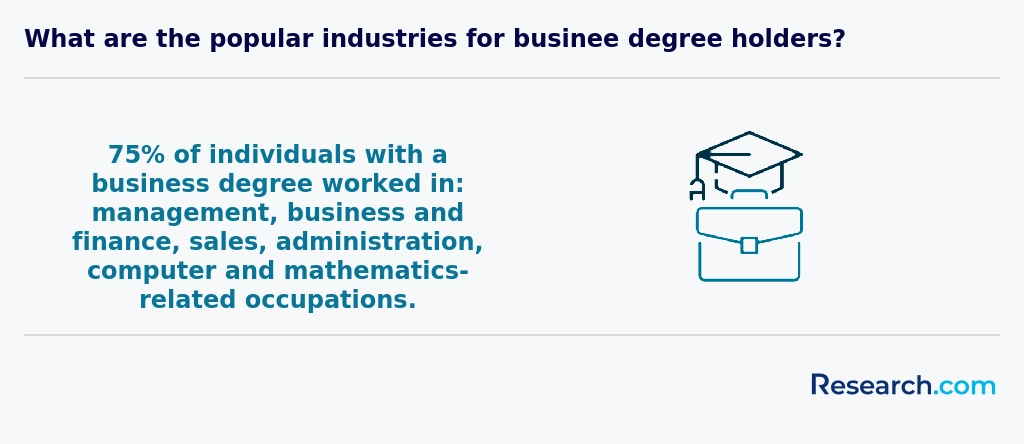
Graduates with a business degree in Milwaukee often find themselves stepping into eclectic career paths that mirror the city's vibrant economic pulse. Imagine a Milwaukee-based alumnus diving into financial analysis at a regional bank, harnessing local market insights gained from weekend classes at a renowned business school. This hands-on learning nurtures confidence for thriving in the financial services sector, a top avenue among business degree career opportunities in Milwaukee.
Others tap into the city's energetic marketing scene-crafting digital campaigns for growing startups or managing brand presence at manufacturing giants. Their classroom experiences turn into real-world digital strategies fueling Milwaukee's shift toward e-commerce. This direct connection between education and innovation makes Milwaukee business degree job prospects feel tangible and exciting.
Management roles also beckon, with graduates stepping into project and operations management amidst Milwaukee's stable manufacturing and healthcare industries. The region's affordable education, highlighted in programs reflected in the Most Affordable Online Business Degree Programs Ranking in Philadelphia, PA, inspires many to pursue their dreams without financial strain.
Entrepreneurial spirits thrive too, launching ventures supported by local incubators and economic development initiatives. Business students from Milwaukee's colleges carry this spirit forward, fueled by real-life mentorship and community vibrancy, ensuring their ambitions merge seamlessly with tangible opportunities.
What is the job market for business degree in Milwaukee?
The business degree job outlook Milwaukee graduates encounter is a dynamic landscape pulsing with opportunity. Imagine stepping out of the University of Wisconsin-Milwaukee's classrooms into a city alive with giants like Harley-Davidson and Northwestern Mutual, where your knowledge in finance or management isn't just theory-it's currency. Graduates often share stories of landing roles that leverage their skills in analytics and digital marketing at innovative startups thriving amidst Milwaukee's evolving business ecosystem. This tangible connection between education and employment fuels a sense of optimism and drive.
Milwaukee business degree employment opportunities expand across sectors-from supply chain management to marketing specialists-offering rising salaries starting around $45,000 and climbing with experience. Public universities keep education affordable, making the path smoother for young professionals eager to plunge into this vibrant market. Networking events and internships often act as springboards, transforming classroom theories into real-world success. For those considering an accelerated route to launch their careers, a bachelor's degree fast track can be a game changer.
Frequently Asked Questions About business
Business degree students in Milwaukee can maximize their learning by engaging actively with local economic resources. Milwaukee's economy is diverse, with strong sectors in manufacturing, finance, and healthcare, offering students practical internship opportunities to apply classroom theories. The Wisconsin Department of Workforce Development reports that Milwaukee's business services sector grew by 3.5% in 2023, indicating increasing job prospects for graduates.
Students should also leverage connections within Milwaukee's vibrant small business scene and attend networking events hosted by organizations like the Metropolitan Milwaukee Association of Commerce. Additionally, enrolling in courses offering case studies specific to regional companies strengthens understanding of local market dynamics.
Participating in collaborative projects with Milwaukee firms or pursuing mentorship programs through university partnerships enhances real-world skills essential for career success.
Emerging niches within the business field in Milwaukee reflect broader national trends while addressing local economic demands. One growing area is data analytics, where businesses increasingly rely on data-driven decision-making. The Milwaukee 7 initiative highlights data science as a regional priority, with demand for professionals skilled in interpreting business data rising steadily.
Another expanding niche is sustainable business management. Milwaukee's focus on green technologies and corporate social responsibility has prompted educational programs to integrate sustainability into their curricula. This aligns with the city's efforts to boost eco-friendly industries.
Additionally, healthcare administration is gaining prominence, driven by Milwaukee's strong healthcare sector. According to the Milwaukee Health Care Partnership, leadership in healthcare businesses offers solid career opportunities connected to the city's expanding medical institutions.
These specialized fields provide practical paths for Milwaukee students seeking business degrees tailored to current and future market trends.
Graduating with a business degree in Milwaukee positions students well, as the city hosts a diverse economy including manufacturing, finance, and healthcare sectors. To prepare for the job market, students should engage in internships or cooperative education programs during their studies. Local companies such as Northwestern Mutual and Rockwell Automation often offer valuable work experience opportunities.
Networking is crucial; attending events organized by the Milwaukee Chamber of Commerce or business clubs at universities can connect graduates with potential employers. According to the Milwaukee Workforce Innovation Board, sectors like finance and professional services are expected to grow by 3% annually through 2027, increasing demand for business graduates.
Also, developing skills in data analytics and digital marketing can enhance employability. Milwaukee's economic development data shows that about 70% of business roles now require proficiency with technology tools, emphasizing continuous learning beyond the degree.
Employers in Milwaukee prioritize a blend of technical and soft skills when hiring business degree graduates. Analytical abilities remain crucial, as Milwaukee's diverse economy demands data-driven decision-making. According to the Milwaukee Economic Development Corporation, proficiency in financial analysis and market research is highly valued.
Communication skills, both written and verbal, are consistently sought after by local employers. Milwaukee's business sector, which includes manufacturing and healthcare, requires graduates who can collaborate across departments effectively.
Leadership and project management are other key skills. The Wisconsin Department of Workforce Development highlights that employers in Milwaukee often look for candidates who can lead teams and manage complex projects efficiently.
Additionally, familiarity with business software such as Excel and enterprise resource planning (ERP) systems boosts a candidate's appeal in the job market.
Finding internships in Milwaukee relevant to a business degree involves leveraging local resources and industry connections. Milwaukee is a hub for finance, manufacturing, and healthcare companies that often offer internships suited for business students. According to the Milwaukee Economic Development Corporation, key employers like Northwestern Mutual and Harley-Davidson provide structured internship programs annually.
Students should begin by contacting career services at local universities such as the University of Milwaukee or Marquette University. These offices maintain relationships with area businesses and post internship openings.
Networking is crucial; attending Milwaukee business events or joining professional organizations like the Milwaukee Chamber of Commerce increases internship opportunities. Online platforms such as Handshake and LinkedIn also list many internships specifically in Milwaukee's business sector.
Additionally, the Wisconsin Department of Workforce Development reports that internships in Milwaukee's business sector have grown by 8% over recent years, reflecting a strong local commitment to practical training.
In Milwaukee, earning a business degree significantly enhances career mobility and advancement opportunities. According to the Milwaukee Business Journal, local employers frequently prioritize candidates with formal business education for roles in management, finance, and marketing. A 2023 report from the U.S. Bureau of Labor Statistics highlights that business degree holders in Milwaukee earn on average 20% more than those without a degree in related fields.
Furthermore, Milwaukee's growing sectors such as manufacturing, healthcare, and financial services often require professionals with business acumen to lead projects and optimize operations. Networking opportunities through local universities also help graduates connect with Milwaukee's corporate community, fostering career growth.
Studying for a business degree in Milwaukee equips students with skills that extend beyond traditional business knowledge, fostering interdisciplinary capabilities vital for today's complex job market. Milwaukee's business programs often integrate courses from economics, information technology, communications, and social sciences, encouraging a broad understanding of various fields.
Local universities collaborate with Milwaukee's diverse industries-including manufacturing, finance, and healthcare-to offer practical experiences. For example, internships and projects with firms like Northwestern Mutual and Harley-Davidson provide students real-world problems that demand cross-functional teamwork.
According to the Milwaukee 7 regional economic data, interdisciplinary skills significantly increase employability and leadership opportunities within the city's evolving economy.
Choosing between a thesis and a non-thesis business degree program in Milwaukee depends largely on your career goals and learning preferences. Thesis programs emphasize research skills and are suitable if you plan to pursue a PhD or a research-oriented role. Non-thesis options focus on practical skills through coursework and internships, ideal for immediate entry into Milwaukee's diverse economy, which includes key sectors like manufacturing and finance (U.S. Bureau of Labor Statistics, 2023).
Thesis students often need 6 to 12 months to complete their research project, while non-thesis tracks may allow faster graduation. Milwaukee's universities typically offer both, so reviewing program specifics helps align with your professional ambitions.
Students in Milwaukee seeking to study business abroad have several options thanks to partnerships between local universities and international institutions. For example, the University of Wisconsin-Milwaukee (UWM) offers exchange programs allowing business students to study in Europe, Asia, and Latin America. These programs enable students to earn credits toward their degrees while gaining global experience.
Additionally, private programs and study abroad providers collaborate with Milwaukee institutions to offer short-term business-focused international internships and courses. According to the Institute of International Education, business remains one of the most popular fields for U.S. students studying abroad, with nearly 20% of participants majoring in business, management, or finance in recent years. These opportunities help Milwaukee students develop a competitive edge in the global business environment.
Students pursuing business degrees in Milwaukee have several part-time job opportunities that directly complement their education. Positions such as financial clerks, sales associates, and marketing interns allow students to apply theoretical knowledge in practical settings. According to the U.S. Bureau of Labor Statistics, Milwaukee's retail and financial sectors continue to grow steadily, providing a range of roles for business students.
Internships in local firms, including startups and established companies in Milwaukee's expanding business districts, offer exposure to real-world management and operations.
Additionally, roles in customer service and event coordination help develop communication and organizational skills valuable in business careers.
Milwaukee offers robust networking opportunities for business students through its diverse professional organizations and local industry connections. Students can engage with groups like the Milwaukee Chamber of Commerce, which hosts regular events attracting business leaders and entrepreneurs. These gatherings provide chances to build relationships and learn about local market trends.
Additionally, universities often partner with prominent companies in sectors such as manufacturing, finance, and technology, creating internships and mentorship programs. According to the Milwaukee 7 economic development organization, the region supports over 2,500 businesses, enabling students to connect with a wide range of professionals.
Networking events, career fairs, and alumni groups further enhance opportunities for building contacts in Milwaukee's growing business community.
Alumni networks play a crucial role in supporting business degree students in Milwaukee by offering valuable connections within the local economy. Milwaukee's strong presence in industries like manufacturing, finance, and healthcare creates abundant networking opportunities through alumni who have established careers in these fields. According to the Greater Milwaukee Committee, nearly 70% of job placements for recent graduates occur through professional connections, highlighting the importance of alumni ties.
These networks often organize events, mentorship programs, and workshops, helping students gain insights and career guidance from experienced professionals. They also provide access to exclusive internships and job openings, giving students a competitive advantage in the Milwaukee job market.
Engagement with alumni can enhance practical knowledge beyond classroom learning and foster long-term professional relationships, which are critical for career advancement in the region.
Customizing a business degree program in Milwaukee allows students to align their education with specific career ambitions. Many local institutions offer various concentrations such as finance, marketing, supply chain management, and entrepreneurship. According to the Wisconsin Department of Workforce Development, Milwaukee's economy is strong in manufacturing, finance, and healthcare, suggesting these areas provide promising job opportunities.
Students can choose electives and internships that develop skills relevant to the local market. For example, pursuing an internship with Milwaukee-based companies like Northwestern Mutual or Harley-Davidson can provide hands-on experience in top regional industries.
Additionally, some schools offer flexible course formats, including evening and online classes, which accommodate working professionals aiming to enhance their qualifications without interrupting their careers.
Business students in Milwaukee often face challenges related to balancing academics with work or family commitments. According to the U.S. Bureau of Labor Statistics, many students in the area work part-time or full-time while studying, which can limit time for coursework and networking.
Another common issue is adapting to rapidly changing technology in business education. Milwaukee's growing emphasis on data analytics and digital marketing means students must quickly develop new technical skills.
Additionally, competition for internships and job placements in the local market can be intense, as Milwaukee's economy continues its shift to service and manufacturing sectors. Access to up-to-date resources and professional connections is critical for success.
Pursuing a business degree in Milwaukee opens opportunities for various professional certifications that enhance career prospects. Common certifications include the Certified Public Accountant (CPA), ideal for accounting graduates seeking licensure recognized across Wisconsin. Milwaukee's strong finance sector increases demand for CPAs.
Another valuable option is the Project Management Professional (PMP), which is highly regarded in Milwaukee's growing manufacturing and logistics industries. This certification signals expertise in managing projects efficiently.
For those interested in finance, the Chartered Financial Analyst (CFA) credential is respected nationally and offers advancement in investment and financial analysis roles, relevant to Milwaukee's banking segment.
Additionally, the Certified Management Accountant (CMA) is popular among Milwaukee professionals focusing on financial management and strategic business decisions.
To write a winning application for a business program in Milwaukee, start by clearly demonstrating your interest in the local economy. Milwaukee's business sector is known for manufacturing, finance, and healthcare, so highlighting relevant experience or goals aligned with these industries can strengthen your application. According to the Greater Milwaukee Committee, the metro area added over 15,000 business jobs in 2023, reflecting growth that business schools value in prospective students.
Next, focus on your academic achievements, especially in quantitative subjects like economics, math, or accounting. Strong grades and standardized test scores remain important for many programs.
Prepare a personalized statement that explains your career ambitions and how a degree in Milwaukee will support them. Mention specific faculty, curriculum strengths, or internship opportunities within the city's vibrant business community.
Finally, secure professional recommendations that speak to your leadership, analytical skills, and commitment. Milwaukee employers often appreciate applicants who demonstrate community involvement and practical experience.
Business careers today require a global mindset, especially for students studying in Milwaukee, a city with growing international trade ties. According to the Milwaukee World Trade Center, local businesses exported over $16 billion in goods in recent years, highlighting the importance of understanding global markets.
Many US employers value graduates who can navigate cross-cultural communication and international regulations. Business degrees often include courses on global economics, international marketing, and supply chain management to prepare students for these challenges.
Furthermore, organizations like the Association to Advance Collegiate Schools of Business (AACSB) emphasize global competency as a core skill for business graduates. This ensures schools in Milwaukee align curricula with worldwide business trends and practices.
Gaining practical experience while studying for a business degree in Milwaukee can significantly enhance your career prospects. Many local universities, such as the University of Wisconsin-Milwaukee and Marquette University, offer internship programs that connect students with Milwaukee's diverse business community. According to the Greater Milwaukee Committee, internships in industries like manufacturing, finance, and healthcare are widely available, reflecting the city's economic strengths.
Additionally, students can join co-op programs or work-study opportunities, allowing them to earn credit while gaining real-world skills. Milwaukee's vibrant small business scene also provides chances for hands-on entrepreneurial experience.
Networking events and student business organizations are other practical avenues to build connections and learn from professionals.
Choosing the right concentration within a business degree program in Milwaukee involves evaluating your career goals and local market needs. Milwaukee's economy, with strong sectors like manufacturing, finance, and healthcare, shapes demand for business skills. For example, concentrations in supply chain management or finance align well with regional employers such as Rockwell Automation and Northwestern Mutual.
Research labor market trends and job placement rates at Milwaukee institutions to understand which concentrations lead to higher employment. According to the Milwaukee 7 economic development coalition, finance and management skills remain highly sought after. Also consider your personal strengths and interests to ensure long-term engagement and success.
Related Business Rankings for Nearby Cities
- 2027 Most Valuable Business Degree Programs Ranking in Kenosha
- 2027 Most Valuable Business Degree Programs Ranking in Madison
- 2027 Most Valuable Business Degree Programs Ranking in River Forest
- 2027 Most Valuable Business Degree Programs Ranking in Chicago
- 2027 Most Valuable Business Degree Programs Ranking in Grand Rapids
- 2027 Most Valuable Business Degree Programs Ranking in Dubuque
- 2027 Most Valuable Business Degree Programs Ranking in West Lafayette
- 2027 Most Valuable Business Degree Programs Ranking in Fort Wayne
- 2027 Most Valuable Business Degree Programs Ranking in Ann Arbor
- 2027 Most Valuable Business Degree Programs Ranking in Indianapolis
Top Trending Business Rankings
See What Experts Have To Say About Studying Business
Read our interview with Business experts

Ingrid S. Greene
Business Expert
Clinical Assistant Professor of Management
Loyola Marymount University


David W. Stewart
Business Expert
Emeritus President's Professor of Marketing
Loyola Marymount University

References
- 55 Trending Business Ideas for 2025 and Beyond https://www.uschamber.com/co/start/business-ideas/top-trending-business-ideas
- 60 Career Development Goals Examples: 30 Short-Term & 30 Long-Term Goals https://www.qooper.io/blog/career-development-goals-examples
- Business Administration | WLC https://www.wlc.edu/academics/programs/business-administration.html
- Bringing global perspectives to leadership in business https://www.eaie.org/resource/global-perspectives-leadership-business.html
- Bachelor of Business Administration: General Business https://www.alfabetaglobal.com/schools/university-of-wisconsin-milwaukee-uwm/programs/bachelor-of-business-administration-general-business-e67b1bee-6a3c-463a-9784-116d7b30afb1
- 8 Best Places to Study Abroad for Business [+ How to Choose] https://www.semesteratsea.org/study-abroad-for-business/
- 1. Online registration https://moderna.edu.pl/majors/management/bachelor-of-management/business-management/
- Career Goals: 17 Inspirational Examples for you in 2026 https://www.imd.org/blog/learning-and-development/career-goals/
- Networking Tips for Business Students: Building a Foundation for Success https://londonsba.org.uk/blog/networking-tips-for-business-students-building-a-foundation-for-success/
- Professional Business Certifications to Boost Your Career in 2025 https://www.business.com/articles/best-business-certifications/