2027 Most Popular Business Degree Programs Ranking in Newark

Co-Founder and Chief Data Scientist
Choosing the right business degree program can be a challenging decision for students in Newark. To help, this article presents the 2027 Most Popular Business Degree Programs Ranking in Newark, developed by Research.com's expert data scientists.
This ranking offers clear insights into which programs are highly regarded and where you can gain valuable skills for your future career.
Exploring these options will empower you to make an informed choice and take a confident step toward a rewarding business education. A business degree can open doors and create exciting opportunities ahead.
Key benefits of getting business degree in Newark
- Salary benefits: Business degree graduates in Newark can earn attractive salaries, with roles like Business Development Executive paying a mean annual wage of $83,190 and Business Analysts earning around $112,950 per year.
- Career opportunities: Graduates from Newark's popular institutions often pursue diverse career paths such as marketing, consulting, or finance, showcasing the degree's flexibility and strong local demand.
- Online degree advantages: Earning a business degree online in Newark offers flexibility for working students and faster completion times while maintaining quality education, helping graduates quickly enter or advance in the business world.
- Key benefits of getting business degree in Newark
- What can I expect from business degree in Newark?
- Where can I work with business degree in Newark?
- How much can I make with business degree in Newark?
- 2027 Most Popular Business Degree Programs Ranking in Newark
- Key Findings
- How long does it take to complete business degree in Newark?
- Accreditation and Program Recognition
- What's the difference between online and on-campus business degree?
- Campus Life and Community Engagement in Newark
- What is the average cost of business degree in Newark?
- Choosing the Right Business Program in Newark, NJ
- What financial aid is available to business degree students in Newark?
- What are the prerequisites for enrolling in business degree program in Newark?
- Application Tips and Timeline for Business Programs in Newark, NJ
- What courses are typically in business degree programs in Newark?
- What types of specializations are available in business degree programs in Newark?
- How do you choose the best business degree in Newark?
- What career paths are available for business degree students in Newark?
- What is the job market for business degree in Newark?
- Top Trending Business Rankings
- See What Experts Have To Say About Studying Business
What can I expect from business degree in Newark?
Students pursuing business degrees in Newark can typically expect the total cost to range widely depending on the institution and degree level. For example, community colleges in Newark offer associate degrees with annual tuition fees around $5,000 to $8,000, making this path an affordable option for many local students balancing work and study.
Graduates from Newark-based universities pursuing bachelor's degrees often encounter costs between $12,000 and $25,000 per year, especially at public institutions known for their strong business programs. These students frequently share positive experiences about combining internships with companies like Prudential Financial or Panasonic, which help justify the investment by providing valuable hands-on exposure and networking opportunities.
Master's programs in business and related fields generally cost upwards of $20,000 annually, yet many students find financial aid and scholarships accessible, which helps ease the financial burden. The payoff often comes in the form of competitive jobs within Newark's vibrant market or in nearby NYC, reflecting the city's growing economy and dynamic industries.
Where can I work with business degree in Newark?
Business graduates in Newark find themselves at the heart of a vibrant job market shaped by the city's unique position as a logistics and financial hub. Imagine a recent graduate from Rutgers University-Newark stepping into a role at a leading transportation company, managing supply chain operations that connect the broader New York metropolitan area. Their education prepares them to navigate challenges in real time, applying classroom knowledge to streamline processes in dynamic industries.
Others from local colleges are thriving in Newark's booming finance sector, benefiting from proximity to Wall Street. They land positions in investment firms or insurance companies, where their skills in financial analysis and strategic planning become vital. One graduate shared the excitement of joining a startup incubated by the Newark Innovation Acceleration Center, where innovative marketing strategies and agile business development are daily pursuits.
Healthcare organizations and municipal agencies also provide promising avenues. Business students from Newark Institute of Arts and Sciences find rewarding careers in healthcare administration and public budgeting, proud to contribute to their community's growth. The city's continual investment in entrepreneurship and urban development means fresh opportunities are always emerging, inviting graduates to build fulfilling careers right where they studied.
How much can I make with business degree in Newark?
Graduates holding a business degree in Newark often find promising salary opportunities that reflect both local market growth and their academic investment. Business analysts from Newark's well-known universities typically earn a mean annual wage of about $112,950, highlighting how specialized analytical skills are highly valued by employers in the area. This figure creates an encouraging outlook for graduates eager to contribute to data-driven decision-making within Newark's flourishing corporate sector.
For those who pursue roles as business development executives, the mean wage averages around $83,190 annually, a testament to the city's vibrant networking and entrepreneurial atmosphere. Graduates feel energized knowing that such positions offer substantial earning potential early in their careers, especially when paired with internship experiences obtained at Newark-area companies during their studies.
Envision a recent graduate leveraging connections built during their time at Newark's business schools, stepping confidently into roles where a strong foundation in business strategy translates into rapid professional growth. With ongoing demand for keen problem solvers and relationship builders, these salary levels underscore why Newark remains a sought-after destination for aspiring business professionals aiming for rewarding careers.
2027 Most Popular Business Degree Programs Ranking in Newark
How do we rank schools?
Investing in your education is a significant decision that can profoundly impact your career and future. The Research.com team recognizes the importance of making well-informed choices and has dedicated extensive efforts to ensure the quality, credibility, and accuracy of the "2027 Most Popular Business Degree Programs Ranking in Newark." This ranking is the result of thorough research and careful analysis, drawing from multiple authoritative sources.
We utilized the following reputable data sources to provide a comprehensive evaluation of business programs:
By reviewing this ranking, readers will gain valuable insights that help identify top business degree programs in Newark, empowering them to choose paths that align with their professional goals. For more information on how this ranking was created, please visit our Research.com methodology page.


Key Findings
- The average annual tuition for business programs in Newark ranges from about $10,000 at public universities to over $30,000 at private colleges, with additional fees adding 10-20% more.
- Entry-level salaries for business graduates in Newark typically range from $50,000 to $60,000, while experienced professionals can earn over $90,000 annually.
- The local job market features key industries like finance, transportation, healthcare, and professional services, with an unemployment rate for business graduates around 3-4%.
- Business programs in Newark include associate degrees, MBAs, and specialized certificates, often with internship and cooperative education opportunities.
- Newark's connections to major corporations and proximity to New York City offer expanded networking and career opportunities beyond the local area.
How long does it take to complete business degree in Newark?
In Newark, completing a business degree typically spans about four years of full-time study, as experienced by many graduates from institutions like Rutgers Business School. These students often describe the journey as intensive but rewarding, with foundational courses in accounting, marketing, and management shaping their future careers.
Flexible options offered by Newark colleges allow part-time students-often working professionals or parents-to extend their studies to five or six years. These graduates frequently express gratitude for the chance to balance life and learning without sacrificing progress, highlighting evening classes and online modules as key enablers.
Accelerated programs are gaining traction among motivated students eager to enter the workforce quickly. Some Newark business students report completing their degrees in as little as two to three years by taking heavier course loads or attending summer sessions. This intensity demands strong dedication but brings a sense of accomplishment and speed in achieving career goals.
Graduate business students pursuing MBAs in Newark also find diverse options: full-time programs last about two years, while part-time and executive tracks offer flexibility up to four years. Many celebrate the opportunity to tailor their education to fit demanding schedules while building valuable networks.
Accreditation and Program Recognition
Selecting a business degree in Newark, NJ, backed by reputable accreditation is essential for ensuring academic rigor, smooth credit transfers, and strong employer recognition. The gold standard for business schools is AACSB (Association to Advance Collegiate Schools of Business) accreditation, earned by fewer than 5% of global business programs. In Newark, Rutgers University–Newark and NJIT both hold AACSB accreditation, reflecting their commitment to continuous improvement, faculty research, and student learning outcomes. Other respected accreditors include ACBSP (Accreditation Council for Business Schools and Programs) and IACBE (International Accreditation Council for Business Education), which focus on teaching excellence and student engagement. Accredited programs must undergo regular peer reviews, demonstrating transparent reporting of graduation rates, job placement statistics, and alumni satisfaction-key metrics that prospective students should examine before applying. For those considering accelerated graduate study, exploring an online mba in one year can offer both AACSB-certified options and the flexibility to complete advanced coursework in twelve months. Verifying accreditation not only safeguards your investment but also enhances access to federal financial aid and professional certifications. Before committing, visit each institution’s accreditation page, review the latest audit reports, and connect with alumni through LinkedIn to confirm that program promises align with real-world outcomes. A well-accredited business degree lays the foundation for lifetime career growth and industry credibility.
What's the difference between online and on-campus business degree?
Graduates from Newark's business programs often describe on-campus degrees as vibrant experiences filled with spontaneous interactions and networking bursts. Attending schools like Rutgers University-Newark, they cherish moments in bustling study lounges or career fairs tied directly to Newark's thriving business districts. This face-to-face engagement fosters immediate feedback and builds relationships that can lead to internships within Newark's dynamic corporate scene.
Conversely, alumni of online programs from local institutions highlight the empowering flexibility that fits their busy lifestyles. For example, working professionals balance coursework around family or jobs without the stress of Newark's urban commute. Their journeys emphasize self-motivation and time management, skills invaluable in today's evolving business world. Online students still connect through virtual sessions and webinars, supported by accredited programs ensuring quality comparable to traditional offerings.
As Newark's economy grows, the blend of traditional and digital education methods is reshaping business degrees, promising even more customized learning paths that reflect individual needs and city-specific opportunities.
Campus Life and Community Engagement in Newark
The student experience goes beyond the classroom, and one of the critical factors prospective business degree candidates should consider is the vibrant campus life and community engagement opportunities available in Newark, NJ. Many institutions in Newark offer a blend of academic excellence coupled with enriching extracurricular activities that foster personal growth, cultural diversity, and professional networking. Students benefit from engaging campus events, leadership development clubs, and community service initiatives that not only enhance their resumes but also provide a supportive environment for developing soft skills. At the heart of student life in Newark is a thriving local community that creates ample opportunities for internships, mentorships, and networking. Many graduates have shared that their active participation in campus organizations and community projects was pivotal to building lasting professional relationships. This immersive experience is crucial as it helps answer the common question among prospective students whether are business degrees worth it in today's competitive market. Furthermore, institutions in Newark frequently collaborate with local businesses and industry leaders to bring real-world projects into the campus, enhancing both in-class learning and practical experience. Such partnerships offer students a glimpse into the professional world, preparing them for a seamless transition from academic endeavors to career success. The diverse cultural backdrop of Newark also provides a unique environment where students can explore various viewpoints, which is essential for a holistic business education. Embracing the campus life and community engagement opportunities means more than just attending classes-it’s about creating memories, building a robust support network, and gaining firsthand experience in solving real-world challenges. For many, these experiences form a critical part of their transformative journey toward becoming well-rounded business professionals.
What is the average cost of business degree in Newark?
The average cost of a business degree in Newark typically falls around $18,612 for in-state students, reflecting a more accessible path compared to the nearly $57,000 median total cost faced by out-of-state students. Many graduates from Rutgers University-Newark recall balancing rigorous coursework with part-time jobs, appreciating how reasonable tuition allowed them to focus on gaining real-world business experience rather than worrying excessively about financial strain. This balance underscores how Newark's educational institutions cater to diverse financial backgrounds while still delivering strong business curricula.
Community colleges such as Essex County College provide an even more affordable start, with many local students choosing this route to take advantage of associate degrees or transfer agreements that ease the total cost burden. These students often share a sense of pride in strategically managing their education investments without sacrificing quality. The total tuition and fees for business degree Newark students can vary broadly, but with available scholarships and financial aid, the financial hurdle can be significantly lowered for those who seek it.
Looking ahead, evolving scholarship programs and regional partnerships suggest that the average cost of a business degree in Newark may become increasingly competitive, making it a compelling choice among urban business programs. For prospective students interested in exploring options, the best popular business colleges in Newark offer practical pathways that combine affordability and academic rigor, helping to shape confident future business leaders.

Choosing the Right Business Program in Newark, NJ
When navigating the diverse landscape of business education in Newark, NJ, it's essential to consider several factors to ensure you find a program that aligns with your career aspirations and personal growth. One crucial aspect is understanding the reputation and outcomes of potential programs, which can significantly impact your future career prospects. For instance, exploring the best popular business colleges can provide valuable insights into which institutions are not only reputable but also offer specializations that resonate with your interests. By delving into the specifics of each program, including curriculum, faculty expertise, and alumni success stories, you can make an informed decision that sets you on a path to success. This thoughtful approach to selecting a business program is critical in a city like Newark, where the business community is vibrant and diverse, offering a wide range of opportunities for graduates to make a meaningful impact.
What financial aid is available to business degree students in Newark?
Business students in Newark often find a variety of financial aid options that make pursuing their degrees more achievable and less stressful. Graduates from Rutgers University-Newark recall how merit-based scholarships, sometimes reaching $5,000 annually, eased their financial worries, allowing them to focus more on studies than debt. Community college attendees appreciate how smaller institutional grants, combined with federal Pell Grants-which can provide up to $7,395 per year-greatly reduced their tuition costs.
Many students rely on federal financial aid through FAFSA, unlocking access to Direct Subsidized and Unsubsidized Loans with manageable interest rates and repayment plans tailored to new graduates' needs. Some even benefit from specialized programs like Public Service Loan Forgiveness, especially those aspiring to serve in government or nonprofit sectors in Newark's diverse economy.
Newark's work-study initiatives also play a pivotal role, offering hands-on experience while providing income. Students often share how local business partnerships helped them build invaluable networks, blending professional growth with financial support. Emerging trends suggest increasing collaboration between universities and private scholarship programs, potentially expanding aid options tailored for Newark's ambitious business learners.
What are the prerequisites for enrolling in business degree program in Newark?
Enrolling in a business degree in Newark typically starts with completing a high school diploma or GED, a fundamental step experienced by many successful graduates from well-known local universities. These students often recall how a strong background in math and English helped them confidently tackle complex business concepts later on, making prerequisite coursework in economics or computer science valuable and often recommended by Newark institutions.
Standardized tests like the SAT or ACT remain important for many programs, though a growing number of Newark colleges embrace test-optional policies, reflecting evolving admissions trends. This flexibility has been a relief for several recent enrollees who felt more confident focusing on holistic parts of their applications.
Transfer and graduate applicants at Newark's respected business schools share that providing transcripts and letters of recommendation-sometimes alongside relevant work experience-strengthened their candidacy and connected their academic journey to real-world business environments.
Financial aid opportunities also evoke positive feelings among students, who highlight how scholarship support at Newark institutions made pursuing business degrees less daunting amid rising tuition costs.

Application Tips and Timeline for Business Programs in Newark, NJ
Planning ahead is crucial when applying to business degree programs in Newark. Follow this timeline to stay on track and boost your chances of admission: 1. Twelve Months Before Enrollment - Research program options at Rutgers University–Newark, NJIT, and other accredited schools. - Attend virtual or in-person open houses to compare curriculum, faculty expertise, and campus culture. - Explore financial aid options, and bookmark key deadlines for FAFSA and institutional scholarships. 2. Nine Months Before Enrollment - Request transcripts from all previous institutions and confirm GPA requirements (typically 2.5+). - Prepare for and schedule standardized tests (SAT or ACT) if required-many schools have moved to test-optional but strong scores can still strengthen your application. - Draft a personal statement that highlights your leadership experiences, career goals, and community involvement. 3. Six Months Before Enrollment - Line up two to three letters of recommendation from professors, supervisors, or mentors who can attest to your analytical and communication skills. - Polish your resume, emphasizing internships, volunteer work, and project-based achievements. - Complete online application forms, ensuring all fields are accurate; consider setting calendar reminders for final edits. 4. Three Months Before Enrollment - Submit FAFSA by the priority deadline to maximize federal aid eligibility. - Apply for merit scholarships and competitive awards-many local organizations in Newark offer grants specifically for business students. - Confirm receipt of all application materials and schedule campus visits or interviews if offered. 5. One Month Before Enrollment - Review acceptance letters and compare financial aid packages. - Enroll in orientation sessions and register for initial advising appointments. - For those seeking additional cost-effective paths, consider programs featured in our Affordable Online Business Degree Programs Ranking in Saint Charles, MO to supplement your Newark experience. By adhering to this timeline and leveraging targeted application tips, you’ll present a compelling profile to admissions committees and secure a spot in Newark’s top business programs.
What courses are typically in business degree programs in Newark?
Business degree programs in Newark typically include courses that blend foundational knowledge with hands-on learning, preparing students for dynamic careers. Graduates from local colleges often reflect on how classes like Principles of Management and Financial Accounting equipped them to navigate real-world challenges, such as leading team projects or managing budgets during internships at nearby companies.
Courses like Marketing Fundamentals and Business Law help students understand consumer behavior and legal frameworks, with many sharing enthusiasm for projects based on Newark's diverse markets and regional regulations. Economics and Statistics courses allow learners to interpret market trends and data-skills they describe as invaluable when collaborating on case studies involving Newark's logistical and financial sectors.
Operations Management and Business Ethics resonate deeply with students, especially when applied to internships in Newark's thriving manufacturing or startup scenes. These experiences often spark a sense of excitement and confidence, as students see the direct impact of their decisions on local businesses and communities, making the coursework feel both relevant and inspiring.
What types of specializations are available in business degree programs in Newark?
Business degree specializations in Newark continue to evolve, reflecting the city's vibrant economic landscape. Graduates from Newark's prominent colleges often highlight Finance, Marketing, and Management as core options, each offering practical skills essential for thriving in local industries. For example, a graduate focusing on Finance might secure a position at a major bank in downtown Newark, leveraging knowledge in investment strategies and risk assessment to navigate the financial sector's complexities.
Looking forward, specializations such as Supply Chain Management and Entrepreneurship are gaining momentum, especially given Newark's strategic port location and innovation ecosystem. Students who specialize in these areas often share enthusiastic stories about starting ventures or optimizing logistics for local businesses. This dynamic environment embodies the popular business majors Newark 2027 will emphasize, blending traditional expertise with emerging opportunities.
Many who consider whether are business degrees worth it in Newark find that Information Systems Management is a growing specialization, combining technology with business strategy to address digital transformation challenges across industries. This forward-thinking approach reflects how students prepare to meet the demands of tomorrow's marketplace while enjoying the supportive academic culture typical of Newark's universities.
How do you choose the best business degree in Newark?
Choosing the best business degree in Newark means looking beyond just the classroom. Graduates often share how crucial accreditation was in their decision-making to ensure their degree held weight in the competitive job market. Newark, with its unique commercial environment, allows students to engage with programs that emphasize practical skills tied to local industries like logistics and international trade. This makes the experience vibrant and relevant, fueling excitement about future career prospects.
The affordability factor also shapes choice; many find balancing tuition with living expenses critical, especially when exploring affordable business degrees Newark 2027 offers. Recent graduates from prominent Newark colleges highlight how selecting programs with flexible formats-such as part-time or hybrid options-helped them manage work and study commitments efficiently. Some even pursued an online mba in one year, accelerating their path without sacrificing income.
Specialization areas tuned to emerging trends, like technology management or international business, create a sense of optimism among students eager to impact Newark's dynamic economy. Networking through internships and connections in Newark's business community further enhances confidence, helping shape a clear career vision rooted in real, tangible experiences.
What career paths are available for business degree students in Newark?
Graduates holding a business degree in Newark find diverse career opportunities that reflect the city's dynamic economy and proximity to New York City. Many alumni from Newark's well-regarded colleges step confidently into finance and banking roles, leveraging internships with regional investment firms or major banks. These grads often share stories of early success as financial analysts or loan officers, motivated by attractive salaries and clear pathways for advancement. Exploring jobs for business graduates in Newark also reveals strong potential in logistics and supply chain management, where the city's busy port creates unique operational challenges and openings in transportation logistics, perfect for those eager to impact global commerce.
Other Newark business degree holders thrive in marketing and sales, especially in tech startups that prize skills in digital analytics and customer engagement. Meanwhile, human resources graduates demonstrate growing leadership in corporate management, often credited with improving organizational culture at local firms. Entrepreneurship is an exciting future for many, inspired by the Newark Innovation District, where new ventures flourish. Students considering their options may benefit from programs like the Affordable Online Business Degree Programs Ranking in Saint Charles, MO to fund their ambitions effectively.
What is the job market for business degree in Newark?
The job market for business degree graduates in Newark is evolving with promising growth, reflecting the city's expanding economic landscape. Newark's strategic role in finance, logistics, healthcare administration, and corporate services creates dynamic opportunities for recent graduates from local schools such as Rutgers University-Newark. Many graduates share positive experiences about entering entry-level roles offering salaries between $50,000 and $65,000, providing a solid foundation to grow professionally.
Looking ahead, the Newark business degree employment outlook appears steady, with expected job growth near 5%, suggesting sustained demand for skills in management, marketing, and financial analysis. Graduates frequently mention how the city's proximity to New York and its diverse corporate environment fuels networking and career advancement.
Students balancing studies often explore part-time options or consider programs like a master degree online 1 year, allowing them to capitalize on Newark's accessible business education while gaining relevant work experience. This flexibility helps cultivate resilient professionals ready to thrive in the evolving job market.
Frequently Asked Questions About business
Business degree students in Newark can maximize their learning by engaging with both academic and practical opportunities. Newark hosts several institutions offering strong business programs, including Rutgers University-Newark, which emphasizes experiential learning through internships and cooperative education.
Students should seek internships in Newark's growing sectors, such as financial services and logistics, to gain hands-on experience. The city's strategic location near New York City provides access to a broad network of companies for internships and mentorships.
Joining student organizations and business clubs helps build leadership skills and professional networks. Utilizing on-campus resources, such as career services and academic advising, also supports success.
According to the New Jersey Department of Labor, Newark's professional business sector grew by 3.5% in 2023, highlighting expanding local opportunities for students.
Emerging niches within the business field reflect shifts in technology, sustainability, and global markets. In Newark, there is growing demand for expertise in digital marketing analytics, driven by local companies investing in data-driven strategies. According to a 2023 report by the New Jersey Economic Development Authority, jobs in digital marketing analytics grew by 18% regionally over the past two years.
Another expanding area is supply chain management, fueled by Newark's strategic port location. Businesses seek professionals skilled in sustainable logistics and blockchain for tracking goods efficiently. Additionally, social entrepreneurship attracts students wanting to combine business knowledge with social impact, reflecting Newark's focus on community development.
These niches emphasize both innovative technology and ethical business practices, appealing to students aiming for future-proof careers.
Preparing for the job market after earning a business degree in Newark involves strategic steps tailored to the local economy. Newark's growing sectors, including finance, logistics, and healthcare, offer numerous entry points for graduates.
Networking is essential. Consider joining the Newark Regional Business Partnership or local chambers of commerce to connect with industry professionals. Internships and cooperative education programs during your studies boost practical experience, which employers highly value.
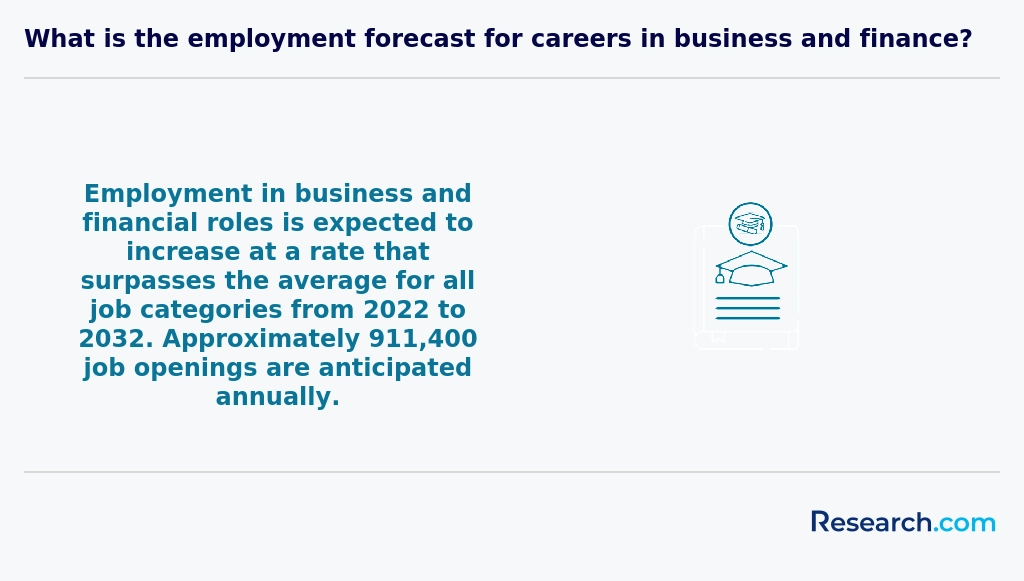
According to the New Jersey Department of Labor, business-related roles in Newark are expected to grow by 7% from 2022 to 2032, suggesting increased opportunities.
Finally, sharpening soft skills such as communication, problem-solving, and digital literacy can significantly improve employability in Newark's competitive market.
Employers in Newark seek business degree graduates who demonstrate strong analytical and communication skills. According to the Newark Alliance's 2023 workforce report, 78% of local employers prioritize critical thinking and problem-solving abilities. These skills enable graduates to navigate complex business challenges effectively.
Additionally, proficiency in data analysis and digital literacy is highly valued, reflecting the growing role of technology in business operations. The New Jersey Business & Industry Association notes that candidates with experience in financial modeling or marketing analytics often have a competitive edge.
Soft skills such as teamwork, adaptability, and leadership are also essential. Newark's diverse economy, which includes finance and logistics sectors, demands graduates who can collaborate across functions and drive projects forward efficiently.
Finding internships in Newark relevant to a business degree involves several key steps. Start by exploring local companies in finance, telecommunications, and logistics, which are strong sectors in Newark's economy, according to the Newark Regional Business Partnership. Many businesses offer summer and semester internships designed for business students.
Students should use university career services, which often have connections with employers in the Newark area. Networking events and job fairs hosted by local colleges can provide direct access to internship opportunities.
Additionally, registering on platforms like Handshake or LinkedIn and filtering for Newark-based business internships increases chances of finding suitable positions.
Contacting the Newark Workforce Development Board can also provide resources and support for securing internships.
In Newark, a business degree significantly enhances career mobility and advancement opportunities. The city's diverse economy, which includes finance, shipping, and technology sectors, values formal business education. According to the New Jersey Department of Labor, business graduates in Newark experience an average salary increase of 15% compared to those without degrees.
Employers in Newark often seek candidates with strong foundational knowledge in management, marketing, and finance. A business degree not only prepares individuals for entry-level roles but also supports progression into leadership positions.
Networking opportunities through Newark-based universities and local business organizations further boost career prospects. Access to internships and industry partnerships helps graduates integrate into the regional job market efficiently.
Studying for a business degree in Newark offers students a unique advantage in preparing for interdisciplinary roles due to the city's diverse economy. Newark is a hub for finance, transportation, healthcare, and technology industries, reflecting a variety of sectors where business skills intersect with other fields.
Programs in Newark often include coursework that integrates management, data analytics, marketing, and communication. According to the New Jersey Business & Industry Association, local employers highly value graduates who demonstrate adaptability and cross-industry knowledge.
This interdisciplinary approach equips students with the tools to collaborate across departments and innovate in complex business environments. With internships and partnerships in Newark's vibrant business community, students gain practical experience that enhances their versatility.
When choosing between a thesis and a non-thesis business degree program in Newark, consider your career goals and learning preferences. Thesis programs emphasize original research and critical analysis, ideal for students aiming for academic roles or advanced studies like a PhD. Non-thesis tracks focus more on practical skills and coursework, suitable for professionals seeking immediate application in business environments.
Newark's growing economy, with sectors like finance and logistics expanding, values candidates with strong problem-solving and communication skills. According to the Newark Regional Business Partnership, many local employers prioritize practical experience over research credentials.
Thesis programs usually require fewer courses but more time dedicated to research, while non-thesis paths often demand additional classes and may include internships. Understanding these differences helps students align their education with Newark's job market demands.
Students in Newark interested in studying business abroad have several options through exchange programs and affiliated universities. Many local institutions, such as Rutgers University-Newark, offer partnerships with global business schools, enabling students to spend a semester or year overseas. These programs often emphasize international business practices, enhancing cross-cultural skills essential in global markets.
According to the Institute of International Education, over 40% of U.S. business students participate in study abroad programs focused on finance, marketing, or management. Newark's proximity to major transport hubs also facilitates access to international opportunities. Additionally, several business schools in New Jersey provide dual-degree options with European and Asian universities, broadening students' perspectives in global commerce.
Part-time job opportunities in Newark can be valuable for students pursuing business degrees, enhancing both practical skills and resume appeal. Positions in local financial institutions such as banks and credit unions offer experience in customer service, basic accounting, and financial analysis, all relevant to business studies.
Newark's growing logistics and transportation sectors provide roles in supply chain management and operations support. According to the Newark Regional Business Partnership, these industries are among the fastest growing, making internships and part-time roles in these areas especially beneficial.
Retail and sales positions within Newark's urban centers allow students to develop skills in marketing, sales strategies, and inventory management, bridging academic knowledge with workplace realities.
Additionally, administrative assistant roles in Newark's numerous nonprofit organizations provide exposure to organizational management and fundraising efforts, key components in many business disciplines.
Newark offers strong networking opportunities for business students through its proximity to major economic hubs like New York City and its own growing business community. Students can engage with more than 200 corporate headquarters and over 3,500 businesses based in Newark, as reported by the Newark Regional Business Partnership (NRBP) in 2023.
Many local colleges collaborate with businesses to organize career fairs, internships, and mentorship programs. For example, Rutgers University-Newark hosts industry panels and networking events that connect students with professionals in finance, technology, and healthcare sectors.
Additionally, Newark's participation in initiatives such as the Urban Enterprise Zone helps students access business workshops and networking mixers, fostering valuable local industry connections.
Alumni networks provide valuable support for business degree students in Newark by fostering professional connections. Newark's robust economy, with a growing financial sector, benefits from strong ties between graduates and local employers. According to the Newark Regional Business Partnership, alumni networks help students access internships and job opportunities through referrals. These connections often lead to mentorship, which improves career readiness and increases employment rates after graduation. Studies show that business students engaged with alumni networks have a 20% higher chance of securing a position within six months of earning their degree in Newark. This network also enhances learning through real-world insights shared by experienced professionals.
Customizing a business degree program in Newark allows students to align their education with specific career goals. Many local colleges offer flexible curricula where students can choose concentrations such as finance, marketing, or entrepreneurship. For example, Rutgers University-Newark provides specialized tracks and electives designed to address industries prominent in the area, including finance and healthcare management.
Internship opportunities in Newark's growing business sector offer practical experience to complement academic studies. According to the Newark Regional Business Partnership, over 80% of students in local business programs secure internships before graduation, which enhances their career readiness.
Additionally, students may select courses emphasizing emerging fields like digital business strategies, giving them a competitive edge. Advisors often assist in tailoring course loads to fit professional ambitions, ensuring graduates have relevant skills for Newark's job market.
Business students in Newark commonly face challenges balancing rigorous coursework with part-time jobs, as many pursue degrees while supporting themselves financially. According to the National Center for Education Statistics, over 40% of undergraduates in urban areas work while studying, including Newark.
Additionally, limited access to specialized internships within Newark's competitive local economy can hinder practical experience. The city's strong focus on finance and logistics means students must often seek opportunities outside Newark to diversify skills.
Another challenge is adapting to rapidly changing technology and business trends, requiring continuous learning beyond classroom instruction. This puts pressure on students to stay current with digital tools, especially in smaller Newark colleges where resources may be more limited.
With a business degree obtained in Newark, graduates can pursue a variety of professional certifications that enhance their careers. Popular options include the Certified Public Accountant (CPA), crucial for those focusing on accounting. Newark's financial sector supports numerous CPA professionals due to the city's growing economic activity, as reported by the Newark Economic Development Corporation.
Another in-demand certification is the Project Management Professional (PMP), valued across many industries for leadership roles. The Project Management Institute notes strong PMP certification growth nationwide, including New Jersey.
Business graduates may also consider the Certified Management Accountant (CMA) or Chartered Financial Analyst (CFA), especially for careers in finance and management within Newark's expanding business services. These certifications signal specialized financial expertise sought by employers.
Professional credentials like these not only improve job prospects but often increase earning potential for Newark-based professionals in competitive job markets.
Writing a winning application for a business program in Newark requires clear focus and preparation. Start by carefully reviewing the specific requirements of local schools such as Rutgers University-Newark or New Jersey Institute of Technology. Both institutions often emphasize a strong academic record, relevant work experience, and a compelling personal statement.
Highlight any internship or job experience related to business, especially within Newark's growing finance and transportation sectors, which employ over 10,000 professionals according to the Newark Regional Business Partnership. Quantify achievements where possible to demonstrate impact.
Additionally, tailor your essays to explain why Newark's business environment uniquely fits your career goals. Schools appreciate applicants who connect local economic trends to their educational plans.
The global perspective on a business career highlights increasing interconnectedness between markets, cultures, and industries. For students in Newark, pursuing a business degree means preparing for roles that often require understanding international trade, finance, and cross-cultural communication. According to the U.S. Bureau of Labor Statistics, business and financial occupations are expected to grow 8% from 2020 to 2030, driven by global economic expansion.
Newark's proximity to New York City provides unique opportunities, as the region hosts many multinational corporations and financial institutions. This setting allows students to gain exposure to global business practices while benefiting from the U.S. higher education framework.
In addition, business programs in Newark increasingly emphasize global case studies and international internships, reflecting the need for culturally competent leaders. Such skills are crucial to navigate challenges like supply chain disruptions and evolving trade policies worldwide.
Gaining practical experience while studying for a business degree in Newark is highly achievable through internships and cooperative education programs. Many Newark-based institutions collaborate with local companies, including those in finance, logistics, and technology sectors, providing students opportunities to apply classroom knowledge in real-world settings. According to the Newark Regional Business Partnership, internships in Newark's growing business district have increased by 15% over the past three years, reflecting expanding industry engagement.
Students may also participate in consulting projects or business competitions offered by universities. These initiatives build skills in teamwork, problem-solving, and leadership. Additionally, networking events and career fairs in Newark connect students with employers seeking emerging talent. Such experiences enhance resumes and improve post-graduation employment prospects, according to the National Association of Colleges and Employers (NACE).
Choosing the right concentration within a business degree program in Newark requires understanding your career goals and the local economy. Newark is a major hub for finance, transportation, and healthcare industries, which can influence concentration choices. For example, concentrations in finance or supply chain management may align well with local employers such as Prudential Financial and Port Newark.
Research labor market trends and job growth in Newark to identify high-demand skills. According to the New Jersey Department of Labor, business-related roles in management and finance are projected to grow by about 6% through 2028.
Additionally, consider the curriculum and internship opportunities offered by Newark institutions as they can provide practical experience and networking within the city.
Related Business Rankings for Nearby Cities
- 2027 Most Popular Business Degree Programs Ranking in Jersey City
- 2027 Most Popular Business Degree Programs Ranking in New York
- 2027 Most Popular Business Degree Programs Ranking in Staten Island
- 2027 Most Popular Business Degree Programs Ranking in Madison
- 2027 Most Popular Business Degree Programs Ranking in Brooklyn
- 2027 Most Popular Business Degree Programs Ranking in Bronx
- 2027 Most Popular Business Degree Programs Ranking in Queens
- 2027 Most Popular Business Degree Programs Ranking in Old Westbury
- 2027 Most Popular Business Degree Programs Ranking in Purchase
- 2027 Most Popular Business Degree Programs Ranking in Fairfield
Top Trending Business Rankings
See What Experts Have To Say About Studying Business
Read our interview with Business experts

David W. Stewart
Business Expert
Emeritus President's Professor of Marketing
Loyola Marymount University


Ingrid S. Greene
Business Expert
Clinical Assistant Professor of Management
Loyola Marymount University

References
- Exploring Different Types of Business Majors https://www.ivywise.com/ivywise-knowledgebase/exploring-different-types-of-business-majors/
- How to gain work experience while studying - The 93% Club https://www.93percent.club/blog/work-experience-while-studying
- A guide to finding an internship https://www.ipag.edu/en/blog/guide-finding-internship
- How to Write the Perfect Cover Letter – EU Business School https://www.euruni.edu/blog/write-perfect-cover-letter/
- How to Identify Profitable Business Niches: A Guide for ... https://www.invoiceonline.com/the-entrepreneur-s-handbook/entrepreneurship/business-strategy/how-to-identify-profitable-business-niches-97365
- How Long Does It Take to Get Your Business Degree? https://www.umassglobal.edu/blog-news/long-does-take-get-your-business-degree
- Low Cost College Programs - Graduate Debt-Free w/ Financial Aid Support https://www.gatewayunj.org/cost-aid
- Enterprise project challenge https://barclayslifeskills.com/help-others/lessons/enterprise-project-challenge/
- Online Degree vs. Traditional: Choosing the Right Path https://beal.edu/online-degree-vs-traditional/
- Undergraduate Business Major Prerequisites | OnlineMBA.com https://www.onlinemba.com/resources/undergraduate-business-major-prerequisites/