2027 Best Online Master's in Business Degree Programs Ranking in Pennsylvania

Co-Founder and Chief Data Scientist
Choosing the right online master's in business degree program can shape your future career, especially in Pennsylvania's competitive market. Our article introduces the 2027 Best Online Master's in Business Degree Programs Ranking in Pennsylvania, developed by the Research.com team of data scientists to guide you toward quality programs worth considering.
By exploring this ranking, you gain clarity on the best options tailored for ambitious learners like you. Earning a business degree opens doors to growth, new opportunities, and personal achievement. Let this guide support your next step with confidence and excitement.
Key benefits of getting online business degree in Pennsylvania
- Business degree graduates in Pennsylvania can expect strong salaries, such as $166,410 annually for Product Managers and $129,330 for Operations Managers, reflecting the high demand and rewarding nature of these careers.
- Graduates from popular Pennsylvania universities often explore diverse roles like Management Consultant, Supply Chain Analyst, and Business Intelligence Analyst, offering exciting opportunities for growth and specialization.
- Completing a business degree online allows flexibility and convenience, enabling working students to balance life while gaining valuable skills, as many online graduates from Pennsylvania colleges report increased confidence and career advancement.
- Key benefits of getting online business degree in Pennsylvania
- What can I expect from online business degree in Pennsylvania?
- Where can I work with online business degree in Pennsylvania?
- How much can I make with online business degree in Pennsylvania?
- 2027 Best Online Master's in Business Degree Programs Ranking in Pennsylvania
- Key Findings
- How long does it take to complete online business degree in Pennsylvania?
- How to Apply: Step-by-Step Guide
- What's the difference between online and on-campus business degree?
- Cost Considerations and Financial Planning for Online Business Students in Pennsylvania
- What is the average cost of online business degree in Pennsylvania?
- Application Timeline and Deadlines
- What financial aid is available to online business degree students in Pennsylvania?
- Understanding the Return on Investment and Long-Term Career Benefits
- What are the prerequisites for enrolling in online business degree program in Pennsylvania?
- Accelerated 12-Month Online MBA Options
- What courses are typically in online business degree programs in Pennsylvania?
- What types of specializations are available in online business degree programs in Pennsylvania?
- How do you choose the best online business degree in Pennsylvania?
- What career paths are available for online business degree students in Pennsylvania?
- What is the job market for online business degree in Pennsylvania?
- Related Business Rankings for Nearby States
- Top Trending Business Rankings
- See What Experts Have To Say About Studying Business
What can I expect from online business degree in Pennsylvania?
The average cost of an online business degree in Pennsylvania typically ranges from $15,000 to $40,000 for the full program, depending on the institution and specific major. Graduates from prominent universities such as those in Philadelphia or State College often share how their investment in an accredited online MBA or finance degree was balanced by flexible payment plans and employer tuition assistance. Many students find comfort in programs that offer both synchronous and asynchronous learning, allowing them to manage expenses while juggling careers and family commitments.
For example, a graduate working in the healthcare sector praised the ability to continue earning while studying, highlighting how scholarship opportunities and local business connections helped reduce financial pressure. Others pursuing digital marketing degrees at well-regarded Pennsylvania colleges point to financial aid that made the cost manageable and worthwhile, given the state's booming business services sector. These personal experiences suggest that investing in an accredited online business degree here often leads to a rewarding balance between affordability and career advancement.
Where can I work with online business degree in Pennsylvania?
Graduates with an online business degree from institutions like Penn State or Temple University in Pennsylvania often find themselves stepping into vibrant roles across the state's diverse economy. Many describe landing positions in Philadelphia's bustling financial firms or Pittsburgh's growing tech startups, gaining hands-on experience as marketing managers or operations specialists. These real-world work scenarios inspire confidence and open doors to leadership roles in industries ranging from healthcare administration to manufacturing logistics.
Businesses in Pennsylvania value the adaptability of online business grads who can navigate sectors such as government budgeting or entrepreneurial ventures in smaller communities like Allentown. With remote work becoming a norm, graduates share stories of consulting for firms both inside and outside the state, applying strategic skills from their degrees to real projects. The fast-growing business and finance sector's 6% projected growth fuels optimism, motivating students to envision themselves driving economic development or innovating in financial services hubs.
How much can I make with online business degree in Pennsylvania?
Graduates with an online business degree in Pennsylvania see promising financial prospects, especially when targeting roles backed by current salary data. For instance, a Management Consultant in the state earns a mean annual wage of approximately $115,530, reflecting opportunities for graduates from schools like Temple University or Penn State to leverage strategic skills into lucrative consulting careers.
Operations Managers command even higher mean salaries, near $129,330 annually, which many graduates report reaching within a few years by coordinating business functions in Philadelphia's bustling markets. Product Managers, often hailed for driving innovation, enjoy some of the highest earnings, with mean wages around $166,410, showcasing the growing demand for business-savvy professionals adept at technology and leadership, a trend increasingly evident among graduates of University of Pennsylvania's Wharton programs.
Positions such as Supply Chain Analysts and Business Intelligence Analysts also offer competitive wages, averaging $115,530 and $83,190 respectively. Graduates pursuing these paths find their analytical training invaluable, especially in Pennsylvania's strong manufacturing and finance sectors. The blend of online education and hands-on certifications often allows these professionals to exceed typical salary expectations, fueling optimism for a rewarding career trajectory.
2027 Best Online Master's in Business Degree Programs Ranking in Pennsylvania
How do we rank schools?
Investing in your education is a significant decision that can impact your career and personal growth, and the Research.com team recognizes the importance of providing reliable guidance in this process. To support prospective students in Pennsylvania, we have carefully developed the "2027 Best Online Master's in Business Degree Programs Ranking in Pennsylvania." Our dedication to quality, credibility, and accuracy is demonstrated through thorough research and rigorous data analysis.
We utilized the following reputable data sources to ensure a comprehensive evaluation of business degree programs:
By exploring this ranking, readers will gain crucial insights into the highest-quality online master's business programs in Pennsylvania, enabling them to make informed and confident educational choices. For a detailed explanation of our ranking process, please visit our Research.com methodology page.


# 8 position
Penn State University Park
Master of Business Administration



Key Findings
- Many accredited universities in Pennsylvania offer fully online bachelor's and master's business programs, allowing students to study without relocating.
- Public universities charge around $10,000 to $15,000 per year for in-state online business degrees, while private institutions cost between $20,000 and $30,000 annually.
- Entry-level business graduates in Pennsylvania earn an average annual salary of about $55,000, rising to $85,000 or more in managerial or specialized roles.
- The job market in Pennsylvania for business professionals is expected to grow by approximately 8% over the next decade.
- Major cities like Philadelphia and Pittsburgh have many corporate headquarters and startups actively hiring business graduates.
- Online business programs often focus on practical skills such as data analytics, project management, and digital marketing.
How long does it take to complete online business degree in Pennsylvania?
Completing an online business degree in Pennsylvania typically takes around four years for bachelor's programs when studying full-time, though the experience varies widely. Many graduates from well-known schools like Penn State World Campus or Temple University recount how flexible scheduling and summer courses helped them finish earlier than expected. Imagine balancing a full-time job while enrolling in accelerated 8-week courses-this approach often trims down the timeline to three years or less, creating a sense of accomplishment and momentum.
For master's degrees, such as an MBA from institutions like Drexel University Online, students often finish within 18 to 24 months. Some have found that leveraging prior work experience or transfer credits enabled them to advance through accelerated tracks, completing the program in just over a year. These dynamic options reflect emerging trends in education, driven by Pennsylvania's evolving business landscape and the need for adaptable learning paths that inspire confidence and progress.
How to Apply: Step-by-Step Guide
Embarking on an online master’s in business program begins with a clear, organized application process. Follow these steps to ensure your materials stand out: • Research and Compare Programs: Start by identifying accredited universities that align with your career goals. For cost-conscious applicants, consider the Cheapest Online Business Degree Programs Ranking in Mount Pleasant, MI to benchmark affordability and curriculum. • Check Deadlines and Requirements: Note each school’s application deadline, required documents (transcripts, test scores if applicable), and minimum GPA. Create a calendar reminder at least six weeks before each deadline. • Gather Transcripts and Test Scores: Request official transcripts from all previous institutions. If required, submit GRE/GMAT or utilize test-optional policies by highlighting your GPA and relevant coursework. • Draft a Compelling Personal Statement: Tailor your essay to emphasize professional achievements, leadership experiences, and how the program’s unique offerings will advance your career. Keep language clear, concise, and goal-oriented. • Secure Letters of Recommendation: Choose references who can speak to your academic abilities and workplace performance. Provide each recommender with a brief summary of your goals and the submission deadline. • Complete the FAFSA and Institutional Aid Forms: Submit the FAFSA early to maximize your eligibility for federal grants and loans. Check individual university portals for additional scholarship or grant applications. • Submit and Confirm: Upload all materials through the online application portal. After submission, verify receipt with the admissions office and monitor your email for any follow-up requests or interviews. By following this step-by-step guide, you’ll navigate the application process efficiently and put your best foot forward in securing admission to a top online master’s in business program in Pennsylvania.
What's the difference between online and on-campus business degree?
Graduates from Pennsylvania's top business schools, such as the University of Pennsylvania's Wharton School or Temple University, often highlight the flexible rhythm online programs offer. For instance, a student juggling a full-time job found that logging into virtual lectures from home seamlessly blended with their hectic schedule, removing daily commutes that on-campus peers must endure. This flexibility fosters a positive, self-directed learning vibe that many value deeply.
On the other hand, graduates from on-campus programs describe the energizing buzz of face-to-face interactions at places like Penn State's Smeal College of Business, where hallway conversations and spontaneous study groups spark fresh ideas and networking connections. While online students may initially miss these moments, virtual meetups and live discussions in Pennsylvania's digital classrooms increasingly emulate that community spirit.
Looking ahead, as institutions like Drexel University continue to enhance online platforms with immersive technologies, online students might soon experience the camaraderie and support traditionally linked to campus life, making Pennsylvania's business education more accessible without sacrificing quality or connection.
Cost Considerations and Financial Planning for Online Business Students in Pennsylvania
When considering an online business degree in Pennsylvania, understanding the costs involved is crucial for financial planning. Prospective students should research the total cost of attendance, including tuition, fees, and any additional expenses such as textbooks or software. For those looking for affordable options, exploring the cheapest business programs in pennsylvania can be a good starting point. It's also important to investigate available financial aid options, such as scholarships, grants, and loans, which can significantly reduce the financial burden. Many institutions in Pennsylvania offer generous financial aid packages, and some even provide assistance with living expenses for online students. By carefully planning and exploring these options, students can make informed decisions about their online business education and set themselves up for success without undue financial stress.
What is the average cost of online business degree in Pennsylvania?
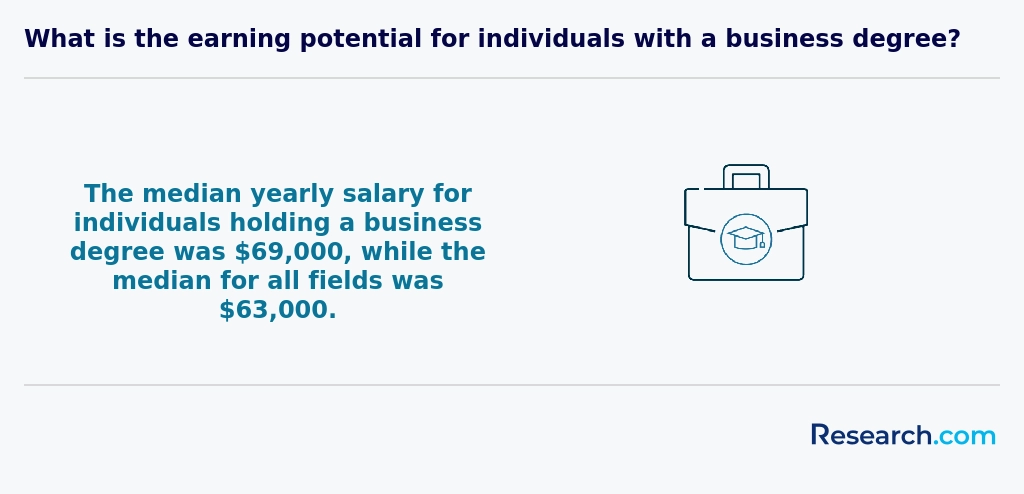
The average cost of an online business degree in Pennsylvania for in-state students typically centers around $15,480, reflecting a balance between affordability and quality education. Graduates from well-known public universities often describe feeling optimistic about investing in their futures without overwhelming debt, especially when comparing this figure to the higher tuition rates charged by private institutions. Many students at Pennsylvania State University World Campus, for instance, report satisfaction with the total expenses for online business master's PA, which aligns closely with these median in-state costs.
Private universities in Pennsylvania usually exceed these averages, with total program costs reaching upwards of $28,977 or more. Alumni from prestigious private institutions often share stories of their rigorous learning experiences combined with their careful financial planning to manage these higher expenses. They emphasize that despite the price, the value gained through networking opportunities and career advancement can be well worth it.
Additional costs like technology fees and course materials are considerations that students frequently account for, adding a few thousand dollars annually. However, many Pennsylvanian business students find relief through financial aid and scholarships targeted specifically for business programs. For those looking for the most budget-conscious paths, exploring the cheapest business programs in pennsylvania can be an empowering first step toward a successful career.
Application Timeline and Deadlines
Planning ahead secures your place in competitive online business master’s programs.
- Begin researching programs 9–12 months before your intended start date by comparing accredited online business colleges.
- Check fall term deadlines (typically December–February) and spring term deadlines (August–October).
- Request transcripts and letters of recommendation at least three months before deadlines.
- Schedule GMAT/GRE tests or apply for waivers early to allow time for retakes or approvals.
- Submit all materials online four to six weeks before final deadlines to avoid technical delays.
- Confirm acceptance, complete enrollment steps, and finalize financial aid prior to orientation.
What financial aid is available to online business degree students in Pennsylvania?
Online business students in Pennsylvania increasingly rely on a blend of federal, state, and institutional financial aid that makes their education more accessible and affordable. Graduates from well-known schools like Penn State and Temple University often recall how applying for the Federal Pell Grant, which offers up to $7,395 based on financial need, eased their tuition burden substantially. The Pennsylvania State Grant program also plays a pivotal role for in-state students, providing essential need-based support that helped many continue their studies without excessive debt.
Many Pennsylvania institutions recognize the evolving needs of online learners by offering merit scholarships and special grants tailored to these students. Graduates share how employer tuition reimbursement, linked to their career goals, created a clear path to balance work and study. Additionally, programs administered by the Pennsylvania Higher Education Assistance Agency (PHEAA) target adult learners pursuing advanced business degrees, reflecting a shift toward lifelong learning.
Looking ahead, emerging trends suggest enhanced collaboration between universities and local organizations to expand scholarships, making business education in Pennsylvania more inclusive and supportive of diverse careers.
Understanding the Return on Investment and Long-Term Career Benefits
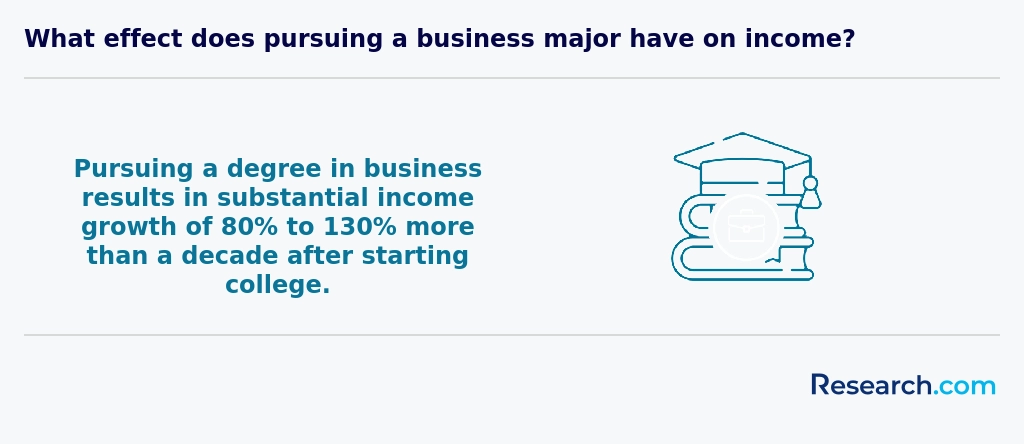
When evaluating an online master's in business degree, it's essential to consider not only immediate career prospects but also the long-term return on investment (ROI) that such a degree can offer. A well-chosen program can lead to significant salary increases, enhanced leadership responsibilities, and expanded industry networks that open doors to strategic opportunities. Graduates often report that the skills acquired during their studies-ranging from advanced financial analysis to innovative marketing strategies-yield benefits that far exceed the initial tuition costs over the course of their careers. These competitive advantages are further amplified by continuous learning opportunities and professional development initiatives provided by many institutions. For instance, many students who pursue further education, such as Best Online Bachelor's Degrees in Business Administration, find that their academic foundation positions them ideally for leadership roles and entrepreneurship. By considering factors such as industry demand, alumni salary growth, and career trajectory advancements, prospective students can better gauge how their degree will serve as a springboard to both immediate success and sustained career development.
What are the prerequisites for enrolling in online business degree program in Pennsylvania?
To enroll in an online business degree program in Pennsylvania, students typically need a high school diploma or GED for undergraduate tracks, combined with a minimum GPA often around 2.5 to 3.0. Many graduates from schools like Pennsylvania State University have shared how meeting these basics gave them confidence to start their journey without feeling overwhelmed. For master's level programs, such as an MBA from a well-known college like Drexel University, applicants usually must hold a bachelor's degree and demonstrate foundational knowledge in subjects like economics or statistics, which many find manageable by reviewing prior coursework.
Standardized test scores like GRE or GMAT are still requested by some programs, though increasingly waived for professionals with relevant experience-this trend greatly reduced stress for many working adults balancing careers and studies. Aspiring students often find that submitting letters of recommendation and a personal statement offers a chance to showcase their passion and future goals, making the application feel more personal and less bureaucratic. English proficiency proof remains important to maintain high standards in these competitive Pennsylvania programs.
Accelerated 12-Month Online MBA Options
For busy professionals in Pennsylvania seeking a swift return on investment, accelerated MBA programs offer a streamlined path to leadership roles. These intensive curricula condense core business courses-such as strategic management, financial analysis, and marketing leadership-into a 12-month timeframe, enabling graduates to rejoin the workforce quickly with enhanced credentials. Many students report that the fast pace keeps motivation high and fosters a tight-knit cohort experience, even in virtual settings. When evaluating accelerated MBA programs, consider course load intensity, cohort size, and asynchronous versus synchronous delivery. Programs with smaller cohorts often provide personalized interactions with faculty and peers, while asynchronous modules grant flexibility to juggle full-time work and family commitments. Schools may also integrate capstone projects or consulting practicums, allowing you to apply classroom theories to real-world challenges in Pennsylvania’s diverse business landscape. Financial planning is equally crucial. Accelerated options can reduce overall tuition costs and living expenses by shortening the enrollment period. To explore a variety of accelerated MBA timelines and compare program features, check out our comprehensive guide to the fastest online MBA degree programs, including the highly rated 12 month online mba that balances rigor with flexibility. Finally, confirm accreditation status and career outcomes data. Accredited accelerated MBAs demonstrate quality assurance, while placement statistics reveal a program’s effectiveness in securing leadership positions. By prioritizing these factors, prospective students can confidently select an accelerated MBA that aligns with their ambitions, financial goals, and learning preferences.
What courses are typically in online business degree programs in Pennsylvania?
Online business degree programs in Pennsylvania typically include core courses like Principles of Management, Financial and Managerial Accounting, Marketing Fundamentals, Business Law and Ethics, along with Micro and Macroeconomics. Graduates from well-known Pennsylvania colleges often describe how these subjects gave them a solid foundation for understanding real-world challenges, such as managing teams remotely or navigating complex financial reports during economic shifts.
Many students appreciate the emphasis on quantitative skills through Business Statistics and Data Analysis courses, which help them confidently interpret market trends or optimize operations using data-driven decisions. For example, graduates from popular universities recall using these skills in internships with local tech startups, reflecting Pennsylvania's growing economy and tech sector.
Electives like Entrepreneurship, Human Resource Management, and Supply Chain Management offer students chances to tailor their education. Graduates often share how focused courses prepared them to launch their ventures or improve organizational efficiency in healthcare or manufacturing industries, both booming areas in Pennsylvania's diverse economic landscape.
What types of specializations are available in online business degree programs in Pennsylvania?
Students pursuing online business degree specializations Pennsylvania often find themselves drawn to finance, marketing, and management, each tailored to the state's dynamic economic landscape. Graduates from popular universities relish how finance programs immerse them in real-world financial analysis, preparing them for Philadelphia's bustling markets. Marketing specialists enjoy crafting digital campaigns inspired by Pittsburgh's growing tech scene, feeling a genuine excitement about shaping brands in a rapidly evolving environment.
Management and entrepreneurship remain key concentrations, with learners appreciating hands-on projects that simulate leading small and medium enterprises common throughout Pennsylvania. They often reflect on the confidence gained from case studies tied closely to local startup ecosystems and business incubators.
Emerging trends in business analytics and supply chain management add fresh dimensions to these programs, particularly useful given Pennsylvania's transport infrastructure. These futuristic specializations enable students to anticipate data-driven roles, enhancing their adaptability and career potential. For a comprehensive view on advancing your business skills, consider exploring the Best Online Bachelor's Degrees in Business Administration.
How do you choose the best online business degree in Pennsylvania?
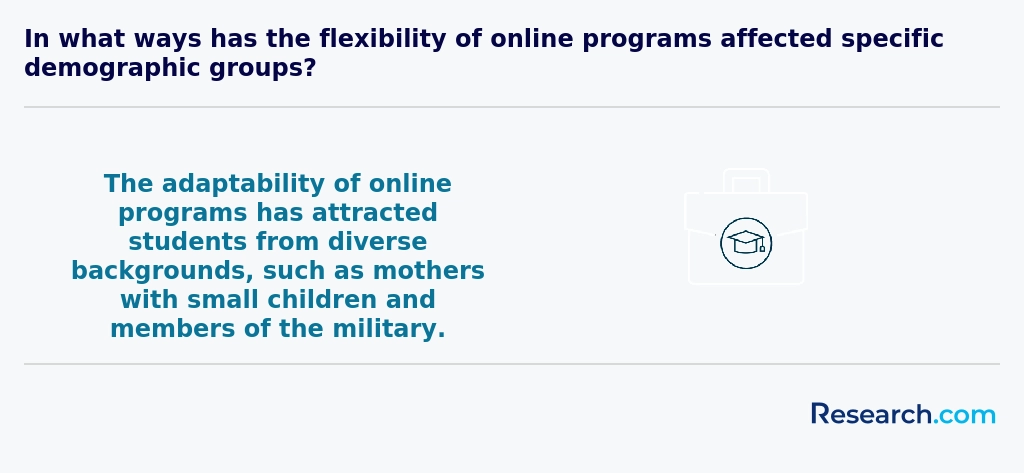
Choosing the best online business degree in Pennsylvania means looking beyond rankings to consider real flexibility and career alignment. Graduates from well-known colleges in Pennsylvania often share how asynchronous classes allowed them to juggle family and work while advancing their education. Many found programs that focus on specific fields-like entrepreneurship or supply chain management-enabled them to tailor their studies to future job markets, enhancing motivation and confidence. For students prioritizing cost, Pennsylvania's public universities offer affordable options, making them popular among those balancing budgets and ambitions.
Another important factor is support services. Graduates frequently highlight how career counseling and networking events helped them secure jobs in Pennsylvania's booming finance and healthcare sectors. Financial aid options and scholarships targeting online learners also ease the path, encouraging completion. Some even accelerated their goals by enrolling in a 12 month online mba, gaining skills quickly without sacrificing quality.
Ultimately, the best online business degree programs Pennsylvania offers shape futures by combining practical content, affordability, and flexibility-critical for today's dynamic learner.
What career paths are available for online business degree students in Pennsylvania?
Graduates with an online business degree in Pennsylvania are stepping into diverse career paths shaped by the state's evolving economic landscape. From management roles in Philadelphia's bustling corporate sector to finance positions supported by Pennsylvania's strong financial industry, graduates find multiple avenues to apply their skills. Many report excitement about opportunities in marketing and sales, especially given the rise of digital advertising and e-commerce in the region. The demand for strategic thinkers in supply chain management and logistics is also growing due to Pennsylvania's prime location as a transportation hub, leading to roles such as supply chain analyst or procurement manager.
Students from popular business schools in Pennsylvania often share how their degrees open doors to leadership roles and entrepreneurial ventures, reflecting the increasing breadth of online business degree career options in Pennsylvania. For those looking for affordability alongside quality education, consulting the Cheapest Online Business Degree Programs Ranking in Mount Pleasant, MI can provide useful guidance. The positive momentum in Pennsylvania's job market makes it an exciting time for online business degree graduates eager to make an impact.
What is the job market for online business degree in Pennsylvania?
The job market for an online business degree in Pennsylvania is vibrant and expanding, shaped by the state's diverse economy and growing sectors. Graduates from institutions like Temple University or Pennsylvania State University often share stories of landing roles in financial services or healthcare administration shortly after completing their studies, reflecting positive employment opportunities Pennsylvania offers.
Many graduates appreciate the flexibility of online programs, which allow them to balance work and study while gaining skills applicable to management, marketing, and supply chain roles. This adaptability aligns well with Pennsylvania's evolving business landscape, especially as companies in Philadelphia and Pittsburgh increasingly seek professionals familiar with digital approaches to business.
Salary expectations remain encouraging, with many graduates reporting starting salaries around the regional average, which supports growing confidence in pursuing these programs. For students weighing costs, the rise of competitive tuition and in-state benefits makes an online degree an accessible path to capitalize on business degree employment opportunities Pennsylvania provides. Those curious about planning their academic paths might explore best college majors to align ambitions with market trends.
Frequently Asked Questions About business
Online business degree students in Pennsylvania can maximize their learning experience by actively engaging with available digital resources and networking opportunities. Utilizing platforms provided by institutions for discussions, group projects, and webinars enhances understanding and collaboration skills.
Students should leverage Pennsylvania's strong local economy, which is home to major industries such as finance, healthcare, and manufacturing. Gaining practical knowledge through virtual internships or partnerships with local businesses can provide valuable real-world experience. According to the Pennsylvania Department of Labor & Industry, these sectors offer diverse career paths for business graduates.
Additionally, students should create structured study schedules to maintain discipline and communicate frequently with faculty to clarify concepts. Awareness of accreditation, such as regional accreditation by the Middle States Commission on Higher Education, ensures program quality that supports career advancement.
Emerging niches within the business field are reshaping the landscape of online business degrees in Pennsylvania. One notable area is data analytics, where companies increasingly rely on data-driven decisions. The U.S. Bureau of Labor Statistics projects a 23% growth in business analytics jobs through 2031, reflecting this trend.
Financial technology (FinTech) is another growing sector, with Philadelphia becoming a regional hub for FinTech startups, supported by initiatives like the FinTech Innovation Lab. This creates new opportunities for students interested in combining finance with technology.
Additionally, sustainable business practices and social entrepreneurship are rising niches as Pennsylvania businesses emphasize environmental and social responsibility. Institutions often integrate these themes into their curricula to meet evolving market demands.
After earning an online business degree in Pennsylvania, graduates should actively engage in career preparation to enhance job prospects. According to the Pennsylvania Department of Labor & Industry, sectors such as finance, management, and entrepreneurship consistently show growth. Networking with local business organizations like the Pennsylvania Chamber of Commerce can open doors to job opportunities and mentorship.
Internships or part-time roles, even remotely, provide practical experience and help build a professional resume. Additionally, many Pennsylvania universities offer career services and virtual job fairs tailored to online students, which assist in interview preparation and resume building. Staying updated on industry trends through resources like the U.S. Bureau of Labor Statistics is recommended.
Employers in Pennsylvania highly value business degree graduates who demonstrate strong communication skills. According to the Pennsylvania Department of Labor, the ability to clearly convey ideas and collaborate effectively is crucial in the state's competitive markets.
Analytical thinking and problem-solving are also top skills sought by employers. Businesses in Pennsylvania emphasize data-driven decision making, especially in sectors like finance and manufacturing, which together employ over 800,000 professionals statewide (U.S. Bureau of Labor Statistics, 2023).
Leadership and project management capabilities further enhance a graduate's appeal. These help in managing teams and driving projects to completion, which is essential in Pennsylvania's growing small and medium enterprise sector.
Finding internships in Pennsylvania relevant to a business degree involves leveraging multiple resources. Start by exploring university career services; many online business programs in Pennsylvania offer virtual job and internship portals. The Pennsylvania Department of Labor & Industry also provides listings of paid internships and cooperative education opportunities, especially in metropolitan regions like Philadelphia and Pittsburgh.
Industry hubs such as finance, healthcare, and manufacturing frequently seek interns with business skills. According to the Greater Philadelphia Chamber of Commerce, internships in business fields increased by 10% statewide in 2023. Networking through platforms like LinkedIn and joining local business associations can further improve chances of securing quality internships.
Online business degrees in Pennsylvania significantly enhance career mobility and advancement. According to the Pennsylvania Department of Labor & Industry, the business sector continues to grow, with a 5.2% job increase projected through 2030, especially in management, finance, and marketing roles.
Employers increasingly value online degrees from accredited institutions, recognizing the flexibility and self-discipline demonstrated by graduates. Studies from the U.S. Bureau of Labor Statistics show that professionals with business master's degrees earn 20% to 35% more on average than those with only a bachelor's degree.
Additionally, Pennsylvania's diverse economy offers vast opportunities for online graduates to advance, particularly in urban centers like Philadelphia and Pittsburgh where corporate offices and startups thrive.
Studying for an online business degree in Pennsylvania equips students with skills relevant to interdisciplinary roles by integrating various fields such as finance, marketing, and information technology. Pennsylvania's business programs often emphasize real-world problem-solving, critical thinking, and collaboration across disciplines.
Many institutions incorporate coursework aligned with regional industry needs. For example, Pennsylvania's diverse economy includes sectors like healthcare, manufacturing, and finance, encouraging curricula that blend business knowledge with healthcare administration or supply chain management.
According to the Pennsylvania Department of Labor & Industry, demand for versatile business professionals is growing, with interdisciplinary skills enhancing employability in evolving markets. Programs frequently use project-based learning to develop competencies valuable across sectors.
These approaches prepare graduates to adapt quickly and contribute meaningfully in roles that require cross-functional expertise.
Choosing between a thesis and a non-thesis online business degree program in Pennsylvania depends on your career goals and learning preferences. Thesis programs emphasize research and critical analysis, which suits students aiming for doctoral studies or research-intensive roles. Non-thesis options focus more on practical skills and course projects, ideal for professionals looking to advance in management or applied business fields.
Pennsylvania universities offering online business degrees often align thesis tracks with roles in consulting, academia, or data analysis. According to the Pennsylvania Department of Labor & Industry, sectors like finance and professional services show strong growth, favoring applied knowledge. Consider workload too: thesis routes require substantial independent research, while non-thesis routes typically allow faster completion.
Students in Pennsylvania pursuing online business degrees have several opportunities to study abroad through their home institutions' international partnerships. Many Pennsylvania universities offer semester exchanges or short-term programs in countries with strong global business hubs, such as the United Kingdom, Germany, and China. These programs provide exposure to diverse markets and international business practices without compromising the flexibility of an online degree.
According to the Institute of International Education, Pennsylvania ranked among the top states for outbound study abroad students in 2022, indicating robust support for international experiences. Some programs incorporate virtual global collaboration projects with overseas students, combining digital learning with international perspectives.
Business students may also access internship opportunities abroad through university networks, enhancing practical skills and cultural competence key for global careers.
Part-time job opportunities in Pennsylvania that complement business degree education include roles in retail management, customer service, and administrative support. These positions help students develop key skills such as communication, leadership, and time management, which are essential for business careers. According to the Pennsylvania Department of Labor & Industry, sectors like finance, insurance, and professional services are growing, creating part-time openings in bookkeeping, marketing assistance, and data entry.
Internships with local companies and startups in cities like Philadelphia and Pittsburgh also provide practical experience. These jobs often offer flexible hours suited for online students while enhancing understanding of business operations.
Online business students in Pennsylvania have access to a variety of networking opportunities that support career growth. Many universities offering online business degrees provide virtual career fairs, alumni events, and professional workshops. These events help students connect with local industry professionals and experienced graduates.
Pennsylvania has a strong business community, with Philadelphia and Pittsburgh ranked among the top 20 metro areas for business and professional services employment, according to the U.S. Bureau of Labor Statistics (2023). This environment encourages schools to create partnerships with regional companies, enhancing networking channels for online students.
Professional organizations like the Pennsylvania Business Education Association and local chapters of national groups also welcome online students, offering webinars and networking forums. These resources simulate the traditional campus networking experience and foster meaningful professional relationships despite the distance.
Alumni networks offer significant benefits for online business degree students in Pennsylvania by providing valuable professional connections. Graduates can tap into a network of experienced professionals across diverse industries, improving job placement opportunities. According to the Pennsylvania Department of Labor & Industry, the state's business sector employs over 1.5 million people, making networking essential for career advancement.
These networks often facilitate mentorship programs, career fairs, and exclusive job listings tailored for alumni, which can be crucial for online students who may miss on-campus interactions. Additionally, many Pennsylvania universities maintain active virtual alumni communities, helping students engage regardless of location.
Access to these connections can lead to internships, collaborations, and long-term career support that bolster professional growth in a competitive market.
Customizing an online business degree program in Pennsylvania allows students to align their education with specific career goals. Many Pennsylvania universities offer concentrations such as finance, marketing, or supply chain management within online business degrees. This flexibility helps students develop skills relevant to Pennsylvania's diverse economy, including sectors like manufacturing and healthcare, which employed over 2 million workers in 2023 (Pennsylvania Department of Labor & Industry).
Students can often choose electives or projects tailored to their interests. Some programs also provide opportunities for internships or partnerships with local businesses, enhancing practical experience. Selecting a program accredited by bodies like AACSB ensures quality education that matches industry standards.
Online business students in Pennsylvania often face challenges related to balancing studies with work and family commitments. According to the National Center for Education Statistics, adult learners make up a significant portion of online students, increasing the likelihood of time-management difficulties.
Another common issue involves limited networking opportunities compared to traditional programs. Networking is crucial in business degrees, but virtual environments can make it harder to build professional relationships.
Additionally, while many Pennsylvania institutions offer accredited online business degrees, students sometimes struggle with inconsistent technological support or course design, impacting their learning experience.
Accessibility to internships and local business connections can also be a barrier, as some placements favor on-campus students.
An online business degree from Pennsylvania can open doors to various professional certifications that enhance career prospects. Popular options include the Certified Public Accountant (CPA), ideal for those pursuing accounting roles. Pennsylvania requires 150 credit hours and passing the Uniform CPA Exam to qualify. For aspiring managers, the Project Management Professional (PMP) certification is valuable and recognized nationwide, including in Pennsylvania's expanding industries such as healthcare and finance. Additionally, the Certified Management Accountant (CMA) credential offers expertise in financial management, which is highly regarded by Pennsylvania employers. These certifications often require a combination of education, exams, and professional experience.
Crafting a winning application for an online business program in Pennsylvania requires clarity and strong evidence of your qualifications. Admissions committees often look for clear goals that align with Pennsylvania's dynamic business environment, which includes major sectors like finance, manufacturing, and healthcare (Bureau of Labor Statistics, 2023).
Highlight your relevant work experience and skills, especially those connected to industries thriving in Pennsylvania. Including quantifiable achievements shows your potential impact.
Personal statements should demonstrate your motivation for choosing an online program and how it fits your career plans within Pennsylvania's competitive market.
Lastly, ensure that any standardized tests or transcripts meet specific program requirements, as some schools have unique criteria for Pennsylvania residents.
Global perspectives on a business career emphasize the growing importance of international experience and cultural awareness. As companies in Pennsylvania increasingly engage in global trade, professionals with knowledge of diverse markets are highly valued. According to the Pennsylvania Department of Labor & Industry, exports represent a significant share of the state's economy, boosting demand for graduates who understand global business trends.
Business education, especially online master's programs, now often incorporates global case studies and cross-border management skills. This equips students to navigate multinational environments and work effectively with partners worldwide. The evolving global economy highlights the need for adaptability and continuous learning in business roles. Understanding regulatory differences, economic policies, and cultural nuances shapes successful careers in today's interconnected market.
Gaining practical experience while studying for an online business degree in Pennsylvania is achievable through several methods. Many Pennsylvania universities with online programs encourage internships, even remote ones, allowing students to apply classroom knowledge in real-world settings. According to the Pennsylvania Department of Labor & Industry, sectors like finance and professional services-key fields for business graduates-have robust internship opportunities statewide.
Additionally, participating in virtual case competitions or consulting projects offered by universities can develop critical problem-solving skills. Networking with local business communities via platforms like the Pennsylvania Chamber of Business and Industry also provides connections that may lead to practical experiences.
Some schools integrate hands-on assignments and simulations tailored to current market trends in Pennsylvania's diverse economy, enhancing learning beyond theory.
Choosing the right concentration in an online business degree in Pennsylvania depends on your career goals and the local job market. Pennsylvania's economy is strong in healthcare, finance, and manufacturing, so concentrations like health care management, finance, or supply chain management may offer more job opportunities.
Explore programs that align with Pennsylvania's growing sectors, supported by data from the Pennsylvania Department of Labor & Industry. Consider the curriculum flexibility and whether it includes practical skills like data analysis or project management.
Also assess the school's accreditation and faculty expertise to ensure quality education. Research alumni outcomes to see if graduates succeed in your target industry within Pennsylvania.
Related Business Rankings for Nearby States
- 2027 Best Online Master's in Business Degree Programs Ranking in New Jersey
- 2027 Best Online Master's in Business Degree Programs Ranking in Maryland
- 2027 Best Online Master's in Business Degree Programs Ranking in New York
- 2027 Best Online Master's in Business Degree Programs Ranking in West Virginia
- 2027 Best Online Master's in Business Degree Programs Ranking in Ohio
- 2027 Best Online Master's in Business Degree Programs Ranking in Virginia
- 2027 Best Online Master's in Business Degree Programs Ranking in Massachusetts
- 2027 Best Online Master's in Business Degree Programs Ranking in Kentucky
- 2027 Best Online Master's in Business Degree Programs Ranking in North Carolina
- 2027 Best Online Master's in Business Degree Programs Ranking in Tennessee
Top Trending Business Rankings
See What Experts Have To Say About Studying Business
Read our interview with Business experts

David Souder
Business Expert
Senior Associate Dean for Faculty and Research
Michigan State University

Ingrid S. Greene
Business Expert
Clinical Assistant Professor of Management
Loyola Marymount University


References
- Business Administration (Bachelor's Online) https://www.keystone.edu/schools/online-degree-programs/business-administration-bachelors-online/
- Jobs after studying business administration: opportunities at a glance | JobTeaser https://www.jobteaser.com/en/advices/jobs-after-studying-business-administration-opportunities-at-a-glance
- 6 best courses to study abroad for international students https://students.studygroup.com/blog/courses-to-study-abroad
- Program Details https://www.eastern.edu/academics/online-undergraduate-programs/bs-business-administration
- Bringing global perspectives to leadership in business https://www.eaie.org/resource/global-perspectives-leadership-business.html
- Part-Time Students: 9 Things You Need to Know – EU Business School https://www.euruni.edu/blog/part-time-students-9-things-you-need-to-know/
- Know more about thesis vs non- thesis: what is the difference? https://studyfans.com/en/blogs/816
- Networking Tips for Business Students and MBA Candidates - Cyprus West University https://www.cwu.edu.tr/networking-tips-for-business-students-and-mba-candidates/
- The 6 Best Places to Study Abroad for Business Students https://www.ciee.org/go-abroad/college-study-abroad/blog/6-best-places-study-abroad-business-students
- The Seven Biggest Challenges Faced by Student Entrepreneurs https://venturewell.org/blog/five-biggest-challenges/