2027 Most Valuable Accounting Degree Programs Ranking in Conway

Co-Founder and Chief Data Scientist
Choosing the right accounting degree program is a big step toward a successful career. If you're in Conway and wondering which programs truly stand out, this article is here to help.
We share the 2027 Most Valuable Accounting Degree Programs Ranking in Conway, carefully developed by the Research.com team of data scientists. Their data-driven approach gives you clear insights into the programs that offer the best value and opportunities.
Reading this guide will empower you to make confident, informed decisions about your education and future. Pursuing an accounting degree can open many doors, and we're excited to help you take that first step.
Key benefits of getting accounting degree in Conway
- Salary for accounting degree graduates: Graduates in Conway can expect competitive wages, with Staff Accountants earning a mean annual salary of $90,780 and roles like Bookkeepers and Tax Preparers making around $49,580 yearly.
- Career paths: An accounting degree opens doors to various opportunities including auditing, tax preparation, and accounts payable roles, providing graduates with diverse and stable employment options within local businesses and firms.
- Online degree benefits: Earning an accounting degree online from a well-regarded Conway college offers flexibility and allows students to balance work or family, all while gaining the same solid knowledge as traditional students.
- Key benefits of getting accounting degree in Conway
- What can I expect from accounting degree in Conway?
- Where can I work with accounting degree in Conway?
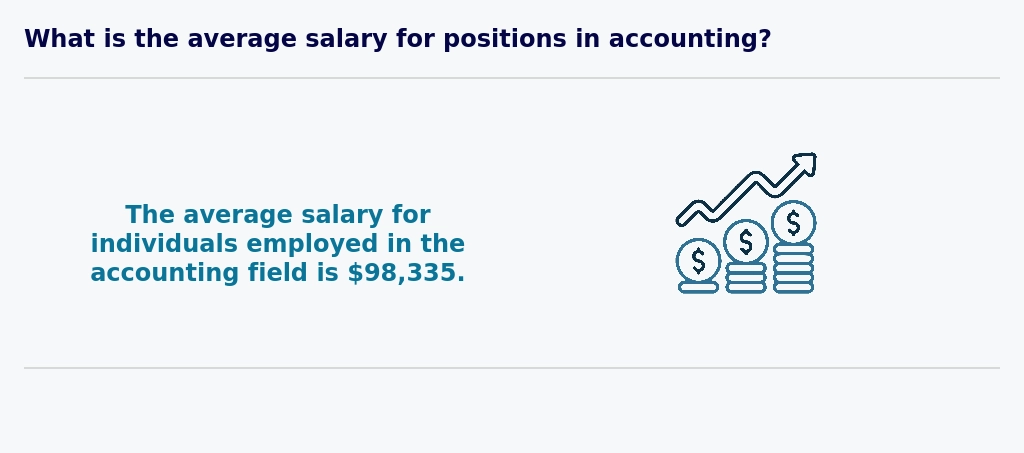
- How much can I make with accounting degree in Conway?
- 2027 Most Valuable Accounting Degree Programs Ranking in Conway
- Key Findings
- How long does it take to complete accounting degree in Conway?
- Certification and Career Advancement Tips
- What's the difference between online and on-campus accounting degree?
- Return on Investment: Assessing the Value of Your Accounting Degree
- What is the average cost of accounting degree in Conway?
- What financial aid is available to accounting degree students in Conway?
- CPA Certification Pathway and Preparation
- What are the prerequisites for enrolling in accounting degree program in Conway?
- Financial Planning and Management for Accounting Students
- What courses are typically in accounting degree programs in Conway?
- What types of specializations are available in accounting degree programs in Conway?
- How do you choose the best accounting degree in Conway?
- What career paths are available for accounting degree students in Conway?
- What is the job market for accounting degree in Conway?
- Top Trending Accounting Rankings
- See What Experts Have To Say About Studying Accounting
What can I expect from accounting degree in Conway?
The average cost of earning an accounting degree in Conway varies depending on the institution, but many local students find affordable and high-quality options. For instance, graduates from the University of Central Arkansas often highlight how the investment feels worthwhile given the strong AACSB accreditation and career opportunities that follow. Tuition rates for a bachelor's degree typically range from $7,000 to $12,000 per year for in-state students, making it accessible compared to other regions.
Many students also appreciate Conway's flexibility with evening and online classes, allowing them to balance work and study without excessive financial strain. Graduates frequently mention feeling confident that their programs not only provided solid accounting principles but also helped them prepare for the CPA exam and real-world challenges without breaking the bank.
Beyond tuition, scholarships and local partnerships often ease financial burdens, helping aspiring accountants invest in their futures with assurance and excitement. Conway's supportive community creates an encouraging environment where students see their accounting education as a valuable stepping stone toward rewarding and stable careers.
Where can I work with accounting degree in Conway?
Graduates with an accounting degree from Conway's top institutions, like the University of Central Arkansas, often find themselves stepping confidently into rewarding careers across diverse sectors. Many start in regional CPA firms, gaining hands-on experience auditing local businesses or preparing tax returns, building skills that employers highly value. These roles spark professional growth and open doors to exciting consulting opportunities.
Others discover fulfilling careers within Conway's city administration, managing budgets or crafting financial reports that directly impact the community's wellbeing. Alumni share how working as financial analysts in local government provides both stability and a strong sense of purpose.
The vibrant private sector also welcomes accounting graduates, with companies in manufacturing and retail constantly seeking skilled accountants to oversee cost analysis and payroll. Graduates recall how internships during their studies at local colleges turned into full-time positions, boosting their confidence and expertise.
Many pursue certifications like the CPA through the Arkansas Society of Certified Public Accountants, expanding their career paths into senior and managerial roles. Flexible hybrid jobs also allow graduates to balance life and work while contributing to Conway's growing economy.
How much can I make with accounting degree in Conway?
Graduates from accounting programs in Conway, including those from the University of Central Arkansas, often find promising salary opportunities awaiting them. Entry-level roles like Bookkeeper, Tax Preparer, and Associate Auditor offer mean annual wages around $49,580, providing a strong starting point for new professionals eager to begin their careers.
Many recent graduates share how securing positions in Conway's diverse economy-from public sector jobs to local firms-has allowed them to gain valuable experience while earning competitive wages. Staff Accountant roles, typically held by those with a few years of experience, offer even brighter prospects with mean annual wages near $90,780, empowering graduates to build financial stability early on.
The positive earnings outlook, combined with Conway's supportive community and educational resources, encourages students to envision themselves advancing through levels of responsibility and compensation. With dedication and the right certifications, many local alumni see their salaries climb steadily, making accounting a rewarding and attainable career path in Conway.
2027 Most Valuable Accounting Degree Programs Ranking in Conway
How do we rank schools?
Investing in your education is a significant decision that can shape your future, and the Research.com team understands the importance of making informed choices. To assist prospective students in Conway, we have meticulously crafted the "2027 Most Valuable Accounting Degree Programs Ranking in Conway." Our commitment to quality, credibility, and accuracy is reflected in the extensive research and analysis conducted to compile this ranking.
We utilized the following reputable data sources to ensure a comprehensive evaluation of accounting degree programs:
By exploring this ranking, readers will gain valuable insights into the most valuable accounting degree programs available in Conway, empowering them to make well-informed decisions about their educational paths. For more details on our methodology, please visit our Research.com methodology page.


Key Findings
- Accounting degrees in Conway are available at both two-year and four-year institutions, with annual costs ranging from $8,000 to $25,000 depending on the school.
- Entry-level accountants in Conway earn between $50,000 and $55,000 annually, while experienced accountants with CPA certification can earn $70,000 to $90,000.
- The demand for accountants in Conway is expected to grow by about 6% over the next decade, matching national growth estimates.
- Local accounting programs often include internships and cooperative education to improve job prospects after graduation.
- Many programs meet the educational requirements needed to pursue CPA licensure in Conway.
- Financial aid and scholarships are available through local institutions to help manage tuition costs.
How long does it take to complete accounting degree in Conway?
Completing an accounting degree in Conway is an exciting journey that typically spans about four years for a full-time bachelor's program, like the one at the University of Central Arkansas. Many graduates recall how those four years were filled with growth, challenge, and the rewarding feeling of advancing toward their career goals. For those balancing work or family, part-time or online options provide the flexibility to progress at your own pace, making it possible to pursue your dreams without sacrificing other commitments.
Some students take a more accelerated path by earning a 2-year associate degree at local community colleges, gaining practical skills quickly while paving the way to a bachelor's. Others choose to deepen their expertise with a master's degree or MBA in accounting, completing their advanced studies in just 1 to 2 years and unlocking even greater opportunities.
Every step is an investment in a promising future, with plenty of support and success stories from Conway's vibrant academic community cheering you on.
Certification and Career Advancement Tips
Graduating with an accounting degree is an impressive milestone, but your journey doesn’t end there. Advancing your career in accounting means embracing continual learning, gaining professional certifications, and actively building your network. Earning credentials such as the CPA, CMA, or specialized certifications can significantly boost your career prospects, validate your expertise, and open doors to leadership opportunities. Here are some actionable steps to accelerate your accounting career: • Pursue Professional Certifications: Obtaining additional certifications not only reinforces your technical skills but also increases your marketability to employers. These credentials demonstrate your commitment to excellence and often lead to higher earning potential. • Engage in Continuing Education: The accounting field is constantly evolving with new technologies and regulatory updates. Regularly attending workshops, webinars, or enrolling in advanced courses keeps you ahead of the curve. • Develop a Strong Network: Connect with industry professionals through local accounting associations, alumni groups, or online platforms. Networking can lead to mentorship opportunities, internships, and even job leads. • Gain Real-World Experience: Look for internships, part-time roles, or volunteer opportunities that provide hands-on experience. Practical exposure not only consolidates your classroom learning but also enhances your resume. • Plan Your Career Path Strategically: From entry-level positions to specialized roles, define your career goals early. For guidance on mapping out your future, consider exploring how to start as accountant, which offers step-by-step tips and industry insights. By combining certifications, continuous learning, and proactive networking, you can establish a competitive edge that paves the way for long-term career success in accounting.
What's the difference between online and on-campus accounting degree?
Choosing between an online and on-campus accounting degree in Conway opens exciting paths tailored to your lifestyle. On-campus students at local institutions like the University of Central Arkansas enjoy vibrant classroom atmospheres, where lively discussions and immediate feedback spark deeper understanding. Graduates often recall how in-person labs and career services made networking natural and boosted their confidence during internships.
On the other hand, online programs offer incredible flexibility, letting working professionals or busy parents pursue their dreams without leaving home. Many online students appreciate studying at their own pace, fitting coursework around family or job commitments. Digital platforms connect you with peers all over Conway, creating a supportive, diverse community despite physical distance.
Both options prepare you thoroughly for certifications like the CPA, ensuring your accounting skills shine in Conway's job market. Whether embracing face-to-face collaboration or the freedom of remote learning, you're stepping into a future full of opportunity and growth.
Return on Investment: Assessing the Value of Your Accounting Degree
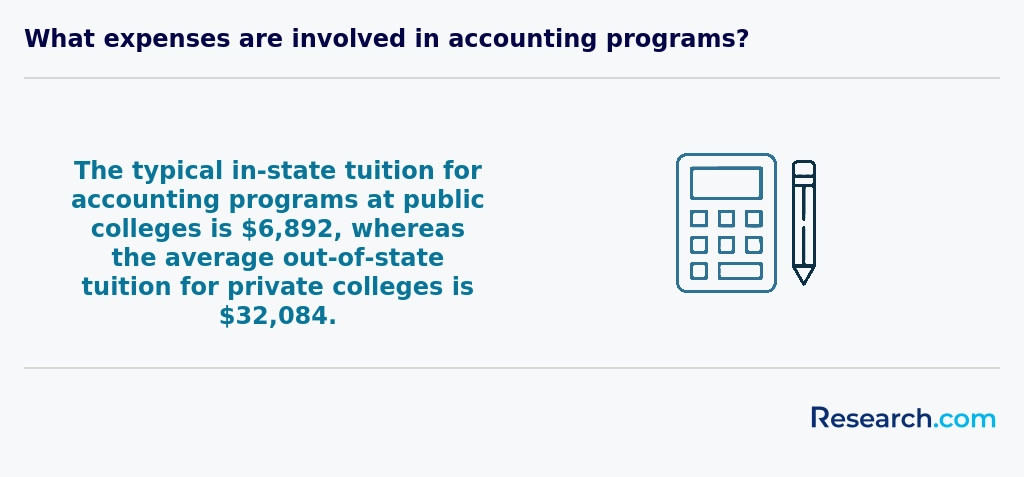
Understanding the true value of an accounting program means weighing tuition costs against potential earnings. In Conway, AR, the median annual tuition for in-state students is $6,892, and graduates can expect starting salaries such as $86,740 for Staff Accountants or $47,440 for Bookkeepers. By comparing total program expenses-including fees, supplies, and living costs-to projected wages, you can estimate how long it will take to recoup your investment. Key factors to consider when calculating ROI:
- Total Program Cost: Sum of tuition, textbooks, technology fees, and living expenses over two to four years.
- Starting Salary: Average entry‐level wage for accounting roles in Conway, AR, and nearby markets.
- Payback Period: Time required to cover educational expenses based on net annual earnings after taxes.
- Scholarship & Aid Impact: Grants and scholarships can shorten the payback period significantly. When you factor in internship stipends and post‐graduation bonuses, the return on an accounting degree often materializes within three to five years. To see how top programs translate into real-world jobs in accounting salary, explore detailed career earnings data that highlights the long-term financial benefits of choosing the right degree pathway.
What is the average cost of accounting degree in Conway?
The average cost of an accounting degree in Conway provides an accessible pathway for many aspiring students to achieve their professional goals. Typically, the median total cost hovers around $39,443, which includes tuition, fees, and other essentials. Graduates from well-known institutions like the University of Central Arkansas often highlight how this investment opened doors to rewarding careers, affirming that the financial commitment can translate into real opportunity.
For those concerned with Conway accounting degree tuition and fees, it's encouraging to know that the median in-state total cost is about $24,361, making public universities a strong choice for cost-conscious students. Many students share how scholarships and financial aid made a significant difference, helping them focus on their studies without overwhelming financial stress.
Beyond tuition, students also manage expenses for books, supplies, and living costs, but the positive experiences from recent graduates illustrate how careful budgeting combined with local opportunities turns these challenges into manageable steps. If you are curious about further opportunities, exploring the valuable accounting schools in Arkansas can provide additional insight into institutions that combine quality and affordability.
With informed planning and smart financial decisions, studying accounting in Conway becomes not only achievable but a fulfilling journey toward a career that offers stability and growth. This underscores the importance of understanding the average cost of accounting degree in Conway as part of crafting your path forward with confidence.
What financial aid is available to accounting degree students in Conway?
Accounting students in Conway have an encouraging range of financial aid options that make pursuing their degrees more accessible and less stressful. Graduates from popular schools like the University of Central Arkansas often share how federal Pell Grants have been a game-changer, covering a large portion of tuition and easing financial pressure.
Many take advantage of Direct Loans, which come with manageable interest rates, offering a practical way to invest in their futures without overwhelming debt. The Arkansas Academic Challenge Scholarship also lights the path for in-state students, rewarding academic excellence with significant tuition support.
Local scholarships from Conway's civic groups and businesses provide uplifting encouragement and resources, showing community pride in students' success. Institutional scholarships at colleges here focus on rewarding leadership and dedication within accounting majors, motivating students to excel both in and out of the classroom.
Together, these financial aids blend hope and opportunity, creating a supportive environment where Conway accounting students can confidently build the foundation for rewarding careers.
CPA Certification Pathway and Preparation
To become a Certified Public Accountant (CPA) in Arkansas, Conway graduates must satisfy both educational and examination criteria established by the Arkansas State Board of Public Accountancy. Most candidates need 150 semester hours of college credit-typically a bachelor’s degree plus additional coursework-to qualify for the Uniform CPA Examination. Key steps include: 1. Educational Requirements: - Complete an accounting program with at least 24 credit hours in accounting subjects (e.g., financial accounting, auditing, taxation) and 24 credit hours in business-related courses (e.g., business law, finance). - Many Conway programs align with these requirements, but students should verify course equivalencies and consider electives such as Advanced Auditing or Fraud Examination to bolster their credentials. 2. Exam Preparation and Support: - Enroll in CPA review courses-often offered through campus partnerships or online providers-to master the four exam sections: Auditing and Attestation (AUD), Financial Accounting and Reporting (FAR), Regulation (REG), and Business Environment and Concepts (BEC). - Leverage university resources like tutoring centers, study groups, and faculty office hours. Graduates report that structured review schedules and practice simulations significantly boost pass rates. 3. Meeting Ethics and Experience Requirements: - Complete an approved ethics exam after passing the Uniform CPA Examination. - Accumulate at least one year of supervised accounting experience under a licensed CPA, which can be fulfilled through internships or part-time roles during your degree program. Balancing rigorous exam prep with affordable coursework can reduce debt and accelerate licensure. For cost-conscious students comparing regional options, explore our Cheapest Accounting Degree Programs Ranking in Alabama to identify budget-friendly paths that still meet Arkansas’s CPA credit standards.
What are the prerequisites for enrolling in accounting degree program in Conway?
Enrolling in an accounting degree program in Conway is an exciting step that opens doors to a rewarding career. Most successful applicants start with a high school diploma or GED, reflecting a strong foundation. Graduates from the University of Central Arkansas often share how having solid skills in algebra and communication gave them confidence during their first accounting classes.
Applicants typically submit transcripts and may include test scores like the ACT or SAT, allowing admissions teams to see their readiness, especially in math. Some Conway colleges expect completion of key high school courses such as algebra, economics, and English-steps that prepare you for real-world accounting challenges.
For graduate studies, holding a bachelor's degree with a good GPA is essential, alongside courses in financial and managerial accounting. Dreaming of earning your degree in Conway means embracing these prerequisites as positive milestones towards your future in a vibrant academic community.
Financial Planning and Management for Accounting Students
. To ensure a successful career in accounting, it's crucial to have a solid understanding of financial planning and management. This involves not only managing personal finances but also understanding how to guide businesses and individuals in making informed financial decisions. As you explore the various accounting degree programs in Conway, AR, consider how each curriculum addresses these aspects. For instance, learning about budgeting, forecasting, and risk management can significantly enhance your skills as an accountant. Additionally, understanding the importance of financial statements, such as balance sheets and income statements, is vital for any career in accounting. If you're looking to expand your knowledge on valuable accounting schools in Arkansas, you can visit valuable accounting schools in Arkansas to find more detailed information. By focusing on financial planning and management, you can set yourself up for success in the accounting world, whether you choose to work in public accounting, corporate accounting, or pursue a career in forensic accounting.
What courses are typically in accounting degree programs in Conway?
Accounting degree programs in Conway offer a rich blend of courses that empower students to thrive in the business world. At popular institutions such as the University of Central Arkansas, graduates often recall how foundational classes like financial accounting taught them to confidently prepare and analyze financial statements, skills they use daily in their careers.
Managerial accounting and auditing courses provide exciting opportunities to understand internal business decisions and ensure financial transparency, sparking curiosity and critical thinking among students. Many find taxation classes fascinating, as they learn to navigate individual and business tax laws-the kind of knowledge that turns classroom theory into real-world problem solving.
Advanced topics like forensic accounting and accounting analytics inspire students to embrace innovation, helping them develop sharp investigative and data-driven skills. With hands-on experiences and supportive faculty, Conway's accounting programs build confidence and genuinely prepare students to succeed in this dynamic field, fueling their passion for continual growth and achievement.
What types of specializations are available in accounting degree programs in Conway?
In Conway, accounting degree specializations open exciting pathways tailored to your passions and career goals. Graduates from popular universities in the area often highlight how focusing on Financial Accounting gave them the confidence to manage real-world financial statements and compliance with GAAP, preparing them for roles in diverse sectors. Others found that diving into Tax Accounting unlocked opportunities to navigate the complexities of tax codes, a skill highly valued by local businesses.
Students pursuing the best accounting programs with specializations Conway offers also appreciate how Managerial Accounting equips them with budgeting and internal analysis expertise, directly supporting business leaders. For those drawn to investigation and justice, Forensic Accounting has proven exhilarating, combining passion with purpose in detecting fraud.
Many graduates credit Conway's dynamic educational environment for fueling their success and encourage future accountants to explore paths like auditing or tax, which often lead to rewarding careers. To discover more about how to start on this rewarding journey, see how to start as accountant.
How do you choose the best accounting degree in Conway?
Choosing the best accounting degree in Conway starts with focusing on programs that offer strong regional and AACSB accreditation, which graduates often praise for enhancing their confidence and career readiness. Many students find that attending well-known local institutions provides an affordable yet rigorous education, perfectly balancing cost and quality, especially when exploring affordable accounting schools Conway.
Graduates commonly highlight the value of programs that emphasize real-world skills through internships and cooperative education, making coursework come alive. Imagine attending classes at popular Conway colleges where flexible schedules allow you to continue working while gearing up for a rewarding career. These tailored experiences boost both knowledge and optimism about future successes.
Moreover, checking CPA exam pass rates and career support services can guide you toward programs with proven outcomes. Knowing that others have secured their dream roles strengthens your path forward. To explore potential earnings and roles, consider reviewing jobs in accounting salary to align your education with your financial goals and aspirations.
What career paths are available for accounting degree students in Conway?
Graduates with an accounting degree in Conway discover a wealth of career paths filled with opportunity and growth. Many find rewarding roles in public accounting, where they serve as auditors, tax advisors, or consultants, helping businesses large and small succeed. Career stories from local universities highlight how these professionals thrive by blending technical knowledge with real-world experience, fueling their passion for finance.
Job opportunities with accounting degree Conway also extend to corporate accounting, where graduates contribute to financial reporting, budgeting, and internal auditing across industries like manufacturing and healthcare. This diversity opens doors for those eager to make an impact in Conway's dynamic economy. Others pursue forensic accounting, uncovering financial fraud, or step into government accounting roles that ensure public funds are managed responsibly at state and local levels.
Choosing to study locally at colleges known for their accounting programs makes this journey affordable and practical. Many students praise Conway's community-focused education, which prepares them for rewarding careers. For those interested in budget-friendly options, explore the Cheapest Accounting Degree Programs Ranking in Alabama to find inspiration for your educational path.
What is the job market for accounting degree in Conway?
The job market for accounting degree holders in Conway is vibrant and full of opportunity, reflecting a community that values financial expertise. Graduates from institutions like the University of Central Arkansas find themselves stepping into roles such as junior accountants, audit associates, or bookkeeping clerks, gaining essential hands-on experience in local businesses and organizations. This steady demand aligns perfectly with Conway accounting graduate employment outlook, with career paths that naturally lead to senior roles and managerial positions as professionals build their credibility.
Many graduates enjoy the benefits of Conway's growing economy, which values accounting professionals who support small businesses, public sectors, and non-profits. These roles often involve budget management and tax compliance, areas critical to the success of diverse organizations. Students passionate about fast-tracking their careers often explore opportunities with the best accelerated online bachelor degree programs for working adults, which complement local educational offerings.
For those aiming to maximize their potential, licensure like CPA certification can elevate earning power beyond the typical median salary of around $60,000, a rewarding prospect in a community where educational costs remain affordable and competitive.
Frequently Asked Questions About accounting
Accounting degree students in Conway can maximize their learning experience by combining classroom study with practical application. Enrolling in internships at local firms, such as those connected to the Arkansas Society of Certified Public Accountants, offers valuable hands-on experience.
Students should also utilize campus resources like tutoring centers and join study groups to enhance understanding of complex accounting principles. According to the U.S. Bureau of Labor Statistics, accounting roles in Arkansas are expected to grow by 7% from 2021 to 2031, underscoring the importance of a strong foundational skill set.
Additionally, pursuing CPA exam preparation early can improve future employment prospects within Conway's competitive accounting job market.
The accounting field is evolving with several emerging niches that offer promising career opportunities, especially for students pursuing accounting degrees in Conway. One growing area is forensic accounting, where professionals investigate financial crimes and fraud. The demand for forensic accountants has increased by over 15% nationally, according to the Bureau of Labor Statistics (2023).
Another expanding niche is environmental accounting, which focuses on tracking costs related to sustainability and environmental impact. This specialty is gaining traction as companies in Arkansas face stricter regulations.
Additionally, technology-driven roles such as data analytics and blockchain accounting are becoming vital. These roles require knowledge of advanced software and cybersecurity, reflecting current trends in Conway's business sector.
Preparing for the job market after completing an accounting degree in Conway involves more than just earning a diploma. Prospective accountants should focus on developing strong technical skills, including proficiency in accounting software like QuickBooks and Excel, as these are highly valued by local employers.
Networking plays a crucial role in Conway's competitive market. Engaging with organizations such as the Arkansas Society of Certified Public Accountants can provide access to local job openings and mentorship opportunities. Internships in Conway-based firms offer practical experience and can often lead to full-time positions.
Many employers in Conway prefer candidates who are pursuing or have obtained CPA licensure, which requires passing the Uniform CPA Examination and meeting state-specific work experience.
According to the U.S. Bureau of Labor Statistics, accounting jobs in Arkansas are projected to grow by 6% from 2021 to 2031, reflecting steady demand for qualified professionals in the region.
Employers in Conway seek accounting graduates who combine strong technical skills with practical knowledge. Proficiency in accounting software such as QuickBooks and Excel remains essential, enabling efficient financial data management. Analytical thinking is highly valued, helping graduates interpret complex financial records and support strategic decisions.
Communication skills also rank high, as accountants must clearly present financial information to clients and colleagues. Attention to detail is critical, minimizing errors in reports and compliance tasks. According to the Arkansas Department of Workforce Services, Conway employers emphasize teamwork and ethical standards due to the sensitive nature of financial data.
Familiarity with US Generally Accepted Accounting Principles (GAAP) and basic tax codes further enhances a graduate's employability in the region.
Finding accounting internships in Conway involves leveraging local resources and university connections. Many institutions in Conway, such as the University of Central Arkansas, offer dedicated career centers that post internship opportunities tailored to accounting students. Networking through campus events and accounting clubs can also open doors.
Local businesses and accounting firms in Conway frequently seek interns to support tax preparation and auditing, especially during tax season. According to the Arkansas Department of Labor, internships in accounting fields have grown by 5% in Conway over the past three years.
Students should also explore online platforms like Handshake and local job boards. Early application and internship preparation, including resume building and mock interviews, are essential strategies.
An accounting degree significantly enhances career mobility and advancement in Conway. Employers in the region value graduates with formal accounting education, especially those with a Bachelor's or higher degree, as it meets qualifications for roles like staff accountant, auditor, and financial analyst. According to the U.S. Bureau of Labor Statistics, accountants in Arkansas, including Conway, earn a median annual wage above the national average, reflecting strong local demand.
Many Conway businesses, including those in finance and manufacturing sectors, prefer hiring candidates with accredited accounting degrees because they possess essential skills in tax regulations, budgeting, and financial reporting. Holding an accounting degree also paves the way to earn certifications such as the CPA, which further boosts promotion prospects and job flexibility.
Studying for an accounting degree in Conway equips students with more than just technical expertise in finance and bookkeeping. Programs in the area often incorporate coursework in business law, information systems, and communication, fostering skills that are crucial for interdisciplinary roles.
According to data from the Arkansas Department of Higher Education, accounting students at Conway institutions engage in courses that emphasize collaboration across business functions, preparing them for roles that require cross-departmental understanding.
Graduates frequently find themselves working alongside marketing, IT, and management teams, relying on analytical abilities and communication skills refined through their diverse curriculum. This holistic approach reflects industry demands in Conway's growing business sector.
Thus, Conway's accounting education promotes adaptability, critical thinking, and broad organizational knowledge needed for interdisciplinary career paths.
When choosing between a thesis and a non-thesis accounting degree program in Conway, students should consider their career goals and learning preferences. Thesis programs typically require original research and a formal paper, which can prepare students for doctoral studies or research-oriented careers. Non-thesis options concentrate more on coursework and practical skills, often appealing to those aiming for professional certifications like CPA or immediate employment.
In Conway, universities offering accounting degrees cater to both tracks. According to the U.S. Department of Education's National Center for Education Statistics, about 40% of accounting graduates pursue thesis options to enhance analytical skills.
Cost and duration can also vary; thesis programs may take longer to complete due to research commitments.
Students based in Conway seeking to study accounting abroad have several pathways through U.S. institutions offering international programs. Some universities in Conway partner with schools overseas, allowing students to complete parts of their accounting degrees outside the country while maintaining U.S. accreditation. For example, programs enabling study in Canada or the United Kingdom are common due to similar accounting standards and mutual professional recognition agreements.
The demand for international experience is growing as global business expands. According to the National Association of State Boards of Accountancy, roughly 30% of accounting graduates pursue studies or internships internationally to boost employability.
Students should also consider accredited online programs with global coursework or study-abroad opportunities embedded in their curriculum, which many Conway-area colleges facilitate.
Students pursuing accounting degrees in Conway can benefit from various part-time job opportunities that support their education. Common positions include bookkeeping assistant roles, tax preparer aides during tax season, and payroll clerks in local businesses. These jobs often provide practical experience with accounting software such as QuickBooks or Sage, strengthening proficiency.
Conway's economy, with local firms in retail, healthcare, and financial services, offers flexible work environments suitable for part-time students. According to the Arkansas Department of Workforce Services, bookkeeping and accounting positions are projected to grow by 5% statewide through 2030, signaling steady demand.
Such roles enhance understanding of financial statements, compliance, and audit preparation, aligning well with academic studies in Conway colleges.
Accounting students in Conway benefit from multiple networking opportunities that help bridge academic learning with professional growth. Local universities often host career fairs and guest lectures featuring professionals from regional firms such as Carr, Riggs & Ingram and other Arkansas-based accounting organizations. These events provide direct access to industry insiders and potential employers.
Additionally, the Arkansas Society of Certified Public Accountants (ARCPA) maintains an active presence in Conway, offering student memberships that include networking mixers, workshops, and mentorship programs. Participation in campus accounting clubs further expands connections among peers and alumni working in various accounting fields.
Such opportunities are vital for gaining internships and full-time employment, as 65% of ARCPA student members report securing jobs through networking activities according to recent surveys. Engaging in these resources can significantly enhance a student's professional prospects within Conway's accounting sector.
Alumni networks offer significant advantages to accounting degree students in Conway by connecting them with professionals who have already navigated the local job market. These networks provide mentorship opportunities, helping students gain insights into industry expectations and effective career strategies. According to the National Association of Colleges and Employers, 85% of jobs are filled through networking, underscoring its importance for accounting graduates.
In Conway, active alumni groups often host events and workshops that foster professional development, tailored to the specific needs of the Arkansas accounting sector. Such engagement enhances students' access to internships and job openings within the region.
Through these connections, students can access exclusive job listings and receive guidance on certifications such as the CPA, which is highly valued in Conway's accounting field.
In Conway, students can customize their accounting degree programs to align with specific career goals by selecting elective courses and concentrations that focus on areas such as auditing, taxation, or forensic accounting. Many local institutions offer flexible curricula, allowing students to tailor their studies through internships or cooperative education opportunities with Conway-based firms. According to the Arkansas Department of Higher Education, incorporating practical experience significantly enhances employability in this competitive field.
Additionally, pursuing relevant certifications, like the CPA, alongside an accredited degree can further refine career pathways. Students are encouraged to consult academic advisors to create a plan that meets both educational and professional objectives.
Accounting students in Conway often encounter several common challenges during their studies. One significant difficulty is mastering complex financial regulations and tax codes, which are continually updated and can be overwhelming for newcomers. According to the Arkansas Society of Certified Public Accountants, students must stay current on federal and state compliance standards to succeed in local internships and job placements.
Another hurdle involves balancing rigorous course loads with practical experience. Many Conway programs emphasize real-world applications, so students must manage time effectively between demanding classes and gaining hands-on practice. Furthermore, the competitive job market in Conway requires students to develop strong technical skills in software like QuickBooks and Excel, which can be challenging without prior exposure.
Finally, the cost of accounting education is notable. Tuition and fees in Conway-area institutions range widely, prompting students to seek scholarships and financial aid actively. Navigating these financial challenges adds an extra layer of stress for many aspiring accountants.
An accounting degree from Conway opens opportunities to pursue several respected professional certifications that enhance career prospects. The most common certification is the Certified Public Accountant (CPA), which requires passing the Uniform CPA Exam and meeting Arkansas state experience requirements. This credential carries significant weight in public accounting and finance roles nationwide.
Other certifications include the Certified Management Accountant (CMA) and Certified Internal Auditor (CIA), both valued in corporate accounting and auditing fields. According to the Arkansas Society of CPAs, local employers increasingly seek candidates with these credentials for roles in Conway's growing finance sector.
Additionally, the Chartered Financial Analyst (CFA) designation can complement an accounting background for those interested in investment analysis and financial management. Pursuing these certifications demonstrates expertise and commitment to the profession, often resulting in higher salaries and advancement opportunities.
Writing a winning application for an accounting program in Conway requires careful preparation and attention to detail. First, ensure your academic transcripts demonstrate strong performance in mathematics and business-related courses, as these form the foundation for accounting studies. According to data from the Arkansas Department of Higher Education, applicants with a GPA above 3.0 are more competitive in Conway's top programs.
Next, compose a clear, concise personal statement highlighting your interest in accounting, any relevant experience, and career goals. Admissions committees in Conway value applicants who show an awareness of the local job market, where demand for accountants is growing by 7% annually according to the U.S. Bureau of Labor Statistics.
Additionally, request letters of recommendation from instructors or employers who can attest to your work ethic and analytical skills. Finally, verify that all application materials meet the program's deadlines and follow specific instructions to avoid common application pitfalls.
Accounting careers today have a strong global outlook, impacted by the interconnected nature of business and finance. Many Conway accounting graduates find that their skills are in demand beyond the United States, especially with multinational companies embracing international standards like IFRS (International Financial Reporting Standards).
In the US, including Conway, accountants hold a projected job growth rate of 7% from 2022 to 2032 according to the Bureau of Labor Statistics. This growth is driven in part by global trade and compliance requirements that increase the need for professionals with international accounting expertise.
For students in Conway, earning an accounting degree opens opportunities in diverse areas such as auditing, taxation, and financial management with a global framework in mind. Proficiency in both US GAAP and IFRS can improve employability in firms operating worldwide.
Understanding global financial regulations and cultural business practices is increasingly emphasized in accounting programs, preparing graduates for careers that cross borders and economic sectors.
Gaining practical experience while studying for an accounting degree in Conway is essential for career readiness. Students can participate in internships offered by local businesses, accounting firms, or government agencies. These placements provide hands-on exposure to real-world accounting tasks, such as auditing and tax preparation.
Colleges in Conway often have connections with regional employers, making it easier for students to find opportunities. According to the U.S. Bureau of Labor Statistics, internships improve job prospects by 20% for accounting graduates nationwide. Additionally, students may engage in on-campus programs like simulated accounting projects or collaboration with small businesses to handle bookkeeping.
National accounting associations, such as the American Institute of CPAs (AICPA), also offer student memberships and networking events that support practical learning and professional growth.
Choosing the right concentration within an accounting degree program in Conway starts with understanding your career goals. Popular options include auditing, tax accounting, forensic accounting, and managerial accounting. Each concentration offers different skill sets and career paths.
Research local job market trends in Conway. According to the U.S. Bureau of Labor Statistics, accounting jobs in Arkansas are projected to grow 7% through 2031, reflecting steady demand in areas like tax preparation and auditing services.
Consider certifications linked to concentrations, such as CPA for general accounting or CFE for forensic accounting, which can enhance your employability. Talking to advisors and reviewing course curricula at Conway institutions can also clarify what fits your interests and strengths.
Related Accounting Rankings for Nearby Cities
- 2027 Most Valuable Accounting Degree Programs Ranking in Memphis
- 2027 Most Valuable Accounting Degree Programs Ranking in Jackson
- 2027 Most Valuable Accounting Degree Programs Ranking in Saint Louis
- 2027 Most Valuable Accounting Degree Programs Ranking in Dallas
- 2027 Most Valuable Accounting Degree Programs Ranking in Nashville
- 2027 Most Valuable Accounting Degree Programs Ranking in Huntsville
- 2027 Most Valuable Accounting Degree Programs Ranking in Birmingham
- 2027 Most Valuable Accounting Degree Programs Ranking in New Orleans
- 2027 Most Valuable Accounting Degree Programs Ranking in Houston
- 2027 Most Valuable Accounting Degree Programs Ranking in Montgomery
Top Trending Accounting Rankings
See What Experts Have To Say About Studying Accounting
Read our interview with Accounting experts

John Wermert, Ph.D., CPA
Accounting Expert
Associate Professor of Accounting
Middle Tennessee State University

Yaw M. Mensah
Accounting Expert
Professor and Interim Vice Dean for Strategic Partnerships
Rutgers Business School

References
- Accountants of the Future https://www.deloitte.com/us/en/programs/center-for-controllership/blogs/future-of-accounting-profession.html
- Guide to Transition into an Accounting Career https://teach.com/online-ed/business-degrees/online-masters-accounting/how-to-transition-to-an-accounting-career/
- Accountant Salary | State-by-State Accounting Salaries https://www.allbusinessschools.com/accounting/salary/
- Harnessing the Power of an Alumni Network | Friend & Grant Accountants https://www.friendandgrant.co.uk/blog/how-to-harness-the-power-of-alumni-networks/
- Challenges Faced by Accounting Students https://www.onlineassignment-expert.com/blog/what-are-the-challenges-faced-by-accounting-students
- University of Central Arkansas | UCA https://uca.edu/accounting/bba-coursework/
- Know more about thesis vs non- thesis: what is the difference? https://studyfans.com/en/blogs/816
- 5 accounting certifications without a degree | Becker https://www.becker.com/blog/career/5-accounting-certifications-you-can-earn-without-a-degree
- Master’s Program in Accounting and Auditing (Thesis/Non-Thesis, Turkish) https://www.isikun.edu.tr/en/academic/graduate/accounting-auditing/masters-program-accounting-and-auditing-thesis/non-thesis
- Best Affordable Online Accounting Degrees of 2025 https://www.accounting.com/degrees/accounting/bachelors/most-affordable/