2027 Most Popular Accounting Degree Programs Ranking in Des Moines

Co-Founder and Chief Data Scientist
Choosing the right accounting degree program is a big step for your future career in Des Moines. This article introduces the 2027 Most Popular Accounting Degree Programs Ranking in Des Moines, developed by the Research.com team of data scientists. It's designed to help you make confident and informed decisions about where to study accounting.
Exploring the list lets you discover programs that align with your goals and interests, setting you on a path toward success. An accounting degree opens many doors, and this guide helps you find the program that's the best fit for you.
Key benefits of getting accounting degree in Des Moines
- Graduates with an accounting degree in Des Moines can expect strong earning potential, with Staff Accountants earning a mean annual wage of $90,780 and other roles like Tax Preparers and Bookkeepers making around $49,580 per year.
- Career paths are diverse, including roles such as Associate Auditor or Accounts Payable Clerk, and many local college graduates quickly find rewarding jobs in both public and private sectors.
- Online accounting degrees offer flexibility and convenience, allowing students to balance work and study while gaining credentials from respected local universities without sacrificing quality or connection to Des Moines' job market.
- Key benefits of getting accounting degree in Des Moines
- What can I expect from accounting degree in Des Moines?
- Where can I work with accounting degree in Des Moines?
- How much can I make with accounting degree in Des Moines?
- 2027 Most Popular Accounting Degree Programs Ranking in Des Moines
- Key Findings
- How long does it take to complete accounting degree in Des Moines?
- Affordable Online Accounting Program Options
- What's the difference between online and on-campus accounting degree?
- Accreditation and CPA Eligibility
- What is the average cost of accounting degree in Des Moines?
- What financial aid is available to accounting degree students in Des Moines?
- Choosing the Right Accounting Program in Des Moines, IA
- What are the prerequisites for enrolling in accounting degree program in Des Moines?
- Essential Steps for Certification and Professional Development
- What courses are typically in accounting degree programs in Des Moines?
- What types of specializations are available in accounting degree programs in Des Moines?
- How do you choose the best accounting degree in Des Moines?
- What career paths are available for accounting degree students in Des Moines?
- What is the job market for accounting degree in Des Moines?
- Top Trending Accounting Rankings
- See What Experts Have To Say About Studying Accounting
What can I expect from accounting degree in Des Moines?
Students pursuing an accounting degree in Des Moines generally find the average total cost both manageable and justified by the city's strong job market. Tuition at institutions like Drake University and Des Moines Area Community College typically falls below national averages, making quality education more accessible. Graduates often recall balancing this reasonable investment against the practical experience gained through internships with local accounting firms-an opportunity deeply embedded in these programs.
Many students feel encouraged knowing that their tuition contributes not just to classroom knowledge but to hands-on training aligned with Iowa's CPA requirements. The financial feasibility reduces stress, allowing them to focus on mastering critical skills like GAAP, auditing, and tax procedures. This blend of affordability and robust career preparation shapes a confident outlook, especially when considering Des Moines' growing financial sector and employer partnerships that enhance post-graduation employment prospects.
Where can I work with accounting degree in Des Moines?
Graduates from accounting programs at institutions like Drake University or Des Moines Area Community College quickly realize that their degree opens doors beyond traditional expectations. Many find themselves not just crunching numbers but shaping financial strategies at companies such as Principal Financial Group or Nationwide Insurance, where roles in auditing, tax preparation, or compliance challenge their analytical skills daily.
Others discover the dynamic pace of public accounting firms like Deloitte, gaining valuable experience while preparing for CPA certification-a credential that significantly boosts career potential. These real-life experiences often spark pride and confidence, as graduates see their efforts translate into tangible career growth.
Meanwhile, some graduates thrive in government positions with the Iowa Department of Revenue, enjoying stability and meaningful work managing public funds. Others become indispensable to local entrepreneurs and startups, applying their expertise in bookkeeping and payroll, making an impact that feels personal and rewarding.
This multifaceted career landscape in Des Moines reminds accounting students that their degree is not merely a ticket to a job, but a key to diverse, fulfilling paths shaped by their unique ambitions and community connections.
How much can I make with accounting degree in Des Moines?
Graduates with an accounting degree in Des Moines often start with roles such as bookkeepers, tax preparers, or accounts payable clerks, earning a mean annual wage around $49,580. For many recent graduates from institutions like Drake University or Grand View University, landing these positions feels like the first significant step toward financial independence and career growth.
Moving beyond entry-level, staff accountants in Des Moines earn a mean salary of approximately $90,780 per year. Many alumni recount feeling a real sense of achievement when they transition into these roles, as the salary reflects both their academic effort and practical experience gained through internships or campus recruiting events.
Despite the allure of salaries, students often reflect on the broader value of studying accounting locally-a blend of moderate living costs and strong regional demand that enables a balanced lifestyle. The reality of these numbers challenges the notion that lucrative careers require relocation to major coastal cities, proving excellence can build firmly in the heart of the Midwest.
2027 Most Popular Accounting Degree Programs Ranking in Des Moines
How do we rank schools?
Investing in your education is a significant decision that can shape your future, and the Research.com team understands the importance of making informed choices. To assist prospective students in Des Moines, we have meticulously developed the "2027 Most Popular Accounting Degree Programs Ranking in Des Moines." Our commitment to quality, credibility, and accuracy is reflected in the extensive research and analysis conducted to compile this ranking.
We utilized the following reputable data sources to ensure a comprehensive evaluation of accounting programs:
By exploring this ranking, readers will gain valuable insights into the most popular accounting degree programs in Des Moines, empowering them to make well-informed decisions about their educational journey. For more details on how this ranking was created, please visit our Research.com methodology page.


Key Findings
- The average cost for a bachelor's degree in accounting in Des Moines ranges from $25,000 to $40,000 for in-state students.
- Entry-level accountants in Des Moines earn between $50,000 and $55,000 annually after graduation.
- With experience and certifications like the CPA, salaries can increase to $75,000 or more within five to ten years.
- Des Moines has multiple CPA firms and corporate accounting departments that recruit graduates for roles in accounting, audit, and tax preparation.
- The local job market shows steady demand for accounting professionals due to the city's diverse economy, including finance, insurance, and manufacturing.
How long does it take to complete accounting degree in Des Moines?
Completing an accounting degree in Des Moines typically challenges the straightforward assumption that education follows a set timeline. For example, graduates from Drake University often recall their four-year bachelor's journey as not merely a passage of time but an immersive growth period in accounting principles, auditing, and taxation. Meanwhile, at Grand View University, many students experience part-time programs that extend beyond five years, balancing careers and family while steadily advancing their knowledge.
An associate degree, often finished in two years at local community colleges, acts as a practical launchpad for those seeking entry-level positions, highlighting how not all accounting paths require a traditional four-year commitment to gain valuable experience. Furthermore, accelerated or hybrid programs remind students that with focus and flexibility, some manage to complete a bachelor's in just three years, blending in-person and online learning.
Graduate degrees like the Master of Accountancy add one or two years for those driven by CPA eligibility or advanced expertise, reflecting a broader reality: the journey through accounting education in Des Moines is as unique as each student's ambitions and circumstances.
Affordable Online Accounting Program Options
Online accounting programs offer a cost-effective, flexible alternative to traditional on-campus study, helping students balance work, family, and educational goals while minimizing expenses. Many accredited online degrees feature lower per-credit tuition, no commuting costs, and access to digital resources that streamline your learning experience. To explore institutions renowned for both affordability and quality, check out our comprehensive Affordable Online Accounting Degree Programs Ranking in Texas, which highlights programs with competitive pricing, robust curricula, and strong student support services. When evaluating online options, consider factors such as asynchronous versus synchronous course delivery, technology fees, and the availability of digital textbooks or open educational resources (OER). Look for programs that offer multiple start dates and seamless credit transfer policies to accelerate your path to graduation. Many online accounting programs also integrate CPA exam preparation, ensuring you acquire the knowledge and skills required for certification. Additionally, dedicated online advisors and virtual networking events help maintain engagement and provide career guidance. By choosing an affordable online accounting program, you can reduce debt load without sacrificing academic rigor or professional outcomes. Flexible scheduling, industry-aligned coursework, and access to virtual internships empower you to complete your degree on your terms-setting you up for success in today’s competitive accounting job market.
What's the difference between online and on-campus accounting degree?
The choice between an online and on-campus accounting degree in Des Moines goes beyond convenience-it's a question of how you want to experience your education. Graduates from Drake University often recall the energizing buzz of face-to-face discussions with professors and peers, which sparked deeper understanding of complex topics like auditing. These on-campus students benefit from direct access to local accounting firms for internships, turning theoretical lessons into practical skills before graduation.
Meanwhile, those pursuing an online degree praise the flexibility it grants, especially for balancing work or family life. For example, graduates from Des Moines Area Community College's online program appreciate being able to study after hours without sacrificing daytime responsibilities. Yet, this path demands strong self-discipline, as remote learners must motivate themselves to stay on track amid distractions.
In terms of cost, online programs in Des Moines often save money on housing and campus fees, making them attractive without compromising accreditation-a crucial factor for sitting the CPA exam. Ultimately, the difference lies not just in location but in how students engage, connect, and grow within the vibrant Des Moines accounting community.
Accreditation and CPA Eligibility
Accreditation serves as a cornerstone of any reputable accounting degree program, signaling that the curriculum meets rigorous academic and professional standards. In Des Moines, IA, prospective students should look for programs accredited by bodies such as the Association to Advance Collegiate Schools of Business (AACSB) or the Accreditation Council for Business Schools and Programs (ACBSP). AACSB accreditation, in particular, is recognized globally and often preferred by top employers, while ACBSP focuses on teaching excellence and student outcomes. Choosing an accredited program ensures eligibility for the Uniform CPA Examination, a critical step for licensure. Iowa’s State Board of Accountancy requires candidates to complete at least 150 semester hours of coursework from an accredited institution, including specified credits in accounting and business. Many Des Moines schools structure their bachelor’s and master’s programs to satisfy these requirements-students should verify that core courses (e.g., auditing, taxation, ethics) align with state guidelines and prepare them for exam sections. Beyond licensure, accreditation impacts financial aid opportunities and credit transferability, offering added flexibility for students who begin at community colleges or online institutions before finishing a bachelor’s degree. Accredited programs also provide access to professional networks, mentorship programs, and specialized resources-factors that can accelerate career advancement. For detailed insights on career paths and professional roles, explore our guide to jobs for an accounting degree, which highlights how graduating from an accredited program can unlock top-tier accounting positions and long-term growth.
What is the average cost of accounting degree in Des Moines?
The average cost of an accounting degree in Des Moines is a critical consideration for many students weighing their options. Data indicate that in-state students face a median total cost of about $52,130, while out-of-state students might pay closer to $63,341. Graduates from well-known local institutions often share stories of balancing the financial commitment with the rewarding experience gained through hands-on learning and strong career prospects.
For example, students attending Drake University, which has a reputation for its accounting program, typically encounter tuition fees on the higher end, reflecting the private school environment. Yet, many find that the investment pays off through valuable internships and networking opportunities within the Des Moines business community. On the other hand, those enrolled at Des Moines Area Community College highlight the affordability of completing an associate degree there, as tuition may range between $7,000 and $10,000, which can be a prudent stepping stone toward a four-year degree.
When reflecting on the total expense for accounting programs Des Moines students face, it's essential to remember costs go beyond tuition. Additional fees include books, technology for accounting software courses, and room and board, especially for those relocating to the city. However, financial aid and scholarships can significantly ease this burden, allowing many to maintain enthusiasm and focus on their academic and professional goals.
Contemplating this investment is crucial; it invites students to envision not only the immediate financial outlay but also the long-term career advantages. Those looking for alternative pathways might explore trade school jobs with high salaries as potential options alongside traditional degrees.

What financial aid is available to accounting degree students in Des Moines?
Many accounting students at institutions like Drake University or Des Moines Area Community College find financial aid isn't just paperwork-it's a doorway to opportunities. Federal aid through FAFSA often serves as the catalyst, unlocking Pell Grants that can cover a substantial portion of the roughly $9,000 annual tuition for in-state students. This grant isn't a loan; it's relief that allows graduates to focus on their studies without the looming stress of debt.
Beyond federal support, Iowa-specific programs like the Iowa Tuition Grant create a localized safety net, especially valuable for those attending private schools in Des Moines. Imagine a student balancing classes and internships while scholarships from local firms ease tuition burdens, rewarding ambition and community ties. Work-study jobs tied to accounting not only provide income but also a glimpse into real-world scenarios, making the classroom experience resonate.
Graduates often reflect on how these varied aids combined to make earning their degree attainable-not just affordable-fueling confidence as they prepare to step into promising accounting careers.
Choosing the Right Accounting Program in Des Moines, IA
When deciding on an accounting program in Des Moines, IA, it's essential to consider several factors to ensure you find the best fit for your educational and career goals. One crucial step is to research and explore the various accounting schools in the area, looking into their curriculum, specializations, and reputation. For those interested in learning more about the top accounting programs, visiting the in demand accounting schools can provide valuable insights and rankings to help guide your decision. By carefully evaluating these aspects and considering what each program has to offer, you can make an informed choice that sets you up for success in the accounting field.
What are the prerequisites for enrolling in accounting degree program in Des Moines?
Thinking you need perfect scores or years of experience to enroll in an accounting degree program in Des Moines? The reality is more encouraging. Most programs begin with foundational requirements: a high school diploma or GED, and proof of academic readiness often shown through a GPA around 2.5 to 3.0. Graduates from Drake University recall the relief when standardized tests became optional, allowing them to focus on showcasing their holistic strengths rather than exam pressure.
Community colleges like DMACC offer another path with fewer barriers-just a diploma and placement tests in math and English open doors to an associate degree. Picture balancing work and studies while mastering basic algebra and communication skills that build confidence for advanced accounting classes.
Many students find that prior tech skills, like Excel, aren't mandatory at enrollment but quickly become empowering tools once you start learning within the program. Des Moines students often mention this hands-on growth as a turning point, linking theoretical knowledge to real-world business scenarios.
Essential Steps for Certification and Professional Development
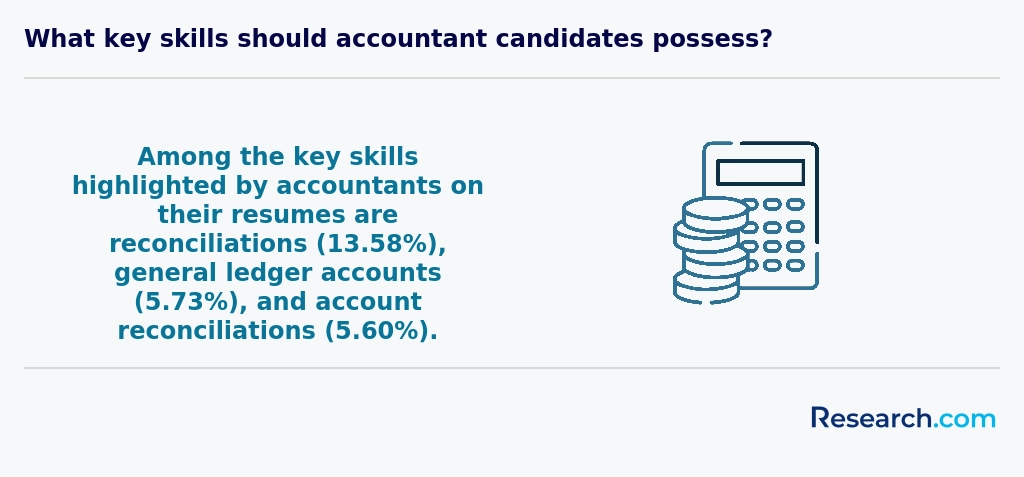
Pursuing an accounting degree is only the beginning of a rewarding career in finance. A crucial next step is gaining professional certifications that can set you apart in a competitive job market. One of the most recognized credentials is the CPA exam, which not only validates your expertise but also considerably enhances your career prospects. To excel, it is important to start early by choosing programs that incorporate certification preparation into their curriculum. Additionally, participating in internships and networking with industry professionals can provide valuable insights into the certification process. Many experts recommend learning about key steps such as exam registration, review courses, and time management strategies for studying. Consider also exploring various certifications relevant to your career goals after your initial certification; for instance, for those interested in specialized fields, detailed guidance on becoming certified public accountant can be invaluable. Furthermore, engaging in continuous professional development through workshops and online courses ensures that you stay current with industry standards and emerging trends, making you a more competitive candidate in the evolving field of accounting.
What courses are typically in accounting degree programs in Des Moines?
Accounting degree programs in Des Moines challenge students to master a diverse set of courses that go beyond mere number-crunching. Graduates from institutions like Drake University or Des Moines Area Community College often reflect on how courses such as Financial Accounting introduced them to real-world recording and reporting scenarios-think balancing ledgers for a local business or preparing financial statements that drive crucial decisions.
Managerial Accounting pushes students to immerse themselves in budgeting simulations and cost analysis that mirror challenges faced by startups in the city's growing economic landscape. Taxation classes dive deep into federal tax laws, but also highlight distinctive local business tax implications, giving students a sharper edge in understanding how taxation impacts Des Moines firms.
Auditing and Accounting Information Systems offer hands-on experiences with actual software used by Midwest firms, while Business Law intertwines legal frameworks with day-to-day financial practices in the local market. Ethics courses provoke thoughtful debates, often inspired by dilemmas faced by professionals in Des Moines financial institutions.
These integrated experiences, combined with economics and finance classes, reflect a curriculum designed to prepare students not just for exams, but for meaningful careers embedded in Des Moines' unique business ecosystem.
What types of specializations are available in accounting degree programs in Des Moines?
Accounting degree specializations in Des Moines offer more than just standard tracks; they challenge students to engage deeply with sectors crucial to the region's economy. Graduates from popular universities in Des Moines often reflect on how specializing in Taxation transformed their understanding of local business dynamics, especially within agriculture and manufacturing. This specialization equips them to confidently tackle complex tax scenarios unique to Iowa's diverse industries.
Des Moines accounting program focus areas like Auditing push students to scrutinize financial authenticity, a skill highly prized among public firms and large corporations in the city. Graduates recall feeling empowered as they contributed to ensuring compliance and transparency, vital for maintaining trust in financial markets.
For those pursuing careers beyond numbers alone, Forensic Accounting offers an exhilarating challenge-investigating white-collar crime with precision. Students from local colleges find this specialization emotionally rewarding, understanding their role in protecting community integrity.
Management Accounting, another favored focus, cultivates budget strategists attuned to Des Moines' insurance and financial hubs. Many graduates see this path as a gateway to impactful financial leadership roles. Those exploring options often research further using online accounting associate programs to expand their horizons.
How do you choose the best accounting degree in Des Moines?
Choosing the best accounting degree in Des Moines isn't just about picking a name or relying on tuition costs; it's about envisioning your future in a city that blends growing financial opportunity with rigorous academic standards. Graduates from institutions like Drake University talk about the relief and motivation that came from smaller class sizes and faculty who had real-world experience, making courses feel applicable rather than abstract. These students found that programs accredited by bodies such as ACBSP or AACSB didn't just enhance resumes-they provided solid proof of quality that opened doors in Des Moines's competitive job market.
Affordability matters too. When considering affordable accounting schools Des Moines offers, weigh tuition against available financial aid and career support. Many alumni recall how internship connections facilitated through their universities turned into job offers at respected local firms, anchoring their early career success.
Also, reflect on the importance of CPA exam support. Some programs in Des Moines uniquely tailor their curriculum to Iowa's 150-semester-hour requirement for CPA licensure, a game-changer for many. Those aiming higher can explore a PhD in accounting online, offering flexibility while advancing credentials.

What career paths are available for accounting degree students in Des Moines?
Accounting graduates in Des Moines find themselves at the crossroads of a dynamic financial landscape, where career paths are both diverse and demanding. Public accounting remains a favored route, with many graduates from local universities stepping confidently into auditing, tax preparation, and consulting roles. These positions often serve as a springboard to Certified Public Accountant licensure, greatly enhancing job prospects in Des Moines' competitive market.
Meanwhile, corporate accounting offers compelling opportunities, especially with headquarters of major firms like Principal Financial Group situated right in the city. Graduates frequently assume roles such as financial analyst or internal auditor, managing complex financial operations behind the scenes. This variety illustrates how accounting career opportunities in Des Moines extend beyond the usual expectations, blending practical skills with strategic thinking.
Public and nonprofit sectors similarly attract graduates eager to impact community finances and transparency. Those intrigued by specialized roles often explore forensic accounting or grant management, harnessing their expertise in nuanced ways. Many find that pairing their accounting background with insights from an economics degree job opportunities enhances their versatility, opening yet more doors in this rich job market.

What is the job market for accounting degree in Des Moines?
The job market for an accounting degree in Des Moines defies the stereotype of a stagnant Midwestern economy. Graduates from institutions like Des Moines Area Community College and the University of Iowa often find themselves in high demand due to the city's role as a financial powerhouse in the Midwest. These graduates frequently share stories of landing roles quickly with insurance giants or regional banks, organizations that rely heavily on accounting expertise. This dynamic environment shapes a reality where accounting degree job opportunities Des Moines offer more than just entry-level tasks-they challenge new professionals to contribute to complex financial solutions from day one.
Graduates observing the Des Moines accounting graduate employment outlook are encouraged by salary figures hovering between $65,000 and $70,000 annually, outperforming national averages. The competitive environment fosters not only job security but also professional growth, especially when considering that local employers value certifications like CPA. In part, this robust outlook is fueled by a balanced economy where government agencies, nonprofits, and private firms all seek accounting proficiency.
Choosing to study accounting in Des Moines is also financially sensible. Public colleges provide affordable tuition, helping students avoid overwhelming debt while preparing for lucrative careers. For those curious about career choices beyond just accounting, exploring the most profitable bachelor's degree majors can provide broader context and new directions.
Frequently Asked Questions About accounting
Accounting degree students in Des Moines can maximize their learning by engaging in local internships, which provide practical experience and networking opportunities with Iowa's growing financial sector. The Des Moines metropolitan area houses major insurance and financial companies, enhancing chances for real-world exposure. Enrolling in classes that align with CPA exam requirements is crucial, as Iowa requires 150 credit hours and an ethics exam for certification. Students should also join campus accounting clubs or local chapters of organizations like the Iowa Society of CPAs to stay informed about industry trends and job openings. Utilizing university career centers further supports professional development.
The accounting field is evolving rapidly, with emerging niches offering new career opportunities. In Des Moines, one growing area is forensic accounting. This niche focuses on investigating financial fraud and disputes, an area gaining importance as businesses increase regulatory compliance. According to the Iowa Workforce Development, forensic accountants are expected to see a 10% job growth by 2028 regionally.
Another expanding specialty is environmental accounting, where professionals evaluate environmental costs and sustainability impacts. This aligns well with Des Moines' emphasis on green business practices. Additionally, technology-driven roles like data analytics in accounting are also rising, helping firms leverage big data for better financial decisions.
After completing an accounting degree in Des Moines, preparing for the job market requires a strategic approach. Start by gaining practical experience through internships or part-time roles with local accounting firms or businesses. The Des Moines area hosts several major companies, including financial services and insurance firms, which offer valuable opportunities.
Networking is essential; attending events hosted by the Iowa Society of CPAs or local business chambers can connect graduates with employers. Additionally, pursuing certification such as the CPA (Certified Public Accountant) license enhances job prospects and earning potential. According to the U.S. Bureau of Labor Statistics, CPAs in Iowa earn a median annual wage higher than the national average.
Developing strong skills in accounting software like QuickBooks and Excel is also advantageous as many Des Moines employers seek candidates proficient in these tools. Finally, graduates should tailor resumes and cover letters to highlight local experience and relevant skills to stand out in the competitive Des Moines job market.
Employers in Des Moines seek accounting graduates with strong analytical and technical skills. Proficiency in accounting software such as QuickBooks, Excel, and SAP is highly valued, reflecting the growing digitization of financial processes.
Communication skills are also critical, as accountants often explain complex financial data to non-experts. According to the Iowa Workforce Development, attention to detail and ethical judgment rank among the top traits local employers emphasize.
Additionally, knowledge of tax regulations and auditing standards is essential, especially in Des Moines' diverse business environment. Many employers prioritize candidates with CPA eligibility or progress toward certification.
Problem-solving abilities and adaptability continue to be important due to evolving industry demands and regulatory changes.
Finding internships in Des Moines for accounting students involves exploring local businesses and educational resources. Des Moines hosts a robust financial sector, including firms like Wells Fargo and Principal Financial Group, which often offer internship programs tailored to accounting majors.
The Career Services offices at institutions such as Drake University and Grand View University provide regular listings and networking events to connect students with internship opportunities. Utilizing platforms like Handshake, commonly used by these universities, can improve access to relevant positions.
Professional groups like the Iowa Society of CPAs also offer internship listings and mentoring, enhancing students' chances to gain practical experience in the local accounting field.
In Des Moines, earning an accounting degree significantly enhances career mobility and advancement opportunities. The city hosts a robust financial sector, including major insurance companies and accounting firms, which demand skilled professionals. According to the U.S. Bureau of Labor Statistics (2023), accountants and auditors in Iowa, especially in metropolitan areas like Des Moines, enjoy a projected job growth rate of 7% through 2031, aligning with national averages.
Graduates with an accounting degree in Des Moines are better positioned for roles in auditing, taxation, and financial analysis. Many employers also prefer candidates with degrees who can pursue CPA certification, which notably improves promotion prospects and salary potential. Additionally, the presence of professional organizations, such as the Iowa Society of CPAs, offers valuable networking and continuous education to support career growth.
Studying for an accounting degree in Des Moines equips students with a strong foundation in financial principles while emphasizing skills applicable across multiple disciplines. Local programs often include courses in business law, information systems, and data analytics, preparing graduates to collaborate effectively beyond traditional accounting roles.
Des Moines benefits from a diverse economy with sectors like finance, insurance, and healthcare requiring professionals who understand interdisciplinary processes. According to the U.S. Bureau of Labor Statistics, accounting employment in Iowa is projected to grow by 7% through 2031, reflecting demand for versatile professionals.
This multidisciplinary approach helps students develop critical thinking and problem-solving skills, making them valuable in roles such as financial analysis, consulting, and management. Many Des Moines institutions also foster partnerships with local businesses, offering internships that expose students to real-world applications across fields.
When choosing between a thesis and a non-thesis accounting degree program in Des Moines, consider your career goals and learning preferences. A thesis program typically involves conducting original research and writing a detailed paper, ideal for students interested in academic work or pursuing a PhD.
Non-thesis programs focus more on coursework and practical skills, which suits professionals aiming for accounting certifications or immediate employment. According to data from the Iowa Board of Accountancy, Des Moines hosts many CPA candidates who prefer non-thesis options due to their applied learning approach.
Cost and time commitments also differ; thesis paths often take longer. Evaluate each school's curriculum to see which aligns best with your ambitions.
Students in Des Moines interested in studying accounting abroad have several viable options through partnerships between local universities and international institutions. Drake University, a prominent school based in Des Moines, offers study abroad programs that include business and accounting courses in countries like the United Kingdom and Australia. These programs typically last one semester during the junior or senior year. Additionally, students can explore transfer agreements with overseas universities or participate in exchange programs coordinated by organizations such as IES Abroad or CIEE, which often include accounting-focused coursework consistent with U.S. standards.
Access to these programs enhances cross-cultural experience and global accounting practices understanding, valuable for future CPA candidates. According to NACE 2023 surveys, 45% of accounting graduates report increased job prospects after studying abroad, demonstrating the practical benefits. Careful planning with academic advisors in Des Moines is essential to ensure credits transfer smoothly and align with CPA exam requirements.
Des Moines offers several part-time job opportunities that complement an accounting degree education. Many students find roles as bookkeeping assistants, which help build essential skills in managing financial records and using accounting software. Local firms and small businesses in Des Moines often seek part-time tax preparers, especially during tax season, providing practical experience with tax codes and client interactions.
The city's status as a financial hub, with companies like Principal Financial Group, means internships and entry-level accounting positions are also common. According to the Iowa Workforce Development, accounting-related jobs in Des Moines have grown by 5% annually, creating more opportunities for students.
Working as a payroll clerk or accounts payable/receivable assistant can also reinforce classroom learning through hands-on practice with financial transactions and compliance standards.
Accounting students in Des Moines benefit from a variety of networking opportunities that support career growth and professional development. The city is home to the Des Moines Chapter of the Iowa Society of CPAs, which frequently hosts events, workshops, and networking mixers tailored for accounting students and professionals.
Local universities also encourage connections with alumni and business leaders through career fairs and guest lectures. For example, Drake University and Grand View University offer dedicated accounting student groups that collaborate with Des Moines-area accounting firms.
Moreover, Des Moines' position as a financial hub in the Midwest means students have access to internships in top firms like Principal Financial Group and KPMG, helping them build valuable industry contacts early in their education.
Alumni networks play a significant role in supporting accounting degree students in Des Moines. Graduates from local universities often stay connected through organized groups, providing mentoring and career advice to current students. According to the Iowa Association of Accountants, nearly 70% of accounting graduates find their first job through alumni referrals, highlighting the network's value.
These connections offer students access to internships and job opportunities within Des Moines' growing financial sector, including firms headquartered in the city. Networking events organized by alumni foster professional relationships that can lead to long-term career advancement.
Participation in such networks also helps students develop soft skills like communication and professionalism, important in accounting careers. Overall, alumni networks create a bridge between education and the local industry, enhancing employment prospects for Des Moines accounting students.
Customizing an accounting degree program in Des Moines involves selecting courses and experiences that align with your specific career goals. Many local colleges offer elective courses in areas such as tax accounting, forensic accounting, or auditing, allowing students to focus on their interests. Internships with Des Moines-based firms can provide practical experience and networking opportunities in sectors like agriculture, finance, and insurance, which dominate the local economy.
Additionally, some programs incorporate CPA exam preparation within their curriculum, which is essential for licensure in Iowa. Choosing a school that offers flexible learning formats, including online and evening classes, can help balance education with work commitments. According to the Iowa Department of Education, tailoring your degree through electives and internships improves job placement prospects in the region's competitive accounting job market.
Accounting students in Des Moines often face a range of challenges related to both academic rigor and practical preparation. Many students report difficulty managing the demanding coursework, especially mastering complex topics like tax regulations and auditing standards. According to the Iowa Board of Accountancy, the pass rate for the CPA exam, a key milestone, remains challenging, with approximately 50% passing on their first attempt statewide.
Another common issue is balancing internships or part-time work with studies. Des Moines offers valuable opportunities in finance and insurance sectors, but securing competitive placements can be stressful. Additionally, some students struggle with understanding the latest accounting software and technology trends essential for modern accounting roles.
Financial concerns also impact many in the area. Tuition and living costs in Des Moines, while generally lower than national averages, still pose barriers for some students without sufficient financial aid. Furthermore, staying updated on evolving federal and state accounting regulations requires continuous learning, adding to students' workload.
With an accounting degree in Des Moines, you can pursue several respected professional certifications that enhance your career prospects. The most recognized is the Certified Public Accountant (CPA) credential, which requires passing a rigorous exam and meeting specific education and experience requirements. Many Iowa employers prefer CPA holders due to their expertise in auditing, tax, and financial reporting.
Another valuable certification is the Certified Management Accountant (CMA), focusing on financial management and strategic decision-making. It is ideal for accountants interested in corporate finance roles.
Additionally, the Certified Internal Auditor (CIA) is popular for those targeting internal auditing careers.
According to the Iowa Society of CPAs, over 10,000 licensed CPAs work statewide, with Des Moines hosting a strong professional network.
Applying to an accounting program in Des Moines requires a clear and well-structured application. Start by highlighting your academic achievements, especially in math and business-related courses, as strong quantitative skills are essential for accounting careers. Include any relevant work or internship experience in finance or bookkeeping, which can demonstrate practical understanding.
Personalize your statement of purpose to show genuine interest in accounting and how studying in Des Moines aligns with your career goals. Mention local connections if applicable, as regional programs often value community ties.
Additionally, prepare for standardized tests like the SAT or ACT, if required, and ensure your GPA meets program standards. According to the National Center for Education Statistics, most accounting programs in Iowa favor applicants with GPAs above 3.0.
The accounting profession is increasingly viewed through a global lens, reflecting the interconnectedness of today's markets. For students in Des Moines considering an accounting degree, understanding international standards is important. The U.S. accounting field aligns closely with the International Financial Reporting Standards (IFRS), widely adopted across Europe and Asia, which influences multinational corporations based in Iowa.
Globally, accountants are expected to navigate diverse regulatory environments. According to the Bureau of Labor Statistics, accounting jobs in the U.S. are projected to grow by 6% from 2021 to 2031, with demand rising in global firms operating in Des Moines.
Moreover, proficiency in international accounting practices enhances career mobility worldwide. Des Moines' growing financial sector offers opportunities tied to global commerce, benefiting graduates familiar with both U.S. Generally Accepted Accounting Principles (GAAP) and IFRS standards.
Gaining practical experience while studying for an accounting degree in Des Moines is essential for career readiness. Many local colleges and universities encourage students to pursue internships with regional accounting firms or businesses. These opportunities allow students to apply classroom knowledge in real-world settings, enhancing skills in tax preparation, auditing, and financial analysis.
Des Moines, being a hub for insurance and financial services, offers numerous internships at companies like Principal Financial Group and Wellmark Blue Cross Blue Shield. According to the Iowa Workforce Development, accounting jobs in Des Moines grew by 5% from 2020 to 2023, increasing demand for experienced graduates.
Additionally, some schools partner with local businesses to provide cooperative education programs, combining coursework with paid work experience. Volunteering with nonprofit organizations for bookkeeping or tax assistance can also build relevant skills while supporting the community.
Choosing the right concentration within an accounting degree program in Des Moines involves understanding your career goals and the local job market. Common concentrations include forensic accounting, taxation, auditing, and managerial accounting. In Des Moines, a major financial hub, tax and auditing specializations often lead to strong employment opportunities due to the presence of large insurance and financial services companies.
Review program curricula carefully to ensure they align with your interests. You can also consider internships and networking opportunities in Des Moines, which help gain practical experience. According to the Iowa Workforce Development, accounting jobs in this region are expected to grow by 7% through 2030, making these concentrations viable choices.
Related Accounting Rankings for Nearby Cities
- 2027 Most Popular Accounting Degree Programs Ranking in Saint Paul
- 2027 Most Popular Accounting Degree Programs Ranking in Minneapolis
- 2027 Most Popular Accounting Degree Programs Ranking in Madison
- 2027 Most Popular Accounting Degree Programs Ranking in Saint Louis
- 2027 Most Popular Accounting Degree Programs Ranking in Chicago
- 2027 Most Popular Accounting Degree Programs Ranking in Indianapolis
- 2027 Most Popular Accounting Degree Programs Ranking in Grand Rapids
- 2027 Most Popular Accounting Degree Programs Ranking in Conway
- 2027 Most Popular Accounting Degree Programs Ranking in Louisville
- 2027 Most Popular Accounting Degree Programs Ranking in Memphis
Top Trending Accounting Rankings
See What Experts Have To Say About Studying Accounting
Read our interview with Accounting experts

John Wermert, Ph.D., CPA
Accounting Expert
Associate Professor of Accounting
Middle Tennessee State University

Yaw M. Mensah
Accounting Expert
Professor and Interim Vice Dean for Strategic Partnerships
Rutgers Business School

References
- Skills You Need for a Career Path in Accounting | AIU https://www.aiuniv.edu/degrees/business/articles/top-skills-for-career-in-accounting
- Master’s Program in Accounting and Auditing (Thesis/Non-Thesis, Turkish) https://www.isikun.edu.tr/en/academic/graduate/accounting-auditing/masters-program-accounting-and-auditing-thesis/non-thesis
- How to Meet Accounting Degree Requirements for Career Success - ICMS https://www.icms.edu.au/degree-discovery/how-to-meet-accounting-degree-requirements/
- Become a CPA https://www.iacpa.org/future-cpas/become-cpa
- Inside the world of accounting internships: What to expect : ThisWayToCPA : AICPA https://www.thiswaytocpa.com/work-experience/articles/internships/inside-world-accounting-internships-what-expect/
- Guide to Transition into an Accounting Career https://teach.com/online-ed/business-degrees/online-masters-accounting/how-to-transition-to-an-accounting-career/
- Accounting Degree Program Guide | Accounting.com https://www.accounting.com/degrees/overview/
- 6 accounting niches for your new firm https://www.becker.com/blog/career/accounting-niches-for-your-firm
- Must-Have Skills for Accounting & Finance Graduates Entering Singapore’s Competitive Job Market https://www.lsbf.edu.sg/blog/accountancy-and-finance/must-have-skills-for-accounting-finance-graduates-entering-singapores-competitive-job-market
- Accountants of the Future https://www.deloitte.com/us/en/programs/center-for-controllership/blogs/future-of-accounting-profession.html