2027 Most Affordable Accounting Degree Programs Ranking in Cincinnati

Co-Founder and Chief Data Scientist
If you're considering a career in accounting, finding an affordable degree program in Cincinnati is a smart first step. Our article presents the 2027 Most Affordable Accounting Degree Programs Ranking in Cincinnati, created by the Research.com team of data scientists. This ranking helps you make an informed choice by highlighting programs that combine quality education with cost-effectiveness.
Getting an accounting degree opens doors to stable and rewarding career opportunities. Reading this article will guide you toward options that fit your budget and goals, empowering you to take confident steps toward your future.
Key benefits of getting accounting degree in Cincinnati
- Salary for accounting degree graduates: Graduates in Cincinnati can expect competitive wages, with Staff Accountants earning a mean annual salary of $90,780 and Bookkeepers earning around $49,580. These figures reflect strong earning potential in various accounting roles backed by reliable data.
- Potential career paths: Accounting graduates from popular Cincinnati universities can explore diverse roles such as Tax Preparer, Associate Auditor, or Accounts Payable Clerk, all offering stable and rewarding job opportunities. This flexibility supports long-term career growth in finance and business sectors.
- Benefits of online degrees: Earning an accounting degree online from Cincinnati-based institutions allows flexibility to balance work and studies, often accelerating graduation timelines. This modern approach supports busy lifestyles while providing the same valued credentials as traditional programs.
- Key benefits of getting accounting degree in Cincinnati
- What can I expect from accounting degree in Cincinnati?
- Where can I work with accounting degree in Cincinnati?
- How much can I make with accounting degree in Cincinnati?
- 2027 Most Affordable Accounting Degree Programs Ranking in Cincinnati
- Key Findings
- How long does it take to complete accounting degree in Cincinnati?
- Application Process and Admission Tips for Accounting Degrees in Cincinnati, OH
- What's the difference between online and on-campus accounting degree?
- Professional Certifications and Licenses
- What is the average cost of accounting degree in Cincinnati?
- Exploring Affordable Accounting Programs in Cincinnati, OH
- What financial aid is available to accounting degree students in Cincinnati?
- What are the prerequisites for enrolling in accounting degree program in Cincinnati?
- Accreditation and CPA Certification Path in Ohio
- What courses are typically in accounting degree programs in Cincinnati?
- What types of specializations are available in accounting degree programs in Cincinnati?
- How do you choose the best accounting degree in Cincinnati?
- What career paths are available for accounting degree students in Cincinnati?
- What is the job market for accounting degree in Cincinnati?
- Top Trending Accounting Rankings
- See What Experts Have To Say About Studying Accounting
What can I expect from accounting degree in Cincinnati?
The average cost of pursuing an accounting degree in Cincinnati varies significantly depending on the type of institution you choose. Graduates from public universities like the University of Cincinnati often recall that the in-state tuition hovers around $12,000 per year. This makes public education an accessible option without sacrificing quality, especially with the strong business connections provided by schools such as the Lindner College of Business. On the other hand, those attending private institutions, including well-known colleges like Xavier University, might experience tuition fees exceeding $30,000 annually, reflecting the premium placed on personalized instruction and smaller class sizes.
Many students appreciate that Cincinnati schools offer targeted scholarships and financial aid packages specifically for accounting majors. This support can ease financial pressure and foster a positive environment where focus remains on mastering core subjects like auditing and taxation. The investment feels worthwhile to graduates who value not only the education but the professional opportunities opening up within the city's thriving job market.
Where can I work with accounting degree in Cincinnati?
Graduates from accounting programs at universities like the University of Cincinnati often find themselves welcomed into a spectrum of rewarding careers. Many start in public accounting firms-ranging from Big Four offices to solid regional players-where hands-on experience with auditing and tax consulting builds essential skills. It's common to hear from alumni about the pride they felt when passing the CPA exam and securing roles that truly value their expertise.
Others move into corporate accounting, working with local giants such as Procter & Gamble or Fifth Third Bank. These positions frequently involve managing budgets or compliance, and graduates appreciate how their education prepares them for navigating the complexities of finance in a bustling business environment.
Practical experience also draws graduates toward nonprofit and government sectors within Cincinnati, where their knowledge supports financial transparency and community impact. Healthcare institutions similarly provide fulfilling roles where accountants contribute to operational efficiency amidst a fast-evolving industry.
For those who cherish independence, Cincinnati's vibrant small business scene offers countless opportunities as trusted advisors, helping SMEs grow with confidence. This diverse local economy truly demonstrates the versatility an accounting degree unlocks here.
How much can I make with accounting degree in Cincinnati?
Graduates from accounting programs at well-known Cincinnati schools often find themselves stepping into roles like Staff Accountant, where the mean annual wage is about $90,780. This figure provides a solid baseline for those entering the job market, reflecting the local demand and industry presence. For example, graduates from the University of Cincinnati have shared their relief and excitement when their starting salaries exceeded $70,000, affirming their investment in education.
Positions such as Bookkeeper, Tax Preparer, Associate Auditor, and Accounts Payable Clerk offer mean wages around $49,580. While these roles might represent entry points after graduation, they provide essential experience and a pathway to higher earnings.
Many accounting graduates quickly realize that Cincinnati's moderate cost of living makes these salaries more valuable in day-to-day life-covering essentials comfortably while allowing savings for further certifications like the CPA. The combination of stable salaries and growth prospects makes Cincinnati a wise choice for starting an accounting career.
2027 Most Affordable Accounting Degree Programs Ranking in Cincinnati
How do we rank schools?
Investing in your education is a significant decision that can shape your future, and the Research.com team understands the importance of making informed choices. To assist prospective students in Cincinnati, we have meticulously developed the "2027 Most Affordable Accounting Degree Programs Ranking in Cincinnati." Our commitment to quality, credibility, and accuracy is demonstrated through the thorough research and analysis underpinning this ranking.
We utilized the following reputable data sources to ensure a comprehensive evaluation of accounting degree programs:
By exploring this ranking, readers will gain valuable insights into the most affordable and quality accounting programs in Cincinnati to support their educational investment. For more details on our methodology, please visit our Research.com methodology page.


Key Findings
- Tuition for accounting bachelor's degrees in Cincinnati public universities ranges from $10,000 to $15,000 per year for in-state students, while private schools charge between $25,000 and $40,000 annually.
- Entry-level accountants in Cincinnati earn an average salary of $52,000 to $58,000 per year, with potential growth to around $75,000 within five years.
- The Cincinnati/Northern Kentucky area supports diverse accounting jobs, including corporate accounting, auditing, taxation, and financial analysis roles.
- Ohio requires 150 semester hours for CPA certification, often met through combined bachelor's and master's degree programs offered locally.
- Internships and cooperative education options are available at many Cincinnati institutions to improve practical experience and job prospects.
How long does it take to complete accounting degree in Cincinnati?
Completing an accounting degree in Cincinnati often takes about four years for full-time students attending well-known institutions like the University of Cincinnati or Xavier University. Graduates from these schools frequently share how staying on track with around 120 to 130 credit hours feels challenging yet rewarding, especially when balancing internships or part-time work. Many appreciate how the structured course load builds gradually, making the journey manageable and empowering.
For others, especially those attending community colleges like Cincinnati State, the path to an associate degree is closer to two years, offering a practical, hands-on foundation that opens doors to entry-level accounting roles. Some graduates reflect on how this route gave them flexibility to work while studying, easing financial pressure and boosting confidence.
Students pursuing a Master's in Accounting often spend an additional one to two years after their bachelor's, driven by desires to specialize or qualify for the CPA license. Accelerated programs in the city also appeal to motivated learners eager to finish sooner, blending summer classes and heavier semesters to turn aspirations into achievement faster.
Application Process and Admission Tips for Accounting Degrees in Cincinnati, OH
Navigating the application process can be a decisive step in launching your accounting career. In Cincinnati, prospective students should start by understanding key application deadlines, required documents, and tailored advice from admission experts at local institutions. First, prepare essential materials such as transcripts, standardized test scores (if applicable), and a compelling personal statement that highlights your passion for numbers and finance. Many universities also recommend a resume that details relevant work experiences and extracurricular activities. It can be highly beneficial to attend virtual information sessions or campus tours to gain firsthand insights into each school’s unique culture and networking opportunities. Additionally, prospective students should consider learning more about specialized career paths in accounting; for example, explore how to align your interests by visiting what are the best accounting specializations. Finally, do not hesitate to reach out directly to the admissions offices with any questions regarding scholarships, internship placements, and tailored support services that can enhance your overall study experience. With a proactive approach and careful preparation, you can streamline the application process and set the foundation for a successful career in accounting.
What's the difference between online and on-campus accounting degree?
Choosing between online and on-campus accounting degrees in Cincinnati often comes down to lifestyle and learning preferences. Graduates from the University of Cincinnati's on-campus program frequently highlight the energizing atmosphere of face-to-face classes, where lively discussions with professors and peers spark deeper understanding. They cherish access to on-site resources like accounting labs and career centers, which help build strong local business connections.
On the other hand, those pursuing the online Bachelor of Science in Accounting at the University of Cincinnati appreciate the flexibility it offers. Balancing work, family, and studies becomes achievable without sacrificing educational quality, as online programs maintain regional accreditation and align closely with on-campus curricula. Many online students value completing coursework at their own pace, which reduces stress and supports retention.
Both paths prepare students well for CPA requirements and local job markets, but the choice depends on whether you thrive in structured in-person environments or need the freedom to learn remotely while still engaging with Cincinnati's vibrant accounting community.
Professional Certifications and Licenses
Earning your bachelor’s in Accounting is just the first step toward a robust professional profile; obtaining industry-recognized certifications can significantly boost your marketability and earning potential. In Cincinnati, OH, many graduates pursue the Certified Public Accountant (CPA) credential, which requires meeting Ohio’s state board criteria-typically 150 semester hours of education, passing all four CPA exam sections, and fulfilling experience requirements under a licensed CPA. Beyond the CPA, other valuable credentials include the Certified Management Accountant (CMA) and the Certified Internal Auditor (CIA), each demonstrating expertise in managerial reporting and risk assessment, respectively. Preparing for these exams often involves specialized review courses, such as Becker or Wiley, and consistent Continuing Professional Education (CPE) to maintain licensure. Local professional organizations like the Cincinnati Chapter of the AICPA offer networking events, exam study groups, and mentorship programs that help candidates stay on track. For those balancing work and study, online programs can provide the flexibility needed to complete additional credits or master’s prerequisites. If you’re comparing affordability and program quality, be sure to explore our Most Affordable Online Bachelor's in Accounting Degree Programs Ranking in the Midwest to find cost-effective pathways that align with your certification goals. Finally, consider specialty certificates in areas like forensic accounting or financial forensics offered by institutions such as the University of Cincinnati and Xavier University. These focused credentials not only deepen your expertise but also position you as a versatile professional ready to tackle evolving challenges in finance and compliance.
What is the average cost of accounting degree in Cincinnati?
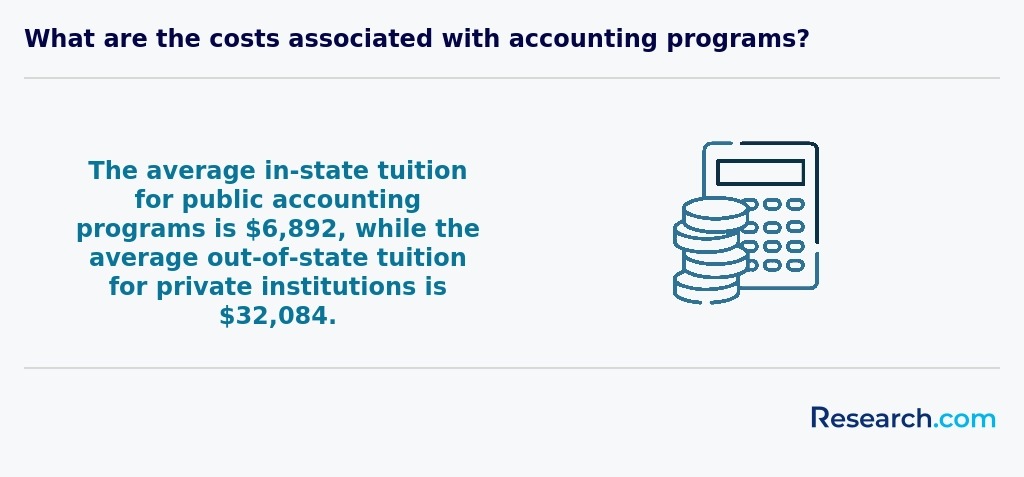
The average cost of earning an accounting degree in Cincinnati typically falls around $54,650, though this figure represents a median that blends the experiences of many students from both public and private institutions. Graduates from the University of Cincinnati, a well-regarded public university with a strong accounting program, often note the advantage of lower in-state tuition, which can bring their total to closer to $38,150. By comparison, those out of state or attending private schools may face costs rising well beyond this average.
Many graduates recall the balance of challenge and opportunity in managing these expenses. The decision to attend a local public university often reflects a strategic choice, allowing them to benefit from tuition savings and remain connected to the Cincinnati business community. Meanwhile, alumni of private institutions sometimes highlight the value of financial aid packages that soften the impact of higher sticker prices, making the overall investment feel more manageable.
For students navigating the affordable accounting programs in ohio, exploring community colleges or transfer pathways offers an appealing route to reduce costs further. These approaches often resonate with students balancing educational ambitions with budget realities, offering a clear path to a quality accounting degree without excessive financial burden.
Exploring Affordable Accounting Programs in Cincinnati, OH
For those seeking to pursue an accounting degree in Cincinnati without breaking the bank, understanding the landscape of affordable programs is crucial. Many institutions in Cincinnati offer competitive tuition rates, scholarships, and financial aid packages that can make achieving an accounting degree more accessible. When considering affordability, it's essential to look beyond just the tuition costs and factor in additional expenses such as fees, textbooks, and living expenses. Prospective students can also explore options like part-time or online study to balance their educational aspirations with other responsibilities. For instance, those interested in affordable accounting programs in ohio can find a wealth of information on program specifics, accreditation, and graduate outcomes. By doing thorough research and considering all available options, aspiring accountants can find an affordable pathway to their career goals, setting them up for success in Cincinnati's vibrant business community.
What financial aid is available to accounting degree students in Cincinnati?
Accounting students in Cincinnati often find relief through federal aid, beginning with the FAFSA application. Graduates from University of Cincinnati recall how Pell Grants-offering up to $7,395 annually-made a huge difference in managing tuition and textbook expenses. Even those pursuing advanced degrees benefit from Federal Direct Loans, which come with flexible repayment terms, allowing focus on studies without immediate financial pressure.
State-funded programs, like the Ohio College Opportunity Grant, notably support in-state undergraduates at public colleges by reducing tuition costs. Those studying at Cincinnati State Technical and Community College have experienced firsthand how such grants ease the burden of college expenses, enabling them to concentrate on mastering complex accounting principles.
On top of federal and state aid, local scholarships provided by organizations such as the Cincinnati Chapter of the Institute of Management Accountants or Ohio Society of CPAs can be pivotal. Many recipients describe the pride and motivation gained from earning these awards, which often cover essentials like course fees and materials.
Work-study positions on campuses in Cincinnati offer practical accounting experience while supplying steady income. Additionally, employer tuition assistance programs provide encouragement for working students balancing jobs and education, reinforcing confidence as they advance their careers.
What are the prerequisites for enrolling in accounting degree program in Cincinnati?
Enrolling in an accounting degree program in Cincinnati typically begins with having a high school diploma or GED, which sets the foundation for success. Graduates from well-regarded schools like the University of Cincinnati often share how strong math skills, especially in algebra and statistics, made their transition smoother. Admissions committees value these skills because accounting demands precise numerical and analytical thinking.
Standardized test scores, such as the SAT or ACT, remain important for many Cincinnati institutions, though some have embraced test-optional policies recently. Students who scored well in quantitative sections often found their applications noticeably strengthened. Many also found that demonstrating basic knowledge of economics or introductory accounting through prior coursework helped them stand out, particularly at colleges like Xavier University.
For those considering CPA licensure in Ohio, selecting programs aligned with the 150-semester-hour rule proves essential. Some graduates recall how aligning their course choices with these requirements saved time and stress later. Cincinnati students also advise preparing for recommendation letters and personal statements, which schools use to gauge motivation and communication skills beyond academics.

Accreditation and CPA Certification Path in Ohio
To practice as a Certified Public Accountant (CPA) in Ohio, graduates must navigate both educational and professional requirements that ensure credibility and compliance with state regulations. Choosing a program accredited by the Association to Advance Collegiate Schools of Business (AACSB) or the Accreditation Council for Business Schools and Programs (ACBSP) is the first critical step.
- Educational Requirements: Ohio law mandates 150 semester hours of college credit, including a bachelor’s degree in accounting or a related field. Coursework must cover financial accounting, auditing, taxation, business law and ethics.
- Exam Requirements: Candidates must pass the Uniform CPA Examination, which consists of four sections: Auditing & Attestation (AUD), Business Environment & Concepts (BEC), Financial Accounting & Reporting (FAR) and Regulation (REG). A minimum score of 75 on each section is required.
- Experience Requirement: After passing the exam, applicants need one year (or 2,000 hours) of supervised accounting experience, verified by a licensed CPA, in areas such as public accounting, industry, government or academia.
- Ethics Exam: Ohio requires completion of an approved ethics course and a separate ethics exam, demonstrating knowledge of professional conduct standards.
Many online programs now integrate these requirements into their curriculum, offering specialized CPA review courses and flexible schedules. For professionals balancing work and study, our best affordable accounting degrees online list highlights programs that align with Ohio’s CPA Board guidelines while keeping costs manageable.
What courses are typically in accounting degree programs in Cincinnati?
Graduates from Cincinnati's leading institutions often reflect on how foundational courses like Financial Accounting and Managerial Accounting shaped their understanding of real business environments. In these programs, students quickly move from abstract concepts to practical applications, such as analyzing actual company budgets or preparing financial statements modeled after local businesses.
Intermediate and Advanced Accounting classes deepen this insight, requiring students to tackle complex scenarios they might encounter at firms headquartered in Cincinnati, such as Procter & Gamble. Auditing courses add another layer, teaching future accountants how to scrutinize records with rigor, a skill highly valued by employers like regional banks.
Taxation courses take on particular significance given Cincinnati's diverse economic landscape, combining federal, state, and local tax laws students will need to master. Beyond these, electives in Accounting Information Systems and Ethics prepare students to navigate technological advances and professional responsibilities with confidence.
Graduates often remark that blending these courses with Cincinnati-specific examples helped them feel ready to contribute meaningfully in their first roles, turning classroom learning into a clear career pathway.
What types of specializations are available in accounting degree programs in Cincinnati?
Accounting degrees in Cincinnati often include specializations such as tax accounting, auditing, forensic accounting, and management accounting, reflecting the city's dynamic business environment. Graduates from well-known Cincinnati colleges describe how focusing on tax accounting helped them confidently navigate complex state and federal regulations, a skill prized by local firms and major corporations nearby. Others found auditing invaluable, especially with Cincinnati's strong manufacturing and healthcare sectors requiring meticulous financial oversight.
For those drawn to investigative roles, forensic accounting offers a compelling path, blending accounting with legal inquiry to combat fraud. Students specializing in management accounting share how their training in budgeting and strategic financial planning equips them to support a wide range of Cincinnati businesses aiming to optimize performance. When exploring Cincinnati affordable accounting programs with concentrations, students appreciate the tailored opportunities that meet specific career goals.
Reflecting on these options can clarify choices; for a deeper understanding, consider reviewing what are the best accounting specializations, which helps align ambitions with local market demands.
How do you choose the best accounting degree in Cincinnati?
Choosing the right accounting degree in Cincinnati begins with verifying the program's accreditation, such as AACSB, which many graduates from local universities praise for its rigorous standards and enhanced job prospects. Reflecting on their journeys, these alumni often highlight how specialized tracks in forensic accounting or taxation helped them align their studies with clear career goals, fostering confidence and engagement.
Cost remains a practical concern. For many, balancing quality education with affordability is crucial. With public institutions offering tuition closer to $11,000 for Ohio residents, and private schools sometimes exceeding $30,000, it's wise to explore scholarships and financial aid. Some find the best affordable accounting degrees Cincinnati by researching programs carefully, making a significant difference in managing expenses without sacrificing educational value.
Another key insight comes from graduates who appreciated strong local connections. Cincinnati's corporate landscape, including giants like Procter & Gamble, opens doors through internships and job placements. This firsthand networking often transforms academics into rewarding careers. Taking advantage of flexible learning and class sizes also greatly benefits working students or professionals seeking growth.
For those interested in flexible options, exploring the best affordable accounting degrees online can offer convenience without compromising educational quality, broadening access within Cincinnati's dynamic academic environment.
What career paths are available for accounting degree students in Cincinnati?
Graduates with an accounting degree in Cincinnati find a variety of rewarding career paths that reflect the city's vibrant economy and business diversity. Many start in public accounting, joining well-known local firms or financial services, where they gain hands-on experience working with clients from small businesses to major corporations. Personal stories from accounting graduates at Cincinnati's popular universities reveal a strong sense of accomplishment when advancing within these roles, often earning salaries above the national average, boosting optimism for the future.
Others pursue corporate accounting careers at major Cincinnati employers like Procter & Gamble or Fifth Third Bank, where roles such as financial analysts and controllers integrate closely with business strategy. Students who explored job prospects with accounting degree Cincinnati often share how internships in these settings offered priceless insights and steady career growth.
Specialized options like forensic accounting and financial consulting are growing fields too, especially for those drawn to investigative work or personalized financial advice. Many local graduates emphasize the advantage of studying at institutions known for practical training and affordable tuition, as outlined in the Most Affordable Online Bachelor's in Accounting Degree Programs Ranking in the Midwest.
What is the job market for accounting degree in Cincinnati?
The accounting job market in Cincinnati remains steady and promising for graduates, with a diverse economy supporting roles in manufacturing, healthcare, finance, and logistics. Many students from well-regarded local schools like the University of Cincinnati find themselves encouraged by how their degree opens doors to opportunities in well-established companies such as Procter & Gamble and Fifth Third Bank. These graduates often describe the experience of securing positions in auditing or financial analysis as both rewarding and motivating, reflecting the region's vibrant demand for accounting talent.
Exploring Cincinnati accounting degree employment outlook reveals that salaries typically range between $55,000 and $75,000, a competitive scale that brings comfort and support to early career professionals. Alumni consistently note that earning a CPA credential raises their marketability significantly, helping them stand out in a field where certification is a common employer preference. For those weighing education costs, the city's relatively moderate tuition rates foster a favorable balance, encouraging many to consider bachelor's degree accelerated programs in the area to enter the workforce sooner and with confidence.
Frequently Asked Questions About accounting
Accounting degree students in Cincinnati can maximize their learning experience by engaging in both classroom study and practical opportunities. Cincinnati hosts several universities with accredited accounting programs, such as the University of Cincinnati, which is recognized for its strong co-op programs allowing students to gain paid work experience in local firms.
Participation in internships with Cincinnati-based accounting firms is crucial, as the Bureau of Labor Statistics reports a 7% job growth for accountants nationally, making practical experience valuable. Joining student organizations like Beta Alpha Psi can enhance networking and professional development.
Students should also utilize resources such as career services and local CPA chapters to prepare for licensure exams and connect with industry professionals.
The accounting field in Cincinnati is rapidly evolving, with several emerging niches attracting new interest. One notable area is forensic accounting, which involves investigating financial fraud and disputes. This specialization has grown due to increased regulatory scrutiny and corporate governance demands.
Another expanding niche is environmental accounting, reflecting a broader business focus on sustainability and green practices. Accountants in this field help organizations measure and report environmental costs and compliance.
Technology-driven roles, such as data analytics and blockchain accounting, are also gaining traction. According to the Cincinnati Business Courier, companies in the region increasingly seek professionals skilled in accounting software and data interpretation, emphasizing the importance of tech knowledge in modern accounting careers.
Preparing for the job market after completing an accounting degree in Cincinnati involves strategic planning and skill development. Graduates should focus on obtaining relevant internships or co-op experiences during their studies, as Cincinnati hosts many accounting firms and corporate headquarters that value practical exposure. According to the U.S. Bureau of Labor Statistics, the demand for accountants in Ohio is projected to grow by 5% through 2031, highlighting the importance of relevant work experience.
Networking is also crucial; joining local chapters of accounting organizations such as the Cincinnati Chapter of the Ohio Society of CPAs can open doors to job leads. Additionally, earning professional certifications like the CPA enhances employment prospects and salary potential in the Cincinnati job market. Finally, keeping updated with current accounting software and regulations through continuing education ensures graduates remain competitive in this evolving field.
Employers in Cincinnati highly value accounting graduates who demonstrate strong analytical and problem-solving skills. These competencies are essential for interpreting financial data and making accurate recommendations.
Proficiency in accounting software, such as QuickBooks and Microsoft Excel, is frequently sought after. According to the Cincinnati Business Courier, over 70% of local firms require familiarity with these tools.
Communication skills, both written and verbal, are critical as accountants must explain complex financial information clearly to various stakeholders. Additionally, attention to detail is vital to ensure compliance with regulatory standards and prevent costly errors.
Knowledge of Generally Accepted Accounting Principles (GAAP) and local tax laws is expected to meet regional business needs effectively.
Finding accounting internships in Cincinnati involves a combination of online research, networking, and utilizing university resources. Many local companies, including banks, accounting firms, and corporations, offer internships specifically for accounting students. Platforms like Handshake, LinkedIn, and internships.com often list opportunities in the Cincinnati area.
Students should also seek help from their college's career center, which connects students to regional employers. According to the Greater Cincinnati Financial Executives International (FEI) chapter, internships often lead to job offers, making these programs highly competitive but valuable.
Local CPA firms and businesses such as Procter & Gamble and Fifth Third Bank frequently recruit accounting interns. Attending career fairs and joining relevant student organizations can improve access to these internships.
In Cincinnati, earning an accounting degree significantly enhances career mobility and advancement opportunities. The city hosts numerous financial firms and corporations seeking qualified accountants, which boosts demand for graduates with formal education in accounting. According to the U.S. Bureau of Labor Statistics, the Cincinnati metropolitan area offers a median annual wage for accountants around $72,000, exceeding the national average.
Possessing an accounting degree often leads to faster promotion prospects and eligibility for specialized roles such as auditing, tax consulting, and forensic accounting. Additionally, many employers in Cincinnati value candidates pursuing Certified Public Accountant (CPA) credentials, which typically require a relevant degree. This credential further opens doors to higher management and executive positions.
Studying for an accounting degree in Cincinnati equips students with skills that extend beyond traditional number crunching. Local programs often integrate coursework in finance, business law, and information systems, providing a broad knowledge base essential for interdisciplinary roles. This approach reflects the demands of Cincinnati's diverse economy, where accountants collaborate with marketing, management, and IT teams.
Many universities partner with Cincinnati businesses, offering internships and case studies that simulate real-world challenges requiring cross-disciplinary solutions. According to the Greater Cincinnati Finance Council, 68% of employers seek accounting graduates with skills in data analytics and communication.
This blend of accounting principles with complementary disciplines prepares graduates to adapt in roles that intersect various business functions.
When choosing between a thesis and a non-thesis accounting degree program in Cincinnati, students should consider their career goals and learning preferences. Thesis programs usually focus on research and writing, suitable for those aiming to pursue a PhD or careers in academia. Non-thesis options tend to emphasize practical skills and coursework, which align well with professional certification like the CPA exam.
In Cincinnati, universities such as the University of Cincinnati offer both paths, allowing flexibility. According to the National Center for Education Statistics, about 40% of accounting graduates in Ohio opt for non-thesis paths, reflecting local demand for practical experience.
Evaluating program requirements, duration, and faculty expertise in your area can further guide your decision.
Students in Cincinnati interested in studying accounting abroad have several academic pathways to consider. Many local universities, such as the University of Cincinnati, offer study abroad programs in partnership with accredited institutions worldwide. These programs allow accounting students to gain international experience while earning credits toward their degree.
Another option is enrolling in exchange programs through the Association to Advance Collegiate Schools of Business (AACSB), which connects Cincinnati institutions with top global business schools. This can give students exposure to different accounting standards and practices, useful for multinational careers.
Financial aid and scholarships specifically for study abroad in accounting are often available, helping to offset costs. According to NAFSA, Cincinnati ranks well for overseas education participation, indicating strong institutional support.
Students pursuing accounting degrees in Cincinnati have various part-time job opportunities that align well with their studies. Common roles include bookkeeping assistant, tax preparer, and payroll clerk positions. These jobs offer practical experience with financial software like QuickBooks and enhance understanding of accounting principles.
Cincinnati's strong business environment, with numerous small to mid-sized firms, creates demand for part-time interns and assistants. According to the U.S. Bureau of Labor Statistics, accounting and auditing clerks in Ohio earned median wages around $20 per hour in 2023, which can help support students financially.
Additionally, local accounting firms often seek part-time help during tax season, providing hands-on learning opportunities and networking connections critical for future career growth.
Accounting students in Cincinnati benefit from strong networking opportunities through local universities and professional organizations. Schools such as the University of Cincinnati offer student chapters of the American Institute of Certified Public Accountants (AICPA), connecting students with accounting professionals and potential employers.
The Cincinnati chapter of the AICPA frequently hosts events including workshops, job fairs, and speaker sessions focused on the accounting industry. These provide students with practical insights and chances to build relationships with local CPA firms and corporations.
Moreover, Cincinnati's thriving business environment, with over 50 Fortune 1000 companies nearby, gives students access to internships and networking events. This environment is supported by agencies like the Cincinnati USA Regional Chamber, which often partners with educational institutions for career development initiatives.
Alumni networks play a crucial role for accounting degree students in Cincinnati by providing valuable connections within the local finance and business community. Graduates often gain access to mentorship opportunities, internships, and job openings through these networks, which can boost their career prospects.
The Cincinnati region hosts a strong base of accounting professionals, with several alumni leading firms and corporations. According to the Cincinnati USA Regional Chamber, professional networks like alumni groups help students navigate the city's competitive job market more effectively.
Additionally, alumni networks often host events and workshops, keeping students informed about regional industry trends and CPA exam preparation.
Students pursuing an accounting degree in Cincinnati can customize their programs by selecting electives that align with their career goals, such as taxation, auditing, or forensic accounting. Many local institutions offer flexible course options and concentrations within the accounting major. For example, courses in government accounting or nonprofit accounting prepare students for specific sectors.
Internships and cooperative education opportunities available through Cincinnati universities provide practical experience and networking in the local accounting market, which is valued by employers according to the Cincinnati Chamber of Commerce. Additionally, students can pursue certifications like CPA preparation embedded within degree programs, helping meet Ohio's licensing requirements. Customizing your degree with these elements enhances both skills and employability in the Cincinnati accounting field.
Accounting students in Cincinnati often face several common challenges during their studies. One significant difficulty is managing the rigorous coursework, which includes subjects like taxation, auditing, and financial reporting. These courses require strong analytical skills and attention to detail. According to the National Association of State Boards of Accountancy, passing the CPA exam remains a major hurdle, with only about 50% of candidates passing on their first try nationally.
Another challenge is balancing study with work commitments, as many Cincinnati students hold part-time jobs to support themselves. Additionally, the cost of education, even at more affordable local institutions, can be a barrier. Students also report needing practical experience, making internships in Cincinnati's diverse business environment crucial but competitive.
An accounting degree in Cincinnati opens the door to several valuable professional certifications that can enhance your career prospects. Among the most recognized is the Certified Public Accountant (CPA) credential, which requires passing the Uniform CPA Exam and meeting state-specific education and experience requirements. Ohio's State Board of Accountancy provides detailed guidelines for CPA candidates.
Other popular certifications include the Certified Management Accountant (CMA), focused on financial management and strategy, and the Certified Internal Auditor (CIA), which emphasizes auditing skills. Both are nationally recognized and respected in Cincinnati's business community.
Pursuing these credentials can increase your earning potential; for example, CPAs in Ohio earn a median salary above $70,000 annually, according to the Bureau of Labor Statistics. These certifications require continuing education to maintain, ensuring you stay current in the dynamic accounting field.
To write a winning application for an accounting program in Cincinnati, start by clearly demonstrating your passion for accounting and career goals. Highlight relevant coursework, work experience, or internships that showcase your skills in finance or bookkeeping. Many Cincinnati institutions consider strong math and analytical abilities as key admission factors.
Make sure to meet all application deadlines and carefully follow instructions from schools like the University of Cincinnati or Xavier University. Include a concise, well-written personal statement explaining why you want to study accounting locally and how it fits your future plans.
Official transcripts and letters of recommendation add credibility. According to the Ohio Board of Accountancy, programs accredited by AACSB are preferred by employers in the area, so mention any connections to accredited programs if applicable.
Accounting is a globally respected profession, with standards and practices influenced by international bodies like the International Financial Reporting Standards (IFRS). In the U.S., including Cincinnati, accounting degrees focus on Generally Accepted Accounting Principles (GAAP), which may differ from IFRS used overseas. This makes U.S.-trained accountants valuable for companies dealing with global markets.
According to the Bureau of Labor Statistics, demand for accountants is expected to grow 7% nationally from 2022 to 2032, reflecting steady global business needs. Cincinnati's growing economy supports this demand, especially in finance and manufacturing sectors.
For Cincinnati students, understanding global accounting frameworks enhances career flexibility and opens opportunities with multinational firms headquartered in or near the city.
Students pursuing an accounting degree in Cincinnati can gain practical experience through several accessible opportunities. Many local universities partner with businesses and non-profits, offering internships that provide hands-on exposure to accounting practices. For example, the Cincinnati region hosts numerous firms seeking interns, especially during tax season, allowing students to apply classroom knowledge in real-world settings.
Additionally, Cincinnati's proximity to a strong financial and corporate sector means part-time accounting roles are often available. Joining student accounting organizations such as Beta Alpha Psi can connect students with networking events and mentorships.
Local CPA firms and government agencies also frequently offer cooperative education programs, blending study with paid work experience, which benefits both students and employers.
Choosing the right concentration within an accounting degree program in Cincinnati involves considering your career goals and local job market trends. Popular specializations include auditing, tax accounting, forensic accounting, and managerial accounting. Cincinnati's economy features a strong presence of manufacturing and finance sectors, influencing demand for professionals skilled in cost and tax accounting, according to the Ohio Department of Job and Family Services.
Look for programs that align with Ohio's CPA certification requirements if you aim to become a certified public accountant, as this credential enhances job prospects locally. Research university partnerships with Cincinnati businesses for internships, which can guide your specialization choice.
Related Accounting Rankings for Nearby Cities
- 2027 Most Affordable Accounting Degree Programs Ranking in Louisville
- 2027 Most Affordable Accounting Degree Programs Ranking in Indianapolis
- 2027 Most Affordable Accounting Degree Programs Ranking in Columbus
- 2027 Most Affordable Accounting Degree Programs Ranking in Cleveland
- 2027 Most Affordable Accounting Degree Programs Ranking in Nashville
- 2027 Most Affordable Accounting Degree Programs Ranking in Chicago
- 2027 Most Affordable Accounting Degree Programs Ranking in Pittsburgh
- 2027 Most Affordable Accounting Degree Programs Ranking in Grand Rapids
- 2027 Most Affordable Accounting Degree Programs Ranking in Saint Louis
- 2027 Most Affordable Accounting Degree Programs Ranking in Greensboro
Top Trending Accounting Rankings
See What Experts Have To Say About Studying Accounting
Read our interview with Accounting experts

Yaw M. Mensah
Accounting Expert
Professor and Interim Vice Dean for Strategic Partnerships
Rutgers Business School

John Wermert, Ph.D., CPA
Accounting Expert
Associate Professor of Accounting
Middle Tennessee State University

References
- What Jobs Can You Do With an Accounting Degree? - Intuit Blog https://www.intuit.com/blog/life-at-intuit/intuit-experts/accounting-degree/
- How to Choose an Accounting Specialization https://freemannews.tulane.edu/2025/11/03/how-to-choose-an-accounting-specialization
- The Diverse Skills you Gain with an Accounting Degree https://www.accounting-education.org/blog/accounting-degree-diverse-skills/
- Jobs you can get with a degree in Accounting | Monroe University https://www.monroeu.edu/academics/undergraduate-programs/school-business-and-accounting/jobs-with-degree-in-accounting
- Setting accounting career goals: How to define what you want https://www.becker.com/career/setting-accounting-goals
- How do they influence the accounting students' career choice? https://edulearn.intelektual.org/index.php/EduLearn/article/download/19870/10113
- Know more about thesis vs non- thesis: what is the difference? https://studyfans.com/en/blogs/816
- 15 Accounting Careers: Undergraduate & Graduate Paths https://www.baypath.edu/news/bay-path-university-blogs/post/15-accounting-careers-undergraduate-graduate-paths/
- Mastering the Art of Networking: A Guide for Accounting Students https://www.wscpa.org/blog/607cb669-8d98-427e-8c9b-06129d9297e8:mastering-the-art-of-networking-a-guide-for-accounting-students
- Why International Career Mobility is Key to Attracting the Next Generation of Professional Accountants https://www.ifac.org/knowledge-gateway/discussion/why-international-career-mobility-key-attracting-next-generation-professional-accountants