2027 Which Psychiatric Mental Health Nurse Practitioner Degree Careers Are Most Likely to Be Remote in the Future?

Co-Founder and Chief Data Scientist
Consider a psychiatric mental health nurse practitioner seeking long-term remote work stability amid varying employer readiness and technological demands. Despite telehealth growth, only 28% of psychiatric mental health nurse practitioner roles currently offer full-remote options-reflecting uneven adoption tied to task complexity and clinical settings. Geographic location further impacts remote accessibility, with rural practitioners often facing limited broadband infrastructure. Freelance pathways and telepsychiatry startups present alternatives, yet require advanced digital proficiency and independent credentialing strategies. This article examines the nuanced landscape-covering adoption rates, role compatibility, employer cultures, and career stage factors-to guide readers toward psychiatric mental health nurse practitioner paths best suited for sustainable remote work.
Key Things to Know About the Psychiatric Mental Health Nurse Practitioner Degree Careers Most Likely to Be Remote in the Future
- Current adoption rates show telehealth integration growing 30% annually among psychiatric mental health nurse practitioners-roles centered on therapy and medication management adapt most smoothly to remote formats.
- Employers in outpatient behavioral health and telepsychiatry exhibit strong remote cultures-technology proficiency in EHR systems and virtual communication platforms is essential for career longevity.
- Freelance psychiatric mental health nurse practitioners leveraging geographic flexibility report enhanced remote work access, especially in underserved regions, indicating a robust long-term trajectory for self-employed clinicians.
What Does 'Remote Work' Actually Mean for Psychiatric Mental Health Nurse Practitioner Degree Careers, and Why Does It Matter?
Remote work in psychiatric mental health nurse practitioner careers exists on a spectrum rather than as a simple yes-or-no status. Fully remote roles allow practitioners to work 100% off-site, often via telehealth platforms. Hybrid roles blend scheduled on-site responsibilities with remote work days, balancing clinical and administrative needs. Remote-eligible roles mainly require on-site presence but offer occasional flexibility for off-site work. Understanding these categories helps clarify remote practice potential for psychiatric mental health nurse practitioner careers across various employers and specialties.
Since 2020, research from Pew Research Center, Stanford Institute for Economic Policy Research, and the Bureau of Labor Statistics American Time Use Survey shows that remote work has expanded broadly but unevenly. Digital and consultative jobs have sustained durable remote adoption, while hands-on health professions, including psychiatric mental health nurse practitioners, often retain substantial on-site presence. Evaluating which roles fit remote work depends on both the nature of clinical duties and organizational policies. This is especially relevant for prospective students and professionals seeking remote work opportunities for psychiatric mental health nurse practitioner degrees in the US, as geographic flexibility widens access to metropolitan employers with higher wages and eliminates commute-related burdens.
- Task-Level Remote Compatibility: Whether clinical and administrative duties can be effectively performed off-site through telehealth and digital tools.
- Employer-Level Remote Adoption: The degree to which healthcare organizations have formal remote or hybrid work policies affecting day-to-day work options.
- Structural Constraints: Licensing laws, state regulations, client privacy, physical presence requirements, and equipment needs that mandate on-site work regardless of employer willingness.
This framework guides psychiatric mental health nurse practitioners in assessing career paths systematically-moving beyond anecdotal advice to evidence-based evaluations grounded in specialization, employer type, and regulatory environment. For additional information about accelerated healthcare education paths, consider exploring medical assistant degree online 6 weeks programs as comparative examples of fast-track healthcare careers.
Which Psychiatric Mental Health Nurse Practitioner Career Paths Have the Highest Remote Work Adoption Rates Today?
Current data from the BLS telework supplement, LinkedIn Workforce Insights, Ladders 2024 remote tracking, and Gallup surveys identify several psychiatric mental health nurse practitioner career paths with the highest remote or hybrid work adoption rates. These roles have sustained remote work integration well beyond the initial pandemic surge due to the digital nature of their duties and technologies enabling secure virtual care-offering strong long-term remote work access for practitioners.
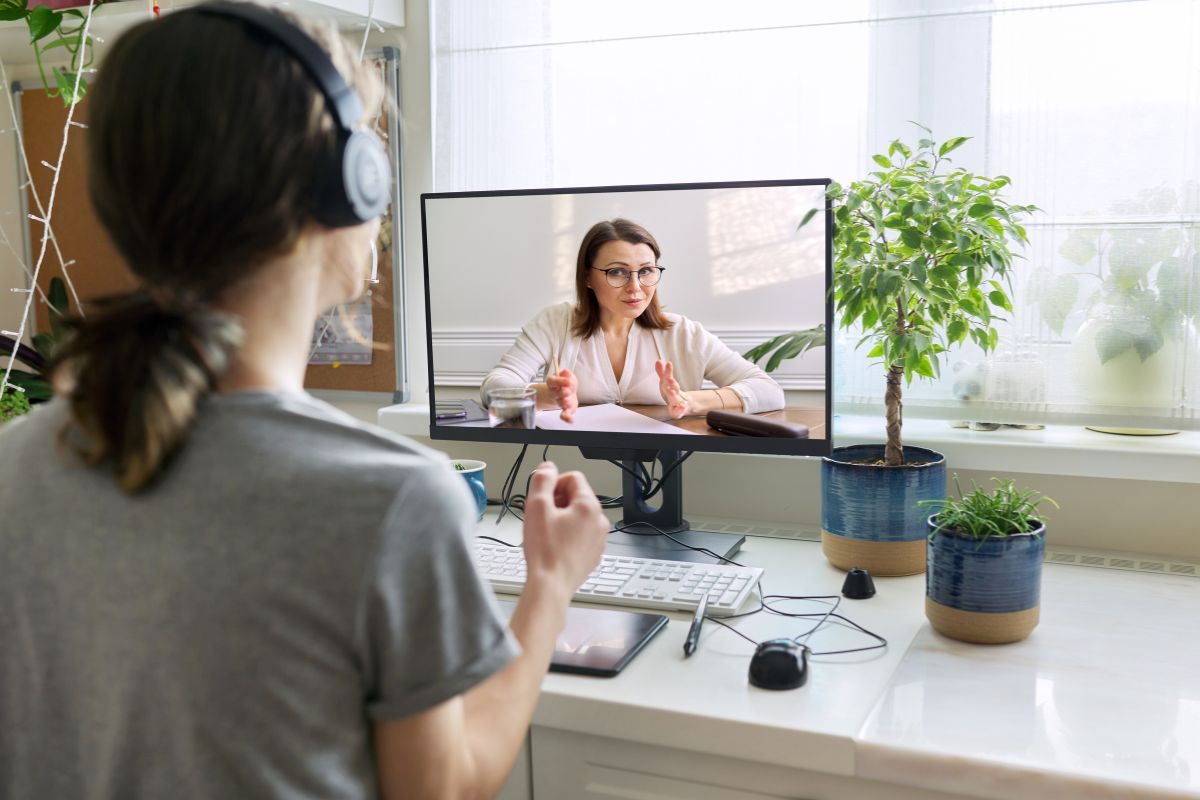
- Telepsychiatry Providers: These nurse practitioners conduct psychiatric evaluations, therapy, and medication management entirely through secure video platforms. The digital delivery of services-with strict privacy protocols-makes remote work feasible and employer-approved. Telepsychiatry exhibited substantial growth before the pandemic and remains robust due to patient demand and cost advantages.
- Behavioral Health Consultants Embedded in Primary Care: Typically collaborating virtually with primary care teams and patients, these practitioners rely on electronic health records and communication tools accessible remotely. Their roles focus on consultation and care planning rather than physical procedures, supporting hybrid models that balance occasional onsite meetings with extensive telehealth.
- Substance Use Disorder Counselors: This specialty offers remote work feasibility as counseling and follow-up care occur via phone or video conferencing. The shift to virtual group and individual therapy accelerated during the pandemic and remains preferred in many settings because it improves attendance and accessibility.
- Mental Health Case Managers: These practitioners coordinate care plans and monitor patient progress primarily through digital communication and data management systems. Remote work adoption is sustained by measurable patient outcomes and reporting rather than onsite presence.
- Academic and Clinical Educators in Psychiatric Nursing: Often using virtual classrooms and remote supervision technologies, educators in this role maintain hybrid and online curricula. Remote educator positions remain widespread and valued as nursing programs evolve.
- Consultants for Behavioral Health Technology Firms: This emerging role involves remotely assessing mental health tools, advising on clinical content, and training users. Deliverables are mainly software-related, requiring no physical presence, which supports high remote job posting volumes.
- Government or Nonprofit Program Advisors: Some practitioners serve remotely to develop policies, oversee telehealth initiatives, and manage grants-tasks accomplished through remote systems, especially in dispersed organizations.
Remote work policies vary widely by employer size, sector, and geography. Large healthcare systems and tech-driven companies champion hybrid or fully remote models more than smaller clinics where in-person work remains common. For those prioritizing remote flexibility, targeting employers with established telehealth infrastructure and remote-friendly cultures is crucial. Evaluating psych-mental health nurse practitioner remote work adoption rates alongside employer-specific data ensures reliable long-term planning.
Prospective students should consider remote work access as a key factor when choosing their specialization and credential strategies. Many Psychiatric Mental Health Nurse Practitioner students pursue a nursing degree online to maximize flexibility and align their education with the evolving remote work landscape.

How Does the Nature of Psychiatric Mental Health Nurse Practitioner Work Determine Its Remote Compatibility?
The compatibility of psychiatric mental health nurse practitioner roles with remote work depends chiefly on the nature of their specific tasks. Using the remote work feasibility framework by Dingel and Neiman (2020) and further refinements, distinct clusters of tasks emerge as suitable or unsuitable for remote execution.
- Digital Deliverables: Tasks like writing reports, treatment plans, and maintaining electronic communication fit well with remote work, benefiting those focused on telehealth counseling, case management, and administrative duties.
- Virtual Client Interaction: Conducting patient assessments, therapy sessions, and family consultations via video or phone supports remote roles such as telepsychiatry with minimal compromises in care quality.
- Data Access and Security: Employment settings that utilize HIPAA-compliant digital platforms for accessing patient records, lab data, and consultation notes enhance remote work feasibility.
- Supervisory and Advisory Functions: Senior practitioners providing clinical guidance or coordinating multidisciplinary teams via video conferencing can often operate remotely.
- Research and Knowledge Work: Roles involving clinical research, outcomes evaluation, and policy analysis rely on information processing rather than physical materials, making them conducive to remote work.
- On-Site Obligations: Certain duties-like physical examinations, medication administration, emergency response, and equipment-based procedures-require physical presence, limiting remote flexibility.
- Regulatory and Compliance Tasks: Inspections and compliance verifications necessitating in-person actions reduce remote eligibility for some positions.
- Collaborative and Creative Work: Some aspects of care planning and nuanced patient engagement are reported less effective remotely, imposing constraints on fully remote adoption in certain teams.
Assessment tools such as O*NET data, detailed job descriptions, and interviews with current remote psychiatric mental health nurse practitioners enable evaluation of specific roles' task breakdowns. They illuminate how employer type, geographic location, and technology infrastructure collectively shape remote work potential across career stages.
One recently graduated professional shared insights on navigating remote work prospects: "Early on, I was uncertain how my clinical skills would translate to a remote setting. The challenge was balancing thorough patient assessments while adapting to video platforms. It wasn't just about technology but learning to build trust through a screen. Over time, mastering secure documentation and engaging effectively with digital tools brought confidence. Remote supervisory meetings felt surprisingly natural, yet I still miss the immediacy of in-person interactions during crisis situations. This journey taught me that while not every task fits remote work, knowing which aspects I control empowers my career planning."
Several psychiatric mental health nurse practitioner specializations show promising growth in remote work opportunities over the next decade due to advances in digital care delivery, increased investment in secure telehealth platforms, and shifting employer cultures toward remote-first models. Evidence from recent studies confirms that productivity in knowledge-intensive healthcare roles can equal or surpass in-person settings, supporting durable remote work adoption. Specializations with strong remote trajectories include Telepsychiatry and Digital Mental Health: leveraging mature telehealth technology to provide virtual assessments and therapy to underserved areas; Behavioral Health Consultation: embedded in multidisciplinary teams using secure asynchronous communication for screening and treatment planning; Substance Use Disorder Treatment: expanding telemedicine programs with digital therapeutics and virtual counseling aligned with supportive policy trends; and Adult and Geriatric Mental Health Management: benefiting from remote monitoring and therapy that align with patient preferences and digitized workflows. These areas represent some of the most remote-accessible psychiatric mental health nurse practitioner careers, ideal for those prioritizing remote flexibility.
However, some specializations-especially those requiring physical supervision or complex procedures-face challenges to remote work sustainability due to regulatory tightening and employer preference for onsite services. Additionally, fields like child and adolescent psychiatry may see limited remote growth because of client demand for face-to-face interaction. Prospective students and practitioners should weigh remote work potential alongside unemployment risks, compensation, and projected demand when selecting a focus. For those exploring nursing pathways supporting remote options, programs like the LPN fast track program offer foundational career steps that can integrate remote-friendly credentials over time.
Telehealth Services: These providers lead in remote work by leveraging cloud platforms and secure communication tools, enabling psychiatric mental health nurse practitioners to deliver care through scalable virtual consultations. Their digital-first approach supports asynchronous client interactions and streamlined care delivery outside traditional clinical settings.
Health Insurance and Managed Care: Focused on outcomes and data-driven monitoring, these organizations enable psychiatric professionals to remotely manage treatment plans and follow-ups, supported by distributed teams and robust electronic health record systems that reduce dependence on physical presence.
Government and Public Health Agencies: Institutionalizing remote work policies, these agencies attract and retain talent by offering telemedicine and virtual counseling through secure, federally compliant networks, ensuring consistent psychiatric care without onsite constraints.
Academic and Research Institutions: Psychiatric mental health nurse practitioners engaged in research, data analysis, and remote patient monitoring find these environments highly compatible with virtual work. Cloud collaboration and asynchronous workflows facilitate maintaining study integrity while working remotely.
Behavioral Health Nonprofits and Community Organizations: Emphasizing mission-driven flexibility, these groups often use hybrid and fully remote models to broaden access. Their trust-based client relations adapt well to virtual platforms supported by cost-effective digital tools.
In contrast, inpatient psychiatric units, emergency departments, and regulatory-bound healthcare settings restrict remote possibilities due to essential in-person patient contact and supervision requirements. Similarly, manufacturing and certain professional services industries prioritize physical presence or personal client interactions, limiting remote roles.
Psychiatric mental health nurse practitioners aiming for remote flexibility in these traditionally restrictive sectors can focus on telepsychiatry, consultative roles, and employers with proven flexible policies. Utilizing job filters and verified remote work indexes helps distinguish genuine remote opportunities from nominal offerings.
Reflecting on her own journey, a psychiatric mental health nurse practitioner graduate shared that early career decisions hinged on evaluating employer remote work credibility rather than surface-level promises. She recalled feeling cautious when negotiating roles-"it wasn't just about whether remote work was an option but how integrated it was within the team's culture." Over time, embracing employers with cloud-based systems and asynchronous communication transformed her workflow and work-life balance, confirming that structural support and digital readiness are crucial factors. Her experience underscores the importance of aligning one's career path with industries and employers that embed remote work as a fundamental practice rather than a temporary fix.

Federal agencies displayed robust telework capabilities for psychiatric mental health nurse practitioner roles throughout 2020 to 2022, as indicated by OPM data. However, since 2023, political and managerial pressures have curtailed remote work options in several federal offices, shifting toward increased on-site presence. This trend reflects growing administrative preference for in-person operations despite the previously proven effectiveness of remote arrangements.
State and local government policies, by contrast, reveal significant disparities in telework flexibility. Many state governments implement hybrid models that vary widely based on local leadership priorities and regional factors. At the local level, remote access often depends on budget constraints, technological infrastructure, and the specific demands of the employing department, producing no uniform standard across jurisdictions.
- Federal Telework Trends: High remote work adoption during the pandemic with a notable reduction beginning in 2023 due to policy shifts.
- State and Local Variability: Hybrid and remote work options differ extensively by state and locality, reflecting diverse operational needs and resources.
- Role Suitability: Functions including policy analysis, research, compliance, grant management, data analysis, and program administration are better aligned with remote or hybrid schedules than roles requiring direct clinical care, regulatory inspections, law enforcement, or emergency response.
- Job Seeker Recommendations: Scrutinize specific agency telework rules, verify telework eligibility during recruitment, and consult OPM telework prevalence surveys for federal positions to gauge realistic remote work prospects.
Since remote work access hinges on agency, role, and geography, psychiatric mental health nurse practitioners should avoid broad assumptions-focusing instead on detailed policy reviews to identify positions offering genuine remote flexibility within government and public sectors.
Fluency with technology is essential for accessing remote psychiatric mental health nurse practitioner roles because employers rely on demonstrated proficiency with digital tools as a proxy for work reliability. Remote job postings analyzed through LinkedIn Skills Insights, CompTIA surveys, and Lightcast analytics highlight two key technology competency clusters required for remote work success.
- Foundational Tools: Mastery of video conferencing platforms like Zoom and Microsoft Teams, cloud-based collaboration software including Google Drive and OneDrive, and project management systems such as Trello and Asana is vital for effective communication and coordination in remote care teams.
- Psychiatric Mental Health Nurse Practitioner-Specific Software: Expertise in electronic health record (EHR) systems like Epic and Cerner, telepsychiatry platforms such as Doxy.me and VSee, and integrated e-prescribing tools signals a candidate's ability to perform clinical tasks accurately without onsite supervision.
- Technology Proficiency as a Gating Credential: Employers cannot directly observe daily workflows in virtual roles and thus depend on documented digital fluency, remote communication skills, and experience collaborating in distributed teams to assess candidate suitability. Without evidence of these capabilities, applicants risk exclusion from remote positions despite their clinical qualifications.
- Development Pathways:
- Integrate coursework covering telehealth technologies and remote communication strategies.
- Pursue certifications validating telemedicine and health informatics skills.
- Engage in internships or practicums featuring remote care delivery components.
- Build portfolios demonstrating remote patient interaction and digital documentation expertise.
- Training Recommendations:
- Formal instruction is crucial for mastering complex EHR and telepsychiatry software.
- Self-directed practice suits gaining proficiency with collaboration and project management platforms.
- Structured internships enhance communication and clinical evaluation skills within distributed teams.
By systematically developing and documenting competence in these foundational and specialty technologies before entering the job market, psychiatric mental health nurse practitioner candidates ensure they meet the essential criteria for durable remote work access. This approach mitigates technology barriers that might otherwise limit their ability to secure remote roles in this growing professional niche.
Remote work opportunities for psychiatric mental health nurse practitioner graduates vary significantly by geographic location. Metropolitan hubs such as New York City, Los Angeles, Chicago, and Seattle show the highest concentrations of remote-eligible job postings. States along the Northeast and West Coast lead in volume and competitiveness, benefitting from progressive telehealth policies and extensive healthcare networks. Conversely, many Midwest and Southern states reveal fewer remote possibilities due to slower telehealth adoption and restrictive regulations. This regional remote job availability for psychiatric mental health nurse practitioners directly influences career choices and mobility.
A geographic paradox complicates remote work: Although remote jobs theoretically remove location barriers, many employers impose strict state-specific hiring restrictions. Regulations around state licensure reciprocity, tax nexus rules, employment laws, and time zone coordination limit practitioners' ability to work across state lines even when physical presence isn't required. These rules maintain compliance and patient protections but effectively tether remote roles to geographic constraints.
The impact of geography intensifies in certain psychiatric mental health nurse practitioner specializations. Licensed professional roles require state-specific credentials, regulated industry positions face compliance that restricts multi-state remote work, and client-facing service roles must align practitioner licensure with patient location. Graduates should analyze these career tracks carefully to gauge how geographic restrictions might constrain remote work flexibility.
To navigate these challenges, prospective and current practitioners should use LinkedIn's job posting filters to identify remote roles in their state, consult Flex Index remote policy data for employers with inclusive hiring, and review professional association licensure reciprocity databases to understand credential portability. Such informed strategies enable better decisions about remote career viability within psychiatric mental health nursing.
Statistic: About 35% of remote psychiatric mental health nurse practitioner job postings nationwide enforce strict state licensure requirements, underscoring persistent geographic job access limits.
- Geographic Concentration: Remote postings cluster in major metropolitan areas and states with advanced telehealth policies.
- State Restrictions: Licensure reciprocity and tax nexus regulations frequently hinder multi-state remote employment.
- Specialization Impact: Licensed, regulated industry, and client-facing roles face the most geographic remote work restrictions.
- Access Strategies: Use LinkedIn filters, Flex Index remote policy data, and licensure reciprocity resources for informed career planning.
Students weighing remote work access should also consider complementing their psychiatric mental health nurse practitioner degree with further credentials in allied fields-explored in resources such as the accelerated biology degree programs-to enhance their adaptability in evolving healthcare roles.
While remote work expands in many healthcare fields, certain psychiatric mental health nurse practitioner careers requiring on-site presence remain constrained by strong structural barriers. Applying the Dingel-Neiman remote work feasibility index along with McKinsey's task-level analysis and BLS telework data reveals specific roles unlikely to ever fully transition to remote settings due to task demands and regulatory frameworks.
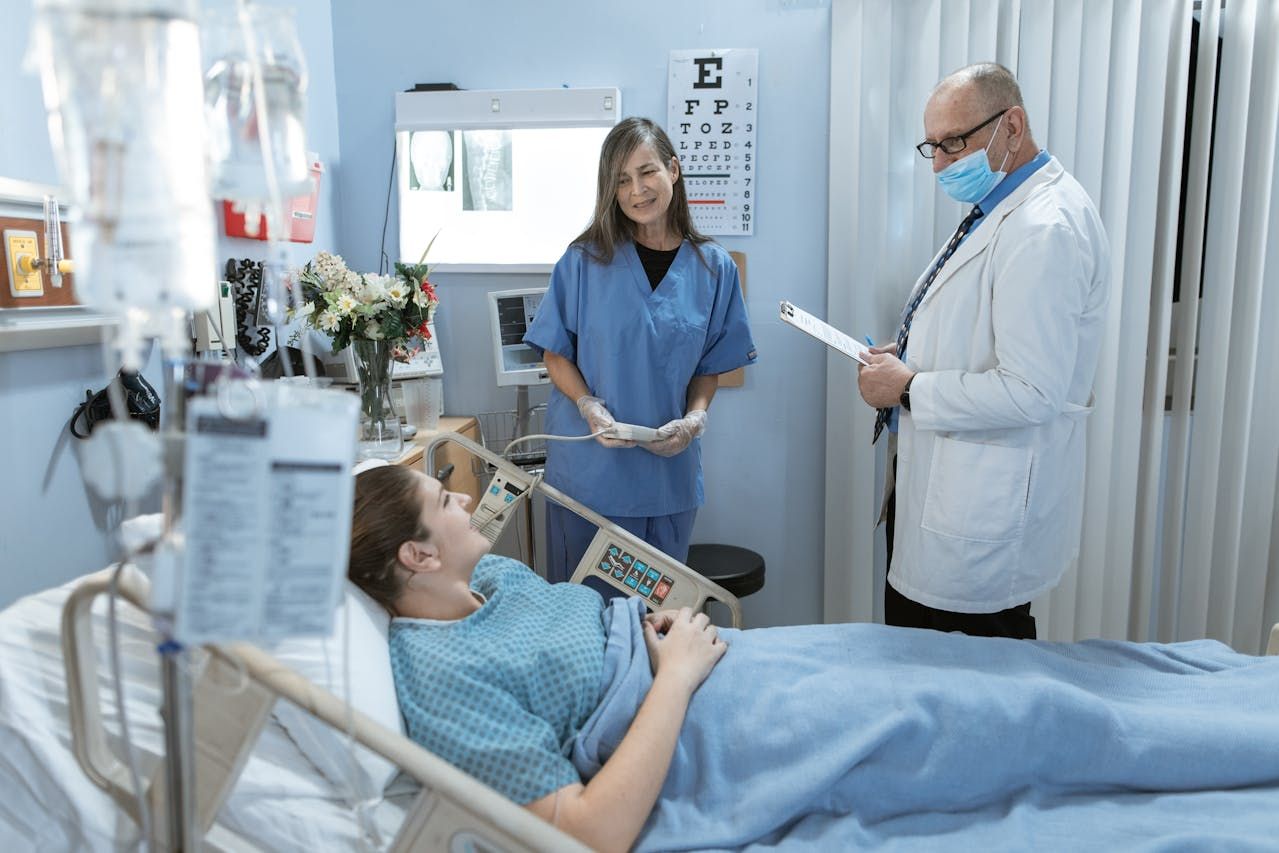
Clinical Direct-Service Roles: These require frequent, hands-on patient interaction-such as administering injections, conducting physical exams, or managing acute psychiatric episodes-that cannot be effectively replaced remotely. Crisis intervention and emergency psychiatric care demand face-to-face observation, creating an on-site obligation beyond mere employer preference.
Research and Laboratory Roles: Practitioners involved in clinical research or laboratory work depend on specialized equipment and controlled environments, precluding telecommuting. Facility access and specimen handling requirements make remote execution impractical, situating these roles firmly on-site despite possible remote-friendly employer cultures elsewhere.
Regulatory and Supervision-Dependent Roles: Many jurisdictions enforce direct physical supervision or oversight for licensed practice, limiting remote supervision options. This legal and safety compliance necessitates on-site presence, restricting remote possibilities even when technology allows partial virtual engagement.
Government and Defense Positions: Roles embedded in government or military healthcare often require security clearances and physical access to sensitive locations. These factors create immutable barriers to remote work for psychiatric mental health nurse practitioner roles in these sectors.
Emergency Response Functions: Providers serving crisis stabilization teams or emergency response units must be physically available to deliver immediate interventions, making remote alternatives infeasible due to urgent, unpredictable demands.
Career planners prioritizing remote work should assess these constraints carefully. Hybrid models provide partial solutions-many practitioners combine on-site clinical work with remote consulting, tele-education, or writing to increase remote engagement. Prospective students and professionals must weigh trade-offs honestly, recognizing that some of the most stable, highest-compensation psychiatric mental health nurse practitioner roles with low unemployment risk are also those most bound to physical presence.
For those exploring flexible career paths, supplementing traditional roles with remote advisory or educational duties can enhance work-life balance. Understanding the remote work ceiling within each specialization helps clarify whether a given trajectory aligns with personal priorities for remote access, compensation, and career satisfaction. Those interested in allied health fields with greater remote education and training options might consider online programs such as a 2 year nutrition degree online, which offers other routes to healthcare roles with varying remote feasibility.
Awareness of the structural limits on remote work within psychiatric mental health nurse practitioner roles supports informed decisions across entry-level to senior stages-integrating task-level and regulatory factors with evolving industry remote work cultures encourages realistic, evidence-based career planning.
Advanced degrees often increase access to remote psychiatric mental health nurse practitioner roles by qualifying individuals for senior-level positions where employers are more willing to offer remote work arrangements. Data from workforce surveys shows that senior practitioners with proven expertise and extensive experience have greater remote work opportunities than those just starting. Graduate education accelerates this progression-providing both advanced clinical training and credentials that elevate practitioners to roles with higher autonomy and complexity.
Key considerations include:
- Seniority Correlation: Remote work eligibility is closely tied to career stage. Senior psychiatric mental health nurse practitioners with specialized skills and established reputations secure remote roles more readily than entry-level peers. Graduate programs fast-track this advancement by enhancing both knowledge and professional standing.
- Credential Impact: Not all graduate qualifications affect remote access equally. Professional master's degrees prepare clinicians for senior contributor or management positions commonly compatible with remote flexibility. Doctoral degrees open paths to academic and research careers offering substantial remote autonomy. Specialized certificates help practitioners enter niche areas, meeting demand for particular remote services.
- Indirect Advantages: Beyond direct role qualifications, graduate education builds reputation and professional networks, which employers value when deciding remote work eligibility.
- Alternative Pathways: Remote access can also be achieved by gaining seniority within remote-friendly entry-level roles, mastering telehealth technologies, or targeting employers with strong remote work cultures-potentially avoiding the considerable time and financial costs of advanced degrees.
Evaluating the trade-offs between graduate education and alternative strategies is essential for psychiatric mental health nurse practitioners aiming to maximize remote work opportunities without unnecessary investments.
Entry-level psychiatric mental health nurse practitioner roles with immediate or early remote work options tend to cluster within organizations that prioritize digital workflows and measurable performance. Employers with mature remote cultures apply uniform policies that allow new hires to work remotely without waiting periods or office tenure. Clear output metrics-such as patient visits completed and adherence to treatment protocols-enable supervisors to assess productivity without physical oversight, supporting remote evaluation.
- Telehealth Providers: These companies maintain fully digital platforms designed for virtual patient care, ensuring entry-level practitioners can work from home upon hiring.
- Behavioral Health Startups: Digital-native mental health firms emphasize flexibility and leverage data-driven productivity goals, allowing remote supervision and early-career autonomy.
- Integrated Health Systems with Remote Clinics: Hybrid models in these systems deliver partial remote work while maintaining structured onboarding and periodic in-person meetings to foster mentoring and hands-on learning.
- Corporate Employee Assistance Programs (EAPs): Positioned within large corporations, these programs benefit from robust IT infrastructure and standardized output targets, facilitating almost immediate remote counseling roles for entry-level practitioners.
However, prioritizing remote work at career onset bears challenges-such as diminished access to direct mentorship, limited informal learning via observation, and fewer networking opportunities. New practitioners should carefully weigh these factors against the convenience of remote work.
Adopting a hybrid approach-targeting employers who offer comprehensive remote onboarding, regular team gatherings, and explicit remote work guidelines-provides a balanced trajectory. Defining personal thresholds for in-person interaction versus remote flexibility according to specialty and professional development objectives is essential for sustainable remote career growth.
What Graduates Say About the Psychiatric Mental Health Nurse Practitioner Degree Careers Most Likely to Be Remote in the Future
- Shmuel: "As a recent graduate, I'm genuinely enthusiastic about the rapid adoption rates of remote roles in psychiatric mental health nurse practitioner careers. Many employers are embracing flexible setups, favoring professionals who demonstrate strong technology proficiency-something I really appreciated learning about during my program. This blend of clinical expertise and tech skills makes remote work both feasible and rewarding."
- Shlomo: "Reflecting on my experience, one insight that stands out is how important task-level compatibility analysis is in determining remote opportunities within psychiatric mental health nurse practitioner roles. Certain clinical tasks naturally lend themselves to remote practice, which aligns well with industry trends toward telehealth. Understanding geographic constraints also helped me realize the growing potential for freelance and self-employment options, offering real autonomy in my career."
- Santiago: "My professional perspective highlights that industry and employer remote culture assessment is crucial for anyone entering the psychiatric mental health nurse practitioner field. Some organizations genuinely support long-term remote trajectories while others remain more traditional. Navigating this landscape with a clear sense of which paths offer sustainable remote work can shape a fulfilling career-with technology proficiency serving as a vital key to success."
Other Things You Should Know About Psychiatric Mental Health Nurse Practitioner Degrees
In 2027, telepsychiatry and virtual mental health counseling careers are most likely to be remote for Psychiatric Mental Health Nurse Practitioners. Advances in telehealth technology and increasing patient acceptance of virtual treatment options drive this trend, making these roles prime candidates for remote work.
Mid-career roles in psychiatric mental health nurse practitioner fields tend to focus on advanced clinical specialization, administration in mental health facilities, and telepsychiatry. Careers that combine clinical expertise with technology fluency-such as telehealth provider roles-are increasingly in demand. These tracks offer greater remote work flexibility while positioning practitioners for leadership and consultative roles.
Freelance and self-employment opportunities can reduce unemployment risk for psychiatric mental health nurse practitioner graduates by diversifying income streams and client bases. Independent practice allows practitioners to tailor their services for telehealth and remote consultation, increasing accessibility to patients. However, success in self-employment requires strong business skills alongside clinical expertise.
Economic recessions tend to have a limited impact on unemployment rates for psychiatric mental health nurse practitioners compared to other healthcare roles. Demand for mental health services often remains stable or increases during economic downturns, as stress and mental health challenges rise. This resilience supports continued remote opportunities, especially in telehealth platforms that offer cost-effective care.
- Psychiatric–Mental Health Nurse Practitioners: Addressing the Growing Mental Health Needs of the Population: A Narrative Review https://www.preprints.org/manuscript/202601.1939
- Nurse Practitioners in Mental Health: Enhancing Care Access in Underserved Areas | Psychiatric Times https://www.psychiatrictimes.com/view/nurse-practitioners-in-mental-health-enhancing-care-access-in-underserved-areas
- Psychiatric Mental Health Nurse Practitioner (PMHNP) Guide - Nightingale College https://nightingale.edu/blog/psychiatric-mental-health-nurse-practitioner.html
- Wheel | How to Work from Home as a Nurse Practitioner https://www.wheel.com/blog/how-to-work-from-home-as-a-nurse-practitioner
- Psychiatric Nurse Practitioners Trends and Projections https://stressfreepsychnp.com/trends-and-projections-for-psychiatric-nurse-practitioners/
- Top Online PMHNP Programs 2026 (Comprehensive Rankings) https://www.npschools.com/rankings/all-online-pmhnp-programs
- The Impact of Remote Working on Mental Health | Horton International https://hortoninternational.com/the-impact-of-remote-working-on-mental-health-pros-and-cons/
- Advancing Your Nursing Career With an Online PMHNP Degree https://yourhealthmagazine.net/article/healthcare-careers/advancing-your-nursing-career-with-an-online-pmhnp-degree/
- Top 8 Remote Nursing Jobs https://onlineprograms.sacredheart.edu/resources/how-to-work-remotely-as-a-nurse/
- Role of a Psychiatric Nurse Practitioner in Mental Health Care https://www.mercyshealing.com/blog/1287219-understanding-the-role-of-a-psychiatric-nurse-practitioner-in-mental-health-care/