2027 State Licensing Differences for Teaching Degree Graduates

Co-Founder and Chief Data Scientist
Prospective teaching graduates often face confusion when navigating state licensure requirements. Licensing criteria vary significantly across states, affecting application procedures, exams, and required documentation. One state may prioritize passing a specific content exam, while another emphasizes classroom experience or alternative certifications.
Such disparities can delay employment or affect eligibility for state-specific incentives. Understanding these nuances is crucial for students aiming to comply with local regulations and maximize career opportunities.
This article explores the key differences in teaching licensure processes nationwide and provides guidance to help graduates and professionals identify the best strategies for certification in their intended state of practice.
Key Points About State Licensing Differences for Teaching Graduates
- States vary widely in licensure exam requirements, with some demanding multiple subject-specific tests while others accept a single general exam.
- Application difficulty differs; states like California have lengthier processes including extensive background checks and portfolio submissions, unlike streamlined systems in states such as Texas.
- Certain states mandate unique renewal protocols, such as continuing education credits or peer reviews, with New York requiring 175 hours every five years to maintain licensure.
What licenses or certifications are available to Teaching graduates?
The most prevalent licensure for teaching degree graduates is the Professional Educator License, authorized by state Departments of Education across the United States. This license enables individuals to teach in public schools across diverse grade levels and subject areas, aligned with their specialization.
Data from the National Center for Education Statistics shows that over 80% of certified teachers hold this license, highlighting its role as the primary credential recognized nationwide for classroom instruction and compliance with varying regional teaching credential requirements.
In addition to this foundational professional license, numerous alternative licenses and certifications exist to help teaching graduates advance their careers or specialize in particular educational fields. These additional credentials reflect the evolving demands of education and provide pathways to expertise beyond general classroom teaching.
Below are several notable certifications available to graduates:
- National Board Certification: Issued by the National Board for Professional Teaching Standards, this advanced credential signifies teaching excellence and deep mastery in specific subject matter. Candidates must demonstrate rigorous teaching knowledge and practice, which often leads to national recognition, increased salary potential, and leadership roles within schools.
- Teaching English as a Foreign Language (TEFL) Certification: Offered by various accredited organizations globally, the TEFL certification prepares educators to teach English to non-native speakers. This certification is particularly valuable for those pursuing international teaching opportunities or working with diverse student populations.
- Reading Specialist Certification: Granted by state education agencies, this certification authorizes teachers to specialize in literacy instruction. It equips educators to support struggling readers effectively and contribute to curriculum development focused on literacy advancement.
- Special Education Certification: This license enables educators to work specifically with students who have disabilities, supporting individualized instruction tailored to varied learning needs. State education departments oversee the requirements for this important specialization.
Licensure and certification requirements vary by state, emphasizing the importance of understanding state teaching licenses and certifications to meet specific regional demands. Teaching graduates interested in expanding their skills or shifting into specialized roles may also explore online certificate programs that align with their professional goals and career development plans.
Is a professional license legally required or voluntary for Teaching graduates?
Most states require a professional license for teaching graduates to work in public schools, particularly for roles like K-12 teachers, special education instructors, and school counselors. Without a valid license, individuals generally cannot legally teach in public school settings.
Licensing rules differ by state and often include passing exams, undergoing background checks, and completing supervised teaching experience before authorization.
Conversely, positions in private schools, tutoring, or some educational support roles may not mandate licensure, making it voluntary in those cases. Holding a license can enhance career prospects and demonstrate professional credibility, even when not strictly required.
Practicing without a license where it is legally required risks job loss and legal consequences, but many graduates pursue licensure voluntarily to increase job security and access to wider opportunities. The process can be demanding but ultimately rewarding for career growth and recognition within the profession.
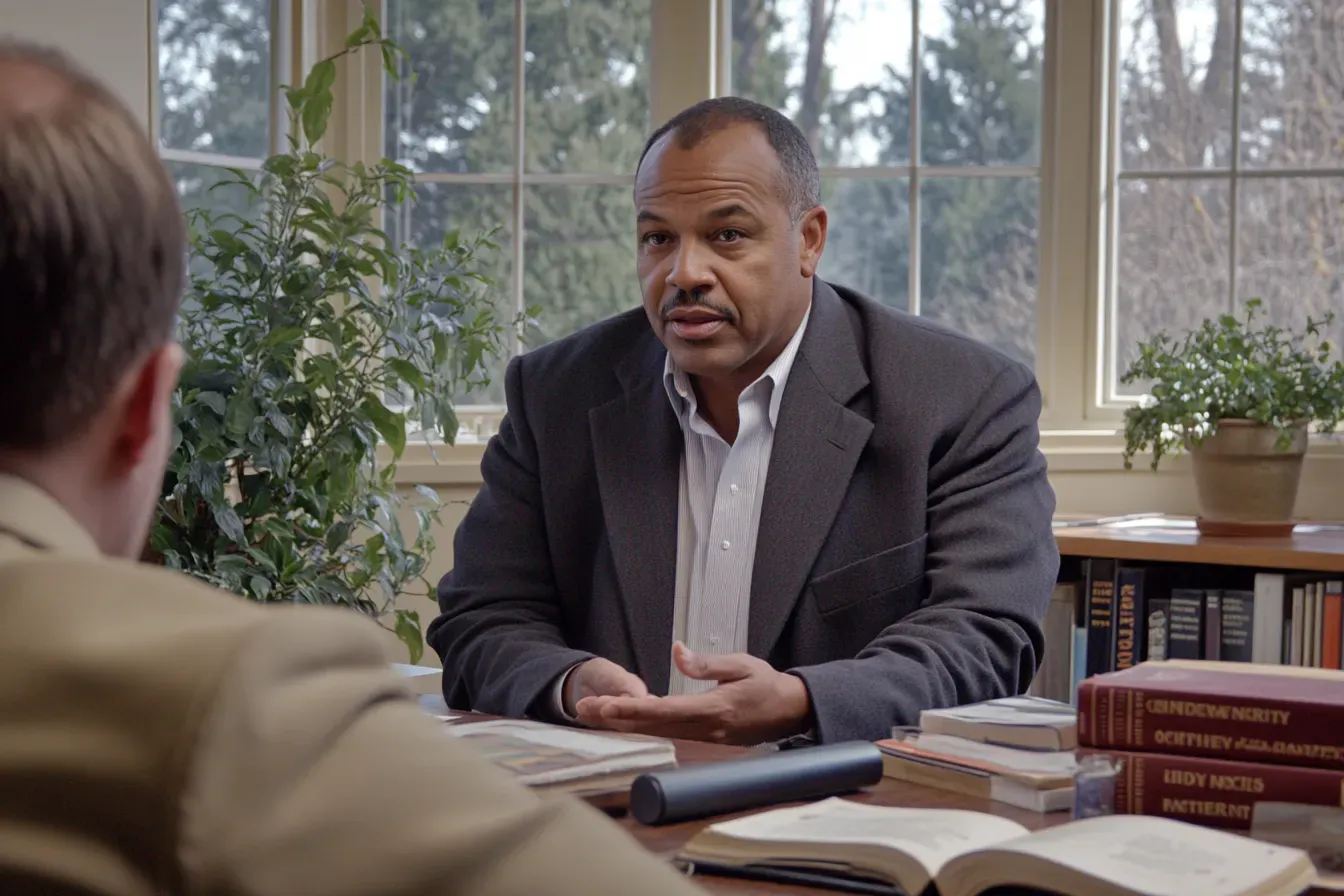
The teaching professional I spoke with reflected on his experience completing online studies and pursuing licensure. He described feeling overwhelmed by the state's specific requirements, especially coordinating exams and securing mentoring hours.
"At times, it felt like navigating a maze, but knowing a license would open doors kept me motivated," he shared. Securing licensure brought confidence and a sense of legitimacy, even though it was not legally compulsory for his chosen private school role.
"It reinforced my commitment and made employers take my credentials seriously," he added, emphasizing how the process, though challenging, was a valuable investment in his career.

How do licensure requirements for Teaching careers differ by state?
Licensure requirements for teaching careers vary widely across states, creating unique pathways for certification. These differences affect what graduates must submit and complete to qualify for public school teaching. Common variations include the following:
- Transcripts: Most states require official academic transcripts, but some accept online degrees equally while others demand extra verification for online programs. For example, California requires certified original documents, whereas other states may begin with unofficial copies.
- Exams: Passing state-specific exams is standard, but the nature of these tests differs. New York often includes an oral component or interview, while Texas typically does not require an interview.
- Background Checks: Fingerprinting, identity verification, and background screenings are mandatory everywhere, yet procedures and timelines vary, impacting approval speed.
- Additional Documentation: Some states ask for letters of recommendation or a professional resume to assess candidates' qualifications beyond transcripts and exams, reflecting a more holistic review in places like New York.
These jurisdictional differences can lead to delays and complications, emphasizing the need for prospective teachers to understand the specific documentation and process required in their intended state of certification.
Obtaining a teaching degree marks an important milestone, but meeting state-specific educational prerequisites is essential for licensure eligibility. These requirements ensure candidates possess the foundational knowledge and skills necessary for the profession.
The following highlights key educational elements often required across different states:
- Bachelor's Degree:A minimum of a bachelor's degree in teaching or a related field is commonly required, typically from an accredited institution. While many states accept degrees in education or content specialties, some, like New York, specifically prefer degrees in teaching with an approved curriculum.
- State-Approved Preparation Program:Completion of a teacher preparation program approved by the state is mandatory. These programs focus on pedagogical skills and content knowledge, but approval processes vary, with states such as California requiring additional program assessments for rigor verification.
- Credit Hour Requirements:Most states mandate between 120 and 140 credit hours. Certain states, like Texas, emphasize a minimum number of credits in professional education, whereas others prioritize total credit accumulation without subject-specific mandates.
- Academic Documentation:Candidates must submit official transcripts or verifications to prove completion of educational milestones. Requirements differ widely; for instance, Florida accepts electronic submissions, while others like Louisiana require notarized documents.
- Flexible or Updated Standards:Approximately 43% of states have introduced nuanced prerequisites or alternative pathways to accommodate career changers and diverse educational backgrounds, reflecting a more adaptive licensure landscape.
These regional teaching degree prerequisites for licensure application emphasize the importance for candidates to thoroughly research their state's unique standards early in their journey. This approach can influence timelines and strategy.
Individuals interested in exploring a wide range of accredited degree paths may also find resources like those listing the cheapest online MFT programs helpful when considering alternative educational routes or parallel qualifications.
While many teaching disciplines use a standardized national exam such as the Praxis, the administrative policies governing passing scores, exam formats, and retake limits are determined at the state level.
For example, a 2025 national education report found that 62% of teaching candidates passed all required licensure exams on their first attempt, though this rate varies significantly across states.
Key policy variations include the following:
- Exam Types: Many states rely on Praxis exams developed by the Educational Testing Service, but states like California require the California Basic Educational Skills Test (CBEST) in addition to subject-specific exams aligned with their standards.
- Retake Limits: States differ in how many times a candidate can retake licensure exams. Some allow unlimited attempts within a timeframe, while others, such as Florida and Texas, limit attempts to three or four before mandating extra coursework or remediation.
- Exam Waivers: Some states waive basic skills tests for candidates with qualifying SAT, ACT, or GRE scores or for those who hold advanced degrees. Conversely, other states maintain strict testing requirements regardless of prior achievement.
- Competency Assessments: Several states have introduced competency-based alternatives including portfolio reviews, video teaching demonstrations, or performance assessments, adding layers beyond the traditional standardized tests.
Those exploring state teaching licensure exam requirements by state should also consider various variations in teaching certification exam policies across states to chart an optimal path to certification.
For individuals weighing their educational options, examining easiest associate degrees can provide alternative entry routes into education or related fields.

Beyond completing required coursework, licensure for teaching often mandates a set number of supervised clinical or field experience hours, which differ widely across states. Most states expect candidates to complete between 300 and 600 hours of student teaching or fieldwork to qualify for initial certification.
For instance, California and Texas require more extensive involvement, with minimum hours approaching or exceeding 600. Conversely, states like Florida and Ohio set the bar lower, typically requiring around 300 to 400 hours. These hours usually involve activities such as classroom observation, lesson preparation, and direct instruction under certified supervisors.
Some states prioritize varied teaching environments, encouraging candidates to gain experience in diverse demographic or grade-level settings. Recently, many states have increased their minimum hour requirements to better prepare teachers for real-world classroom challenges. Alternative pathways exist in several regions, allowing aspiring educators to fulfill clinical hours through paid internships or residency programs.
It is important for graduates to recognize that clinical hours are not always transferable between states, often necessitating additional supervised experience or verification when applying across state lines.
Many state boards mandate that teaching graduates complete specific, localized coursework beyond the national curriculum requirements. Approximately 72% of new educators fulfill these prerequisites through accredited university programs, while the remainder pursue alternative certification routes.
Below are some common thematic areas essential in regional teaching license coursework prerequisites:
- Classroom Management Skills: This course focuses on strategies to create effective learning environments and maintain student engagement. States differ in depth; for example, California emphasizes culturally responsive management, while Texas integrates behavior intervention techniques.
- Educational Psychology Fundamentals: Understanding how students learn and develop is crucial. Some states require this coursework to prepare teachers to address diverse cognitive and emotional student needs, a key element in specialized licensure pathways.
- Assessment and Evaluation Methods: This area covers designing and interpreting student assessments to inform instruction. Requirements vary, with some states insisting on portfolio assessments alongside standardized exam components for licensure renewal.
- Diversity and Special Education Training: Given the demographic shifts in classrooms, states like New York and Florida mandate courses to equip educators with skills to support learners with disabilities and from varied cultural backgrounds.
- Alternative Certification Options: Certain states allow board-approved professional development or competency-based assessments as substitutes for traditional coursework, accommodating career changers and non-traditional entrants. California and Texas are notable examples offering such flexibility.
The range of these requirements reflects the nuances of state licensing differences for teaching degree graduates. Prospective educators should carefully review individual state mandates, especially if considering alternative pathways.
For those interested in further study options that align with flexible licensing routes, an online communications masters may also support career advancement in education-related fields.
The cost of applying for teaching licensure varies widely by state, which can affect the accessibility of the profession for new graduates. Below is a summary of typical application fees to help illustrate these differences.
Here are some examples of teaching license application fees across states:
- California: The fee for an initial teaching credential is around $100, covering processing and background verification required for the application.
- Texas: Texas charges a $65 application fee, primarily for licensure processing, making it a moderately priced option for new teachers.
- Florida: This state requires $75 for its professional educator certificate application, which includes fingerprinting fees as part of the cost.
- New York: The fee is approximately $100 for licensure application, with additional charges applied for exam registration in some cases.
- Ohio: Ohio offers a more affordable option with a $40 fee that covers both administrative processing and any necessary background checks.
- South Carolina: The teaching license application fee is around $50, reflecting one of the lower costs among states.
According to a report by the National Association of State Directors of Teacher Education and Certification, the average cost of teaching licensure application in the U.S. is about $72, having increased gradually.
These fees often factor into graduates' decisions on where to apply for licensure and seek employment. Students interested in state-specific cost considerations might also explore online mechanical engineering degree programs as part of broader educational pathways.
License reciprocity or interstate compacts in the teaching sector refer to agreements that facilitate the transfer of teaching credentials across state lines without requiring educators to complete entirely new licensure processes.
These compacts are designed to recognize qualifications from one state to another, streamlining career mobility for teachers. However, unlike fields such as nursing or counseling, Teaching does not yet have a nationwide interstate compact for automatic license reciprocity.
While 40 states participate in the National Association of State Directors of Teacher Education and Certification (NASDTEC) Interstate Agreement, it operates as a framework for mutual recognition rather than a binding compact guaranteeing licensure transfer.
Most states use licensure by endorsement as the primary mechanism for out-of-state teachers to earn certification. This process involves state licensing boards evaluating if the applicant's credentials, including degree programs, exam performance, and teaching experience, meet or exceed the new state's standards.
States typically assess factors such as the accreditation of the teacher preparation program, type and duration of teaching experience, passage of state-specific certification exams, and background checks.
The lack of uniform license reciprocity means teaching professionals must navigate varying requirements when moving between states, potentially facing delays or additional qualifications.
According to NASDTEC data, 68% of newly licensed teachers obtain credentials by endorsement, highlighting the importance of understanding each state's specifics before relocating. Teachers should review individual state regulations carefully to ensure compliance and smooth transitions in their careers.
Renewing a teaching license typically involves meeting state-specific criteria that often include a renewal cycle, fees, and continuing education requirements. Most states mandate renewal every five years, with fees generally ranging from $50 to $150, though some states like California charge over $200.
Educators must usually complete 100 to 150 hours of professional development during each cycle, often consisting of coursework, workshops, mentoring, or college credits designed to maintain teaching quality.
However, these standard practices are not uniform across the country. States such as Texas and Florida require renewals every two to three years, a shorter cycle that demands more frequent updates.
Some states, including New York and Illinois, specify education focused on culturally responsive teaching or special education, reflecting local educational priorities.
Late renewal penalties also differ, with places like Pennsylvania offering a grace period alongside a modest late fee, while Georgia enforces immediate fines and additional training if licenses expire. These varying policies can complicate compliance and planning for educators working across state lines or relocating.
When discussing how renewal processes differ, a teaching professional I spoke with shared, "Navigating each state's unique rules felt overwhelming, especially with deadlines and distinct educational course requirements."
He noted that after graduating from an online teaching program, he discovered some states required specific coursework not included in his degree plan, leading to unexpected extra classes. The uncertainty around late fees and renewal timing caused stress, especially balancing teaching duties with continuing education.
He explained, "Understanding the nuances took trial and error, making it crucial to research each state's regulations thoroughly before making career moves."
What Graduates Say About the Licensing Process in the Teaching Industry
- Jase: "Going through the teaching licensure process was both challenging and rewarding. Each state has different requirements, so I had to keep track of various exams and coursework, which taught me the importance of thorough preparation. Having my license has not only boosted my confidence in the classroom but also opened doors to professional development opportunities I didn't anticipate."
- Keira: "Reflecting on my journey to certification, I realize how vital understanding state-specific rules is for any aspiring teacher. The process made me appreciate the rigor behind maintaining high educational standards, and obtaining my license has been a key factor in gaining respect from colleagues and administrators. It's more than a credential-it's a commitment to ongoing growth and excellence in teaching."
- Aaron: "The licensing process was a detailed pathway that differed significantly from other states I considered moving to, highlighting the importance of researching regional requirements. Earning my teaching certification reinforced my professional identity and made me more aware of the responsibilities that come with it. I encourage anyone pursuing teaching to embrace the challenge because the impact on your career is truly transformative."
Other Things You Should Know About Teaching Degrees
Yes, background check requirements for teaching licensure vary significantly by state. Some states require fingerprinting and criminal history checks to be completed through specific state agencies or authorized vendors. Additionally, certain states may have more stringent timelines for how recent the background check must be at the time of application.
Many states offer provisional or temporary teaching licenses that allow candidates to begin working while completing final licensure requirements. The length of validity and renewal conditions for these licenses differ, with some states limiting them to one or two years and others requiring specific progress benchmarks for conversion to standard licenses.
States differ in their evaluation and acceptance of teaching credentials from out-of-state or international educators. Many require equivalency assessments or additional coursework before granting licensure. Some states have streamlined processes or reciprocal agreements, but these are not universally available, requiring candidates to verify individual state policies.
- Professional Development Requirements by State - Model Teaching https://www.modelteaching.com/professional-development-requirements
- Teacher Licensure State Requirements - University of Phoenix https://www.phoenix.edu/state-licensure-requirements/teacher-education.html
- 50-State Comparison: Teacher License Reciprocity https://www.ecs.org/50-state-comparison-teacher-license-reciprocity/
- Licensure | ACE https://ace.edu/tuition-and-admissions/licensure/
- Teacher License Renewal Requirements by State | CFT https://creditsforteachers.com/state-requirements/
- Your Guide to Teacher Certification Exams in Every State https://www.weareteachers.com/teacher-certification-exams/
- Certification/Licensure by State - AMLE https://www.amle.org/certification-licensure-by-state/
- Teacher Certification Requirements by State https://teach.com/careers/become-a-teacher/teaching-credential/state-requirements/
- Professional Development Requirements by State for Education https://www.fullmindlearning.com/blog/education-professional-development-requirements-state
- Professional Certification Fee Schedule https://ospi.k12.wa.us/certification/professional-certification-fee-schedule