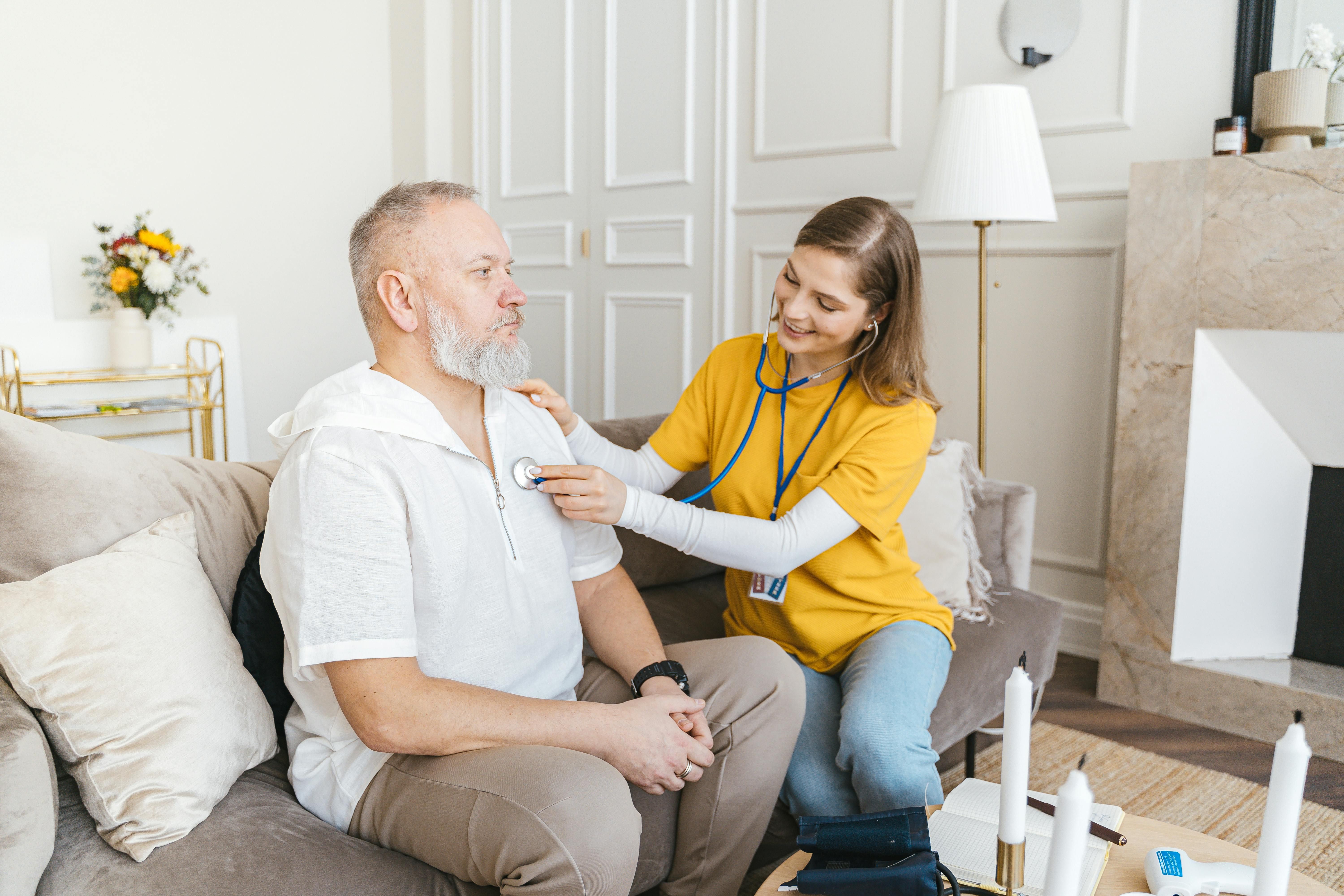
2027 Online vs On-Campus Health Psychology Degree Programs: Pros & Cons

Co-Founder and Chief Data Scientist
The popularity of online health psychology degree programs has surged, reflecting a broader trend in higher education. In 2023, over 40% of U.S. college students were enrolled in at least one online course, highlighting growing acceptance of remote learning. This article examines the advantages and disadvantages of online versus on-campus health psychology degrees. Key factors include flexibility, cost, the quality of the learning experience, and potential career outcomes. Understanding these elements will help prospective students make informed decisions about the best path to advance their education and careers in this evolving field.
Key Benefits of Online vs On-Campus Health Psychology Degrees
- Online health psychology degree programs offer flexible scheduling, allowing students to balance work and study, which is vital as 65% of online learners report improved time management skills.
- These programs often reduce costs by eliminating commuting and housing expenses, with average savings of 20-40% compared to on-campus counterparts.
- On-campus health psychology degrees provide valuable face-to-face interaction and networking opportunities, which 78% of graduates say enhanced their professional connections and practical skills.
Are Online vs. On-Campus Health Psychology Programs Structured the Same Way?
The structure of health psychology degree programs varies notably between online and on-campus formats, influencing how students engage with coursework and manage their schedules. These differences shape the overall learning experience, including interaction with faculty and peers, as well as practical training opportunities.
Below is a comparison of the key structural aspects of online versus on-campus health psychology programs to help prospective students understand what to expect from each format.
- Course Delivery: Online programs provide all materials digitally, allowing students to access lectures, readings, and assignments at their own pace through learning management systems. On-campus programs deliver content through face-to-face lectures and in-person discussions, offering immediate interaction and feedback from instructors.
- Class Schedules: Online degrees usually offer asynchronous schedules, enabling students to complete work and participate in discussions when convenient, which benefits those balancing other commitments. Conversely, on-campus programs have fixed class times, requiring attendance at scheduled lectures and labs that follow a set timetable.
- Interaction and Collaboration: Students in online programs communicate primarily via discussion boards, emails, and video calls, which may limit spontaneous conversations but provide flexible engagement. On-campus students experience real-time group work and personal interactions that can foster stronger connections and networking within the campus community.
- Clinical and Practicum Requirements: Both formats include practical training, but online students often complete placements locally with remote supervision, while on-campus students typically receive faculty support and onsite supervision through established program partnerships.
- Accountability and Motivation: The on-campus format's structured schedule and physical presence encourage consistent participation and motivation. In contrast, online programs demand greater self-discipline and time management from students, suiting those comfortable with independent learning but potentially challenging others.
Are Admission Requirements the Same for Online vs On-Campus Health Psychology Degree Programs?
Colleges and universities strive to maintain consistent academic standards across both online and on-campus health psychology degree programs, ensuring that graduates meet equivalent criteria regardless of the format. However, admissions processes may vary to better assess an applicant's readiness for the distinct demands of online learning, such as self-motivation and effective time management.
Below is a comparison of key admission requirements, highlighting their similarities and differences in online versus on-campus health psychology programs.
- Academic Qualifications: Both formats generally require a minimum educational background, like a high school diploma for bachelor's or a relevant undergraduate degree for graduate programs. While GPA thresholds are similar, some online programs offer more flexibility or a holistic review to accommodate non-traditional applicants.
- Prerequisite Coursework: Foundational courses in psychology or related fields are typically expected for both, especially at graduate levels. Online programs may occasionally waive prerequisites or allow concurrent completion if an applicant shows sufficient experience or potential.
- Standardized Test Scores: The GRE and similar exams are becoming optional in many health psychology programs. Online master's level programs often explicitly require no GRE, whereas some selective on-campus programs still consider these scores.
- Application Materials: Both require personal statements, recommendation letters, and résumés or CVs. Online applications tend to emphasize essays that gauge a candidate's readiness for independent and remote study environments.
- Work Experience: While not mandatory everywhere, online programs may weigh healthcare or psychology-related work or volunteer experience more heavily as a substitute for coursework or evidence of maturity and self-direction.
- Technical Readiness: Proof of technical competency or completion of an orientation is commonly required for online students to ensure comfort with virtual platforms, a criterion less prevalent in on-campus admissions.
- Clinical or Practicum Requirements: Both formats include hands-on practicum or internships. Online programs often allow more flexible, local options for fulfilling these requirements, accommodating students balancing professional and family commitments.
Prospective students searching for options may benefit from exploring fast track degrees online to find accelerated pathways that fit their schedules and learning preferences.

Do Online Health Psychology Students Receive the Same Academic Support as On-Campus Students?
Universities have significantly expanded their academic support systems to ensure that online health psychology students receive resources and assistance comparable to those available to their on-campus peers. This effort aims to provide equitable learning environments regardless of location or format.
Below is a comparison of the main types of academic support services typically offered to both online and on-campus health psychology students:
- Tutoring Services: Both online and on-campus students can access tutoring, with online learners benefiting from real-time chat, video conferencing, and virtual study groups. These services help students grasp complex health psychology concepts no matter where they are located.
- Career Counseling: Career support is available through face-to-face and online appointments. Online students can attend virtual job fairs, engage in digital career center activities, and participate in resume workshops, effectively guiding their career development.
- Library Access: Online students rely on digital libraries granting access to academic journals, e-books, and research databases anytime, while on-campus students use both physical and virtual resources. This ensures all students have equitable access to research materials.
- Faculty Interaction: Online students connect with faculty through email, video calls, and discussion boards, while on-campus students benefit from in-person meetings and office hours. Well-designed online platforms offer meaningful engagement that supports student learning.
- Peer Support and Networking: Both formats provide opportunities for peer collaboration; online students use forums, group projects, and video networking events to develop teamwork and professional connections essential for health psychology careers.
The time required to complete a health psychology degree can vary widely based on whether the program is delivered online or on-campus, alongside factors like student pace and scheduling flexibility. These elements affect how quickly students progress, with online programs often allowing more adaptable timelines compared to traditional on-campus settings.
Considering these differences, here is a comparison of the average completion time for online and on-campus health psychology degrees that highlights relevant flexibility and scheduling aspects.
- Online health psychology degree: Most online bachelor's programs require about 120 credit hours and typically take around four years when studied full-time, similar to on-campus programs. However, accelerated options exist, enabling motivated students to complete a master's degree in as little as 16 months or a doctorate in approximately 48 months. The availability of multiple start dates and asynchronous coursework lets students study at their own pace, balancing education with work or family obligations. Part-time enrollment may extend the completion time up to six years for a bachelor's or three to five years for a master's degree, with flexible scheduling for practical experiences like virtual internships.
- On-campus health psychology degree: Traditional on-campus bachelor's degrees generally span four years of full-time study with fixed semester schedules, offering less flexibility than online programs. Master's degrees usually require two to three years to complete full-time, depending on internship or thesis requirements, while doctoral studies can run between five and seven years. On-campus students benefit from immediate academic support and structured practicum placements but often face less room to adjust timelines around personal commitments. Part-time options exist but usually prolong graduation timelines significantly.
Tuition, fees, and related expenses for health psychology programs show noticeable differences when comparing online and on-campus options. While online programs often promote more affordable pricing, students should carefully evaluate all cost factors to understand potential savings.
Several key elements influence the cost comparison online vs on-campus health psychology degree, so it helps to break down the main expenses for each format as follows:
- Tuition and Fees: Online health psychology programs typically offer lower tuition rates, with some reputable programs charging less than $10,000 annually, which is often below the national average for on-campus graduate psychology tuition. However, this can vary by institution, as a few universities charge equal or higher rates for online learners.
- Living Expenses: Students enrolled in online programs usually avoid costs related to relocation, campus housing, and meal plans, resulting in significant savings. Many online learners remain in their current homes and may continue working, reducing overall financial burdens compared to on-campus students.
- Commuting and Campus Costs: On-campus students incur additional expenses such as transportation, parking, and fees for campus facilities or activities. These costs are largely absent for online students, contributing to lower overall expenses in the online format.
- Technology Costs: Online students must invest in reliable computers, high-speed internet, and sometimes specialized software. While these upfront expenses are real, they generally represent smaller totals when compared to commuting and housing costs and are often mitigated by existing technology ownership.
- Financial Aid Availability: Accredited online programs qualify students for federal financial aid and many scholarships just like on-campus programs. However, online students may find fewer opportunities for assistantships or campus-based funding that can offset tuition costs.
- Program Duration and Flexibility: Online formats often provide flexible schedules and faster completion options through self-paced courses, allowing students to work concurrently and reduce opportunity costs. This advantage can make affordable online health psychology programs tuition attractive for many.
For students seeking less demanding schedules, consider exploring easy college classes to take online that may complement health psychology studies and reduce academic pressure. This can be particularly helpful in balancing work and study commitments.

Both online and on-campus students pursuing health psychology degrees may qualify for financial aid, but eligibility and accessibility can vary depending on the program format and institutional policies. Understanding these differences can help students maximize their funding opportunities for their chosen mode of study.
Below is an outline comparing the main financial aid options available for both online and on-campus health psychology students, highlighting key aspects of eligibility and access.
- Federal Aid (FAFSA, Pell Grants, Direct Loans): Students in accredited health psychology programs can generally apply for federal financial aid regardless of studying online or on-campus by completing the FAFSA. However, online programs must meet accreditation standards for students to qualify for these federal financial aid for online health psychology degrees.
- State Aid: State scholarships and grants tend to favor residents attending in-state schools, which may restrict or require online students to maintain residency in the state of the institution. On-campus students often have clearer access to these funds, but eligibility for online students depends heavily on residency status and the program's location.
- Scholarships and Grants: Numerous scholarships target psychology majors, including those focused on merit, need, or specialization in health psychology. While many scholarships support both cohorts, scholarships for on-campus health psychology students may include requirements for campus involvement or attendance, which can limit eligibility for fully online learners.
- Employer Tuition Reimbursement: Many employers offer reimbursement programs for health psychology degrees that improve job-related skills. Online programs' flexibility is appealing to working professionals and may increase employer support, though some employers restrict reimbursement to regionally accredited or on-campus programs.
- Private Student Loans: Private lenders provide loans to both online and on-campus students, often with higher interest rates and stricter terms than federal aid. Accreditation of the program is a common requirement, but the specifics of loan availability and conditions may vary based on program format.
Students should review all financial aid options carefully and verify program accreditation and eligibility when considering how to finance a health psychology degree. Prospective students may also find it helpful to explore fields with strong financial aid support and earning potential such as college majors that pay well.
Accreditation, faculty qualifications, and curriculum standards are crucial factors in determining the credibility of both online and on-campus health psychology programs. Both formats can earn recognized accreditation from regional or national bodies, which ensures that students receive a quality education aligned with industry standards. However, the American Psychological Association (APA) currently does not accredit fully online master's programs in psychology, including health psychology, due to its focus on in-person training and mentorship.
Despite this limitation, many reputable online programs maintain rigorous academic standards, employ qualified faculty, and deliver curricula comparable to those offered on campus through other respected accreditors. These elements collectively contribute to the trustworthiness and value of health psychology degrees, regardless of delivery mode.
Perceptions of online versus on-campus health psychology degrees are shifting among employers, academic institutions, and licensing bodies. Historically, online degrees faced skepticism, but recent data shows improvement in acceptance: a 2021 Eduventures report highlighted that 61% of employers now view accredited online degrees as equivalent to traditional ones.
Licensing boards continue to emphasize accreditation over format, though APA accreditation remains essential for certain clinical positions, potentially limiting options for fully online graduates in some states. Advances in virtual learning tools such as interactive labs, telehealth practicums, and collaborations with healthcare organizations are enhancing the educational experience and credibility of online programs, making them more appealing to students seeking flexible and career-focused options.
Employers in the United States increasingly regard online health psychology degrees as comparable to those earned on-campus, provided the programs are accredited and come from reputable universities. Survey data from the National Association of Colleges and Employers (NACE) Job Outlook 2024 reveals that 87.4% of employers have hired graduates with online degrees, while all respondents reported equal starting salaries for online and on-campus graduates. Furthermore, 76% of recruiters expressed a more favorable view of candidates holding a four-year degree earned online, and 92% indicated a willingness to hire individuals with online education credentials.
These statistics highlight a significant shift in employer attitudes, driven by broader acceptance of remote and hybrid work models that have normalized online education as a legitimate pathway. While the mode of education is becoming less of a hiring barrier, employers continue to emphasize the importance of university reputation, program accreditation, and demonstrated practical skills.
Beyond the degree format, employers prioritize candidates from accredited programs at well-known institutions, often favoring these qualifications over whether the degree was earned online or on-campus. Practical experience, such as internships, research, or clinical placements, remains a critical factor because hands-on learning opportunities can be more accessible in traditional settings.
Online programs offer benefits like flexibility and the development of strong time management skills, but graduates need to effectively communicate the quality of their education and the support they received. As remote work reshapes many professional environments, the perceived gap between online and on-campus health psychology degrees is narrowing. Ultimately, skills, accreditation, and the demonstrated application of knowledge outweigh the delivery format in hiring decisions.
Salary comparisons between online and on-campus health psychology program graduates are increasingly shaped by various factors beyond the mode of learning itself. As patterns in employer preferences and program credibility evolve, earnings differences based solely on program format have diminished.
Below are key factors currently influencing salary trends for graduates of online versus on-campus health psychology degrees.
- Accreditation and Program Reputation: Employers place strong emphasis on whether a degree comes from a regionally accredited institution rather than its delivery format. Graduates from properly accredited online health psychology programs typically face no salary disadvantages compared to those from on-campus courses.
- Work Setting: Salary outcomes vary widely depending on employment settings. Health psychologists working in federal government or scientific research roles may earn up to $130,900 annually, while those in universities or outpatient care centers tend to have lower salaries. Importantly, there is no evidence that online program graduates are excluded from higher-paying work environments.
- Geographic Location: Regional economic conditions and local demand heavily influence salary levels. For example, health psychologists in states like New Jersey and California earn averages exceeding $130,000 whether their degree was obtained online or in person. The impact of location often surpasses that of degree format in determining compensation.
- Experience and Specialization: Entry-level health psychologists typically start with salaries between $65,000 and $75,000, with potential for significant growth through experience and niche expertise. Opportunities for advancement and higher income remain equally open to graduates of both online and on-campus health psychology programs.
- Employer Perception: Since the COVID-19 pandemic, acceptance of online degrees by employers has grown substantially. Hiring decisions in health psychology now prioritize skills, clinical experience, and licensure over whether a degree was earned online or on campus.
Prospective students should ensure their chosen program meets accreditation standards and consider factors like specialization and location when evaluating potential earnings. For those seeking financial support options to enroll, exploring online schools that take financial aid can be especially helpful in planning their education.
Choosing between online and on-campus health psychology programs depends largely on your personal learning preferences, current lifestyle, and professional goals. The right program format aligns with how you learn best, the flexibility you need, and the resources and connections you want to access.
To help you decide, consider these key factors that can greatly influence which option is the best fit for you:
- Learning style: On-campus programs often work well for students who thrive in face-to-face settings, benefiting from live lectures, immediate feedback, and in-person discussions. Online programs suit self-motivated learners comfortable with digital platforms and independent study, allowing you to control your own pace.
- Flexibility needs: Many online health psychology degrees are designed for those balancing work, family, or other commitments, offering asynchronous coursework to fit your schedule. In contrast, on-campus programs require regular attendance at fixed times, which can help establish a routine but may not accommodate flexible lifestyles.
- Budget: Online programs generally offer cost savings, sometimes charging as little as $455 per credit with no housing or commuting expenses. It's important to compare tuition and fees carefully; for those investigating options, resources like cheap online colleges for working students can provide valuable guidance.
- Networking opportunities: On-campus students benefit from more direct interaction with faculty and peers, fostering relationships that may lead to research and professional opportunities. Online students often need to be proactive to connect via virtual events, group projects, or practicum placements, though strong networks are still attainable.
- Access to campus resources: In-person programs provide immediate access to libraries, labs, counseling, and academic support, which can be crucial for hands-on learning. Online programs typically offer digital resources and some remote support, but the experience may feel less immersive.
When exploring the best online health psychology programs in Texas or aiming to compare online and campus health psychology degrees generally, weighing these considerations carefully will help you select the format that complements your academic and career aspirations.
Here's What Graduates of Online vs On-Campus Health Psychology Programs Have to Say About Their Degree
- Velina: "Completing my health psychology degree completely online allowed me to balance my full-time job and family commitments without missing a beat. The flexibility of the program meant I could learn at my own pace while still engaging deeply with the course material and virtual classmates. Starting my career, employers were impressed by my self-discipline and tech-savviness, skills honed through online learning. This path truly empowered me to grow professionally and personally without sacrificing other areas of my life."
- Colson: "Attending an on-campus health psychology program was a transformative experience that fostered close-knit connections with peers and professors, enriching both my academic and social life. The in-person discussions and hands-on projects sparked my passion for community health and equipped me to contribute directly to local wellness initiatives. Graduating from this traditional format, I felt well-prepared and confident stepping into my clinical role with strong interpersonal skills. It was the face-to-face environment that helped me truly develop as a compassionate practitioner."
- Auralie: "The hybrid health psychology degree perfectly matched my need for flexibility while also offering valuable in-person networking opportunities with faculty and fellow students. This blend gave me practical experiences on campus combined with the convenience of online coursework, which enriched my understanding of health behaviors significantly. Professionally, the hybrid format provided a competitive edge because I gained both independent study skills and hands-on exposure. I'm grateful for the balanced learning approach that propelled my career forward and allowed me to advocate effectively for mental health awareness."
Other Things You Should Know About Online & On-Campus Health Psychology Degree Programs
Online health psychology programs offer flexible scheduling, allowing students to balance work and study efficiently. They eliminate commuting and relocation expenses, making education accessible to a broader audience. These programs often provide recorded lectures and digital resources, enabling students to learn at their own pace.
On-campus programs require physical presence, which can limit flexibility for students with jobs or family obligations. They often involve higher costs due to commuting, housing, and campus fees. Additionally, strict schedules may reduce the ability to balance other responsibilities alongside studies.
In 2027, online health psychology degrees are increasingly accepted by employers, especially if accredited. However, networking opportunities and hands-on experiences may differ from on-campus programs, making it essential to enhance practical skills through internships or collaborations to remain competitive.
- The Realities of an Online Clinical Psychology Master’s | Meridian University https://meridianuniversity.edu/content/the-realities-of-an-online-clinical-psychology-masters
- Pros and Cons of Online Mental Health Courses | Hader https://www.haderinstitute.edu.au/news/online-learning-advantages-challenges-in-mental-health-studies
- Which online psychology degree is right for you? | All Psychology Schools https://www.allpsychologyschools.com/online-degrees/
- Datapoint: How much do psychology graduates earn? https://www.apa.org/monitor/2021/11/datapoint-earn
- Guide To Getting An Online Master's In Psychology https://www.psychology.org/online-degrees/masters/
- Online and on-campus colleges | University of Phoenix https://www.phoenix.edu/blog/cost-of-online-vs-traditional-college.html
- Health Psychology Degree | MA in Psychology | TUW https://www.tuw.edu/academics/psychology/online-ma-psychology-health-psychology/
- Psych Conversion: Online or On-Campus? https://www.thestudentroom.co.uk/showthread.php
- Online vs. On-Campus Psychiatric NP Programs https://www.nurse.com/nursing-resources/pmhnp-resources/online-vs-on-campus-pmhnp-programs/
- Psychology and Behavioral Health Associate Degree Online | Online Psychology and Behavioral Health Courses | Pennsylvania Institute of Technology https://www.pit.edu/programs/associate/psychology-and-behavioral-health/