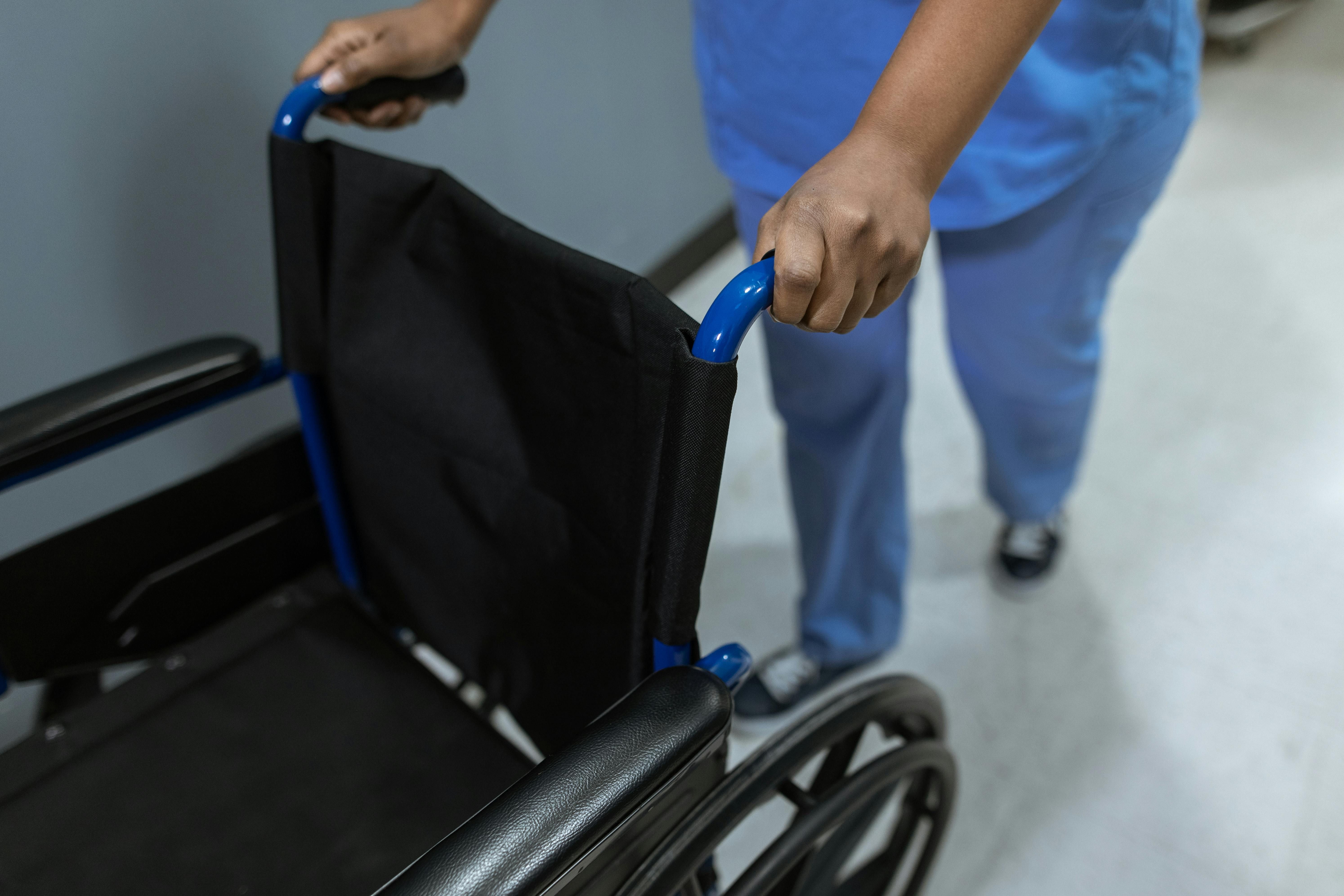
2027 Nurse Executive Leadership Practicum Requirements Explained

Co-Founder and Chief Data Scientist
Students pursuing a nurse executive leadership degree often confront complex practicum requirements that can delay graduation or certification if misunderstood. Securing appropriate clinical placements demands compliance with specific hour minimums, supervision standards, and rigorous background checks, all while maintaining GPA thresholds. These conditions vary widely by state and program, complicating planning and requiring early preparation. A 2023 study found that 68% of nursing leadership students reported delays due to practicum placement difficulties. Understanding these expectations is crucial to align academic progression with professional licensing timelines.
This article clarifies nurse executive leadership practicum demands to guide students in meeting these challenges efficiently.
Key Things To Know About Nurse Executive Leadership Practicum Requirements
- Completing practicum hours provides direct leadership experience-enhancing skills in decision-making, staff management, and healthcare operations critical for executive roles.
- Field placements enable students to apply theoretical knowledge in real-world clinical settings-strengthening practical problem-solving and communication within healthcare teams.
- Supervised internships cultivate professional development by fostering mentorship relationships-preparing students for ethical leadership and regulatory compliance challenges in complex healthcare environments.
What Is A Practicum In Nurse Executive Leadership Program?
A practicum in nurse executive leadership programs is a vital, supervised learning experience designed to connect academic theory with practical leadership application in healthcare settings. Structured within U.S. higher education curricula, these practicums typically involve hands-on fieldwork combined with reflective evaluations to ensure competency in administrative roles. Notably, 85% of healthcare employers prioritize candidates with direct leadership experience, underscoring the career value of practicum training.
Key components of a practicum in nurse executive leadership include the following:
- Fieldwork Expectations: Unlike internships or capstone projects, practicums require active participation in leadership roles within healthcare organizations, allowing students to apply theoretical knowledge to real administrative challenges and develop critical decision-making skills.
- Timing and Hours: Practicums usually take place after foundational coursework is completed, requiring between 150 and 300 clinical hours. This schedule ensures extended exposure to leadership environments and supports immersive skill-building.
- Supervision and Evaluation: Students work under the guidance of experienced nurse executives or qualified mentors who provide ongoing assessment and structured feedback. This process helps students meet established academic and professional competency standards.
- Eligibility Requirements: Programs often mandate prerequisite coursework, a minimum GPA, and clinical experience before enrollment in the practicum. These measures ensure that candidates are prepared for advanced leadership responsibilities.
- Certification and Graduation: Completion of the practicum is essential for program graduation and can be a requirement for nurse executive certification or licensure, aligning with accreditation and workforce readiness. For related advanced degrees, such as PharmD online programs, similar practicum structures emphasize applied leadership preparation.
What Are The Eligibility Requirements For Nurse Executive Leadership Practicum?
Practicum eligibility standards in nurse executive leadership programs exist to ensure students are academically and professionally prepared for the demands of supervised field experiences. These criteria help maintain high-quality placements that align with real-world healthcare leadership challenges. Studies show that nearly 80% of graduate nursing programs enforce strong readiness requirements to support student success and employer expectations.
Common eligibility requirements in nurse executive leadership practicum programs include the following:
- Minimum GPA: A cumulative GPA of 3.0 or higher in graduate coursework is typically required to demonstrate academic competence and critical thinking ability essential for leadership roles.
- Prerequisite Coursework: Completion of foundational courses in healthcare management, finance, policy, and leadership theory is necessary. These prepare students with the background knowledge important for effective practicum participation and align with the recommended prerequisite coursework for nurse executive leadership practicum eligibility.
- Demonstrated Competencies: Programs assess skills such as communication, ethical decision-making, and data analysis to ensure students can engage responsibly in complex clinical and administrative environments.
- Faculty Approval: After completing required coursework, faculty or department review confirms that students meet program-specific standards, ensuring readiness to advance to practicum placements.
- Compliance and Health Clearances: Clinical sites mandate background checks, drug screenings, immunizations, and liability insurance documentation. These administrative steps safeguard patients and comply with regulatory policies.
Maintaining active enrollment in an accredited MHA degree program often complements these eligibility requirements by providing ongoing academic and professional development necessary for practicum readiness.

How Many Practicum Hours Are Required For Nurse Executive Leadership Program?
Practicum hour requirements play a vital role in nurse executive leadership programs by ensuring students acquire the experiential skills essential for effective healthcare management. These hour mandates vary widely across institutions, state guidelines, and accrediting bodies, with studies indicating over 70% of employers prioritize candidates with substantial hands-on clinical preparation.
The following points highlight key elements shaping practicum hour requirements in nurse executive leadership curricula:
- Typical Hour Ranges: Most programs require between 200 and 400 practicum hours, influenced by the degree level-bachelor's, master's, or doctoral-and regulatory or institutional criteria.
- Direct Versus Observational Training: A significant portion-often 60 to 75 percent-of practicum hours involve active leadership tasks under supervision, while the rest includes observation and supportive activities like meetings and strategic planning.
- Phased Practicum Design: Practicums frequently unfold in multiple stages or rotations, exposing students to diverse healthcare settings such as acute care units, long-term care facilities, or administrative offices to broaden their leadership competencies.
- Supervision and Tracking: Clinical supervisors closely monitor student progress, with completion validated through detailed logs, evaluation forms, and competency assessments to satisfy academic and accreditation standards.
- Weekly Hour Requirements and Duration: Students typically dedicate 10 to 15 hours weekly over 12 to 16 weeks, balancing consistent engagement with program flexibility to meet practicum goals.
A professional who pursued a nurse executive leadership degree shared that meeting the practicum hours was both demanding and rewarding. "Balancing work commitments with weekly practicum hours required careful scheduling," he recalled. "The hands-on leadership experiences pushed me beyond theory and helped me solidify real-world skills. Tracking my hours and receiving feedback from supervisors kept me motivated. I particularly valued the rotation phases-it made the practicum feel comprehensive instead of just a single placement." His reflection underscores the practicum's critical role in bridging academic learning with applicable leadership practice.
Prerequisite coursework plays a critical role in equipping students with the foundational knowledge necessary for successful practicum experiences in nurse executive leadership programs. Academic curricula are typically sequenced to ensure learners develop essential skills before entering supervised clinical or administrative settings-reflecting research showing that over 75% of healthcare employers value candidates who complete comprehensive preparatory training prior to fieldwork. This structured approach supports effective academic progression and practicum eligibility.
Core coursework requirements often include the following areas:
- Foundational Theory: Courses cover healthcare systems, leadership models, and organizational behavior, providing a conceptual framework to understand and influence complex clinical environments.
- Professional Ethics: This training emphasizes ethical frameworks, compliance standards, and patient advocacy, cultivating accountability and integrity essential for nurse executives managing interdisciplinary teams.
- Research and Assessment: Students develop skills in evidence evaluation, data interpretation, and outcome assessment, which underpin informed decision-making and quality improvement during practicum placements.
- Communication and Documentation: Instruction focuses on interpersonal communication, conflict resolution, and accurate record-keeping-competencies vital for leadership roles requiring team coordination and stakeholder engagement.
- Field-Specific Competencies: Tailored coursework hones leadership strategies, operational management, and strategic planning aligned with practicum expectations and discipline-specific demands.
While core coursework generally overlaps across programs, variations exist depending on whether the focus is nursing, psychology, education, counseling, or allied health fields. These distinctions affect the emphasis placed on clinical versus administrative skills. Proper sequencing of these academic requirements is necessary for practicum readiness and successful transition into real-world nurse executive roles, ensuring graduates are prepared to meet employer standards and excel in leadership capacities. For related professional insights, consider the medical billing and coding job outlook as an example of how specialized training supports workforce demand in healthcare fields.
The practicum placement process in nurse executive leadership programs connects theoretical coursework with practical industry experience through coordinated partnerships between academic institutions and healthcare organizations. These structured systems support students in meeting rigorous program standards while fostering professional skills crucial for leadership roles. Studies show that over 80% of healthcare employers prioritize applicants with hands-on practicum experience, highlighting its value in career readiness.
Key components of this process include:
- Eligibility Verification: Students must fulfill academic prerequisites and institutional criteria such as GPA minimums, immunization records, and background checks before applying for practicum placements.
- Application and Matching: Coordinators assist students in submitting applications, ranking preferences, and aligning placements with their leadership goals and location preferences, ensuring mutually beneficial matches with host organizations.
- Faculty and Institutional Oversight: Faculty advisors track progress through regular evaluations and site visits, confirming compliance with required practicum hours-typically between 120 to 200-and addressing any issues that arise.
- Communication with Host Organizations: Formal agreements define roles and expectations. Host sites provide mentorship and ensure adherence to professional standards, including confidentiality and regulatory compliance.
- Interview and Screening: Students undergo interviews or screenings by host organizations to verify readiness and fit for the practicum environment.
- Placement Confirmation and Onboarding: Upon acceptance, students complete orientation, sign confidentiality agreements, and fulfill training requirements, with scheduled timelines aligned to academic calendars.
- Ongoing Evaluation: Continuous feedback during the practicum ensures learning objectives are met and supports student development.
A professional who completed a nurse executive leadership practicum shared that the initial eligibility checks felt rigorous but necessary, particularly the background screenings and health documentation. She recalled how the application and matching process, while detailed, provided clarity on expectations and placement options. The interviews with host sites were challenging yet instrumental in building confidence. Faculty support during the practicum helped her navigate real-world complexities, and the structured onboarding prepared her effectively for the responsibilities ahead. Reflecting on her experience, she noted that the practicum was pivotal-not only for skill acquisition but for fostering resilience and adaptability in her leadership journey.

Documentation submitted before practicum placement in Nurse Executive Leadership programs is essential for meeting accreditation criteria, ensuring student preparedness, and maintaining safety standards. Approximately 85% of healthcare-related programs implement standardized screening protocols to align with regulatory and institutional expectations. These requirements help confirm that students can engage responsibly in clinical environments without undue risk.
Key paperwork students typically complete before starting a practicum includes:
- Practicum Application: This foundational form gathers academic and personal data to verify eligibility and serve as an official request to join the practicum. Timely submission is critical, as programs often have strict deadlines to facilitate placement coordination.
- Institutional Approvals: Authorization from academic advisors or program directors certifies good academic standing and compliance with program policies. These approvals are usually required before students can proceed to field assignments.
- Medical Clearance and Immunization Records: Up-to-date health screenings-including vaccines like influenza and tuberculosis tests-are needed to satisfy clinical site requirements and protect patient and student health. Verification procedures are often standardized across institutions but may demand periodic renewal.
- Background Checks and Liability Waivers: Criminal history reviews protect vulnerable populations and ensure legal protections for all parties. Students should anticipate varying turnaround times for clearance and understand that incomplete checks can delay practicum starts.
- Confidentiality Agreements: Students formally acknowledge their responsibilities to safeguard sensitive patient information. These agreements reinforce compliance with privacy laws and institutional ethics.
- Insurance and Site-Specific Compliance: Proof of personal health or malpractice insurance might be necessary, along with completion of any additional paperwork specified by the practicum location. Clear understanding of these site protocols supports seamless onboarding.
Pre-practicum compliance requirements serve to protect the health, safety, and legal rights of both students and the populations they will engage with during clinical experiences. Ensuring these clearances are met reduces risks for institutions and upholds professional healthcare standards. Notably, over 85% of healthcare facilities have intensified background and immunization screening protocols to comply with evolving regulations and workplace safety demands.
The following are common background checks, immunizations, and clearances generally required before beginning a practicum:
- Criminal Background Checks: Comprehensive reviews, including fingerprinting and national or state-level database searches, verify candidates' legal eligibility to work in sensitive environments. This safeguards vulnerable populations and complies with healthcare employer standards.
- Immunization Records: Vaccinations such as influenza, hepatitis B, MMR, varicella, and COVID-19 reduce infection risks between students and patients alike. Documentation of these immunizations is standard for practicum eligibility.
- Tuberculosis Testing: TB screenings through skin testing or blood assays are typically mandatory and may require periodic renewal. Additional health screenings may depend on specific practicum sites and state policies.
- Drug Screening and Occupational Health: Negative drug tests and occupational health clearance confirm students' fitness for clinical participation and compliance with site-specific safety protocols.
- CPR Certification: Students usually must hold current CPR or Basic Life Support certification to ensure readiness for emergency situations encountered during fieldwork.
- Site-Specific Variations: Requirements differ by healthcare, education, counseling, or social services placements. Students should verify timelines and documentation details specific to their academic program and practicum location to avoid common clearance delays.
Practicum placements in nurse executive leadership programs connect theoretical instruction with supervised real-world experience, enabling students to transition confidently from academics to professional practice. Experiential learning is increasingly valued in higher education and workforce preparation, with studies showing over 75% of healthcare employers prioritize candidates who have completed applied practicum experiences. This emphasis ensures graduates are ready to contribute effectively to organizational leadership upon entering the field.
Key elements of the nurse executive leadership practicum supervision and evaluation process include:
- Day-to-Day Responsibilities: Students engage in managing administrative duties, supporting strategic initiatives, and observing leadership decision-making. These tasks offer insight into operational and executive functions within healthcare settings.
- Supervision and Mentorship: Structured oversight from experienced nurse executives or faculty mentors guides student learning. Regular feedback sessions promote skill refinement and understanding of organizational complexities.
- Professional Conduct: Adherence to workplace policies, confidentiality standards, and ethical practices is mandatory. This immersion helps cultivate the professionalism essential for leadership roles.
- Performance Evaluation: Practical assessments combine qualitative feedback with measurable leadership competencies. Evaluations focus on continuous improvement tied to real-world responsibilities.
- Applied Skill Development: Enhancing communication, conflict resolution, and team collaboration skills is central to practicum experiences. These competencies are critical in managing interdisciplinary teams and navigating complex clinical environments.
- Workplace Communication: Students practice effective interdisciplinary communication, ensuring clear information exchange among diverse stakeholders and fostering collaborative cultures.
- Common Challenges: Adapting to organizational culture and time management frequently challenge students. Overcoming these hurdles builds resilience and problem-solving abilities necessary for executive leadership.
The combination of hands-on practicum learning and guided supervision equips students with the capabilities expected in advanced leadership roles. For those pursuing advanced degrees, such as a doctorate in healthcare administration, practical fieldwork remains a cornerstone for enhancing career trajectories and employability outcomes.
Supervision and evaluation during practicum experiences are essential for developing professional skills while maintaining academic accountability in nurse executive leadership. Studies indicate that over 75% of students report improved leadership confidence through structured, supervised practicums, highlighting their role in bridging classroom theory and real-world application. These oversight structures are standard across U.S. educational programs to ensure workforce readiness and meet accreditation standards.
Key components of nurse executive leadership practicum supervision methods include:
- Role of Supervisors: Experienced nurse executives or clinical managers provide daily oversight, delivering guidance, clarifying expectations, and modeling leadership behaviors. They act as primary contacts for addressing challenges and supporting professional growth throughout the practicum placement.
- Faculty Advisors: Faculty coordinate with site supervisors to align practicum objectives with academic goals. They track student progress, facilitate communication between institutions and practicum sites, and ensure compliance with learning outcomes required for graduation and certification.
- Communication and Feedback: Continuous dialogue among students, supervisors, and faculty, including regular meetings and written evaluations, promotes reflective learning. This feedback allows students to adjust their performance and deepen their understanding of leadership roles.
- Assessment Methods: Evaluation employs direct observation, competency checklists, reflective journals, and formal appraisals. These tools assess clinical judgment, leadership competencies, professionalism, and ethical adherence crucial for nurse executive leadership practicum supervision methods.
- Documentation and Progress Reviews: Students maintain logs or portfolios documenting completed hours and tasks. Periodic reviews identify strengths and development areas, informing final evaluations that determine readiness for professional practice.
- Variability Across Settings: Supervision and evaluation techniques may differ by discipline, institution, or accrediting bodies, but all maintain rigorous assessment frameworks aimed at preparing students for leadership roles.
For students interested in expanding their practical experience, exploring the best kinesiology programs can offer additional insight into structured experiential learning and workforce readiness.
Practicum experiences are essential in meeting licensure and certification requirements within nurse executive leadership fields by providing supervised, hands-on learning that integrates academic knowledge with regulatory expectations. Recent data shows that more than 85% of healthcare employers prioritize applicants who have completed accredited practicum hours, underscoring their importance in workforce readiness. These experiences help validate candidates' preparedness for leadership roles through real-world application and formal evaluation.
Key elements of practicum requirements include the following:
- Fieldwork Hours: Practicums fulfill the mandatory clinical or field experience mandated by licensing authorities, allowing students to accumulate the practical exposure necessary to meet credentialing criteria. These hours focus on leadership challenges relevant to healthcare settings.
- Competency Assessment: Students undergo structured evaluations aligned with national certification standards to confirm mastery of skills such as strategic decision-making, team leadership, and quality improvement. These benchmarks ensure readiness for independent professional practice.
- Supervised Oversight: Licensed practitioners oversee practicum activities, ensuring compliance with accrediting guidelines. Regular feedback and documented performance evaluations support both regulatory compliance and personal development.
- Verification and Documentation: Academic programs maintain comprehensive records of practicum completion that are certified and submitted to licensure bodies. This documentation is critical for formal eligibility and accreditation verification.
- Discipline-Specific Frameworks: Different professional areas embedded within nurse executive leadership-like healthcare administration or counseling-tailor practicum requirements to their unique competency and experience standards, influencing licensure pathways accordingly.
What Do Students Say About Their Nurse Executive Leadership Practicum Experience?
- Simone: "My practicum in nurse executive leadership was both challenging and rewarding-I initially faced some delays due to eligibility paperwork that wasn't processed on time, which threw off my placement schedule. However, once I began, my expectations were fully met, with hands-on leadership scenarios that felt directly applicable to my career goals. The supervision was constructive and consistent, with regular feedback sessions that helped me refine my decision-making skills."
- Marjorie: "Reflecting on my practicum experience, I appreciated the thorough evaluation methods that my mentors used-they combined formal assessments with real-time coaching. Although I encountered a few restrictions on my practicum eligibility related to clinical hours, these hurdles made me more resourceful in managing time and responsibilities. Overall, my experience gave me a deeper understanding of the operational complexities in nurse executive leadership roles."
- Shaun: "I entered the practicum with high hopes and wasn't disappointed-the placement matched my learning aspirations perfectly, offering exposure to strategic planning and team leadership. The supportive supervision style, featuring approachable mentors who valued open dialogue, enhanced my confidence immensely. A slight hiccup occurred with eligibility verification, but it was resolved quickly, reaffirming the program's commitment to student success."
Other Things You Should Know About Nurse Executive Leadership Degrees
Students are generally required to demonstrate mastery in areas like strategic planning, team leadership, financial management, and ethical decision-making. Practicum evaluations often focus on the ability to apply theoretical knowledge to organizational challenges, communicate effectively with interdisciplinary teams, and lead change initiatives. These competencies align with industry standards for nurse executive roles.
Most programs do not mandate prior work experience for practicum enrollment but recommend some background in clinical or healthcare settings to maximize learning. Experience can help students engage more meaningfully with leadership tasks and contribute to higher-level discussions during their practicum. Programs may offer preparatory coursework to support students without extensive healthcare backgrounds.
Practicum placements commonly occur in hospitals, long-term care facilities, community health organizations, and outpatient clinics. Some students may have opportunities in public health departments or healthcare consulting firms. The variety of settings supports exposure to diverse leadership challenges and helps students build adaptable skills for different organizational contexts.
- LibGuides: Internship Guide: Internship Documentation Checklist https://guides.centralpenn.edu/internship/documentationchecklist
- Q. Are there eligibility requirements prior to starting the internship/clinical practicum? https://chat.library.berkeleycollege.edu/faq/195897
- How to Become a Nurse Practitioner Executive Leader https://www.aanp.org/news-feed/how-to-become-a-nurse-practitioner-executive-leader
- MACP Practicum Portal https://practicum.yorkvilleu.ca/students/practicum-information/
- What are background checks and security clearances? https://help.usajobs.gov/faq/job-announcement/security-clearances
- Clinical Leadership Practicum Orientation and Training https://www.kumc.edu/school-of-nursing/academics/clinical-education/preceptors/bachelor-of-science-in-nursing-preceptor/clinical-leadership-practicum-orientation-and-training.html
- School of Nursing https://www.ohsu.edu/school-of-nursing/dnp-executive-leadership-classes-and-requirements
- Practicum vs. Internship in Counseling Programs: What’s the Difference? https://www.nec.edu/news/practicum-vs-internship-counseling-programs
- Nurse Executive Certification: Overview and FAQ https://credenzahealth.com/career-advice/nurse-executive-certification-overview-and-faq
- What is a Counselling Practicum and Why It Matters? - Yorkville https://www.yorkvilleu.ca/blog/macp/what-is-a-counselling-practicum-and-why-it-matters/