2027 Hybrid vs Fully Online Social Media Bachelor's Degree Programs

Co-Founder and Chief Data Scientist
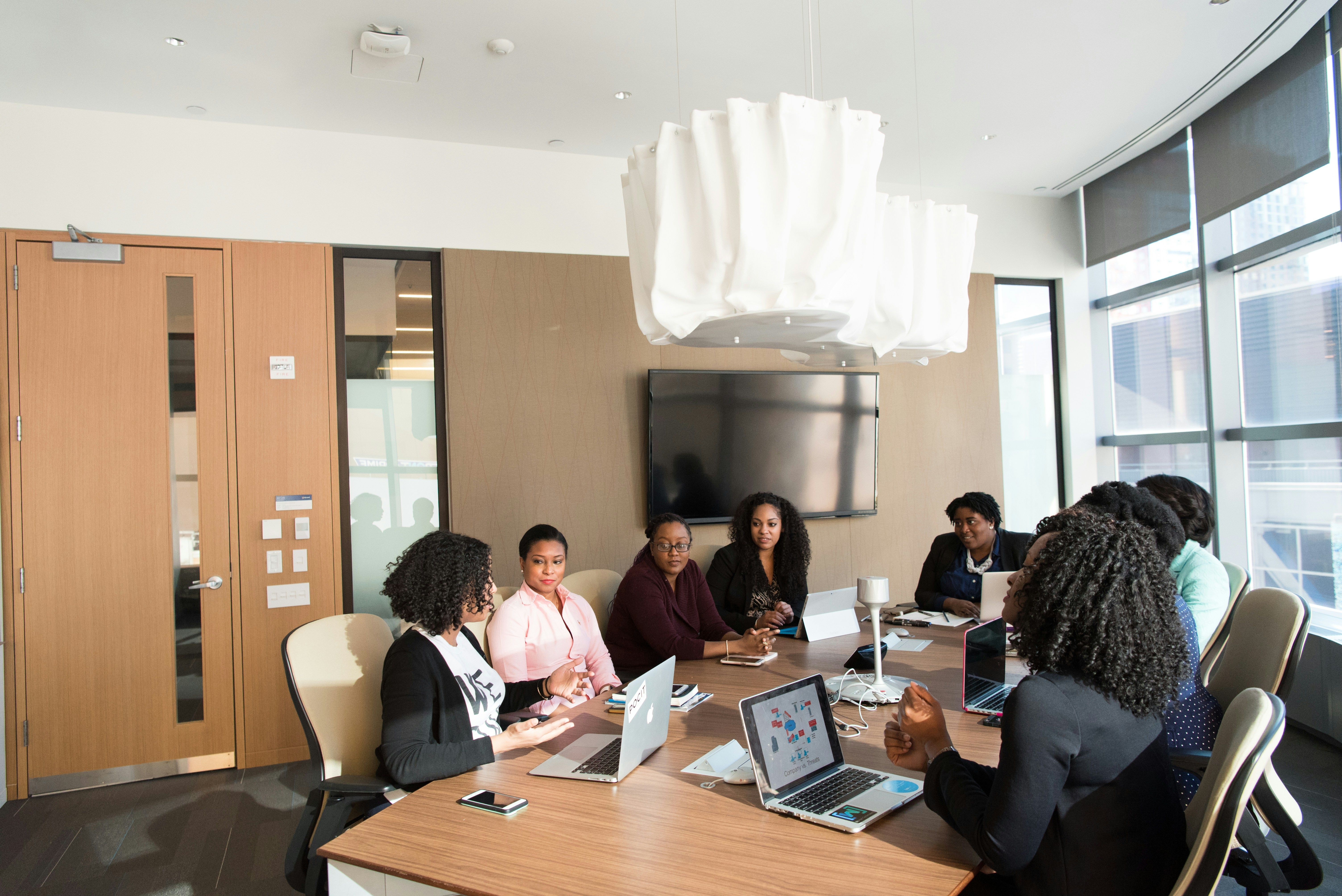
A working parent living in a suburban area faces a tough choice: attend a hybrid social media bachelor's degree program that requires commuting weekly to campus or enroll fully online to study anytime from home. Balancing job hours, family care, and reliable internet access highlights the tension between schedule flexibility and the value of face-to-face engagement. Each format offers unique benefits, from hands-on workshops and networking events on campus to convenience and broad accessibility online.
With online social media bachelor's degree graduates projected to grow by over 20% in the next decade, understanding these trade-offs is crucial. This article explores the key differences between hybrid and fully online social media bachelor's programs and guides prospective students toward the best fit for their needs.
Key Benefits of Hybrid vs Fully Online Social Media Bachelor's Degree Programs
- Hybrid programs offer more learning flexibility by combining scheduled in-person sessions with online coursework, which suits students seeking engagement without daily campus presence.
- Fully online programs provide minimal to no face-to-face interaction, limiting networking but enhancing accessibility for those in remote locations or with rigorous schedules.
- Both formats support balancing education with personal and professional duties, though hybrid students often report better peer collaboration, while fully online learners benefit from adaptable study times.
What Is a Hybrid vs Fully Online Social Media Bachelor's Degree?
Hybrid and fully online bachelor's degree programs in social media differ mainly in how courses are delivered, the extent of in-person participation, and the overall learning structure. Approximately 37% of U.S. students take at least one hybrid or online course, signaling a strong shift toward flexible education models. The following details compare these two formats to help you determine which aligns better with your schedule and learning preferences.
Hybrid Programs
- Course delivery combines face-to-face classes with online coursework, offering a balanced mix of live instruction and digital learning modules.
- Scheduling requires students to manage set campus class times alongside flexible online assignments.
- Interaction is more synchronous, with opportunities for direct engagement with instructors and peers during on-campus sessions.
- The learning experience often involves hands-on activities and access to campus resources that can enhance understanding and networking.
- Hybrid social media bachelor's degree programs are suitable for those who value some in-person interaction while retaining flexibility.
Fully Online Programs
- All classes and materials are delivered digitally, allowing students to study entirely remotely without on-campus attendance.
- Students typically create their own schedules based on deadlines, supporting a more self-directed approach.
- Interaction is mostly asynchronous through discussion boards, email, and occasional video conferences.
- The learning experience encourages self-discipline and independent study, focusing on virtual engagement.
- A fully online social media degree structure suits learners seeking maximum flexibility or balancing other commitments.
For students interested in shorter paths to advanced education, exploring doctoral programs online can offer additional flexibility after completing undergraduate studies.
How Does a Hybrid vs Fully Online Social Media Bachelor's Degree Program Work?
Both hybrid and fully online social media bachelor's degree programs follow structured academic pathways designed to develop essential knowledge and skills. They differ mainly in how coursework is delivered and how students engage with instructors and peers. Recent data from the National Center for Education Statistics shows over 40% of higher education students now take at least one online course, highlighting the growing trend toward digital learning. Below is a comparison of how these program structures operate.
Hybrid Programs
- Course delivery combines weekly or biweekly in-person classes with online lectures and assignments.
- Students participate both face-to-face during scheduled campus sessions and virtually via discussion boards or video conferences.
- Scheduling involves fixed times for classroom meetings alongside flexible online activities.
- Communication happens through direct interaction during on-campus meetings and asynchronously via email or learning management systems.
Fully Online Programs
- All coursework is accessed through digital platforms, including video lectures, readings, and interactive modules.
- Class participation takes place in online discussion forums, group projects, and live webinars without any physical attendance.
- Schedules are typically asynchronous, allowing students to complete work at their own pace within set deadlines, though some courses may have live sessions.
- Communication is conducted entirely online through email, discussion boards, and video calls with instructors and classmates.
Students considering a fully online social media degree admission requirements should review program specifics carefully to ensure the format fits their learning style and needs. For individuals interested in related fields, exploring an online psychology degree may also offer valuable education options.

Are Admission Requirements Different for Hybrid and Fully Online Social Media Bachelor's Degrees?
Admission requirements for hybrid and fully online social media bachelor's degree programs tend to be quite similar, with many institutions maintaining consistent standards across both formats. However, subtle distinctions can arise based on the program's delivery method and the school's policies. Below are key areas where these differences commonly appear.
- Academic Qualifications: Hybrid programs often place more emphasis on regional accreditation and may scrutinize transcripts closely due to their mix of on-campus and online study. Fully online programs, serving a wider geographic audience, generally adopt more flexible transfer credit policies.
- Technical Requirements: Students in hybrid programs usually need access to technology that supports both physical attendance and digital participation, including campus-specific software or hardware. In contrast, fully online students must have reliable internet and devices compatible with the school's learning management system but aren't required to be physically present.
- Application Materials: Hybrid degree candidates may need to provide proof of residency or other documentation related to proximity to campus. Meanwhile, fully online programs often simplify the process, sometimes offering rolling deadlines to accommodate students from diverse locations.
- Program-Specific Prerequisites: Hybrid programs might require completion of certain intro courses before attending face-to-face sessions or on-campus orientations. Fully online students frequently begin remotely without these stipulations and usually participate in virtual orientations.
When asked about her experience, a student enrolled in a fully online social media bachelor's degree shared that navigating the application felt straightforward compared to friends attending hybrid programs. She noted, "I appreciated not having to submit any residency proof, which saved me time." However, she mentioned the importance of ensuring all her technology met the school's specifications and that mastering the online platform took a bit of adjustment. Reflecting on orientation, she said the virtual sessions were convenient yet required a proactive approach to stay engaged. Overall, her admission process was smooth but highlighted how program format nuances can shape the student experience.
Hybrid social media bachelor's degree programs combine online classes with required in-person sessions, which often include campus visits or collaborative projects. This setup offers a balance by allowing students to complete some coursework remotely while maintaining some face-to-face interaction with instructors and classmates. However, the mandatory on-campus commitments can restrict the overall flexibility and may pose challenges for students juggling unpredictable or busy schedules. Despite this, hybrid formats can suit those who prefer periodic in-person engagement alongside digital learning. Such programs represent a middle ground between traditional and digital education models, making them attractive to certain learners seeking structured flexibility.
Fully online social media bachelor's degree flexibility comparison reveals a significantly broader scope for self-directed learning. These programs typically provide 24/7 remote access to lectures and assignments, with many offering asynchronous options that allow students to study at their convenience without fixed class times. This model especially benefits those managing work, family, or other responsibilities by letting them adapt their study pace and schedule independently. In fact, a recent Online Learning Consortium survey found that 70% of students favored fully online programs primarily due to flexible scheduling. For students interested in digital fields, exploring an online video game design degree illustrates how remote learning flexibility can be applied across various disciplines.

What Graduates Say About Hybrid vs Fully Online Social Media Bachelor's Degree Programs
- Arden: "Choosing a fully online social media bachelor's program allowed me to balance my part-time job and family commitments without missing out on quality education. The flexibility to access course materials anytime made keeping up with the fast-paced content manageable and enjoyable. Earning my degree online opened doors to remote marketing roles I wouldn't have considered before, significantly broadening my career opportunities."
- Santos: "My decision to pursue a hybrid social media degree was driven by the perfect mix of in-person interaction and online convenience. Navigating the combination of live workshops and digital coursework helped me develop both my technical skills and professional network. This approach really enhanced my confidence when stepping into digital strategy roles, as I felt well-prepared from diverse learning experiences."
- Leonardo: "The professional pace of an online social media bachelor's degree suited my career ambitions while allowing me to continue working full-time. I appreciated the structured deadlines and interactive forums that kept me motivated and connected with peers. Graduating with this degree has given me the credibility to advance into leadership positions within the digital communications field."
Other Things You Should Know About Social Media Degrees
Yes, students enrolled in both hybrid and fully online social media bachelor's degree programs have opportunities to build professional networks. Hybrid programs often facilitate in-person interactions through campus attendance, which can enhance face-to-face networking. Fully online programs use virtual events, discussion boards, and group projects to connect students with peers and industry professionals, though these may require more proactive engagement.
Internships are typically available to students in both hybrid and fully online social media degree programs. Many colleges collaborate with businesses to provide remote or local internship placements tailored to students' schedules. Hybrid students may find it easier to engage in on-site internships due to their campus presence, but online students can access virtual internships that offer real-world experience relevant to social media careers.
In 2027, Hybrid programs often provide more hands-on experience and direct mentorship, potentially enhancing technical skill acquisition. Fully online programs may focus more on theoretical components, relying on webinars and virtual workshops for skill development. Online programs might require students to independently seek practical experiences, balancing flexibility with the need for self-discipline.
- A Look at Online, On-campus, and Hybrid Learning Models - Through Education https://througheducation.com/which-learning-model-suits-you/
- What are the benefits of blended or hybrid learning? https://www.umu.com/ask/q11122301573854461227
- Build Your Digital Presence with a Social Media Marketing Degree https://thoughtinglass.com/en/articles/build-your-digital-presence-with-a-social-media-marketing-degree
- What are the main differences between blended, hybrid, and online learning? https://m.umu.com/ask/q11122301573854415801
- Know the Difference Between In-Person, Online, Virtual & Hybrid Classes https://pima.edu/news/announcements/general-announcements/types-of-classes.html
- Should we teach in hybrid mode or fully online? A theory and empirical investigation on the service–profit chain in MBAs | Rennes School of Business https://www.rennes-sb.com/news/should-we-teach-in-hybrid-mode-or-fully-online-a-theory-and-empirical-investigation-on-the-serviceprofit-chain-in-mbas/
- Key Considerations: Is Your Campus Hybrid Learning Ready? https://blog.quickschools.com/2023/01/05/key-considerations-is-your-campus-hybrid-learning-ready/
- Online and hybrid college programs explained. Flexibility, risk, and the real value equation | CG https://collegegrind.org/posts/online-and-hybrid-college-programs-explained/
- University Hybrid Programs: The Modern Path to a Degree https://collegeandtuition.com/university-hybrid-programs-the-modern-path-to-a-degree/
- How Can You Get the Most Out of an Online College Program? https://www.bluefield.edu/blog/get-most-online-college-program/