2027 Health Education Clinical Hours Requirements: What Counts and How to Complete Them

Co-Founder and Chief Data Scientist
How do students ensure that their clinical hours meet the rigorous standards required for health education degrees? Many current students face uncertainty about what qualifies as valid field experience, practicum training, or supervised hours toward graduation. With nearly 65% of health education graduates reporting challenges in securing approved clinical placements, understanding these requirements is vital.
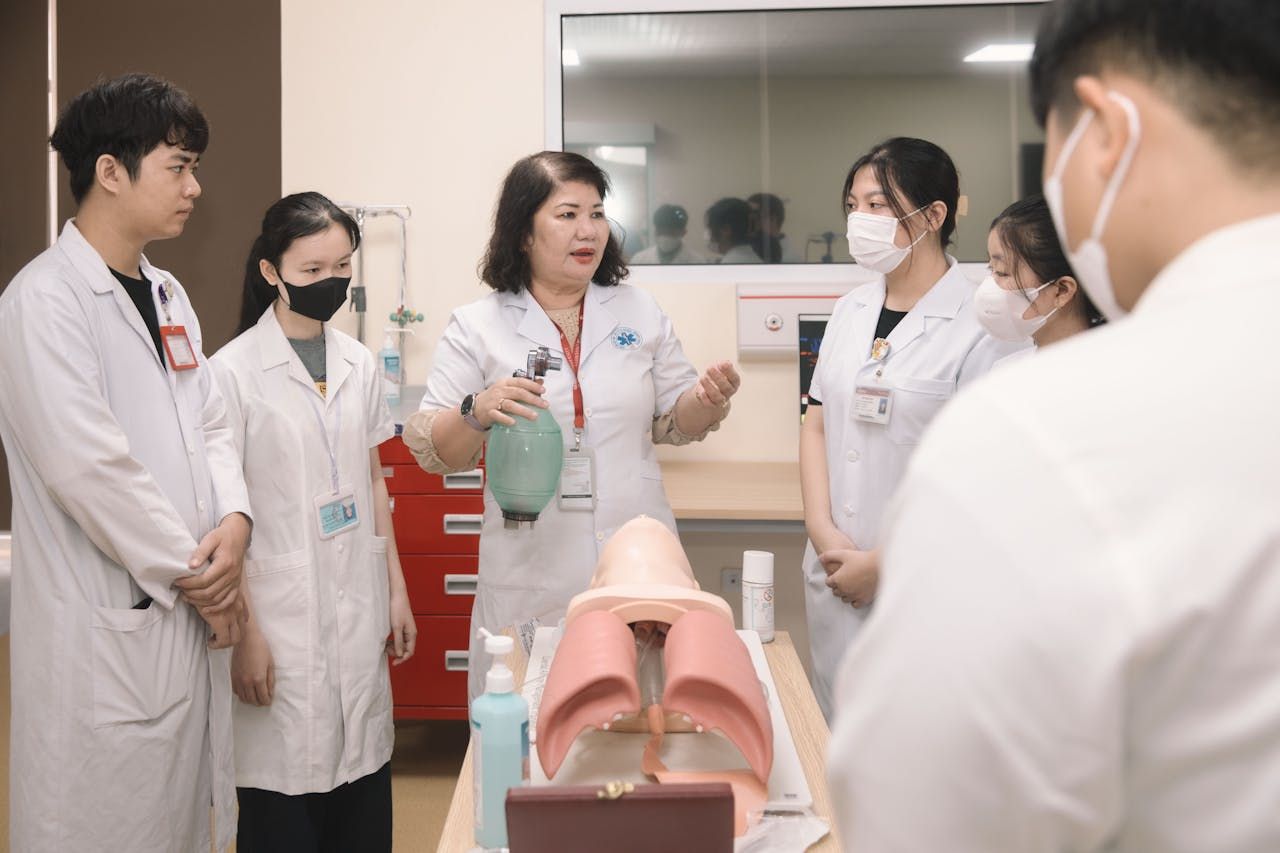
Clinical hours often must be completed in settings like community health centers, schools, or professional clinics, under direct supervision to ensure competency. This article clarifies what counts as clinical hours and explains typical pathways for completing these essential requirements in health education programs.
Key Things to Know About Health Education Clinical Hours Requirements
- Required clinical hours provide supervised, hands-on experience, enabling students to apply classroom knowledge in real-world health education settings and improve practical skills.
- Clinical placement processes and approved training environments determine where and how students complete hours, often including hospitals, schools, and community centers.
- Strict documentation, supervision, and evaluation standards ensure clinical hours meet program criteria and support students' successful completion of health education requirements.
What Are the Clinical Hours Requirements for Health Education Programs?
Health education clinical hours requirements typically range between 100 and 300 hours, reflecting a commitment to experiential learning essential for professional readiness. Studies show that over 85% of health education graduates who completed these clinical hours reported greater confidence in applying their skills in real-world settings. This practical training bridges classroom learning with hands-on experience, preparing students to meet industry expectations effectively. Incorporating these requirements ensures that students develop the competencies needed for successful professional practice.
Programs generally integrate clinical hours as a mandatory element for graduation, embedding them within the criteria for health education clinical hours requirements for health education programs in the United States. These hours focus on cultivating applied competencies such as communication, assessment, and health promotion implementation. By doing so, students gain workplace readiness grounded in direct experience. For those interested in expanding their qualifications, pursuing a medical coding and billing certification can complement their health education training and enhance career prospects.
What Counts as Clinical Hours in Health Education Programs?
Clinical hours in health education programs provide essential hands-on experience that connects theoretical knowledge to practical skills. Research indicates that students engaged in experiential learning retain up to 40% more course material and develop stronger problem-solving capabilities. These clinical hours are designed to improve students' communication, assessment, and intervention skills in real community settings. Below are common activities counted as valid clinical hours.
- Health Workshops: Leading or assisting in health workshops and presentations promotes wellness and disease prevention among varied populations. This direct interaction helps solidify communication skills and public health knowledge.
- Health Screenings: Participating in screenings and risk assessments under professional supervision allows students to identify health issues firsthand and understand community needs.
- Educational Materials: Creating and distributing health literacy materials is a key activity that demonstrates applied knowledge while supporting community education strategies.
- Program Support: Helping with planning, implementation, and evaluation of community health initiatives equips students with practical programmatic experience essential for future roles.
- One-on-One Coaching: Engaging in health coaching or counseling facilitates behavior change support, enhancing interpersonal skills critical for health educators.
A health education degree graduate shared that navigating the clinical hour requirements felt overwhelming at first, especially balancing documentation and finding appropriate placements. "It wasn't just about clocking hours; I had to ensure each experience genuinely contributed to my learning and competence," he said. He emphasized the rewarding nature of direct community work but noted, "There were moments of uncertainty about what counted, so clear guidance made a huge difference." His reflection highlights the importance of well-defined clinical activities in successfully completing program requirements.

Do Clinical Hour Requirements Vary by State?
State regulatory agencies and licensing standards significantly shape clinical training requirements for health education programs. In fact, some states require as few as 100 clinical hours, while others mandate over 300 before students can become licensed. These variations influence how programs structure their hands-on training. Several key factors demonstrate how state regulations impact clinical hour mandates:
- Minimum and Maximum Hours: States set distinct minimum clinical hour requirements to ensure competency and may also cap maximum hours to standardize training length, affecting total hours students must complete.
- Qualified Clinical Settings: Regulations specify the types of approved environments where clinical hours can be gained, guiding students on suitable practical experience locations.
- Competency Focus: Some states require clinical hours to cover specific skill sets or broader competencies, meaning students might need varied experiences to fulfill these standards.
- Verification Procedures: Documentation rules differ, with some states demanding detailed logs or official confirmations, influencing how hours are tracked and validated.
- Transferability: Variations in clinical hour rules affect whether completed hours are recognized in other states, impacting students' professional mobility across regions.
Grasping these regulatory distinctions helps students align their training with licensure demands and plan effectively for certification in their chosen state.
More than 70% of students in health-related fields report acquiring essential skills through hands-on clinical placements, highlighting the value of these experiences for health education students. These clinical hours are fulfilled across various professional environments that foster practical skill development and career readiness. Common settings include:
- Community Health Organizations: Students work directly with diverse groups to practice health promotion and education strategies, gaining experience in real-world community settings that enhance cultural competence and engagement techniques.
- Educational Institutions: Schools offer structured opportunities for students to deliver health curricula and support youth wellness programs, helping them understand how to implement and assess educational health initiatives effectively.
- Healthcare Facilities: Hospitals and clinics provide exposure to clinical care environments, where students learn to support patient education, prevention efforts, and collaborate within interdisciplinary teams, reinforcing the clinical aspect of health education.
- Workplace Wellness Programs: Within organizational settings, students help design and evaluate wellness activities aimed at improving employee health, focusing on practical applications of health promotion in occupational contexts.
By engaging in these diverse settings, health education students develop key competencies such as communication, assessment, and program planning, preparing them to meet the demands of a wide range of health education roles.
Clinical placements connect health education students to supervised real-world training essential for meeting clinical hour requirements and ensuring practical competence. Research shows that about 70% of health and allied health students engage in placement-based experiential learning, emphasizing its importance in preparing professionals. Several common methods are used to assign these clinical placements.
- Program-Coordinated Assignments: Faculty or clinical coordinators partner with healthcare sites and assign students based on availability and learning goals, promoting fair distribution aligned with educational needs.
- Centralized Placement Systems: Institutions or consortia manage approved site databases where students rank preferences or receive matches automatically, balancing program requirements with site capacity.
- Self-Sourcing Approach: Students may find and secure their own clinical sites, subject to program advisor approval to ensure the site meets supervision and placement standards for health education clinical hours.
- Rotation Schedules: Structured cohorts rotate through fixed clinical sites on set timelines, providing varied exposure and consistent supervision throughout their training.
Understanding these assignment processes helps students navigate requirements in health programs, including specialized fields like nurse practitioner programs, where approved clinical hours remain a critical component for degree completion.

Health education clinical hours typically cannot be completed entirely online, though part-time and hybrid options offer some flexibility. Approximately 35% of professional education programs use hybrid models that blend remote coursework with in-person clinical training. The primary reason for this limited online availability is the essential need for supervised, hands-on practice that develops real-world skills and professional competence. This balance ensures students gain necessary experience while accommodating varied schedules.
Some programs allow clinical hours to be completed part-time, enabling learners to manage personal obligations alongside training. Most require students to complete these hours at approved physical sites under direct supervision, maintaining practical engagement. Fully virtual clinical experiences are rarely accepted as they lack the face-to-face interaction crucial for mastering health education techniques. Hybrid formats combine theoretical instruction delivered online with mandatory in-person applications to meet rigorous standards.
When I spoke with a professional holding a Health Education degree about completing clinical hours online or part-time, she reflected on her own experience balancing work and study. "Doing my clinical hours part-time was definitely a challenge but invaluable," she shared. She described feeling initially overwhelmed by coordinating in-person placements with a busy schedule but appreciated the structured guidance and real interactions with clients. Those practical moments, she explained, were key in building confidence and skills that purely online training couldn't provide.
During health education clinical hours, supervision is typically provided by qualified professionals with credentials and experience in health education or related health promotion fields. These supervisors oversee students' practical experiences to ensure quality learning and the safety of both students and clients. Supervision is essential as it bridges theoretical knowledge and real-world application, offering direct feedback and modeling professional behavior. Notably, a 2021 survey found that healthcare education programs with structured supervision saw a 30% increase in student competency scores compared to those with minimal oversight.
This supervision supports students' skill development by helping refine communication, teaching strategies, and community engagement techniques. Supervisors provide constructive critique and evaluate student performance against learning objectives, fostering confidence and professional readiness. The general expectation is that students receive continuous guidance through direct observation and regular interaction, promoting ethical practice and ensuring students are prepared for their future roles in health education settings.
Tracking health education clinical hours is essential for documenting student progress and verifying completion of program requirements. Proper documentation ensures students meet experiential learning standards and supports accreditation processes. A 2022 survey by the Association of American Colleges and Universities found that over 85% of professional education programs emphasize rigorous clinical hour documentation to maintain compliance and educational quality. Several effective methods are commonly used to track these hours.
- Digital Logging Systems: These platforms allow students to record hours in real time using apps or online portals. Features often include supervisor review and approval, which streamline verification and reduce administrative delays.
- Supervisor Verification Forms: Clinical mentors or instructors provide signatures or written confirmation to validate recorded hours. This hands-on accountability ensures accurate reporting tied directly to supervised experiences.
- Attendance Documentation: Sign-in sheets or electronic check-ins during clinical activities establish when and how long students participated. These records support the legitimacy of the hours claimed and help maintain attendance compliance.
- Progress Reports: Reports outlining completed tasks and learning outcomes are submitted regularly to advisors or coordinators. They connect clinical time with educational achievements, facilitating comprehensive tracking of student advancement.
- Academic Tracking Platforms: Integrated institutional systems centralize clinical hour management, giving students and faculty easy access to updated records and alerts for unmet requirements. This centralized approach enhances transparency and accountability.
Prospective and current students looking to understand clinical hour requirements should explore options provided by their programs. For those interested in advancing through practical experience, LPN programs offer structured clinical hour documentation as part of the curriculum, helping enforce best practices for documenting clinical hours in health education programs.
Clinical training is a demanding stage in health education that exposes students to intense workloads and real-world pressures. Studies show that nearly 70% of health profession students experience significant stress related to clinical placements, highlighting the challenge of managing both academic and practical components. Understanding these common clinical training challenges for health education students is essential in navigating this phase successfully.
- Balancing Coursework and Clinical Hours: Students often struggle to juggle academic responsibilities alongside rigorous clinical schedules. This balancing act can lead to fatigue and reduced time for study or rest, impacting overall performance during clinical rotations.
- Adjusting to Professional Environments: Entering established healthcare teams requires quick adaptation to workplace protocols and communication styles. Students must meet these expectations while under supervision, which can be overwhelming and affect confidence.
- Managing Demanding Schedules: Clinical hours often come with inflexible timings that may conflict with personal commitments. Such schedules limit opportunities for self-care and stress management, potentially hindering students' well-being and training quality.
- Handling Emotional Stress: Confronting patient suffering and ethical dilemmas can cause emotional fatigue and anxiety. Successfully overcoming obstacles in health education clinical hours includes developing resilience to these emotional challenges.
- Meeting Hands-On Skill Expectations: Transitioning from theory to practice demands rapid skill acquisition and continuous feedback processing. This hands-on learning phase can overwhelm students, especially if prior preparation is limited.
For students seeking to complement their clinical experience with comprehensive academic options, exploring online pharmacy school programs can offer flexible pathways to advance their careers while managing clinical commitments.
Preparation and adaptability are crucial for thriving in clinical training, as they reduce anxiety and increase student confidence. Research shows that students involved in experiential learning achieve a 30% higher performance rate and readiness than those who focus only on theory. Incorporating effective strategies can further support success throughout clinical hours.
- Effective Communication: Clear dialogue with patients and healthcare teams ensures accurate understanding of needs and fosters collaborative relationships. Strong communication skills improve patient outcomes and build professional networks vital for clinical learning.
- Time Management: Prioritizing tasks and managing clinical hours efficiently allows students to meet program requirements without sacrificing learning quality. Good time management reduces stress and promotes consistent progress in demanding environments.
- Professionalism: Demonstrating ethical behavior, reliability, and accountability builds trust with supervisors and patients. Maintaining professional standards during clinical hours enhances career prospects and creates a positive reputation.
- Active Learning: Engaging through questioning, feedback, and reflection deepens practical skills and theoretical understanding. This approach aligns with best practices to overcome challenges during clinical hours in health education programs.
- Organization: Keeping precise records and an orderly workflow improves task completion and supports clinical documentation. Being organized minimizes distractions, allowing focus on achieving clinical learning objectives.
Health education students exploring pathways can find details on the cheapest BSN to MSN online programs to further their clinical experience efficiently.
What Graduates Say About Health Education Clinical Hours Requirements
- Raphael: "Completing the clinical hours required for my health education degree was challenging but incredibly rewarding. The hands-on experience deepened my understanding and truly justified the investment of both time and money. Looking back, those clinical hours were essential in shaping my confidence and skills as a health professional."
- Russell: "Reflecting on my journey, the clinical hour requirements were the most demanding part of the health education program, especially considering the out-of-pocket expenses for travel and materials. Still, these experiences provided invaluable insights into real-world health settings and helped me build a professional network that has benefited my career immensely."
- Theo: "From a professional standpoint, fulfilling the clinical hour requirements in health education gave me practical exposure that textbooks simply can't provide. Although the cost was notable, the experience allowed me to apply theoretical knowledge practically, which enhanced my job prospects significantly after graduation."
Other Things You Should Know About Health Education Degrees
Health education students typically complete clinical hours in settings such as community health centers, schools, hospitals, government agencies, and nonprofit organizations. These environments offer practical experience in educating populations about health topics, program planning, and health promotion strategies.
Students generally need to maintain detailed logs of their clinical hours, including dates, activities performed, and supervisor signatures. Some programs may require reflective journals or final evaluation forms to confirm that students have met the required competencies during their clinical placements.
Yes, completing clinical hours provides practical skills and real-world experience that are attractive to employers in public health, school health, wellness coordination, and related fields. Demonstrated ability to work in community settings and conduct health education interventions can improve a graduate's chances of employment in various entry-level roles.
- How to Earn a Healthcare Certification While | HealthCerts https://healthcareercerts.org/blog/earn-healthcare-certification-during-full-course-load/
- Enhancing Clinical Education: Strategies for Health Professions - European Society of Medicine https://esmed.org/enhancing-clinical-education-strategies-for-health-professions/
- Factors influencing provision of clinical placements for health students: A scoping review https://fohpe.org/FoHPE/article/view/562
- Top 15 tips for designing and delivering effective clinical education programs - Expert Clinical Solutions | Robin Clinical Healthcare https://www.robinclinicalhealthcare.com/top-15-tips-for-designing-and-delivering-effective-clinical-education-programs/
- How to help students track clinical hours https://lumivero.com/resources/blog/how-to-help-students-track-clinical-hours/
- Comprehensive Guide to Nursing Clinical Tracking https://blog.healthtasks.ai/comprehensive-guide-to-nursing-clinical-tracking/
- Streamline Clinical Placement Management Process: 5 Tips https://cliniciannexus.com/resources/clinical-placement-management-process
- NP Clinical Hours Requirements | Clinical Match Me https://www.clinicalmatchme.com/nurse-practitioner-clinical-hours-requirements/
- Supervision FAQs and further resources | The HCPC https://www.hcpc-uk.org/standards/meeting-our-standards/supervision-leadership-and-culture/supervision/further-resources-and-faqs/
- Requirements Approved Clinical Supervisor (ACS) https://www.cce-global.org/credentialing/acs/requirements