2027 Geriatric Nurse Careers: Skills, Education, Salary & Job Outlook

Co-Founder and Chief Data Scientist
Choosing a geriatric nurse career means deciding whether you want to build a nursing practice around the needs of older adults: chronic disease management, medication safety, mobility, cognition, family communication, and end-of-life support. The work can be demanding, but it is also one of the clearest ways to make a direct difference in patients’ daily comfort, independence, and dignity.
The need is not abstract. With over 10,000 Americans turning 65 daily, healthcare employers need nurses who understand aging-related conditions and can coordinate care across hospitals, clinics, long-term care facilities, home health, and hospice settings. Compensation varies by role, location, credential, and employer, but geriatric nurse careers are often associated with strong job security and median salaries around $78,836.
This guide explains what geriatric nurses do, the skills and credentials employers look for, typical work settings, salary and job outlook considerations, advancement options, and related careers. It is designed to help students, career changers, and licensed nurses make a practical, informed decision about whether geriatric nursing fits their strengths and goals, drawing on over ten years of career counseling expertise.
Key Things You Should Know About Geriatric Nurse Career
- The typical earning potential for a geriatric nurse in the United States is about $94,480 per year, with salaries ranging from $72,000 to $112,000 depending on experience and location.
- Demand for geriatric nurses is strong and growing, supported by an aging population and a projected 6% employment increase for registered nurses from 2022 to 2032, with especially high demand in geriatric specialties.
- A Bachelor of Science in Nursing (BSN) and passing the NCLEX-RN exam are generally required to become a registered nurse, with some roles preferring certification in geriatric nursing.
- Success in geriatric nursing depends on compassion, strong communication, patience, geriatric assessment, medication management, critical thinking, and teamwork skills.
- Career advancement can lead to roles such as charge nurse, nurse manager, clinical educator, or geriatric nurse practitioner, with opportunities also available in case management and healthcare administration.
What do Geriatric Nurses do?
Geriatric nurses provide nursing care for older adults, especially patients managing chronic illnesses, mobility limitations, cognitive changes, medication complexity, or recovery after hospitalization. Their work combines clinical assessment, patient education, care coordination, and emotional support.
The role matters because older patients often have overlapping health needs. A geriatric nurse may monitor heart disease, diabetes, pain, wounds, dementia symptoms, fall risk, nutrition, and medication side effects in the same patient. Good geriatric care is not just about treating one diagnosis; it is about keeping the whole person as stable, safe, comfortable, and independent as possible.
A Day in the Life of Geriatric Nurses
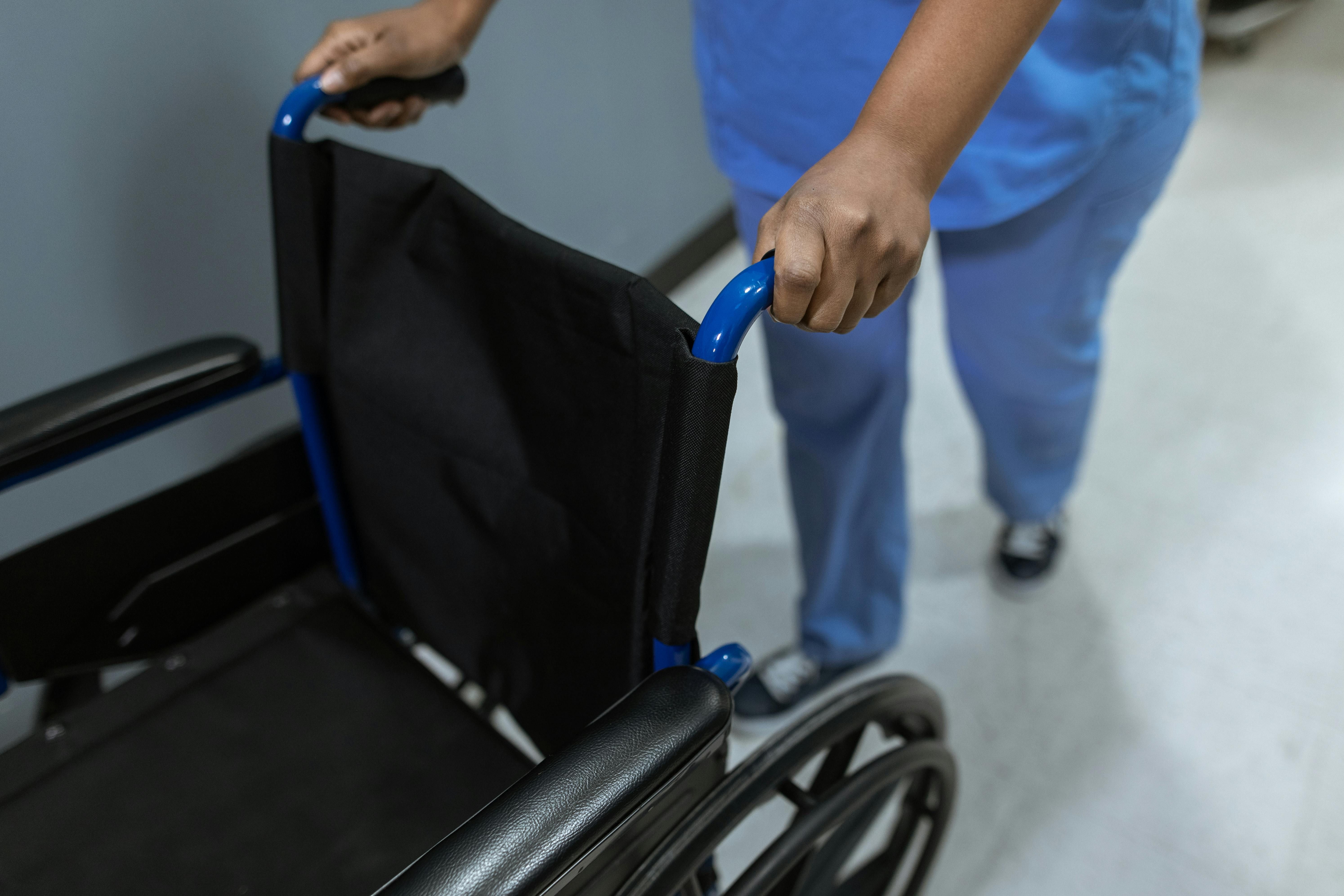
A typical day depends heavily on the setting. In a hospital, geriatric nurses may assess changes in condition, administer medications, prepare patients for discharge, prevent falls, and coordinate with physicians, therapists, case managers, and families. In long-term care, they may manage ongoing care plans, supervise support staff, monitor residents with dementia, and respond quickly when a patient’s condition declines. In home health, they often work more independently, checking safety risks, teaching family caregivers, and helping patients follow treatment plans at home.
Across all settings, the job requires careful observation. Older adults may not always show illness in obvious ways. Confusion, weakness, reduced appetite, pain, or a sudden change in mobility can signal a serious problem. Geriatric nurses are trained to notice these changes early and act before a preventable complication becomes an emergency.
What are the key responsibilities of Geriatric Nurses?
Geriatric nurses are responsible for clinical care, safety, education, and coordination for older adults. Their responsibilities can vary by license level, employer, and state scope-of-practice rules, but the core work usually includes direct patient care and close communication with the broader healthcare team.
- Assess patient health by monitoring vital signs, pain, cognition, mood, mobility, nutrition, skin integrity, and ability to complete daily activities.
- Administer medications and treatments, including injections, IV therapies where permitted, wound care, respiratory support, and symptom management.
- Watch for complications such as falls, pressure injuries, dehydration, infection, medication reactions, delirium, and worsening chronic disease.
- Support activities of daily living, including bathing, dressing, eating, toileting, repositioning, and safe transfers when the role and setting require it.
- Educate patients and families about diagnoses, medications, warning signs, diet, mobility, home safety, and follow-up care.
- Coordinate with physicians, nurse practitioners, therapists, social workers, pharmacists, aides, family caregivers, and community services.
- Document assessments, interventions, medication administration, changes in condition, patient responses, and care plan updates.
- Provide emotional support to patients experiencing loneliness, grief, fear, depression, memory loss, or loss of independence.
The Most Challenging vs. The Most Rewarding Tasks
| Part of the role | What it involves | Why it matters |
| Most challenging | Managing patients with multiple chronic conditions, cognitive impairment, complex medications, and changing family expectations. | Small changes can signal major decline, so nurses must stay alert while working under time and staffing pressures. |
| Most rewarding | Helping older adults regain comfort, trust, function, or dignity through consistent, respectful care. | Progress may be gradual, but a safer transfer, better pain control, clearer communication, or a calmer patient can significantly improve quality of life. |
For students still building their education plan, an accelerated or flexible pathway can help them enter nursing sooner if the program is legitimate, properly accredited, and aligned with state licensure requirements. Researching options such as the best associate degree in 6 months online accredited programs can be a starting point, but prospective nurses should always verify clinical requirements and nursing board eligibility before enrolling.

What are the key skills for Geriatric Nurses?
Geriatric nursing requires more than general bedside competence. Older adults are more likely to have multiple diagnoses, take several medications, need mobility support, and experience communication or cognitive barriers. Strong geriatric nurses combine clinical judgment with patience, advocacy, and careful coordination.
Essential Hard Skills
- Comprehensive health assessment: Evaluate physical, cognitive, emotional, functional, and social needs, including subtle changes that may indicate decline.
- Medication management: Monitor medication schedules, side effects, interactions, adherence, and patient understanding, especially for older adults with complex regimens.
- Chronic disease management: Support patients with conditions such as diabetes, heart disease, arthritis, respiratory illness, dementia, and kidney disease.
- Wound and skin care: Identify pressure injury risk, perform wound care as ordered, and use prevention strategies such as repositioning and skin monitoring.
- Medical device handling: Safely manage devices such as catheters, ostomies, feeding equipment, respiratory devices, and mobility aids when used in the care setting.
- Fall risk evaluation and prevention: Assess gait, strength, medications, environment, footwear, vision, cognition, and assistive-device use to reduce avoidable injuries.
- Care documentation: Record accurate, timely notes that support continuity of care, compliance, and clinical decision-making.
Critical Soft Skills
- Empathy: Respect the patient’s history, fears, preferences, and need for dignity, even when care is physically or emotionally difficult.
- Patience: Communicate calmly with patients who may move slowly, repeat questions, resist care, or have memory loss.
- Active listening: Hear what patients, family caregivers, and team members are reporting, including concerns that may not be stated directly.
- Critical thinking: Connect symptoms, medications, behavior changes, lab findings, and care history to make safe nursing decisions.
- Boundary-setting: Support patients and families compassionately while maintaining professional judgment and realistic care expectations.
- Cultural sensitivity: Adapt communication and care planning to the patient’s beliefs, language, family structure, and values around aging and illness.
The One Overlooked Skill That Separates the Good from the Great
Care planning and multidisciplinary coordination often separate competent geriatric nurses from exceptional ones. Older adults frequently move between hospitals, rehabilitation centers, skilled nursing facilities, primary care offices, specialist appointments, and home care. Each transition creates risk: missed medications, unclear instructions, duplicate tests, caregiver confusion, or preventable readmission.
A strong geriatric nurse helps close those gaps. For example, when an older adult leaves the hospital for home care, the nurse may confirm the medication list, clarify follow-up appointments, teach warning signs, assess fall hazards, involve family caregivers, and communicate changes to the care team. That coordination can make the difference between a safe recovery and a return to the hospital.
Students preparing for this field should prioritize coursework and clinical experiences that strengthen anatomy, pharmacology, assessment, communication, and evidence-based care. General academic planning resources, including guides to easy college classes to take online, can help with scheduling, but nursing students should not choose courses only because they are convenient. Licensure preparation and clinical readiness matter more.
The path into geriatric nursing is usually straightforward: become a licensed nurse, gain experience with older adults, then build specialized expertise through practice, certification, or graduate education. The exact route depends on whether you are entering nursing for the first time or adding geriatrics to an existing nursing career.
- Complete foundational nursing education. Earn a nursing credential that qualifies you for licensure, such as an Associate Degree in Nursing (ADN) or a Bachelor of Science in Nursing (BSN).
- Meet state licensure requirements. Apply through your state board of nursing and pass the required licensing exam for your intended nursing role.
- Build clinical experience with older adults. Look for rotations, internships, first jobs, or volunteer experience in hospitals, long-term care, rehabilitation, home health, hospice, or outpatient geriatric settings.
- Develop geriatric-specific competence. Learn to manage chronic illness, dementia-related behaviors, fall prevention, polypharmacy risk, pressure injury prevention, family communication, and discharge planning.
- Pursue professional certification when eligible. Certification can signal specialized knowledge and may support advancement, depending on the employer and role.
- Consider advanced education for expanded practice. Nurses who want advanced clinical, leadership, teaching, or prescribing responsibilities may pursue graduate study in adult-gerontology or related specialties.
The biggest mistake is assuming that “working with older adults” is automatically simple because the care seems routine. In reality, geriatric nursing requires advanced observation, careful prioritization, and strong communication. Start building those habits early in clinical training.
Geriatric nurses must first qualify for nursing practice. The foundational options commonly include an Associate Degree in Nursing (ADN) or a Bachelor of Science in Nursing (BSN). Both can prepare candidates to pursue Registered Nurse (RN) licensure, which is issued by state boards of nursing and is essential for RN practice.
During nursing education, students gain classroom and clinical training in health assessment, anatomy, physiology, pharmacology, medical-surgical nursing, mental health, community health, and patient safety. Clinical rotations are especially important because geriatric nursing is hands-on. Students should seek exposure to older adults in hospitals, long-term care, rehabilitation, home health, and community settings when available.
Further certification can strengthen a geriatric nursing profile. One example is the Gerontological Nurse - Board Certified (GERO-BC™) credential, awarded by the American Nurses Credentialing Center (ANCC). It requires clinical experience and continuing education specific to gerontological nursing. Advanced credentials may include a Master of Science in Nursing (MSN) with adult-gerontology specialties, a Doctor of Nursing Practice (DNP) focusing on gerontology, and certifications such as the Gerontological Specialist - Certified (GS-C) from GAPNA.
Common education and credential options
| Option | Best fit | Important consideration |
| ADN | Students seeking a direct route into RN eligibility. | Confirm the program is approved for nursing licensure in the state where you plan to practice. |
| BSN | Students who want broader preparation and stronger positioning for some hospital, leadership, or graduate pathways. | May take longer than an ADN, but it can support future advancement. |
| GERO-BC™ | Licensed nurses who want to demonstrate gerontological nursing expertise. | Eligibility depends on experience and continuing education requirements. |
| MSN or DNP with adult-gerontology focus | Nurses pursuing advanced clinical practice, leadership, education, or specialized roles. | Requires significant time, tuition, and ongoing professional obligations. |
Are advanced degrees or niche certifications worth the investment?
Advanced degrees and certifications can be worth the investment when they match a clear career goal. They may support higher-level responsibilities in clinical practice, leadership, education, care coordination, or advanced practice. They can also improve competitiveness for roles focused on complex geriatric care.
They are not automatically necessary for every geriatric nurse. If your goal is bedside RN care in a long-term care or hospital setting, experience and strong performance may matter more at first. If your goal is to become an Adult-Gerontology Nurse Practitioner, move into management, teach, or lead programs, graduate education may become essential.
Cost should be evaluated carefully. Nurses comparing doctoral routes can review resources such as the most affordable online doctoral programs, but affordability should be weighed alongside accreditation, clinical placement support, licensure alignment, faculty expertise, and employer recognition.

Geriatric nurse earning potential depends on license level, degree, experience, location, shift, specialty, employer type, and whether the role is staff nursing, leadership, advanced practice, home health, hospice, or long-term care. The median annual salary for geriatric nurses stands at $112,000, which provides a useful benchmark for evaluating compensation in this career area.
Pay can vary widely. The Geriatric nurse starting salary 2025 is approximately $87,500, reflecting entry-level and early-career roles. Experienced geriatric nurses can earn up to $160,000 annually, especially when they bring advanced certifications, specialized experience, leadership responsibilities, or advanced practice preparation.
Factors that can increase earnings
- Location: States like California and Oregon may offer higher pay because of cost of living, demand, staffing needs, and employer competition.
- Experience: Nurses who can manage complex patients, mentor staff, and recognize decline early often become more valuable to employers.
- Credentials: Specialty certification or graduate education may support advancement into higher-responsibility roles.
- Setting: Hospitals, specialized care facilities, advanced practice clinics, and leadership roles may pay differently from standard staff positions.
- Schedule: Evening, night, weekend, holiday, overtime, or per diem work may affect total compensation, depending on employer policy.
When comparing salaries, look beyond the annual number. Benefits, retirement contributions, tuition reimbursement, shift differentials, staffing ratios, patient acuity, overtime expectations, and commute time can all affect the real value of a job offer.
The job outlook for geriatric nurses is positive, with a projected growth rate of 6% from 2022 to 2032. This is faster than the average growth of 3% for all occupations. Demand is supported by the aging population, chronic disease prevalence, and the ongoing need for nurses who can care for older adults across multiple healthcare settings.
The Key Factors Shaping the Future Outlook
- Aging demographics: As the population over age 65 grows, more patients will need age-informed nursing care.
- Chronic disease complexity: Older adults often live with multiple long-term conditions that require monitoring, education, and coordination.
- Nursing shortages: Staffing pressure in many healthcare settings can increase demand for nurses with geriatric experience.
- Care transitions: Hospitals and insurers continue to focus on reducing readmissions and improving discharge planning, areas where geriatric nurses play an important role.
- Home and community-based care: Many older adults prefer to remain at home as long as possible, creating demand for nurses who can support safe aging in place.
For nurses who want to move into advanced clinical, teaching, research, or administrative roles, additional education may expand options. Programs described as a 1 year online doctorate should be evaluated carefully for accreditation, rigor, clinical or project requirements, and relevance to nursing career goals.
Geriatric nurses work wherever older adults receive care. Common settings include hospitals, nursing and residential care facilities, ambulatory healthcare services, rehabilitation centers, home health agencies, hospice programs, memory care units, and outpatient clinics. Available employment data shows that 59% are employed by hospitals, 6% by nursing and residential care, and 18% by ambulatory healthcare services.
The environment is highly collaborative. Geriatric nurses regularly communicate with physicians, nurse practitioners, pharmacists, physical therapists, occupational therapists, speech-language pathologists, social workers, nursing assistants, case managers, patients, and family caregivers. The nurse often serves as the person who notices changes first and helps translate the care plan into daily action.
Schedule and working conditions
Do geriatric nurses work weekends? Often, yes. Many older adults need care 24 hours a day, so hospitals, skilled nursing facilities, residential care settings, and hospice programs commonly require rotating shifts that include nights, weekends, and holidays. Overtime and long shifts may occur, especially in settings with high patient acuity or staffing shortages.
Remote or hybrid work is generally limited because most geriatric nursing involves hands-on assessment and care. However, some experienced nurses may move into case management, care coordination, telehealth triage, education, quality improvement, or administrative roles that include less bedside time.
Geriatric nursing can be deeply meaningful, but it is not an easy default option. The role is best for nurses who value long-term patient relationships, careful observation, practical problem-solving, and respectful care for people who may be medically fragile or socially vulnerable.
Pros
- Meaningful patient relationships: Nurses often build trust with patients and families over time, especially in long-term care, home health, hospice, and outpatient settings.
- Visible impact: Better pain control, safer mobility, improved wound healing, reduced confusion, or a calmer family meeting can directly improve daily life.
- Strong relevance: The aging population makes geriatric expertise valuable across many healthcare environments.
- Varied career options: Nurses can work in hospitals, clinics, home health, long-term care, rehabilitation, hospice, memory care, leadership, or advanced practice.
- Professional respect: Skilled geriatric nurses are often valued for their ability to manage complex patients and prevent avoidable complications.
Cons
- Emotional strain: Patient decline, death, dementia progression, family grief, and end-of-life care can be difficult to carry over time.
- High complexity: Multimorbidity, polypharmacy, frailty, delirium risk, and communication barriers require constant attention.
- Physical demands: Lifting, transferring, repositioning, long shifts, and prolonged standing can be hard on the body.
- Staffing pressure: Some settings may involve high workloads, limited resources, and competing priorities.
- Communication challenges: Nurses may need to support patients with dementia, hearing loss, aphasia, anxiety, or distrust of care.
Before committing, consider your tolerance for emotional intensity, physical work, family dynamics, and slow but meaningful progress. If education cost is a barrier, researching options such as the cheapest school to get a bachelor's degree can help, but always verify nursing accreditation, clinical placement requirements, and state licensure eligibility.
Geriatric nursing offers advancement through experience, specialization, certification, leadership, and graduate education. Nurses can grow without leaving older-adult care; they can move from direct bedside work into advanced clinical practice, management, education, quality improvement, care coordination, or specialty consulting.
Clear Paths for Career Advancement in Geriatric Nursing
- Entry-Level Geriatric Nurse (RN): Begin after completing nursing education, meeting licensure requirements, and gaining experience with older adults.
- Experienced Geriatric Nurse: Take on more complex patients, mentor newer nurses, participate in care planning, and develop expertise in dementia, wounds, falls, chronic disease, or discharge planning.
- Geriatric Nurse Specialist or Senior Geriatric Nurse: Use clinical experience and certifications to support higher-level patient care, staff education, and quality initiatives.
- Clinical Manager or Nurse Leader: Supervise teams, improve workflows, address staffing and safety issues, and lead care quality efforts in geriatric settings.
- Adult-Gerontology Nurse Practitioner or Geriatric Nurse Practitioner: Earn an MSN or DNP degree to move into advanced assessment, diagnosis, treatment planning, and prescribing authority where permitted by state law.
Vibrant Geriatric Nurse Specialization Opportunities
- Adult-Gerontology Nurse Practitioner (AGNP): Provides advanced care for adult and older adult patients, often managing chronic and complex conditions.
- Geriatric Mental Health Nursing: Focuses on dementia, depression, anxiety, behavioral symptoms, grief, and psychiatric needs in older adults.
- Geriatric Rehabilitation Nursing: Helps patients recover function after injury, surgery, stroke, illness, or hospitalization.
- Palliative and Hospice Care Nursing: Supports comfort, symptom control, communication, and dignity for patients with serious or terminal illness.
- Wound Care Nursing: Addresses pressure injuries, diabetic wounds, surgical wounds, and skin breakdown risks common in frail older adults.
- Care Coordination or Case Management: Helps patients and families navigate services, insurance, transitions, and long-term care planning.
The best advancement path depends on what you want more of: direct patient care, autonomy, leadership, teaching, specialty expertise, or system-level impact. Choose credentials and jobs that move you toward that specific outcome.
If you are interested in aging, chronic care, patient advocacy, or long-term support but are not sure geriatric nursing is the exact fit, several related careers use similar strengths. Comparing alternatives can help you decide whether you want more bedside care, more independence, more coordination, more teaching, or more research.
- Nursing Home Nurse: Provides direct care in long-term care facilities, often managing medications, chronic conditions, resident changes, and family communication.
- Home Health Nurse: Cares for elderly or chronically ill patients in their homes, requiring strong assessment skills, independence, teaching ability, and safety awareness.
- Nurse Case Manager: Coordinates care plans, services, insurance-related needs, and transitions for patients with complex medical and social situations.
- Nurse Educator: Teaches nursing students, clinical staff, patients, or caregivers, often drawing on geriatric expertise to improve care quality.
- Clinical Research Coordinator (Nurse Researcher): Helps organize and monitor studies that may improve elder care, treatment protocols, safety practices, or patient outcomes.
To choose well, ask yourself where you get the most energy: hands-on care, problem-solving, teaching, advocacy, leadership, or research. Geriatric nursing is a strong fit for nurses who want direct, practical, relationship-based work with older adults and their support systems.
- : "Working in aged care has always felt like more than a job because I genuinely care about improving someone's day, no matter how small the gesture. When I help relieve pain or assist with wound care, I see the light in their eyes, and that reminds me why I chose this path. I find purpose in making my patients feel valued, especially when society often overlooks people their age. It's a privilege to advocate for them and show that their stories and needs matter deeply. — Nadia"
- : "I once cared for an elderly woman with dementia who wouldn't accept help from anyone, not even her family. Through patient visits filled with laughter and stories, I gradually earned her trust. Eventually, she started allowing me to assist with her daily hygiene, and I noticed her mood brighten noticeably. Moments like that bring me such joy because they prove connection can overcome even the toughest barriers. That change is unforgettable. — Anwar"
- : "I treasure the days when I see my clients reconnecting with what they love, like when I took two of them on a picnic, one in a wheelchair with dementia. Watching one sketch a tree and the other capture wildflowers reminded me how powerful these moments are. There were no limits that day, just pure joy and expression. Making those memories stick, especially at the end of life, is the aspect of my work that fills me with pride I can't put into words. — Sophie"
Key Findings
- Geriatric nurses specialize in caring for older adults, with a focus on chronic disease, medication safety, mobility, cognition, emotional support, and care coordination.
- The field is growing because over 10,000 Americans are turning 65 daily, increasing the need for nurses who understand age-related health needs.
- Core responsibilities include assessment, medication administration, treatment support, fall prevention, family education, documentation, and coordination across the care team.
- The usual entry route is nursing education, state licensure, clinical experience with older adults, and optional gerontological certification or graduate study.
- The median annual salary for geriatric nurses stands at $112,000, while the Geriatric nurse starting salary 2025 is approximately $87,500 and experienced nurses can earn up to $160,000 annually.
- The job outlook is positive, with projected growth of 6% from 2022 to 2032, compared with 3% for all occupations.
- Common workplaces include hospitals, nursing and residential care facilities, ambulatory healthcare services, home health, hospice, rehabilitation, and memory care.
- The career is rewarding for nurses who value dignity, patience, relationships, and advocacy, but it can be emotionally and physically demanding.
Other Things You Should Know About Geriatric Nurse Careers
The integration of AI-driven predictive analytics, wearable health devices, and remote monitoring systems has transformed geriatric nursing by enabling real-time tracking of vital signs, medication adherence, and early warning symptoms. These technologies support proactive interventions that reduce hospitalizations. Additionally, telehealth has become essential, requiring geriatric nurses to perform virtual assessments and coordinate care remotely, which is vital for elderly patients with limited mobility or those living in rural areas.
In 2026, becoming a geriatric nurse typically requires around 4 to 6 years. This includes obtaining a nursing degree (2-4 years) and gaining specialized training or certification in geriatric care (1-2 years). Factors like the program type and part-time study can affect duration.
- How Much Do Geriatric Nurses Make? | NursingEducation https://nursingeducation.org/careers/geriatric-nurse/salary/
- Perceptions and Expectations of Advanced Geriatric Nursing Role Development in Primary Health Care: A Qualitative Study Exploring Staff’s Perspectives https://pmc.ncbi.nlm.nih.gov/articles/PMC8722692/
- 9 Must-Have Skills to Master in Geriatric Nursing | Vivian Community Hub https://www.vivian.com/community/career-resources/geriatric-nursing-skills/
- Nurse Geriatric Salary in Poland (2025) - ERI SalaryExpert https://www.salaryexpert.com/salary/job/nurse-geriatric/poland
- A Closer Look at Geriatric Nursing: How to Start a Fulfilling Career in Senior Healthcare https://nightingale.edu/blog/geriatric-nurse.html
- List of Skills Needed for Nursing | University of Phoenix https://www.phoenix.edu/blog/nurse-skills.html
- Geriatric Nursing: Meeting the Growing Demand - Northeastern https://absn.northeastern.edu/blog/geriatric-nursing/
- How to Become a Geriatric Nurse | Schooling & Certification https://www.eaglegatecollege.edu/blog/how-to-become-a-geriatric-nurse/
- What Is a Geriatric Nurse? https://www.allnursingschools.com/specialties/geriatric-nurse/
- What does a Geriatric Nurse do? Career Overview, Roles, Jobs | Sigma https://jobs.sigmanursing.org/career/geriatric-nurse