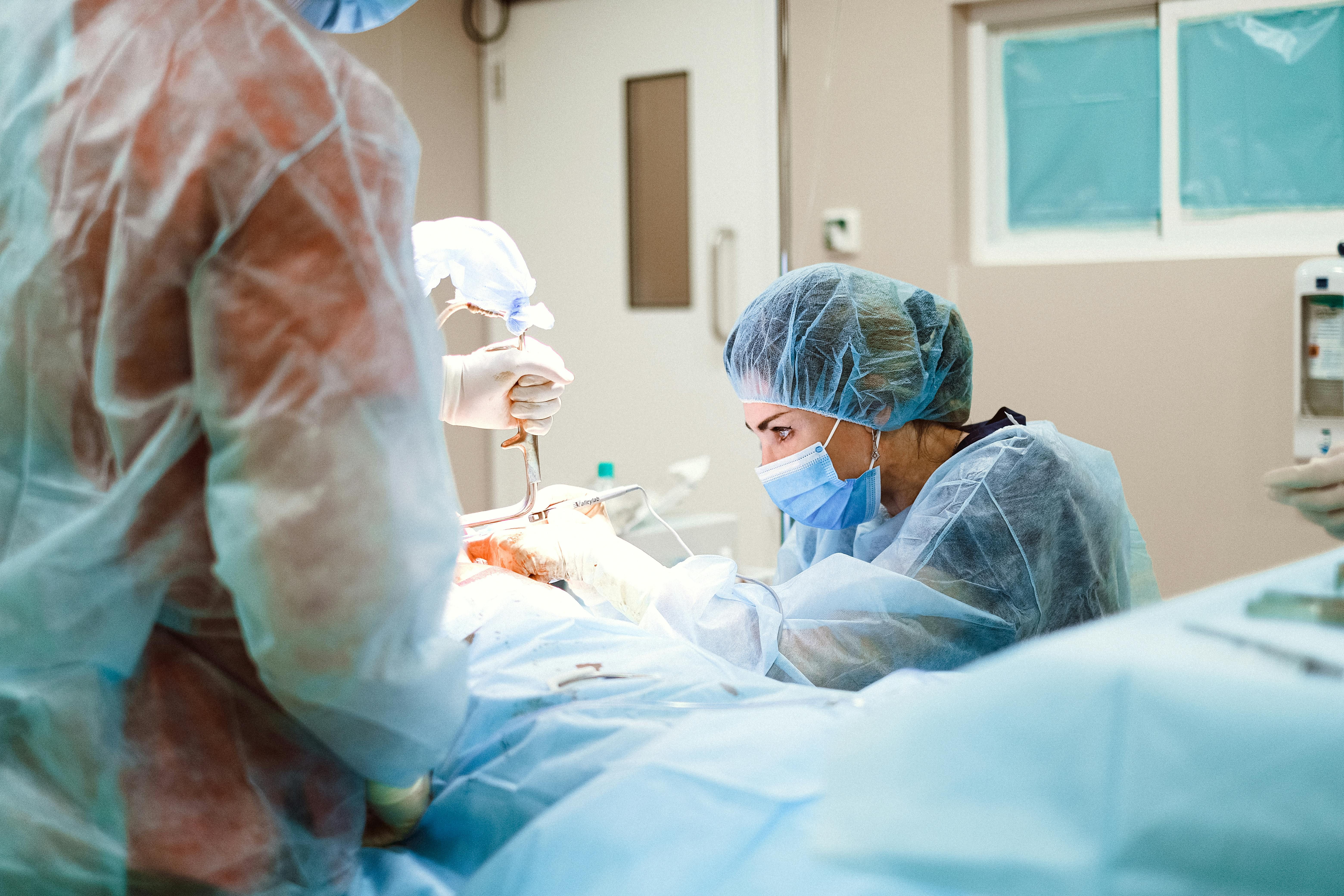
2026 Most Flexible Careers You Can Pursue With a Neurodiagnostic Technology Degree: Remote, Hybrid, and Freelance Paths

Co-Founder and Chief Data Scientist
As the demand for flexible work options surges, many recent neurodiagnostic technology graduates seek roles that allow better control over their schedules and locations. Traditional hospital or lab settings often require strict hours, clashing with desires for work-life balance or remote work.
The U.S. Bureau of Labor Statistics projects a 7% growth in neurodiagnostic technologist employment through 2030, reflecting expanding opportunities across healthcare, research, and telemedicine. With transferable skills such as patient monitoring and data analysis, these professionals are well-positioned to thrive in remote, hybrid, or freelance environments.
This article explores flexible career paths aligned with a neurodiagnostic technology degree to help readers navigate evolving work models.
Key Benefits of Flexible Careers You Can Pursue With a Neurodiagnostic Technology Degree
- Remote, hybrid, and freelance roles allow neurodiagnostic technology professionals to access job markets nationwide, overcoming geographic limitations common in traditional healthcare settings.
- Flexible work arrangements promote improved work-life balance and adaptability, enabling practitioners to respond effectively to evolving demands across clinical and research environments.
- Non-traditional career paths in this field can yield competitive salaries and sustained growth, with freelance specialists often commanding premium rates for niche expertise.
What Are the Most Flexible Careers for Neurodiagnostic Technology Graduates?
Flexibility in careers for neurodiagnostic technology graduates is shaped more by the nature of the work than by specific job titles. Careers that emphasize project-based tasks or remote capabilities offer professionals greater control over when and where they work.
Recent data shows that flexible work arrangements in healthcare-related technical fields have increased by over 30% in the last five years.
Several career structures offer notable flexibility and adaptability for professionals in this field:
- Project-Based Work: Opportunities focused on specific assignments or short-term projects allow graduates to schedule workloads cyclically and often work remotely or on varied hours.
- Digital or Remote-Enabled Roles: Positions involving telemonitoring, data interpretation, or report generation support working from different locations, providing significant geographic and time flexibility.
- Advisory or Consulting-Based Work: Contract-based expert evaluations or recommendations enable graduates to set their client engagements and work schedules independently.
- Independent Contract Work: Freelance or self-employed arrangements give neurodiagnostic technology professionals the freedom to select clients, negotiate terms, and customize their work environment according to their preferences.
For students seeking similar flexibility in their education, self paced online colleges offer adaptable learning structures that allow individuals to progress at their own speed while balancing professional and personal responsibilities.
Table of contents
Which Industries Offer the Most Flexible Jobs for Neurodiagnostic Technology Graduates?
Flexibility in work arrangements varies widely across industries for neurodiagnostic technology graduates, with some sectors offering more remote, hybrid, or freelance opportunities than others. Recent studies show that about 40% of telehealth roles support remote work.
Industries known for providing flexible job opportunities for neurodiagnostic technology graduates include:
- Telehealth and Remote Diagnostic Services: This rapidly growing industry leverages digital platforms for patient monitoring and data analysis, enabling technologists to perform many tasks remotely without compromising clinical quality, thus supporting remote and hybrid careers in neurodiagnostic technology fields.
- Academic Research and Education: Universities and research institutions often accommodate hybrid work schedules. Professionals can combine on-site lab work with remote data interpretation and report writing, which fosters a balanced workflow suited to varied personal needs.
- Medical Device and Technology Development: This sector offers flexibility through roles in product testing, data collection, and technical support. Many technologists work remotely or maintain adjustable hours, especially when collaborating with international teams.
- Mental Health and Rehabilitation Centers: Some facilities blend telemedicine with onsite assessments, allowing technologists to craft hybrid work patterns that align with patient care protocols and lifestyle preferences.
For graduates aiming to enhance their credentials while pursuing these flexible career paths, exploring an online DNP program can be a strategic step.

What Remote Jobs Can You Get With a Neurodiagnostic Technology Degree?
Remote employment options for graduates with a neurodiagnostic technology degree have expanded as the healthcare sector adopts more digital processes. Many roles involving data evaluation, interpretation, or consultation can now be handled entirely online.
Recent data shows that about 25% of diagnostic healthcare positions have shifted to remote formats as of 2023. Several remote positions are particularly well-suited for neurodiagnostic technology graduates, including:
- Tele-Neurodiagnostic Technician: This role centers on remotely analyzing neurodiagnostic test results like EEG or EMG recordings. Since data collection occurs onsite at clinics, technicians primarily focus on reviewing and reporting findings, tasks that fit well with remote work.
- Clinical Data Analyst: Analysts manage and interpret neurodiagnostic clinical data to support research or patient diagnostics. Communication is mainly digital, involving virtual meetings and report writing, enabling full remote collaboration with healthcare teams.
- Remote Educator or Trainer: Professionals in this position provide virtual training on neurodiagnostic techniques through webinars or workshops. The digital delivery format makes this role highly compatible with remote engagement.
- Research Coordinator: Coordinators oversee neurodiagnostic study protocols, data collection, and team communications from a distance. They use online platforms for tracking project progress and analyzing results without onsite presence.
- Teleconsultant: Teleconsultants interpret diagnostic data and advise medical providers via secure online systems, offering expert guidance that doesn't require physical attendance.
A neurodiagnostic technology degree graduate working remotely shared that transitioning to a fully digital workflow initially came with challenges, particularly in maintaining clear communication with colleagues and managing complex data securely.
They explained, "It took some adjustment to build trust and efficiency without face-to-face interaction, especially when interpreting subtle clinical findings." However, they noted that adopting dedicated digital tools and scheduling regular check-ins helped overcome these hurdles.
Their remote role now allows them to balance professional responsibilities effectively while staying connected to their clinical teams through technology.
What Are Hybrid Jobs for Neurodiagnostic Technology Graduates?
Hybrid jobs for neurodiagnostic technology graduates blend remote and on-site work, enabling professionals to split their duties between clinical settings and home-based tasks. According to a Gartner survey, 47% of employees worldwide plan to continue working remotely at least part-time post-pandemic. These roles allow graduates to engage in both hands-on and analytical work.
Common hybrid roles for these graduates include:
- Clinical Neurodiagnostic Technologist: This position involves conducting diagnostic testing such as EEGs in-person while collaborating remotely with healthcare providers to analyze results and offer consultations.
- Research Coordinator: Professionals oversee neurology studies by managing patient interactions and equipment on-site, combined with remote data evaluation and report preparation.
- Education Specialist: This role requires in-person training of new technologists and delivering virtual workshops, blending hands-on teaching with remote instructional support.
- Medical Device Specialist: Responsibilities include installing and maintaining neurodiagnostic equipment at clinical sites alongside providing remote technical troubleshooting and support.
For those exploring educational pathways, accelerated degrees can offer a faster route into these flexible roles as outlined in accelerated degrees.
What Freelance Jobs Can You Do With a Neurodiagnostic Technology Degree?
Freelance work provides neurodiagnostic technology graduates with flexible, project-based roles that let them manage multiple clients or contracts independently. With about 36% of the U.S. workforce engaged in freelance or gig work, this approach is increasingly common in specialized healthcare fields.
Common freelance positions include:
- Neurodiagnostic Technician: Offers diagnostic services such as EEG and EMG testing on a case-by-case basis, collaborating with hospitals or clinics needing temporary technical expertise without hiring full-time staff.
- Neurodiagnostic Consultant: Provides expert analysis and interpretation of diagnostic data for healthcare providers or medical device firms, usually contracted for individual projects or evaluations across multiple locations.
- Educator or Trainer: Develops and delivers workshops, creates instructional content, or leads certification programs, often through contract work that fits within specific scheduling preferences.
- Research Assistant or Data Analyst: Supports clinical or academic research by managing data collection and performing analysis for neurodiagnostic studies, frequently on temporary assignments tied to funding and project timelines.
When asked about her experience, a freelancer with a neurodiagnostic technology degree described navigating the uncertainty of contract work and balancing multiple deadlines as initial challenges.
She explained, "It takes careful coordination to juggle diverse client needs and keep quality consistent." However, she also noted the rewarding variety the work provides, allowing her to apply her skills broadly without being tied to one setting.
This lets her focus on complex cases she finds most engaging, making the freelance path both professionally enriching and personally satisfying.

What Skills Are Required for Remote and Flexible Jobs?
Success in remote and flexible work settings demands specific competencies that help maintain productivity and clear communication without direct oversight. Studies show that 85% of remote employees rate strong communication skills as essential for effective coordination and reducing errors when collaborating digitally.
Essential skills include:
- Self-Motivation and Discipline: The ability to independently manage time and responsibilities is vital when working without in-person supervision. This skill ensures deadlines are met and tasks are completed accurately and consistently.
- Clear Communication: Strong verbal and written communication fosters collaboration among colleagues, supervisors, and patients. Being able to convey information precisely supports seamless teamwork, especially during asynchronous or virtual interactions.
- Technological Proficiency: Comfort with diagnostic software, telehealth platforms, and troubleshooting basic technical issues helps prevent workflow interruptions. Being tech-savvy enables professionals to navigate digital tools essential for flexible work environments.
- Adaptability: Flexibility in adjusting to altered schedules, new procedures, or evolving patient requirements is crucial. This skill allows professionals to respond effectively to unexpected challenges in dynamic settings.
- Critical Thinking: Analytical skills are needed to interpret diagnostic data accurately and make autonomous decisions without immediate on-site guidance. This promotes high-quality work under remote conditions.
What Are the Highest Paying Flexible Jobs With a Neurodiagnostic Technology Degree?
Flexible work arrangements such as remote, hybrid, and freelance opportunities can offer neurodiagnostic technology graduates competitive salaries without the need for traditional on-site commitments. These flexible roles allow graduates to maintain a strong earning potential while adapting professional life to their preferred work environments.
Consider the following high-paying flexible job types suitable for neurodiagnostic technology graduates:
- Telemetry Technician: Often remote or hybrid, telemetry technicians monitor patient brain activity via EEG and related devices from centralized or virtual locations. Salaries usually range from $60,000 to $85,000 annually, reflecting the critical nature of real-time neurological monitoring that supports remote site oversight.
- Medical Device Consultant: Working freelance or hybrid, these consultants evaluate, train, and troubleshoot neurodiagnostic equipment. Earnings range from $70,000 to over $100,000, driven by contract variability and specialized expertise, making this role highly lucrative within flexible consulting frameworks.
- Clinical Neurophysiology Educator: Often in remote or hybrid instructional roles, educators train future neurodiagnostic technologists with salaries between $65,000 and $90,000. The rising demand for flexible educational delivery methods powers strong compensation in this job category.
- Freelance Neurodiagnostic Analyst: Providing expert interpretation and reporting of diagnostic data on a freelance basis, these analysts earn $75,000 to $110,000 annually. This role emphasizes contract flexibility and volume management, supporting substantial income potential.
- Research Coordinator: Remote or hybrid research coordinators manage neurodiagnostic study data and analysis pipelines. Compensation typically falls between $70,000 and $95,000, highlighting the value of specialized research roles adaptable to flexible work setups.
What Are the Disadvantages of Flexible Careers for Neurodiagnostic Technology Graduates?
Flexible careers such as remote, hybrid, and freelance roles introduce unique challenges for neurodiagnostic technology graduates, especially in areas like consistent structure, job stability, and career development. Nearly 43% of workers in flexible roles report feelings of isolation.
The following points summarize key disadvantages neurodiagnostic technology graduates face in flexible careers:
- Inconsistent Structure: Unlike traditional clinical settings with fixed schedules, flexible careers require strong self-management. This can lead to irregular work patterns and difficulties maintaining productivity.
- Professional Isolation: Limited face-to-face interactions in remote and freelance roles reduce opportunities for teamwork and mentoring, essential for growth in neurodiagnostic technology. Such isolation can impact mental well-being and job satisfaction.
- Unclear Career Progression: Without direct supervision or formal hierarchies, it is challenging for graduates to evaluate career growth or gain visibility for promotions, resulting in slower professional advancement.
- Variable Workload: Flexible roles often involve fluctuating demand, causing inconsistent income and underemployment periods. This unpredictability complicates financial planning compared to full-time clinical work.
- Limited Continuing Education: Flexible arrangements may restrict access to employer-sponsored training and certification support, hindering graduates from staying updated with evolving neurodiagnostic technology standards.
For additional resources on online healthcare education, consider programs like ASN nursing online that offer flexible learning aligned with evolving career needs.
How Do You Find Flexible Jobs After Graduation?
Graduates with a neurodiagnostic technology degree can access flexible job opportunities by leveraging various channels that reflect today's evolving employment landscape. Increasingly, about 58% of professionals in healthcare-related fields report that their employers offer remote, hybrid, or other flexible work arrangements.
To find flexible jobs after graduation, consider these general methods:
- Specialized Online Platforms: Searching healthcare job sites that emphasize remote and project-based roles can help neurodiagnostic technology flexible job opportunities stand out. These platforms often include listings specifically tailored to professionals in diagnostic and clinical fields seeking adaptable schedules.
- Professional Networking: Utilizing industry associations, LinkedIn, and professional groups enables access to unadvertised flexible positions or freelance projects. Networking channels foster connections that can lead to hybrid or freelance engagements.
- Company Career Portals: Many healthcare providers and diagnostic centers list their flexible work policies and openings on their official career pages. Regularly reviewing these portals helps identify part-time, hybrid, or remote roles within familiar organizations.
- Freelance and Consulting Markets: Engaging with freelance marketplaces allows graduates to secure short-term contracts and manage their workload independently. This approach supports diverse client exposures and flexible scheduling.
- Virtual Career Events: Attending webinars and online job fairs hosted by educational institutions and industry groups focuses on emerging trends in flexible employment and offers direct access to potential employers.
Additionally, graduates interested in advancing their careers may explore online MBA programs healthcare management to enhance leadership opportunities within these flexible work environments.
How Should Neurodiagnostic Technology Graduates Choose the Right Flexible Career Path?
Graduates with a neurodiagnostic technology degree have various flexible career routes, including remote, hybrid, and freelance options. Recent data shows that 58% of employees with remote-compatible roles experience higher engagement and job fulfillment.
Several key factors can guide graduates in selecting the best flexible career path:
- Work Structure Preferences: Consider whether you perform best independently or in collaborative, team-focused environments, as this will affect your fit with remote versus hybrid work models.
- Long-Term Stability: Evaluate the potential for career growth and steady income, ensuring that flexible arrangements do not limit access to advancement opportunities.
- Diverse Experience Exposure: Reflect on whether you prefer varied, project-based tasks that broaden your skill set or a consistent role within a single organization that supports deep expertise development.
- Personal Working Style: Assess how your productivity is influenced by different settings, such as quiet home offices compared to more dynamic clinical environments.
- Work-Life Balance: Align your career choice with lifestyle needs, including family responsibilities, geographic flexibility, and health considerations.
What Graduates Say About Flexible Careers You Can Pursue With a Neurodiagnostic Technology Degree
- Riggs: "After completing my degree in neurodiagnostic technology, I was thrilled to find out how adaptable the career options truly are. I'm now working remotely, which allows me to balance my professional and personal life seamlessly. The flexibility this field offers has been a game-changer for my lifestyle and productivity."
- Curtis: "Reflecting on my journey in neurodiagnostic technology, I appreciate how the hybrid work model has enriched my daily routine. Splitting time between home and clinic has helped me stay connected with patients while avoiding burnout. It's a rewarding balance that keeps me engaged and growing in my career."
- Waylon: "With a background in neurodiagnostic technology, I decided to take the leap into freelancing, and it's been an empowering experience. The ability to choose projects and set my own schedule has given me control over my career trajectory. This path not only fits my personality but has opened doors to opportunities I hadn't imagined before."
Other Things You Should Know About Neurodiagnostic Technology Degrees
Yes, most flexible roles in neurodiagnostic technology, whether remote, hybrid, or freelance, require current certification from recognized bodies such as the American Board of Registration of Electroencephalographic and Evoked Potential Technologists (ABRET). Licensing requirements vary by state but maintaining relevant credentials is essential to ensure quality and legal compliance, especially when working independently or remotely.
Continuing education keeps neurodiagnostic technology professionals up to date with advances in diagnostic techniques and equipment, which is crucial for maintaining flexibility. It enables practitioners to expand their competencies and take on diverse roles in different work environments, including telehealth and freelance positions. Many certifications also mandate ongoing education to remain valid.
Remote neurodiagnostic technology work may involve challenges such as limited hands-on patient interaction and dependence on high-quality digital EEG or other neural monitoring data. Technologists must adapt to communicating effectively with clinicians and patients through telemedicine platforms while ensuring data accuracy and confidentiality are maintained. Technical issues and time zone differences can also affect workflow.
Yes, freelance neurodiagnostic technologists often engage in part-time or contract work with hospitals, clinics, or telemedicine providers needing specialized services. Building a freelance career requires strong networking skills, maintaining certifications, and the ability to manage varying workloads independently. Flexibility comes from choosing projects that suit one's schedule and expertise.
References
- [REPORT] Remote and hybrid work in IT. How we work after the pandemic https://nofluffjobs.com/en/insights/report-remote-and-hybrid-work-in-it-how-we-work-after-the-pandemic/
- More than Muting: Remote work challenges for Neuro-divergent caregivers & employees https://jobs.thecignagroup.com/us/en/blogarticle/more-than-muting-remote-work-challenges-for-neurodivergent-caregivers-employees
- Careers Blog: The Journey of a Neurodiagnostic Technologist | Ochsner Health https://www.ochsner.org/careers-blog-the-journey-of-a-neurodiagnostic-technologist/
- EEG Jobs: Your Complete Guide to a Rewarding Career in Neurodiagnostics - SpecialtyCare https://specialtycareus.com/blog-eeg-jobs-career-opportunities/
- What are the Benefits of Pursuing Freelance or Remote Work Oppor… | JobStreet Grad (formerly GradConnection) https://sg.gradconnection.com/career-advice/article/what-are-the-benefits-of-pursuing-freelance-or-remote-work-opportunities-as-a-graduate-en/
- Neurodiagnostic Technologist Jobs in Wilmington, DE | iHireMedTechs https://www.ihiremedtechs.com/t-neurodiagnostic-technologist-s-delaware-c-wilmington-jobs.html
- NEURODIAGNOSTIC TECHNOLOGIST Job | Allied Health Jobs at Froedtert https://jobs.froedtert.com/job/146871/NEURODIAGNOSTIC-TECHNOLOGIST
- Neurodiagnostic Technologist https://explorehealthcareers.org/careers/allied-health-professions/neurodiagnostic-technologist/
- The Pros and Cons of Hybrid Remote Work - UK Recruiter https://ukrecruiter.co.uk/2021/12/20/the-pros-and-cons-of-hybrid-remote-work/
- Open Neurodiagnostic Careers71 Open Positions https://jobs.myneuropathway.com/job-board