2027 Does a Psychopharmacology Degree Require Internships or Clinical Hours?

Co-Founder and Chief Data Scientist
Many prospective students struggle to determine if a psychopharmacology degree mandates internships or clinical hours, complicating their program selection and timeline planning. Studies reveal that over 65% of psychopharmacology graduates enter clinical or research roles requiring hands-on experience to meet licensure or employer expectations. The growing demand for qualified professionals with practical skills contrasts with some programs focusing more on theoretical knowledge.
This article clarifies the typical requirements for internships and clinical hours in psychopharmacology degrees, explaining how these elements influence program length, career readiness, and the transition into the workforce for U. S. students and early-career professionals.
Key Things to Know About Psychopharmacology Degree Internships or Clinical Hours
- Most psychopharmacology degrees require internships or clinical hours for graduation or licensure, emphasizing direct patient interaction and medication management under supervision.
- Online programs often arrange local clinical placements, while campus-based programs integrate hands-on hours into on-site facilities or affiliated clinics.
- Completing clinical hours increases time commitment but enhances practical skills, improving career readiness and employment rates, with about 70% of graduates securing relevant positions within six months.
Does a psychopharmacology degree require internships or clinical hours?
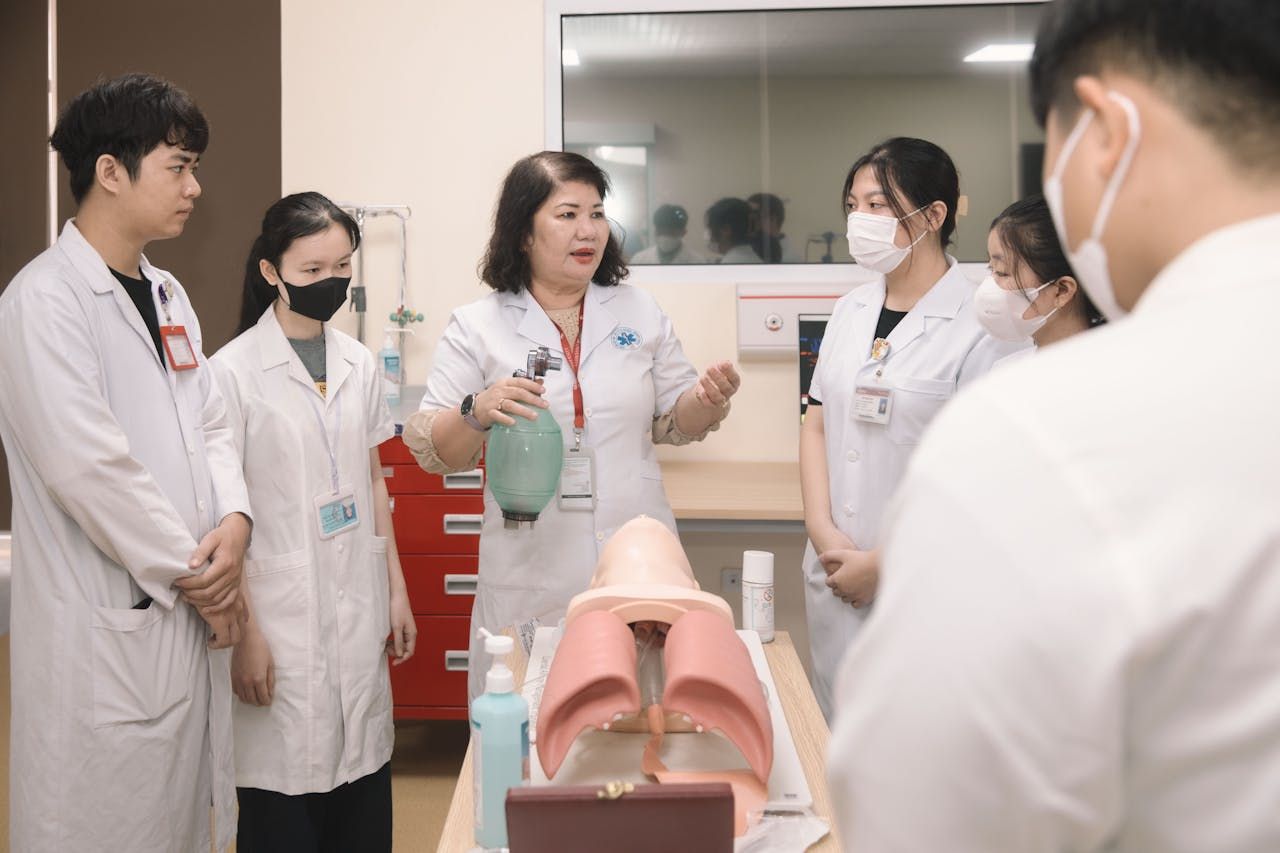
Whether a psychopharmacology degree requires internships or clinical hours depends on the specific program, but most graduate-level offerings include some supervised clinical experience or internship as a requirement. These components are designed to provide hands-on exposure to medication management, patient assessment, and interdisciplinary collaboration in real healthcare settings.
However, internships in psychopharmacology degree programs may be optional in some cases, particularly in online or research-focused tracks that offer clinical hours or externships instead. The purpose of clinical hours and internships is to complement theoretical learning with real-world application and skill development.
Clinical hours typically occur after foundational coursework in neuroscience, pharmacology, and psychology, allowing students to apply their academic knowledge under the supervision of licensed professionals. Programs often require between 300 and 600 clinical hours to meet accreditation or state licensing guidelines.
These experiences are vital for developing confidence in clinical decision-making and improving employability, especially for those aiming to prescribe psychotropic medications or work within mental health teams.
Prospective students considering a psychopharmacology degree clinical hours requirement should also explore program length and structure, with some options comparable to a shortest DNP program online in terms of optimized time commitment.
Are internships paid or unpaid in psychopharmacology programs?
Internships in psychopharmacology programs vary widely in pay, with some offering compensation while others are unpaid. This distinction is important for students to consider when evaluating program costs and planning their career trajectory, as the financial impact and time commitment can differ significantly.
Approximately 40% of psychopharmacology internship compensation opportunities nationwide include some form of payment, reflecting the field's evolving recognition of intern contributions.
Key factors affecting whether internships are paid or unpaid are outlined below:
- Payment Structures: Compensation can come as hourly wages, stipends, or tuition reductions, depending on the institution and funding. These varied payment formats accommodate different program models and intern needs.
- Influencing Factors: Whether an internship is paid often depends on the placement site's funding source, the internship duration, and the level of responsibility assigned to the intern. Programs supported by grants or clinical agencies are more likely to offer paid opportunities.
- Value of Unpaid Internships: Even unpaid psychopharmacology internships often provide essential academic credit, hands-on clinical experience, and networking opportunities that benefit professional growth. Students should weigh these benefits against the financial costs when selecting programs, especially those involving unpaid clinical hours.
Students exploring psychopharmacology internships should also consider program formats such as online DNP programs without dissertation which may offer alternative pathways to balance training and financial realities.

What is the difference between internships and clinical hours in psychopharmacology degree levels?
For students considering psychopharmacology programs, recognizing how internships and clinical hours differ by degree level is crucial for aligning academic efforts with career goals. These practical requirements shape time commitments and skill development, directly impacting professional readiness. Here is an overview of typical internship and clinical hour expectations across key degree levels.
- Master's Degree: Students generally complete several hundred clinical hours focused on foundational skills in medication management and patient interaction. These internship experiences emphasize supervised learning with licensed professionals, often prioritizing observation and basic application of psychopharmacological principles. This level suits those seeking initial clinical exposure and a solid grounding in practice.
- Doctoral Degree: Requirements expand significantly, often exceeding a thousand clinical hours. Doctoral candidates engage directly in patient assessments, medication adjustments, and collaborate across disciplines. Supervision here is more flexible, reflecting increased autonomy. This advanced training prepares graduates for complex roles involving prescribing or managing psychotropic medications.
These distinctions in psychopharmacology internship requirements by degree level also help guide students selecting programs that fit their intended professional path, whether research-oriented or clinically focused.
The variation in clinical hours difference in psychopharmacology programs informs how students build competence and confidence in clinical decision-making. Prospective students may also find helpful information about the easiest nursing programs to get into when exploring related health education options.
Accelerated psychopharmacology programs incorporate clinical hours and internships by intensifying course schedules and overlapping practical experience with academic work. These programs often require students to engage in demanding weekly commitments, condensing what would traditionally take longer into shorter timeframes.
Clinical placements are typically arranged alongside didactic classes, enabling students to acquire practical skills without extending program length. Flexibility in scheduling, such as evening or weekend clinical hours, helps accommodate the rigorous pace while fulfilling necessary training requirements.
Balancing hands-on clinical experience with swift coursework is critical for meeting licensure and career benchmarks. Many programs partner with healthcare providers to deliver efficient, supervised clinical training that aligns with professional standards, often requiring between 500 and 1,000 hours depending on state rules.
Supplemental mentoring and targeted workshops frequently support students as they navigate these compressed timelines. Notably, about 35% of psychopharmacology students nationwide now opt for accelerated tracks, underscoring the growing demand for faster entry into practice without sacrificing quality.
A graduate of an accelerated psychopharmacology degree shared that managing clinical hours alongside intense courses was "like juggling multiple full-time jobs." He described how the constant pressure to meet both academic deadlines and clinical hour requirements felt overwhelming "at times," but said that the structured support from faculty and flexibility in scheduling made it manageable.
"I had to learn quickly how to prioritize and stay organized," he recalled, emphasizing that while challenging, the experience reinforced his commitment to clinical competence and prepared him well for professional demands.
Internship and clinical hour requirements for online and on-campus psychopharmacology programs are largely comparable, both demanding hands-on experience to develop essential skills for safe medication management and patient care. These programs adhere to professional standards and accreditation criteria that prioritize clinical exposure to ensure competence.
Participation in internships is vital, with recent data showing online health-related enrollment increasing by over 40%, highlighting the growing role of online education in this field. The core expectations and learning outcomes remain consistent regardless of delivery format.
Notable practical differences arise in how these internships are arranged. Online students often benefit from greater flexibility in choosing placements, allowing them to complete clinical hours in locations that suit their personal or professional needs. Scheduling tends to be more adaptable for online learners, facilitating balance with existing commitments.
Conversely, on-campus programs typically offer more structured placements, often coordinated through affiliated clinics, which may streamline supervision but restrict geographic options. Supervision by licensed professionals is essential in both formats to guide and evaluate student progress.

Specialization selection plays a significant role in shaping psychopharmacology specialization internship requirements, as different areas of focus demand distinct clinical experiences. For instance, subfields like child and adolescent psychopharmacology, geriatric psychopharmacology, or addiction studies each require tailored internships that reflect the unique patient populations and treatment methods used.
Approximately 65% of psychopharmacology students choose specializations with higher clinical hour demands, mirroring workforce needs for practitioners skilled in complex care environments. These internships vary widely in their settings and intensity, with some requiring placements in rehabilitation centers and others in long-term care or memory clinics.
The variation in clinical hour requirements directly impacts students' scheduling and workload, often necessitating a careful balance between demanding internships and academic study. Programs may provide flexibility by offering part-time clinical hours or adjustable internship arrangements to help students manage these commitments effectively.
This element of psychopharmacology degree focus ensures that students gain practical experience aligned with their career goals while preparing them thoroughly for the professional environment. Those interested in exploring affordable and flexible study options alongside these commitments might consider cheapest online WHNP programs that also address clinical training needs.
Work experience can sometimes substitute for internship requirements in a psychopharmacology degree, though this depends largely on the program and institution. Many working students seek this option due to time constraints or prior relevant experience.
Programs may accept professional experience if it closely aligns with the internship's learning outcomes, is of sufficient duration, and can be verified by an employer. Accreditation standards also play a key role; some programs offer flexibility for mid-career professionals or those specializing in applied fields, while others maintain strict internship mandates.
For example, students with several years in clinical or pharmaceutical settings might qualify for internship waivers, especially in programs designed for experienced practitioners. Conversely, entry-level programs or those emphasizing hands-on clinical training usually require formal internships regardless of prior work history. Since policies vary significantly by institution and degree level, it's essential for students to consult their program advisors about possible substitutions and documentation needed.
I recently spoke with a graduate of a psychopharmacology degree who shared her experience navigating this issue. She recalled the initial uncertainty when verifying whether her years as a clinical research coordinator would meet her program's internship criteria. "It was a bit nerve-wracking," she admitted, "because I had to gather detailed employer letters and match my duties to the program's competencies."
After submitting the documentation, she was relieved to have her work experience accepted, which allowed her to focus on finishing other degree requirements. Her story illustrates how professional experience can sometimes bridge practical training gaps, provided the process is handled thoroughly and proactively.
The length of internships or clinical rotations in psychopharmacology degrees plays a critical role in students' planning and career readiness, often ranging from 300 to 1,000 hours. Typically, these experiences last about six months on average, with many programs offering flexible schedules to support diverse student needs. Below are common formats for completing these clinical hours.
- Short-Term Rotations: These generally last 8 to 12 weeks and concentrate on specific patient groups or treatment environments. Many programs use this model to provide focused exposure within a limited timeframe, suitable for students seeking targeted clinical experience.
- Semester-Long Rotations: Aligning with academic terms, these rotations combine supervised practice and coursework over approximately four months. Standard across many accredited programs, this structure helps students integrate theoretical learning with clinical application during their studies.
- Extended Clinical Experiences: Spanning up to a full year, these rotations offer more comprehensive training and opportunities for specialization, such as pediatric or forensic psychopharmacology. They often accommodate part-time schedules to assist students managing work or family commitments.
Accreditation requirements and program focus areas significantly influence the duration and format of clinical training. Many psychopharmacology programs provide options that balance rigorous hands-on practice with academic demands, allowing students to tailor their experience according to individual goals and lifestyle factors.
Job placement outcomes are a key concern for prospective students pursuing a psychopharmacology degree, as they directly impact career prospects and educational return on investment. According to a study by the National Association of Colleges and Employers (NACE), 62% of employers preferred candidates with internship experience, underscoring the importance of experiential learning. Below are key ways internships and clinical hours affect employment opportunities:
- Employer Preference: Many employers prioritize candidates who have completed internships or clinical hours because they arrive with relevant, practical experience that reduces onboarding time and shows readiness for psychopharmacology careers.
- Skill Development: Internships provide hands-on training in medication management and patient interaction, essential competencies that enhance confidence and job performance in post-graduate roles.
- Professional Networking: These experiences open doors to mentors and industry contacts, increasing access to job referrals and insider knowledge of openings in pharmaceutical and healthcare sectors.
- Conversion to Full-time Positions: Internships often serve as trial periods, enabling candidates to demonstrate their value and potentially secure employment with the same organization, thereby reducing job search duration.
Because many psychopharmacology programs do not mandate internships, students who independently pursue these opportunities tend to strengthen their resumes and stand out in competitive job markets.
Furthermore, the impact of clinical hours on psychopharmacology careers cannot be overstated, as they provide vital experiential learning that bridges theory and practice. Prospective students interested in advancing their education may also explore options like the cheapest BSN to DNP programs to enhance their qualifications.
Graduates with hands-on experience such as internships or clinical rotations often command higher starting salaries in psychopharmacology, with some studies indicating a 10-15% pay increase compared to those without such experience. This reflects the value employers place on candidates who demonstrate applied skills and readiness for clinical roles. Several key factors explain this compensation difference:
- Employer Valuation: Candidates with practical experience are viewed as more prepared, requiring less supervision and contributing more quickly to clinical workflows, which often translates into higher initial pay.
- Negotiation Leverage: Possessing documented clinical hours strengthens a graduate's position in salary discussions, providing tangible proof of job readiness and specialized competency.
- Industry Standards: Many healthcare employers expect applicants to have some experiential training, making internships or clinical practice a near-essential requirement that influences hiring and pay scales.
- Program Differences: Graduates from psychopharmacology programs that integrate supervised clinical training tend to have an advantage in securing better compensation compared to those from more theoretical or research-focused tracks.
Salary variation also depends on the specific settings where experience was gained-such as inpatient or outpatient clinics versus research environments-as well as the specialization within psychopharmacology. Programs with extensive practical components generally open doors to higher-paying positions in clinical or pharmaceutical fields, while limited hands-on exposure may initially confine graduates to support roles with lower earnings.
What Graduates Say About Their Psychopharmacology Degree Internships or Clinical Hours
- Beth: "Completing the internship requirement for my online psychopharmacology degree was an eye-opening experience that truly enhanced my practical skills. Despite concerns about the average cost, which was quite reasonable compared to traditional programs, I found the investment invaluable for advancing my career. This hands-on exposure helped me confidently transition into clinical practice."
- Payton: "The internship portion of my online psychopharmacology degree program offered a reflective opportunity to apply theoretical knowledge in real-world settings without breaking the bank. Considering the internship cost was fairly affordable, I believe it provided excellent value and a strong foundation for my professional growth. It deepened my understanding of patient care and medication management significantly. "
- Shiela: "From a professional standpoint, fulfilling the internship requirement in an online psychopharmacology degree was essential in bridging academic concepts and clinical application. Although some worry about the financial aspect, the average cost for this practical component was justified by the career advancement it facilitated. This experience improved my expertise and credibility in the healthcare field. "
Other Things You Should Know About Psychopharmacology Degrees
To enroll in a psychopharmacology degree program in 2027, students typically need a bachelor's degree in psychology, pharmacology, or a related field. Some programs may also require foundational courses in biology, chemistry, and neuroscience, along with relevant clinical experience.
Curricula in psychopharmacology programs extensively cover drug interactions as a core component. Students learn about pharmacodynamics and pharmacokinetics, focusing on how different substances affect neural function and behavior. Clinical case studies and laboratory exercises are often used to enhance understanding of potential adverse effects and drug compatibility.
In 2027, most psychopharmacology degree programs require clinical hours or internships to provide hands-on experience in medicinal and therapeutic practices. Requirements vary by program, with some integrated into clinical settings like hospitals or mental health facilities, ensuring graduates are prepared for professional practice.
- Requirements https://academyofmedicalpsychology.com/requirements/
- Clinical Psychology Internship Training Program - Brigham and Women's Hospital https://www.brighamandwomens.org/psychiatry/clinical-psychology-internship-training-program
- Psychology Internships That Can Make a Difference | MHS https://www.mhs-dbt.com/blog/psychology-internships-that-can-make-a-difference/
- Albany Psychology Consortium Internship https://www.amc.edu/education/residencies-fellowships/psychiatry-residency/albany-psychology-consortium-internship/
- Practicums Vs Internships: A Complete Guide | Psychology.org https://www.psychology.org/resources/internships-and-practicums/
- Psychopharmacology: How to Become a Prescribing Psychologist https://news.ucdenver.edu/psychopharmacology-become-a-prescribing-psychologist/
- UMass Chan Medical School - Worcester https://www.umassmed.edu/psychiatry/education/psychology_programs/internship/internship-structure/
- 7 Ways to Get Psychology Experience Before University https://www.oxfordscholastica.com/blog/psychology-articles/7-ways-to-get-psychology-experience-before-university/
- How to Become a Prescribing Psychologist 2025 https://careersinpsychology.org/how-psychopharmacology-promotes-interdisciplinary-discovery/