2027 Best Career Training Programs With Tutoring Support

Co-Founder and Chief Data Scientist
Choosing short-term career training is difficult when programs vary widely in tutoring, licensing eligibility, and job relevance. This matters: the U.S. Bureau of Labor Statistics projects healthcare support occupations to grow 15% from 2023 to 2033, faster than the average for all occupations.
This guide helps career changers, recent graduates, and working adults compare training paths with meaningful academic support, understand the trade-offs of online and campus learning, and identify the questions to ask before paying tuition.
Key Things You Should Know
- Tutoring is most valuable when it is scheduled, subject-specific, and available before high-stakes exams or clinical and lab assessments - not merely a generic study center.
- Certificate programs can take weeks to about a year, while associate degree pathways commonly take about two years; neither a school certificate nor tutoring automatically grants professional certification or state licensure.
- Compare total cost, accreditation, required hands-on hours, certification-exam preparation, and graduate outcomes; BLS projects 15% growth for healthcare support occupations from 2023 to 2033, but demand differs substantially by role and location.
Top 10 Best Career Training Programs With Tutoring Support
Popular Trade School Programs
Trade programs combine technical instruction with supervised practice and often provide tutoring for math, blueprint reading, code concepts, and certification exams. Common options include welding certificates, HVAC certificates, electrician apprenticeship-prep certificates, automotive technology certificates, and construction management associate degrees. Choose a credit-bearing associate degree when you want broader general education and possible transfer options; choose a focused certificate when a local employer, union, or licensing path recognizes it. Confirm whether lab time, tools, protective equipment, and apprenticeship placement are included before enrolling.
Healthcare Programs
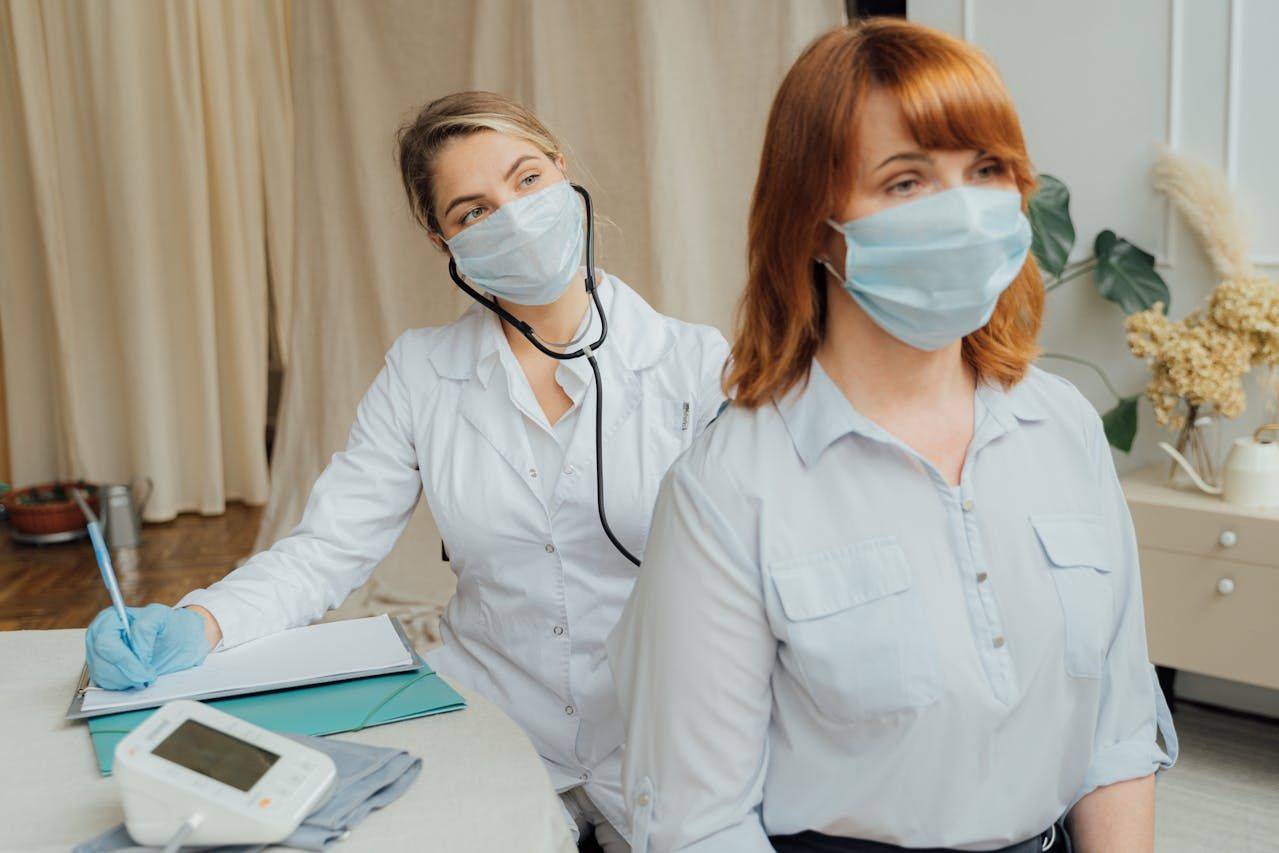
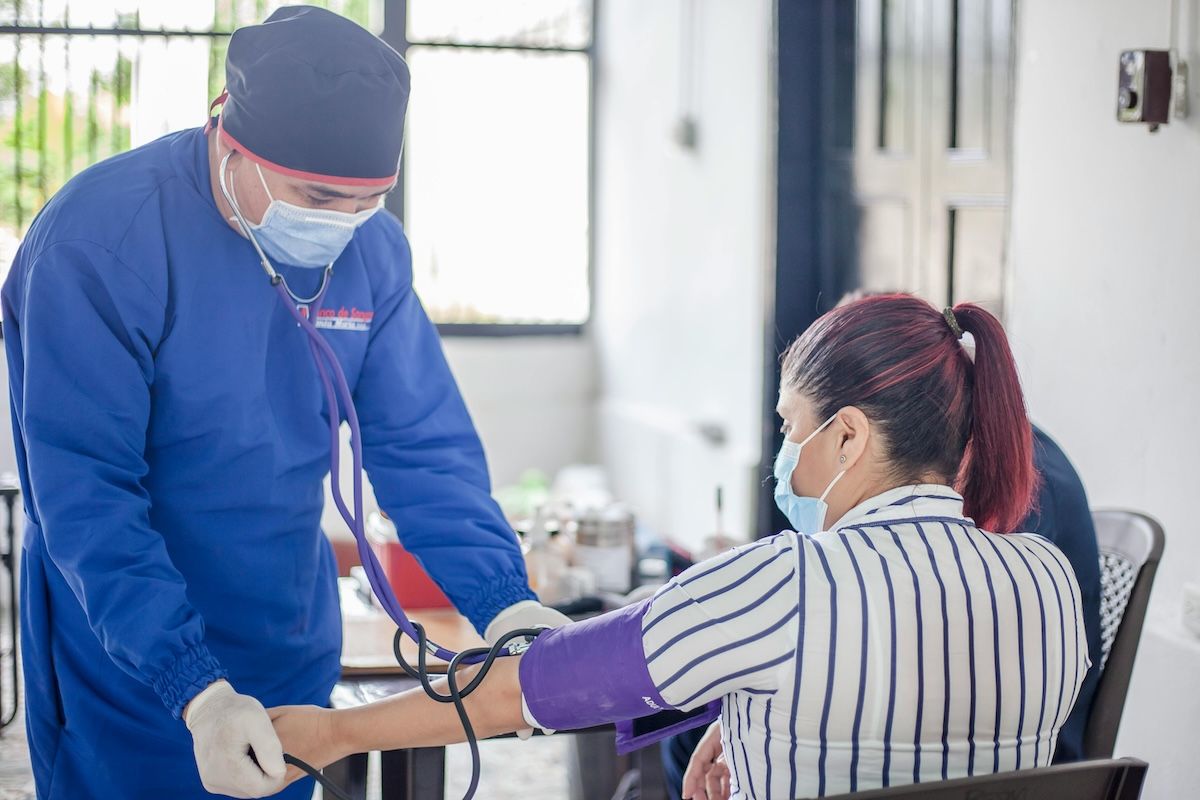
Healthcare training may lead to a school certificate, diploma, or associate degree, but many roles also require a separate exam, registry, or state approval. Options include medical assisting, pharmacy technician, dental assisting, practical nursing, medical billing and coding, and diagnostic imaging associate degrees. Tutoring can be especially important for anatomy, dosage calculations, medical terminology, and entrance or certification exams. Students should verify clinical-site requirements, background checks, immunizations, and whether the program meets their state's eligibility rules before relying on an online format.
Criminal Justice / Law Programs
Criminal justice certificates and associate degrees can introduce policing, corrections, emergency management, legal research, or court procedures. Paralegal studies certificates may suit people who already hold a degree, while associate programs may fit new college students seeking foundational coursework. Tutoring is useful for legal writing, criminal procedure, research, and academic reading. These programs do not independently qualify graduates to practice law, and police hiring standards are set by individual agencies and states. Ask whether internships, writing feedback, and career placement support are available.
Arts & Design Programs
Arts and design career training can include graphic design certificates, web design certificates, digital media diplomas, UX-focused noncredit programs, and visual arts associate degrees. Tutoring may cover design software, portfolio development, typography, critique preparation, and client-facing communication. A short program can build targeted software skills, but a stronger portfolio usually matters more than the credential title alone. Before enrolling, review student portfolios, software access, instructor feedback frequency, and whether tutoring includes project critique rather than only technical troubleshooting.
How do career training programs with tutoring support work and who are they best for?
Career training programs with tutoring support are short- or medium-length education pathways designed to develop job-related skills while giving students extra help mastering difficult material. They may be offered by community colleges, technical schools, private career schools, employers, unions, nonprofits, or online providers. The credential can be a certificate, diploma, associate degree, or noncredit completion credential; its value depends on the provider and the occupation.
These programs are best for learners who need structured accountability, are returning to school after time away, are changing careers, have difficulty with foundational math or writing, or must prepare for a licensing or certification examination. They may be less suitable for learners seeking a role that legally requires a bachelor's degree, graduate degree, lengthy apprenticeship, or extensive clinical education.
Support should be evaluated as part of the program design, not as a marketing add-on. A strong model connects tutoring to course content, instructors, labs, clinical preparation, and exam milestones. For learners who need maximum schedule flexibility, self paced online universities can be worth comparing, although self-paced study may provide less immediate instructor and peer support.
Tutoring varies considerably. Ask whether it is included in tuition, whether appointments are limited, and whether tutors understand the exact curriculum and equipment used in your program. The following support types are the most useful to compare because they affect both completion and readiness for assessments.
- One-to-one subject tutoring for math, anatomy, writing, coding, or trade theory.
- Small-group review sessions tied to difficult modules, labs, or exams.
- Peer tutoring from advanced students or recent graduates, often useful for study habits and course navigation.
- Skills-lab coaching for equipment use, simulations, calculations, documentation, or portfolio projects.
- Test-preparation support for entrance tests, industry certification exams, or licensing examinations.
- Academic coaching for time management, note-taking, accessibility needs, and online-learning routines.
Do not assume tutoring means instructors are available outside class. Confirm response times, evening or weekend access, virtual appointment options, and whether tutoring remains available during externships or clinical rotations.

Online and campus programs can teach similar theory, but they are not interchangeable for careers requiring labs, clinical practice, equipment demonstrations, or supervised fieldwork. The better choice depends on how much hands-on practice your target occupation requires and how independently you can study.
This comparison highlights the practical differences that matter when tutoring is part of the decision.
| Factor | Online or hybrid training | Campus-based training |
| Schedule | Often more flexible for working adults; live sessions may still be required. | Fixed meeting times and commutes, with clearer routine. |
| Tutoring access | Video, chat, recorded review, and virtual appointments. | In-person study centers, labs, and immediate help around class time. |
| Hands-on learning | Usually requires local placements, intensives, or separate practical sites. | Typically integrated through school labs and supervised practice. |
| Best fit | Self-directed learners whose program is approved for their state and role. | Learners who benefit from structure, equipment access, and face-to-face coaching. |
For short online terms, compare workload carefully rather than assuming flexibility means less work. Some 6 week courses compress the same learning objectives into a faster calendar, which can make frequent tutoring especially important.
Accreditation and licensing are different safeguards. Institutional accreditation evaluates an eligible college or school as an institution. Programmatic accreditation evaluates a specific program against profession-focused standards. Licensure is permission from a state authority to practice a regulated occupation. Certification is usually a separate credential issued by a professional organization after meeting its requirements.
For regulated healthcare programs, confirm that the program is approved by the relevant state board and that its curriculum and clinical hours make graduates eligible for the required examination. For career schools, verify state authorization and complaint history. For programs promising federal student aid, confirm institutional eligibility directly with the school and official federal resources.
Red flags include vague statements such as "accredited" without naming the accreditor, claims that an online course works in every state, and promises that completion alone creates licensure eligibility. A reputable admissions representative should provide the exact credential awarded, approval status, required practical hours, and any state-specific limitations in writing.

Admission requirements depend on the credential and provider. Noncredit workforce courses may require only identification, payment, and basic computer access. College certificates and associate degrees often require a high school diploma, GED, or equivalent. Selective healthcare pathways may additionally use prerequisite courses, placement testing, background checks, drug screening, immunization records, CPR training, or health documentation.
Applicants should not assume a GPA, standardized test, or prior college credit is required - or accepted. Ask whether the program is credit-bearing, whether transfer credit can reduce required courses, and whether the credential can later stack into an associate or bachelor's degree. Students seeking a broader undergraduate route may also compare an easiest online bachelor's degree, but "easiest" should never replace checking accreditation, learning outcomes, and career fit.
Before applying, request a written checklist of admissions steps and deadlines. This prevents a common mistake: paying a deposit before discovering that clinical eligibility, placement scores, or prerequisites delay entry.
Program length and cost are driven by contact hours, equipment, clinical requirements, and whether the credential carries college credit. A short noncredit course may be inexpensive but offer limited transferability; an associate degree usually requires more time and tuition but can provide broader coursework and a clearer academic progression.
This guide shows common planning ranges, not universal prices. Obtain a written estimate that includes fees, books, tools, uniforms, exams, transportation, and required background checks.
| Program type | Typical time frame | Cost considerations | Best use case |
| Noncredit career course | Days to several months | Tuition, platform fees, materials, optional exam fees | Targeted skill building or employer-required training |
| Career certificate or diploma | Several months to about one year | Tuition plus tools, labs, externship, and exam costs | Entry-level preparation in a defined occupation |
| Associate degree | About two years full time | Credit-hour tuition, general education, labs, and living costs | Roles needing broader technical and academic preparation |
Federal Student Aid data released for the 2024-25 award year lists a maximum Pell Grant of $7,395 for eligible students. Eligibility depends on financial circumstances, enrollment, and program participation, so it should not be treated as a guaranteed discount. Compare grants, employer tuition assistance, workforce funding, payment plans, and total borrowing before choosing the fastest option.
Core coursework should match the work you expect to perform, not simply provide a broad introduction. Across fields, programs commonly teach occupational safety, professional communication, digital tools, documentation, problem-solving, customer or patient interaction, and job-search preparation. Trade students may study measurements, schematics, codes, and equipment diagnostics. Healthcare students may study anatomy, medical terminology, ethics, and clinical procedures. Legal students may study research, writing, and procedure. Design students may develop software fluency and a portfolio.
Ask for a course sequence and identify where tutoring is embedded. The most useful programs offer help before graded demonstrations, not after a failed exam. Also ask whether instructors assess practical competence through labs, simulations, supervised placements, portfolio reviews, or employer-aligned projects.
Career training can prepare students for entry-level work, advancement, or a next academic step, but outcomes depend on local hiring standards, prior experience, background requirements, and any required license or certification. The table separates educational preparation from credentials that may be issued elsewhere.
| Training area | Possible entry path | Separate credential considerations | Career progression |
| Skilled trades | Helper, technician trainee, apprentice candidate | Licensing and apprenticeship rules vary by trade and state. | Journeyperson, specialty technician, supervisor, contractor where permitted. |
| Healthcare support | Medical assistant, pharmacy technician, dental assistant, aide | Some roles require state approval, registry listing, or an external certification exam. | Specialized certificates, nursing or allied-health degree pathways. |
| Legal and justice | Administrative support, records, corrections, legal assistant roles | Employers and agencies set hiring standards; a paralegal certificate does not authorize legal practice. | Advanced study, agency training, or specialized legal support work. |
| Arts and design | Junior designer, production artist, content support | Portfolios and demonstrated software skills often matter more than an external license. | Specialization, freelance work, creative direction, or degree completion. |
BLS reports that the median annual wage for all occupations was $49,500 in May 2024. Use occupational wage data as a local-market benchmark rather than as a prediction of what any program graduate will earn. A certificate can improve readiness, but it does not guarantee placement, pay, or advancement.
What criteria should students use to choose a reputable program with strong tutoring?
Choose a program by verifying the connection between training, tutoring, and the job you want. Start with job postings and state requirements, then compare schools based on evidence rather than broad claims. If your long-term plan includes graduate study, a 1 year masters degree online may be a separate option for qualified degree holders, but it is not a substitute for entry-level clinical, trade, or licensing preparation.
Use these questions during admissions calls and keep the answers in writing.
- What credential will I receive: a certificate, diploma, associate degree, or noncredit completion credential?
- Is tutoring included, how often can I use it, and are tutors trained in my specific subjects?
- Which accreditation, state approval, or programmatic recognition applies to this exact program?
- Does completion meet educational requirements for the certification exam, license, apprenticeship, or job I want?
- What are all mandatory costs, including equipment, exams, uniforms, clinical requirements, and transportation?
- What percentage of instruction is hands-on, and where will required practical experience occur?
- Can credits transfer or stack into a higher credential, and what is the written policy?
Avoid selecting a school based only on a low monthly payment, a short advertised completion time, or a promise of "job-ready" status. The best value is a program whose documented requirements, support services, and practical training match your target role.
Other Things You Should Know About
They can be worthwhile when tutoring addresses the subjects or assessments that could delay completion and the program leads toward a realistic job target. Compare total cost, practical training, credential recognition, and local hiring requirements before enrolling.
No. A certificate is usually awarded by a school or training provider after completing coursework. A professional certification is usually awarded by a certifying organization after meeting its standards, which may include an exam, experience, or continuing education.
Some theory courses can be online, but many healthcare roles require in-person labs, clinical experiences, or supervised skills assessments. Confirm state eligibility and clinical arrangements before enrolling.
Ask about tutor qualifications, appointment availability, evening access, subject coverage, group size, and whether tutoring is tied to course exams, labs, certification preparation, or clinical skills. Get the school's support policy in writing.
- Top 5 Best Peer Tutoring Program School PA Benefits https://www.wbacademy.com/students-helping-students-with-pa-peer-tutoring-programs/
- Private Tutor https://ace.edu/student-success/career-guides/private-tutor/
- Paper Blog | How tutoring helps build skills for lifelong learning https://paper.co/blog/how-tutoring-helps-build-skills-for-lifelong-learning
- High-impact tutoring to help students catch up https://www.povertyactionlab.org/evidence-effect/tutoring-programs-lead-to-learning-improvements
- 5 Reasons Working With High-Impact Tutors Increases Student Success https://saga.org/5-reasons-working-with-high-impact-tutors-increases-student-success-blog/
- What does a Private Tutor do? Career Overview, Roles, Jobs | AATG https://jobs.aatg.org/career/private-tutor
- Tutor Training And Development | Bay Area Tutoring Association https://bayareatutor.org/initiatives/tutor-training-professional-development/
- Know Your Rights Guide: Chapter 4 - Post Secondary Education and Training | Juvenile Law Center https://jlc.org/resources/know-your-rights-guide-chapter-4-post-secondary-education-and-training
- The Importance of Getting Tutoring Right https://learningpolicyinstitute.org/blog/covid-getting-tutoring-right
- 5 Key Indicators of a High-Quality High-Impact Tutoring Program for Schools https://catapultlearning.com/resource/5-key-indicators-of-a-high-quality-high-impact-tutoring-program-for-schools/