2027 Most Valuable Online Colleges Programs Ranking in New York

Co-Founder and Chief Data Scientist
Choosing the right online college program can be overwhelming, especially with so many options in New York. This article presents the 2027 Most Valuable Online Colleges Programs Ranking in New York, developed by the Research.com team of data scientists to help guide your decision.
Discover which degree programs offer the best value, combining quality education with promising career prospects. Whether you're starting or advancing your education, this ranking empowers you to make an informed choice.
Investing in your degree is a positive step toward a brighter future, and this guide supports you every step of the way.
Key benefits of getting online degrees in New York
- Graduates with a bachelor's degree in New York earn a median salary of about $65,000, while those with a master's can expect around $85,000, showing how higher degrees boost earnings significantly.
- An online computer science graduate from Pace University often enters dynamic tech roles in NYC firms, enjoying rapid career growth and exciting projects in software development.
- Online degrees from institutions like SUNY offer flexible schedules that allow students to balance work and study, making it easier to gain experience while earning a respected credential.
- Key benefits of getting online degrees in New York
- What can I expect from online degrees in New York?
- How much can I make with online degrees in New York?
- 2027 Most Valuable Online Colleges Programs Ranking in New York
- Key Findings
- How long does it take to complete online degrees in New York?
- Tips for Achieving Success in Your Online Learning Journey in New York
- What's the difference between online and on-campus degree?
- Where Can I Work with an Online Degree in New York?
- What is the average cost of online degrees in New York?
- How Does It Compare to Other States?
- What financial aid is available to online degree students in New York?
- Emerging Specializations in Online Education
- What are the prerequisites for enrolling in online degree programs in New York?
- Where Can I Work?
- What courses are typically in online degree programs in New York?
- How do you choose the best online degree in New York?
- What career paths are available for online degree graduates in New York?
- What is the job market for online degree graduates in New York?
- Related General Rankings for Nearby States
- Top Trending General Rankings
What can I expect from online degrees in New York?
When pursuing an online degree in New York, you can expect a flexible and supportive learning environment designed to fit your busy life. Graduates from SUNY and CUNY programs often share how they balanced work and family while engaging in interactive classes that fit their schedules. These institutions offer technology-driven platforms that bring engaging lectures, group discussions, and virtual advising right to your fingertips, making education accessible no matter where you are in the state.
Students feel confident knowing their degrees meet rigorous academic standards, as programs are accredited by respected regional bodies like the Middle States Commission on Higher Education. Many find that the personalized support services, such as online tutoring and career counseling, push them to excel and prepare for strong careers in thriving industries like healthcare and IT.
Residents appreciate the affordability of in-state tuition for SUNY's quality programs, often costing between $7,000 and $10,000 yearly. Ultimately, online learners in New York emerge ready to succeed in a dynamic job market, equipped with valuable digital skills and adaptable learning experiences.
How much can I make with online degrees in New York?
Graduates with an online degree in New York can expect strong earning potential that reflects the state's dynamic economy. Those holding a bachelor's degree typically see median salaries around $75,000 annually, with popular institutions like New York University and Syracuse University producing graduates who thrive in vibrant industries. Many online graduates share how their degrees opened doors to roles in business and technology, where entry salaries often start near $70,000 and quickly rise with experience.
Healthcare fields stand out as especially rewarding. Registered nurses with online degrees commonly earn about $85,000 per year, while advanced degree holders in health administration in places like Buffalo or Rochester enjoy six-figure incomes in urban centers. These success stories highlight how pursuing an accredited online degree in New York can translate into stable, well-paying careers that provide both financial freedom and personal satisfaction.
Education professionals with online credentials from top colleges in New York report salaries ranging from $50,000 to $70,000, with opportunities to grow in districts across the state. Embracing this path means investing in a future filled with exciting possibilities and upward mobility.
2027 Most Valuable Online Colleges Programs Ranking in New York
How do we rank schools?
Investing in your education is a significant decision that can profoundly impact your future, and the Research.com team recognizes the importance of providing reliable guidance. To support prospective students interested in online programs in New York, we have carefully developed the "2027 Most Valuable Online Colleges Programs Ranking in New York." Our commitment to quality, credibility, and accuracy is demonstrated through rigorous research and analysis. We used the following reputable data sources to ensure a thorough evaluation of online college programs:
By reviewing this ranking, readers will gain valuable insights into the most worthwhile online programs in New York, empowering them to make well-informed decisions about their education. For more information about how this ranking was created, please visit our Research.com methodology page.


# 7 position
SUNY Empire State College
Master of Nursing Education




# 19 position
John Jay College of Criminal Justice of the City University of New York
Master of Criminal Justice


Key Findings
- New York offers accredited online programs through public and private institutions, including SUNY and CUNY systems.
- In-state tuition for undergraduate online programs at public universities averages around $7,500 per year, while private institutions can charge over $30,000 annually.
- Graduate online programs usually have higher tuition, especially in fields like business and healthcare.
- Entry-level salaries for online degree holders in New York City average about $60,000 per year, with median long-term salaries reaching $80,000 to $90,000.
- Employment growth is expected in IT, healthcare services, and professional business sectors for graduates with online degrees.
- Ensuring the online program is regionally accredited is important for eligibility for state financial aid and credit transferability.
How long does it take to complete online degrees in New York?
Completing an online degree in New York is a journey filled with flexibility and opportunity. Many graduates from institutions like SUNY and Pace University have found that associate degrees typically take about two years of full-time study, while bachelor's degrees often require around four years. The beauty of online learning here is how students can tailor their pace-some motivated learners accelerate their studies, finishing an associate degree in as little as 18 months or a bachelor's in three years.
Part-time options empower working adults across New York City and upstate to balance life and academics, extending study time but making education accessible. Graduate programs at schools such as Columbia or NYU offer one to two years for master's degrees, with doctoral candidates embracing a personalized path that spans up to six years, driven by passion and research.
Imagine a busy parent or a full-time professional confidently advancing through their coursework on their own schedule, inspired by the flexibility New York's online programs provide. This adaptable model transforms ambition into achievement for thousands every year.
Tips for Achieving Success in Your Online Learning Journey in New York
Navigating online education successfully requires proactive planning, effective time management, and regular engagement with available academic resources. Students can set themselves up for success by creating a structured study schedule, utilizing digital tools, and actively participating in discussion forums and virtual office hours. It’s important to establish a dedicated workspace and ensure that you remain disciplined with deadlines, even when enjoying the flexibility that online programs offer. Furthermore, many institutions provide robust support networks-including tutoring services, career counseling, and technical assistance-that are designed to enhance the online learning experience. Engaging with these resources not only deepens your academic understanding but also bolsters your professional development. For example, students looking for budget-friendly options might consider exploring opportunities at an affordable online general school in new york, which often feature comprehensive support systems tailored for online learners. By combining disciplined study habits with the strategic use of institutional resources, you can foster a productive and rewarding online education experience that sets the foundation for long-term career success.
What's the difference between online and on-campus degree?
Choosing between an online degree and an on-campus experience in New York opens unique paths to achievement. Imagine a graduate from a well-known New York university sharing how earning an online degree transformed their daily life-studying from home while managing a busy job and family, all without the stress of commuting through the city's hustle. Online programs offered by institutions across New York enable this flexibility, granting access to quality education anytime, anywhere.
On the other hand, another graduate from a prestigious college explains how the campus vibe-collaborating face-to-face with peers and professors-built their confidence and sharpened skills, especially in fields like healthcare and engineering. The energy of campus life, with its labs, libraries, and study areas, creates a nurturing environment for hands-on learning and lasting connections.
Both paths lead to accredited degrees recognized statewide. Your choice shapes a fulfilling journey tailored to your lifestyle, aspirations, and learning preferences here in New York's vibrant educational landscape.
Where Can I Work with an Online Degree in New York?
Graduates of online programs in New York find opportunities across a wide spectrum of industries, from finance and technology to healthcare and public service. In finance hubs like Wall Street, alumni with degrees in Business Administration or Finance can secure roles as financial analysts, investment advisors, or risk managers. Tech professionals holding online Computer Science or Information Systems degrees often join startups and established firms in Silicon Alley as software developers, data analysts, or cybersecurity specialists. For those interested in public policy or nonprofit work, an online Master of Public Administration can lead to positions with city agencies, advocacy groups, and think tanks, where policy analysts and program coordinators drive community initiatives. In the healthcare sector, online degrees in Nursing, Healthcare Management, or Public Health open doors to hospitals, clinics, and insurance providers. Graduates may advance as nurse informaticists, healthcare administrators, or quality assurance officers, leveraging telehealth and data-driven care models. Education professionals with online teaching credentials can work for charter schools, community colleges, or remote learning platforms, designing curricula and leading virtual classrooms. To align your career path with in-demand roles and long-term growth potential, explore our recommendations for the best college majors to pursue.
What is the average cost of online degrees in New York?
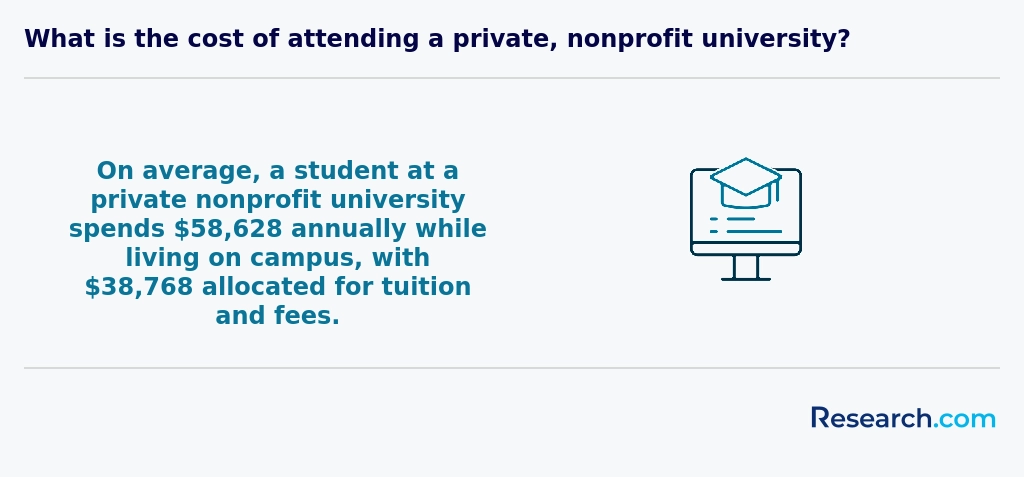
The average cost of an online degree in New York reflects an exciting investment in your future, with a median total tuition and fees amounting to about $38,997. For many students, this cost opens the door to flexible learning options offered by well-known institutions like the State University of New York (SUNY) and the City University of New York (CUNY). Graduates often recall how studying online made it possible to balance career and family while pursuing higher education in a state filled with opportunities.
When examining the total tuition and fees for online degrees NY, in-state students benefit from a median cost around $35,565, making education more accessible. Out-of-state students, with a median around $42,360, still find great value given the quality and convenience of New York's online programs. Many choose private colleges that offer specialized courses, appreciating how these investments lead to rewarding careers and personal growth.
One inspiring aspect for those attending online programs in New York is the significant savings on housing and transportation, which can ease financial pressures. Students often describe attending a well-ranked program from home, avoiding commuting stress while still connecting with peers and faculty. For those researching affordable options, checking the affordable online general school in new york can reveal opportunities perfectly suited to diverse budgets and ambitions.
How Does It Compare to Other States?
New York’s online college programs stand out for their academic rigor and diverse specializations, but how do they measure up against offerings in other regions? When compared to states like Illinois-where affordability is a major draw-New York often carries a higher tuition average yet compensates with unparalleled networking opportunities and industry connections. For students prioritizing cost savings, the Most Affordable Online Colleges Programs Ranking in Lebanon, IL highlights institutions with lower annual net prices, illustrating the trade-off between investment and potential return. Key comparison points include: • Cost per credit hour: New York’s public institutions average $550–$700, whereas top affordable programs in Lebanon, IL, can be as low as $300–$400. • Program variety: New York offers over 200 unique online degrees across STEM, business, and creative fields, compared to approximately 120 programs in similarly sized Illinois communities. • Graduate outcomes: New York graduates report starting salaries 10–15% higher on average, reflecting the state’s robust job market and employer recognition of local universities. By weighing affordability against program scope and post-graduation earnings, prospective students can make informed choices tailored to their financial and career goals.
What financial aid is available to online degree students in New York?
Many students pursuing online degrees in New York find that a variety of financial aid options make their educational dreams achievable. For example, graduates from institutions like the State University of New York or New York University often share how federal Pell Grants provided crucial funding, lifting financial burdens while they balanced work and studies. These grants, which can award up to $7,395 annually, require no repayment and offer true peace of mind.
The New York State Tuition Assistance Program (TAP) is another powerful resource, granting eligible residents up to $5,665 each year. At schools such as CUNY, TAP has been a game-changer, allowing students to focus on learning instead of worrying about tuition costs.
Beyond these, countless scholarships and grants tailored to New York's online learners enrich the experience, recognizing academic excellence and dedication. Many working professionals attending colleges like Rochester Institute of Technology tap into employer tuition reimbursement benefits-fueling their career growth while earning their degrees.
Starting the FAFSA early is a vital step that opens doors to these opportunities, encouraging every student to confidently pursue their goals.
Emerging Specializations in Online Education
As the digital economy expands, academic institutions in New York are innovating by integrating emerging specializations that address the evolving demands of modern industries. Today’s online programs are increasingly featuring areas such as cybersecurity, data science, digital marketing, healthcare informatics, and environmental sustainability. These cutting‐edge fields not only respond to current market trends but also prepare students to tackle future challenges by equipping them with highly sought-after skills. Many institutions are also offering accelerated tracks that allow students to complete advanced studies in a condensed period. If you’re aiming to fast-track your career, consider exploring options like 1 year master's programs online. These programs maintain rigorous academic standards while providing the flexibility necessary to balance studies with professional responsibilities. By embracing these emerging specializations, students can gain a competitive edge in the job market. The integration of innovation with practical, feedback-driven learning ensures that graduates are well prepared to meet the dynamic requirements of today’s industries. This focus on future-ready skills not only enhances career prospects but also reinforces New York's reputation as a hub for academic and professional excellence.
What are the prerequisites for enrolling in online degree programs in New York?
To enroll in an online degree program in New York, students typically start with a high school diploma or GED, setting a strong foundation for their academic journey. Graduates from institutions like Hunter College have shared how submitting official transcripts gave admissions teams a clear picture of their dedication and past achievements, opening doors to exciting new opportunities.
Many programs value more than just grades. Personal statements, recommendation letters, or resumes showcasing work or volunteer experiences help highlight passion and readiness for online learning challenges. Imagine the confidence boost from sharing your unique story with the City University of New York system, where such holistic reviews are embraced.
Test scores like the SAT or ACT may be optional at many schools, reflecting New York's progressive approach to education. Alongside academic preparation, reliable internet and technology skills empower you to fully engage with your classes, turning your home into a vibrant learning space.
These prerequisites ensure that every student who joins an online program in New York is well-equipped to thrive, supported by the state's rich educational community and resources.
Where Can I Work?
Graduates of online degree programs in New York unlock career opportunities across a spectrum of industries, leveraging the state’s dynamic economy and dense corporate landscape. Healthcare professionals can find positions in leading hospital systems such as NYU Langone Health, Mount Sinai Health System, and Northwell Health, where roles range from healthcare administrators to clinical informatics specialists. Education graduates may secure teaching or curriculum-development jobs in public and private school districts, as well as at community colleges like the City University of New York (CUNY) and state agencies focused on adult learning. In the finance and business services sector, alumni often join Wall Street firms, mid-market consultancies, and corporate finance departments, taking on roles in financial analysis, project management, and business operations. Tech and IT graduates are in high demand at major players like IBM, Verizon, and numerous startup incubators in Brooklyn’s Tech Triangle, filling positions in cybersecurity, software development, and data analytics. For those with an associate’s degree, there’s also the fastest way to get associate's degree online, which can lead directly to technician or support roles in fields such as network administration and medical coding. Government and nonprofit sectors in Albany and New York City offer openings for public policy analysts, urban planners, and social service coordinators, particularly at agencies like the New York State Department of Health and local community organizations. Creative arts graduates frequently collaborate with museums, design studios, and media outlets across Manhattan, while hospitality and culinary arts alumni thrive in Michelin-starred restaurants, hotels, and event management firms throughout the state. Remote and hybrid positions are also plentiful, allowing online degree holders to work for national and international employers without relocating. This flexibility helps recent graduates tailor their career paths to emerging trends-such as telehealth coordination or digital marketing-while benefiting from New York’s robust professional networks and alumni associations.
What courses are typically in online degree programs in New York?
Online degree programs courses in New York offer a vibrant blend of classes that inspire and equip students for success. From foundational subjects like English composition and mathematics to dynamic studies in social sciences, these programs provide the essential skills that New Yorkers cherish-critical thinking, effective communication, and quantitative reasoning. Graduates from well-known New York colleges often reflect fondly on how these core courses became the bedrock of their confidence and career growth.
For those drawn to business, typical courses in New York online colleges often include financial accounting, marketing principles, and organizational management. Many students feel energized by how closely these classes mirror real-world challenges in bustling commercial hubs like New York City, boosting their drive to excel. Healthcare enthusiasts engage deeply with anatomy, public health, and patient care coordination, gaining knowledge directly aligned with the state's growing health industry needs.
Programs also embrace technology, with courses in programming, cybersecurity, and database management sparking passion in future IT leaders. For a flexible path, liberal arts offerings in psychology and environmental science encourage exploration and creative thinking.
Many learners seeking accelerated advancement find motivation in 1 year master's programs online, appreciating how these focused courses fit their busy New York lifestyles while opening doors to new opportunities.
How do you choose the best online degree in New York?
Choosing the best online degree program in New York means focusing on accredited schools that fit your lifestyle and career goals. Graduates from well-known institutions in New York often share how the flexibility of asynchronous courses allowed them to balance work, family, and study without stress. Many found that programs with hybrid options provided valuable in-person networking opportunities, strengthening their connections within the state's vibrant job market.
Cost is another important factor-affordable online colleges New York offer competitive tuition alongside financial aid options such as the Tuition Assistance Program (TAP), which can make a huge difference. Career services play a vital role as well; students who took advantage of internships and job placement support found themselves confident and prepared to enter New York's workforce.
When exploring choices, it helps to visit university websites, speak with admissions counselors, and consider your personal interests by checking out helpful resources like the best college majors to pursue. This empowers you to select a program that truly inspires and prepares you for success.
What career paths are available for online degree graduates in New York?
Graduates pursuing online degree career opportunities in New York find a wealth of exciting paths aligned with the state's dynamic economy. Alumni from popular institutions like Hunter College and Pace University often share inspiring stories of transitioning smoothly into booming fields like healthcare and technology. For example, nursing graduates embrace rewarding roles in hospitals across NYC, while those with IT degrees become vital players in the city's expanding tech sector. These success stories highlight the empowering flexibility of earning a degree remotely while tapping into New York's thriving job market.
New York online college graduate job prospects extend into finance and education as well, where motivated graduates from schools such as Baruch College land influential positions in banking or school administration. The vibrant financial district and the push for innovative learning models create fertile ground for ambitious professionals. Many students discover the fastest way to get associate's degree online is the perfect launchpad to these fulfilling careers, combining quality education with real-world opportunities.
What is the job market for online degree graduates in New York?
The job market for online general degree graduates in New York is thriving, fueled by the state's diverse economy and growing industries. Graduates from popular institutions such as NYU and Pace University share inspiring stories of landing roles in dynamic fields like healthcare administration and business management, thanks to the flexible and comprehensive training their online degrees provided. This positive trend aligns with the New York employment outlook for online graduates, where sectors like professional services and technology are expanding rapidly.
Many online degree holders develop valuable skills such as digital literacy and adaptability, making them highly sought after by employers throughout New York. One graduate from a well-regarded New York college took advantage of remote work experience during their studies, which accelerated their career advancement in information technology. Opportunities abound not only in Manhattan but also across upstate regions, where demand for qualified professionals continues to rise.
If you're seeking pathways that balance education and life's demands, programs featured in the Most Affordable Online Colleges Programs Ranking in Lebanon, IL reflect the growing accessibility of quality online education designed for New York's ambitious learners.
Frequently Asked Questions
Students in New York can maximize their online learning by leveraging local resources and maintaining strong digital engagement. Access to the New York State Education Department's resources ensures they meet all accreditation standards and program requirements. Utilizing public libraries, such as the New York Public Library, offers free access to research databases and study materials. Regular communication with professors and participation in virtual study groups enhance understanding and networking opportunities. According to the National Center for Education Statistics, New York enrolls over 200,000 students in distance education, highlighting the need for self-discipline and time management skills to succeed in virtual environments.
After completing an online degree in New York, preparing for the job market involves several important steps. First, graduate students should update their resumes to highlight relevant skills acquired through their online education. According to the New York State Department of Labor, industries like healthcare, technology, and finance are growing rapidly, so tailoring applications to these sectors can increase employability.
Next, networking plays a crucial role. Joining local professional groups or online career platforms like LinkedIn helps connect graduates with potential employers in New York's competitive job market.
Additionally, gaining practical experience through internships or volunteering can significantly improve job prospects. New York offers numerous opportunities in these areas, especially for recent graduates.
The New York State Education Department also recommends staying informed about labor market trends through resources such as the New York State CareerZone portal.
Employers in New York prioritize a blend of technical and soft skills when hiring recent graduates. According to a 2023 report by the New York State Department of Labor, critical thinking and problem-solving abilities top the list. These skills enable graduates to navigate complex workplace challenges effectively.
Additionally, communication skills-both written and verbal-are essential. New York's diverse industries, from finance to healthcare, require clear and concise interaction. Data analysis proficiency is increasingly valued, particularly in sectors like technology and marketing.
Collaboration and adaptability are also crucial, with 78% of surveyed employers emphasizing the ability to work well in teams and adjust to rapidly changing environments. These competencies prepare graduates for New York's competitive job market.
Finding internships in New York involves multiple strategies to maximize opportunities, especially for online degree students. Start by using college career services, which often offer virtual internship listings tailored to New York employers. According to the New York State Department of Labor, industries like finance, media, and healthcare have growing internship opportunities.
Leverage online platforms such as Handshake and Internships.com, which provide filters for New York City and statewide positions. Networking through LinkedIn and professional organizations relevant to your field is also essential. In 2023, about 65% of New York internships were secured via networking, per the National Association of Colleges and Employers.
Local nonprofit organizations and government agencies frequently offer internships with flexible schedules suitable for remote learners. Additionally, attending virtual career fairs hosted by New York universities can connect students with employers actively recruiting interns.
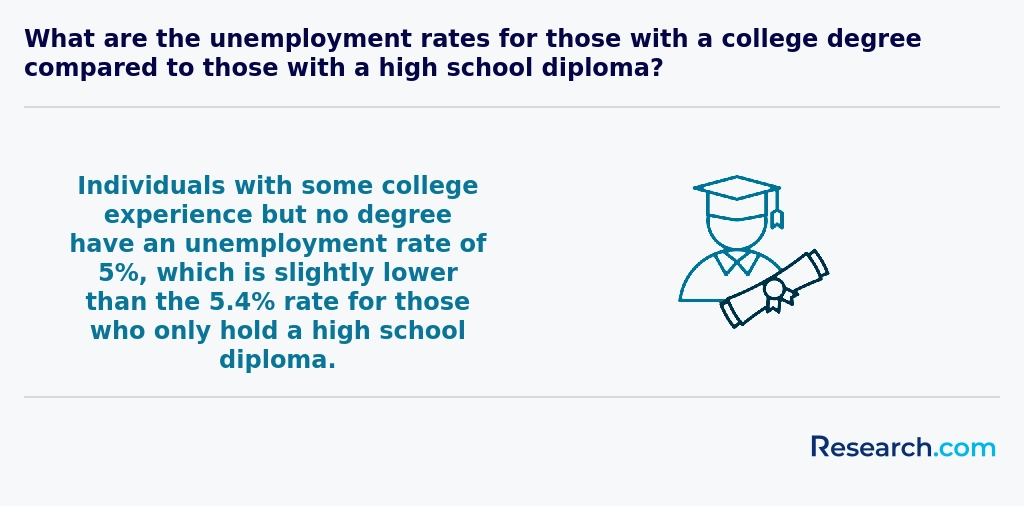
In New York, obtaining an online degree can significantly enhance career mobility and advancement opportunities. According to the U.S. Bureau of Labor Statistics, workers with a bachelor's degree earn about 67% more than those with only a high school diploma. This wage gap emphasizes the value of higher education in the state's competitive job market.
Online degrees offer flexible access to education, allowing professionals to upskill without interrupting their current employment. New York employers increasingly recognize accredited online programs, especially from state universities.
The New York State Department of Labor reports that industries such as healthcare, technology, and finance show strong growth, often requiring specialized degrees. Having an online degree from a reputable institution can be a key factor in promotions or switching to higher-paying roles within these sectors.
Choosing between a thesis and a non-thesis degree program in New York depends on your career goals and learning preferences. Thesis programs typically require original research culminating in a substantial paper, ideal for students considering doctoral studies or research careers. Non-thesis options focus more on coursework and practical skills, suitable for professionals aiming to enter or advance in the workforce quickly.
In New York, many online master's programs offer both tracks, reflecting national trends where about 60% of students prefer non-thesis routes for flexibility, according to the National Center for Education Statistics. Cost and duration also differ: thesis programs may take longer and require faculty mentorship, while non-thesis paths often allow faster completion.
Consult institutions' websites and academic advisors to understand specific expectations and support systems available online in New York.
Students in New York interested in studying abroad while pursuing online degrees have several options to consider. Many New York-based institutions partner with international universities, offering study abroad programs that can be combined with online coursework. According to the Institute of International Education, over 7,000 New York students participated in study abroad programs in recent years, reflecting strong interest despite geographic flexibility.
These programs typically allow students to earn credits overseas while continuing their online classes, providing a hybrid experience. Additionally, New York students can explore virtual exchange programs, which have grown post-pandemic, enabling global collaboration without physical travel.
It is advisable to consult specific New York universities for their latest study abroad online offerings and financial aid eligibility.
Part-time job opportunities in New York can effectively complement your online degree education by providing practical experience and income. Fields like retail, hospitality, and administrative support are popular, but jobs directly related to your field of study offer greater value. For example, students pursuing business degrees can seek part-time internships or assistant roles in New York's financial sector, which employs over 400,000 people according to the New York State Department of Labor.
Healthcare students might find part-time positions as medical assistants or patient service representatives, roles that are in high demand across the state. Tech students can explore freelance programming or support roles in the city's growing startup ecosystem. Balancing work and study enhances skills and strengthens resumes for future employment.
Online students in New York have access to diverse networking opportunities despite their remote status. Many institutions offer virtual career fairs, webinars, and alumni events specifically tailored for online learners. For instance, the State University of New York (SUNY) system hosts online networking groups connecting students and professionals statewide.
Moreover, New York's large job market encourages colleges to partner with local industries, providing online students access to internships and mentorships. According to the New York State Department of Labor, fields such as finance, health care, and technology-where many online programs focus-offer extensive networking platforms.
Students can also engage via online discussion boards and social media groups tied to their programs, facilitating peer connections and professional growth.
Alumni networks play a crucial role for online degree students in New York by offering connections that can enhance career opportunities. These networks provide access to professional mentoring, job referrals, and internships, which are valuable in New York's competitive job market. According to the State University of New York (SUNY) system, alumni engagement helps graduates find employment faster, with 68% securing jobs within six months of graduation.
Online students benefit particularly from virtual alumni events and online platforms that facilitate networking beyond geographic limits. This access fosters collaboration and support among graduates working in diverse New York industries such as finance, technology, and healthcare.
Customizing an online degree program in New York to align with your career goals involves selecting flexible coursework and concentrations offered by many institutions. New York colleges frequently provide electives, minors, or certificate options within online degrees, allowing you to focus on areas like business analytics, healthcare management, or technology. According to the New York State Education Department, roughly 70% of accredited online programs offer such specialization opportunities.
Additionally, partnering with academic advisors can help tailor your schedule and course load, balancing work and study efficiently. Work experience and internships in New York's diverse job market can often be integrated with academic credits through experiential learning options.
Choosing schools with strong industry connections in your field in New York can further enhance networking and career placement. Check each program's curriculum and flexibility to ensure it supports your professional development effectively.
Online students in New York face several notable challenges that can impact their success. One key difficulty is balancing work, family, and study, as many learners juggle full-time jobs while attending classes. According to a 2023 report by the New York State Education Department, 48% of online learners identified time management as their biggest obstacle.
Another challenge is limited access to reliable high-speed internet in rural and underserved urban areas, which affects approximately 15% of New Yorkers, per the Federal Communications Commission data from 2022. This digital divide can hinder participation in live lectures and timely assignment submission.
Additionally, some students find fewer opportunities for campus interaction and networking in online settings, which may affect motivation and career development. Finally, navigating technical platforms and staying engaged without face-to-face support are common concerns raised by New York's online learners.
Writing a winning application for a college or university program in New York starts with understanding the specific requirements of each institution. Many online programs require a completed application form, official transcripts, and standardized test scores if applicable. According to the New York State Education Department, highlighting your academic achievements and relevant experience is crucial.
Personal statements play a vital role; they should clearly explain your goals, motivations, and why you chose the program. Tailor essays to reflect the values and mission of the New York institution.
Finally, strong letters of recommendation and timely submission improve your chances significantly.
Students pursuing online degrees in New York can gain practical experience through internships, cooperative education (co-op) programs, and service-learning projects. Many New York institutions have partnerships with local businesses and nonprofits, providing virtual or in-person internships that align with online coursework. According to the New York State Department of Labor, internships in New York City grew by 12% from 2021 to 2023, reflecting strong opportunities for remote and in-person placements.
Additionally, online learners can join virtual labs and simulation platforms offered by some universities to develop hands-on skills. Professional networking events and career services available remotely also help students connect with industry mentors and employers, enhancing real-world experience alongside their studies.
Choosing the right concentration within an online degree program in New York begins with understanding your career goals and interests. New York offers diverse industries such as finance, healthcare, and technology, so select a concentration that aligns with local job market demands. According to the New York State Department of Labor, technology and healthcare sectors are among the fastest growing, which may influence your decision.
Research program curricula carefully to ensure they provide relevant skills and knowledge. Also, consider programs accredited by recognized agencies for quality assurance. Look for concentrations that offer practical experiences like virtual internships or capstone projects.
Additionally, evaluate flexibility and support services of the online program to match your personal and professional commitments while studying. This can improve your chances of success and timely degree completion.
Related General Rankings for Nearby States
- 2027 Most Valuable Online Colleges Programs Ranking in New Jersey
- 2027 Most Valuable Online Colleges Programs Ranking in Pennsylvania
- 2027 Most Valuable Online Colleges Programs Ranking in Connecticut
- 2027 Most Valuable Online Colleges Programs Ranking in Massachusetts
- 2027 Most Valuable Online Colleges Programs Ranking in Vermont
- 2027 Most Valuable Online Colleges Programs Ranking in Rhode Island
- 2027 Most Valuable Online Colleges Programs Ranking in Delaware
- 2027 Most Valuable Online Colleges Programs Ranking in Maryland
- 2027 Most Valuable Online Colleges Programs Ranking in New Hampshire
- 2027 Most Valuable Online Colleges Programs Ranking in Ohio
Top Trending General Rankings
References
- Student Financial Aid Access in New York State https://newyork.edtrust.org/financial-aid-access-topic-2/
- Life as an International Student in New York - Study and Go Abroad https://www.studyandgoabroad.com/study-abroad/usa/life-as-an-international-student-in-new-york/
- Part-Time Jobs for International Students: Balancing Work and Study https://3aspire.com/blog/part-time-jobs-students
- Pulse NYC - NYC's Premier Tech Community https://pulse.nyc/
- 6 Part-Time Jobs Good for Your Résumé and Your Major https://www.collegexpress.com/articles-and-advice/career-search/blog/6-part-time-jobs-good-your-resume-and-your-major/
- Career Goals: 17 Inspirational Examples for you in 2026 https://www.imd.org/blog/learning-and-development/career-goals/
- UNYBT Tuition Free Online University Landing page - UNYBT https://unybt.com/tuition-free-online-university-unybt/
- Online Colleges in New York | OEDb.org https://www.oedb.org/new-york/
- Home Page https://www.penn.nyc/
- Online Colleges In New York 2025 https://www.affordablecollegesonline.org/online-colleges/new-york/