2027 Best Online Colleges Programs Ranking in Little Rock, AR

Co-Founder and Chief Data Scientist
Choosing the right online college program in Little Rock, AR can feel overwhelming. That's why our article offers the 2027 Best Online Colleges Programs Ranking in Little Rock, AR, created by the Research.com team of data scientists. This ranking helps you see which degree programs really stand out based on clear, trusted data.
Reading this guide will empower you to make an informed decision about your education. Earning a degree can open new doors and boost your confidence on the path to a fulfilling career. We've got you covered every step of the way.
Key benefits of getting online degrees in Little Rock
- Graduates in Little Rock with a bachelor's degree earn an average salary of $58,000, while those with a master's degree can expect around $75,000, showcasing clear financial benefits for higher degree levels.
- For example, an online business graduate from the University of Arkansas at Little Rock typically starts a career in management or marketing, opening diverse opportunities for growth and success.
- A graduate who earned an online degree from Arkansas Tech University enjoys flexible study schedules, allowing them to balance work and life better than traditional students, which greatly boosts motivation and satisfaction.
- Key benefits of getting online degrees in Little Rock
- What can I expect from online degrees in Little Rock?
- How much can I make with online degrees in Little Rock?
- 2027 Best Online Colleges Programs Ranking in Little Rock, AR
- Key Findings
- How long does it take to complete online degrees in Little Rock?
- How Does Little Rock’s Online Programs Compare to Other Regions?
- What's the difference between online and on-campus degree?
- Where Can I Work After Earning an Online Degree in Little Rock, AR?
- What is the average cost of online degrees in Little Rock?
- Where Can I Work With an Online Degree in Little Rock, AR?
- What financial aid is available to online degree students in Little Rock?
- Available Specializations
- What are the prerequisites for enrolling in online degree programs in Little Rock?
- How Do Little Rock’s Online Programs Stack Up Nationally?
- What courses are typically in online degree programs in Little Rock?
- How do you choose the best online degree in Little Rock?
- What career paths are available for online degree graduates in Little Rock?
- What is the job market for online degree graduates in Little Rock?
- Top Trending General Rankings
What can I expect from online degrees in Little Rock?
When pursuing an online degree in Little Rock, expect a flexible learning environment tailored to fit busy lives. Graduates from the University of Arkansas at Little Rock (UALR) often mention the convenience of accessing video lectures and participating in live virtual discussions that fit around work or family commitments. The coursework matches the rigor of on-campus programs, so you gain the same respected diploma without sacrificing quality.
Many students appreciate local tuition rates that make earning a degree more affordable. For example, Arkansas residents benefit from in-state pricing, which helps ease financial stress while studying. Additionally, the strong local support network provides access to academic advising and career counseling remotely, making it easier to stay on track and plan for future employment.
Online learners in Little Rock also share how building connections through discussion boards and hybrid classes creates a sense of community and motivation. Working adults and military personnel find this blend of structure and independence perfect for balancing their goals with everyday responsibilities.
How much can I make with online degrees in Little Rock?
Graduates with online degrees in Little Rock can expect varying earnings based on their degree level and field of study. Those holding a bachelor's degree typically earn around $52,000 annually, a noticeable increase from the $34,000 median for high school diploma holders. Many students from the University of Arkansas at Little Rock report gaining valuable skills online that local employers seek, especially in healthcare and business.
Online graduates entering healthcare roles like registered nursing earn about $65,000 yearly, while positions such as health services managers can reach $85,000, reflecting strong demand. Business graduates often start between $45,000 and $55,000, with steady increases as they gain experience and certifications.
IT-related degrees from institutions like Pulaski Technical College have led graduates to jobs paying from $70,000 to $90,000, highlighting the high value of tech skills in the region. Pursuing a master's degree can boost earnings by 20-30%, offering a powerful advantage to those committed to advancing their careers locally.
2027 Best Online Colleges Programs Ranking in Little Rock, AR
How do we rank schools?
Investing in your education is a significant decision that can greatly impact your future, and the Research.com team is fully aware of the importance of making well-informed choices. To support prospective students in Little Rock, AR, we have carefully compiled the "2027 Best Online Colleges Programs Ranking." Our dedication to quality, credibility, and accuracy is evident in the thorough research and analysis behind this ranking.
We utilized the following reputable data sources to ensure a comprehensive evaluation of online college programs:
By reviewing this ranking, readers will gain valuable insights into the top online college programs in Little Rock, empowering them to make confident and informed decisions about their educational journeys. For more information on our ranking process, please visit our Research.com methodology page.

# 3 position
University of Arkansas at Little Rock
Master of Gifted, Creative, and Talented Education
# 14 position
University of Arkansas Grantham
Master of Business Intelligence

# 15 position
University of Arkansas Grantham
Master of Business Administration -- Project Management
Key Findings
- The average tuition and fees for a bachelor's degree at public institutions in Arkansas are about $7,300 per year, which is lower than the national average.
- Entry-level salaries for recent graduates in Little Rock average around $44,000 annually, increasing to approximately $65,000 for mid-career professionals.
- The local job market has strong demand in healthcare, education, business, and technology sectors, with opportunities in IT, nursing, and business administration.
- Many online degree programs in Little Rock are regionally accredited, ensuring quality and employer recognition.
- Access to local internships and career services is often available to online students, enhancing job prospects in the area.
- Little Rock offers reliable internet access and digital infrastructure, supporting online learning especially for working adults and those with other responsibilities.
How long does it take to complete online degrees in Little Rock?
Completing an online degree in Little Rock varies based on your study pace and program, but flexible options make it manageable for busy students. For example, an associate degree usually takes around two years of full-time study, but part-time learners often stretch this to three or four years to balance work and family commitments. Graduates from the University of Arkansas at Little Rock share that pacing yourself and using transfer credits can significantly shorten this timeframe.
Bachelor's degrees commonly require about four years full-time, yet students here frequently accelerate completion by enrolling in year-round courses or applying previous college credits. Many find this approach rewarding, enabling them to finish sooner while managing career demands. Local schools encourage these strategies to support diverse student schedules.
Graduate degrees take about 1.5 to 3 years online, with accelerated tracks reducing this for full-time professionals. Students appreciate these flexible formats, which help maintain momentum toward career goals without sacrificing income or personal life.
How Does Little Rock’s Online Programs Compare to Other Regions?
As prospective students weigh their options, it’s valuable to understand how Little Rock’s online degree landscape measures up against neighboring states. In terms of tuition affordability, Arkansas’ average cost of $35,400 per program remains competitive, yet students seeking even lower rates may explore rankings such as the Inexpensive Online Colleges Programs Ranking in Texas, where several institutions offer per-credit costs up to 20% below national averages. Beyond cost, program diversity in Little Rock rivals that of larger markets. While Texas universities emphasize scale and specializations in fields like petroleum engineering and oil & gas management, Arkansas institutions provide equally robust tracks in nursing, education, and business administration with smaller class sizes and personalized support. This balance of affordability and tailored instruction positions Little Rock as a strong choice for students who value both cost-effectiveness and hands-on engagement. Finally, consider employment outcomes. Graduates from Texas’ most affordable online programs report starting salaries on par with or slightly higher than Little Rock alumni, particularly in high-demand tech roles. Yet Little Rock’s close-knit professional community often yields faster networking opportunities and mentorships. By comparing tuition, program breadth, and career services, you can make an informed decision that aligns with both your budget and long-term goals.
What's the difference between online and on-campus degree?
Online degrees in Little Rock provide the flexibility to study at your own pace, a key advantage for working adults or parents managing busy schedules. For example, a graduate from the University of Arkansas at Little Rock appreciated how online courses allowed them to complete assignments between shifts without sacrificing family time.
On-campus programs, like those at Pulaski Technical College, offer a richer social environment with direct access to professors and peers. Graduates often highlight the energizing campus life and in-person study groups that made learning more engaging and helped build lasting professional networks.
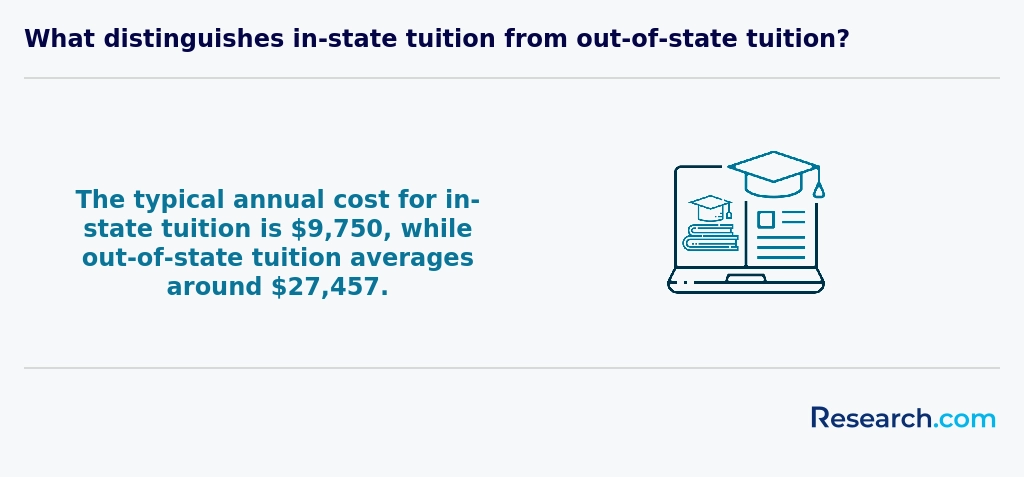
Cost-wise, online students typically save on commuting and housing expenses, important considerations given Little Rock's average in-state tuition of about $8,500 annually. However, the tuition itself usually remains similar across both formats.
Success in online programs relies heavily on self-discipline and effective time management, while on-campus students benefit from structured schedules and readily available resources like tutoring centers.
Where Can I Work After Earning an Online Degree in Little Rock, AR?
Graduates with an online degree in Little Rock, AR, unlock diverse employment opportunities across high-growth industries. In healthcare, prominent employers like the University of Arkansas for Medical Sciences (UAMS) and Baptist Health hire online BSN and healthcare administration alumni as registered nurses, clinical coordinators, and health services managers. Community health centers and home-health agencies also welcome graduates seeking flexible roles in patient care. The business sector offers roles at major firms such as Acxiom, Dillard’s, and Stephens Inc., where online graduates in business administration, marketing, and finance can join as marketing coordinators, financial analysts, or operations specialists. For entry-level positions that balance quick workforce entry and steady career growth, students often explore what are the easiest degrees to get to identify programs that align with in-demand roles in Little Rock’s corporate landscape. Online graduates in IT and cybersecurity find opportunities at technology providers like Windstream, Northrop Grumman, and state government agencies. Positions such as help desk analyst, network administrator, and cybersecurity specialist are in high demand as organizations strengthen digital infrastructure. Similarly, those with online education or social work degrees secure roles within Pulaski County Special School District, Arkansas Department of Human Services, and local nonprofits, serving as instructional coordinators, case managers, and community outreach specialists. Public sector careers also abound: state and local government offices recruit online degree holders for administrative, policy, and project management positions. Whether you aim to join Arkansas’s growing public health initiatives, support K-12 virtual classrooms, or drive digital transformation in a corporate setting, an online degree from Little Rock institutions provides the credentials and flexibility to launch a fulfilling career in the region.
What is the average cost of online degrees in Little Rock?
The average cost of an online degree in Little Rock typically centers around $33,600, reflecting a balance between public and private institution tuition rates. Graduates from local schools such as the University of Arkansas at Little Rock often share that while the upfront investment may feel significant, the flexibility and savings on commuting and housing create a rewarding educational experience. For many students, this cost covers the complete tuition for full programs, making budgeting more predictable.
When considering online degree tuition and fees in Little Rock Arkansas, students benefit from competitive pricing compared to national averages. Public institutions usually offer lower in-state rates, while private colleges can be higher but sometimes provide scholarships or employer tuition assistance to ease expenses. Several recent graduates have found success by utilizing financial aid options and carefully planning to reduce overall costs, highlighting how proactive money management makes an online degree attainable.
To get a clearer picture of what to expect financially, prospective students often turn to tools provided by local schools. For example, many community colleges and universities in Little Rock provide tuition calculators on their websites. These allow students to estimate exact costs based on program duration and credit hours, helping them map out affordable paths to graduation. For broader options, it's also useful to explore the best online universities in usa, which offer varying tuition rates that sometimes align with or improve upon local pricing.
Where Can I Work With an Online Degree in Little Rock, AR?
Graduates with online degrees from Little Rock, AR, have a wide array of career opportunities spanning numerous sectors. Many find positions in healthcare, business management, education, information technology, and government, often in roles that require advanced problem-solving and communication skills. For example, nursing graduates frequently secure positions in hospitals, community clinics, and healthcare administration, while business graduates are well-equipped for roles in marketing, operations, and management within local enterprises. The flexibility of online programs further allows working professionals to transition into new fields or climb the career ladder without interrupting their current employment. Moreover, many local employers value the self-discipline and technological adaptability honed through online studies, making degree holders attractive across several industries. For further guidance on choosing the right institution for your future, explore the best online universities in usa to discover programs known for producing career-ready graduates who excel in their professional environments.
What financial aid is available to online degree students in Little Rock?
Online students in Little Rock often rely on a variety of financial aid options to manage tuition costs at institutions like the University of Arkansas at Little Rock. Many graduates recall how Pell Grants, which don't require repayment, played a crucial role in funding their studies-especially since over 30% of Arkansas students qualify for this aid. Federal loans, including Direct Subsidized and Unsubsidized Loans, also provided manageable borrowing with low interest and flexible repayment.
The Arkansas Future Grant is another standout resource for residents pursuing in-demand fields such as healthcare and IT through online programs. Graduates appreciate that this grant covers tuition and fees at public universities, easing the financial burden significantly.
Local scholarships and merit-based awards from colleges supplement this aid, often covering essentials like books and partial tuition. Working students frequently benefit from employer tuition assistance programs, making it easier to balance jobs and studies. Veterans in Little Rock tap into the GI Bill and other military benefits tailored for online learners, highlighting the city's supportive environment for service members.
Available Specializations
Many online colleges in Little Rock offer programs tailored to in-demand industries and student interests:
- Business Administration and Management
- Information Technology and Cybersecurity
- Nursing and Healthcare Administration
- Criminal Justice and Public Safety
- Education and Instructional Design
- Public Health and Community Services
- Data Analytics and Accounting
- Environmental Science and Sustainability
For insights into high-earning fields, explore college majors that make the most money.
What are the prerequisites for enrolling in online degree programs in Little Rock?
To enroll in an online degree program in Little Rock, you first need a high school diploma or GED for undergraduate studies. Graduate programs require a completed bachelor's degree from an accredited institution, ensuring your previous education meets recognized standards common among Little Rock colleges.
Applicants typically submit transcripts, test scores like the ACT or SAT, recommendation letters, and a personal essay. Some programs, especially at popular schools in Little Rock, may also request resumes or portfolios to showcase your skills and experiences.
Graduates often emphasize the importance of reliable internet and modern devices since online platforms demand smooth connectivity. Luckily, with over 80% of Little Rock households having broadband, students can engage confidently in virtual classrooms without interruptions.
Financial planning is key. Many students report how knowing the average Arkansas in-state tuition-about $8,000 yearly-helped them apply early for FAFSA and scholarships, easing stress and allowing focus on studies.
Lastly, successful students highlight time management and self-discipline as vital. This mindset turns the flexibility of Little Rock's online programs into a powerful advantage for balancing education with life commitments.
How Do Little Rock’s Online Programs Stack Up Nationally?
Online degree offerings in Little Rock, AR, hold their own against national counterparts across key metrics such as accreditation, affordability, and student outcomes. Many local programs, including those at the University of Arkansas at Little Rock and the University of Arkansas for Medical Sciences, maintain accreditation from recognized bodies like the Higher Learning Commission and AACSB, aligning them with top-tier online institutions nationwide. When comparing tuition rates, Little Rock’s median cost of $35,400 is notably competitive-often lower than the national average for similar programs-without sacrificing the quality of curriculum or support services. From a curriculum standpoint, Little Rock’s online courses mirror national standards by integrating real-world case studies, interactive simulations, and synchronous seminars. This ensures that graduates possess skills on par with peers from larger markets. In terms of flexibility, asynchronous and accelerated tracks in Little Rock allow students to complete degrees faster than many traditional programs elsewhere. Career outcomes also reflect strong performance: with local graduates reporting starting salaries between $55,000 and $65,000 for bachelor’s degrees-figures that rival national averages-students can confidently invest in these programs knowing they deliver tangible returns. For those considering advanced study, Little Rock’s offerings extend into doctoral-level pathways, with several institutions linking to resources for the most affordable online doctorate programs available. Overall, the combination of cost-effectiveness, rigorous accreditation, and positive job placement rates positions Little Rock’s online degrees as a strategic choice for students seeking high-quality education without the premium price tag typical of coastal universities.
What courses are typically in online degree programs in Little Rock?
Typical online degree courses in Little Rock Arkansas include foundational classes such as English composition, mathematics, and social sciences. Graduates from local universities often describe these courses as essential for building critical skills that support success in specialized fields. For example, students pursuing business degrees engage in accounting, marketing, management, and finance courses, which prepare them for practical challenges in the job market.
Many programs at community colleges and public universities incorporate education courses focusing on state licensure requirements, teaching methods, and classroom technology-key areas for those aiming to work in Arkansas public schools. Healthcare programs provide anatomy, physiology, pharmacology, and ethics, combining online theory with local clinical practice tailored to state nursing guidelines.
Graduates value how typical online college programs Little Rock AR offer professional development in communication and project management alongside major-specific courses. These well-rounded programs are designed for busy individuals wanting flexible options. For those seeking to advance further, consider exploring the most affordable online doctorate programs available in the region.
How do you choose the best online degree in Little Rock?
To choose the best online degree program in Little Rock, start by focusing on accreditation. Graduates from local universities often praise the assurance that their degrees hold value because their schools meet the standards of agencies like the Higher Learning Commission. This is critical not only for employer recognition but also for accessing federal financial aid.
Next, consider flexibility. Many students balancing work or family find that programs from institutions such as the University of Arkansas at Little Rock fit perfectly into hectic schedules with their asynchronous courses. This flexibility helps maintain motivation and reduces stress, making education more enjoyable.
Cost also plays a key role. Affordable online colleges in Little Rock Arkansas frequently offer in-state tuition rates and financial aid, which former students say make their investment manageable. Knowing the average tuition helps set realistic budget expectations.
Finally, check whether the curriculum matches your career aims. Engaging programs often include internships or hands-on projects that past graduates highlight as crucial for gaining real-world experience. For those wondering what are the easiest degrees to get, it's worth exploring options aligned with both interest and job demand to feel confident and fulfilled in your studies.
What career paths are available for online degree graduates in Little Rock?
Graduates pursuing an online degree career opportunities in Little Rock often find strong prospects in healthcare, business, education, IT, and government sectors. For example, online nursing and healthcare administration graduates from well-known local institutions have secured fulfilling roles in hospitals and clinics, benefiting from the region's 18% projected healthcare job growth. Business and finance graduates frequently enter banking or insurance firms, leveraging Little Rock's role as a corporate hub and seeing median wages around $60,000.
Education graduates, including those completing teaching certifications through online programs, take advantage of the city's many public and private schools, stepping into consistent demand for qualified educators. IT and computer science online degree holders find rewarding opportunities in software development and cybersecurity positions with growing tech startups. Graduates often share the positive impact of flexible online learning paired with strong local job connections through popular colleges.
Those exploring affordable programs can also consult the Inexpensive Online Colleges Programs Ranking in Texas for comparative insights. Pursuing the best career paths for online graduates Little Rock AR provides a path to meaningful and well-aligned employment.
What is the job market for online degree graduates in Little Rock?
The job market for graduates with an online general degree in Little Rock is expanding, fueled by the city's strong healthcare, IT, and public administration sectors. Many graduates from local institutions report landing positions in hospitals and tech firms shortly after finishing their programs, highlighting real opportunities for those pursuing flexible education paths. Hospitals and healthcare providers seek registered nurses and allied health professionals, while tech companies need software developers and cybersecurity experts, making the region attractive for online degree job opportunities Little Rock AR.
Graduates describe how combining their online degree with local networking boosts their employment prospects, especially when engaging with Little Rock's active business community. For example, those with business degrees often secure roles in regional headquarters or government offices, showing how employment prospects for online graduates Little Rock improve when academic knowledge meets local connections.
Many find success by pursuing a quick bachelor's degree online, which helps them enter in-demand fields sooner and balance work and study effectively. Being proactive in seeking internships and leveraging the university career centers in Little Rock makes a significant difference in landing a rewarding job after graduation.
Frequently Asked Questions
Students in Little Rock can maximize their online learning experience by leveraging local resources along with effective study habits. Utilizing public libraries, such as the Central Arkansas Library System, provides free access to high-speed internet and quiet study spaces. According to the U.S. Census Bureau, over 85% of households in Little Rock have internet access, making online education more accessible than ever.
Active participation in virtual class discussions and regular communication with instructors are key strategies for success. Additionally, Little Rock students should take advantage of academic support services from their institutions, including tutoring and career counseling. Time management skills also play a crucial role, helping balance work, study, and personal responsibilities in a busy urban setting.
Preparing for the job market after earning an online degree in Little Rock involves strategic steps tailored to local economic conditions. Little Rock's economy is diverse, with strong sectors in healthcare, education, and finance, according to the Little Rock Chamber of Commerce. Graduates should focus on networking with local employers through virtual job fairs and professional associations like the Arkansas State Chamber. Building a robust LinkedIn profile showcasing relevant skills gained online is crucial.
Additionally, Little Rock offers resources such as the Arkansas Workforce Center that provide career counseling and resume support. Internships, even remote ones, can significantly enhance employability by offering practical experience aligned with regional industry demands.
Employers in Little Rock increasingly prioritize a blend of technical and soft skills when evaluating graduates. Strong communication abilities remain essential, with over 70% of local employers emphasizing clear writing and verbal skills, according to a 2023 Arkansas Workforce study. Critical thinking and problem-solving are also highly valued, as businesses face rapidly changing market demands.
Technical proficiency in digital tools, especially related to data analysis and software relevant to Arkansas industries, is crucial. LinkedIn reports that graduates with skills in project management and teamwork have a competitive edge in Little Rock's growing healthcare and finance sectors.
Adaptability and a commitment to continuous learning are often highlighted as key traits for success in this evolving job market.
Finding internships in Little Rock begins with leveraging local resources tailored to students pursuing online degrees. Many universities and colleges in Arkansas, including those offering online programs, maintain partnerships with local businesses and nonprofits. The Metro Little Rock Chamber of Commerce often lists internship opportunities that foster professional growth in key industries like healthcare, government, and finance, which dominate the local economy.
Online students should also explore state-run platforms such as the Arkansas Workforce Center, which connects job seekers with internships, apprenticeships, and employment. Networking is crucial; attending virtual career fairs hosted by institutions like the University of Arkansas at Little Rock can enhance access to local internships. According to the U.S. Bureau of Labor Statistics, internships in metropolitan areas like Little Rock have grown by 12% in recent years, reflecting increased employer engagement with emerging talent.
In Little Rock, holding an online degree can significantly affect career mobility and advancement. Employers often view accredited online degrees similarly to traditional ones, especially when earned from recognized institutions. According to the U.S. Bureau of Labor Statistics, workers with at least a bachelor's degree tend to earn about 67% more annually than those with only a high school diploma, a trend also reflected locally.
Little Rock's growing industries, such as healthcare, technology, and finance, frequently require specialized knowledge that online degree programs can provide. Earning an online degree allows professionals to upskill without interrupting their current employment, enhancing promotion prospects.
Data from the Arkansas Department of Workforce Services shows that educational attainment is strongly linked to reduced unemployment rates in Little Rock, with degree holders experiencing more stable job opportunities and faster advancement in their careers.
Choosing between a thesis and a non-thesis degree program in Little Rock depends largely on your career goals and learning preferences. Thesis programs typically require conducting original research and writing a detailed paper, which is ideal for those considering doctoral studies or research careers.
Non-thesis options focus more on coursework and practical skills, suiting students aiming for professional advancement without the research focus.
According to the U.S. Department of Education, online programs in Arkansas, including Little Rock, have grown by over 15% in the past five years, offering diverse formats to fit different needs.
Consider whether you prefer independent research or applied learning when deciding between these paths.
Students based in Little Rock interested in studying abroad have several options through partnerships offered by Arkansas universities. Many local institutions, such as the University of Arkansas at Little Rock, provide exchange programs with international universities, allowing students to spend a semester or year overseas while earning credits toward their degree.
Additionally, some online degree programs enable virtual international study experiences, which combine global coursework and interactions without travel. According to the Institute of International Education's 2022 report, less than 2% of Arkansas college students studied abroad, reflecting a growing but still limited participation.
Financial aid and scholarships specifically for study abroad are also available for Little Rock students, helping to offset costs and encourage global learning opportunities. Coordinating these options with academic advisors ensures proper credit transfer and academic progress.
Part-time job opportunities in Little Rock that complement online degree studies often align with the city's key industries such as healthcare, education, and technology. For example, students pursuing healthcare degrees can find part-time roles in local hospitals like the Arkansas Children's Hospital or clinics, gaining practical experience alongside their studies. According to the U.S. Bureau of Labor Statistics, Little Rock's healthcare sector grew by 6.5% from 2019 to 2023, making it a strong employment area.
Additionally, education majors might work as tutors or teacher assistants in local schools or community programs. The city's expanding tech scene also offers part-time roles in data entry, IT support, and software testing.
These opportunities allow students to build relevant skills, network professionally, and earn income while completing their online degrees.
Online students in Little Rock have access to various networking opportunities despite the mostly remote format of their studies. Many local universities offer virtual events, such as webinars and group projects, encouraging engagement among peers and faculty. The University of Arkansas at Little Rock, for example, provides online students with access to career services, including virtual job fairs and networking platforms tailored to connect students with Arkansas employers.
Additionally, professional organizations in Little Rock, like the Little Rock Chamber of Commerce, hold events where online students can meet working professionals and alumni. These connections can be crucial for internships and job placements. According to the Arkansas Department of Workforce Services, the local job market values networking highly, especially in business and technology sectors.
Alumni networks provide valuable benefits to online degree students in Little Rock by connecting them to a broad community of graduates. These networks offer mentoring opportunities, career advice, and job leads, which can be crucial for employment in local industries. In Little Rock, where sectors like healthcare, education, and government are prominent, strong alumni connections help graduates tap into relevant professional fields.
According to the Arkansas Department of Workforce Services, networking significantly increases job placement rates. Alumni events and online platforms ensure that remote students do not miss out on social and professional support found on campus. Overall, these networks enhance career growth and local engagement for online learners.
In Little Rock, online degree programs often offer flexible course options allowing students to tailor their studies to match career goals. Many institutions let students choose electives or specializations within fields such as business, healthcare, or technology, helping focus their education. For example, the University of Arkansas at Little Rock provides online students opportunities to customize coursework through certificates and minors that align with local industry demands.
Advisors play a key role in guiding choices based on labor market data in Little Rock, where sectors like healthcare and finance are growing. Utilizing career services and internship opportunities can further enhance practical skills.
Online students in Little Rock commonly face challenges related to technology access and reliable internet connections. While Arkansas has made strides in expanding broadband, rural areas around Little Rock still experience connectivity issues, impacting real-time participation in classes. According to the Arkansas Broadband Office, about 15% of households outside urban centers lack high-speed internet.
Time management is another frequent concern. Many learners juggle jobs and family responsibilities, making self-paced study both flexible and demanding. Students often report difficulties staying motivated without traditional campus support.
Additionally, limited local access to academic advising and library resources can hinder research and coursework. Although institutions have improved virtual services, some students feel less engaged compared to on-campus peers.
Writing a winning application for a college or university program in Little Rock requires careful preparation. Begin by researching the specific online programs offered by institutions like the University of Arkansas at Little Rock, known for its robust online degree options.
Highlight your academic achievements clearly, including GPA and relevant coursework. Include a compelling personal statement that explains your motivation for pursuing an online degree and how it aligns with your career goals.
Letters of recommendation from professors or employers can strengthen your application. Make sure all materials are complete and submitted before deadlines.
According to the Arkansas Department of Higher Education, programs with strong online infrastructures tend to value detailed, well-organized applications.
Students pursuing online degrees in Little Rock can gain practical experience through internships, cooperative education programs, and local partnerships. Many universities in Arkansas, including those serving Little Rock, collaborate with prominent employers such as Dillard's and Windstream Communications to offer remote or flexible internship opportunities.
Additionally, students may participate in virtual labs and project-based coursework designed to simulate real-world challenges. The Arkansas Department of Higher Education supports work-based learning initiatives that enhance employability skills.
Engaging with the Central Arkansas Tech Hub and local nonprofit organizations also provides hands-on experience relevant to various fields. Online learners should actively seek these opportunities to improve their career readiness while studying.
Choosing the right concentration within an online degree program in Little Rock involves assessing your career goals and local job market demands. For example, healthcare and technology fields are growing in Arkansas, with employment in healthcare support projected to expand by 14% through 2030, according to the U.S. Bureau of Labor Statistics.
Evaluate concentrations that align with these regional trends to improve your job prospects after graduation. Also, consider the curriculum depth and faculty expertise offered by institutions like the University of Arkansas at Little Rock.
Finally, reflect on your personal interests and skills, as a strong fit helps maintain motivation in online learning environments.
Related General Rankings for Nearby Cities
- 2027 Best Online Colleges Programs Ranking in Cleveland, MS
- 2027 Best Online Colleges Programs Ranking in Memphis, TN
- 2027 Best Online Colleges Programs Ranking in Fayetteville, AR
- 2027 Best Online Colleges Programs Ranking in Springfield, MO
- 2027 Best Online Colleges Programs Ranking in Jackson, MS
- 2027 Best Online Colleges Programs Ranking in Pittsburg, KS
- 2027 Best Online Colleges Programs Ranking in Cape Girardeau, MO
- 2027 Best Online Colleges Programs Ranking in Tyler, TX
- 2027 Best Online Colleges Programs Ranking in Florence, AL
- 2027 Best Online Colleges Programs Ranking in Carbondale, IL
Top Trending General Rankings
References
- Little Rock schools attempt to fix ongoing challenges, boost literacy with A.I. app | thv11.com https://www.thv11.com/article/news/local/little-rock/little-rock-schools-literacy-ai-app/91-fffd313a-ad28-452a-accc-4c43c87bf204
- Online Learning Across the University of Arkansas System - University of Arkansas System https://uasys.edu/online/
- Financial Aid https://shortercollege.edu/pay-for-college/financial-aid/
- Rebuilding Futures at the North Little Rock Academy https://smartjustice.org/juvenile-justice/rebuilding-futures-at-the-north-little-rock-academy
- Four Career Benefits to Completing Your Degree | Elmhurst University "Elmhurst University" Blog https://www.elmhurst.edu/blog/four-career-benefits-to-completing-your-degree/
- Tips for Choosing Your Graduate Concentration - Graduate Programs for Educators https://www.graduateprogram.org/blog/tips-for-choosing-your-graduate-concentration/
- Study Abroad Programs | Go Overseas https://www.gooverseas.com/study-abroad
- Internships - City of Little Rock https://littlerock.gov/government/mayors-office/our-team/internships/
- What are the top 10 skills that'll get you a job when you graduate? https://targetjobs.co.uk/careers-advice/skills-for-getting-a-job/what-are-top-10-skills-thatll-get-you-job-when-you-graduate
- Little Rock Regional Network Orientation https://www.arkansasalumni.org/s/1429/index.aspx