2027 Best Online Master's in Speech Pathology Degree Programs Ranking in the South

Co-Founder and Chief Data Scientist
Choosing the right online master's program in speech pathology can feel overwhelming, especially in the South where options abound. This article presents the 2027 Best Online Master's in Speech Pathology Degree Programs Ranking in the South, developed by the Research.com team of data scientists. Our goal is to help you make an informed decision by highlighting programs that truly stand out.
Getting a speech pathology degree opens doors to a rewarding career helping others communicate and connect. By reading this ranking, you'll discover quality programs designed to support your goals and lifestyle. Let's explore the best opportunities together.
Key benefits of getting online speech pathology degree in the South
- Salary benefits: Graduates with a speech pathology degree in the South can expect competitive salaries, with average annual wages around $92,630 for roles like Speech-Language Pathologist and Pediatric Speech-Language Pathologist, ensuring a rewarding financial future.
- Career paths: Many graduates from Southern universities pursue diverse roles such as Speech-Language Pathology Supervisors or professors, demonstrating strong job security and multiple avenues to grow professionally in healthcare and education.
- Online degree advantages: Earning a speech pathology degree online from a respected Southern institution offers flexibility, allowing students to balance work and study while accessing quality education comparable to traditional programs.
- Key benefits of getting online speech pathology degree in the South
- What can I expect from online speech pathology degree in the South?
- Where can I work with online speech pathology degree in the South?
- How much can I make with online speech pathology degree in the South?
- 2027 Best Online Master's in Speech Pathology Degree Programs Ranking in the South
- Key Findings
- How long does it take to complete online speech pathology degree in the South?
- Accreditation and Certification
- What's the difference between online and on-campus speech pathology degree?
- Licensure and Certification Requirements
- What is the average cost of online speech pathology degree in the South?
- State Licensure Requirements in Southern States
- What financial aid is available to online speech pathology degree students in the South?
- What are the prerequisites for enrolling in online speech pathology degree program in the South?
- Industry Trends and Future Outlook in Speech Pathology
- What courses are typically in online speech pathology degree programs in the South?
- What types of specializations are available in online speech pathology degree programs in the South?
- How do you choose the best online speech pathology degree in the South?
- What career paths are available for online speech pathology degree students in the South?
- What is the job market for online speech pathology degree in the South?
- Top Trending Speech Pathology Rankings
- See What Experts Have To Say About Studying Speech Pathology
What can I expect from online speech pathology degree in the South?
The average cost of an online speech pathology degree in the South typically ranges between $30,000 and $50,000 in total tuition, depending on the institution and program length. Graduates from well-known Southern universities often describe feeling reassured by the investment, especially as these programs blend online flexibility with local clinical placements that deepen practical skills. One graduate recalled managing coursework around a busy work schedule while completing hands-on hours at a community hospital nearby, a balance that made the cost feel worthwhile and personally achievable.
Many students appreciate how the cost reflects both quality education and the chance to build connections within Southern healthcare networks. For instance, programs popular across Georgia and Texas offer tuition packages that include access to licensed supervisors and regional practicum options, helping to offset travel expenses associated with clinical work.
Looking ahead, Southern schools may implement more innovative financing options and scholarships tailored to working professionals. This could ease the financial burden, making speech pathology degrees even more accessible for those eager to join a growing field in their home region.
Where can I work with online speech pathology degree in the South?
Graduates from popular Southern universities with online speech pathology degrees often find themselves thriving in diverse settings. Many secure rewarding roles in hospitals and rehab centers across Texas and Florida, where they help patients regain vital communication skills after strokes or injuries. One graduate shared how working in a Houston hospital allowed them to witness real-time patient progress, turning challenges into hopeful breakthroughs.
Others gravitate toward school systems in states like North Carolina and Tennessee, addressing growing needs for licensed speech pathologists as student populations expand. These roles empower them to support children's language development daily, creating deep community impact and job satisfaction.
Private practice is a growing path, with graduates launching clinics tailored to multilingual clients, reflecting the South's rich cultural mix. Telepractice also offers exciting opportunities to connect remotely with clients statewide. Online programs from well-known Southern colleges prepare students for this dynamic landscape, combining flexible learning with practical skills to meet evolving regional demands.
How much can I make with online speech pathology degree in the South?
Graduates from online speech pathology programs in the South, such as those from well-regarded universities in Texas and Florida, often begin their careers with salaries ranging from $55,000 to $60,000 annually in metropolitan areas. This is promising given the region's growing demand for skilled speech-language pathologists. With experience, many move into roles that align with the national mean annual wage of about $92,630 for speech-language pathologists and pediatric specialists alike, reflecting solid earning potential.
Examples of graduates who started in public schools or hospitals report steadily increasing wages as they gain licensure and certifications like those from the American Speech-Language-Hearing Association. Those who advance to positions such as speech-language pathology supervisors can anticipate salaries near the $92,630 mark, while careers in academia or research science offer potential to exceed this with mean annual wages up to $112,380.
Many graduates express satisfaction balancing flexible online education with career growth, especially as Southern states emphasize expanding healthcare services. Future wage growth tied to specialized skills and certifications creates optimism for those entering this fulfilling field.
2027 Best Online Master's in Speech Pathology Degree Programs Ranking in the South
How do we rank schools?
Investing in your education is a significant decision that can shape your future, and the Research.com team understands the importance of making informed choices. To assist prospective students in the South, we have meticulously crafted the "2027 Best Online Master's in Speech Pathology Degree Programs Ranking in the South." Our commitment to quality, credibility, and accuracy is reflected in the extensive research and analysis conducted to compile this ranking.
We utilized the following reputable data sources to ensure a comprehensive evaluation of online speech pathology programs:
By exploring this ranking, readers will gain valuable insights into the top online master's speech pathology programs in the South, helping them make well-informed decisions about their educational journeys. For more details on our methodology, please visit our Research.com methodology page.


Key Findings
- Online speech pathology master's degrees in the South typically cost between $25,000 and $45,000, which is lower than the national average.
- Starting salaries for speech-language pathologists in Southern states range from $55,000 to $65,000 per year, with mid-career professionals earning between $70,000 and $85,000 annually.
- The job market for speech pathologists in the South is growing at about a 15% rate nationwide, driven by an aging population and increased awareness of speech disorders.
- Online programs in the South are usually accredited by the Council on Academic Accreditation in Audiology and Speech-Language Pathology (CAA), ensuring eligibility for certification and licensure.
- State licensure requirements vary, so students should choose programs that meet the clinical hour and curriculum rules of their intended practice state, with many offering local clinical placements.
How long does it take to complete online speech pathology degree in the South?
Completing an online speech pathology degree in the South typically takes between two to three years, with many graduates from universities in Texas and Georgia sharing a sense of accomplishment in balancing rigorous coursework and clinical hours. One graduate recalls pacing their studies around a full-time job, appreciating the flexible schedules offered by their North Carolina program that allowed completion within three years. Another from Florida highlights feeling motivated by accelerated tracks that let them finish closer to two years without sacrificing quality.
Emerging trends suggest programs will increasingly tailor pacing options to fit diverse lifestyles, potentially shortening completion times as digital clinical simulations improve. Future students might find themselves able to log some supervised clinical hours virtually, easing licensure hurdles while maintaining strong hands-on experience. Southern universities are already experimenting with such models, making the degree feel more achievable and personalized.
With these evolving options, prospective students can envision a pathway that fits their unique needs, turning passion for speech pathology into a vibrant career within a realistic and encouraging timeframe.
Accreditation and Certification
Accreditation is a non-negotiable factor for most speech pathology students. An online format can be convenient, but the degree must still meet professional standards for certification, licensure, and employer recognition.
- CAA Accreditation: Look for programs accredited by the Council on Academic Accreditation in Audiology and Speech-Language Pathology. This helps ensure the curriculum aligns with ASHA expectations.
- ASHA Certificate of Clinical Competence: The CCC-SLP generally requires completion of a CAA-accredited program and 400 supervised clinical hours, along with additional professional requirements.
- Clinical Fellowship Year: After graduation, students must complete a 36-week supervised fellowship under a licensed SLP.
- State Licensure: Each Southern state has its own application process, background checks, and Praxis requirements.
Accreditation should be verified directly through official sources, not only through marketing materials. If a program is new, online, or offered across multiple states, ask for written confirmation about accreditation status and state authorization.
Students who are focused on cost but want to avoid licensure problems can also review affordable speech pathology graduate programs in Florida that maintain full CAA accreditation.
What's the difference between online and on-campus speech pathology degree?
Students pursuing speech pathology degrees in the South often find the choice between online and on-campus programs hinges on flexibility and hands-on experience. For example, graduates from the University of North Carolina's online program highlight the convenience of attending lectures from home while juggling work and family. Yet, they also mention the challenge of securing local clinical placements requiring travel to nearby clinics, which contrasts with on-campus peers at institutions like Texas State University who enjoy immediate access to university-run clinics on campus.
Online students appreciate the ability to connect remotely with professors and classmates via video discussions, fostering a unique virtual community. On-campus students at Georgia Southern University often describe a vibrant campus life where spontaneous study groups and face-to-face mentorship deepen their engagement and confidence.
Cost-wise, online tuition in the South can be about 15% lower, offering financial relief though additional travel for clinical hours may offset savings. Looking forward, emerging technologies like augmented reality simulations promise to bridge clinical practice gaps, potentially transforming how Southern students experience speech pathology education regardless of location.
Licensure and Certification Requirements
Most students pursue an online speech pathology master’s because they want to become licensed speech-language pathologists. That path requires more than completing coursework. Accredited online speech pathology programs often include licensure exam preparation and clinical placement support, but students are still responsible for meeting national and state requirements.
- Complete an ASHA-accredited master’s degree with at least 400 supervised clinical hours.
- Pass the Praxis® Examination in Speech-Language Pathology.
- Fulfill a 36-week Clinical Fellowship Year (CFY) under licensed supervision.
- Apply for the Certificate of Clinical Competence in Speech-Language Pathology (CCC-SLP) through ASHA.
- Obtain state licensure by submitting your CCC-SLP, passing required background checks, and paying licensure fees.
The best time to plan for licensure is before enrollment. Ask each program how it tracks clinical hours, whether it helps secure placements near your location, how Praxis preparation is built into the curriculum, and whether graduates have successfully obtained licensure in your state.
Students who may move after graduation should be especially careful. Licensure is state-based, and reciprocity rules can change. Keep copies of syllabi, practicum documentation, supervisor credentials, test scores, transcripts, and fellowship records so you can respond quickly to state board requests.
What is the average cost of online speech pathology degree in the South?
For students pursuing an online speech pathology degree in the South, the average cost typically centers around a median total of $23,032 for in-state residents, while out-of-state students often see costs near $59,590. Graduates from well-known Southern universities appreciate how affordable their education felt, especially when balancing clinical practicum and technology fees. Many find that the manageable tuition combined with the region's supportive learning environments create a positive, encouraging educational experience.
When considering tuition and fees for online speech pathology programs south of the Mason-Dixon line, students often discover a spectrum of pricing influenced by residency and institution type. Public universities frequently offer lower rates, particularly for those living in-state, which makes completing the required 36 to 60 credit hours more accessible. Private colleges, while commanding higher credit-hour rates, sometimes qualify students for scholarships or in-state tuition parity, providing a pathway to reduce costs. Current students share stories of managing expenses effectively by combining financial aid and part-time work, fueling their confidence and commitment to the field.
The average cost of online speech pathology degree southern US programs also includes ancillary expenses such as textbooks, state licensure preparation, and clinical fees, generally amounting to an additional $3,000 to $5,000. Prospective students in the South often envision their journey ahead with enthusiasm, imagining themselves joining communities at universities renowned for their speech pathology departments. Many find motivation by exploring career outcomes and wondering about what is the highest paying slp job, helping them map their educational investment to future professional goals.

State Licensure Requirements in Southern States
State licensure is one of the most important factors when choosing an online master’s in speech pathology. Even if a program is delivered online, you must meet the requirements of the state where you plan to practice. Southern states generally share similar expectations, but details such as application steps, continuing education, supervision rules, fees, and documentation can vary.
Common licensure components
- Accredited master’s degree: Most students should look for a program accredited by the Council on Academic Accreditation in Audiology and Speech-Language Pathology. Programs typically need to support the required supervised clinical practicum hours, commonly 400 supervised hours.
- Praxis Examination: States require passage of the Praxis® Examination in Speech-Language Pathology. Applicants should verify the minimum score, testing timeline, and reporting process for their target state.
- Clinical Fellowship Year: Many states require a supervised 36-week Clinical Fellowship Year after graduation. Supervision ratios, forms, and deadlines can differ by state.
- State application requirements: Expect application fees, background checks, official transcripts, proof of clinical experience, and other state-specific documentation.
- Continuing education: Requirements vary. Texas requires 12 CEUs every two years, whereas Louisiana mandates 18 CEUs biennially.
- Temporary licenses and reciprocity: Some Southern states offer provisional or temporary licenses for new graduates or clinicians moving from another state. These can be helpful, but they are not automatic guarantees of full licensure.
Before applying, contact the program and ask whether it meets educational requirements for your intended state. Also review your state licensing board directly, because program approval and state licensure eligibility are related but not identical.
Students comparing value should make sure lower tuition does not come at the expense of accreditation or clinical placement support. If cost is a major factor, compare options in the most affordable online master’s in speech pathology guide while still confirming that each program can support your state licensure path.
What financial aid is available to online speech pathology degree students in the South?
Students pursuing online speech pathology degrees in the South often find promising financial aid paths that make their goals feel within reach. For example, a graduate from a large Texas university shares how applying for the Texas Graduate Nursing and Allied Health Program scholarship significantly eased tuition costs. Many peers from Florida and Georgia echo similar experiences, benefiting from state-specific grants designed to support residents in health-related fields.
Federal aid remains a cornerstone, with FAFSA applications unlocking access to Federal Direct Loans and the TEACH Grant, especially attractive for those planning to serve underserved Southern communities. Universities themselves are stepping up, offering merit-based scholarships and assistantships targeted at speech pathology students.
Many graduates recall the encouraging support from professional organizations like the American Speech-Language-Hearing Foundation, which has provided scholarships enabling them to focus fully on their studies. Looking ahead, the growing collaboration between universities and local associations hints at expanding aid options, making the investment in a Southern online speech pathology degree feel increasingly achievable and rewarding.
What are the prerequisites for enrolling in online speech pathology degree program in the South?
Enrolling in an online speech pathology program in the South often begins with holding a bachelor's degree, sometimes in fields like psychology or biology, reflecting a flexible and inclusive approach embraced by universities such as those in Texas or Georgia. Graduates frequently share how completing prerequisite courses-like anatomy of the speech mechanism or developmental psychology-built a strong foundation that made advanced concepts more approachable and engaging.
Many Southern institutions still value a solid GPA around 3.0, ensuring students have demonstrated academic resilience and commitment. Letters of recommendation and personal statements play a key role too, allowing applicants to express their passion and unique experiences, often inspiring admissions committees with genuine stories of helping family or community members overcome communication challenges.
While GRE requirements are shifting-some schools waiving them to help diverse candidates-technical skills for clinical work remain essential. Graduates talk about the excitement of applying their knowledge during on-campus residencies or local internships, which bring theory to life and fuel their confidence for future careers in growing markets like Florida.
Industry Trends and Future Outlook in Speech Pathology
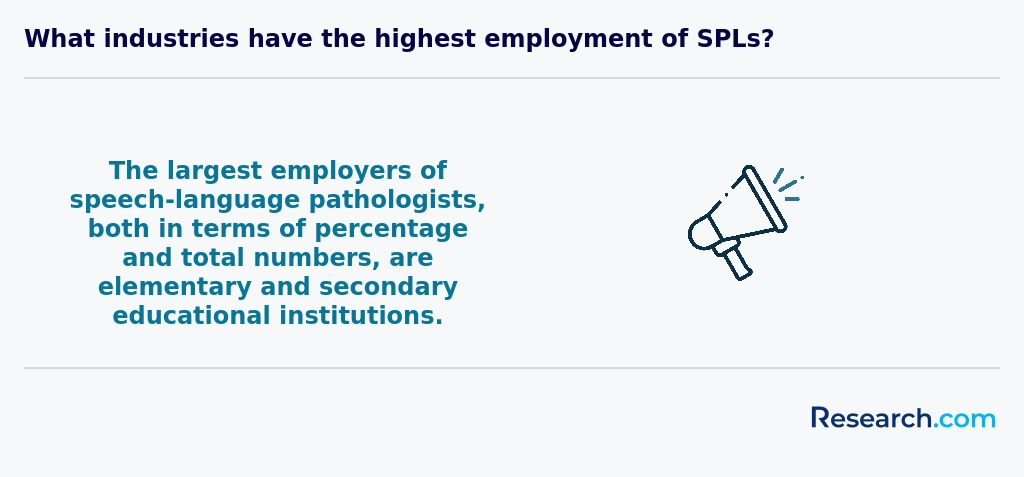
Speech pathology is changing as healthcare systems, schools, and private providers expand access to communication and swallowing services. For online master’s students in the South, the most important trend is not simply that demand is growing; it is that employers increasingly expect graduates to be comfortable with technology, interdisciplinary care, documentation, and service delivery across both in-person and remote settings.
Telehealth has become especially relevant in rural and underserved Southern communities. Remote therapy, virtual assessments, and hybrid care models can help clinicians reach clients who may not have easy access to clinics or school-based specialists. At the same time, students should understand that speech pathology remains a hands-on profession. Clinical practicum, supervision, and many licensure requirements still require in-person experience.
Technology is also reshaping assessment and treatment planning. Artificial intelligence-driven diagnostic tools and digital therapy platforms may support clinicians, but they do not replace clinical judgment, ethical decision-making, cultural competence, or the ability to build trust with clients and families. Graduates who combine technical fluency with strong interpersonal skills will be better positioned for school, healthcare, telepractice, and leadership roles.
Career planning should include more than job availability. Students should compare work settings, caseload expectations, supervision quality, salary potential, and advancement paths. Those evaluating long-term earnings can review high-paying speech pathology jobs and careers to understand how setting, specialization, and experience may influence compensation.
The strongest outlook belongs to students who choose accredited programs, plan clinical placements early, understand state licensure rules, and keep learning after graduation. In speech pathology, flexibility matters-but licensure readiness and clinical quality matter more.
What courses are typically in online speech pathology degree programs in the South?
Online speech pathology degree programs in the South typically include courses that build a strong foundation in communication sciences, such as anatomy and physiology of speech and hearing, alongside phonetics and linguistics. Graduates from well-known regional universities often share how these core subjects helped them understand the biological and acoustic elements behind speech, making real-world application in clinics feel intuitive and rewarding.
Future trends point toward expanding courses in telepractice techniques and culturally responsive care, reflecting the South's diverse communities. Students from popular Southern colleges appreciate learning about adult neurogenic communication disorders and pediatric speech development through case-based virtual simulations, creating a sense of preparedness for diverse client needs.
Courses focused on assessment and treatment of dysphagia and voice disorders remain essential. Graduates recount feeling confident entering clinical placements at local hospitals due to rigorous ethics and professional practice education embedded in their programs, which align with Southern licensure standards.
Research methods and statistics courses equip students to participate in advancing speech pathology, with graduates excited by opportunities to contribute to emerging telehealth models that are especially relevant in rural Southern areas.
What types of specializations are available in online speech pathology degree programs in the South?
Online speech pathology degrees in the South often include specializations tailored to regional needs and emerging trends in healthcare and education. Graduates from popular Southern colleges highlight pediatric speech-language pathology as a rewarding focus, where they work with children facing developmental speech challenges and language delays, especially amid the South's large young population. Another expanding area is adult speech-language pathology, which addresses communication impairments in adults impacted by stroke or neurodegenerative diseases-reflecting the region's growing elderly demographic.
Specializations such as voice disorders appeal to those passionate about helping professional voice users, while tracks in swallowing disorders and augmentative and alternative communication (AAC) prepare students for innovative rehabilitative and educational roles. The dynamic nature of online speech pathology specializations in the South encourages prospective students to explore how these fields evolve with technology and regional demand. For those concerned about costs, options like the most affordable online master's in speech pathology provided by public universities offer accessible pathways tailored to Southern states speech pathology degree options.
How do you choose the best online speech pathology degree in the South?
Choosing the best online speech pathology degree in the South involves balancing accreditation, affordability, and flexibility tailored to your lifestyle. Graduates from universities like the University of Southern Mississippi often share how CAA accreditation gave them confidence in their training quality, preparing them well for licensure and job placement. For many, affordability is key-seeking affordable online speech pathology degrees southern US means finding programs with tuition and fees that don't overwhelm their budgets while still offering strong clinical practicum support.
Flexibility is a game-changer for working professionals juggling family or careers. Online programs with asynchronous coursework allow students to engage deeply on their own schedules. Some graduates at institutions such as the University of North Carolina highlight how this flexibility enabled them to complete rigorous programs while managing job demands.
Looking ahead, students might explore best accelerated online degree programs for working adults designed to reduce time to graduation without sacrificing quality. This evolving trend offers hopeful possibilities for quicker entry into rewarding Southern speech pathology careers.
What career paths are available for online speech pathology degree students in the South?
Graduates holding an online speech pathology degree in the South find diverse pathways shaping their futures. Many pursue roles as licensed speech-language pathologists in hospitals and rehabilitation centers, especially in states like Texas and Florida, where demand is high. These professionals often share inspiring stories of helping stroke survivors regain their voices, highlighting the profound impact of their work. Others follow the public school route, becoming essential advocates for children with communication difficulties-a trend fueled by rising student populations and early intervention priorities in Southern schools.
Private practice is another appealing path, offering graduates the chance to tailor their schedules and client base while leveraging telepractice innovations accelerated by the pandemic. Some graduates from popular Southern institutions embrace research or administrative roles, pushing forward new approaches and better policies. Those considering these options can explore more about top programs with the guide to top degrees for seniors online, helping tailor their career journeys. With online speech pathology careers in the South expanding steadily, opportunities continue to grow in exciting, emerging directions.
What is the job market for online speech pathology degree in the South?
The job market for graduates with online speech pathology degrees in the South is showing strong potential, driven by expanding healthcare and education needs. Graduates from well-known Southern universities often find rewarding roles in public schools and rehab clinics, where demand for speech-language pathologists continues to rise. With median wages frequently exceeding $70,000 annually, many report feeling optimistic about their career prospects and work-life balance in states like Texas and Georgia. This positive outlook reflects the broader trend of increasing acceptance of online credentials by Southern employers, especially when paired with certifications like the CCC-SLP.
Navigating the speech pathologist employment opportunities Southern US offers often involves balancing affordability with quality education. Popular institutions in the region provide accessible online programs priced between $15,000 and $40,000, making advanced degrees more attainable. Many students leverage financial aid and scholarships to manage costs. Those interested in accelerated pathways often research options such as the fastest online master's degree programs to enter the workforce sooner, fueling their enthusiasm for a dynamic profession.
Frequently Asked Questions About speech pathology
Students pursuing online speech pathology degrees in the South can maximize their learning by actively engaging with faculty and peers through virtual discussions and study groups. The Council on Academic Accreditation requires clinical practicum hours, typically arranged locally, so selecting programs with strong regional partnerships ensures hands-on experience close to home.
Utilizing university resources such as online libraries and speech labs expands understanding beyond lectures. According to the American Speech-Language-Hearing Association, demand in Southern states like Texas and Florida is growing by over 10% annually, highlighting the importance of region-specific knowledge and networking.
Setting a structured study schedule and seeking mentorship from licensed local clinicians further enhances skills and employability.
The field of speech pathology is evolving, with several emerging niches gaining attention, especially in the Southern United States. One significant area is telepractice, which allows clinicians to provide remote therapy services-this is particularly important in rural Southern communities where access to specialists can be limited. According to the American Speech-Language-Hearing Association (ASHA), telepractice usage among speech-language pathologists grew by over 20% from 2019 to 2023.
Another growing niche is pediatric feeding and swallowing disorders. Southern clinics report increasing demand for specialists who address these challenges in infants and children.
Additionally, there is expanding interest in geriatric speech pathology due to the aging population in the South, with services targeting stroke recovery and dementia-related communication issues.
Preparing for the job market after completing an online speech pathology degree in the South involves several key steps. First, obtaining state licensure is essential, as all Southern states require certification from the American Speech-Language-Hearing Association (ASHA) along with state-specific credentials. Graduates should complete the Clinical Fellowship Year (CFY) to gain practical experience, which is mandatory before full licensure. Networking is also important; joining local chapters of professional organizations like the Southern Speech-Language-Hearing Association can provide job leads and mentorship.
In the South, demand for speech pathologists is expected to grow by about 21% through 2030, according to the U.S. Bureau of Labor Statistics, making job prospects favorable.
Building strong clinical skills and maintaining up-to-date knowledge in telepractice can enhance employability, especially given the region's increasing use of remote therapy services.
Employers in the South prioritize several key skills when hiring speech pathology graduates. Strong communication abilities, both verbal and written, are essential for effective patient interaction and collaboration with healthcare teams. Clinical competence, demonstrated through hands-on experience, remains a crucial hiring factor. According to the American Speech-Language-Hearing Association (ASHA), Southern states show growing demand for professionals skilled in pediatric and geriatric care due to demographic trends.
Additionally, employers value cultural sensitivity and adaptability to diverse populations, reflecting the region's varied communities. Proficiency in telepractice is increasingly important, especially for remote or underserved areas.
Analytical skills and attention to detail are vital for accurate diagnosis and individualized treatment planning.
Finding internships as a speech pathology student in the South involves proactive research and networking within the region's healthcare and educational settings. Accredited programs often require clinical placements, which can be arranged through university partnerships with local hospitals, schools, and rehabilitation centers.
Students should explore opportunities with organizations such as the American Speech-Language-Hearing Association (ASHA), which provides resources tailored to Southern states. According to ASHA, states like Texas, Florida, and Georgia have growing demand for speech pathologists, potentially increasing internship availability.
Contacting state departments of education and health can also help identify openings, especially in underserved rural areas where internships are often supported.
Leveraging online job boards focusing on healthcare internships within Southern metropolitan areas improves placement chances, alongside direct outreach to clinics specializing in speech therapy.
An online speech pathology degree offers significant career mobility and advancement opportunities for professionals in the Southern United States. Many Southern states, including Texas and Georgia, report growing demand for speech-language pathologists (SLPs) due to expanding healthcare and educational services, according to the U.S. Bureau of Labor Statistics. An accredited online master's program meets state licensure requirements, essential for practicing legally and advancing to higher roles.
Online degrees provide flexibility for current professionals seeking certification or specialization without relocating. This flexibility is critical in the South, where rural areas often face shortages of qualified SLPs. Graduates can pursue diverse roles in schools, hospitals, and private practice, improving access to care and career prospects.
Online speech pathology degrees in the South often emphasize interdisciplinary collaboration, preparing students to work effectively with professionals across healthcare, education, and social services. Coursework includes joint case studies and communication strategies with fields like occupational therapy, nursing, and special education. This training aligns with the growing demand in Southern states, where healthcare systems increasingly rely on team-based approaches.
According to the American Speech-Language-Hearing Association, Southern graduates often engage in roles that require coordinating with multidisciplinary teams, especially in public schools and rehabilitation centers. Universities in the region incorporate clinical practicum settings involving collaborative care, enhancing practical skills.
This interdisciplinary focus equips graduates to address complex patient needs holistically, improving outcomes in diverse environments.
When choosing between a thesis and a non-thesis speech pathology degree program in the South, consider your career goals and learning preferences. Thesis programs typically involve conducting original research and writing a substantial paper, which is ideal for students interested in doctoral study or academic careers.
Non-thesis programs focus more on practical skills and clinical training, making them suitable for students aiming to enter the workforce quickly as licensed speech-language pathologists. According to the American Speech-Language-Hearing Association (ASHA), Southern states show consistent demand for clinically ready practitioners due to aging populations and expanding healthcare services.
Online programs in the South vary in structure, so verify if the program's format aligns with your professional timeline and interest in research, as thesis options may require more time and faculty mentorship compared to non-thesis paths.
Students based in the South interested in studying speech pathology abroad face limited direct options due to accreditation and licensure requirements within the United States. Most U.S. states, including southern states, require that speech pathology degrees be accredited by the Council on Academic Accreditation in Audiology and Speech-Language Pathology (CAA). This makes fully online foreign degrees less commonly accepted for certification.
However, some southern students consider international programs that offer clinical experience or study abroad components in partnership with U.S. universities. These programs may supplement a U.S.-based degree but often do not replace it entirely.
According to the American Speech-Language-Hearing Association (ASHA), over 30% of speech pathology master's degrees awarded in the South are from online or hybrid programs fully based in the U.S., which remain the most straightforward paths to licensure.
Students pursuing online speech pathology degrees in the South can benefit from part-time jobs that offer relevant experience. Working as a speech therapy aide or assistant in schools or clinics provides hands-on practice with communication disorders. According to the American Speech-Language-Hearing Association (ASHA), many Southern states have growing demand for speech pathology services, especially in public school settings.
Positions in early childhood education centers or rehabilitation facilities also complement academic learning. These roles allow students to observe therapy techniques and assist licensed professionals.
Additionally, tutoring services focusing on language development or special education can enhance skills in assessment and patient interaction.
Online speech pathology students in the South benefit from a variety of networking opportunities designed to connect them with professionals and peers. Many Southern universities offering online programs provide virtual events, such as webinars and career fairs, that allow students to engage directly with faculty and licensed speech-language pathologists.
Regional organizations like the American Speech-Language-Hearing Association's (ASHA) Southeastern affiliate host conferences and local meetups, helping students build professional contacts. Additionally, Southern states often require clinical placements, partnering with local hospitals and schools, which serve as vital networking platforms.
These opportunities are crucial because, according to ASHA, over 40% of practicing speech-language pathologists in the South found jobs through professional connections. Such regional focus ensures students gain context-specific contacts and insights into Southern job markets.
Alumni networks play a vital role for students pursuing online speech pathology degrees in the South. These networks offer valuable connections with professionals who understand the unique regional demands in states such as Georgia, Texas, and Florida. According to the American Speech-Language-Hearing Association (ASHA), Southern states are experiencing steady demand for speech pathologists, making a strong network essential for job placement.
Students benefit from mentorship opportunities that guide them through certification and licensure, especially given state-specific requirements. Alumni networks also provide access to job boards and local employers focused on speech therapy services in schools and healthcare.
In addition, networking events and webinars help students stay current with advances in telepractice, which is growing rapidly in the Southern healthcare market. These resources improve both professional development and employment prospects after graduation.
Many online speech pathology degree programs in the South offer customizable options to align with your career goals. You can often choose elective courses focused on areas like pediatric speech therapy, fluency disorders, or cognitive-communication. Some programs allow you to select practicum placements nearby to gain hands-on experience in preferred settings such as schools or hospitals.
The Southern region has a high demand for speech pathologists due to population growth and aging communities, according to the Bureau of Labor Statistics. Selecting specialization tracks can enhance your job prospects in local markets.
Additionally, accredited programs often provide flexible pacing and opportunities for research or clinical leadership, helping you build specific skills needed for leadership or advanced clinical roles.
Online speech pathology students in the South often face several challenges that can impact their educational experience. One major challenge is securing clinical practicum sites, as rural areas in the South may have fewer healthcare facilities equipped for student placements. According to the American Speech-Language-Hearing Association (ASHA), Southern states report a higher need for qualified speech pathologists, which can strain available resources.
Additionally, limited reliable high-speed internet access in parts of the South affects students' ability to engage fully in synchronous online coursework. The Federal Communications Commission (FCC) notes that some rural Southern regions still lag behind national broadband averages.
Time management also poses difficulties, as many students balance work, family, and studies. Online formats require self-discipline and motivation, which can be challenging without in-person support networks common on campus.
Graduates with an online speech pathology degree can pursue key professional certifications critical for career advancement. The most recognized credential is the Certificate of Clinical Competence in Speech-Language Pathology (CCC-SLP) offered by the American Speech-Language-Hearing Association (ASHA). This certification is essential for many clinical and educational roles across the United States.
In the South, clinicians holding the CCC-SLP are eligible for state licensure, which is mandatory to practice. Licensing requirements vary by state, but typically include passing the Praxis exam in Speech-Language Pathology and completing a supervised clinical fellowship.
Additionally, some states offer specialty certifications in areas such as pediatric speech therapy or fluency disorders. These credentials can enhance job prospects in hospitals, schools, or private practice. Sources like ASHA and Southern Speech-Language Hearing Association provide up-to-date licensure information specific to Southern states.
Writing a winning application for an online speech pathology program in the South starts with showcasing your academic background and relevant experience clearly. Most programs require a bachelor's degree in communication sciences or a related field, so highlight strong coursework and any clinical exposure. According to the American Speech-Language-Hearing Association (ASHA), over 35% of clinical fellowship completions in the Southern US were by applicants with diverse experiences, making practical experience critical.
Strong letters of recommendation from faculty or supervisors who know your work ethic and communication skills can set you apart. Also, a concise, focused personal statement explaining your passion for speech pathology and your career goals in the South, including local workforce needs, enhances your application.
Speech pathology is a growing field with strong demand in the United States and continues to attract interest globally. In the South, programs accredited by the Council on Academic Accreditation in Audiology and Speech-Language Pathology (CAA) ensure that graduates meet high professional standards recognized worldwide.
Globally, speech pathologists work in diverse settings, from schools to hospitals, helping individuals with communication disorders. The U.S. Bureau of Labor Statistics projects a 21% job growth rate for speech-language pathologists through 2031, much higher than the national average. Southern states show considerable growth due to aging populations and expanded healthcare services.
International collaboration and telepractice have also broadened career opportunities. Online degrees from Southern institutions allow students to align with global standards while addressing local community needs.
Gaining practical experience is essential when pursuing an online speech pathology degree in the South. Most accredited programs require students to complete Clinical Fellowship Experiences (CFEs) or practicum hours under licensed supervisors. These placements often occur at local hospitals, schools, or rehabilitation centers.
Southern states such as Texas and Florida have extensive networks of healthcare facilities partnering with universities, providing ample student opportunities. According to the American Speech-Language-Hearing Association (ASHA), students must complete a minimum of 400 supervised clinical hours for certification.
Many programs assist online students in securing local placements, ensuring they meet licensure requirements while studying remotely. This hands-on training bridges academic learning with real-world skills.
When choosing a concentration within an online speech pathology degree program in the South, consider your career goals first. Popular focuses include pediatric speech disorders, adult neurogenic communication disorders, and voice therapy. Each concentration prepares students for different populations and work settings.
Research regional demand as well-states like Texas and Georgia report rising needs for pediatric speech therapists in schools, according to the Bureau of Labor Statistics (2023). These trends may influence your choice if you want strong job prospects locally.
Check if your program offers clinical practicum opportunities aligned with your chosen concentration, since hands-on experience is essential for licensing by the American Speech-Language-Hearing Association (ASHA).
Also, confirm that your program meets South state licensure requirements and prepares you for the Certificate of Clinical Competence (CCC) credential, which most employers prefer.
Top Trending Speech Pathology Rankings
See What Experts Have To Say About Studying Speech Pathology
Read our interview with Speech Pathology experts

References
- How to Become a Speech Language Pathologist (SLP): Your Career Guide | GHR Education https://www.ghreducation.com/blog/become-speech-language-pathologist
- Speech pathologists: do you hate networking? Me too. But let's do it anyway | Speechies in Business https://speechiesinbusiness.com/business-tips/speech-pathologists-do-you-hate-networking-me-too-but-lets-do-it-anyway/
- How To Choose an SLP Program: Seven Factors To Consider https://www.usa.edu/blog/how-to-choose-a-slp-program/
- South Carolina Speech Pathology Degrees https://www.speechpathologydegrees.com/st/south-carolina
- Speech Language Pathology in 2026: Trends Clinicians Need to Watch - Lighthouse Therapy https://lighthouse-therapy.com/speech-language-pathology-in-2026-trends-clinicians-need-to-watch/
- Finding your niche in private practice - Dysphagia Cafe https://dysphagiacafe.com/finding-your-niche-in-private-practice/
- Top Careers in Speech and Language Pathology: A Guide https://www.growwithcoral.com/blog/top-careers-in-speech-and-language-pathology-a-comprehensive-guide
- 6 Exciting Career Goals for Speech Pathologists https://www.speechease.net.au/our-voice/career-goals-for-speech-pathologists/
- 12+ Speech-Language Pathology Certification Programs https://onlinespeechpathologyprograms.org/slp-certifications/
- Guide to Applying to Speech Pathology School https://speechpathologymastersprograms.com/become-speech-pathologist/how-to-get-into-speech-pathology-school/