2027 Most Popular Social Work Degree Programs Ranking in South Carolina

Co-Founder and Chief Data Scientist
Choosing the right social work degree program is a key step toward a rewarding career helping others in South Carolina. To support you in this journey, this article presents the 2027 Most Popular Social Work Degree Programs Ranking in South Carolina created by the Research.com team of data scientists.
By exploring this ranking, you'll gain valuable insights into top programs that fit your goals and interests. A social work degree opens many doors for making a positive impact, and this guide helps you focus on quality options worth considering.
Key benefits of getting social work degree in South Carolina
- Salary for social work degree graduates: Graduates can earn competitive wages, with Social Workers making around $68,800 annually and Youth Workers earning about $83,400 per year in South Carolina.
- Potential career paths: A social work degree opens doors to roles like Child Welfare Specialist, Residential Counselor, or Community Organizer, offering diverse opportunities to make a positive impact.
- Benefits of online degrees: Earning a social work degree online offers flexible schedules and the ability to balance studies with personal life, ideal for busy South Carolina students seeking convenience.
- Key benefits of getting social work degree in South Carolina
- What can I expect from social work degree in South Carolina?
- Where can I work with social work degree in South Carolina?
- How much can I make with social work degree in South Carolina?
- 2027 Most Popular Social Work Degree Programs Ranking in South Carolina
- Key Findings
- How long does it take to complete social work degree in South Carolina?
- Common Challenges and Solutions for Social Work Students in South Carolina
- What's the difference between online and on-campus social work degree?
- Licensing and Certification in South Carolina
- What is the average cost of social work degree in South Carolina?
- Advancing Your Career with a Doctorate in Social Work
- What financial aid is available to social work degree students in South Carolina?
- Considering Affordability in Social Work Education
- What are the prerequisites for enrolling in social work degree program in South Carolina?
- Licensing Requirements and Certification Pathways in South Carolina
- What courses are typically in social work degree programs in South Carolina?
- What types of specializations are available in social work degree programs in South Carolina?
- How do you choose the best social work degree in South Carolina?
- What career paths are available for social work degree students in South Carolina?
- What is the job market for social work degree in South Carolina?
- Related Social Work Rankings for Nearby States
- Top Trending Social Work Rankings
- See What Experts Have To Say About Studying Social Work
What can I expect from social work degree in South Carolina?
The average cost of a social work degree in South Carolina varies depending on whether you attend a public or private institution, but many students at well-known universities such as the University of South Carolina or Clemson University report tuition ranging from approximately $8,000 to $15,000 per year for in-state residents. Graduates often share that the financial investment feels manageable, especially when factoring in scholarships and state grants designed to ease the burden.
Several social work students describe how in-state tuition benefits create a welcoming environment where they can focus on field education rather than worrying about excessive debt. For example, a graduate from a popular college recalls balancing part-time work with an internship at a local nonprofit, appreciating how affordable tuition allowed more time for meaningful hands-on experiences.
Looking ahead, the trend toward hybrid learning and state-supported financial aid might reduce costs further, enabling even more future social workers in South Carolina to access quality education that prepares them to serve communities in need.
Where can I work with social work degree in South Carolina?
Graduates with a social work degree in South Carolina often find themselves drawn to public social service agencies, such as roles within the South Carolina Department of Social Services. These positions allow them to make a direct impact on children, families, and vulnerable adults, offering meaningful and rewarding career experiences. Many students from the University of South Carolina share how their internships in child welfare deepen their connection to the community and build lasting professional relationships.
Healthcare settings like hospitals and mental health clinics are increasingly vital employers of social workers. Graduates from colleges like Clemson University highlight emerging opportunities in patient advocacy and discharge planning as part of South Carolina's expanding medical social work field. The fast growth of these roles promises a dynamic, evolving career.
School social work is gaining momentum too, with graduates from institutions such as Coastal Carolina University describing their roles in supporting student mental health and creating positive learning environments as both challenging and fulfilling. Meanwhile, nonprofits and correctional facilities offer paths focused on advocacy, rehabilitation, and community outreach, reflecting the degree's adaptability.
With projected job growth exceeding national averages, South Carolina students can confidently pursue diverse paths, anticipating exciting and impactful careers in evolving social work landscapes.
How much can I make with social work degree in South Carolina?
Graduates from social work programs at universities like the University of South Carolina often find themselves stepping into roles with promising salary prospects. For example, entry-level social workers in South Carolina can expect to earn around $35,000 to $40,000 annually, but data shows that typical social workers make closer to a mean annual wage of $68,800, reflecting growth opportunities as experience builds.
More specialized roles, such as Child Welfare Specialists or Residential Counselors, both averaging $59,190 per year, provide stable and fulfilling career paths that many graduates from colleges like Clemson University pursue with enthusiasm. Meanwhile, positions like Community Organizer or Youth Worker offer even higher mean wages, near $83,400 annually, showing that social work graduates with strong community engagement skills can excel financially.
As many graduates recall, completing a Master of Social Work and obtaining licensure in South Carolina can significantly increase earning potential, unlocking roles that pay between $50,000 and $65,000 or more. These opportunities create an exciting future where dedication to social services aligns with rewarding compensation and personal fulfillment.
2027 Most Popular Social Work Degree Programs Ranking in South Carolina
How do we rank schools?
Investing in your education is a significant decision that shapes your career and future, and the Research.com team recognizes the importance of making well-informed choices. To support prospective students, we have carefully developed the "2027 Most Popular Social Work Degree Programs Ranking in South Carolina." Our dedication to quality, credibility, and accuracy is evident in the thorough research and analysis behind this ranking. We utilized the following reputable data sources to ensure a comprehensive evaluation of social work programs:
By exploring this ranking, readers will gain valuable insights into the most popular social work degree programs in South Carolina, empowering them to make confident and informed educational choices. For more details on our methodology, please visit our Research.com methodology page.


Key Findings
- South Carolina offers social work degrees at community colleges, universities, and online, with common degrees including Associate of Science, Bachelor of Social Work (BSW), and Master of Social Work (MSW).
- Tuition for a bachelor's degree at public universities ranges from $10,000 to $15,000 per year for in-state students, while private schools charge $25,000 to $35,000 annually.
- Community colleges charge around $4,000 to $6,000 per year for in-state students seeking an associate degree.
- There are about 6,500 social workers employed in South Carolina, with job growth expected to match the national average.
- Starting salaries for bachelor's degree holders average around $40,000 yearly, while experienced MSW graduates can earn between $50,000 and $60,000 per year.
- Licensure in South Carolina requires an MSW degree and passing a national exam for LMSW or LCSW credentials, allowing clinical practice and independent work.
How long does it take to complete social work degree in South Carolina?
Completing a social work degree in South Carolina typically takes around four years for a Bachelor of Social Work (BSW) when studying full-time at institutions like the University of South Carolina or Clemson University. Many graduates recall the rewarding challenge of balancing coursework with field placements, gaining hands-on experience that truly deepened their passion for helping others.
For those pursuing a Master of Social Work (MSW), the timeline often spans two years full-time. Yet, some students at colleges such as Winthrop University have found accelerated one-year programs immensely motivating, allowing them to swiftly transition into their careers. Part-time options, popular among working professionals, offer greater flexibility but can extend completion to three or more years, accommodating individual life circumstances.
Many graduates appreciate how South Carolina's accredited programs integrate supervised fieldwork, which not only fulfills licensure requirements but also creates meaningful connections within local communities-bridging theory with practice in impactful ways.
Looking ahead, emerging online and hybrid models at these universities suggest that completion times may become more adaptable, empowering future social workers in South Carolina to tailor their study pace without compromising quality.
Common Challenges and Solutions for Social Work Students in South Carolina
Social work students in South Carolina often face three overlapping challenges: demanding coursework, field practicum requirements, and financial pressure. The work can be meaningful, but the schedule can be intense, especially for students balancing employment, family responsibilities, and internship hours.
Managing coursework and fieldwork
Social work programs require students to connect theory with practice. That means papers, policy analysis, case studies, group projects, and supervised field experiences may happen at the same time. Students can reduce stress by mapping deadlines at the start of each term, building weekly study blocks, and communicating early with field supervisors when conflicts arise.
- Break major assignments into weekly milestones instead of waiting for final deadlines.
- Use one calendar for classes, work, field placement, advising, and exam dates.
- Keep regular contact with academic advisors and field liaisons.
- Document practicum hours carefully so graduation or licensure steps are not delayed.
Reducing financial pressure
Cost is a common concern, particularly when practicum schedules limit paid work. Some students compare schools that offer affordable social work degrees online to reduce commuting costs or create a schedule that better fits employment. Students should also complete financial aid forms early, track scholarship deadlines, and ask whether the department offers stipends, assistantships, or paid placement opportunities.
Protecting emotional well-being
Field placements can expose students to trauma, poverty, family instability, substance abuse, and mental health crises. Strong boundaries and support systems are essential. Peer groups, campus counseling, debriefing with supervisors, and student chapters of professional organizations such as the National Association of Social Workers can help students process difficult experiences without becoming overwhelmed.
What's the difference between online and on-campus social work degree?
Online and on-campus social work degree programs in South Carolina differ primarily in their delivery and student experience. Graduates from the University of South Carolina often recall the structured pace and community feel of on-campus classes, where immediate feedback from professors and peer discussions enrich learning. In contrast, those who completed online programs appreciated the flexibility to balance work or family, using video lectures and virtual forums, yet they emphasize the discipline required to stay on track.
Both formats ensure field internships locally, so students gain hands-on experience within South Carolina's communities. Clemson University's on-campus students frequently mention how direct access to nearby agencies helps build professional connections early. Online learners sometimes travel to these sites, which adds a layer of real-world engagement beyond the screen.
Looking ahead, hybrid models might blend these strengths, offering more dynamic schedules while preserving face-to-face mentorship. Social work students in South Carolina are poised to benefit from evolving technologies that make learning more interactive without sacrificing personal connection.
Licensing and Certification in South Carolina
To practice social work in South Carolina, students and graduates must follow the licensure process set by the Board of Social Work Examiners. Because rules can affect employment options, clinical authority, and renewal obligations, prospective students should verify current requirements before enrolling and again before applying for a license.
- Earn a CSWE-accredited BSW to sit for the Licensed Bachelor Social Worker (LBSW) exam.
- Complete a CSWE-accredited MSW to qualify for the Licensed Master Social Worker (LMSW) exam; students who need flexibility may consider an online msw.
- Accumulate supervised fieldwork: 1,500 hours for LMSW eligibility; an additional 3,000 hours post-LMSW for Licensed Clinical Social Worker (LCSW) status.
- Pass the appropriate ASWB exam at each licensure level, including Bachelors, Masters, and Clinical.
- Renew your license every two years by completing 30 hours of approved continuing education, including ethics and cultural competency.
The safest approach is to choose a CSWE-accredited program, keep detailed records of field and supervised hours, prepare early for the ASWB exam, and maintain continuing education documentation after licensure.
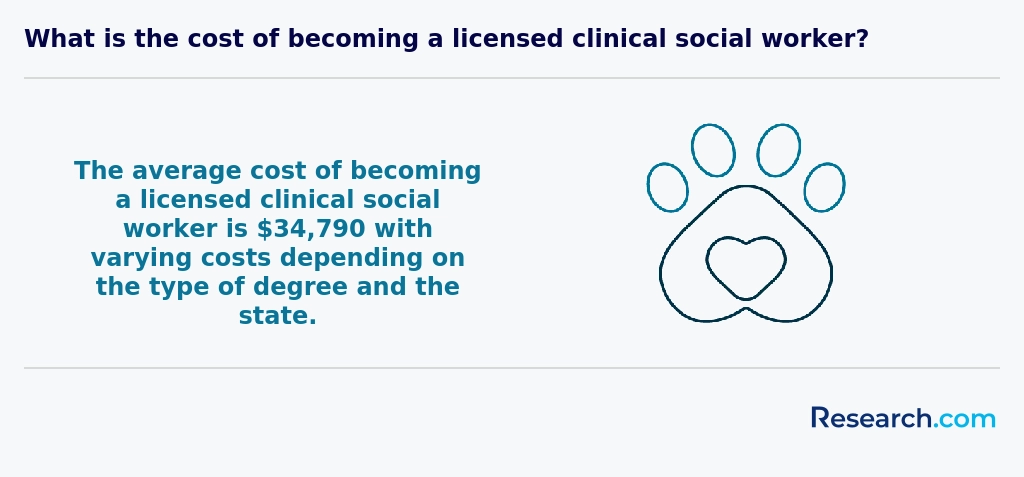
What is the average cost of social work degree in South Carolina?
The average cost of a social work degree in South Carolina hovers around $40,558 total, with in-state students paying significantly less-about $14,678 on average. Many graduates from public universities like the University of South Carolina and Clemson University reflect positively on their investment, sharing how the affordable in-state tuition allowed them to focus more on immersive field experiences and community engagement, which enriched their learning and professional growth. This sense of value often sparks optimism about pursuing advanced degrees without overwhelming financial burden.
Students pursuing social work degrees in South Carolina often find tuition and fees manageable compared to national averages, fostering hope that their education will not be a lifelong financial strain. With the social work degree tuition and fees South Carolina-specific numbers in mind, many report feeling empowered to overcome challenges and dedicate themselves to impactful careers. Future trends suggest that financial aid and scholarships may expand, easing costs further and increasing accessibility for diverse students.
Emerging opportunities at private institutions, although typically priced higher, sometimes come with targeted scholarships that aim to support social work students in pursuing their passion. Exploring options on the most affordable social work programs in south carolina can guide prospective students towards schools offering the best combination of quality and cost. These developments inspire hopeful conversations about making social work education widely achievable within South Carolina's vibrant academic community.
Advancing Your Career with a Doctorate in Social Work
A doctorate in social work is usually best suited for experienced professionals who want to move beyond direct service into advanced leadership, teaching, research, policy, administration, or high-level clinical specialization. It is not always necessary for social work practice, so prospective students should be clear about the return they expect from the degree before enrolling.
When comparing doctoral options, focus on accreditation expectations, faculty expertise, dissertation or capstone requirements, research alignment, clinical relevance, and schedule flexibility. Working professionals may find an online doctorate of social work useful because it can make advanced study more manageable while continuing employment. However, online format alone should not drive the decision; the program should also offer strong advising, rigorous research support, and a curriculum that matches your career goals.
- Choose a doctorate if your goal is leadership or scholarship: it can support roles in academia, policy-making, consultancy, and organizational strategy.
- Review faculty fit: doctoral study depends heavily on mentorship and research alignment.
- Clarify practice outcomes: a doctorate may deepen expertise, but licensure still depends on state requirements and prior social work education.
- Plan for time and workload: doctoral programs require sustained writing, research, and independent study.
What financial aid is available to social work degree students in South Carolina?
Social work students in South Carolina often find relief through a blend of federal, state, and institutional aid that makes pursuing their degrees more attainable. Graduates from universities like the University of South Carolina frequently share how Pell Grants and federal loans with flexible repayment options eased their financial burden early on, allowing them to focus on demanding coursework and fieldwork.
State merit scholarships such as the HOPE and LIFE Scholarships offer crucial tuition reduction for students maintaining academic excellence at South Carolina institutions. One graduate recalled how these awards created a tangible sense of support, motivating perseverance through challenging terms.
Many social work programs increasingly emphasize work-study and paid internships, providing hands-on experience alongside financial assistance-turning classroom theory into real-world impact. South Carolina's participation in the Public Service Loan Forgiveness program also gives hopeful graduates a promising path to manage debt while dedicating years to community service roles.
Looking ahead, the growing engagement of nonprofit organizations and professional bodies like the NASW suggests expanded scholarship offerings, making social work education in South Carolina more accessible and rewarding for future cohorts.
Considering Affordability in Social Work Education
Affordability should be one of the first filters when comparing social work programs in South Carolina. Tuition is only part of the cost. Students also need to plan for fees, books, transportation to field placements, licensure exam expenses, and possible reduced work hours during internships. A program that appears affordable on paper may become difficult to manage if practicum requirements conflict with employment or commuting costs are high.
Start by comparing in-state tuition, institutional scholarships, field placement locations, and whether the program offers part-time or online scheduling. Students who want to reduce borrowing should also review Research.com’s guide to the most affordable social work programs in south carolina. That comparison can help identify programs that balance cost with the academic and field education requirements needed for social work careers.
- Check total cost, not just tuition: include fees, transportation, books, technology, and exam costs.
- Ask about field placement flexibility: placements can affect your work schedule and travel expenses.
- Compare aid before committing: grants, scholarships, assistantships, and work-study can change the real cost significantly.
- Confirm accreditation: affordability matters only if the degree supports your intended licensure pathway.
What are the prerequisites for enrolling in social work degree program in South Carolina?
Enrolling in social work degree programs in South Carolina typically involves meeting solid academic and experiential prerequisites that align with both state and national standards. Graduates from universities like the University of South Carolina often share how maintaining a GPA above 3.0 and completing prerequisite courses in psychology or sociology helped ease their transition into more advanced social work studies. Many undergraduate hopefuls find that having a high school diploma plus some volunteer experience, such as working at community centers or local nonprofits in Charleston or Greenville, adds invaluable perspective and strengthens their applications.
Future students might soon see evolving requirements emphasizing interdisciplinary skills-imagine combining traditional social work with data analytics or digital communication courses, reflecting emerging trends at colleges such as Clemson University. Letters of recommendation and personal statements remain crucial, enabling applicants to convey the passion behind their choice to serve vulnerable populations, which resonates deeply with admissions teams.
Experienced graduates often describe how early hands-on involvement in social programs created lasting motivation, transforming academic prerequisites into meaningful personal journeys. This blend of academic readiness and real-world empathy appears poised to shape the next generation of South Carolina's social workers.
Licensing Requirements and Certification Pathways in South Carolina
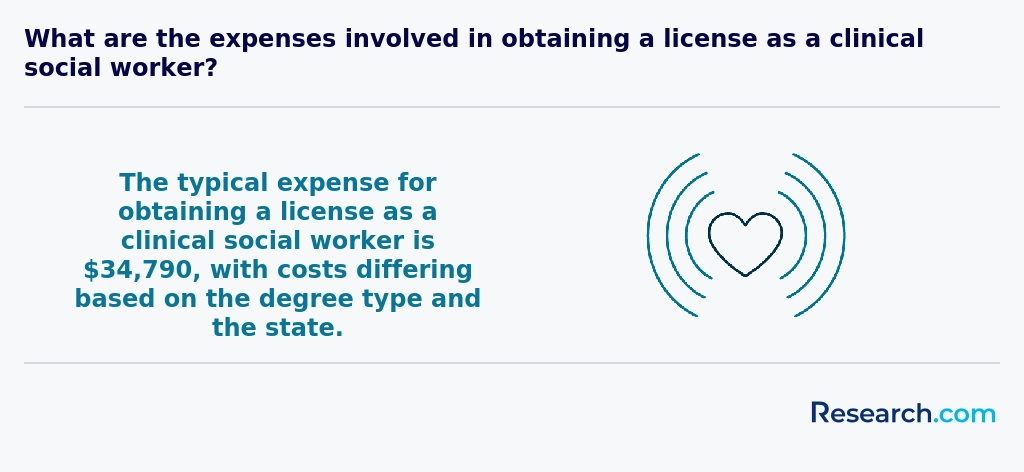
Social work licensure in South Carolina generally requires an accredited education, an application to the South Carolina Board of Social Work Examiners, successful completion of the appropriate Association of Social Work Boards (ASWB) exam, and supervised experience when required for the license level. Students should confirm that their program is accredited by the Council on Social Work Education (CSWE), because CSWE accreditation is central to the licensure process.
Cost-conscious students comparing accredited options can also review Research.com’s Affordable Social Work Degree Programs Ranking in South Carolina while checking each school’s licensure preparation, field placement support, and exam guidance.
Common licensing pathway
- Licensed Bachelor Social Worker (LBSW): Students typically begin with a CSWE-accredited BSW, submit required transcripts, apply through the South Carolina Board of Social Work Examiners, and pass the ASWB Bachelor’s exam. No additional supervised hours are required beyond the field practicum, making the exam and board approval key final steps for entry-level practice.
- Licensed Master Social Worker (LMSW): Students complete an MSW from a CSWE-accredited program and become eligible for the ASWB Master’s exam. This credential can support more advanced roles and may be part of the pathway toward clinical licensure.
- Licensed Clinical Social Worker (LCSW): South Carolina mandates 3,000 hours of post-degree supervised clinical work, with a minimum 2 years, under an LCSW supervisor. After completing these hours and passing the ASWB Clinical exam, graduates can earn the LCSW license, which grants authority to diagnose, treat, and bill for clinical services.
License renewal also matters. Both LBSW and LCSW licensees must renew biennially and complete at least 30 hours of continuing education from approved providers, including ethics, cultural competence, and clinical best practices. Professionals moving into South Carolina should verify reciprocity requirements, out-of-state license documentation, continuing education records, and any required state jurisprudence exam.
What courses are typically in social work degree programs in South Carolina?
Social work degree programs in South Carolina typically offer courses that blend theory with real-world application, which students at popular institutions like the University of South Carolina and Coastal Carolina University find deeply rewarding. Courses such as Human Behavior in the Social Environment help graduates understand complex social dynamics, preparing them to support families and communities with empathy and insight.
Many students describe their experiences in Social Work Practice classes as transformative, where learning intervention techniques feels immediately applicable, whether working with youth facing challenges or elderly clients navigating healthcare systems. This hands-on approach often continues into the Field Practicum, a requirement where students spend 400 to 900 hours in agencies, further solidifying skills in ethical decision-making and cultural competence.
Emerging trends suggest future courses will increasingly integrate technology and data analytics, building on Research Methods and Statistics to evaluate program outcomes more effectively. Graduates express enthusiasm about these innovations, imagining how they will enhance social justice efforts and tailor services to South Carolina's diverse populations.
What types of specializations are available in social work degree programs in South Carolina?
Graduates of social work programs in South Carolina often highlight the diversity of specializations available within their degrees, reflecting the state's evolving social landscape. Clinical social work remains a cornerstone, with many students from institutions like the University of South Carolina expressing fulfillment in providing mental health therapy to individuals and families. These graduates appreciate the direct impact they have, especially as clinical licensure (LCSW) opens doors to crucial roles addressing trauma and addiction.
Another significant specialization that resonates with students involves child and family social work, particularly given South Carolina's active child welfare system. Those studying at Clemson University frequently share stories of working closely with protective services, which cultivates a profound sense of purpose. Adding to these, health and medical social work is gaining momentum due to the state's rural health challenges and aging population, an area where graduates feel their expertise truly meets a growing need.
Exploring social work specializations in South Carolina also reveals emerging trends like community organization and policy advocacy, empowering graduates to influence systemic change. Many who choose school social work enjoy supporting youth in educational settings, a vital role as social-emotional learning expands. For those considering further advancement, an online doctorate of social work presents future opportunities to deepen expertise while balancing life commitments.
How do you choose the best social work degree in South Carolina?
Choosing the best social work degree in South Carolina means looking beyond just the campus and considering how a program's curriculum connects with real community needs. Graduates from universities like the University of South Carolina often mention how their hands-on fieldwork with local health agencies prepared them emotionally and practically for demanding roles in healthcare or mental health. Such experiences create meaningful professional networks and deepen a student's sense of purpose. As social service demands evolve, programs offering specialized tracks in child welfare or substance abuse become more attractive, aligning closely with the state's growing needs.
Affordability also plays a big role for many students, especially those balancing jobs or family. South Carolina residents can explore schools that offer affordable social work degrees online, which provide flexibility while maintaining accredited standards. These options open doors for students looking to advance their careers without sacrificing income or personal obligations.
In essence, the best program balances strong fieldwork, tailored curriculum, and accessible formats-a mix that prepares you to thrive in South Carolina's changing social work landscape.
What career paths are available for social work degree students in South Carolina?
Graduates from social work programs in South Carolina find a variety of rewarding career paths, from healthcare to community advocacy. Many start as licensed social workers in local hospitals or mental health clinics, helping patients navigate complex treatment and emotional struggles. Social work students at universities like the University of South Carolina share how these roles provide daily fulfillment through tangible impacts on patient recovery.
Others pursue child welfare and family services, partnering with state agencies to support vulnerable children and foster families. The steady demand shown in the job outlook for social work degrees in South Carolina encourages graduates from popular colleges such as Clemson University and Coastal Carolina University to feel hopeful about future stability. Their experiences often highlight the deep emotional rewards of protecting at-risk youth.
Career opportunities increasingly span community organization and nonprofit leadership, focusing on homelessness or addiction challenges. South Carolina social work grads express excitement about innovating solutions tailored to local needs. Educational settings also offer paths as school social workers, helping students thrive despite social or emotional hurdles. Prospective students can explore affordable options through the Affordable Social Work Degree Programs Ranking in South Carolina and imagine their role in transforming lives.
What is the job market for social work degree in South Carolina?
Graduates with a social work degree in South Carolina find themselves entering a job market rich with opportunity and growth potential. As healthcare and community needs expand statewide, social workers from universities such as the University of South Carolina and Clemson University report rewarding roles in hospitals, schools, and nonprofit organizations. These positions often involve helping diverse populations, including families in crisis or veterans adjusting to civilian life, creating a deep sense of fulfillment.
The South Carolina social work career opportunities reflect a broader national upswing, with demand increasing by 12%. Recent graduates feel hopeful about their futures, especially those who have pursued licensure after completing accredited Master of Social Work programs. Many have found that investing in their education through an accelerated online bachelor's degree option accelerates their entry into this dynamic field.
Stories from alumni emphasize the value of practical experience gained through internships partnered with state agencies, which boost confidence and employability. This hands-on approach, combined with rising wage potentials, makes the social work job outlook South Carolina particularly promising for new professionals eager to make a meaningful impact.
Frequently Asked Questions About social work
Social work degree students in South Carolina can maximize their learning by engaging in hands-on fieldwork, which is required by the Council on Social Work Education (CSWE) for accreditation. This practical experience allows students to apply classroom knowledge in real-world settings, such as hospitals, schools, or community agencies. South Carolina offers many internship opportunities through partnerships with local organizations and the Department of Social Services.
Additionally, students should take advantage of networking events and local social work associations, like the South Carolina Chapter of the National Association of Social Workers (NASW). These connections can provide mentors and career guidance.
Finally, staying informed about state-specific laws and social issues, including poverty and healthcare disparities in South Carolina, strengthens a student's professional readiness. The South Carolina Department of Social Services regularly publishes relevant data that can enrich academic understanding.
Emerging niches in social work are responding to evolving community needs and policy changes in South Carolina. One growing area is geriatric social work, driven by the state's increasing aging population. According to the U.S. Census Bureau, South Carolina's population aged 65 and older is projected to rise substantially by 2030, creating demand for specialists addressing elder care.
Another expanding field is behavioral health social work, especially in rural areas where access to mental health services remains limited. The South Carolina Department of Mental Health notes a shortage of providers, highlighting opportunities for social workers skilled in substance use and mental health support.
Additionally, school social work is gaining importance as districts address student mental wellness. The South Carolina Department of Education reports a rise in funding for school social workers, reflecting statewide focus on child advocacy and crisis intervention.
After completing a social work degree in South Carolina, preparing for the job market involves strategic steps to ensure employment success. Graduates should consider obtaining their Licensed Bachelor Social Worker (LBSW) or Licensed Master Social Worker (LMSW) credentials, as these are often required for clinical and community positions. According to the South Carolina Board of Social Work Examiners, licensure increases job opportunities and earning potential.
Networking is essential-connecting with local agencies and attending state social work conferences can provide valuable contacts. South Carolina's Department of Social Services and nonprofit organizations frequently hire social workers, making internships during studies crucial for gaining practical experience.
Additionally, staying informed about the latest state and federal social policies affects employability and effectiveness in the field.
Employers in South Carolina value several key skills when hiring social work graduates. Strong communication skills are essential, as social workers must interact effectively with diverse clients and multidisciplinary teams. Critical thinking and problem-solving abilities help professionals address complex social issues efficiently.
Understanding of state and federal regulations is important, especially with South Carolina's specific child welfare policies. According to the South Carolina Department of Social Services, knowledge of local resources and community services significantly enhances job performance.
Empathy and cultural competence also rank high, enabling social workers to serve South Carolina's varied populations sensitively and effectively. Additionally, proficiency in case management software and basic data collection is increasingly sought after in employers across health and human services sectors.
Finding internships in South Carolina for social work students involves leveraging resources offered by universities and local agencies. Many accredited social work programs in the state have partnerships with organizations like the South Carolina Department of Social Services and non-profits, providing structured internship opportunities.
Students should also utilize statewide resources such as the South Carolina Chapter of the National Association of Social Workers (SC NASW), which often posts internship openings and networking events. According to the U.S. Bureau of Labor Statistics, internships can improve employment prospects in the state's growing social work sector, projected to increase by 13% by 2030.
Contacting academic advisors early and exploring community-based service agencies in cities like Charleston or Greenville can expand internship options. Many programs require 400+ hours of supervised fieldwork, ensuring practical experience before graduation.
A social work degree in South Carolina significantly enhances career mobility and advancement opportunities. With a growing demand for licensed social workers in the state, degree holders are better positioned to access various roles in healthcare, education, and social services. According to the South Carolina Department of Labor, employment for social workers is projected to grow faster than average through 2030, highlighting expanding job prospects.
Holding a Bachelor of Social Work (BSW) or Master of Social Work (MSW) credential is often required for licensure and opens doors to higher-paying positions and supervisory roles. Additionally, advanced degrees increase eligibility for specialized fields such as clinical social work, child welfare, and mental health services.
Licensure requirements, overseen by the South Carolina Board of Social Work Examiners, emphasize educational credentials paired with supervised experience, reinforcing how education directly affects career progression in the state.
Studying for a social work degree in South Carolina equips students with skills essential for interdisciplinary roles, integrating knowledge from health care, education, and criminal justice. Programs emphasize collaboration, enabling graduates to work effectively with professionals across various sectors.
South Carolina's accredited social work programs, following Council on Social Work Education (CSWE) standards, include coursework in communication, policy analysis, and community resources. These prepare students to navigate complex systems and address diverse client needs through teamwork.
The South Carolina Department of Social Services highlights growing demand for social workers who can coordinate with medical providers, schools, and law enforcement, reflecting the state's commitment to comprehensive care.
Field placements often involve interdisciplinary environments, giving students practical experience in real-world collaborative settings.
Choosing between a thesis and a non-thesis social work degree program in South Carolina depends on your career goals and interests. Thesis programs usually require a significant research project, preparing students for roles in academia, policy analysis, or clinical research. This option suits those considering a PhD or research-driven career.
Non-thesis programs focus more on practical skills and fieldwork, which align with direct social work practice, community services, or administration. According to data from the South Carolina Department of Labor, employment in social work is expected to grow by 12% through 2030, emphasizing applied skills.
Cost and time commitment also vary. Thesis options may take longer due to research demands, while non-thesis tracks often allow for quicker completion. Reviewing specific program details at local universities can clarify expectations and outcomes.
Students based in South Carolina who wish to study social work abroad have several options through exchange programs and partnerships maintained by South Carolina universities. Institutions such as the University of South Carolina and Clemson University often offer study abroad opportunities in countries with well-established social work practices, including the United Kingdom, Australia, and Canada.
These programs typically allow students to earn credit toward their Bachelor or Master of Social Work degrees while gaining international experience. The Council on Social Work Education (CSWE) supports global learning initiatives, helping ensure that such programs meet U.S. accreditation standards.
Students should consult their home institution's study abroad office for specific options and eligibility criteria, as availability may vary each year.
Students pursuing social work degrees in South Carolina often seek part-time jobs that align with their academic goals. Common opportunities include positions as social work aides, case management assistants, or community outreach workers. These roles provide practical experience working with diverse populations and social service agencies.
Local nonprofits and healthcare providers frequently hire part-time workers to support client advocacy, intake processing, and resource coordination. According to the South Carolina Department of Employment and Workforce, jobs in social assistance have grown by approximately 4% over recent years, indicating more openings for students.
Additionally, internships and volunteer positions with organizations such as the South Carolina Coalition Against Domestic Violence can enhance resumes while reinforcing classroom learning.
Social work students in South Carolina benefit from various networking opportunities that enhance their academic and professional growth. Universities such as the University of South Carolina and Clemson University host social work clubs and honor societies, offering regular meetings and events for peer and faculty interaction.
Additionally, the South Carolina Chapter of the National Association of Social Workers (NASW-SC) provides local students with access to workshops, conferences, and mentorship programs. These events allow students to connect with licensed professionals and stay updated on industry trends.
Field placements required for social work degrees also create valuable networking chances through partnerships with hospitals, government agencies, and nonprofits.
According to NASW-SC, over 70% of social workers in the state found jobs through professional connections, highlighting the importance of early networking.
Alumni networks play a crucial role for social work degree students in South Carolina by providing valuable connections within the profession. These networks often include graduates working in diverse fields such as healthcare, child welfare, and mental health services across the state.
Through alumni events and online platforms, current students gain mentorship opportunities, career advice, and access to job openings that might not be widely advertised. According to the University of South Carolina's social work department, over 70% of students find jobs through alumni referrals after graduation.
Additionally, alumni can offer insights into licensure processes and continuing education specific to South Carolina's requirements, which is vital for becoming a licensed social worker in the state. These networks thus foster professional development and enhance career readiness.
Customizing a social work degree program in South Carolina allows students to align their education with specific career goals. Many universities offer specialized tracks such as clinical social work, child welfare, or community development. Elective courses and field placements can be chosen to gain experience in desired settings, like schools, hospitals, or government agencies. South Carolina's Council on Social Work Education-accredited programs often provide flexible options, including part-time and online study formats to fit working professionals' needs. According to the South Carolina Department of Labor, graduates with tailored social work skills have better employment outcomes in local health and human services sectors.
Social work students in South Carolina often face a range of challenges during their education. One significant issue is managing demanding field placements, which require many hours of hands-on work with vulnerable populations. These placements can be stressful due to emotionally intense situations and high expectations from both agencies and universities.
Another common challenge is financial strain. According to the National Association of Social Workers, South Carolina ranks lower in average social work salaries compared to the national average, which can pressure students to balance part-time jobs with studies.
Additionally, navigating licensure requirements in South Carolina poses difficulties. Students must complete specific coursework and supervised hours before becoming licensed, which can extend the time and cost needed to enter the profession.
With a social work degree in South Carolina, you can pursue several professional certifications that enhance your career opportunities. The most common is the Licensed Master Social Worker (LMSW), which allows you to practice clinically under supervision. To become fully licensed and practice independently, you can aim for the Licensed Clinical Social Worker (LCSW) credential, requiring additional supervised experience and passing a national exam.
The South Carolina Board of Social Work Examiners oversees these licenses, ensuring candidates meet education and ethical standards. According to the U.S. Bureau of Labor Statistics, social work jobs in South Carolina are expected to grow 10% through 2031, making these certifications valuable for job security and advancement.
Writing a winning application for a social work program in South Carolina requires clear demonstration of your commitment to the field and understanding of local social issues. Applicants should highlight relevant volunteer or work experience, especially in community organizations or agencies serving South Carolina populations. According to the South Carolina Department of Social Services, understanding the needs of vulnerable groups in the state strengthens your application.
Strong academic performance, particularly in psychology, sociology, or related fields, is essential. Many programs prioritize applicants with a GPA of 3.0 or higher. Additionally, well-crafted personal statements explaining your motivation and goals, aligned with South Carolina's social challenges, are crucial.
Letters of recommendation from professionals familiar with your interpersonal skills also boost your chances. Meeting deadlines and submitting all required documents, including transcripts and test scores, completes a competitive application package.
Social work careers in the United States, including South Carolina, reflect a growing global emphasis on addressing social inequalities and enhancing community well-being. Globally, social workers often tackle similar challenges such as poverty, mental health, and child welfare, but approaches vary by country based on cultural and legislative differences.
In South Carolina, the demand for social workers is rising; the U.S. Bureau of Labor Statistics projects a 12% employment growth nationwide from 2022 to 2032. This trend aligns with global recognition of social work as vital in supporting vulnerable populations.
Education in South Carolina follows standards set by the Council on Social Work Education, similar to frameworks used worldwide to ensure professional competence and ethical practice.
Gaining practical experience while studying for a social work degree in South Carolina is essential for developing the skills needed for a successful career. Many accredited programs in the state require students to complete field placements or internships. These are often arranged through partnerships with local agencies, hospitals, schools, and government organizations.
Field education typically involves at least 400 hours of supervised practice, offering hands-on experience with diverse client populations. The South Carolina Chapter of the National Association of Social Workers (NASW-SC) supports student involvement in professional settings, enhancing networking opportunities.
Additionally, some programs offer opportunities to participate in research projects or community outreach initiatives, providing valuable real-world insights.
According to the Council on Social Work Education (CSWE), most South Carolina accredited programs emphasize practicum experiences to meet licensing requirements set by the South Carolina Board of Social Work Examiners.
Choosing the right concentration within a social work degree program in South Carolina depends on your career goals and local community needs. South Carolina's workforce data highlights growing demand for professionals in healthcare, child welfare, and mental health services. Specializing in these areas can improve job prospects after graduation. Additionally, consider programs accredited by the Council on Social Work Education (CSWE), as they meet national standards and prepare you for licensure in the state. Researching faculty expertise and practicum placements in South Carolina agencies can also guide your choice. Understanding regional challenges like rural poverty or substance abuse helps tailor your focus for impactful work.
Related Social Work Rankings for Nearby States
- 2027 Most Popular Social Work Degree Programs Ranking in Georgia
- 2027 Most Popular Social Work Degree Programs Ranking in North Carolina
- 2027 Most Popular Social Work Degree Programs Ranking in Florida
- 2027 Most Popular Social Work Degree Programs Ranking in Alabama
- 2027 Most Popular Social Work Degree Programs Ranking in Kentucky
- 2027 Most Popular Social Work Degree Programs Ranking in Mississippi
- 2027 Most Popular Social Work Degree Programs Ranking in Louisiana
- 2027 Most Popular Social Work Degree Programs Ranking in Arkansas
- 2027 Most Popular Social Work Degree Programs Ranking in Missouri
- 2027 Most Popular Social Work Degree Programs Ranking in Ohio
Top Trending Social Work Rankings
See What Experts Have To Say About Studying Social Work
Read our interview with Social Work experts

References
- The Power of Finding Your Niche as a Social Worker https://www.credentialedapparel.com/blogs/news/the-power-of-finding-your-niche-as-a-social-worker
- South Carolina Social Work License Requirements https://www.publichealthonline.org/human-services/south-carolina-social-work-license/
- The Best International Social Work Internships for Undergrads and Grads https://www.internhq.com/fields/social-work/
- 1+ Social Worker Cover Letter Examples (with In-Depth Guidance) https://www.tealhq.com/cover-letter-examples/social-worker
- Social Work https://international.pwsztar.edu.pl/studying/faculty-of-administration-and-economics/social-work/
- Social Work Careers https://socialworklicensemap.com/social-work-careers/
- Social Work https://al.edu.pl/en/studies/english-courses-for-erasmus-students/social-work
- What qualifications do you need for a social work degree in the UK? https://www.stonebridge.uk.com/blog/distance-learning/what-qualifications-do-you-need-for-social-work-or/
- Review of the University of South Carolina's MSW in Social Work Program (2023) - Social Workers Are Awesome https://www.socialworkersareawesome.com/grad-school/review-of-sc-college-of-social-work
- How to Network Your Way into a Social Work Job or Practicum https://www.mswhelper.com/blog/how-to-network-your-way-into-a-social-work-job-or-practicum