2027 Most Valuable Psychology Degree Programs Ranking in Stony Brook

Co-Founder and Chief Data Scientist
Choosing the right psychology degree program in Stony Brook can be overwhelming. This article introduces the 2027 Most Valuable Psychology Degree Programs Ranking in Stony Brook, developed by the Research.com team of data scientists to guide you through the best options available.
By exploring this ranking, you'll gain valuable insights to help make an informed decision that fits your goals and interests. Earning a psychology degree opens doors to rewarding careers and personal growth, making this journey exciting and worthwhile.
Let this article be your helpful companion in taking the next step toward a fulfilling future.
Key benefits of getting psychology degree in Stony Brook
- Salary for psychology degree graduates: Graduates can expect competitive wages, with roles such as Human Resources Specialists averaging $76,060 annually and Marketing Research Analysts earning about $83,190 yearly, offering financial stability and growth potential.
- Career paths: A psychology graduate from Stony Brook University might pursue diverse roles including Clinical Research Associate or Survey Researcher, both averaging around $62,370 per year, showcasing a variety of engaging opportunities in research and applied psychology.
- Online degree advantages: Completing a psychology degree online through Stony Brook allows flexible learning schedules and accessibility, helping students balance education with personal commitments while still achieving strong career outcomes.
- Key benefits of getting psychology degree in Stony Brook
- What can I expect from psychology degree in Stony Brook?
- Where can I work with psychology degree in Stony Brook?
- How much can I make with psychology degree in Stony Brook?
- 2027 Most Valuable Psychology Degree Programs Ranking in Stony Brook
- Key Findings
- How long does it take to complete psychology degree in Stony Brook?
- Comparing Psychology Degree Programs in New York
- What's the difference between online and on-campus psychology degree?
- Licensure and Certification Requirements
- What is the average cost of psychology degree in Stony Brook?
- Program Accreditation and Professional Certification
- What financial aid is available to psychology degree students in Stony Brook?
- Accreditation and Quality Assurance in Psychology Programs
- What are the prerequisites for enrolling in psychology degree program in Stony Brook?
- Research Opportunities and Faculty Expertise
- What courses are typically in psychology degree programs in Stony Brook?
- What types of specializations are available in psychology degree programs in Stony Brook?
- How do you choose the best psychology degree in Stony Brook?
- What career paths are available for psychology degree students in Stony Brook?
- What is the job market for psychology degree in Stony Brook?
- Top Trending Psychology Rankings
- See What Experts Have To Say About Studying Psychology
What can I expect from psychology degree in Stony Brook?
When considering the average cost of pursuing a psychology degree at Stony Brook University, many students find the financial aspect surprisingly manageable compared to private institutions. For in-state undergraduates, annual tuition hovers around $10,900, which often feels like a worthwhile investment given the rich academic environment they enter. Imagine diving into hands-on research or internships that 20% of psychology students at Stony Brook experience early on-this practical exposure can transform abstract theories into tangible skills.
Graduates often reflect warmly on their time engaging with faculty at research centers like the Laboratory for Personality and Social Psychology, where ideas about clinical or social psychology come alive. The availability of scholarships and assistantships lightens the monetary load, making it possible to focus more on the excitement of discovery than financial strain. For many, that balance between affordable tuition and invaluable learning opportunities cultivates a profound sense of accomplishment and optimism about their career paths.
Where can I work with psychology degree in Stony Brook?
Psychology graduates in Stony Brook discover a dynamic landscape of career possibilities that defy simple categorization. Working at Stony Brook University Hospital, many find themselves directly impacting patient lives as behavioral therapists or mental health counselors, roles that fuel both professional growth and deep personal fulfillment. Graduates often describe the sense of purpose gained when contributing to mental wellness in their local communities.
Others channel their skills into education, becoming school counselors or special education assistants within nearby districts, where their work creates tangible changes in children's lives. The hands-on experience at Long Island's schools offers grads a rewarding blend of challenge and accomplishment few other jobs provide.
Graduates who immerse themselves in Stony Brook's research environment experience the thrill of discovery, working as lab coordinators or research technicians-roles that cultivate curiosity and open doors to advanced study. For many, this setting is a proving ground for innovative thinking fueled by the university's substantial grant support.
Additionally, those stepping into corporate roles find their psychology background invaluable in shaping workplace culture and enhancing employee well-being. Local businesses appreciate the unique insights graduates bring, turning theoretical knowledge into real-world impact.
How much can I make with psychology degree in Stony Brook?
Graduates from Stony Brook University with a psychology degree often find themselves navigating diverse career paths with varying earning potentials. For example, those stepping into human resources roles in Suffolk County can anticipate a mean annual wage around $76,060, reflecting a solid return for bachelor's-level graduates entering the workforce. Others who opt for research-heavy positions, such as clinical research associates or survey researchers, typically earn about $62,370 annually, a figure that aligns with growing industry demands and the competitive landscape surrounding local medical centers and universities.
Marketing research analysts, often leveraging both psychology and data skills cultivated during their studies at Stony Brook, command a slightly higher mean salary of $83,190. This highlights the advantage of combining psychology insight with quantitative expertise in today's economy. While the numbers might challenge the stereotype that psychology degrees are low-paying, they also invite students to think strategically about specialization and skills beyond textbooks.
Psychology graduates from Stony Brook report feeling motivated by these prospects, especially when they envision contributing to impactful social programs or innovative research. Their earnings may start modestly but often grow substantially with experience and advanced credentials. This practical insight encourages prospective students to view their degree not just as an academic milestone but as a gateway to meaningful, well-compensated careers.
2027 Most Valuable Psychology Degree Programs Ranking in Stony Brook
How do we rank schools?
Investing in your education is a significant decision that requires careful consideration, and the Research.com team is committed to helping you make well-informed choices. To support prospective students in Stony Brook, we have developed the "2027 Most Valuable Psychology Degree Programs Ranking in Stony Brook" with a focus on quality, credibility, and accuracy. Our ranking is based on thorough research and rigorous analysis.
We utilized the following reputable data sources to create a comprehensive evaluation of psychology degree programs:
By exploring this ranking, readers will gain valuable insights into the most valuable psychology programs in Stony Brook, empowering them to choose the best fit for their educational and career goals. For more information on how this ranking was created, please visit our Research.com methodology page.

Key Findings
- In-state tuition for psychology undergraduates at SUNY Stony Brook is about $7,070 per year, while out-of-state students pay around $24,970 annually.
- Psychology graduates in the area typically start with salaries between $47,000 and $50,000 per year.
- Experienced professionals in fields like clinical and counseling psychology can earn between $70,000 and $90,000 annually.
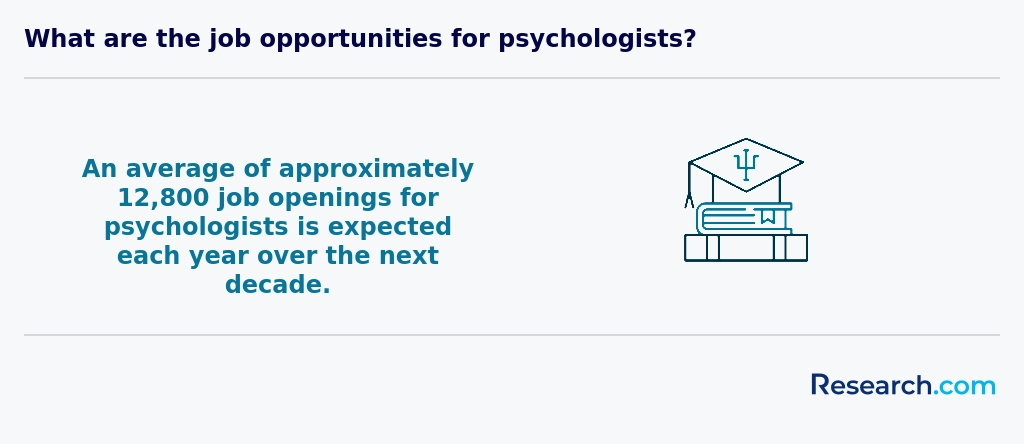
- The local job market in healthcare, education, social services, and research is stable, with an 8% national growth rate expected for psychologists over the next decade.
- Stony Brook's psychology program emphasizes research, clinical experience, and internships to prepare students for work or doctoral studies.
- Most clinical psychology roles in New York require a doctoral degree and supervised professional experience for licensing.
How long does it take to complete psychology degree in Stony Brook?
Completing a psychology degree at Stony Brook University generally takes about four years for undergraduates, mirroring the typical path of many students at this celebrated New York institution. Imagine a passionate student balancing a full course load of roughly 120 credits-splitting time between core psychology classes and broader liberal arts requirements-while occasionally pushing through summer sessions to accelerate graduation. Many graduates describe this journey as intense but deeply rewarding, especially when they combine coursework with meaningful internships and research assistantships that bring theory to life.
Graduate psychology degrees here demand a more flexible timeline. Some master's students relish the challenge of completing their studies in 2 years, weaving together coursework and thesis projects as they envision future careers in clinical or counseling settings. Meanwhile, doctoral candidates, immersed in research and rigorous practicum experiences, often commit 4 to 7 years-navigating a complex but exhilarating path toward becoming licensed professionals.
These timelines are more than numbers; they reflect a vibrant, dynamic experience shaped by student choices, financial realities, and the rich academic environment at Stony Brook's psychology programs.
Comparing Psychology Degree Programs in New York
When evaluating psychology degree programs, it's essential to consider the various options available in New York. Prospective students can explore the valuable psychology programs in New York to find the best fit for their academic and career goals. By researching and comparing different programs, students can make informed decisions about their education and future career paths in psychology. This comparison can help students identify the strengths and weaknesses of each program, including factors such as curriculum, faculty expertise, research opportunities, and graduation rates. Ultimately, choosing the right psychology degree program in New York can significantly impact a student's academic and professional success.
What's the difference between online and on-campus psychology degree?
Imagine the vibrant energy of attending classes at Stony Brook University, where psychology students actively engage in lively discussions and collaborative research projects in well-equipped labs. These on-campus programs provide direct access to faculty mentorship, spontaneous peer interactions, and immersive experiences that shape interpersonal skills essential to psychology careers. Graduates often recount how the structured environment and face-to-face connections foster a sense of belonging and motivation.
Conversely, online psychology degrees cater to students juggling jobs or family life, offering the flexibility to learn at any hour from anywhere in Stony Brook or beyond. These programs attract self-driven individuals who thrive on managing their own schedules and appreciate the convenience of digital platforms. Yet, some graduates reflect on missing the serendipitous conversations and immediate feedback that on-campus settings naturally provide.
Both paths share rigorous curricula and accreditation when offered by reputable institutions in Stony Brook. However, clinical practicums requiring supervised in-person hours highlight the irreplaceable value of local, face-to-face training even for online learners. This nuanced choice challenges students to weigh personal circumstances against the immersive benefits that shape a fulfilling psychology education.
Licensure and Certification Requirements
After earning your psychology degree, most clinical and counseling careers in New York require state licensure. Completing accredited online courses for psychology degree can help satisfy initial requirements.
- Earn the required education
- Bachelor’s degree in psychology (BA or BS)
- Master’s or doctoral degree in clinical, counseling or school psychology
- Complete supervised experience
- At least 3,000 hours of post‐graduate clinical work under a licensed psychologist
- Pass required examinations
- Examination for Professional Practice in Psychology (EPPP)
- New York State Law and Ethics exam
- Apply for licensure through the New York State Office of the Professions
- Submit transcripts, verification of supervised hours and exam scores
- Pay application and licensing fees
- Maintain and renew your license
- Complete continuing education (CE) credits every three years
- Adhere to state ethical and professional standards
What is the average cost of psychology degree in Stony Brook?
The average cost of a psychology degree in Stony Brook reflects a striking contrast depending on residency status. While the median in-state total cost hovers around $10,931, out-of-state students face a significantly higher figure near $50,651. Graduates from popular institutions like Stony Brook University often recount how this disparity shaped their educational journey, balancing dreams with financial realities. The lower in-state cost enables students to immerse themselves in specialized psychology coursework, labs, and practicum experiences without overwhelming debt, creating a richer, more focused learning environment.
Students pursuing a psychology degree here often highlight the combined weight of tuition, textbooks, clinical placement fees, and living expenses. Unlike surface-level estimates, the total expenses for psychology program Stony Brook students extend beyond tuition alone, encompassing about $1,000 annually for course materials and roughly $15,000 for living costs in Suffolk County. These numbers highlight that understanding the psychology degree cost requires a holistic view-beyond just sticker prices-to grasp the full commitment of time, money, and effort.
Many graduates express satisfaction that financial aid and assistantships at Stony Brook made advanced psychology education accessible, allowing them to thrive in research and practice. For students eager to follow this path, exploring practical opportunities like how to become a licensed counselor in Colorado can clarify the professional steps post-degree and integrate financial planning into career aspirations.
Program Accreditation and Professional Certification
Ensuring that psychology degree programs in Stony Brook, NY are properly accredited is critical for students aiming for licensure and professional recognition. Regional accreditation by the Middle States Commission on Higher Education (MSCHE) guarantees that institutions meet rigorous academic standards, while programmatic accreditation by the American Psychological Association (APA) specifically validates the quality of clinical and counseling psychology curricula. Graduates from APA-accredited programs are often eligible for licensure in most states and can pursue certification from bodies such as the National Board for Certified Counselors (NBCC). Accreditation impacts not only eligibility for federal financial aid but also the transferability of credits and the acceptance of your degree by graduate schools and employers. Before applying, verify that your chosen program lists its accreditation status on the university website and consult state licensing boards for specific requirements. For example, New York State requires completion of an accredited master’s or doctoral program plus supervised clinical hours before you can sit for the Licensed Psychologist exam. To complement on-campus options, many students consider online pathways. Prospective applicants interested in flexible formats should explore the Affordable Online Psychology Degree Programs Ranking in Kansas, which highlights accredited online psychology programs that meet both regional and APA standards. By confirming accreditation early and aligning your coursework with licensure criteria, you’ll streamline your path to certification and ensure your psychology degree opens doors to professional practice and advanced research opportunities.
What financial aid is available to psychology degree students in Stony Brook?
Financial aid for psychology students in Stony Brook often goes beyond simply covering tuition. Consider a graduate who balanced teaching assistantship duties while earning a stipend and tuition remission-this not only eased financial pressures but enriched their academic journey through hands-on experience. Pell Grants, offering up to $7,500 annually, often come as a vital lifeline, accessed by filling out FAFSA early to maximize chances. Many students at Stony Brook University tap into these grants combined with subsidized federal loans, which pause interest accumulation during study, providing a softer financial landing.
Institutional scholarships aimed specifically at psychology majors recognize academic merit and research passion, motivating students to pursue deeper inquiry. Moreover, local aid through New York State's HESC and private scholarships from psychology associations frequently supplement budgets, making the dream of earning a degree less daunting. Graduates often reflect on how these layered options allowed them to focus on learning rather than financial strain, cultivating both knowledge and confidence.
Accreditation and Quality Assurance in Psychology Programs
Ensuring that your chosen psychology degree program is properly accredited is critical to guaranteeing a quality education and future career success. Accreditation means that a program meets rigorous academic and ethical standards, which not only enhances your learning experience but also improves your employment prospects upon graduation. Prospective students in Stony Brook, NY, should verify that the institution and its psychology program are recognized by reputable accrediting bodies, such as the American Psychological Association or regional accrediting commissions. This information can be found on university websites or trusted education review sources. Additionally, many accredited programs maintain strong industry links, which can lead to better internship placements and networking opportunities. For those looking to balance quality with affordability, consider exploring our list of cheapest online psychology degree programs that meet stringent accreditation standards. Taking the time to research accreditation can save you from potential pitfalls and ensure that you invest in an education that’s respected by employers and fellow professionals alike.
What are the prerequisites for enrolling in psychology degree program in Stony Brook?
Meeting the prerequisites for a psychology degree at Stony Brook University means more than just ticking boxes-it requires demonstrating a genuine readiness to dive into the complexities of human behavior. Many undergraduate hopefuls recall how completing strong science and math courses in high school, especially biology and chemistry, laid a surprising foundation for grasping psychological theories. Official transcripts and, if submitted, SAT or ACT scores, still carry weight despite the test-optional trend, shaping admissions views on academic commitment.
Graduate applicants often share how possessing a bachelor's degree in psychology or a related field was crucial, as it prepared them for advanced concepts through coursework like statistics and research methods. Letters of recommendation and personal statements became opportunities to express real passion rather than mere formalities. For those accepted into Stony Brook's competitive programs, relevant research or clinical experience wasn't just helpful-it was empowering, creating a sense of belonging and purpose early in their careers.
Research Opportunities and Faculty Expertise
Stony Brook University’s Department of Psychology offers robust research pathways through dedicated centers such as the Social Neuroscience Laboratory, Clinical Neuropsychology Lab and Developmental Cognition Unit. Students collaborate directly with leading scholars-whose work appears in top-tier journals-by serving as research assistants, presenting at regional conferences and co-authoring peer-reviewed articles. The program’s emphasis on interdisciplinary projects bridges psychology with neuroscience and sociology, ensuring graduates develop advanced analytical, experimental design and statistical skills. For learners seeking to merge research proficiency with clinical training, combined master's and psyd programs offer an accelerated curriculum that integrates graduate-level research seminars with practicum placements. These experiences not only enhance employability in academic and healthcare settings but also reinforce the department’s commitment to expertise, authoritativeness and trustworthiness.
What courses are typically in psychology degree programs in Stony Brook?
Courses in psychology degrees at Stony Brook push students beyond standard theory, demanding engagement with the mind's complexity. Graduates recall how classes like cognitive psychology reshaped their understanding of everyday thoughts-why we remember some moments vividly and forget others entirely. Developmental psychology invites students to trace human growth, connecting infant behaviors seen in local daycare centers to adult social interactions on campus.
Far from abstract, social psychology reveals how peer pressure and group dynamics at Stony Brook's universities shape identity, often sparking lively debates among students about conformity and individuality. Learning research methods and statistics feels daunting initially, but many find exhilaration in designing experiments that address real questions, such as mental health trends in the student body.
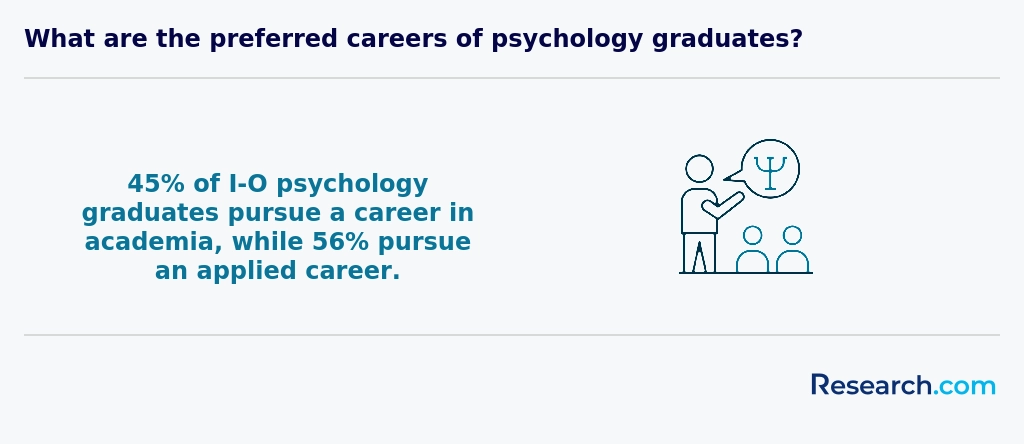
Electives in neuropsychology or industrial-organizational psychology transform classroom insights into tangible skills, such as understanding brain injuries or boosting workplace morale-fields that many alumni have found profoundly rewarding. This blend of rigorous coursework and practical research empowers Stony Brook students to confidently explore human behavior's nuances in meaningful, applicable ways.

What types of specializations are available in psychology degree programs in Stony Brook?
Exploring psychology degree specializations Stony Brook offers reveals a spectrum of focused paths that challenge students to engage deeply with human behavior. Graduates from well-known Stony Brook colleges often describe how clinical psychology, with its emphasis on diagnosing and treating mental disorders, provided a meaningful way to apply theory to real-world struggles. Cognitive psychology's exploration of processes like memory and perception sparks curiosity about what truly shapes our daily experience. These specializations go beyond textbook learning, immersing students in environments where they witness how psychology intersects with neuroscience, especially within neuropsychology programs tied to Stony Brook's formidable research labs.
For those drawn to social dynamics, Stony Brook psychology program concentrations include social psychology, encouraging learners to reflect on individual influences in an interconnected world. Developmental and health psychology further invite students to consider growth across the lifespan and the mind-body relationship, respectively, fostering a fulfilling sense of purpose. To see how these varied interests converge in practice, students often compare their journey to others in the field by exploring the psychology curriculum California, which broadens their horizon and sharpens their ambitions.
How do you choose the best psychology degree in Stony Brook?
Choosing the best psychology degree in Stony Brook means looking beyond reputation and syllabus. Graduates from well-known colleges recall how crucial it was to find programs that align with their passions, whether in clinical practice or research. Tuition costs at public institutions here often balance affordability with quality, a vital factor for many considering affordable psychology colleges near Stony Brook. But what truly separates an average degree from an exceptional one is the hands-on experience-internships and clinical placements that transform theory into impactful practice. Imagine working alongside faculty deeply involved in neuroscience research at Stony Brook University, opening doors to cutting-edge careers.
Accreditation, especially APA approval, is not just a checkbox but a passport for future licensure and meaningful employment. Graduates often emphasize how their programs' strong focus on faculty expertise and research opportunities prepared them for the complex realities of psychology. Aspiring students should also explore interdisciplinary options; for instance, some have enhanced their credentials by combining psychology with fields covered in genetic counseling degree programs, expanding their career horizons beyond conventional paths.
What career paths are available for psychology degree students in Stony Brook?
Graduates holding a psychology degree in Stony Brook unlock career paths that challenge traditional boundaries, spanning clinical practice, research, education, and business sectors. Many who studied at prominent institutions like Stony Brook University step directly into roles as licensed psychologists or counselors, often after further graduate study and supervised experience, embracing the rewarding challenge of supporting mental health in their communities.
For those drawn to inquiry and discovery, Stony Brook's rich research environment offers roles in cognitive science and neuroscience, allowing graduates to engage deeply with cutting-edge psychological studies. These Stony Brook psychology graduate job opportunities often begin as research assistants, blending intellectual curiosity with practical experience in academic and government settings.
Others channel their understanding of human behavior into organizational roles-human resources, marketing, or organizational psychology-shaping workplace culture and consumer insights in Long Island businesses. Some graduates pursue specialized avenues like school psychology, a stable career within Suffolk County schools that blends education with mental health. Curious students may consider an online master's in counseling no GRE to expand their impact beyond initial opportunities.

What is the job market for psychology degree in Stony Brook?
The job market for psychology graduates in Stony Brook is nuanced, blending steady national trends with regional opportunities that truly resonate for local students. Many graduates from institutions like Stony Brook University find meaningful roles in clinical psychology within nearby hospitals or outpatient clinics, allowing them to apply their knowledge where it directly benefits community health. These positions often reflect the broader growth in healthcare but are uniquely shaped by Long Island's diverse population and proximity to New York City's robust healthcare networks.
Psychology degree jobs Stony Brook are also rich in variety. Graduates frequently step into school psychologist roles or research positions, leveraging connections fostered through university programs. One common experience involves transitioning from assistant roles with modest salaries into specialized jobs offering median wages between $75,000 and $100,000, highlighting the tangible value of pursuing advanced degrees locally.
Many students consider not only employment prospects but also affordability. Studying locally enhances financial viability, as tuition at public institutions like Stony Brook remains comparatively low, impacting career planning positively. For those curious about how this fits with broader educational demands, exploring psychology school requirements Texas might provide additional perspective through a more diverse educational context.
Frequently Asked Questions About psychology
Psychology degree students in Stony Brook can maximize their learning experience by actively engaging in both coursework and research opportunities. Stony Brook University offers access to numerous labs where students participate in ongoing psychological studies, gaining practical skills alongside theoretical knowledge. According to the university's official site, nearly 70% of psychology undergraduates take part in research projects before graduation.
Joining psychology-related student organizations and attending seminars can deepen understanding and networking with professionals. Additionally, internships at local hospitals or mental health clinics provide valuable real-world experience. Utilizing university resources like tutoring centers and career services can also enhance academic performance and career readiness.
Emerging niches in psychology are reshaping the opportunities for students pursuing degrees in Stony Brook. One notable area is neuropsychology, which examines the relationship between brain function and behavior. This field is growing due to advances in brain imaging technologies and increased demand for clinical assessment.
Another expanding niche is health psychology, focusing on how psychological factors impact physical health. With rising awareness of mental health's link to chronic illnesses, demand for specialists is expected to grow steadily nationwide.
Additionally, forensic psychology is becoming more prominent, involving the application of psychological principles in legal settings. According to the Bureau of Labor Statistics, this specialty is projected to see a 14% growth through 2031, driven by the criminal justice system's evolving needs.
Preparing for the job market after completing a psychology degree in Stony Brook involves strategic planning. Graduates should capitalize on internship opportunities, which are often available through Stony Brook University's psychology department. These experiences provide valuable real-world skills and networking connections.
It's also important to develop proficiency in research methods and statistical software such as SPSS or R, as these are highly valued in many psychology roles. According to the U.S. Bureau of Labor Statistics, demand for psychology-related jobs is projected to grow 6% through 2032, highlighting the importance of relevant skills.
Joining professional organizations like the American Psychological Association can further aid in career development.
Employers in Stony Brook seek psychology graduates with strong analytical and communication skills. Graduates must demonstrate the ability to interpret data accurately and apply psychological theories in real-world settings. Research proficiency is highly valued, as many local organizations engage in community health and behavioral studies.
Additionally, problem-solving and critical thinking skills are essential, especially for roles requiring patient assessment or counseling. According to recent employment surveys from the Long Island workforce reports, 68% of employers prefer candidates with practical experience in clinical or experimental psychology.
Interpersonal skills also rank high, given the collaborative nature of mental health services in Stony Brook's healthcare institutions.
Finding internships in Stony Brook relevant to a psychology degree involves leveraging local university resources and community partnerships. Stony Brook University's Psychology Department offers internship listings and advising to help students connect with research labs, healthcare providers, and nonprofit organizations. According to the university's career center, about 60% of psychology undergraduates secure internships by their junior or senior year, gaining practical experience in mental health clinics or educational settings.
Students are encouraged to attend career fairs, join psychology clubs, and seek faculty mentorship to access exclusive internship opportunities. Local hospitals and counseling centers in Suffolk County also offer placements, especially for those interested in clinical psychology.
A psychology degree in Stony Brook offers strong potential for career mobility and advancement. Graduates benefit from the region's proximity to New York City and Long Island's expanding healthcare and educational sectors, where demand for psychological expertise continues to grow. According to the U.S. Bureau of Labor Statistics, careers in psychology-related fields are expected to grow by 8% nationally through 2030, with local job markets reflecting similar trends.
Holding a degree from a recognized program in Stony Brook enhances eligibility for roles such as clinical psychologist, counselor, or human resources specialist. Advanced degrees improve opportunities for leadership positions and specialized work in mental health clinics or research institutions. Networking through local internships and partnerships further supports upward career movement.
Studying for a psychology degree in Stony Brook equips students with a strong foundation in both theoretical and applied psychology, essential for interdisciplinary roles. Stony Brook University's program emphasizes collaboration with fields such as neuroscience, sociology, and health sciences, reflecting its commitment to interdisciplinary education.
Students engage in research opportunities at the university's renowned Psychology Department and affiliated centers like the Center for Neural and Behavioral Science. This practical exposure allows for the integration of psychological principles with biology, medicine, and social sciences.
According to the National Center for Education Statistics, interdisciplinary coursework enhances critical thinking and adaptability, skills highly valued in diverse career paths that psychology graduates from Stony Brook pursue.
When choosing between a thesis and a non-thesis psychology degree program in Stony Brook, consider your career goals. The thesis option involves conducting original research and writing a detailed paper, which prepares students for doctoral studies or research-intensive roles. In contrast, the non-thesis track focuses on coursework and practical experience, suited for those aiming to enter applied psychology fields or professional practice more quickly.
Stony Brook University's Department of Psychology is known for its strong research emphasis, with many faculty involved in cutting-edge studies. According to the university's latest data, about 40% of psychology master's students opt for the thesis route, valuing its focus on research skills.
Financially, thesis students may receive more opportunities for assistantships due to research involvement. However, non-thesis students often complete their degrees faster. Ultimately, weighing your professional objectives against the program structure and available funding will guide your choice effectively.
Students based in Stony Brook looking to study psychology abroad have several pathways facilitated by their home institution. Stony Brook University participates in exchange programs that allow psychology majors to study at partner universities in countries like the United Kingdom, Australia, and Ireland for one or two semesters.
These opportunities enable students to earn credits toward their degree while gaining international experience. Additionally, Stony Brook's Psychology Department supports summer research abroad programs, often coordinated through the Study Abroad Office, which offers guidance on scholarships and academic planning.
Considering that Stony Brook's psychology programs consistently rank among top state universities nationally, these international options enhance students' educational profiles by expanding cultural and scientific perspectives without compromising degree progress.
Students pursuing psychology degrees in Stony Brook can benefit greatly from part-time jobs that provide relevant experience. Local healthcare facilities, like Stony Brook University Hospital, often offer research assistant and mental health technician roles. These positions allow students to apply psychological theories in clinical settings while earning income.
Additionally, educational institutions and community centers in Suffolk County provide opportunities as tutoring assistants or behavioral support aides. These roles help students develop communication and counseling skills essential for psychology careers.
According to the U.S. Bureau of Labor Statistics, psychology-related support jobs in New York State are projected to grow by 8% through 2030, reflecting demand that Stony Brook students can capitalize on during their studies.
Psychology students in Stony Brook benefit from various networking opportunities offered through Stony Brook University's Department of Psychology. The university hosts regular seminars and guest lectures featuring renowned psychologists, which provide students valuable chances to connect with experts and peers. Additionally, students can join active organizations such as the Psi Chi Honor Society and the Psychology Club, fostering professional relationships and collaboration.
The university's proximity to New York City also offers internship and conference access, further expanding networking possibilities. According to Stony Brook's career services, over 70% of psychology students engage in internships that enhance industry connections during their studies.
Alumni networks offer significant advantages for psychology degree students in Stony Brook. Graduates from local programs often join active communities that provide mentorship, job leads, and collaboration opportunities. According to the Stony Brook University alumni association, over 70% of psychology undergraduates stay connected after graduation, creating a robust network for career support.
These networks facilitate informational interviews and internships, especially valuable in competitive fields like clinical and research psychology. Networking events hosted in the Stony Brook area help students connect with professionals working in nearby hospitals, schools, and research centers.
Moreover, alumni often share insights about graduate programs and funding opportunities, which are critical for advancing in psychology careers. This ongoing connection enhances students' chances of employment and professional growth within the region's psychology community.
Customizing a psychology degree program in Stony Brook involves selecting courses and research opportunities that align with your career goals. Stony Brook University offers a diverse range of psychology specializations, including clinical, cognitive, developmental, and social psychology.
Students can tailor their education by taking electives in neuroscience or behavioral psychology, depending on their interests. Additionally, participation in faculty-led research projects or internships provides practical experience, which is crucial for career readiness.
According to Stony Brook's Department of Psychology, many students choose to combine coursework with hands-on lab work to enhance skills relevant to careers in counseling, healthcare, or academia.
Psychology students in Stony Brook often face several challenges during their studies. One common difficulty is managing the heavy coursework, which includes dense theoretical material and statistics classes. According to the National Center for Education Statistics, about 35% of psychology undergraduates nationwide find quantitative courses especially demanding.
Additionally, students must balance research opportunities with academic requirements. Stony Brook University's psychology program encourages participation in lab work, but time constraints and limited lab availability can make this tough for some.
Mental health stress is also a concern. A survey by the American Psychological Association highlights that roughly 60% of college students report feeling overwhelming anxiety, which can impact their academic performance.
A psychology degree in Stony Brook opens the door to various professional certifications that enhance career prospects. Graduates can pursue licensure as a Licensed Mental Health Counselor (LMHC) or Licensed Clinical Social Worker (LCSW), depending on additional training and supervised hours. These credentials allow for clinical practice in mental health settings across New York State.
Additionally, many seek certification as a Certified Alcohol and Substance Abuse Counselor (CASAC), especially given regional emphasis on substance abuse treatment. For research-oriented careers, certifications like the Registered Psychological Assistant (RPA) may be relevant after graduate study.
Data from the New York State Education Department highlights that over 3,000 psychology-related licenses were active in Suffolk County as of 2023, indicating strong regional demand for certified professionals.
Applying to a psychology program in Stony Brook requires careful preparation to stand out. Begin by showcasing a strong academic record, especially in psychology and related sciences, as GPA benchmarks often hover around 3.5 for competitive entrants, according to Stony Brook University admissions data.
Highlight relevant research or volunteer experience. Stony Brook's psychology faculty emphasize applicants who demonstrate hands-on involvement with experimental or clinical settings.
Craft a clear personal statement explaining your goals and how Stony Brook's specific program aligns with them. Admissions committees appreciate well-articulated motivation linked to faculty expertise.
Strong letters of recommendation from professors familiar with your academic and research abilities can significantly boost your profile. Follow official guidance carefully on test scores, transcripts, and deadlines to ensure a complete application.
Psychology careers hold a global significance, with increasing demand driven by growing awareness of mental health. In the United States, including areas like Stony Brook, psychology graduates benefit from diverse opportunities in clinical, counseling, and research fields. The U.S. Bureau of Labor Statistics projects a 8% growth in psychologist jobs from 2022 to 2032, faster than average for all occupations.
Graduates from Stony Brook's programs can engage in international collaborations or pursue further specialization abroad, as many countries recognize U.S. degrees with proper licensure. The focus on evidence-based practice in U.S. education, such as at Stony Brook University, supports careers that are competitive worldwide.
According to the American Psychological Association, professionals trained in the U.S. often contribute to global research and policy, connecting local expertise with worldwide mental health initiatives. This makes psychology a versatile and valuable career path for students in Stony Brook interested in global impact.
Gaining practical experience while studying psychology in Stony Brook can significantly enhance your skills and employability. Many students engage in research assistant positions at Stony Brook University's Department of Psychology, where faculty conduct studies in cognitive and social psychology. These opportunities provide hands-on experience with experimental design and data analysis.
Internships at local mental health clinics and hospitals, such as Stony Brook Medicine, offer clinical exposure under professional supervision. Additionally, the university supports service-learning projects and volunteer work, connecting students with community organizations that focus on mental health.
Participating in psychology clubs and attending conferences held on campus can also enrich your practical understanding of the field. According to the university's career center, students with practical experience have a 30% higher chance of securing relevant jobs post-graduation.
Choosing the right concentration within a psychology degree program in Stony Brook depends on your career goals and interests. Stony Brook University offers various concentrations such as cognitive neuroscience, clinical psychology, and developmental psychology, each aligned with distinct professional paths.
Review the curriculum of each concentration carefully to understand the skills and knowledge you will gain. For example, cognitive neuroscience focuses on brain function, ideal if you're interested in research or healthcare technology.
Consider local industry demand too. According to the New York State Department of Labor, clinical and counseling psychologists have steady job growth near Stony Brook, which may influence your choice.
Lastly, speak with faculty or advisors to gain insights on research opportunities and internships in the area, helping tailor your education to the psych sector in Long Island.
Related Psychology Rankings for Nearby Cities
- 2027 Most Valuable Psychology Degree Programs Ranking in New Haven
- 2027 Most Valuable Psychology Degree Programs Ranking in Bronx
- 2027 Most Valuable Psychology Degree Programs Ranking in Queens
- 2027 Most Valuable Psychology Degree Programs Ranking in New York
- 2027 Most Valuable Psychology Degree Programs Ranking in Amherst
- 2027 Most Valuable Psychology Degree Programs Ranking in Providence
- 2027 Most Valuable Psychology Degree Programs Ranking in Worcester
- 2027 Most Valuable Psychology Degree Programs Ranking in Albany
- 2027 Most Valuable Psychology Degree Programs Ranking in Philadelphia
- 2027 Most Valuable Psychology Degree Programs Ranking in Rochester
Top Trending Psychology Rankings
See What Experts Have To Say About Studying Psychology
Read our interview with Psychology experts

Joann Farrell Quinn, Ph.D., MBA
Psychology Expert
Director at the College of Medicine Department of Medical Education
Morsani College of Medicine

Elizabeth L. Jeglic Ph.D.
Psychology Expert
Professor of Psychology
City University of New York

Robin M. Kowalski. Ph.D.
Psychology Expert
Professor of Psychology
Clemson University

References
- Why Get a Psychology Degree Online? | University of Bridgeport https://www.bridgeport.edu/news/reasons-to-get-your-psychology-degree-online/
- PHD in Clinical Psychology at Stony Brook University : Admission 2025-26, Requirements & Fees https://yocket.com/universities/state-university-of-new-york-at-stony-brook/clinical-psychology-79431
- Study Psychology Abroad | Go Overseas https://www.gooverseas.com/study-abroad/psychology
- Best Types Of Online Psychology Degrees 2025 https://www.psychology.org/degrees/
- A Guide to Psychology Internships | Psychology Degree Guide https://psychologydegreeguide.org/resources/internships/
- Have You Found a Niche? https://www.apaservices.org/practice/business/marketing/building/niche
- Current Student Requirements | Department of Psychology https://www.aldacenter.org/commcms/psychology/current_students/requirements.php
- Know more about thesis vs non- thesis: what is the difference? https://studyfans.com/en/blogs/816
- MA in Psychology at Stony Brook University | YMGrad https://ymgrad.com/stony-brook-university-suny/ma-in-psychology
- Sample letters in psychology https://www.mystudies.com/en-in/human-and-social-sciences/psychology/letter-model/