2027 Most Valuable Psychology Degree Programs Ranking in Grand Rapids

Co-Founder and Chief Data Scientist
Choosing the right psychology degree program in Grand Rapids can feel overwhelming, but it doesn't have to be. This article introduces the 2027 Most Valuable Psychology Degree Programs Ranking in Grand Rapids, thoughtfully created by the Research.com team of data scientists to guide your decision.
By exploring this ranking, you'll discover which programs offer strong value, helping you invest in an education that opens doors. A psychology degree not only provides knowledge but also builds skills that inspire growth and meaningful connections.
Read on to find the best options for your future and take a confident step toward a rewarding career.
Key benefits of getting psychology degree in Grand Rapids
- Psychology degree graduates in Grand Rapids can expect competitive salaries, such as a Human Resources Specialist earning around $76,060 annually and a Marketing Research Analyst making about $83,190 per year, offering promising financial stability.
- Graduates can explore diverse career paths, including roles like Clinical Research Associate or Survey Researcher, reflecting the flexible opportunities available after studying psychology at institutions like Grand Valley State University.
- Completing a psychology degree online offers great convenience and flexibility, allowing students from Grand Rapids to balance work and study while still gaining valuable skills and credentials recognized by employers.
- Key benefits of getting psychology degree in Grand Rapids
- What can I expect from psychology degree in Grand Rapids?
- Where can I work with psychology degree in Grand Rapids?
- How much can I make with psychology degree in Grand Rapids?
- 2027 Most Valuable Psychology Degree Programs Ranking in Grand Rapids
- Key Findings
- How long does it take to complete psychology degree in Grand Rapids?
- Exploring Psychology Programs Beyond Grand Rapids, MI
- What's the difference between online and on-campus psychology degree?
- Accreditation and Licensure Pathways
- What is the average cost of psychology degree in Grand Rapids?
- Licensure and Certification Pathways
- What financial aid is available to psychology degree students in Grand Rapids?
- Integrated Master’s and PsyD Pathways in Clinical Psychology
- What are the prerequisites for enrolling in psychology degree program in Grand Rapids?
- Licensure & Certification in Michigan
- What courses are typically in psychology degree programs in Grand Rapids?
- What types of specializations are available in psychology degree programs in Grand Rapids?
- How do you choose the best psychology degree in Grand Rapids?
- What career paths are available for psychology degree students in Grand Rapids?
- What is the job market for psychology degree in Grand Rapids?
- Top Trending Psychology Rankings
- See What Experts Have To Say About Studying Psychology
What can I expect from psychology degree in Grand Rapids?
Students pursuing a psychology degree in Grand Rapids find the cost of attendance varies but remains accessible, especially for those attending public universities like Grand Valley State University. In-state tuition offers an affordable pathway to earning a psychology degree, often supplemented by scholarships and financial aid designed to support passionate learners. Many graduates recall balancing their budgets while gaining invaluable experience through internships at local mental health centers, a testament to the region's strong community partnerships.
With a typical cost that reflects the supportive educational environment of Grand Rapids, students feel encouraged knowing their investment includes hands-on learning opportunities and dedicated faculty guidance. These real-world experiences, combined with competitive tuition rates, create an empowering atmosphere where students build confidence and skills for vibrant careers. The journey here is not just about textbooks-it's about stepping into a network that fosters growth, backed by a financial structure attentive to student needs.
Where can I work with psychology degree in Grand Rapids?
Graduates with a psychology degree in Grand Rapids find inspiring career paths that truly make a difference in their communities. Many step into clinical roles at renowned facilities like Mercy Health Saint Mary's or Cherry Health, where they provide essential mental health support and therapy, helping patients overcome challenges and improve their lives. These hands-on roles offer a deeply rewarding experience, allowing graduates to witness positive change firsthand.
Others thrive in educational settings, joining institutions such as Western Michigan University or Grand Valley State University as research assistants or adjunct instructors. These roles offer the joy of nurturing student success and advancing psychological knowledge, creating a lasting impact on future generations.
Social service agencies like Arbor Circle provide dynamic opportunities to support diverse populations, from youth to families, fostering hope and recovery. Psychology graduates passionate about business find exciting roles in human resources and organizational development, applying their insights to improve workplace culture and consumer engagement across Grand Rapids' vibrant economy.
With strong local demand and community-focused roles, psychology graduates here embark on fulfilling careers that blend passion with purpose every day.
How much can I make with psychology degree in Grand Rapids?
Graduates with psychology degrees in Grand Rapids are opening doors to rewarding careers with promising salaries. Those who step into roles like Human Resources Specialist can anticipate an average annual wage around $76,060, blending their people skills and psychological insight to thrive in dynamic workplaces.
Marketing Research Analyst positions are another compelling pathway, offering about $83,190 per year. Many psychology graduates from well-regarded local schools find this role energizing, as it allows them to study consumer behavior and influence business decisions in a meaningful way.
For those passionate about research, Clinical Research Associate or Survey Researcher roles provide solid earning potential, around $62,370 annually. These careers empower graduates to contribute to breakthroughs in health and human services, typically supported by experiences gained at institutions known for strong psychology programs.
Starting a fulfilling career in Grand Rapids with a psychology degree means not only competitive salaries but also the chance to impact lives. Graduates regularly share how their education ignites their dedication and confidence to succeed professionally and personally.
2027 Most Valuable Psychology Degree Programs Ranking in Grand Rapids
How do we rank schools?
Investing in your education is a significant decision that can shape your future, and the Research.com team understands the importance of making informed choices. To assist prospective students in Grand Rapids, we have meticulously crafted the "2027 Most Valuable Psychology Degree Programs Ranking in Grand Rapids." Our commitment to quality, credibility, and accuracy is reflected in the extensive research and analysis conducted to compile this ranking.
We utilized the following reputable data sources to ensure a comprehensive evaluation of psychology programs:
By exploring this ranking, readers will gain valuable insights into the most valuable psychology degree programs offered in Grand Rapids, empowering them to make confident and well-informed decisions about their educational journey. For more details on our methodology, please visit our Research.com methodology page.


Key Findings
- Psychology degrees in Grand Rapids are available from public and private schools, with tuition for a bachelor's degree ranging from $10,000 to $25,000 per year.
- Bachelor's degree holders can expect entry-level salaries around $40,000 annually, while licensed psychologists and counselors earn between $70,000 and $90,000.
- The job market for psychology professionals is growing, driven by demand in healthcare, education, social services, and business sectors.
- Clinical psychologist roles are common, but opportunities also exist in research, human resources, and counseling.
- Students have access to internships and practical training through local mental health organizations, which are important for licensure and employment.
- Many programs offer licensure preparation necessary for clinical or counseling psychologist careers in Michigan.
How long does it take to complete psychology degree in Grand Rapids?
In Grand Rapids, earning a psychology degree generally takes about four years of full-time study for undergraduate programs. Graduates from institutions like Grand Valley State University or Aquinas College often describe their journey as a rewarding balance of foundational courses and engaging electives that build a strong understanding of human behavior.
Those passionate about diving deeper can pursue a master's degree, which typically requires an additional two years. Many find this stage exciting as they engage in meaningful research, practical internships, and close mentorship that prepares them for impactful careers. Doctoral programs, though less common locally, offer a fulfilling path to expertise and leadership in the field, usually taking between four and seven years to complete.
Students in Grand Rapids appreciate the community support and real-world experience opportunities embedded in these programs, making the timeline feel like a dynamic journey rather than just a period of study. This approach helps turn dedication into meaningful personal and professional growth.
Exploring Psychology Programs Beyond Grand Rapids, MI
Students interested in psychology degree programs may also want to consider options beyond Grand Rapids, MI, to expand their educational and career opportunities. For those looking to explore the best psychology schools in other locations, visiting websites like valuable psychology school in michigan can provide valuable insights into program rankings, specializations, and career outcomes. This can help prospective students make informed decisions about their academic path and future career in psychology. By comparing programs across different regions, students can choose the one that best aligns with their interests, career goals, and personal preferences, ultimately leading to a more fulfilling educational experience and professional life.
What's the difference between online and on-campus psychology degree?
Choosing between online and on-campus psychology degrees in Grand Rapids offers exciting possibilities tailored to your lifestyle and goals. Graduates from Grand Valley State University often share how in-person classes energized their learning through lively discussions and hands-on projects, creating meaningful bonds with professors and classmates. They appreciate access to campus resources like counseling centers and research labs that deepen their understanding.
Meanwhile, many students pursuing online psychology degrees celebrate the freedom to study from anywhere, balancing coursework with jobs or family life. These programs provide flexible digital platforms and occasionally offer local internships, blending convenience with valuable experience.
Both paths prepare you to thrive in Grand Rapids' growing mental health field. Whether engaging face-to-face on campus or embracing innovative online learning, you'll build the skills and passion to make a difference in your community and beyond.
Accreditation and Licensure Pathways
Choosing an APA-accredited psychology program is essential for ensuring your degree meets national standards and prepares you for licensure in Michigan. Accreditation by the American Psychological Association (APA) signifies that a program’s curriculum, faculty qualifications, and practicum experiences adhere to rigorous professional guidelines. In Grand Rapids, look for programs at institutions such as Grand Valley State University and Western Michigan University that proudly display their APA accreditation status on their websites and admissions materials. After graduation, aspiring psychologists must complete supervised clinical hours as required by the Michigan Board of Psychology-typically 1,500 to 2,000 hours depending on your degree level. These supervised hours can be fulfilled through internships at local clinics, hospitals, or university-affiliated counseling centers. Many students secure placements through campus career services, which partner with community organizations to guarantee quality training environments. Once clinical hours are completed, candidates must pass the Examination for Professional Practice in Psychology (EPPP). Preparing for the EPPP often involves review courses, study groups, and mock exams offered by professional associations like the Michigan Psychological Association. Graduates consistently report that engaging in peer study sessions and attending local workshops increases confidence and pass rates. For students evaluating program costs alongside accreditation and licensure prep, comparing tuition and post-graduation support services can be critical. You may also wish to explore our ranking of the Cheapest Online Bachelor's in Psychology Degree Programs Ranking in Missouri to identify affordable pathways that still meet rigorous accreditation standards.
What is the average cost of psychology degree in Grand Rapids?
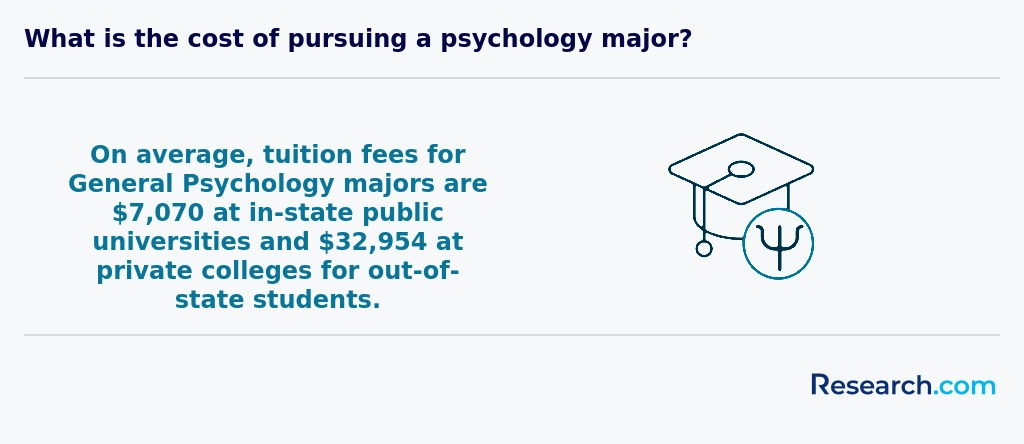
The average cost of a psychology degree in Grand Rapids reflects a balanced investment in a vibrant academic and community environment. Graduates from well-known schools like Grand Valley State University share inspiring stories of how their education, at a median total cost around $31,175 for in-state students, empowered them to pursue fulfilling careers in psychology. These real-life examples show that with dedication and smart financial planning, achieving your dream of becoming a psychology professional is within reach.
Private institutions, such as Davenport University, typically have higher tuition fees, which contribute to the median total cost of about $42,005. Students recognize that this investment opens doors to personalized instruction and strong community networks, which fuel their passion and growth inside and outside the classroom. Considering the average cost of psychology degree in Grand Rapids helps you visualize how this commitment pays off through enriching experiences and valuable skills gained.
Many students find ways to manage expenses by combining scholarships, financial aid, and campus resources to minimize out-of-pocket costs. Living in Grand Rapids offers a supportive background where you can thrive both academically and personally while focusing on your psychology degree tuition and fees Grand Rapids 2027 projections. Exploring options at reputable universities ensures you choose the best path, and you can also learn from graduates of a valuable psychology school in michigan to gain further insights and motivation.
Licensure and Certification Pathways
Beyond earning your psychology degree, advancing your career often involves pursuing specialized certifications and licensure that complement your academic credentials. Many graduates choose to bolster their expertise by obtaining professional certifications that open doors to clinical practice, counseling roles, or research opportunities. For example, exploring options such as bcba certificate programs online can provide you with additional credentials to work effectively in behavior analysis and related fields. This section offers insights into the steps you can take after graduation-including understanding state licensure requirements, identifying accredited certification programs, and planning for exam preparation-to help you confidently navigate the evolving landscape of psychology careers. Embracing these pathways not only enhances your professional profile but also positions you to make a greater impact in the communities you serve.
What financial aid is available to psychology degree students in Grand Rapids?
Students pursuing psychology degrees in Grand Rapids find a wealth of financial aid opportunities that truly make their educational dreams achievable. Graduates from popular programs at Grand Valley State University often share how federal Pell Grants, which offer up to $7,395 annually, provided a crucial foundation for their expenses during undergrad studies. Many also rely on low-interest Federal Direct Loans with manageable repayment plans, ensuring they can focus on their passion without overwhelming debt.
State scholarships like the Michigan Competitive Scholarship further lighten the financial load for in-state psychology students. Local foundations and community organizations also step in with merit scholarships, rewarding academic excellence and research dedication-something frequently experienced by recipients in Grand Rapids' vibrant psychology departments.
Graduate students relish the chance to secure research or teaching assistantships that not only waive tuition but also provide stipends, making advanced degrees more accessible and rewarding. Meanwhile, many working students benefit from employer tuition reimbursement programs offered by healthcare providers and counseling centers eager to support their professional growth.
Integrated Master’s and PsyD Pathways in Clinical Psychology
Many students seeking an efficient route to clinical practice opt for combined master’s and PsyD programs that integrate graduate coursework, supervised practicum, and doctoral research into a seamless curriculum. These accelerated tracks often span five to six years-shorter than pursuing separate master’s and doctoral degrees-while providing the same depth of training in assessment, diagnosis, and evidence-based interventions. Integrated programs typically begin with foundational courses in psychopathology, ethics, and research methods, progress to advanced clinical seminars and intensive practicum placements, and culminate in a dissertation or clinical capstone project. Choosing an APA-accredited combined pathway ensures that licensing requirements are met and graduate competencies align with state standards. Students benefit from early clinical exposure, mentorship from experienced faculty, and cohort-based learning that fosters professional networking. Financially, bundling tuition and reducing redundant credits can lower overall debt and accelerate time to licensure, enhancing return on investment. To explore program structures, admission criteria, and outcome data, consider our comprehensive guide to combined masters and psyd programs in clinical psychology, which details top institutions, funding opportunities, and tips for a competitive application.
What are the prerequisites for enrolling in psychology degree program in Grand Rapids?
To join a psychology degree program in Grand Rapids, many students begin by meeting solid foundational requirements like a high school diploma or GED. Graduates from well-known local colleges share how maintaining a good GPA around 2.5 to 3.0 helped them confidently step into their studies without feeling overwhelmed. These prerequisites encourage you to build a strong academic foundation, especially in science and math, which are essential for understanding human behavior and research.
Submitting application materials on time, including transcripts and recommendation letters, is a key step. Some students recall that preparing thoughtful personal essays truly set them apart during admissions at popular institutions. While some colleges may ask for SAT or ACT scores, many have embraced test-optional policies, making it easier for diverse talents to shine.
Preparing through courses in biology, statistics, or social sciences during high school can spark your excitement for psychology and give you a valuable head start. At the graduate level in Grand Rapids, having a bachelor's degree with psychology coursework plus relevant experience opens doors to more advanced opportunities, with supportive faculty guiding you every step of the way.

Licensure & Certification in Michigan
Understanding licensing steps ensures your psychology degree translates into professional practice in Grand Rapids. Key milestones include:
- Completing an APA-accredited doctoral program (Ph.D. or Psy.D.); master’s degrees open routes to counseling licensure.
- Accumulating at least 1,500 supervised clinical hours under a licensed psychologist.
- Passing the national Examination for Professional Practice in Psychology (EPPP) and Michigan jurisprudence assessment.
- Submitting your application and fee to the Michigan Board of Psychology.
After initial licensure, renew every two years by completing 40 continuing-education hours. For flexible foundational study, consider a cheapest online psychology degree alongside work commitments.
What courses are typically in psychology degree programs in Grand Rapids?
Psychology degree programs in Grand Rapids offer an inspiring journey through a diverse range of courses that build a strong foundation and spark genuine curiosity. Students at institutions like Grand Valley State University and Calvin University often dive into core classes such as Introduction to Psychology, which opens the door to understanding human behavior in everyday life-from decoding social interactions at a campus event to grasping the reasons behind personal decision-making.
Courses in Research Methods empower students to design experiments and interpret data, turning curiosity into meaningful discoveries that could influence real-world mental health practices. Biological Psychology reveals how brain function shapes emotions and reactions, enriching students' appreciation for the complexity of the mind.
Other exciting subjects include Cognitive Psychology, where graduates reflect on memory and attention during challenging exams, and Social Psychology, which explains the dynamics they experience in group settings and friendships. This blend of theory and applied learning equips students to pursue their passions, whether through counseling, health psychology, or forensic studies, all within the supportive and vibrant academic communities of Grand Rapids.
What types of specializations are available in psychology degree programs in Grand Rapids?
Psychology degree specializations in Grand Rapids offer exciting pathways for students eager to make a positive impact. Many graduates share how clinical psychology programs at local universities gave them hands-on experience diagnosing and treating mental health challenges through partnerships with area healthcare providers. This specialization energizes students passionate about healing and community support.
Cognitive psychology is a favorite for those fascinated by how the mind works, especially in perception and decision-making. Students often describe their time in research labs or internships as eye-opening, preparing them for careers enhancing user experiences in technology and beyond. Grand Rapids colleges provide vibrant settings to explore these interests fully.
Social psychology and behavioral psychology attract learners interested in understanding human interactions and behavior changes within society. Developmental psychology also shines here, with students expressing joy in working with children or older adults as Michigan's demographic shifts create growing opportunities. Industrial-organizational and health psychology are additional focuses that connect classroom learning with real-world workplace and health scenarios.
Many students start their journey by exploring bcba certificate programs online, building foundational skills that complement their specialization choices. These options show how varied and rich psychology career focus areas can be in Grand Rapids.
How do you choose the best psychology degree in Grand Rapids?
Choosing the best psychology degree in Grand Rapids means focusing on programs that blend rigorous academics with hands-on experiences. Graduates from popular colleges often share how courses in developmental psychology and research methods prepared them for rewarding internships, boosting their confidence and skills. Look for institutions known for their supportive faculty who actively mentor students, making your academic journey engaging and personalized. Many students pursuing the best psychology degree programs in Grand Rapids highlight how accreditation by organizations like the APA ensures their education meets high standards, opening doors to licensure and meaningful careers.
Affordability also plays a big role. Finding affordable psychology colleges Grand Rapids MI offers can make a real difference, giving you peace of mind while focusing on your studies. Graduates often praise financial aid availability and scholarships that ease tuition concerns, allowing them to concentrate on growth and exploration. For those considering advanced paths, exploring combined masters and psyd programs in clinical psychology can expand opportunities and deepen expertise, fully preparing you for dynamic roles in psychology.

What career paths are available for psychology degree students in Grand Rapids?
Psychology graduates in Grand Rapids enjoy a wealth of fulfilling career paths that truly make a difference. Many find joy working in clinical and counseling roles across local hospitals and community centers, leveraging their skills to support people through life's challenges. Graduates from institutions like Grand Valley State University embrace careers in social services, helping vulnerable groups thrive through compassionate case management and social work. Exploring psychology career options in Grand Rapids also includes exciting opportunities in industrial-organizational psychology, where graduates contribute to improving workplace culture within area businesses and manufacturing firms-fostering healthier, more productive environments.
The region's universities empower students with hands-on experiences, inspiring them to pursue research or teaching roles that advance psychological science. For those mindful of education costs, options at Grand Rapids Community College provide accessible pathways into this dynamic field. Many graduates speak enthusiastically about how practical training and community support have paved rewarding career journeys. Students curious about affordable options might explore the Cheapest Online Bachelor's in Psychology Degree Programs Ranking in Missouri to compare pathways that suit their goals.
Job prospects for psychology graduates Grand Rapids offer are vibrant and diverse, inviting each graduate to pursue their passion and impact lives meaningfully every day.
What is the job market for psychology degree in Grand Rapids?
The job market for psychology degree holders in Grand Rapids is thriving, offering diverse opportunities across healthcare, education, and community services. Graduates from institutions like Grand Valley State University and Calvin University often share inspiring stories of landing fulfilling roles as clinical psychologists, school counselors, or rehabilitation specialists right in the heart of the city. This area's growing demand for mental health professionals creates a vibrant landscape where new psychology graduates can thrive and grow.
Employment opportunities for psychology graduates Grand Rapids show steady growth, especially within hospitals, schools, and nonprofit organizations that value well-prepared professionals. Local graduates appreciate how their education aligns closely with these market needs, providing confidence to pursue rewarding careers. Salary prospects remain encouraging, with entry-level roles beginning at competitive wages and clear pathways for advancement.
For students dreaming of a meaningful career rooted in their community, the support system and opportunities here make Grand Rapids an ideal place to study and work. Exploring the best college majors for future jobs can further guide those considering psychology as a hopeful and sustainable path.
Frequently Asked Questions About psychology
Psychology degree students in Grand Rapids can maximize their learning by engaging with the city's diverse academic resources and community opportunities. Western Michigan University and Grand Valley State University, both located nearby, offer robust psychology programs with research initiatives where students can gain hands-on experience.
Students should take advantage of internships available within Grand Rapids' growing healthcare and mental health sectors, such as those at local hospitals and counseling centers. These practical experiences build crucial skills beyond classroom theory.
Joining psychology clubs and attending local conferences or workshops can also enhance knowledge and networking. According to the Bureau of Labor Statistics, areas surrounding Grand Rapids show steady growth in psychology-related fields, providing strong career prospects for well-prepared graduates.
The psychology field is expanding with several emerging niches gaining prominence, especially for students in Grand Rapids pursuing psychology degrees. One growing area is neuropsychology, which studies the brain's role in behavior and cognition. According to the Bureau of Labor Statistics, demand for clinical neuropsychologists is expected to grow by 14% through 2031, higher than average for all occupations.
Another niche is health psychology, which focuses on how psychological factors affect physical health. Grand Rapids healthcare providers increasingly seek specialists in this field to support holistic patient care.
Additionally, industrial-organizational psychology is growing locally due to Grand Rapids' expanding business sector. These professionals improve workplace productivity and employee well-being.
Environmental psychology, studying human interaction with built spaces, is also gaining attention in urban areas like Grand Rapids as the city develops sustainably.
Preparing for the job market after completing a psychology degree in Grand Rapids involves several strategic steps. Graduates should focus on gaining relevant experience through internships or volunteer opportunities at local mental health agencies, hospitals, or community centers. These connections improve employability and practical skills.
Networking is also vital; joining organizations such as the Michigan Psychological Association offers local career resources. According to the U.S. Bureau of Labor Statistics, psychology-related jobs in Michigan are projected to grow by 7% through 2031, indicating steady demand.
Additionally, pursuing advanced certifications or graduate education can enhance job prospects in specialized areas like clinical or industrial-organizational psychology.
Employers in Grand Rapids highly value psychology degree graduates who demonstrate strong critical thinking and analytical skills. These abilities enable professionals to assess client needs accurately and design effective interventions. Communication skills, both verbal and written, are also essential for conveying complex psychological concepts clearly to diverse audiences.
Additionally, understanding ethical standards and maintaining confidentiality is critical in this field. Practical experience through internships or research projects significantly boosts employability. According to the Grand Rapids Workforce Intelligence Network, local employers prioritize teamwork and cultural competence, reflecting the city's diverse population and collaborative work environments.
Finding internships in Grand Rapids relevant to a psychology degree involves several strategic steps. Start by exploring partnerships between local universities such as Grand Valley State University and Davenport University and area organizations. These schools often maintain internship databases tailored for psychology students.
Healthcare facilities like Mercy Health Saint Mary's and the Pine Rest Christian Mental Health Services frequently offer internships in clinical psychology and counseling. Contact their HR or internship coordinators for opportunities.
Additionally, use statewide resources like the Michigan Career Exploration Network and local job boards to identify openings. Networking through professional psychology associations in Michigan can also increase access to hidden internships.
According to the Bureau of Labor Statistics, psychology-related internships in Michigan have grown by 5% annually, reflecting expanding practical training options in cities like Grand Rapids.
A psychology degree significantly enhances career mobility and advancement opportunities in Grand Rapids, a city with a growing demand for mental health professionals. According to the U.S. Bureau of Labor Statistics, employment of psychologists in Michigan is expected to grow by 8% from 2021 to 2031, slightly faster than the national average. This growth creates new roles not only in clinical practice but also in education, human resources, and social services.
Local institutions such as healthcare providers and schools frequently seek candidates with formal psychology education for leadership and specialist roles. Additionally, the degree often acts as a foundation for advanced licensure, which in Michigan requires graduate-level study plus supervised practice. This combination broadens career choices, enabling graduates to pursue psychology-related fields or transition into management positions.
Studying for a psychology degree in Grand Rapids offers students strong preparation for interdisciplinary roles by emphasizing collaboration across fields such as healthcare, education, and social services. Local universities incorporate applied learning, often partnering with Grand Rapids' diverse community agencies, which enhances practical skills relevant to multiple disciplines. According to the Michigan Department of Labor and Economic Opportunity, the region's growing demand for behavioral health specialists highlights the need for professionals who understand psychology within broader social and medical contexts.
Programs often include coursework in research methods, communication, and ethics, fostering versatile competencies. This approach equips graduates to work effectively alongside professionals in nursing, social work, and human resources, supporting integrated care and organizational goals.
Choosing between a thesis and a non-thesis psychology degree in Grand Rapids depends largely on your career goals and learning preferences. A thesis program involves conducting original research and writing a comprehensive paper, which is ideal if you plan to pursue a PhD or a research-focused career. According to the Michigan Department of Education, around 35% of psychology graduates in Grand Rapids who continue to doctoral programs completed thesis tracks.
Non-thesis programs focus more on coursework and practical skills, appealing to students targeting clinical or counseling certifications or immediate employment. The Bureau of Labor Statistics notes that Grand Rapids employs over 1,200 psychologists, many favoring applied skills gained in non-thesis tracks. Consider your long-term plans and consult local university advisors to decide which pathway aligns best with your aspirations.
Students based in Grand Rapids seeking psychology degrees abroad have several pathways through U.S. higher education partnerships. Many institutions in Michigan, including those near Grand Rapids, offer study abroad programs in collaboration with universities worldwide. These programs often include semester exchanges or summer sessions focusing on psychology. According to the Institute of International Education, about 15% of U.S. psychology students participate in study abroad activities, enhancing cultural competence and research skills.
Grand Rapids-area colleges, such as Grand Valley State University, facilitate access to international psychology courses while maintaining credit transfer prospects. Students benefit by experiencing diverse psychological theories and practices, which is valuable for a field rooted in human behavior across cultures.
In Grand Rapids, part-time jobs that complement psychology degree studies are often found within healthcare, social services, and educational settings. Positions such as psychiatric aide or behavioral health technician provide exposure to mental health practices while allowing flexible schedules. According to the Bureau of Labor Statistics (BLS), these roles typically require some college coursework and offer valuable hands-on experience.
Additionally, working as a research assistant at local universities or organizations like Grand Valley State University offers practical skills in data collection and analysis. Retail or customer service jobs, common in Grand Rapids, help develop interpersonal skills essential for psychology professionals.
Volunteering with community mental health agencies, such as Catholic Charities West Michigan, can also deepen understanding of applied psychology in real-world contexts.
Psychology students in Grand Rapids have access to a variety of valuable networking opportunities that can enhance their academic and professional growth. Local universities like Grand Valley State University and Calvin University often host psychology-focused events, workshops, and guest lectures, providing students direct contact with professors, researchers, and industry professionals.
Additionally, Grand Rapids offers numerous chapters of national organizations such as the American Psychological Association (APA), where students can attend meetings and conferences to meet practitioners and experts. Internships and volunteer positions at institutions like Pine Rest Christian Mental Health Services also create strong networking platforms by connecting students with practicing clinicians and researchers.
According to data from the Michigan Psychological Association, students engaging in these local professional groups show higher rates of job placement within the region after graduation, emphasizing the importance of networking in Grand Rapids's psychology community.
Alumni networks play a crucial role for psychology degree students in Grand Rapids by providing valuable professional connections. Graduates often gain access to local internships, job openings, and mentorship through these networks. According to the Grand Rapids Area Chamber of Commerce, strong alumni ties can increase employment opportunities by up to 35% in healthcare and social services, fields closely related to psychology.
These networks also support ongoing education and skill development via workshops and seminars specifically designed for psychology careers. Students benefit from guidance on career paths, licensure, and specialization options.
Such community connections bridge the gap between academic knowledge and practical experience, enhancing student success in the competitive Grand Rapids job market.
In Grand Rapids, students interested in psychology degrees have several options to tailor their education according to career goals. Many local institutions offer flexible electives that allow focus on specialties such as clinical, counseling, or industrial-organizational psychology. For example, customizing coursework with classes in research methods or human development can better prepare students for graduate studies or specific professions.
Internship opportunities in Grand Rapids' diverse healthcare and social service settings provide practical experience relevant to career interests. According to the Bureau of Labor Statistics, psychology-related jobs in Michigan are expected to grow by 8% through 2030, strengthening the importance of targeted education.
Advisors at colleges typically assist students in selecting the right combination of classes and experiences to align with evolving industry demands.
Psychology students in Grand Rapids commonly face academic pressure due to the rigorous curriculum required by most accredited programs. Courses often demand strong critical thinking and research skills, which can be challenging for those new to scientific methods.
Another typical challenge is securing quality internships or practicum placements. Local mental health facilities and counseling centers sometimes have limited availability, causing competition among students seeking hands-on experience.
Financial concerns also impact many students. According to the National Center for Education Statistics, average annual tuition for public universities in Michigan is about $13,000, a cost that can limit access without scholarships or aid.
Balancing coursework with part-time jobs or family responsibilities adds to the stress felt by psychology students in the region.
With a psychology degree in Grand Rapids, graduates can pursue various professional certifications to enhance their careers. Common certifications include becoming a Licensed Professional Counselor (LPC) or a Licensed Psychologist, each requiring graduate study and supervised experience. For example, LPC licensure in Michigan mandates passing the National Counselor Examination and completing 3,000 hours of supervised practice.
Additional certifications such as Certified Alcohol and Drug Counselor (CADC) and Board Certified Behavior Analyst (BCBA) are also popular. These credentials help professionals specialize in addiction treatment or applied behavior analysis. According to the Michigan Department of Licensing and Regulatory Affairs, these certifications require relevant coursework and experience, often building on the psychology degree foundation.
Applying to psychology programs in Grand Rapids requires a focused and well-prepared application. Start by researching local institutions such as Grand Valley State University and Calvin University, both known for their psychology departments. These schools look for strong academic records, especially in science and social science courses.
Highlight relevant experiences, like internships or volunteer work in mental health settings, as practical exposure significantly strengthens your application. Craft a clear personal statement explaining your passion for psychology and your career goals within behavioral health, a growing field in Michigan.
Standardized test scores matter less today, but good GRE scores can still be a plus for graduate programs. Ensure your letters of recommendation come from professors or professionals familiar with your dedication and skills. According to data from the American Psychological Association, well-rounded applications are critical for acceptance rates, which can range from 30% to 60% in Michigan's psychology graduate programs.
Choosing a psychology career in Grand Rapids offers insights into global trends within the field. Psychology professionals worldwide face growing demand, with the U.S. Bureau of Labor Statistics (2023) projecting a 6% job growth for psychologists through 2031. This aligns with increasing global awareness of mental health. In Grand Rapids, local institutions like Grand Valley State University contribute to producing well-prepared graduates for this expanding market.
Internationally, psychology emphasizes cultural competence and diverse methodologies. U.S. programs often integrate these global perspectives, equipping students to work with varied populations. Awareness of worldwide mental health challenges enhances career opportunities both locally and abroad.
Gaining practical experience while studying psychology in Grand Rapids is essential for building skills and enhancing employability. Many local institutions encourage students to engage in internships at hospitals, counseling centers, or community organizations. For example, the Michigan School for the Deaf and Pine Rest Christian Mental Health Services often offer internship opportunities for psychology students.
Additionally, universities like Grand Valley State University support research assistant positions, allowing students to work closely with faculty on ongoing psychology studies. Students should also explore volunteer roles in social service agencies to develop real-world understanding.
The U.S. Bureau of Labor Statistics emphasizes hands-on experience as critical, with many employers requiring internships before hiring graduates in psychology fields.
Choosing the right concentration within a psychology degree program in Grand Rapids involves assessing your career goals and personal interests. Psychology programs in this region often offer concentrations such as clinical, counseling, developmental, or industrial-organizational psychology. Each pathway prepares students for different roles, from therapy to human resources.
The U.S. Bureau of Labor Statistics projects a 6% growth for psychologists nationally from 2021 to 2031, with Grand Rapids showing growing demand in mental health services. Reviewing local job trends and speaking with advisors at institutions like Grand Valley State University can guide your decision.
Consider prerequisites, internship opportunities, and licensure requirements specific to Michigan. Balancing academic strengths with the regional job market is key to choosing a meaningful concentration.
Related Psychology Rankings for Nearby Cities
- 2027 Most Valuable Psychology Degree Programs Ranking in Detroit
- 2027 Most Valuable Psychology Degree Programs Ranking in Cleveland
- 2027 Most Valuable Psychology Degree Programs Ranking in Columbus
- 2027 Most Valuable Psychology Degree Programs Ranking in Cincinnati
- 2027 Most Valuable Psychology Degree Programs Ranking in Pittsburgh
- 2027 Most Valuable Psychology Degree Programs Ranking in Buffalo
- 2027 Most Valuable Psychology Degree Programs Ranking in Saint Louis
- 2027 Most Valuable Psychology Degree Programs Ranking in Saint Paul
- 2027 Most Valuable Psychology Degree Programs Ranking in Minneapolis
- 2027 Most Valuable Psychology Degree Programs Ranking in Rochester
Top Trending Psychology Rankings
See What Experts Have To Say About Studying Psychology
Read our interview with Psychology experts

Robin M. Kowalski. Ph.D.
Psychology Expert
Professor of Psychology
Clemson University

Joann Farrell Quinn, Ph.D., MBA
Psychology Expert
Director at the College of Medicine Department of Medical Education
Morsani College of Medicine

Catherine Caldwell-Harris, Ph.D.
Psychology Expert
Associate Professor of Psychology
Boston University

References
- Have You Found a Niche? https://www.apaservices.org/practice/business/marketing/building/niche
- Mental Health Challenges Faced by Psychology Students | The Healthcare Guys https://healthcareguys.com/2023/11/23/mental-health-challenges-faced-by-psychology-students/
- Society for the Teaching of Psychology https://teachpsych.org/page-1784686/8675326
- Sample letters in psychology https://www.mystudies.com/en-in/human-and-social-sciences/psychology/letter-model/
- Professional Networking For Psychologists | Psychology.org https://www.psychology.org/resources/professional-networking/
- Community Psychology in Global Perspective http://siba-ese.unisalento.it/index.php/cpgp
- Study Psychology Abroad | Go Overseas https://www.gooverseas.com/study-abroad/psychology
- Know more about thesis vs non- thesis: what is the difference? https://studyfans.com/en/blogs/816
- Psychology Schools in Michigan | Psychology Degree Guide https://psychologydegreeguide.org/state/michigan/
- Study Psychology Abroad https://astarfuture.co.uk/study_psychology_abroad.html