2027 Most Popular Psychology Degree Programs Ranking in Abilene

Co-Founder and Chief Data Scientist
Choosing the right psychology degree program can be exciting yet overwhelming for students in Abilene. To help you navigate this important decision, this article introduces the 2027 Most Popular Psychology Degree Programs Ranking in Abilene, created by the Research.com team of data scientists.
By exploring this ranking, you'll gain valuable insights into programs that align with your goals and interests. A psychology degree opens doors to meaningful careers that make a positive impact, and this guide aims to support your journey toward that rewarding future.
Key benefits of getting psychology degree in Abilene
- Salary for psychology degree graduates: Graduates in Abilene can expect to earn competitive salaries, such as Marketing Research Analysts making around $83,190 annually and Human Resources Specialists earning about $76,060 per year.
- Career paths: A psychology graduate from a popular Abilene college might explore diverse roles like Clinical Research Associate or Survey Researcher, offering rewarding opportunities in healthcare and market research fields.
- Benefits of online degrees: Earning a psychology degree online from a respected Abilene university allows flexible scheduling and learning at your own pace, making it easier to balance work, family, and studies while advancing your career.
- Key benefits of getting psychology degree in Abilene
- What can I expect from psychology degree in Abilene?
- Where can I work with psychology degree in Abilene?
- How much can I make with psychology degree in Abilene?
- 2027 Most Popular Psychology Degree Programs Ranking in Abilene
- Key Findings
- How long does it take to complete psychology degree in Abilene?
- Licensure and Certification Requirements
- What's the difference between online and on-campus psychology degree?
- Licensure and Certification Success Rates
- What is the average cost of psychology degree in Abilene?
- Graduate Education and Career Advancement
- What financial aid is available to psychology degree students in Abilene?
- Exploring In-Demand Psychology Programs
- What are the prerequisites for enrolling in psychology degree program in Abilene?
- Accreditation and Quality Standards
- What courses are typically in psychology degree programs in Abilene?
- What types of specializations are available in psychology degree programs in Abilene?
- How do you choose the best psychology degree in Abilene?
- What career paths are available for psychology degree students in Abilene?
- What is the job market for psychology degree in Abilene?
- Top Trending Psychology Rankings
- See What Experts Have To Say About Studying Psychology
What can I expect from psychology degree in Abilene?
The average cost of pursuing a psychology degree in Abilene typically ranges between $30,000 and $40,000 per year at private universities like Abilene Christian University. Many graduates reflect on how this investment opened doors to invaluable hands-on experiences, from engaging in dynamic research projects to completing meaningful internships in local clinics and nonprofit organizations. These opportunities helped them build confidence and practical skills that fueled their passion for mental health careers.
For students seeking more affordable options, public institutions and financial aid programs can significantly reduce tuition costs, making the dream of earning a psychology degree in Abilene more accessible than ever. Graduates remember feeling empowered by the supportive academic environment, where theoretical learning blends seamlessly with real-world application.
Studying psychology in Abilene means joining a community dedicated to growth and service, with programs crafted to prepare students for licensure and diverse career paths. This balance of affordability, quality education, and experiential learning lights the way for future professionals eager to make a difference.
Where can I work with psychology degree in Abilene?
Graduates with a psychology degree in Abilene step into a world filled with meaningful career opportunities that truly make a difference. Many find rewarding roles in healthcare settings like Hendrick Medical Center, where they support patients overcoming mental health challenges every day. Imagine working alongside compassionate teams in community clinics, helping individuals on their journey to wellness - this is a reality for many local graduates.
Others thrive in educational environments, such as the Abilene Independent School District, where school psychologists and counselors provide essential support to students facing learning and emotional hurdles. Alumni from Hardin-Simmons University and McMurry University often share stories of how their training prepared them to empower youth and foster positive change in classrooms.
Social service agencies, including Taylor County Child Protective Services, provide another fulfilling path, allowing graduates to champion vulnerable populations like children and veterans. For those with advanced degrees, private practice offers the chance to create a personal impact, offering therapy and behavioral assessments tailored to community needs.
Psychology graduates in Abilene enjoy diverse, inspiring careers that blend professional growth with heartfelt service, fueling a deep sense of purpose in every role they pursue.
How much can I make with psychology degree in Abilene?
Graduates with a psychology degree from schools in Abilene, such as McMurry University, often find encouraging salary prospects that reflect their dedication and expertise. Entry-level roles like childcare workers typically offer around $32,070 annually, providing a solid start for recent graduates eager to impact their communities positively.
Many graduates pursue positions as clinical research associates or survey researchers, earning approximately $62,370 per year. These roles allow them to contribute valuable insights into human behavior while gaining experience to advance their careers.
For those inclined toward human resources or marketing research analyst positions, salaries can be substantially higher. Psychology graduates entering human resources can anticipate an average of $76,060 annually, while marketing research analysts command about $83,190. These paths highlight the versatility and financial reward of applying a psychology degree in Abilene's diverse job market.
Graduates frequently share how their studies at local universities empower them to secure meaningful, well-paid roles that fuel both their passion and financial goals, inspiring future students to envision similar success.
2027 Most Popular Psychology Degree Programs Ranking in Abilene
How do we rank schools?
Investing in your education is a significant decision that can shape your future, and the Research.com team understands the importance of making informed choices. To assist prospective students in Abilene, we have meticulously crafted the "2027 Most Popular Psychology Degree Programs Ranking in Abilene." Our commitment to quality, credibility, and accuracy is reflected in the extensive research and analysis conducted to compile this ranking.
We utilized the following reputable data sources to ensure a comprehensive evaluation of psychology programs:
By exploring this ranking, readers will gain valuable insights into the most popular psychology degree programs in Abilene, empowering them to make informed decisions about their educational paths. For more details on our methodology, please visit our Research.com methodology page.


Key Findings
- Psychology degrees in Abilene are mainly offered by private universities such as Abilene Christian University and Hardin-Simmons University.
- Annual tuition costs range from $25,000 to $35,000, with additional expenses like books and living costs adding about $10,000 per year.
- Entry-level salaries for psychology graduates in Abilene start around $35,000 to $40,000 annually, increasing to $50,000 to $65,000 with experience.
- Mental health services, social work, educational support, and counseling are the primary employment sectors for psychology graduates.
- Graduate degrees and professional certifications are recommended for advanced clinical positions due to high competition.
- Internship and practicum opportunities through local universities help students gain practical experience necessary for licensure and employment.
How long does it take to complete psychology degree in Abilene?
Completing a psychology degree in Abilene is an exciting journey that typically spans four years for a bachelor's degree at popular institutions like Hardin-Simmons University or Abilene Christian University. Many graduates fondly recall the feeling of growth and discovery as they balanced full-time studies with hands-on research and community activities, fully immersing themselves in their passion. For those eager to deepen their expertise, pursuing a master's degree usually adds about two more years, allowing students to specialize in clinical or counseling psychology while gaining valuable practical experience.
Doctoral programs, though less common locally, offer an inspiring path that can take five to seven years, combining intense coursework, meaningful research, and fulfilling internships. Graduates often share how these years shaped their confidence and prepared them to make lasting impacts in mental health fields. With flexible options like part-time or online courses, Abilene students can tailor their timelines to fit their unique lives, turning challenges into motivating milestones on their way to success.
Licensure and Certification Requirements
After earning a psychology degree in Abilene, TX, graduates must navigate state licensure and certification to practice professionally. In Texas, requirements vary by specialization but generally include: • Accredited Degree Completion: A bachelor’s degree qualifies for roles like case management, but clinical, counseling, and school psychologists must hold a master’s or doctoral degree from a regionally accredited institution. Many students expedite this process through dual masters and phd programs in psychology online, which combine coursework and research training. • Supervised Experience: Clinical and counseling psychology applicants must accrue 3,000–4,000 hours of supervised post-graduate practice under a licensed supervisor, covering assessment, diagnosis, and intervention. School psychologists typically complete an internship of at least 1,200 hours. • Examination: Candidates for professional licensure in Texas must pass the Examination for Professional Practice in Psychology (EPPP) for clinical roles, or the National Counselor Examination (NCE)/National Clinical Mental Health Counseling Examination (NCMHCE) for LPC licensure. School psychologists sit for the Texas Examination of Educator Standards (TExES) 180. • Application and Fees: Submit verification of education, supervised hours, exam scores, and a criminal background check to the Texas State Board of Examiners of Psychologists or the Texas State Board of Examiners of Professional Counselors, along with application fees (typically $150–$250). • Continuing Education: Licensed psychologists and counselors must complete 40 hours of approved continuing education every two years, including ethics and multicultural competence, to maintain and renew their credentials. Understanding licensure and certification pathways ensures Abilene graduates are fully prepared to meet state requirements, launch their careers, and deliver high-quality psychological services.
What's the difference between online and on-campus psychology degree?
Choosing between an online or on-campus psychology degree in Abilene means embracing two paths that both lead to rewarding careers. Online programs offer incredible flexibility, perfect for students balancing work or family, allowing them to study anytime, anywhere. Graduates from Abilene Christian University's online options often share how this freedom empowered them to keep their daily lives intact while pursuing their passion for psychology.
On the other hand, traditional on-campus programs at local universities immerse students in rich, face-to-face experiences. Graduates frequently recall hands-on lab work and deep connections formed with professors and peers, which inspired their personal growth and professional confidence. These in-person moments can make the learning journey feel vibrant and tangible.
Both routes ensure accredited, quality education recognized in Texas, but whether it's the lively campus atmosphere or the convenience of remote learning, psychology students in Abilene find paths tailored to their unique lifestyles and dreams.
Licensure and Certification Success Rates
Graduates of psychology programs in Abilene, TX benefit from curricula aligned with Texas State Board of Examiners of Psychologists requirements and national accrediting bodies, ensuring strong preparation for licensure. For instance, Abilene Christian University’s Master of Science in Clinical Psychology program, accredited by the American Psychological Association (APA), reports an 88% first-time pass rate on the Examination for Professional Practice in Psychology (EPPP). Hardin-Simmons University, whose Counseling Psychology track holds CACREP accreditation, boasts a 92% licensure exam success rate among graduates. To become a Licensed Professional Counselor (LPC) in Texas, candidates must complete 3,000 hours of supervised post-master’s experience and pass both the EPPP (with a score of 500 or higher) and the Texas Jurisprudence Examination. Programs in Abilene integrate ethics seminars, jurisprudence review sessions, and mock EPPP modules into their capstone curricula, giving students hands-on practice with exam-style questions and case studies. Recent McMurry University graduates report feeling “confident and well-supported” after participating in faculty-led licensure prep workshops, which include written feedback on practice examinations. Students mindful of tuition savings can also explore cost-effective alternatives in other regions. For detailed comparisons on affordability, see our Inexpensive Psychology Degree Programs Ranking in Indianapolis, IN, which highlights budget-friendly curricula that maintain rigorous accreditation standards.
What is the average cost of psychology degree in Abilene?
The average cost of a psychology degree in Abilene typically revolves around $38,580 for in-state students, while out-of-state learners may encounter costs closer to $52,838. These figures reflect the combined tuition and fees for popular local institutions such as Abilene Christian University and McMurry University, where many students find a welcoming academic community and robust psychology programs. Graduates from these universities often recall an inspiring journey fueled not only by their passion for understanding human behavior but also by manageable investment in their future career.
Students pursuing psychology degrees in Abilene engage in rewarding educational experiences that balance cost and quality effectively. Despite the necessary financial commitments, many find joy in accessing supportive faculty and hands-on learning opportunities that make every dollar well spent. Considering the average cost of psychology degree in Abilene helps prospective students envision their path clearly and motivates them to explore financial aid options, scholarships, and grants that ease the journey.
For those interested in expanding their horizons or comparing options, it's encouraging to explore in demand psychology programs throughout Texas, which can provide alternative pathways aligned with personal goals and budgets. Embracing these options empowers students to take confident steps toward careers in psychology, knowing their investment supports both academic excellence and meaningful future impact.
Graduate Education and Career Advancement
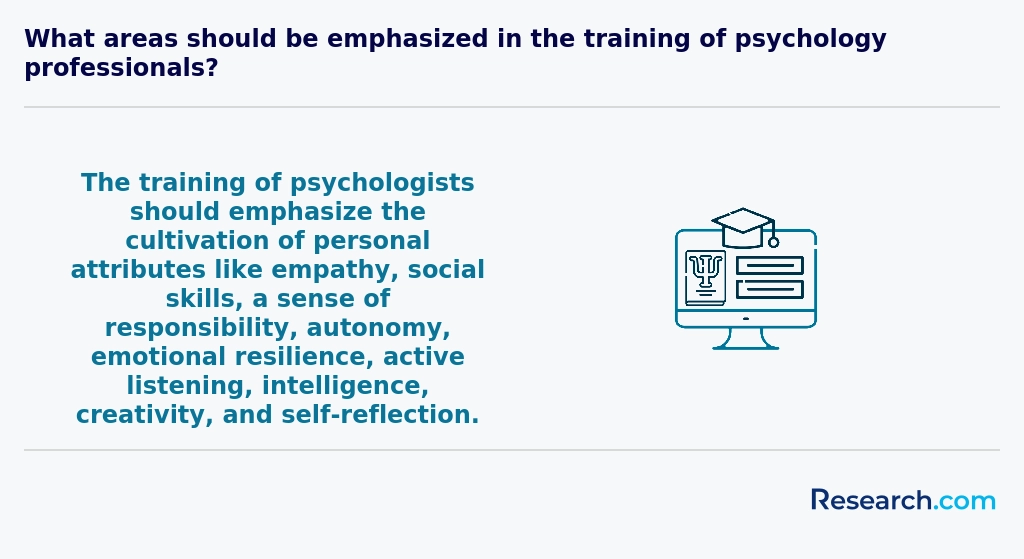
For many students, earning an undergraduate degree in psychology is only the beginning of their academic and professional journey. A natural progression involves exploring graduate education opportunities that can open doors to advanced practice, research leadership, and clinical excellence. Pursuing a master’s or doctoral degree not only deepens your understanding of psychological theories and research methodologies but also significantly enhances your career prospects in specialized fields. For those aiming to become licensed practitioners or to take on roles in academia, it is important to consider advanced programs that are recognized for their excellence and rigor. In particular, prospective students interested in clinical practice might want to investigate accredited doctoral programs; for instance, you can explore apa psyd programs to understand what qualities distinguish top-tier clinical psychology training. Furthermore, many graduate programs offer robust alumni networks, career services, and internship opportunities that ease the transition from academic study to professional practice. Aspiring psychologists should carefully evaluate the curriculum, faculty expertise, research facilities, and licensing support provided by each program to ensure they choose a pathway that aligns with both their professional ambitions and personal interests.
What financial aid is available to psychology degree students in Abilene?
Students pursuing psychology degrees in Abilene have a wealth of financial aid opportunities designed to lighten the burden of tuition and bring dreams within reach. Many undergraduates find relief through Federal Pell Grants, which offer need-based support without repayment, empowering them to focus on their passion for psychology. At Hardin-Simmons University and McMurry University, graduates often share how institutional scholarships-rewarding academic merit and unique talents-have been game changers in their educational journey.
Federal Direct Subsidized and Unsubsidized Loans provide another vital resource, accessible for both undergraduate and graduate studies, helping students confidently manage expenses while advancing their careers. Work-study programs on campus create an inspiring balance of earning income and gaining meaningful experience in real psychology settings.
Beyond local options, psychology students in Abilene tap into national scholarships from the American Psychological Association and Psi Chi Honor Society, which motivate them to excel academically and serve their communities with pride. Completing FAFSA early truly unlocks these valuable opportunities, fueling futures full of promise and growth.
Exploring In-Demand Psychology Programs
. To find the most suitable psychology program in Abilene, TX, it's essential to explore the various options available, considering factors such as program reputation, curriculum, and career outcomes. For those interested in understanding the broader landscape of psychology education, researching in demand psychology programs can provide valuable insights into the most popular and respected programs in the field. By delving into the specifics of each program, prospective students can make informed decisions that align with their academic and professional aspirations, ultimately leading to a successful and fulfilling career in psychology.
What are the prerequisites for enrolling in psychology degree program in Abilene?
Enrolling in a psychology degree program in Abilene is an exciting step fueled by passion and readiness. Most programs warmly welcome applicants who have completed high school or earned a GED, laying the foundation with essential skills in English, math, and science. Graduates from Abilene Christian University or Hardin-Simmons University often share how meeting these basic requirements set them up for success as they dove into fascinating psychology courses.
Applicants typically submit standardized test scores like the SAT or ACT, which can boost admissions chances-especially for those aiming at selective programs. Many students recall that presenting letters of recommendation added a personal touch, showcasing their character and potential.
A minimum GPA around 2.5 to 3.0 ensures readiness for the challenge, building confidence to thrive in this rewarding field. While introductory psychology classes begin during the first year, fulfilling these prerequisites opens the door to an empowering journey of discovery in the heart of Abilene's vibrant academic community.

Accreditation and Quality Standards
Choosing a psychology program with recognized accreditation ensures your degree meets industry benchmarks and supports state licensure.
- Regional accreditation (e.g., SACSCOC) verifies overall institutional quality and transferability of credits.
- APA accreditation for doctoral programs signals adherence to rigorous clinical training and ethical guidelines.
- CACREP accreditation guarantees counseling degrees meet national curriculum and internship requirements; explore affordable cacrep accredited programs.
Verify each school’s accreditation status early in your research to protect your investment and career prospects.
What courses are typically in psychology degree programs in Abilene?
Psychology degree programs in Abilene offer an inspiring blend of courses that empower students to truly understand human behavior and make a positive impact. Core classes like Introduction to Psychology open doors to the fascinating branches of the field, sparking curiosity and excitement from the very first semester. Graduates from universities in Abilene often recall their hands-on experience in Research Methods in Psychology, where they designed experiments that felt like real discoveries.
Courses in Statistics for Behavioral Sciences provide essential skills, turning data analysis into a rewarding challenge rather than a hurdle. Meanwhile, Biopsychology or Neuropsychology classes connect students to the incredible biology behind our thoughts and emotions, a highlight for those passionate about the brain's inner workings. At popular Abilene colleges, Developmental Psychology and Social Psychology reveal how people grow and are shaped by their social world, helping students relate theory to everyday life in deeply meaningful ways.
What types of specializations are available in psychology degree programs in Abilene?
Studying psychology in Abilene offers inspiring opportunities through a range of specializations designed to match diverse interests and career aspirations. Many students in local universities find their passion in Clinical Psychology, where they gain hands-on experience helping individuals overcome mental health challenges. Others thrive in Counseling Psychology, learning to provide empathetic support that transforms lives during difficult times. For those drawn to the dynamics of the workplace, Industrial-Organizational Psychology opens doors to enhancing employee well-being and productivity within regional businesses.
Developmental Psychology captivates students eager to understand human growth across all life stages, while Forensic Psychology offers a compelling blend of law and behavioral science for those interested in justice and rehabilitation. School Psychology attracts those inspired to make a difference in educational environments, supporting children's learning and emotional development. These Abilene psychology program concentration options empower graduates to pursue meaningful careers rooted in real-life impact and rewarding community engagement.
Graduates from Abilene's colleges often highlight the advantage of collaborating with local clinics and organizations, gaining rich, applied learning that fuels confidence. It's also beneficial to explore specialized programs such as apa psyd programs to deepen your expertise and open further career pathways in this vibrant field.
How do you choose the best psychology degree in Abilene?
Choosing the best psychology degree in Abilene starts with understanding your goals and the unique opportunities local schools offer. Graduates often reflect on how programs at Hardin-Simmons University combined rigorous academics with hands-on internships, creating an inspiring environment filled with supportive faculty who genuinely care about your success. Affordable psychology colleges Abilene Texas provide a welcoming path for many, balancing quality education with manageable tuition costs-perfect for focused learners eager to make a difference in their communities.
Accreditation and specialized tracks can shape your future in exciting ways. Imagine developing expertise in developmental psychology or counseling while engaging in meaningful practicum experiences that prepare you for licensure and impactful careers. Many also pursue dual masters and phd programs in psychology online, blending flexible schedules with advanced study to accelerate growth and professional development.
Looking beyond courses, career services and alumni networks in Abilene schools help open doors to fulfilling psychology roles, turning passion into a rewarding journey. Embrace this chance to start a vibrant chapter where your educational path reflects both your ambition and heart.
What career paths are available for psychology degree students in Abilene?
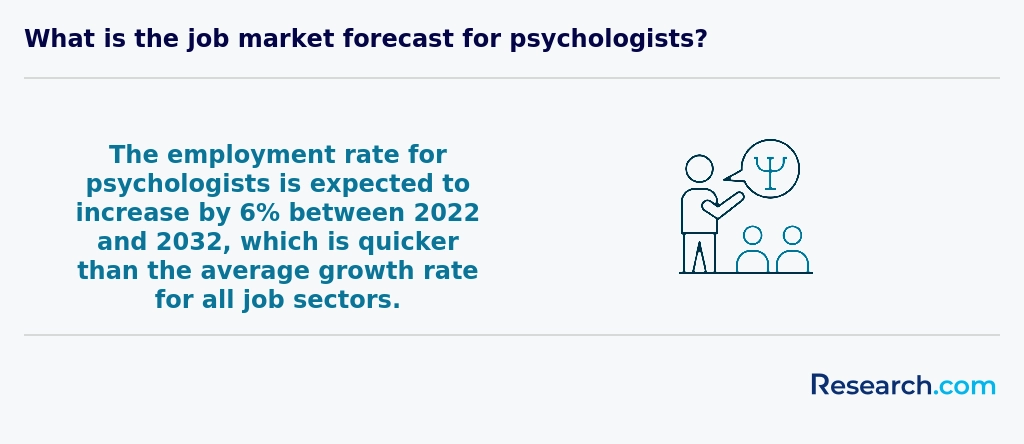
Psychology degree graduates in Abilene enjoy diverse and rewarding career paths that align with their passions and strengths. Many choose to become licensed counselors or therapists, working in local clinics and community health centers that actively seek dedicated mental health professionals. These roles provide a deep sense of fulfillment, helping individuals face life's challenges with resilience. Others find inspiring opportunities in educational psychology or school counseling within Abilene's public school system and colleges, where their expertise supports student growth and development. Graduates from local universities know firsthand how these careers can make a real difference.
For those drawn to research or business, Abilene Christian University and nearby institutions offer roles in academic research and organizational psychology, driving positive change in workplaces and communities. The city's collaborative atmosphere encourages graduates to explore vibrant employment opportunities for psychology graduates Abilene has to offer. Aspiring students can also explore affordable options through the Inexpensive Psychology Degree Programs Ranking in Indianapolis, IN to invest wisely in their future.
What is the job market for psychology degree in Abilene?
The psychology degree job opportunities in Abilene are both promising and diverse, offering rewarding paths for graduates eager to make a difference. Many who have studied psychology at local institutions such as Hardin-Simmons University or Abilene Christian University find themselves stepping into roles like case management or behavioral health aide positions, contributing meaningfully to their communities while gaining valuable experience. These are just stepping stones, as advanced degrees open doors to specialties in counseling psychology, school psychology, and even research roles within the region's hospitals and counseling centers.
Employment outlook for psychology graduates in Abilene continues to brighten, supported by growing demand in social service agencies and school districts prioritizing mental wellness. Graduates often share inspiring stories of working alongside veterans' services, helping individuals navigate trauma and PTSD, highlighting the deep impact one can have locally. For those eager to accelerate their education and career, many embrace fast track college programs to quickly reach advanced qualifications, enhancing their role in this thriving job market.
Frequently Asked Questions About psychology
Psychology degree students in Abilene can enhance their learning by taking advantage of local resources and practical experiences. Abilene hosts institutions like Abilene Christian University, which offers psychology programs with opportunities for research and internships. Engaging in hands-on internships at nearby healthcare centers or community organizations helps students apply theory in real-world settings, a critical step toward professional development.
Students should also connect with faculty members early to explore research projects, as active participation in studies improves critical thinking and analytical skills. According to the Texas Higher Education Coordinating Board, students involved in research have a higher likelihood of graduate school acceptance.
Joining psychology-related student clubs or regional associations further expands networking and learning opportunities through workshops and conferences. Balancing classroom knowledge with practical experience prepares students for successful careers in psychology fields across Texas.
Emerging niches within the psychology field in Abilene reflect broader national trends while addressing local community needs. One growing area is telepsychology, driven by increased demand for remote mental health services, especially following the COVID-19 pandemic. Texas state licensing boards now support telehealth practices, expanding access across rural West Texas regions.
Another niche is forensic psychology, supported by connections with local law enforcement and the expanding judicial system in Abilene. Forensic psychologists assist in criminal profiling and legal evaluations, representing a specialized career path.
Health psychology is also gaining traction, focusing on how behavior affects physical health-a priority in Texas due to rising chronic illness rates. Institutions like Abilene Christian University offer relevant research opportunities.
These niches offer growing employment prospects for graduates in Abilene's evolving job market.
After completing a psychology degree in Abilene, preparing for the job market involves gaining practical experience and building professional connections. Many graduates find internships or volunteer positions in local healthcare facilities, schools, or social service agencies valuable for developing skills and enhancing resumes.
Abilene offers access to regional employers like hospitals and counseling centers, which can be focal points for job searches. According to the U.S. Bureau of Labor Statistics, Texas expects a 14% growth in psychologist roles by 2030, signaling steady opportunities.
Networking through local professional associations and attending career fairs at universities such as Abilene Christian University can increase job prospects.
Additionally, consider certifications or advanced degrees to specialize and meet licensure requirements in Texas.
Employers in Abilene highly value psychology graduates who demonstrate strong communication and critical thinking skills. These abilities are crucial for roles in counseling, social services, and behavioral research. According to the Bureau of Labor Statistics, professionals with psychology degrees must excel at interpreting data and applying psychological theories to real-world situations.
Local employers also prioritize interpersonal skills, as many positions require working closely with clients or multidisciplinary teams. Familiarity with research methods and statistical software is another sought-after skill, enhancing graduates' employability in academic and clinical settings.
Additionally, Abilene's healthcare sector particularly values ethical judgment and cultural sensitivity, reflecting the city's diverse population. According to Texas Workforce Commission reports, these skills improve treatment outcomes and client satisfaction in mental health services.
Finding psychology internships in Abilene can significantly enhance practical experience and career prospects. Start by contacting local universities, such as Hardin-Simmons University, which often partner with community agencies for student placements. Additionally, check with healthcare facilities like Hendrick Medical Center that may offer psychology-related internship opportunities.
Professional organizations such as the Texas Psychological Association provide resources and listings relevant to internships, helping students connect with licensed professionals and clinics.
Networking through local counseling centers, school psychology departments, and nonprofits can uncover less-advertised openings. Early application is key as competitive spots fill quickly.
State labor data indicates a steady demand for psychology-related roles, underscoring the importance of hands-on internships for gaining experience and building credentials in Abilene.
A psychology degree in Abilene can significantly impact career mobility and advancement within the local job market. The Abilene metropolitan area, with health care and education sectors expanding, offers growing opportunities for psychology graduates.
According to Texas Workforce Commission data (2023), positions for clinical, counseling, and school psychologists in the region are projected to grow by approximately 9% over the next decade, faster than the national average. This growth supports career advancement potential for those holding relevant degrees.
Furthermore, earning an advanced psychology degree, such as a master's or doctorate, often leads to higher earning potential and eligibility for leadership roles in mental health services, education, or human resources within Abilene's employers.
Studying for a psychology degree in Abilene equips students with skills applicable across multiple disciplines. Local programs emphasize a strong foundation in psychological theories, research methods, and applied practice. This interdisciplinary focus prepares graduates to work effectively in fields such as healthcare, education, business, and social services.
Many Abilene institutions encourage collaboration with other departments, promoting critical thinking and communication skills essential for roles that intersect psychology with areas like sociology or business management. According to the Texas Higher Education Coordinating Board, interdisciplinary skills increase employability by 15% among psychology graduates statewide.
Additionally, internships and community partnerships in Abilene offer real-world experience in diverse settings, reinforcing versatility in career paths.
When choosing between a thesis and a non-thesis psychology degree program in Abilene, students should consider their career goals and learning preferences. A thesis program emphasizes original research, preparing students for doctoral studies or research-focused roles. It typically requires conducting a significant research project under faculty supervision, which can take extra time and effort.
Non-thesis programs focus on coursework and practical skills, ideal for those seeking careers in counseling, human services, or business. These programs often include internships or applied projects instead of a research thesis. In Abilene, programs align with Texas state education standards and may vary between institutions. According to the National Center for Education Statistics, about 40% of psychology graduates nationwide choose thesis tracks, reflecting their academic focus.
Students based in Abilene who wish to study psychology abroad have several options through their local universities' exchange and study abroad programs. For example, Abilene Christian University often collaborates with partner institutions overseas, allowing psychology majors to gain international experience. These programs typically last one semester or a full academic year.
Additionally, many students in Abilene may apply to national scholarship programs, such as the Gilman Scholarship, aimed at supporting U.S. undergraduate students studying abroad in diverse fields, including psychology.
While data specific to psychology abroad from Abilene is limited, the International Education Exchange (IIE) reports that around 10% of U.S. psychology students participate in study abroad during their college years, indicating a growing interest in global perspectives within the discipline.
Students should consult their academic advisors to explore accredited psychology programs abroad that align with U.S. degree requirements, ensuring credits transfer smoothly back to their home institutions in Abilene.
Students pursuing psychology degrees in Abilene can benefit from several part-time job opportunities that enhance their academic experience. Positions such as behavioral health technician or mental health aide at local clinics provide practical skills directly related to psychology. These roles help students gain exposure to patient care and therapeutic settings, complementing their coursework.
Additionally, research assistant roles at institutions like Hardin-Simmons University allow students to engage in psychological studies, honing data analysis and experimental design skills. According to Texas Workforce Commission data, healthcare support occupations in Abilene are projected to grow by 12% through 2030, highlighting strong job prospects.
Other options include tutoring psychology courses or working in community outreach programs focused on mental health awareness, both enhancing communication and leadership abilities relevant to the field.
Psychology students in Abilene have access to several local networking opportunities that can enhance their academic and professional development. Abilene Christian University offers active student organizations such as the Psychology Club, which hosts guest speakers and community events. These meetings provide valuable connections to faculty and peers with similar interests.
Additionally, students may participate in internships and volunteer programs at nearby institutions like the Abilene Regional Medical Center. Networking events coordinated by these organizations can lead to mentorships and practical experience, which are vital in the psychology field.
According to the Texas Workforce Commission, local health and social service industries employ many psychology graduates, creating a strong environment for professional networking. Students are also encouraged to attend regional conferences in Texas to expand their network beyond Abilene.
Alumni networks offer valuable benefits to psychology degree students in Abilene by connecting them with experienced professionals and recent graduates. These networks provide opportunities for mentoring, internships, and job placements within local mental health agencies and counseling centers.
According to the Texas Higher Education Coordinating Board, institutions in Abilene report that students engaged with alumni networks have a 25% higher rate of securing relevant positions after graduation. This connection helps students navigate the local job market effectively.
Additionally, alumni groups often host workshops and networking events, fostering career development and professional growth specific to psychology fields in Abilene.
Customizing a psychology degree program in Abilene involves selecting courses and experiences aligned with your career goals. Many local institutions offer elective options in areas such as clinical, counseling, or industrial-organizational psychology. Students can also participate in internships or research projects to gain practical skills.
For example, Hardin-Simmons University integrates personalized advising to help tailor coursework for specific career paths. According to the Texas Higher Education Coordinating Board, about 60% of psychology graduates in Texas pursue specialized tracks or certificate programs related to mental health or human services.
Exploring options like applied psychology or developmental psychology electives can strengthen your qualifications. Local agencies often collaborate with universities to provide fieldwork opportunities, enhancing real-world experience and employability in Abilene's health and social service sectors.
Psychology students in Abilene often face several challenges typical within the US higher education landscape. Many grapple with balancing rigorous coursework alongside practical training requirements, such as internships and research participation. According to the National Center for Education Statistics, psychology programs demand a mix of theoretical knowledge and hands-on experience, which can be time-consuming.
Additionally, funding and financial aid represent a significant concern. While Abilene offers some scholarships through local institutions like Texas State Technical College, many students find themselves seeking external support to cover tuition and living expenses.
Access to diverse practicum sites in Abilene can be limited, impacting student exposure to varied psychological settings. This can affect readiness for post-graduate licensure exams and employment.
With a psychology degree in Abilene, graduates can pursue various professional certifications to enhance their career prospects. Common options include becoming a Licensed Professional Counselor (LPC), which requires passing the National Counselor Examination and completing supervised clinical hours. Another pathway is certification as a Certified Addiction Counselor (CAC), useful in Texas's growing behavioral health sector. For those interested in school psychology, the National Certified School Psychologist (NCSP) credential offers national recognition. Additionally, certifications like Certified Forensic Psychologist or Board Certified Behavior Analyst (BCBA) are viable, depending on one's specialization. These credentials often require graduate education and state-specific licensing.
When applying for a psychology program in Abilene, it is essential to focus on a clear and compelling personal statement that highlights your interest in psychology and your career goals. Admissions committees value applicants who demonstrate genuine passion and understanding of the field.
Be sure to include relevant volunteer or work experience related to mental health or social services, as local programs often emphasize practical involvement. Abilene's psychology programs typically require strong letters of recommendation from educators or professionals familiar with your academic abilities.
Maintaining a competitive GPA is important; the average admitted student in Texas psychology programs often has a GPA above 3.0. Additionally, familiarize yourself with specific requirements at institutions like Abilene Christian University, which offers Bachelor and Master degrees in psychology.
Standardized test scores, although less commonly required, should be submitted if they strengthen your application, especially for graduate programs. Lastly, showing awareness of current psychological issues in Texas through local internships or seminars can provide an edge.
The field of psychology offers diverse career opportunities worldwide, reflecting varied cultural and economic contexts. In the United States, including Abilene, psychology careers are strongly connected to healthcare, education, and business sectors. According to the Bureau of Labor Statistics, the U.S. anticipates a 8% growth in psychologist jobs from 2022 to 2032, highlighting steady domestic demand.
Globally, psychology careers often depend on each country's investment in mental health services and research. In the U.S., professionals with a psychology degree typically pursue licensure, allowing them to practice clinically or in counseling roles.
Abilene's universities align their programs with these trends, emphasizing both research and applied practices to prepare students for competitive national and international markets.
Gaining practical experience while studying psychology in Abilene is essential for career readiness. Many local colleges, such as Abilene Christian University, offer internship opportunities through partnerships with community organizations and mental health centers. These internships allow students to apply classroom knowledge in real-world settings.
Volunteer work is another valuable option; Abilene has several healthcare facilities and social service agencies that welcome psychology students seeking experience. Additionally, research assistant positions may be available at university psychology departments, enabling students to engage in scientific studies firsthand.
According to the Bureau of Labor Statistics, practical experience significantly improves employability for psychology graduates. Actively seeking these opportunities can enhance both skills and professional networks in Abilene.
Choosing the right concentration within a psychology degree program in Abilene begins with understanding your career goals and interests. Psychology offers various specializations such as clinical, counseling, developmental, or industrial-organizational psychology. Each concentration has different career outcomes and licensure requirements.
Students should research programs offered by Abilene Christian University and McMurry University, the two primary providers in the area, as their available concentrations may differ. It is also helpful to consider the local job market; for example, clinical and counseling psychology are in higher demand in Abilene's healthcare sector, according to Texas Workforce Commission data.
Exploring faculty expertise and internship opportunities in nearby mental health facilities can provide practical experience essential for your chosen concentration. Finally, consult academic advisors and review curriculum specifics to ensure the program aligns with both your interests and professional plans.
Related Psychology Rankings for Nearby Cities
- 2027 Most Popular Psychology Degree Programs Ranking in Tulsa
- 2027 Most Popular Psychology Degree Programs Ranking in Springfield
- 2027 Most Popular Psychology Degree Programs Ranking in Denver
- 2027 Most Popular Psychology Degree Programs Ranking in Lincoln
- 2027 Most Popular Psychology Degree Programs Ranking in Hattiesburg
- 2027 Most Popular Psychology Degree Programs Ranking in Saint Louis
- 2027 Most Popular Psychology Degree Programs Ranking in Mobile
- 2027 Most Popular Psychology Degree Programs Ranking in Phoenix
- 2027 Most Popular Psychology Degree Programs Ranking in Birmingham
- 2027 Most Popular Psychology Degree Programs Ranking in Montgomery
Top Trending Psychology Rankings
See What Experts Have To Say About Studying Psychology
Read our interview with Psychology experts

Robin M. Kowalski. Ph.D.
Psychology Expert
Professor of Psychology
Clemson University

Elizabeth L. Jeglic Ph.D.
Psychology Expert
Professor of Psychology
City University of New York

Joann Farrell Quinn, Ph.D., MBA
Psychology Expert
Director at the College of Medicine Department of Medical Education
Morsani College of Medicine

References
- Community Psychology in Global Perspective http://siba-ese.unisalento.it/index.php/cpgp
- Society for the Teaching of Psychology https://teachpsych.org/page-1784686/8675326
- Psychology Online Degree Pathway https://www.learndirect.com/course/psychology-online-degree
- Financial Aid For Psychology Students | Psychology.org https://www.psychology.org/resources/financial-aid/
- Financial Aid for Psychology Students https://www.onlinepsychologydegrees.com/financial-aid/
- Why Get a Psychology Degree Online? https://www.bridgeport.edu/news/reasons-to-get-your-psychology-degree-online/
- Psychology Major Degree Program in Texas | HSU https://www.hsutx.edu/academics/undergraduate-majors-minors/psychology-degrees/
- Study Psychology Abroad https://astarfuture.co.uk/study_psychology_abroad.html
- Alumni Perspectives - Meet Our FPN Alumni https://www.aanmelder.nl/alumni-perspectives-june-2023
- Psychology Placement Opportunities for Year 12 Students https://studymind.co.uk/ucas-guide/year-12-guide-to-gaining-psychology-work-experience/