2027 Most Affordable Psychology Degree Programs Ranking in Norfolk

Co-Founder and Chief Data Scientist
Choosing the right psychology degree program is an important step toward a fulfilling career. For students in Norfolk, making an informed decision can feel overwhelming with so many options available.
This article presents the 2027 Most Affordable Psychology Degree Programs Ranking in Norfolk, carefully created by the Research.com team of data scientists. It's designed to help you discover affordable and quality psychology programs suited to your goals.
Exploring these options can open doors to meaningful opportunities and personal growth, making your educational journey both rewarding and accessible.
Key benefits of getting psychology degree in Norfolk
- A psychology degree can lead to well-paying jobs such as Marketing Research Analyst with an average annual salary of $83,190 or Human Resources Specialist earning about $76,060 per year, offering strong financial stability.
- Graduates from local universities in Norfolk often find diverse career paths including clinical research, marketing analysis, and childcare-related roles, showcasing flexibility and various opportunities to apply psychology knowledge.
- Online psychology degrees provide convenience and allow students in Norfolk to balance studies with personal commitments while still accessing quality education, opening doors to rewarding jobs like Survey Researcher with a mean salary of $62,370.
- Key benefits of getting psychology degree in Norfolk
- What can I expect from psychology degree in Norfolk?
- Where can I work with psychology degree in Norfolk?
- How much can I make with psychology degree in Norfolk?
- 2027 Most Affordable Psychology Degree Programs Ranking in Norfolk
- Key Findings
- How long does it take to complete psychology degree in Norfolk?
- Graduate Education and Career Advancement
- What's the difference between online and on-campus psychology degree?
- Accreditation and Licensure Requirements
- What is the average cost of psychology degree in Norfolk?
- Licensure and Accreditation in Virginia
- What financial aid is available to psychology degree students in Norfolk?
- Making an Informed Decision: Considering the Cost and Value of Psychology Programs in Norfolk, VA
- What are the prerequisites for enrolling in psychology degree program in Norfolk?
- Return on Investment for Psychology Degrees in Norfolk, VA
- What courses are typically in psychology degree programs in Norfolk?
- What types of specializations are available in psychology degree programs in Norfolk?
- How do you choose the best psychology degree in Norfolk?
- What career paths are available for psychology degree students in Norfolk?
- What is the job market for psychology degree in Norfolk?
- Top Trending Psychology Rankings
- See What Experts Have To Say About Studying Psychology
What can I expect from psychology degree in Norfolk?
When considering the cost of a psychology degree in Norfolk, you'll find a mix of affordability and value, especially at public institutions like Old Dominion University (ODU). Many graduates recall the relief of in-state tuition rates, which are notably lower than private options, making it easier to focus on studies without overwhelming financial stress. Scholarships and financial aid tailored to psychology students further lighten the load, enabling hands-on learning experiences without the heavy burden of debt.
Picture yourself engaging in practical lab work or community practicums supported by accessible funding-this is a reality many Norfolk students appreciate. Compared to national tuition averages, Norfolk's programs offer tangible savings, reinforcing why so many choose to stay local for their degree. The blend of cost-effectiveness and rich opportunities here makes pursuing psychology not just a dream but an attainable pathway toward a fulfilling career in mental health or human services.
Where can I work with psychology degree in Norfolk?
With a psychology degree in Norfolk, you have a broad spectrum of career paths open to you that can truly make a difference in people's lives. Many graduates find rewarding roles in local healthcare settings like Sentara Norfolk General Hospital or Bon Secours Maryview Medical Center, where they support mental health treatments and rehabilitation programs. Imagine working alongside dedicated professionals, directly impacting individuals' journeys toward wellness.
Educational institutions such as Norfolk Public Schools and Old Dominion University also offer exciting opportunities. Graduates often become school psychologists or join academic research teams, shaping the future of student well-being and scientific discovery. Many alumni recall how hands-on experiences during their studies prepared them to confidently support children and communities.
In addition, government agencies and social services provide meaningful roles focused on substance abuse counseling and family support programs, fulfilling a vital societal need. Graduates working here often express deep satisfaction from aiding vulnerable populations in Norfolk.
For those interested in the private sector, human resource departments and market research firms value psychology skills for understanding behavior and improving workplaces. Norfolk's salary range for these roles is competitive, encouraging students to pursue diverse avenues. Knowing the Virginia licensure requirements also helps graduates plan clear steps toward clinical or counseling careers with confidence.
How much can I make with psychology degree in Norfolk?
Graduates from psychology programs at Norfolk State University or Tidewater Community College often find rewarding entry-level roles in local organizations such as social services or research departments. For example, a graduate starting as a Clinical Research Associate can expect an average salary of about $62,370 per year, a solid foundation to build their career.
Others transition into related fields like marketing research, where psychology skills shine. In Norfolk, Marketing Research Analysts earn an average of $83,190 annually, blending psychological insight with data analysis to influence business decisions. This path offers both intellectual challenge and financial stability.
For those interested in human resources, Norfolk graduates take on roles that typically pay around $76,060 per year. These positions allow psychologists to apply their understanding of behavior in workplace environments, fostering positive organizational cultures.
Many graduates share how their psychology degrees open doors to meaningful careers with strong earning potential in Norfolk's diverse economic landscape. With dedication, the skills you develop can lead to growth opportunities and the satisfaction of making a real difference in your community.
2027 Most Affordable Psychology Degree Programs Ranking in Norfolk
How do we rank schools?
Investing in your education is a significant decision that can shape your future, and the Research.com team understands the importance of making informed choices. To assist prospective students in Norfolk, we have meticulously crafted the "2027 Most Affordable Psychology Degree Programs Ranking in Norfolk." Our commitment to quality, credibility, and accuracy is reflected in the extensive research and analysis conducted to compile this ranking.
We utilized the following reputable data sources to ensure a comprehensive evaluation of psychology degree programs:
By exploring this ranking, readers will gain valuable insights into affordable and high-quality psychology degree programs in Norfolk, helping them make well-informed educational decisions. For more information on how the ranking was created, please visit our Research.com methodology page.


Key Findings
- Annual tuition for a psychology bachelor's degree in Norfolk ranges from $10,000 to $25,000 depending on the institution and residency status.
- Entry-level psychology-related jobs, such as behavioral technicians, start at about $40,000 per year.
- Experienced psychologists and related professionals can earn around $75,000 or more annually in Norfolk.
- Local employers include nursing homes, mental health clinics, schools, and nonprofit organizations focused on healthcare and social services.
- Many psychology programs offer internships or practical experience within local agencies to prepare students for the workforce.
- Becoming a licensed psychologist typically requires a master's or doctoral degree and state licensure beyond the bachelor's degree.
How long does it take to complete psychology degree in Norfolk?
Completing a psychology degree in Norfolk typically takes about four years for a Bachelor's degree, whether you're studying at Old Dominion University or Norfolk State University. Many graduates share how those four years feel like an exciting journey-balancing foundational courses in cognitive psychology and research methods while building lasting friendships and professional networks.
For those ready to deepen their expertise, a Master's degree usually requires two more years of focused study, often allowing students to explore specialized areas like clinical or industrial-organizational psychology. Graduates often recall internships that provided hands-on experience, making their learning feel immediately relevant and rewarding.
Doctoral programs here span four to seven years, involving demanding but fulfilling dissertation research and practical training. Many doctoral graduates speak about the pride they felt after defending their dissertations and stepping into roles in clinical practice or university teaching. By understanding these timelines at Norfolk's institutions, you can confidently plan your path in psychology with both excitement and clarity.
Graduate Education and Career Advancement
For many psychology graduates in Norfolk, VA, the next vital step is to amplify their expertise and open doors to further professional success through advanced education opportunities. Expanding your academic journey with a master’s degree not only deepens your theoretical foundation but also enhances your practical skills, making you more competitive in today’s dynamic job market. Pursuing graduate studies can provide specialized training in areas such as clinical psychology, forensic psychology, or applied behavior analysis, which often leads to higher earning potential and accelerated career growth. In addition to traditional on-campus options, many institutions now offer flexible online master’s programs, designed to cater to working professionals who seek to balance career, life, and advanced studies. For those interested in rapidly advancing their careers, our list of fast masters in aba online offers a curated selection of programs that emphasize efficiency and rigorous training. By investing in further education, you also build an invaluable professional network, gain access to innovative research opportunities, and increase your marketability across diverse sectors-ranging from healthcare to corporate environments. This proactive approach ensures that your academic credentials continue to work for you, paving the way for leadership roles and specialized career paths in the field of psychology.
What's the difference between online and on-campus psychology degree?
Choosing between online and on-campus psychology degrees in Norfolk depends on your lifestyle and learning preferences. On-campus programs at institutions like Norwich University offer an immersive experience, where graduates recall vibrant classroom discussions and hands-on practice in counseling labs that sharpen clinical skills. This face-to-face interaction fosters strong networking and immediate feedback, crucial for building confidence in real-world settings.
In contrast, online psychology students appreciate the flexibility to study around work or family commitments. Many recall how accessing lectures asynchronously allowed them to balance parenting and coursework seamlessly. Online tuition tends to be around 20% less, easing financial stress while still maintaining accreditation recognized by graduate schools and employers nationwide.
Imagine waking up and attending a virtual class from your own space versus walking the campus paths of a Virginia Beach college, feeling inspired by the vibrant academic community. Both paths lead to success, but your unique goals and daily rhythms will shape which journey feels right for you.
Accreditation and Licensure Requirements
Accreditation verifies program quality and ensures eligibility for professional licensure in Virginia. To make sure your psychology degree in Norfolk leads to practice, consider these criteria:
- Regional accreditation: Confirm the institution is accredited by the Southern Association of Colleges and Schools Commission on Colleges (SACSCOC) for transferable credits and federal financial aid.
- APA accreditation: For clinical or counseling psychology tracks, choose programs accredited by the American Psychological Association to satisfy doctoral licensure prerequisites.
- State licensure steps: After graduation, complete roughly 3,000 supervised hours, pass the Examination for Professional Practice in Psychology (EPPP), and apply to the Virginia Board of Psychology.
- Counseling credentials: If you aim for licensure as a professional counselor, select programs aligned with Virginia’s LPC requirements-including accredited online degrees in counseling.
Ensuring your program meets these standards protects your investment in an affordable degree and smooths the path to credentialing.
What is the average cost of psychology degree in Norfolk?
The average cost of a psychology degree in Norfolk varies depending on whether you attend a public or private institution. For in-state students at public universities like Old Dominion University, the total in-state cost for completing a psychology degree typically hovers around $12,750. Many graduates reflect on how this affordability helped them pursue their passion without overwhelming financial stress, making the journey toward their psychology careers feel within reach. This creates a sense of empowerment and focus on the rewarding experiences, like engaging research projects or practicum work, rather than worrying about tuition.
Out-of-state students generally face higher tuition, with total costs nearing $52,000 for their degree. However, this investment often comes with diverse networking opportunities and access to specialized faculty, which many students find invaluable. Private colleges in the Norfolk region might charge even more, sometimes doubling those figures, but the options for scholarships and financial support can ease some of the burden.
When looking for affordable psychology degree programs Norfolk offers, it's also crucial to consider additional expenses like textbooks and practicum fees. Yet many students feel encouraged when they discover financial aid opportunities or state grants that significantly offset these costs. For those motivated to find the cheapest psychology school in virginia, careful research and planning can unlock a fulfilling and affordable educational path.

Licensure and Accreditation in Virginia
Understanding accreditation and licensure ensures that your psychology degree translates into professional credentials:
- Program Accreditation: Choose psychology programs accredited by the American Psychological Association (APA) or the Masters in Psychology and Counseling Accreditation Council (MPCAC) to meet Virginia licensure eligibility.
- State Licensing Steps: After graduation, complete at least 3,000 supervised post-graduate hours, pass the Examination for Professional Practice in Psychology (EPPP), and apply through the Virginia Board of Psychology.
- Supervised Practice: Engage in practicum or internship placements during your degree to accumulate required supervised experience efficiently.
- Continuing Education: Maintain licensure by fulfilling mandatory continuing education requirements every renewal cycle to stay current with best practices.
For those interested in counseling pathways, consider reviewing affordable online mft programs as an alternative or complementary credential.
What financial aid is available to psychology degree students in Norfolk?
When pursuing a psychology degree in Norfolk, financial aid can feel like a lifeline that turns your dreams into reality. Many graduates from institutions like Old Dominion University or Norfolk State University recall how filling out the FAFSA unlocked access to Pell Grants-offering up to $7,395 annually-which substantially eased their tuition burdens. State programs like the Virginia Tuition Assistance Grant also helped those attending private colleges nearby, making quality education more affordable.
Beyond grants, scholarships tailored specifically to psychology students, often found through local organizations and university departments, can reward your academic passion and dedication. Imagine joining a research assistantship where your work not only funds your education but also propels your career forward. Work-study roles in these Norfolk universities provide both income and meaningful experience, turning classrooms into stepping stones.
Loans are another option, but many graduates advise prioritizing federal loans for their lower interest and flexible repayment. Seeking early guidance from financial aid offices in Norfolk can be empowering, ensuring you seize every opportunity designed to support your educational journey.
Making an Informed Decision: Considering the Cost and Value of Psychology Programs in Norfolk, VA
To make an informed decision about which psychology program to attend in Norfolk, VA, it is essential to consider both the cost and the value of the program. Understanding the average cost of a psychology degree in Norfolk, VA, and exploring financial aid options can help alleviate concerns about affordability. Prospective students can visit the cheapest psychology school in virginia to learn more about affordable options. Additionally, considering factors such as accreditation, program type, curriculum, and specialization can help students choose a program that aligns with their career aspirations and provides a strong foundation for future success. By weighing these factors and exploring available resources, students can make a well-informed decision about their educational investment and set themselves up for a rewarding career in psychology.
What are the prerequisites for enrolling in psychology degree program in Norfolk?
To enroll in a psychology degree in Norfolk, you'll first need a solid foundation that begins right in high school. Graduates from well-known local institutions often recall how excelling in subjects like biology and English truly prepared them for the analytical thinking demanded in psychology classes at colleges such as Old Dominion University. Many undergraduate programs here expect SAT or ACT scores, though some schools have shifted to test-optional policies, easing barriers for many passionate students.
For those aiming at graduate studies, the path becomes clearer but more specialized. Most Norfolk programs require a bachelor's degree, preferably in psychology or a related field, with essential coursework like Introduction to Psychology and Statistics completed. Graduates often share how taking these courses early gave them confidence and a real sense of connection when engaging with complex theories during their master's or doctoral programs.
Standardized tests like the GRE, letters of recommendation, and personal statements play a vital role in applications. Candidates who volunteer locally in mental health settings find their experiences enrich their applications and help them stand out in the competitive Norfolk academic community.

Return on Investment for Psychology Degrees in Norfolk, VA
When evaluating the true value of a psychology degree, it’s essential to consider both the total cost of attendance and the expected salary trajectory after graduation. In Norfolk, VA, in-state public tuition averages $7,070 per year, while out-of-state private institutions can reach $32,954 annually. With an average starting salary of $51,304 for psychology graduates and mean earnings of $73,080 for roles like Human Resources Specialist, most students recoup their educational investment within 4–6 years post-graduation, depending on debt load and financial aid. A cost-benefit analysis shows that scholarships and graduate assistantships can reduce time to break even by up to two years. For example, a student who graduates with $20,000 in debt and secures an entry-level position at $50,000 annually will typically pay off loans in under five years, assuming a standard 10-year repayment plan. Conversely, specialized roles such as Clinical Research Associates, earning $57,760 on average, may shorten repayment schedules further. To maximize ROI, consider programs with robust career services and internship pipelines. Hands-on experiences at local clinics or corporate settings not only strengthen résumés but often lead to direct job offers, effectively lowering both unemployment risk and time to full earning potential. If you’re exploring cost-effective alternatives outside Norfolk, compare your options with our Low Cost Psychology Degree Programs Ranking in Cambridge, MA for additional benchmarks on affordability and career outcomes.
What courses are typically in psychology degree programs in Norfolk?
In Norfolk, psychology degree programs typically offer a well-rounded mix of courses that build both a strong theoretical foundation and practical skills. Many students find that starting with General Psychology classes gives them a clear lens to understand human behavior and mental processes comprehensively. At popular institutions like Old Dominion University, graduates often describe how courses in Biological and Cognitive Psychology energized their curiosity about how the brain shapes our actions and thoughts.
Research methods and statistics are essential early courses that Norfolk students often highlight as game changers. One graduate recalled how learning to design experiments and analyze data not only boosted confidence but also opened doors to hands-on research opportunities on campus. This practical experience proves invaluable when moving into specialized areas such as Developmental or Social Psychology, where theory meets real-life challenges and dynamics.
Electives like Abnormal Psychology and Clinical Psychology deepen understanding of mental health, preparing many Norfolk students for future roles in counseling or therapy. Internships and practicums offered through local colleges give you the chance to apply what you've learned in meaningful, real-world settings-a transformative step that many graduates say confirmed their passion for the field.
What types of specializations are available in psychology degree programs in Norfolk?
When exploring psychology degree specializations Norfolk offers, you'll find a rich array of paths designed to match your passions and career goals. Graduates from well-known institutions like Old Dominion University often share how clinical psychology prepared them to support mental health with confidence, while others found their calling studying cognitive psychology, understanding how people think and remember. Norfolk's programs also embrace developmental psychology, perfect for those drawn to nurturing growth from childhood to old age, a popular choice reflecting the city's community needs.
For students aiming at Norfolk psychology career focus areas, industrial-organizational psychology stands out, teaching how to improve workplace dynamics-an exciting option witnessing growing demand. Other specializations like forensic or health psychology allow you to apply psychology in legal and health contexts, giving you real-world impact. Some programs even offer choices in neuropsychology, diving into brain-behavior connections, though availability varies.
Many students appreciate practicum opportunities offered locally, essential for hands-on learning and licensure. If you're motivated by applied practice, consider checking a list of fast masters in aba online to complement your studies and accelerate career growth.
How do you choose the best psychology degree in Norfolk?
Choosing the best psychology degree in Norfolk means looking beyond just the name of the institution-graduates often emphasize the importance of accreditation, especially APA accreditation, which opens doors to licensing and advanced study. Norfolk State University and Regent University, known for their psychology programs, offer different experiences but share strong faculties who mentor students through both research and clinical pathways. Many graduates recall how practical opportunities, such as internships or hands-on research projects, transformed their understanding and boosted their confidence to enter the workforce.
When considering affordable psychology degree programs in Norfolk, weigh tuition costs carefully while exploring financial aid options. One graduate highlighted how investigating programs with manageable costs alongside meaningful class sizes led to a more personalized and inspiring learning journey. Smaller classes at Norfolk institutions often foster stronger connections with professors and peers, enhancing the overall experience.
Understanding post-graduate outcomes is equally valuable. Graduates from Norfolk schools report positive employment rates and success in graduate school acceptance, reflecting program quality. For those interested in balancing cost and quality, consulting rankings like the Low Cost Psychology Degree Programs Ranking in Cambridge, MA can provide additional perspective when choosing your path.
What career paths are available for psychology degree students in Norfolk?
Pursuing a psychology degree in Norfolk opens doors to an inspiring range of career paths perfectly suited to the city's unique community and economy. Graduates from local universities often find rewarding roles as licensed mental health counselors or therapists, meeting the rising demand driven by increased awareness of mental health. Many have shared how their training at Norfolk's colleges prepared them to support veterans and military families, a key local demographic. With a degree in hand, you can also explore healthcare roles like psychiatric technician or behavioral health specialist, where you make a real impact in hospitals or clinics.
Jobs with psychology degree in Norfolk also include industrial-organizational psychologist positions, helping businesses-from defense contractors to shipping companies-boost employee well-being. Educational psychology careers flourish here too, with opportunities in Norfolk Public Schools supporting special education and student growth. Many graduates begin as research assistants or case managers, gaining experience before advancing. For those curious about which fields are growing nationwide, it's helpful to explore the most in demand college majors as you plan your future.
What is the job market for psychology degree in Norfolk?
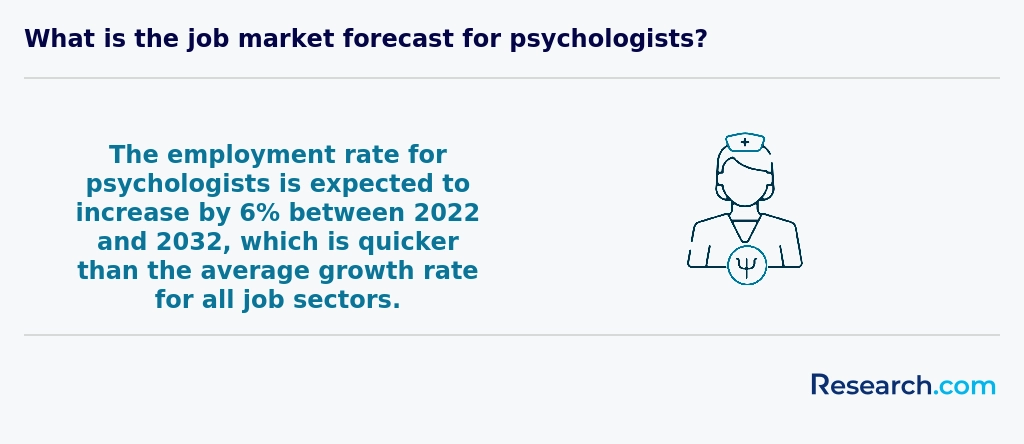
The job market for psychology degree graduates in Norfolk is encouraging, especially for those eager to make an impact in diverse fields like counseling, education, and military support services. Graduates from Norfolk State University and other local schools often find rewarding opportunities working with hospitals, social service agencies, and public schools-places where their skills truly enhance community well-being. One graduate shared how their training helped them secure a position at a counseling center, assisting families and veterans, which brought both professional growth and personal fulfillment. This strong employment outlook for psychology degree job outlook Norfolk is boosted by rising mental health awareness and the expanding healthcare sector in the area.
Virginia's median annual wages for psychologists hover around $88,000, reflecting competitive compensation in Norfolk's evolving landscape. A smart strategy for students is to explore online certification programs that pay well, helping them gain specialized skills that open doors to unique roles like substance abuse counseling or child psychology. These practical steps make a real difference in a thriving Norfolk market.
Employment opportunities for psychology graduates Norfolk continually benefit from the city's diverse institutions, including military facilities and government agencies. These sectors value graduates' expertise, offering a fulfilling career path with meaningful community impact.
Frequently Asked Questions About psychology
Psychology degree students in Norfolk can maximize their learning experience by actively engaging with both theoretical and practical components of their programs. Many Norfolk institutions encourage internship placements in local mental health clinics and social service agencies, providing valuable real-world exposure. According to the Bureau of Labor Statistics, hands-on experience significantly boosts employability in psychology-related fields.
Students should also take advantage of research opportunities available at schools such as Old Dominion University, where psychology undergraduates can collaborate with faculty on ongoing studies. Participating in research improves understanding of scientific methods and critical thinking skills.
Additionally, joining psychology clubs or honor societies enhances networking and professional development. Utilizing campus resources like tutoring centers and counseling services can further support academic success. Lastly, staying informed on the latest psychology trends and attending regional conferences in Virginia enriches overall knowledge and career readiness.
The psychology field is rapidly evolving, with several emerging niches gaining attention nationwide, including in areas like Norfolk. One growing area is neuropsychology, which explores brain-behavior relationships and is expected to grow by 10% over the next decade according to the U.S. Bureau of Labor Statistics. Another niche is health psychology, focusing on how mental health impacts physical wellbeing. Industrial-organizational psychology remains significant for those interested in workplace behavior and organizational development. Additionally, forensic psychology is expanding due to increased demand in legal settings. These specialties offer practical career pathways supported by current research trends in U.S. psychology education and employment.
After earning a psychology degree in Norfolk, preparing for the job market requires strategic steps. Graduates should seek internships or practicum experiences during their studies to gain practical skills valued by employers. In Norfolk, the demand for mental health professionals is growing, with the Virginia Employment Commission projecting a 12% increase in psychology-related jobs by 2030.
Networking is also crucial; joining local organizations like the Hampton Roads Psychological Association can open doors to job opportunities. Additionally, obtaining certifications such as Licensed Psychological Associate (LPA) can boost employability in Virginia's healthcare and educational settings.
Enhancing skills in data analysis and therapeutic techniques improves competitiveness in roles ranging from research to counseling.
Employers in Norfolk seeking psychology degree graduates prioritize strong analytical skills. These graduates must effectively interpret data to inform clinical decisions or research outcomes. Communication is equally crucial, with an emphasis on the ability to convey complex psychological concepts to diverse audiences.
Critical thinking and problem-solving abilities are highly valued, enabling graduates to address client needs or workplace challenges creatively. According to the Bureau of Labor Statistics, effective interpersonal skills remain a top requirement for psychology-related roles nationwide, which aligns with Norfolk's local employment trends reported by the Virginia Employment Commission.
Additionally, proficiency in ethical standards and cultural competence is essential, as Norfolk's psychology workforce serves a diverse community. Technical skills, such as familiarity with psychological assessment tools and software, also enhance employability.
Finding internships in Norfolk relevant to a psychology degree involves proactive research and networking. Start by exploring opportunities at local hospitals, mental health clinics, and university psychology departments, such as those affiliated with Old Dominion University. These institutions often offer internships that provide practical experience in clinical, counseling, or research settings.
The Virginia Department of Behavioral Health and Developmental Services lists internship programs throughout the state, some of which are based in or near Norfolk. Additionally, many Norfolk organizations participate in the Virginia Internship Program, which can connect students with relevant psychology placements.
Students should also use online platforms like Handshake and Indeed, filtering for psychology internships specifically in Norfolk. Networking at local psychology conferences or joining professional groups, such as the Virginia Psychological Association, further expands opportunities.
Obtaining a psychology degree in Norfolk can significantly enhance career mobility and advancement opportunities. According to the U.S. Bureau of Labor Statistics, employment for psychologists is expected to grow nationwide by 8% from 2021 to 2031, suggesting a steady demand for mental health professionals. In Norfolk, psychology graduates often find roles in healthcare, education, social services, and business sectors, reflecting diverse local industry needs.
The degree equips students with critical skills such as data analysis, communication, and understanding human behavior, which are valuable in leadership and management positions. Additionally, holding at least a bachelor's degree in psychology is often required for advancement into specialized roles or graduate education, which further broadens career prospects. Local employers, including hospitals and veterans' support organizations, prioritize candidates with relevant psychology credentials, facilitating upward mobility within the region's job market.
Studying for a psychology degree in Norfolk equips students with skills ideal for interdisciplinary roles by blending core psychological theories with practical applications in healthcare, education, and social services. Norfolk's institutions often emphasize collaboration, encouraging partnerships across fields such as nursing, social work, and criminal justice.
According to the National Center for Education Statistics, about 30% of psychology graduates in Virginia pursue careers involving multidisciplinary teams, highlighting the local demand for versatile professionals.
Students gain experience in research methods, data analysis, and communication-key competencies valued in fields like human resources, counseling, and public health.
This approach prepares graduates to contribute effectively in diverse work environments requiring broad knowledge and adaptive thinking.
When deciding between a thesis and a non-thesis psychology degree program in Norfolk, consider your career goals and learning preferences. A thesis option involves conducting original research, which is ideal for students aiming to pursue doctoral studies or research-based roles. Non-thesis programs typically emphasize coursework and practical skills, appealing to those focused on applied psychology or immediate employment.
According to the National Center for Education Statistics, approximately 40% of Norfolk's psychology master's graduates choose thesis tracks. Programs like those at Old Dominion University offer both routes, making it essential to evaluate faculty expertise and available resources.
Additionally, thesis programs may require more time, usually two to three years, while non-thesis paths can be completed more quickly.
Students based in Norfolk seeking to study psychology abroad have multiple pathways within the US higher education system. Many universities offer study abroad programs that allow psychology majors to spend a semester or year overseas while earning credits toward their degree. Popular destinations include Europe, Canada, and Australia, which feature diverse psychology courses reflecting different cultural perspectives.
Additionally, some Norfolk institutions partner with foreign universities for exchange programs focusing on psychology. These programs often include hands-on research opportunities, enhancing academic and practical skills.
Financial aid and scholarships are frequently available to support study abroad, with organizations such as the Benjamin A. Gilman International Scholarship providing funding specifically for U.S. students studying psychology internationally.
Students pursuing psychology degrees in Norfolk have several part-time job opportunities that can enhance their education and practical skills. Working as a research assistant at local universities such as Old Dominion University or Norfolk State University allows students to gain hands-on experience with psychological studies and data collection. According to the National Science Foundation, research assistant roles often pay between $12 and $18 per hour, providing both income and professional development.
Other valuable roles include positions as mental health aides or behavioral health technicians at nearby community clinics or hospitals. These jobs offer exposure to clinical settings and patient interaction, complementing academic knowledge with real-world applications.
Additionally, tutoring psychology courses for peers is a common option, refining communication skills and mastery of key concepts. The U.S. Bureau of Labor Statistics notes that these practical experiences significantly improve employment prospects after graduation.
Psychology students in Norfolk have access to multiple networking opportunities that can enhance their academic and professional growth. Local universities often host psychology clubs and events, allowing students to connect with peers and faculty. For example, Old Dominion University in Norfolk offers psychology students organized meetups and guest lectures featuring local professionals.
In addition, the city is home to several psychology-related organizations, such as the Virginia Psychological Association, which schedules regional conferences and workshops. These events provide valuable chances for students to meet licensed psychologists and learn about career paths in clinical, counseling, or research psychology.
Internships and practicum placements in Norfolk's hospitals and community centers also serve as practical networking platforms. These experiences enable students to build professional relationships and gain hands-on experience, which is crucial in psychological fields. According to the Bureau of Labor Statistics, networking and internships improve job placement rates for psychology graduates nationwide, applicable to Norfolk as well.
Alumni networks play a crucial role for psychology degree students in Norfolk by offering valuable professional connections. These networks enable students to access mentorship opportunities from graduates working in local hospitals, clinics, and research centers. Research from the National Psychologist Association highlights that 68% of psychology students who engaged with alumni secured internships or jobs within six months of graduation.
Furthermore, alumni groups often organize workshops and seminars, keeping students updated on current trends in psychology practice and research. In Norfolk, collaborations between universities and alumni have also facilitated community-based projects, providing hands-on experience.
This professional support enhances students' career prospects and practical knowledge.
Customizing a psychology degree program in Norfolk allows students to align their education with specific career goals. Many local colleges offer elective courses and concentrations such as clinical psychology, counseling, or industrial-organizational psychology, enabling focused study. Internships and research opportunities within Norfolk's healthcare settings or community organizations provide practical experience tailored to individual interests. Additionally, advisors can help select courses that meet licensure requirements for careers in counseling or social work. According to the National Center for Education Statistics, personalization options improve student engagement and employment outcomes in psychology fields across Virginia. This flexible approach supports both academic and professional growth.
Psychology students in Norfolk often face challenges such as balancing rigorous coursework with practical experience requirements. Many programs demand hands-on internships, which can be difficult to secure locally due to high competition. According to the National Center for Education Statistics, about 30% of psychology undergraduates nationwide report stress related to achieving relevant field placements, a concern echoed by Norfolk students.
Additionally, the complexity of subjects like abnormal psychology and neuropsychology requires strong critical thinking and consistent study habits. Students may also encounter financial challenges, as local tuition and living costs average above the national median, impacting accessibility.
Time management and maintaining mental health under academic pressure are further obstacles, with campus counseling centers reporting increased usage by psychology majors in Norfolk over recent years.
With a psychology degree in Norfolk, graduates can pursue several professional certifications to enhance their career opportunities. One common path is becoming a Licensed Professional Counselor (LPC), which requires a master's degree and supervised clinical experience, regulated by the Virginia Board of Counseling. Another in-demand certification is the Certified Alcohol and Drug Counselor (CADC), especially given Norfolk's focus on substance abuse programs. For those interested in educational settings, certification as a School Psychologist can be obtained through approved graduate programs and state licensure.
According to the Virginia Department of Behavioral Health and Developmental Services, demand for licensed counselors in Norfolk has grown steadily over recent years. Certifications generally require passing standardized exams and fulfilling continuing education credits.
Writing a winning application for a psychology program in Norfolk requires clear focus on both academic and personal strengths. Admissions committees typically expect strong undergraduate GPA, especially in psychology and related sciences. According to data from the National Center for Education Statistics, competitive applicants often present GPAs above 3.5. Including relevant research or volunteer experience, particularly with local institutions such as Old Dominion University's Psychology Department, can enhance your profile.
Personal statements should reflect genuine interest in psychology and specific reasons for choosing a Norfolk program. Highlighting your understanding of key psychological theories and mentioning any local community involvement can make your application stand out. Letters of recommendation from professors or supervisors familiar with psychology add credibility. Finally, make sure to meet all deadlines and submit required test scores, such as the GRE if requested, as part of a complete and well-organized application package.
The field of psychology offers diverse career opportunities worldwide, reflecting varying demands and cultural perspectives. In the United States, including areas like Norfolk, psychology is a rapidly growing profession. According to the U.S. Bureau of Labor Statistics, employment of psychologists is projected to grow 8% from 2022 to 2032, which is about as fast as the average for all occupations.
Globally, psychology career paths differ based on regulations and educational standards. For example, in some countries, clinical psychologists require different licensure than in the U.S., influencing job roles and opportunities. In Norfolk, students benefit from alignment with U.S. licensing requirements, ensuring their degrees meet local and national professional standards.
Research and applied psychology fields also differ internationally. The U.S. emphasizes evidence-based practice and research, which is reflected in many degree programs. Norfolk-based students can expect curricula shaped by these standards, preparing them for careers both locally and abroad.
Gaining practical experience while studying for a psychology degree in Norfolk is essential for career readiness. Many Norfolk institutions offer internships in local healthcare facilities, schools, and community centers, allowing students to apply classroom knowledge in real-world settings. For example, Eastern Virginia Medical School and Old Dominion University work closely with regional organizations to facilitate these opportunities.
Students can also participate in research projects under faculty supervision. According to the National Science Foundation, undergraduate research increases graduate school acceptance by 20% on average.
Volunteering with Norfolk's mental health nonprofits or joining psychology clubs on campus further enriches hands-on learning and networking.
Choosing the right concentration within a psychology degree program in Norfolk begins with understanding your career goals. Psychology offers diverse fields such as clinical, counseling, industrial-organizational, and developmental psychology. Each concentration has specific skill sets and job opportunities. For instance, clinical psychology focuses on diagnosing and treating mental disorders, while industrial-organizational psychology applies to workplace behavior and management.
Norfolk's local job market influences specialization choices. According to the Bureau of Labor Statistics, mental health-related roles in Virginia are expected to grow by 14% through 2030. Exploring concentrations that align with these trends can improve employability.
Visiting program websites and speaking with advisors at Norfolk-based institutions, like Old Dominion University, can help clarify course content and outcomes. Additionally, consider accreditation, internship availability, and research opportunities within each concentration to make an informed decision.
Related Psychology Rankings for Nearby Cities
- 2027 Most Affordable Psychology Degree Programs Ranking in Washington
- 2027 Most Affordable Psychology Degree Programs Ranking in Baltimore
- 2027 Most Affordable Psychology Degree Programs Ranking in New York
- 2027 Most Affordable Psychology Degree Programs Ranking in New Haven
- 2027 Most Affordable Psychology Degree Programs Ranking in Springfield
- 2027 Most Affordable Psychology Degree Programs Ranking in Albany
- 2027 Most Affordable Psychology Degree Programs Ranking in Amherst
- 2027 Most Affordable Psychology Degree Programs Ranking in Buffalo
- 2027 Most Affordable Psychology Degree Programs Ranking in Rochester
- 2027 Most Affordable Psychology Degree Programs Ranking in Worcester
Top Trending Psychology Rankings
See What Experts Have To Say About Studying Psychology
Read our interview with Psychology experts

Joann Farrell Quinn, Ph.D., MBA
Psychology Expert
Director at the College of Medicine Department of Medical Education
Morsani College of Medicine

Elizabeth L. Jeglic Ph.D.
Psychology Expert
Professor of Psychology
City University of New York

Catherine Caldwell-Harris, Ph.D.
Psychology Expert
Associate Professor of Psychology
Boston University

References
- Psychology A Level | City College Norwich https://www.ccn.ac.uk/16-18/subject-areas/a-levels/course/psychology-a-level/
- Society for the Teaching of Psychology https://teachpsych.org/page-1784686/8675326
- Study Psychology Abroad | Go Overseas https://www.gooverseas.com/study-abroad/psychology
- Ontario Psychological Association - Networking and Community Resources https://www.psych.on.ca/become-a-member-(1)/member-services/networking-and-community-resources
- Bachelor of Arts in Psychology https://catalog.nsu.edu/undergraduate/liberal-arts/psychology/psychology-ba/
- Cost of Attendance | Financial Aid | Norfolk State University - Norfolk State University https://www.nsu.edu/financial-aid/cost-of-attendance
- Have You Found a Niche? https://www.apaservices.org/practice/business/marketing/building/niche
- Alumni Network - https://efpsa.org/alumni-network/
- Psychology - SWPS University https://english.swps.pl/academics/warsaw/ba-programs/psychology
- Skills of a Psychology Major - Psychology Department https://wagner.edu/psychology/skills/