2027 Easiest Online Bachelor's in Psychology Degree Programs Ranking in Texas

Co-Founder and Chief Data Scientist
Choosing the right online psychology degree can be overwhelming, especially with so many options available in Texas. This article presents the 2027 Easiest Online Bachelor's in Psychology Degree Programs Ranking in Texas, developed by the Research.com team of data scientists to guide you toward the best choices.
By exploring this ranking, you'll gain valuable insights into programs that combine quality education with flexibility. Pursuing a psychology degree opens doors to meaningful careers helping others and understanding human behavior.
Let this guide support your journey toward a rewarding future in psychology.
Key benefits of getting online psychology degree in Texas
- Salary for psychology degree graduates: Careers such as Human Resources Specialist offer a mean annual wage of $76,060, while Marketing Research Analysts earn around $83,190 yearly, showing strong earning potential with a psychology degree.
- Potential career paths: Graduates from Texas universities often pursue roles in clinical research, marketing analysis, or childcare supervision, benefiting from diverse opportunities in both private and public sectors.
- Online degree advantages: Earning a psychology degree online in Texas provides flexible scheduling and the ability to balance work and study, making it easier to gain practical experience while advancing your education.
- Key benefits of getting online psychology degree in Texas
- What can I expect from online psychology degree in Texas?
- Where can I work with online psychology degree in Texas?
- How much can I make with online psychology degree in Texas?
- 2027 Easiest Online Bachelor's in Psychology Degree Programs Ranking in Texas
- Key Findings
- How long does it take to complete online psychology degree in Texas?
- Student Support and Career Resources
- What's the difference between online and on-campus psychology degree?
- What is the average cost of online psychology degree in Texas?
- Student Support Services and Resources
- What financial aid is available to online psychology degree students in Texas?
- Ranking Criteria: What Makes a Program 'Easiest'?
- What are the prerequisites for enrolling in online psychology degree program in Texas?
- What courses are typically in online psychology degree programs in Texas?
- What types of specializations are available in online psychology degree programs in Texas?
- How do you choose the best online psychology degree in Texas?
- What career paths are available for online psychology degree students in Texas?
- What is the job market for online psychology degree in Texas?
- Related Psychology Rankings for Nearby States
- Top Trending Psychology Rankings
- See What Experts Have To Say About Studying Psychology
What can I expect from online psychology degree in Texas?
The average cost of an online psychology degree in Texas typically ranges between $25,000 and $40,000 for the entire program, depending on the institution and residency status. Graduates from well-known universities and colleges in Texas frequently share that financial aid options, including state grants and scholarships, significantly alleviate these costs. For example, those attending universities with strong online offerings often highlight how affordable tuition combined with flexible payment plans allowed them to focus on their studies without overwhelming debt.
Many students appreciate that Texas' public universities offer in-state tuition rates for online learners, which helps reduce expenses compared to out-of-state tuition. Additionally, the availability of funding specifically earmarked for online education in Texas provides peace of mind for students balancing work, family, and coursework. Psychology students from major Texas schools often express relief and gratitude that quality education can be both accessible and economically feasible within the state's evolving online learning environment.
Where can I work with online psychology degree in Texas?
Graduates with an online psychology degree from Texas institutions such as the University of Texas at Austin or Texas State University find diverse career opportunities across multiple sectors. Many start as psychiatric technicians or behavioral health aides, assisting licensed professionals in hospitals or community centers, where they contribute meaningfully to improving mental health outcomes. Such roles provide rewarding, hands-on experience while serving growing statewide needs.
Others enter social services, working as case managers or youth counselors with nonprofits or government programs. These positions allow graduates to support vulnerable populations directly, creating a positive impact on lives while gaining practical skills in program coordination and outreach. Many Texas graduates appreciate the fulfillment these roles offer in helping their communities.
In education, alumni often become paraeducators or instructional aides, using psychological principles to nurture students' social and emotional development within Texas school systems. Meanwhile, corporate sectors including human resources and market research welcome psychology graduates for their insights into human behavior, enhancing workplace culture and consumer understanding.
While licensure for psychologists in Texas requires advanced degrees, many graduates value the online bachelor's degree as a strong foundation to launch meaningful, entry-level careers across health care, education, government, and business settings.
How much can I make with online psychology degree in Texas?
Graduates with an online psychology degree from Texas institutions often secure positions with competitive salaries reflective of their chosen career paths. For example, Human Resources Specialists in Texas earnings average approximately $76,060 annually, highlighting the practical benefits of psychology skills in corporate settings often found near universities such as the University of Texas at Austin.
Marketing Research Analysts, another common role embraced by psychology graduates, earn around $83,190 per year. This salary range reflects the growing demand in cities like Dallas and Houston, where graduates apply their analytical and behavioral insights developed during their studies at Texas A&M University.
Roles such as Clinical Research Associates and Survey Researchers, both closely tied to psychology foundations, offer median annual wages near $62,370. These positions appeal to graduates enthusiastic about contributing to healthcare and social science research in environments like Baylor University's research programs.
Childcare Workers, though earning less at about $32,070 annually, provide meaningful engagement with early development, often a stepping stone for new graduates from Texas Woman's University exploring psychology-related careers with community impact and emotional fulfillment.
Overall, Texas graduates report satisfaction in their ability to apply psychological principles professionally while benefiting from salary levels that support fulfilling, purpose-driven work.
2027 Easiest Online Bachelor's in Psychology Degree Programs Ranking in Texas
How do we rank schools?
Investing in your education is a significant decision that can shape your future, and the Research.com team understands the importance of making informed choices. To assist prospective students in Texas, we have meticulously crafted the "2027 Easiest Online Bachelor's in Psychology Degree Programs Ranking in Texas." Our commitment to quality, credibility, and accuracy is reflected in the extensive research and analysis conducted to compile this ranking.
We utilized the following reputable data sources to ensure a comprehensive evaluation of online psychology programs:
By exploring this ranking, readers will gain valuable insights into the easiest online bachelor's psychology programs in Texas, enabling them to select well-suited options with confidence. For more details on how we developed this ranking, please visit our Research.com methodology page.





Key Findings
- Online psychology degrees in Texas are offered by accredited universities, ensuring recognized and quality education.
- The typical annual cost for an in-state online bachelor's degree in psychology ranges from $7,000 to $15,000.
- Entry-level jobs like psychiatric technicians have median salaries between $32,000 and $40,000 per year.
- Master's degree holders in psychology earn around $63,000 annually, while doctoral graduates can make over $90,000, especially in major cities.
- Employment for psychology professionals in Texas is growing faster than the national average, with strong demand in clinical, counseling, and school psychology roles.
- Licensing in Texas requires meeting educational standards and completing supervised practicum experiences specified by the State Board of Examiners of Psychologists.
How long does it take to complete online psychology degree in Texas?
Completing an online psychology degree in Texas generally requires about four years of full-time study. This timeframe aligns with programs offered by well-known institutions such as the University of Texas at Austin and Texas A&M University, where graduates report finishing their Bachelor of Arts or Science degrees on schedule. These degrees typically involve 120 to 130 credit hours, including core psychology coursework and general education requirements.
Many students appreciate the structured pace, allowing them to balance studies with work or family commitments. For example, students at Texas Tech University often use flexible scheduling options, extending their degree timeline as needed without sacrificing quality. Others choose accelerated paths available at schools like the University of Houston, enabling degree completion in three years through heavier course loads and summer classes, a strategy embraced by highly motivated learners.
Part-time enrollment can naturally extend completion time beyond four years, but prior transferable credits frequently help reduce this duration. This flexibility supports diverse student backgrounds across Texas.
Student Support and Career Resources
Online psychology students in Texas benefit from a robust array of support services designed to enhance learning outcomes and career readiness. Virtually all accredited programs offer: • Academic Advising and Tutoring: Dedicated advisors guide you through course selection, degree planning, and transfer credit evaluations. Peer and faculty-led tutoring services focus on research methods, statistics, and core psychology courses to keep you on track for graduation. • Technical and Library Access: 24/7 access to digital libraries, journal databases, and virtual research labs ensures you can complete assignments and literature reviews without geographic constraints. Technical help desks resolve any online platform issues promptly. • Career Counseling and Workshops: Professional career coaches offer resume reviews, mock interviews, and networking events. Specialized webinars cover topics such as graduate school applications, licensure requirements, and alternative pathways-like pediatric care-where roles such as child life specialists are in high demand (see how much does a child life specialist make a year). • Internship and Practicum Coordination: Partnerships with hospitals, schools, and community organizations throughout Texas enable students to secure supervised field experiences. These placements not only build competencies but also strengthen local professional networks. • Mental Health and Peer Support: Online peer support groups, crisis hotlines, and teletherapy options are available to address stress, test anxiety, and work-life balance challenges unique to remote learners. By leveraging these integrated support systems, online psychology students can navigate their academic journey with confidence, gain practical experience, and transition smoothly into rewarding careers.
What's the difference between online and on-campus psychology degree?
Studying psychology in Texas offers distinct experiences depending on whether students choose an online or on-campus program. On-campus students at institutions like the University of Texas benefit from in-person interactions with professors and peers, creating a dynamic social environment and networking opportunities through clubs and internships. One graduate described the energizing atmosphere of classroom discussions and access to campus resources as invaluable.
Conversely, online students at schools such as Texas A&M appreciate the flexibility to balance coursework with work or family commitments. They often complete assignments remotely and engage through virtual platforms, allowing them to tailor their schedules while still covering the same core psychology topics as on-campus programs. Some graduates highlight how they could study effectively without relocating or commuting, reducing costs associated with housing and transportation.
Both formats require experiential components like internships, which frequently involve in-person participation regardless of study mode. Overall, online psychology degrees in Texas maintain rigorous standards, ensuring graduates feel confident and prepared for professional opportunities.
What is the average cost of online psychology degree in Texas?
The average cost of an online psychology degree in Texas varies notably based on residency status and institution type. For in-state students, pursuing a bachelor's degree in psychology at public universities such as Texas Tech University or the University of Houston generally results in a median total cost around $54,675. Graduates from these programs often share how the affordability of tuition rates enhances their educational experience, enabling them to focus on academic success without overwhelming financial stress.
Out-of-state students typically face higher tuition fees, with median costs approaching $79,215, reflecting the premium on non-resident access to Texas's public university resources. Meanwhile, private institutions generally command even higher prices, yet they frequently offer enriched support services and resources valuable for online learners, which many students find worthwhile despite the elevated tuition.
Prospective learners assessing the average cost of online psychology degree Texas programs should also consider additional expenses such as textbooks, technology fees, and proctored exam charges. These hidden costs, often ranging from several hundred to a few thousand dollars annually, can subtly impact the overall financial commitment.
Many students who have successfully navigated these costs recommend exploring scholarships, grants, and federal aid, which can significantly alleviate expenses. It is useful to investigate and engage with financial aid offices at popular Texas universities to maximize funding opportunities. For those curious about affordability beyond undergraduate degrees, resources examining whether an is masters degree in forensic psychology online affordable offer valuable insights into postgraduate investments.
Student Support Services and Resources
Pursuing an online psychology degree in Texas doesn’t mean you’re on your own-robust student support services ensure you have the tools and guidance needed to succeed. From the moment you enroll, dedicated academic advisors help you map out degree requirements, identify transferable credits, and select electives that align with your career objectives. Virtual tutoring centers offer one-on-one sessions in statistics, research methods, or core psychology concepts, while online writing labs assist with essays, literature reviews, and experimental reports. Most universities also provide round-the-clock technical support to troubleshoot platform issues or assist with learning management systems, ensuring seamless access to lectures, discussion boards, and multimedia resources. Digital libraries grant remote access to peer-reviewed journals, e-books, and specialized databases like PsycINFO-critical for research assignments and capstone projects. Additionally, mental health and wellness services, including confidential counseling and stress-management workshops, foster resilience and work-life balance, which are essential for adult learners juggling multiple responsibilities. Career support is another cornerstone of student services. Online career centers host virtual fairs, resume reviews, and mock interviews tailored to psychology roles such as human resources specialist or clinical research associate. Networking opportunities with alumni mentors and local practicum coordinators help secure internships and build professional connections. For those planning to continue into graduate study, exploring whether is masters degree in forensic psychology online affordable can guide financial planning and inform decisions about next steps in your academic and professional journey.
What financial aid is available to online psychology degree students in Texas?
Students enrolled in online psychology programs at Texas institutions such as the University of Texas at Austin or Texas A&M University often rely on multiple financial aid avenues to manage tuition costs. Federal aid through the FAFSA is a common starting point, unlocking access to Pell Grants, which can provide up to $7,395 annually for those demonstrating financial need. Graduates frequently recall how these funds eased their path by covering substantial portions of their tuition.
State-specific programs like the Texas Tuition Equalization Grant support students attending private Texas colleges, while the Texas Grant Program assists undergraduates with demonstrated need at public universities. Many online psychology students share that institutional scholarships, awarded based on academic merit or first-generation status, made advanced study feasible without overwhelming debt.
Work-study jobs tied to campus or community settings allow students to gain valuable experience while funding their education. Employer tuition assistance further benefits working professionals pursuing degrees part-time. Combining these financial resources has helped numerous Texas psychology students feel optimistic and empowered throughout their educational journey.
Ranking Criteria: What Makes a Program 'Easiest'?
Our 2025 ranking of the easiest online bachelor’s in psychology degree programs in Texas evaluates multiple quantitative and qualitative factors to ensure you find the most accessible path to your degree. We consider:
- Admissions Selectivity: Programs with lower minimum GPA requirements, no standardized test mandates, and high acceptance rates offer smoother entry for a broader pool of applicants.
- Credit Load & Transfer Policies: Flexible course loads, generous transfer credit acceptance, and accelerated pacing options reduce time to completion and academic strain.
- Flexibility & Support Services: Fully online or hybrid schedules, 24/7 tech support, academic advising, and tutoring resources help students maintain work–life–study balance.
- Cost & Financial Aid Accessibility: Affordable tuition combined with high financial aid participation rates lowers financial barriers-complemented by comparisons such as our analysis of the Cheapest Psychology Degree Programs Ranking in Maryland. Each program receives a composite “Ease Score” weighted by these criteria, ensuring top-ranked schools balance simple admission processes, robust student services, and cost-effectiveness. By transparently defining “easiest,” we help you align your priorities-whether that’s a quick start, minimal debt, or maximum scheduling freedom-so you can begin your psychology journey in Texas with confidence.
What are the prerequisites for enrolling in online psychology degree program in Texas?
To enroll in an online psychology degree program in Texas, students must first hold a high school diploma or its equivalent, such as a GED. This baseline ensures readiness for academic rigor, a requirement emphasized by graduates from popular institutions like the University of Texas at Austin who recall the importance of solid foundational knowledge.
Most Texas colleges expect a minimum GPA between 2.5 and 3.0 on a 4.0 scale, reflecting the demanding nature of psychology courses that cultivate critical thinking and analytical writing skills. Many students at Texas State University found meeting this GPA essential for smooth progress and academic confidence.
Some programs also require or recommend prerequisite coursework in English composition, math, and natural sciences. This foundation supports navigating complex psychological theories and research methods, enhancing students' engagement and success.
Official transcripts verifying past academic work must be submitted. Transfer students typically need 12 to 30 transferable credits along with a satisfactory GPA, enabling seamless continuation of their studies. Graduates often highlight how fulfilling these prerequisites brought a sense of preparedness and excitement for their psychology journey.

What courses are typically in online psychology degree programs in Texas?
Online psychology degree programs in Texas commonly include core courses such as General Psychology, which provides a comprehensive overview of psychological theories and research methods. Graduates from universities like the University of Texas at Austin often reflect on how this course laid a solid foundation, enabling them to confidently approach more complex topics.
Other essential courses typically offered cover diverse areas: Abnormal Psychology delves into mental disorders and treatments, while Developmental Psychology explores human growth throughout life stages. Courses like Social Psychology and Cognitive Psychology examine interactions between individuals and mental processes, respectively, giving students practical insight into everyday behaviors and decision-making.
Biological Psychology, often included, connects brain functions with behavior, enriching students' understanding of the mind-body relationship. Additionally, research-focused courses such as Statistics and Psychological Testing equip students with quantitative skills crucial for data analysis and assessments, imbuing them with confidence to pursue diverse career paths.
Many Texas online programs, including those at Texas A&M University, allow electives in subfields like industrial-organizational or forensic psychology, broadening personalized learning. Graduates consistently appreciate how these courses prepare them for real-world applications and future academic endeavors.
What types of specializations are available in online psychology degree programs in Texas?
Students pursuing an online psychology degree in Texas can select from various specializations designed to match diverse career goals and interests. Among the most common online psychology degree specializations Texas offers are clinical psychology, counseling psychology, developmental psychology, industrial-organizational psychology, and forensic psychology. Graduates from universities like the University of Texas and Texas A&M frequently highlight how these concentrations helped them gain practical skills, whether diagnosing mental health disorders or understanding workplace behavior.
For example, those focusing on counseling psychology learn therapeutic techniques applicable in schools or community settings, fostering meaningful connections and a sense of fulfillment. Developmental psychology students often appreciate the chance to study human growth stages in depth, directly preparing them for roles in education or social services. The breadth of Texas online psychology bachelor's concentration options ensures students can engage deeply with topics aligning with their passions and the state's job market demands.
Many students also explore roles bridging psychology and law through forensic psychology or capitalize on Texas's robust corporate sector with industrial-organizational psychology. Furthermore, aspiring professionals curious about careers involving children may benefit from exploring how how much does a child life specialist make a year relates to developmental fields, broadening their understanding and career planning.
How do you choose the best online psychology degree in Texas?
Choosing the best online psychology degree Texas students trust begins with accreditation from reputable bodies such as the Southern Association of Colleges and Schools Commission on Colleges. Graduates from institutions like the University of Texas at Arlington often emphasize how accredited programs ensured their degrees were respected by employers and licensing boards, making their journey smoother. Curriculum quality ranks high; strong programs covering developmental, social, cognitive, and abnormal psychology provide a well-rounded education, while specialized tracks in forensic or clinical psychology cater to focused career goals.
Many students considering affordable online psychology programs Texas offers highlight the importance of comparing tuition costs at schools like Texas A&M. Financial aid and statewide grants can significantly ease the financial burden. Flexibility is equally crucial; part-time or accelerated programs accommodate those balancing family or work, supported by dedicated online student services such as tutoring and career counseling at top Texas universities.
Post-graduation success matters, as employment for psychologists in Texas is growing rapidly. Graduates often credit their program's strong career preparation and high graduation rates. For further cost comparison, review the Cheapest Psychology Degree Programs Ranking in Maryland to understand affordability dynamics better.
What career paths are available for online psychology degree students in Texas?
Graduates with an online psychology degree in Texas have access to diverse career paths tailored to their interests and education level. Many find rewarding roles as mental health technicians or behavioral health workers, supporting licensed professionals in hospitals or community centers. This sector is growing rapidly, positively impacting graduates seeking stable employment. Others pursue opportunities in social services, such as social service assistants or human services specialists, where interpersonal skills developed during their degree are essential. These Texas-based roles offer meaningful community engagement.
Education-related careers are also prominent for psychology graduates, including positions like teacher aides or school counselors, with further certification. Texas's high demand for school counselors provides a promising job outlook. Additionally, some graduates enter business fields, leveraging psychology expertise in human resources or organizational development to enhance workplace dynamics. Students from well-known Texas universities often share enthusiasm about applying online psychology degree careers in Texas to practical, impactful jobs.
For those looking to advance, professional licensing requires graduate study and clinical experience. Exploring options at national accredited online colleges can provide affordable pathways to these fulfilling professions.
What is the job market for online psychology degree in Texas?
The job market for online psychology degree jobs in Texas offers promising opportunities driven by the state's expanding healthcare system and growing population. Graduates from well-known universities in Texas often find employment as behavioral health technicians or case managers within social services, leveraging their foundational knowledge gained online to support diverse community needs. Clinical roles requiring a master's or doctoral degree also remain in high demand, especially licensed professional counselors and school psychologists who play vital roles in educational and healthcare settings.
Many graduates recall starting as research assistants at established institutions such as the University of Texas or Texas A&M, where hands-on experience boosted their confidence and employability. Salary expectations vary widely: while clinical psychologists in Texas may earn approximately $88,000 annually, bachelor's degree holders typically find salaries ranging from $40,000 to $50,000 in related fields like human resources or social services. These figures highlight the practical value of additional certifications or graduate degrees.
For those concerned about affordability, public universities in Texas offer accessible tuition rates, making an online psychology degree an economically sound choice, especially when paired with internships or volunteer work. Students seeking a cheap online bachelor's degree in psychology can navigate the Texas job market successfully by combining education with networking and practical experience.
Frequently Asked Questions About psychology
Online psychology students in Texas can maximize their learning by actively engaging with their coursework and faculty. Participating in virtual discussions and study groups improves understanding and retention. The Texas Higher Education Coordinating Board highlights that accredited programs ensure quality education, so students should verify program accreditation before enrolling.
Utilizing Texas-based internship opportunities, even virtually, helps apply theoretical knowledge in real-world settings. The Texas Workforce Commission notes that practical experience enhances job prospects in psychology-related fields.
Staying organized with dedicated study schedules and using campus resources, like online tutoring and library access, further supports success. Regularly tracking academic progress can identify areas needing extra focus.
The psychology field is evolving rapidly, with several emerging niches gaining prominence, especially for students pursuing online psychology degrees in Texas. One growing area is neuropsychology, which focuses on brain-behavior relationships and has increased demand due to advances in brain injury treatments. Another is health psychology, addressing how mental health affects physical conditions, relevant given Texas's rising chronic disease rates.
Forensic psychology also sees growth, with Texas courts and law enforcement agencies valuing psychological expertise. Additionally, industrial-organizational psychology is expanding alongside Texas's vibrant business sector, aiming to improve workplace productivity and employee well-being. These niches reflect broader trends in the U.S. but are particularly relevant to Texas's diverse economy and healthcare needs.
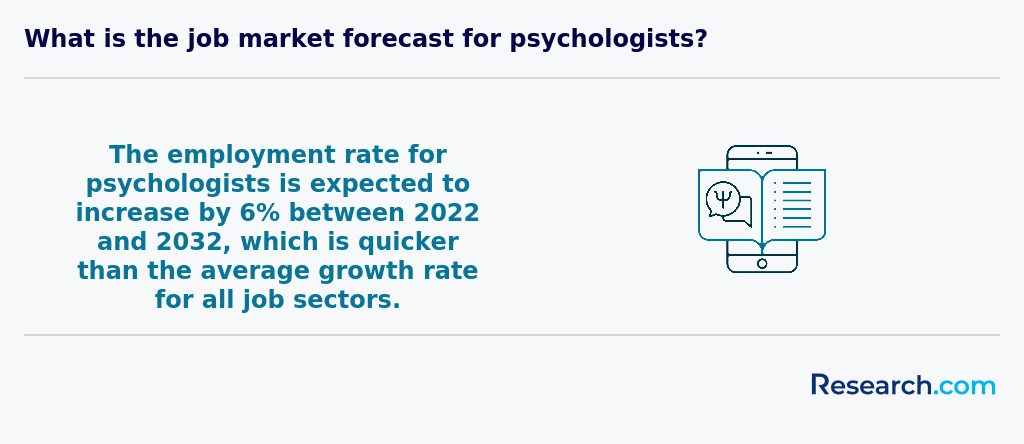
After completing an online psychology degree in Texas, preparing for the job market involves strategic steps to increase employability. Texas has a robust demand for psychology professionals, with the Texas Workforce Commission projecting a 14% growth in mental health counselor employment by 2030. Building relevant experience through internships or volunteer work is critical, especially with licensed professionals or community health organizations.
Networking is also essential; joining groups such as the Texas Psychological Association provides access to job listings and professional development. Additionally, understanding state licensure requirements, such as those overseen by the Texas State Board of Examiners of Psychologists, is crucial for clinical positions. Continuing education and certifications can further enhance career prospects.
Employers in Texas value several key skills when hiring psychology degree graduates. Strong analytical abilities are essential, as professionals must interpret data and psychological assessments accurately. Communication skills, both verbal and written, are critical for interacting with clients and colleagues.
Problem-solving and critical thinking are highly sought after to develop effective treatment plans or research methods. Additionally, understanding ethical standards and cultural competence is important in Texas's diverse population. According to the Texas Workforce Commission, demand for behavioral health specialists is growing, emphasizing these skills alongside empathy and patience. Graduates who demonstrate practical knowledge and adaptability tend to stand out to employers.
Finding psychology internships in Texas begins by exploring opportunities through university partnerships. Many online psychology programs connect students with local mental health clinics, hospitals, and school counseling centers. These practical experiences are vital for licensure and building expertise.
The Texas Psychological Association offers resources and listings for internships aimed at psychology students. Additionally, the Texas Health and Human Services website provides information on approved internship sites that meet state standards.
Networking with faculty and local professionals enhances access to internships. According to the Bureau of Labor Statistics, Texas employs over 18,000 psychologists, creating diverse internship potential.
Applying early and tailoring resumes to specific psychology fields improves chances of acceptance.
An online psychology degree in Texas can significantly enhance career mobility and advancement, especially in a state with a growing demand for mental health professionals. According to the Texas Workforce Commission, employment for psychologists and related occupations is projected to grow by about 14% through 2030, outpacing many other fields. This growth creates new opportunities for those with accredited degrees.
Online programs provide flexibility, allowing students to balance education with work or personal commitments, which is vital for career changers or those seeking promotions. Graduates often qualify for roles in counseling, human services, or case management, where a bachelor's degree is a common entry point.
Additionally, an online degree from a recognized Texas institution ensures eligibility for graduate study and licensing pathways, essential for clinical advancement. Overall, earning a psychology degree online in Texas aligns with state workforce needs and can open doors to roles in healthcare, education, and social services.
Studying for a psychology degree in Texas offers students a strong foundation for interdisciplinary roles by integrating knowledge from various fields such as health care, education, and business. Texas universities often emphasize skills like critical thinking, research methods, and communication, which are essential across multiple professions. According to the Texas Higher Education Coordinating Board, psychology programs include coursework that prepares students for collaborations with social workers, counselors, and medical professionals.
The large and diverse population of Texas provides practical learning opportunities in multicultural and clinical settings, enhancing adaptability. This experience helps graduates apply psychological principles in areas like public health, human resources, and education administration.
Additionally, Texas offers growing employment in interdisciplinary fields requiring psychology expertise-like behavioral health, with expected job growth of 16% through 2030 (Bureau of Labor Statistics).
Choosing between a thesis and a non-thesis psychology degree program in Texas depends on your career goals and academic interests. A thesis program requires conducting original research, which is ideal if you plan to pursue graduate studies or research careers. According to the Texas Higher Education Coordinating Board, several Texas universities offer online psychology programs with thesis options tailored for research-focused students.
Non-thesis programs usually emphasize coursework and practical skills, suitable for those aiming for professional roles in counseling or human services. These programs often allow faster completion, which can be important if you want to enter the workforce quickly.
Consider also faculty expertise, available resources, and how the program aligns with Texas state licensure requirements if clinical practice is your goal.
Students based in Texas seeking to study psychology abroad have several pathways, primarily through international online degree programs or exchange partnerships offered by American universities. While psychology is a popular major in Texas, with the Texas Higher Education Coordinating Board reporting over 7,000 psychology bachelor's degrees awarded annually in the state, options for fully online international psychology degrees sanctioned by U.S. accreditation bodies remain limited.
Many universities encourage students to enroll in study abroad programs during their psychology degrees, usually lasting one or two semesters. These experiences often count toward degree requirements and provide exposure to global psychological perspectives.
Additionally, several Texas institutions have affiliations with foreign universities, enabling credit transfer and joint online course offerings. Yet, prospective students should verify that any international program aligns with regional accreditation standards recognized by Texas education authorities to ensure degree validity for licensure or employment.
Part-time job opportunities in Texas can significantly enhance the educational experience of students pursuing online psychology degrees. Positions such as behavioral health technician, research assistant, or case manager offer practical experience directly related to psychology. For example, behavioral health technicians often work in mental health facilities, providing support to patients under supervision, which develops crucial interpersonal and clinical skills.
Texas has one of the largest healthcare workforces in the US, and the Texas Workforce Commission notes steady demand for mental health-related roles. Research assistant roles in university projects or private firms allow students to engage with psychological studies, improving understanding of research methods.
Additionally, roles as crisis hotline volunteers or rehabilitation aides provide exposure to counseling practices, benefiting those aiming for clinical careers. These jobs often offer flexible hours suitable for students balancing coursework.
Online psychology students in Texas have several networking opportunities through university-sponsored virtual events and local professional organizations. Many accredited Texas schools offer access to alumni networks and online discussion groups, which help students connect with peers and psychology professionals.
The Texas Psychological Association provides online seminars, workshops, and conferences that are accessible to remote learners. These programs support student engagement and professional development within the state's psychology community.
Additionally, students can participate in virtual internships and research projects, often coordinated by their schools, enhancing practical experience and contacts. According to the Bureau of Labor Statistics, Texas employs over 15,000 psychologists, highlighting strong local professional networks.
Alumni networks provide essential support for online psychology degree students in Texas by connecting them with professionals and graduates statewide. These networks offer opportunities for mentorship, which can help students navigate career paths and licensure requirements specific to Texas.
They often facilitate job placements and internships by sharing exclusive listings within the Texas mental health and counseling sectors, which saw a 15% employment growth from 2020 to 2030, according to the U.S. Bureau of Labor Statistics.
Through events and online forums, alumni networks foster community engagement and professional development tailored to Texas regulations and culture. This connection enhances students' chances of success and smooth transition into the workforce.
Customizing an online psychology degree in Texas allows students to tailor their education to specific career goals. Many Texas universities offer elective courses, concentrations, or specializations such as clinical psychology, industrial-organizational psychology, or child development.
Students can also choose internships or research projects aligned with their interests. For example, the Texas Higher Education Coordinating Board highlights that focusing on applied psychology skills can increase job market competitiveness in Texas.
Additionally, online programs often provide flexible pacing, enabling students to balance work and study. This flexibility helps professionals tailor their degree to evolving career paths.
Online psychology students in Texas often face several challenges related to the nature of remote learning. One common difficulty is maintaining motivation and time management without the structure of on-campus classes. According to the Texas Higher Education Coordinating Board, nearly 30% of online students withdraw within their first year, often due to balancing work, family, and study demands.
Access to quality internships or practicum experiences can also be limited, as psychology training requires hands-on practice. Additionally, ensuring programs meet licensure requirements in Texas adds complexity for students planning to become licensed practitioners.
Finally, some students report feeling isolated, as fewer in-person interactions with peers and faculty may affect engagement and academic success.
With an online psychology degree in Texas, graduates can pursue several professional certifications to advance their careers. One common path is becoming a Licensed Psychological Associate (LPA), which requires a master's degree and supervised experience; however, the bachelor's degree serves as a foundation for graduate study. For those focusing on counseling, certifications such as the National Certified Counselor (NCC) are attainable after meeting education and exam criteria.
Texas also offers certification for Licensed Professional Counselors (LPC), requiring additional graduate education and supervised hours. Additionally, graduates may seek certification as Certified Alcohol and Drug Counselors (CADC), a recognized credential in Texas behavioral health settings.
The Texas Behavioral Health Executive Council provides detailed requirements and updates on certifications relevant to psychology careers within the state.
Writing a winning application for an online psychology program in Texas requires careful preparation and attention to detail. Start by researching programs that are accredited by the American Psychological Association (APA) or recognized regional accreditors like the Southern Association of Colleges and Schools (SACS). This ensures quality education and eligibility for licensure later.
Highlight your academic achievements clearly. Include your GPA, relevant coursework, and any research or volunteer experience related to psychology. Texas schools often receive many applicants, so a strong personal statement explaining your motivation for studying psychology online can set you apart.
Letters of recommendation from professors or professionals familiar with your commitment to psychology are valuable. Finally, proofread your application thoroughly to avoid errors and submit all required documents by stated deadlines to improve your chances of acceptance.
The career outlook for psychology professionals is shaped by diverse global perspectives, yet the United States remains a significant leader in research and practice. In Texas, the demand for psychologists is growing, reflecting national trends projected by the U.S. Bureau of Labor Statistics, which estimates a 8% employment growth for psychologists through 2031.
Internationally, psychology careers emphasize cultural competence and adaptability, important traits given increasing population diversity in Texas. According to the Texas Workforce Commission, mental health services are among the fastest-growing sectors in the state, highlighting opportunities for psychology graduates.
These global and regional trends suggest that Texas-based online psychology programs can prepare students to work in a wide range of settings, including clinical, research, and organizational fields. Understanding these perspectives enhances a graduate's ability to respond to both local and international mental health challenges.
Gaining practical experience while pursuing an online psychology degree in Texas is possible through several key avenues. Many Texas institutions require internships or practicum hours as part of degree completion. These experiences can often be completed locally, allowing students to work with approved mental health facilities, schools, or community organizations near their residence.
Additionally, volunteer opportunities at Texas-based nonprofits or counseling centers can provide hands-on learning. The Texas Psychological Association offers resources to help students find relevant placements.
Some programs also incorporate virtual simulations and case studies to build skills remotely. Combining these options enhances employability and prepares students for licensure requirements in Texas.
Choosing the right concentration within an online psychology degree program in Texas begins with assessing your career goals and interests. Popular concentrations include clinical psychology, counseling, forensic psychology, and industrial-organizational psychology. Each area offers different career paths, from mental health services to workplace behavior analysis.
Consider Texas employment trends; for example, the Texas Workforce Commission projects a 16% growth in mental health counselor positions between 2020 and 2030. This growth impacts which concentrations may offer stronger job prospects.
Research each concentration's curriculum to ensure it aligns with your desired skills and professional certifications. Accreditation and state licensure requirements are crucial, especially for counseling and clinical tracks.
Finally, reach out to academic advisors or professionals in Texas for guidance tailored to local market demands and your personal aspirations.
Related Psychology Rankings for Nearby States
- 2027 Easiest Online Bachelor's in Psychology Degree Programs Ranking in Kansas
- 2027 Easiest Online Bachelor's in Psychology Degree Programs Ranking in Missouri
- 2027 Easiest Online Bachelor's in Psychology Degree Programs Ranking in Colorado
- 2027 Easiest Online Bachelor's in Psychology Degree Programs Ranking in Arizona
- 2027 Easiest Online Bachelor's in Psychology Degree Programs Ranking in Alabama
- 2027 Easiest Online Bachelor's in Psychology Degree Programs Ranking in Georgia
- 2027 Easiest Online Bachelor's in Psychology Degree Programs Ranking in Florida
- 2027 Easiest Online Bachelor's in Psychology Degree Programs Ranking in Iowa
- 2027 Easiest Online Bachelor's in Psychology Degree Programs Ranking in Illinois
- 2027 Easiest Online Bachelor's in Psychology Degree Programs Ranking in Virginia
Top Trending Psychology Rankings
See What Experts Have To Say About Studying Psychology
Read our interview with Psychology experts

Catherine Caldwell-Harris, Ph.D.
Psychology Expert
Associate Professor of Psychology
Boston University

Robin M. Kowalski. Ph.D.
Psychology Expert
Professor of Psychology
Clemson University

Elizabeth L. Jeglic Ph.D.
Psychology Expert
Professor of Psychology
City University of New York

References
- What Certifications Can I Get With A Bachelor's In Psychology? https://www.psychology.org/resources/certification-skills-for-psychology-major-resumes/
- Community Psychology in Global Perspective http://siba-ese.unisalento.it/index.php/cpgp
- Psychology (BS) https://www.etamu.edu/programs/psychology-bs/
- Study Psychology Abroad https://astarfuture.co.uk/study_psychology_abroad.html
- Ontario Psychological Association - Networking and Community Resources https://www.psych.on.ca/become-a-member-(1)/member-services/networking-and-community-resources
- BA in Psychology Online | UT Permian Basin Online https://online.utpb.edu/programs/bachelor-of-arts/psychology/
- The Role of Psychology in Career Development and Planning https://psyvanta.com/the-role-of-psychology-in-career-development-and-planning/
- 2025 Most Popular Online Psychology Degrees in Texas https://www.onlineu.com/degrees/psychology/texas
- Why Get a Psychology Degree Online? | University of Bridgeport https://www.bridgeport.edu/news/reasons-to-get-your-psychology-degree-online/
- Uncovering Today’s Best Online Master’s in Psychology Programs in Texas (TX) https://www.onlinemastersdegrees.org/best-programs/psychology/texas-tx/