2027 Easiest Online Bachelor's in Psychology Degree Programs Ranking in Minnesota

Co-Founder and Chief Data Scientist
Choosing the right psychology degree program can feel overwhelming, especially when balancing life in Minnesota. Our 2027 Easiest Online Bachelor's in Psychology Degree Programs Ranking in Minnesota was created by the Research.com team of data scientists to help simplify this decision.
This article highlights the easiest online options, so you can focus on learning without unnecessary stress. Whether you're starting fresh or returning to school, earning a psychology degree opens doors to meaningful careers and personal growth.
Explore your options confidently and take the next step toward your future today.
Key benefits of getting online psychology degree in Minnesota
- Psychology graduates in Minnesota can earn competitive salaries, such as a Marketing Research Analyst making about $83,190 annually or a Human Resources Specialist earning around $76,060 per year, providing strong financial motivation.
- Career paths for psychology degree holders include roles like Clinical Research Associate, Survey Researcher, or Childcare Worker, reflecting the diverse opportunities available after graduating from institutions like the University of Minnesota.
- Online psychology degrees offer flexibility and convenience, allowing students from Minnesota to balance studies with work or family, as seen with graduates from Minnesota State University who value the adaptable learning pace and reduced commuting time.
- Key benefits of getting online psychology degree in Minnesota
- What can I expect from online psychology degree in Minnesota?
- Where can I work with online psychology degree in Minnesota?
- How much can I make with online psychology degree in Minnesota?
- 2027 Easiest Online Bachelor's in Psychology Degree Programs Ranking in Minnesota
- Key Findings
- How long does it take to complete online psychology degree in Minnesota?
- Accreditation and Licensure Requirements
- What's the difference between online and on-campus psychology degree?
- Accreditation and Licensure Pathways
- What is the average cost of online psychology degree in Minnesota?
- Admission Requirements and Process
- What financial aid is available to online psychology degree students in Minnesota?
- Accreditation and Licensure Requirements
- What are the prerequisites for enrolling in online psychology degree program in Minnesota?
- Accreditation and Licensing Considerations for Online Psychology Programs in Minnesota
- What courses are typically in online psychology degree programs in Minnesota?
- What types of specializations are available in online psychology degree programs in Minnesota?
- How do you choose the best online psychology degree in Minnesota?
- What career paths are available for online psychology degree students in Minnesota?
- What is the job market for online psychology degree in Minnesota?
- Related Psychology Rankings for Nearby States
- Top Trending Psychology Rankings
- See What Experts Have To Say About Studying Psychology
What can I expect from online psychology degree in Minnesota?
The average cost of an online psychology degree in Minnesota varies but typically ranges between $10,000 and $25,000 per year for undergraduate programs at well-known institutions like the University of Minnesota or St. Cloud State University. Graduates often recall balancing tuition payments with part-time jobs or employer tuition assistance programs to manage expenses without taking on excessive debt.
Many students appreciate that these programs offer flexible payment plans and access to financial aid tailored to Minnesota residents, making the cost more manageable. For example, a graduate shared how applying for state-specific scholarships helped reduce their overall fees significantly while attending a public university.
In practical terms, it's wise to compare tuition rates across schools, confirm what is included-such as technology fees or materials-and consider the value of accredited programs recognized by the Higher Learning Commission. This ensures your investment leads to credits accepted statewide and a reputable credential that supports local job opportunities.
Budgeting for additional costs like exam fees or materials is important; many graduates find that planning these expenses ahead allows for a smoother academic journey and a more positive experience overall.
Where can I work with online psychology degree in Minnesota?
Graduates holding an online psychology degree from Minnesota schools like the University of Minnesota or Augsburg University often find entry-level roles such as behavioral health technicians or case managers. These positions allow you to apply your skills directly by supporting licensed clinicians in hospitals or community mental health centers, where demand is steady and growing.
In education, alumni have secured jobs as school behavioral specialists or academic advisors. While roles like school counseling require graduate degrees and certification, starting positions still let you engage with students and contribute to mental health initiatives in public and private schools across Minnesota.
Many graduates share how working in nonprofit organizations or businesses has helped them use psychology insights for program coordination, human resources, or market research. This path suits those interested in community outreach or consumer behavior without immediately pursuing licensure.
Overall, applying your degree in Minnesota means navigating a practical stepwise career build-up-gaining experience in healthcare, education, or business, while considering graduate study to unlock counseling or clinical roles later on.
How much can I make with online psychology degree in Minnesota?
Graduates with an online psychology degree in Minnesota often find roles like Human Resources Specialist, earning a mean annual wage of about $76,060, or Marketing Research Analyst, with salaries around $83,190. These positions are common first steps after studying at schools such as the University of Minnesota or St. Cloud State University, where students gain practical skills that employers value.
Other entry-level options include becoming a Clinical Research Associate or Survey Researcher, both with mean annual wages near $62,370. Graduates appreciate how these roles allow them to apply research techniques learned during their programs while earning a competitive wage compared to national averages.
Many psychology students from Minnesota universities report feeling encouraged by the steady salary growth they experience when advancing toward specialized careers. Working in Twin Cities' metropolitan areas often helps increase earning potential due to higher demand and cost of living adjustments.
Choosing an online program in Minnesota equips graduates with the flexibility and credentials to start well-paid careers in psychology-related fields, making the investment worthwhile for those motivated to grow professionally.
2027 Easiest Online Bachelor's in Psychology Degree Programs Ranking in Minnesota
How do we rank schools?
Investing in your education is a significant decision that can shape your future, and the Research.com team understands the importance of making informed choices. To assist prospective students, we have meticulously developed the "2027 Easiest Online Bachelor's in Psychology Degree Programs Ranking in Minnesota." Our commitment to quality, credibility, and accuracy is demonstrated through thorough research and careful analysis underpinning this ranking.
We utilized the following reputable data sources to ensure a comprehensive evaluation of these programs:
By exploring this ranking, readers will gain valuable insights to help them identify accessible and high-quality online psychology programs in Minnesota, empowering them to make informed decisions about their education. For more information about how the ranking was created, please visit our Research.com methodology page.

# 2 position
Bethel University, Minnesota
Bachelor of Psychology
# 3 position
Walden University
Bachelor of Psychology


Key Findings
- Tuition for online psychology programs in Minnesota ranges from $7,000 to $15,000 per year for in-state students, with public universities usually offering lower costs than private schools.
- Starting salaries for psychology graduates in Minnesota average around $50,000 annually and can rise to $80,000-$100,000 within 10 years, especially with advanced degrees or licensure.
- Psychology job growth in Minnesota is projected at about 10% through 2030, outpacing the national average.
- Many programs meet Minnesota Board of Psychology licensure requirements, which is critical for those seeking to become licensed psychologists or mental health counselors.
- Several institutions offer hybrid or fully online programs that maintain the same standards as on-campus degrees, supporting flexible learning for working students.
How long does it take to complete online psychology degree in Minnesota?
Completing an online psychology degree in Minnesota usually takes around four years for a bachelor's if you study full-time, similar to programs at institutions like the University of Minnesota or Saint Cloud State University. Graduates often describe feeling motivated when they follow a consistent course load and stay engaged with faculty and peers online.
If you're balancing work or family, part-time study is common and can stretch your timeline to six years or more. Many students appreciate the flexibility at schools like Minnesota State University, Mankato, where you can take fewer courses per semester and avoid burnout.
Some students choose accelerated paths, enrolling year-round to finish in as little as three years. They report a rewarding sense of accomplishment from pushing through intensive sessions, especially when summer courses are available.
Those starting with an associate degree at a community college generally spend about two years before transferring to a four-year program. This approach offers a budget-friendly start and smooth transition.
Master's programs typically require two to three years, depending on how many credits you take each term, giving you room to tailor pace around your personal commitments.
Accreditation and Licensure Requirements
Before enrolling in any online psychology program in Minnesota, it’s essential to verify that the institution holds regional accreditation and that the curriculum aligns with state licensing standards. Choosing an online psychology degree accredited by a recognized body, such as the Higher Learning Commission (HLC) or the American Psychological Association (APA), ensures your credits transfer smoothly and your degree will be recognized by employers and graduate programs. In Minnesota, licensure for psychologists, counselors, and school psychologists is regulated by the Minnesota Board of Psychology and the Minnesota Board of Behavioral Health and Therapy. Graduates seeking licensure as a Licensed Psychologist (LP) must complete a doctoral degree in psychology from an APA-accredited program, complete postdoctoral supervised experience, and pass the Examination for Professional Practice in Psychology (EPPP). Those aiming for a Licensed Professional Counselor (LPC) typically need a master’s in counseling or psychology, accrue 2,000 hours of supervised clinical experience, and pass both the National Counselor Examination (NCE) and a Minnesota jurisprudence exam. For school psychologists, certification through the Minnesota Department of Education requires a specialist-level degree (Ed.S. or equivalent) in school psychology, a supervised internship, and passing the Praxis II School Psychologist Assessment. Before applying, review each school’s accreditation status on the Department of Education’s website and consult the respective licensing board to confirm your program meets all coursework and practicum requirements. Understanding accreditation and licensure pathways not only protects your educational investment but also accelerates your journey toward professional practice and advanced career opportunities in Minnesota’s diverse psychology job market.
What's the difference between online and on-campus psychology degree?
Choosing between online and on-campus psychology degrees in Minnesota means weighing flexibility against hands-on experience. Graduates from the University of Minnesota often recall how on-campus programs immersed them in live discussions and campus internships, building direct connections with professors and peers. This face-to-face setting gave them access to resources like research labs and counseling centers, which enriched their learning beyond textbooks.
On the other hand, graduates from Minnesota State University, Mankato highlight the freedom of online programs, which let them manage studies alongside work or family commitments. Studying remotely helped them save on commuting costs and fit classes into their busy schedules, especially valuable for those living in rural Minnesota.
Both paths require accredited degrees, but online learners should plan for local internships to gain practical experience. Understanding these differences helps you select a program aligned with your lifestyle and career goals, ensuring a positive, manageable college experience.
Accreditation and Licensure Pathways
Choosing an accredited online psychology program ensures your degree is recognized by employers and state boards. In Minnesota, look for:
- Regional accreditation (e.g., Higher Learning Commission) for overall institutional quality
- Programmatic accreditation (e.g., APA-approved master’s programs) if you plan to pursue licensure as a psychologist
After earning your bachelor’s:
- Verify state licensure requirements with the Minnesota Board of Psychology (exam, supervised hours)
- Plan for a graduate degree in counseling, clinical psychology or marriage and family therapy
- Consider accelerated online mft programs for a faster path to credentialing and clinical practice
What is the average cost of online psychology degree in Minnesota?
The average cost of an online psychology degree in Minnesota typically centers around a median total of $50,400 for the entire program. Graduates from well-known Minnesota institutions often share how careful budgeting helped them manage tuition, which varies depending on whether the school is public or private. Public universities in Minnesota are generally more affordable, especially for in-state students, making them a popular choice for those seeking affordable online bachelor's psychology programs Minnesota. These students frequently highlight the value of local support services and accessible instructors, which adds to the positive study experience.
Private colleges, while offering advanced resources and smaller class sizes, tend to charge higher tuition fees. Despite the higher price point, many psychology students feel the investment is worthwhile because of strong career preparation and networking opportunities. Additionally, scholarships and financial aid play crucial roles in offsetting costs, easing the financial burden and allowing students to focus more on their coursework and practicum experiences.
Graduates often mention that additional expenses such as technology fees or occasional in-person requirements should be planned for, as these can increase the total cost. For students comparing options beyond Minnesota or looking regionally, programs differ, but many find Minnesota's pricing competitive and transparent. Prospective students searching for similar programs in neighboring states may explore michigan online health psychology programs as a useful point of comparison.

Admission Requirements and Process
Admission to online Psychology degree programs in Minnesota typically involves several steps, including submitting an application, providing transcripts, and meeting specific GPA requirements. Many programs require a minimum GPA of 2.5 or higher, and some may also require SAT or ACT scores. For instance, the University of Minnesota's online Bachelor of Arts in Psychology requires a minimum GPA of 2.5 and SAT scores of 1000 or higher. Additionally, some programs may require prerequisite courses, such as introductory psychology, statistics, and research methods. It's essential to check the specific admission requirements for each program, as they may vary. Some key admission requirements to keep in mind include:
- A minimum of 30 college credits, with some programs requiring up to 60 credits
- Completion of prerequisite courses, such as introductory psychology, statistics, and research methods
- A personal statement or essay outlining your career goals and motivations for pursuing a degree in Psychology
- Letters of recommendation from academic or professional mentors
- A background check, in some cases, particularly for programs that involve working with vulnerable populations
- Official transcripts from all previous institutions attended
- Immunization records, if required by the institution.
What financial aid is available to online psychology degree students in Minnesota?
If you're pursuing an online psychology degree in Minnesota, start by completing the FAFSA to access federal aid like Pell Grants, which can provide up to $7,395 annually. Graduates from universities such as the University of Minnesota often share how this grant substantially eased their financial burden while studying online.
Next, explore the Minnesota State Grant. This need-based award helps many students at institutions like St. Cloud State University cover tuition costs. One graduate recalled how this support allowed them to focus on coursework without juggling multiple jobs.
Check for institutional scholarships at your school. Many colleges in Minnesota offer merit-based awards specifically for psychology majors. These can reward your academic achievements or professional experience. Some schools also support diversity scholarships, which several online learners have successfully applied for to bridge funding gaps.
Finally, don't overlook employer tuition reimbursement programs or private scholarships from organizations like the American Psychological Association. Many past students found these options vital in managing expenses beyond grants and loans.
Accreditation and Licensure Requirements
Choosing an online psychology degree in Minnesota means verifying both regional and programmatic accreditation to ensure your credits transfer, your degree is recognized by employers, and you meet state licensure criteria. Most Minnesota public and private institutions hold regional accreditation from the Higher Learning Commission, but it’s equally important to confirm that specialized psychology programs align with standards set by the American Psychological Association (APA) or other relevant bodies. Graduating from an accredited program not only strengthens your resume but also unlocks eligibility for graduate licenses and certifications. When planning for advanced study, remember that many state boards and clinical positions require a doctoral degree accredited by the APA. Explore our guide to psyd programs apa accredited to compare reputable doctoral pathways. Additionally, Minnesota licensure for professional counselors and psychologists mandates supervised clinical hours-often 2,000 to 4,000 post-degree-and passing national exams such as the Examination for Professional Practice in Psychology (EPPP). Before enrolling, check that your chosen institution reports licensure pass rates and board-approved practicum partnerships with local clinics or agencies. Schools with strong licensure outcomes often offer dedicated support services, such as exam prep workshops, mentorship programs, and internship placement assistance. By prioritizing accreditation and licensure in your decision-making, you safeguard your investment and position yourself for a seamless transition from academic study to professional practice in Minnesota’s competitive psychology landscape.
What are the prerequisites for enrolling in online psychology degree program in Minnesota?
To enroll in an online psychology degree program in Minnesota, you'll first need a high school diploma or GED, which is a baseline requirement at institutions like the University of Minnesota or Hamline University. Graduates often recall how securing this credential felt like opening a door to new possibilities.
Next, submit your academic transcripts showing your GPA; aiming for at least a 2.5 GPA can keep you competitive. Many students found that staying organized with their transcripts and reaching out to admissions helped smooth the process.
Standardized tests such as the SAT or ACT are often optional nowadays, especially after 2020, but it's wise to check each university's current policy. For non-native English speakers, demonstrating proficiency through TOEFL or IELTS scores is usually required.
Additional prerequisites that helped past students include a personal statement explaining your passion for psychology, recommendation letters from teachers or mentors, and a resume highlighting relevant experiences like volunteering or part-time jobs.
Some universities might ask you to complete prerequisite courses such as biology or statistics before diving into advanced psychology classes, which many students appreciated as a chance to build strong foundational knowledge online before progressing.
Accreditation and Licensing Considerations for Online Psychology Programs in Minnesota
Selecting an accredited online psychology program is essential to ensure your degree is recognized by employers, graduate schools, and licensing boards. In Minnesota, look for regional accreditation from bodies like the Higher Learning Commission (HLC) and programmatic accreditation from the American Psychological Association (APA) or the National Association of School Psychologists (NASP). Accreditation impacts:
- Credit Transferability: Credits from accredited institutions are more likely to transfer toward advanced degrees or certifications.
- Licensure Eligibility: Many state psychology licensing boards require a degree from an accredited program, especially for clinical, counseling, or school psychology tracks.
- Financial Aid and Scholarships: Accreditation is a prerequisite for federal aid and most institutional scholarships. Key Steps to Verify Accreditation and Licensing: 1. Check Institutional Accreditation Visit the HLC directory to confirm regional accreditation. Accredited status indicates the program meets rigorous academic standards. 2. Confirm Programmatic Accreditation For clinical or school psychology, ensure the program holds APA or NASP accreditation. This directly affects eligibility for internships, residencies, and state licensure exams. 3. Review State Licensing Requirements The Minnesota Board of Psychology outlines required coursework, supervised hours, and exam criteria (EPPP). Compare your program’s curriculum to these requirements early in your studies. 4. Plan for Supervised Experience Accredited programs facilitate placements for internships and practicums in approved Minnesota settings, which are mandatory for licensure. 5. Explore Affordable Out-of-State Options If cost is a concern, consider comparable accredited programs outside Minnesota. For example, our Cheapest Psychology Degree Programs Ranking in Idaho highlights budget-friendly, fully accredited online degrees that meet licensure standards. By prioritizing accreditation and licensing alignment, you’ll safeguard the value of your online psychology degree in Minnesota and pave a clear pathway to professional practice.
What courses are typically in online psychology degree programs in Minnesota?
Online psychology degrees in Minnesota usually begin with foundational courses like Introduction to Psychology and Developmental Psychology, building a solid base in understanding human behavior. Graduates from well-known Minnesota colleges often describe these classes as eye-opening, helping them see everyday interactions-like family dynamics or workplace behavior-from a fresh perspective.
As you progress, expect core courses such as Research Methods and Statistics, Biological Psychology, and Social Psychology. These subjects provide practical tools, like designing studies or interpreting data, skills that graduates say boosted their confidence during internships and virtual case studies offered through Minnesota's top online programs.
Many students appreciate applied courses like Counseling Techniques and Health Psychology, which prepare them for real-world roles. Some programs even include electives in areas like forensic or industrial-organizational psychology, letting you tailor your degree to your career goals. The balance of theory and practice offered by Minnesota schools helps students feel prepared and optimistic about their professional futures.

What types of specializations are available in online psychology degree programs in Minnesota?
Students pursuing an online psychology degree in Minnesota will find a range of practical specializations tailored to specific career goals. Popular psychology concentration options Minnesota online include clinical psychology, ideal for graduates aiming to work in mental health settings. For example, many graduates from universities in the Twin Cities report gaining confidence through courses focusing on psychological assessment and treatment that directly prepare them for licensure.
Another frequently chosen path is industrial-organizational psychology, which suits those interested in workplace behavior and employee motivation. Graduates often describe applying their knowledge in human resources or corporate consulting roles after completing this specialization at Minnesota state schools.
Other specializations include cognitive psychology, focusing on mental processes, and developmental psychology for those passionate about child and elder care, both highly relevant in Minnesota's diverse communities. Health psychology is also growing, with students working on ways psychological principles impact physical well-being.
Many find it helpful to explore specific course options and career paths through resources on clinical psychology job benefits to better understand the demands and rewards of each specialization.
How do you choose the best online psychology degree in Minnesota?
Start by verifying the online psychology program's accreditation, such as from the Higher Learning Commission, which many popular Minnesota colleges hold. Graduates often emphasize how accreditation gave them confidence their degree would be valued by employers and graduate schools. Next, dive into the curriculum details; practical courses covering developmental and clinical psychology, along with research methods, help prepare students for real-world challenges or advanced study.
Affordability matters-compare tuition and fees across institutions. Many students find affordable online psychology programs in Minnesota offer financial aid options that make coursework manageable while juggling work or family responsibilities. Check each program's flexibility; asynchronous classes are favored by graduates balancing jobs, while synchronous sessions appeal to those wanting live interaction.
Look for programs linked with local mental health organizations to boost internship chances and career networking. If you're exploring alternatives, consider Louisiana psychology degree programs as a comparison for flexible options outside Minnesota.
What career paths are available for online psychology degree students in Minnesota?
Graduates with an online psychology degree in Minnesota often find roles such as behavioral health technicians or case managers in mental health settings, gaining hands-on experience while supporting licensed professionals. Those from universities like the University of Minnesota report that these positions build practical skills and open doors for advancement. Others leverage their degree toward human resources or organizational development jobs, where they help improve workplace culture and employee well-being-ideal for those combining psychology with business interests.
For students aiming higher, many use their online degree as a stepping stone to graduate school programs in clinical, counseling, or school psychology, especially since Minnesota requires a doctoral degree for licensed psychologists. Graduates actively preparing for these paths know the importance of accruing supervised clinical hours and passing critical exams. Additionally, some pursue educational roles like school counseling, which require extra certification and licensure aligned with state standards.
Understanding these career options is essential for anyone exploring online psychology degree jobs Minnesota offers. Students often benefit from local public universities' affordability and reputation. If you plan to advance toward counseling licensure, reviewing resources such as lpc license renewal Nevada can be insightful even outside Minnesota.

What is the job market for online psychology degree in Minnesota?
The job market for online psychology degree graduates in Minnesota presents solid opportunities, especially in entry-level roles such as psychiatric technician, case manager, or behavioral health technician. Many graduates from universities like the University of Minnesota Duluth or Minnesota State University, Mankato share positive experiences securing assistant or support positions in mental health facilities and social service agencies. These positions typically offer a salary range of $35,000 to $50,000 per year, reflecting the competitive state median wage around $41,000 for similar roles.
Graduates often find these roles provide invaluable hands-on experience and a practical foundation before pursuing advanced credentials or licensure. Those aiming for positions with titles like "psychologist" usually need graduate degrees and state licensure. Meanwhile, the psychology career outlook Minnesota 2027 suggests steady growth, driven by demand in schools, hospitals, and community services.
Enrolling in an affordable online program while living in Minnesota can be a cost-effective strategy, as programs generally range between $15,000 and $30,000 total tuition. For students planning a longer-term career path, exploring the lpc job outlook iowa can provide useful insights on licensing and career advancement beyond Minnesota.
Frequently Asked Questions About psychology
Online psychology degree students in Minnesota can maximize their learning by actively engaging with course materials and instructors. Regular participation in discussion forums and virtual study groups helps reinforce concepts and fosters connections with peers. It is important to develop strong time-management skills to balance coursework alongside personal and professional responsibilities.
Utilizing resources offered by Minnesota-based universities, such as online tutoring and career services, can enhance understanding and job prospects. Students should seek out internships or volunteer opportunities within local mental health organizations to gain practical experience, which is highly valued in the psychology field.
According to the Minnesota Department of Employment and Economic Development, clinical and counseling psychologists in the state earn a median annual wage above the national average, signaling strong career opportunities for graduates. Staying informed about licensure requirements and continuing education through the Minnesota Board of Psychology ensures students are prepared for professional practice.
The field of psychology is continuously evolving, with several emerging niches gaining attention among professionals and students alike. In Minnesota, where mental health needs are growing, niches like neuropsychology and health psychology are in demand. Neuropsychology focuses on how brain injuries and neurological conditions affect behavior, an area expanding thanks to advances in medical imaging and research.
Health psychology, which examines how mental health impacts physical well-being, aligns well with Minnesota's emphasis on integrated healthcare.
Another emerging area is forensic psychology, reflecting increased interest in applying psychological principles within legal contexts.
These niches often require specialized training but offer strong career prospects within the state's diverse healthcare and legal systems.
After earning an online psychology degree in Minnesota, preparing for the job market involves several key steps. Graduates should pursue relevant internships or practicum experiences, which provide hands-on skills valued by employers. Minnesota's Bureau of Labor Statistics reports that psychology-related jobs are expected to grow 8% by 2031, so staying informed about local job trends is crucial.
Obtaining licensure or certifications, such as becoming a Licensed Psychological Associate, can enhance employment opportunities. Networking through state organizations like the Minnesota Psychological Association helps build professional connections. Additionally, refining your resume and interview skills tailored to psychology roles increases your chances in competitive job markets.
Employers in Minnesota highly value psychology graduates who demonstrate strong critical thinking and analytical skills. These abilities are essential for evaluating research data and applying psychological theories effectively in real-world settings.
Communication skills, both written and verbal, are also in demand. Graduates must clearly explain complex psychological concepts to clients and colleagues, ensuring successful teamwork and client engagement.
Additionally, employers look for proficiency in ethical decision-making. Minnesota follows rigorous state guidelines for psychology practice, making ethical awareness crucial for licensure and professional work.
Familiarity with data analysis software, such as SPSS or R, is becoming increasingly important as Minnesota psychologists engage more with evidence-based practices. The U.S. Bureau of Labor Statistics notes steady job growth for psychologists in Minnesota, highlighting the need for these practical skills.
Finding internships in Minnesota related to a psychology degree requires a strategic approach. Start by exploring resources from Minnesota's Department of Employment and Economic Development, which offers listings for healthcare and social service internships. Many online psychology programs encourage students to seek placements at local hospitals, mental health clinics, or community centers.
Universities such as the University of Minnesota have partnerships with organizations offering psychology internships. Additionally, professional groups like the Minnesota Psychological Association provide networking opportunities and internship listings. National databases like the American Psychological Association's internship directory can also help identify openings within the state.
Applying early and tailoring your application to demonstrate interest in Minnesota-specific populations or issues can improve your chances. Minnesota's strong focus on mental health services creates multiple opportunities for relevant internships in both urban and rural areas.
Obtaining an online psychology degree in Minnesota can significantly enhance career mobility and advancement opportunities within the state's growing mental health sector. With Minnesota ranking among the top states for behavioral health jobs, credentials earned online meet the same academic standards as traditional programs, allowing graduates to qualify for various roles.
Licensed positions, including therapists and counselors, often require a bachelor's degree as a foundation before pursuing advanced licensure. According to the Minnesota Department of Employment and Economic Development, psychology-related fields are expected to grow by over 10% through 2030.
Completing an online degree also allows working professionals to advance without interrupting their current job. This flexibility supports career progression and increases eligibility for supervisory and specialized roles in healthcare, education, and human services.
Studying for a psychology degree in Minnesota equips students with skills that extend beyond traditional psychology roles, preparing them for interdisciplinary careers. Many Minnesota universities incorporate courses that blend psychology with fields like health sciences, social work, and education, reflecting the state's focus on collaborative healthcare and community services.
The Minnesota Department of Employment and Economic Development highlights growth in interdisciplinary roles requiring psychological knowledge, especially in mental health and human services sectors. By engaging in applied research and practical training, students gain experience relevant to public health, counseling, and organizational behavior.
Online psychology programs often emphasize communication, critical thinking, and data analysis-skills valued across multiple professions. This approach supports students' readiness for diverse fields such as healthcare administration, criminal justice, and education, where psychological principles are increasingly integrated.
When choosing between a thesis and a non-thesis online psychology degree program in Minnesota, consider your career goals. Thesis programs generally emphasize research skills, requiring you to design and complete an original study. This path suits students aiming for graduate school or research roles.
Non-thesis programs focus more on coursework and practical application, often including internships or projects, preparing students for immediate entry into professional work. Minnesota's psychology job market, with a 7% growth rate projected through 2030 by the Bureau of Labor Statistics, supports both paths.
Check with Minnesota schools on program format, required credits, and faculty expertise, as well as alignment with licensed psychology roles in the state.
Students in Minnesota interested in studying psychology abroad through online programs have several options. Many US institutions offer online psychology degrees with study-abroad components or international exchange partnerships, allowing coursework to be completed remotely from anywhere in the world.
The Minnesota Office of Higher Education notes that students can enroll in accredited online psychology programs that meet Minnesota Board of Psychology licensure requirements, even when taking courses abroad. This flexibility benefits those seeking global perspectives without relocating.
Additionally, programs accredited by the American Psychological Association (APA) maintain rigorous standards applicable across states, including Minnesota, ensuring degree portability.
While purely foreign psychology degrees may require state-specific credential review, combining online study with US-based institutions is the most efficient pathway for Minnesota students aiming for international exposure.
In Minnesota, part-time jobs that complement psychology degree education often involve direct human services or research support roles. Positions such as behavioral health technician or mental health aide are common and help students apply psychological concepts practically. The Minnesota Department of Employment and Economic Development reports steady growth in these healthcare support roles.
Additionally, working as a research assistant at local universities or private firms provides valuable experience in data collection and analysis, critical for psychology careers. Many online psychology students find internships or part-time roles at counseling centers, schools, or non-profits focusing on mental health.
These opportunities not only enhance academic learning but also build essential interpersonal and professional skills for future psychologists.
Online psychology students in Minnesota have access to a variety of networking opportunities designed to enhance their professional growth. Many universities offer virtual events, such as career fairs and guest lectures, that connect students with local psychologists and mental health professionals. According to the Minnesota Psychological Association, the state hosts regional conferences and workshops that encourage students to build relationships within the field.
Additionally, online learners can join state and national organizations, including the American Psychological Association's Minnesota chapter, providing access to a broad network of peers and mentors. These connections are valuable for internships and job searches within Minnesota's growing mental health sector.
Alumni networks provide valuable support for online psychology degree students in Minnesota by connecting them with graduates who have navigated similar academic and career paths. These networks foster professional relationships that can lead to mentorship opportunities, internships, and job placements within the state's robust mental health sector.
Minnesota ranks among the top states for psychologists per capita, according to the Bureau of Labor Statistics, creating significant demand for qualified professionals.
Engaging with an active alumni community offers students insight into evolving industry trends and licensure requirements specific to Minnesota, such as meeting criteria set by the Minnesota Board of Psychology.
Networking through alumni groups also enhances lifelong learning by sharing resources and continuing education opportunities, which are critical in a rapidly changing field like psychology.
Customizing an online psychology degree in Minnesota allows students to align their education with specific career goals. Many Minnesota institutions offer various concentrations such as clinical, counseling, or industrial-organizational psychology. Students can select electives, participate in internships, or engage in research projects that focus on their interests. This flexibility helps develop skills relevant to local job markets, including mental health services and human resources. According to the Minnesota Department of Employment and Economic Development, psychology-related jobs are projected to grow 10% by 2030 in the state, emphasizing the value of tailored education paths.
Additionally, accredited programs often provide options for part-time study or accelerated tracks, enabling students to balance work and education. Some schools also offer guidance in obtaining licensure preparation, a crucial step for many psychology careers in Minnesota. By taking advantage of these options, students ensure their degree supports their professional ambitions effectively.
Online psychology students in Minnesota often face challenges related to balancing coursework with personal and professional responsibilities. Many adult learners juggle jobs and family, making time management crucial. According to the Minnesota Office of Higher Education, nearly 60% of online learners in the state are working adults, which adds pressure to meet deadlines.
Additionally, limited access to in-person practicum or internship opportunities can hinder skill development. Psychology programs emphasize hands-on experience, yet arranging local placements remotely can be difficult. Technical issues and adapting to online platforms also pose obstacles, especially for students unfamiliar with digital learning tools.
Finally, some students report feelings of isolation due to fewer direct interactions with peers and instructors, which may impact engagement and motivation.
With an online psychology degree in Minnesota, graduates can pursue several professional certifications that enhance their career options. Most entry-level psychology positions require a bachelor's degree, but certification can improve employment prospects in fields like behavioral health and counseling support.
Common certifications include the Certified Alcohol and Drug Counselor (CADC) and the Certified Mental Health Specialist (CMHS), both recognized by Minnesota's Board of Behavioral Health and Therapy. These credentials require additional supervised experience beyond the degree.
For those aiming to become licensed psychologists or counselors, further graduate education and passing state licensure exams are mandatory. According to the Minnesota Board of Psychology, a doctorate and supervised clinical hours are essential for licensure.
Certifications in applied behavior analysis (ABA) are also popular, especially for work with children and developmental disabilities. The Behavior Analyst Certification Board offers this, which complements a psychology degree well.
To write a winning application for an online psychology program in Minnesota, start by carefully researching the program's admission requirements. Most Minnesota institutions look for a strong academic record, especially in psychology and related science courses. Highlight your GPA and any relevant coursework or experience. Many programs also require letters of recommendation; choose recommenders who can speak to your academic abilities and passion for psychology.
Craft a clear and focused personal statement explaining why you want to study psychology online in Minnesota. Emphasize your career goals and how the program fits your needs. According to the Minnesota Office of Higher Education, tailoring your application to the state's healthcare or community mental health context can strengthen your profile.
Finally, ensure your application is complete and error-free. Some Minnesota schools may ask for standardized test scores or resume details, so check all requirements carefully. Early submission can demonstrate your commitment and improve your chance of acceptance.
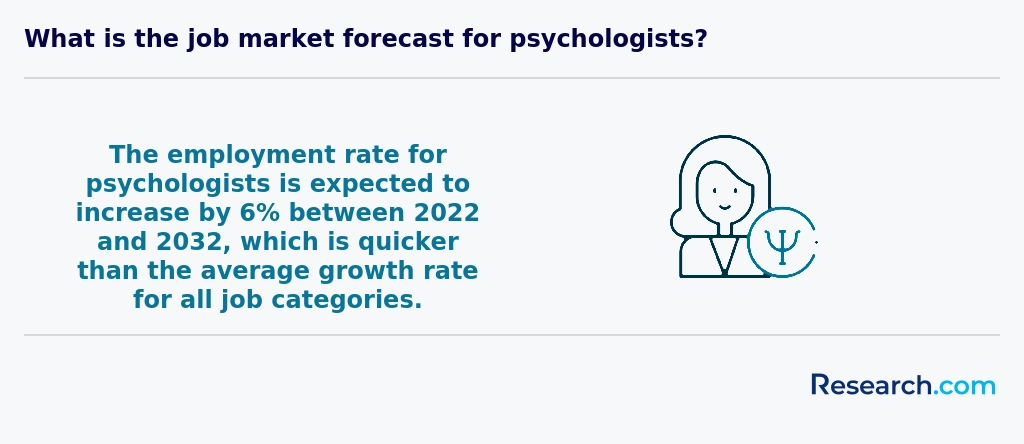
The field of psychology offers diverse career opportunities worldwide, with a growing demand for professionals skilled in mental health support and research. In the United States, including Minnesota, psychology is a recognized and expanding profession. According to the U.S. Bureau of Labor Statistics, employment of psychologists is projected to grow 8% from 2022 to 2032, faster than the average for all occupations.
Globally, psychology careers often require advanced degrees and licensure, reflecting a standard seen across many countries. For Minnesota students pursuing online psychology degrees, understanding these requirements is crucial for international career options.
Professional psychology organizations, such as the American Psychological Association, support standards that influence practice globally. Minnesota's commitment to mental health is reflected in state-supported initiatives to expand psychological services and training.
Gaining practical experience while earning an online psychology degree in Minnesota is essential for career readiness. Students can engage in supervised internships or practica, often required by accredited programs, at local clinics, hospitals, or community agencies. Minnesota's Department of Employment and Economic Development reports over 2,000 psychology-related internships statewide, offering diverse opportunities.
Many online programs collaborate with Minnesota organizations to arrange hands-on experiences near students' locations. Additionally, virtual simulation tools and case study analyses supplement in-person training. Students should consult their school advisors early to align placements with career goals and state licensure requirements. Practical experience enhances learning and professional networking in the psychology field.
Choosing the right concentration within an online psychology degree in Minnesota requires understanding your career goals and interests. Common concentrations include clinical, counseling, developmental, and industrial-organizational psychology. Each focuses on different aspects, such as therapy, human growth, or workplace behavior.
Research local job market trends through sources like the Minnesota Department of Employment and Economic Development, which reports steady growth in psychology-related roles, especially in clinical and counseling fields. Accredited programs should align coursework with licensure requirements if you plan to become a licensed psychologist or counselor in Minnesota.
Consider also program flexibility and faculty expertise to ensure a match with your learning style and professional aspirations.
Related Psychology Rankings for Nearby States
- 2027 Easiest Online Bachelor's in Psychology Degree Programs Ranking in Iowa
- 2027 Easiest Online Bachelor's in Psychology Degree Programs Ranking in Illinois
- 2027 Easiest Online Bachelor's in Psychology Degree Programs Ranking in Missouri
- 2027 Easiest Online Bachelor's in Psychology Degree Programs Ranking in Kansas
- 2027 Easiest Online Bachelor's in Psychology Degree Programs Ranking in Ohio
- 2027 Easiest Online Bachelor's in Psychology Degree Programs Ranking in Colorado
- 2027 Easiest Online Bachelor's in Psychology Degree Programs Ranking in Alabama
- 2027 Easiest Online Bachelor's in Psychology Degree Programs Ranking in Georgia
- 2027 Easiest Online Bachelor's in Psychology Degree Programs Ranking in Texas
- 2027 Easiest Online Bachelor's in Psychology Degree Programs Ranking in Florida
Top Trending Psychology Rankings
See What Experts Have To Say About Studying Psychology
Read our interview with Psychology experts

Catherine Caldwell-Harris, Ph.D.
Psychology Expert
Associate Professor of Psychology
Boston University

Robin M. Kowalski. Ph.D.
Psychology Expert
Professor of Psychology
Clemson University

Joann Farrell Quinn, Ph.D., MBA
Psychology Expert
Director at the College of Medicine Department of Medical Education
Morsani College of Medicine

References
- How to help students cope with mental health challenges https://www.eaie.org/resource/help-students-cope-mental-health-challenges.html
- How To Find Psychology Internships https://www.psychology.org/resources/how-to-find-an-internship/
- Mental Health Challenges Faced by Psychology Students | The Healthcare Guys https://healthcareguys.com/2023/11/23/mental-health-challenges-faced-by-psychology-students/
- Call for papers https://www.hogrefe.com/us/journal/international-perspectives-in-psychology-research-practice-consultation
- Online Psychology Major https://www.hamline.edu/academics/online-bachelors-psychology-major
- Society for the Teaching of Psychology https://teachpsych.org/page-1784686/8675326
- CLINICAL PSYCHOLOGY (THESIS / NON-THESIS) - Lisansüstü Eğitim Enstitüsü https://lee.nisantasi.edu.tr/en/clinical-psychology-thesis-non-thesis/
- Online Psychology B.A./B.S. | Psychology | Bemidji State University https://www.bemidjistate.edu/academics/psychology/courses-programs/online-psychology-ba/
- Ontario Psychological Association - Networking and Community Resources https://www.psych.on.ca/become-a-member-(1)/member-services/networking-and-community-resources
- Why Get a Psychology Degree Online? | University of Bridgeport https://www.bridgeport.edu/news/reasons-to-get-your-psychology-degree-online/