2027 Best Psychology Degree Programs Ranking in Dubuque

Co-Founder and Chief Data Scientist
Choosing the right psychology degree program in Dubuque can feel overwhelming. To help simplify this important decision, our article presents the 2027 Best Psychology Degree Programs Ranking in Dubuque. This comprehensive ranking was created by the Research.com team of data scientists to offer clear, reliable insights for prospective students.
Exploring this guide will help you understand which programs stand out for quality and supporting your goals. Earning a psychology degree opens doors to meaningful careers focused on helping others and personal growth. Dive in and discover options that can shape your future positively.
Key benefits of getting psychology degree in Dubuque
- Psychology degree graduates in Dubuque can expect strong salary prospects, such as Human Resources Specialists earning around $76,060 annually and Marketing Research Analysts earning about $83,190, reflecting rewarding financial opportunities.
- Graduates from local universities often pursue varied careers in counseling, research, or human services, showcasing the degree's versatility and real-world impact within the community.
- Online psychology degrees offer flexible schedules and accessibility, making it easier for busy Dubuque students to balance work and study while gaining valuable skills just like traditional graduates.
- Key benefits of getting psychology degree in Dubuque
- What can I expect from psychology degree in Dubuque?
- Where can I work with psychology degree in Dubuque?
- How much can I make with psychology degree in Dubuque?
- 2027 Best Psychology Degree Programs Ranking in Dubuque
- Key Findings
- How long does it take to complete psychology degree in Dubuque?
- Licensing Requirements for Psychologists in Iowa
- What's the difference between online and on-campus psychology degree?
- Student Support Services and Campus Resources
- What is the average cost of psychology degree in Dubuque?
- Most Affordable Options for Psychology Students in Dubuque, IA
- What financial aid is available to psychology degree students in Dubuque?
- Career Preparation and Professional Growth
- What are the prerequisites for enrolling in psychology degree program in Dubuque?
- Accreditation and Licensure Requirements
- What courses are typically in psychology degree programs in Dubuque?
- What types of specializations are available in psychology degree programs in Dubuque?
- How do you choose the best psychology degree in Dubuque?
- What career paths are available for psychology degree students in Dubuque?
- What is the job market for psychology degree in Dubuque?
- Top Trending Psychology Rankings
- See What Experts Have To Say About Studying Psychology
What can I expect from psychology degree in Dubuque?
The average cost of earning a psychology degree in Dubuque typically ranges between $20,000 and $30,000 per year for full-time undergraduate study at local institutions like Loras College and the University of Dubuque. Graduates often recall balancing tuition with living expenses, textbooks, and fees, which makes budgeting crucial from the start.
Many students find value in applying for financial aid or scholarships available through these colleges, which can significantly reduce this cost. For example, some report using work-study opportunities on campus or local internships in community mental health centers, which simultaneously build experience and help manage expenses.
Those pursuing graduate degrees should expect higher costs, sometimes doubling undergraduate expenses, especially if enrolling in programs outside Dubuque or online. Still, graduates highlight the strong support networks and practical training included, which justify the investment by enhancing their readiness for licensure and future careers.
Where can I work with psychology degree in Dubuque?
With a psychology degree in Dubuque, you can expect diverse job prospects by targeting specific local sectors. Many graduates find rewarding roles in healthcare institutions like UnityPoint Health or Great River Medical Center, where you might support behavioral health programs or assist patients directly. Positions generally require at least a bachelor's degree, but aiming for advanced roles means pursuing a master's or doctoral degree.
If you're studying at Loras College or the University of Dubuque, consider leveraging connections with nearby schools and colleges. Many graduates work as counselors, academic advisors, or support staff focusing on student well-being-positions that blend psychology knowledge with community engagement, often within educational settings.
Social services is another practical path. Agencies such as Four Oaks Iowa hire psychology graduates as case managers or counselors, addressing real issues like child welfare and substance abuse. With demand growing by 7% over the next decade, this field offers stable and impactful career options.
For those interested in business, Dubuque's manufacturing and insurance companies occasionally seek psychology graduates for roles in human resources and organizational behavior, turning psychological expertise into workplace improvements.
How much can I make with psychology degree in Dubuque?
Graduates holding psychology degrees from institutions like the University of Dubuque or Loras College often find practical job opportunities in fields such as human resources, marketing research, and clinical research. For example, a Human Resources Specialist with a psychology background in Dubuque can expect to earn around $76,060 annually. Many grads share how applying psychological principles to workplace management makes this role both rewarding and well-compensated.
Marketing Research Analysts, another common career path, average about $83,190 per year. Graduates report that their skills in understanding human behavior directly contribute to better market insights, leading to satisfying careers in this field. Clinical Research Associates typically see salaries near $62,370, giving recent psychology graduates an entry point to the healthcare research industry while building valuable experience.
Starting salaries may vary, but these figures are encouraging for students eager to translate their degrees into stable and financially viable jobs. Opportunities in Dubuque also benefit from a lower cost of living, helping graduates stretch their earnings effectively as they build their careers.
2027 Best Psychology Degree Programs Ranking in Dubuque
How do we rank schools?
Investing in your education is a significant decision that can shape your future, and the Research.com team understands the importance of making informed choices. To assist prospective students in Dubuque, we have meticulously crafted the "2027 Best Psychology Degree Programs Ranking in Dubuque." Our commitment to quality, credibility, and accuracy is reflected in the extensive research and analysis conducted to compile this ranking.
We utilized the following reputable data sources to ensure a comprehensive evaluation of psychology degree programs:
By exploring this ranking, readers will gain valuable insights into the best psychology degree programs available in Dubuque, helping them make informed decisions about their educational paths. For more details on our methodology, please visit our Research.com methodology page.


Key Findings
- Tuition for a bachelor's degree in psychology in Dubuque ranges from $20,000 to $30,000 per year, varying by school and residency.
- Job opportunities exist in clinical settings, counseling, social services, education, and business sectors within Dubuque's local economy.
- Starting salaries for psychology graduates are typically between $40,000 and $45,000 annually.
- Advanced degrees can increase salary potential to between $60,000 and $80,000 or more in specialized psychology roles.
- Internships and practicum opportunities are available through local health facilities, schools, and community organizations.
- Completing a bachelor's degree usually takes four years, while graduate degrees add two to six more years; licensure requires graduate education, supervised hours, and exams.
How long does it take to complete psychology degree in Dubuque?
Completing a psychology degree in Dubuque typically takes about four years for a bachelor's, especially when attending local schools like the University of Dubuque or Loras College. Graduates often share how a steady, full-time course load fits well with their busy lives, helping to keep momentum without burnout. For those juggling work or family, part-time study can extend this timeline, but it still feels manageable when you break it down semester by semester.
If you're aiming for a master's degree in psychology or counseling, expect roughly two more years after your bachelor's. Many students appreciate the focused specialization and applied learning during this period, often at the same schools where they earned their undergraduate degree.
Doctoral programs in Dubuque require the longest commitment-typically 5 to 7 years. These include research, coursework, and hands-on clinical training, which graduates often describe as challenging but deeply rewarding steps toward independent practice or research careers.
Licensing Requirements for Psychologists in Iowa
Becoming a licensed psychologist in Iowa ensures you meet state standards for education, ethics, and clinical practice. Whether you choose a campus-based program or a cheapest online psychology degree psychology, you’ll follow these core steps:
- Earn an APA-accredited doctoral degree (Ph.D. or Psy.D.) in psychology.
- Complete at least 2,000 hours of supervised postdoctoral experience under a licensed psychologist.
- Pass the Examination for Professional Practice in Psychology (EPPP) and the Iowa jurisprudence exam.
- Submit your application, official transcripts, and supervisor affidavits to the Iowa Board of Psychology.
- Fulfill continuing education requirements (20 hours every two years) to renew and maintain your license.
What's the difference between online and on-campus psychology degree?
Choosing between online and on-campus psychology degrees in Dubuque starts with understanding the format differences. Online programs offer flexibility ideal for working adults or those balancing family life, allowing students to study at their own pace without commuting. For example, graduates from University of Dubuque's online program appreciated being able to fit coursework around their busy schedules, especially given Dubuque's limited public transportation.
Conversely, on-campus psychology students at Loras College benefit from in-person interaction, hands-on labs, and quicker feedback from professors. Graduates often mention how access to campus counseling centers and research labs helped them gain practical experience and build professional networks.
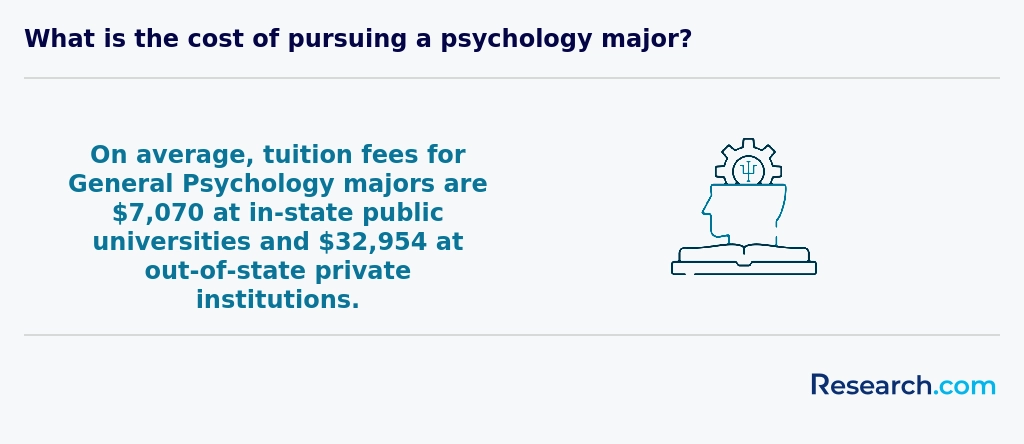
Costs vary too. On-campus tuition in Iowa averages about $9,160 annually, and online students may face extra fees for technology. Internship placement is typically more straightforward for on-campus students due to existing campus connections, while online learners often coordinate local practicum experiences independently, requiring self-motivation and planning.
Student Support Services and Campus Resources
Colleges in Dubuque, IA, recognize that success in a psychology degree goes beyond coursework, offering robust student support services and campus resources designed to guide you from orientation through graduation. Whether you’re a first-year student or returning for graduate studies, these services foster a sense of community and ensure you have the tools to thrive academically and professionally. Academic Advising and Tutoring Dedicated academic advisors help you tailor your course schedule, track program prerequisites, and explore specializations. Many institutions in Dubuque provide peer tutoring centers where upper-level psychology majors lead study groups in topics like research methods, developmental psychology, and statistics. These sessions enhance learning retention and promote collaboration among students. Career Services and Internship Placement Career centers at local universities connect psychology majors with internships at hospitals, schools, nonprofits, and corporate settings. Advisors host résumé workshops, mock interviews, and networking events, ensuring you’re prepared for roles in human resources, clinical research, or student counseling. For those exploring post-graduation pathways in therapy, our guide on how do i become a licensed therapist offers practical steps to enter licensure-based careers without a traditional psychology background. Counseling and Mental Health Resources Understanding that psychology students face unique pressures, Dubuque colleges provide on-campus counseling centers offering individual therapy, group workshops, and stress-management programs. Licensed professionals lead mindfulness sessions, crisis intervention, and referrals to community mental health partners, reinforcing both personal well-being and professional development. Libraries, Labs, and Research Facilities State-of-the-art psychology labs equip students with hands-on experience in behavioral observation, neuropsychology, and data analysis. Campus libraries subscribe to leading journals and offer quiet study zones, collaborative workrooms, and access to online databases such as PsycINFO and PubMed. Faculty-led research teams often welcome undergraduate assistants, enhancing your CV and research credentials. Student Organizations and Networking Joining psychology clubs, honor societies like Psi Chi, and special interest groups connects you with peers, faculty mentors, and guest speakers from local agencies. Regular events-such as Mental Health Awareness Week, career fairs, and research symposia-bolster your professional network and provide leadership opportunities that enrich your academic journey in Dubuque, IA.
What is the average cost of psychology degree in Dubuque?
The average cost of a psychology degree in Dubuque typically revolves around a median total cost of $51,424. For in-state students, this figure lowers to about $40,367, reflecting the pricing at local private colleges like the University of Dubuque or Loras College. Graduates often describe their tuition as a significant investment but one balanced by the rewarding experience of personalized education and strong faculty support in psychology programs.
Many psychology students in Dubuque recall budgeting carefully, accounting not only for tuition fees but also additional costs such as textbooks, housing, and supplies, which can add $10,000 to $15,000 per year. Those aiming for graduate studies in psychology notice higher annual fees, but programs here often align with national averages. The ability to attend nearby public universities like the University of Iowa or the University of Northern Iowa can be a smart option for those who qualify for in-state tuition, as it offers substantial savings while still delivering quality education.
When planning for psychology degree tuition fees Dubuque 2027, it's wise to explore scholarships and financial aid options early. Many graduates emphasize the relief that financial aid packages provide, helping them focus on their studies rather than finances. Students wanting to compare costs across the state can find helpful resources on the most affordable psychology programs in Iowa, offering insights into cost-effective paths for their degree goals.
Most Affordable Options for Psychology Students in Dubuque, IA
For students looking to pursue a psychology degree in Dubuque, IA, without breaking the bank, exploring the most affordable psychology programs in Iowa can be a wise decision. This approach allows students to balance their academic aspirations with financial reality, making their educational journey more manageable and less burdensome. Many institutions in Dubuque offer competitive pricing for their psychology programs, ensuring that students can access quality education without compromising their financial stability. By considering these affordable options, prospective psychology students can make informed decisions about their education, focusing on both the academic excellence and the financial viability of their chosen program.
What financial aid is available to psychology degree students in Dubuque?
To manage costs while studying psychology in Dubuque, start by applying for federal financial aid through the FAFSA. Graduates of Loras College often mention how Pell Grants, which can cover up to $7,395 for the 2023-2024 year, significantly eased their tuition burden. Beyond Pell Grants, some students tap into Federal Supplemental Educational Opportunity Grants or Federal Work-Study programs, giving practical financial relief and flexible campus jobs.
Look into Iowa-based options like the Iowa Tuition Grant, especially if you attend private colleges such as Clarke University, where this support helped recent psychology students reduce their tuition fees noticeably. Many psychology departments in Dubuque also offer merit scholarships rewarding academic excellence or leadership-these can range from hundreds to thousands of dollars, making a tangible difference.
Private scholarships from organizations like the American Psychological Association and local foundations are another avenue. Graduate students pursuing advanced psychology degrees often highlight assistantships or research grants as crucial aids, providing tuition waivers and stipends that allow focus on study without constant financial stress.
Career Preparation and Professional Growth
For psychology graduates, preparing for the transition from academic life to a rewarding professional career is as important as choosing the right program. In today’s competitive job market, it is crucial to build a robust resume, enhance interview skills, and expand your professional network through internships and mentorship opportunities. Recent graduates recommend engaging in practical experiences early on-such as part-time internships, research projects, or volunteering-as these opportunities not only boost your resume but also provide real-world insights into your area of interest. For those leaning toward specialized fields like sports psychology, reviewing a sports psychology job description can offer valuable guidance on the unique requirements and expectations in the field. Furthermore, leveraging university career centers, attending industry conferences, and connecting with alumni can lead to strategic job placements and long-term career growth. This career preparation phase empowers graduates to confidently navigate their next steps and position themselves for success in a dynamic and evolving market.
What are the prerequisites for enrolling in psychology degree program in Dubuque?
To enroll in a psychology degree program in Dubuque, start by ensuring you have a high school diploma or equivalent with a solid GPA, typically between 2.5 and 3.0. Graduates from local universities often recall that strong grades in English, math, and science gave them a confident edge, especially when tackling subjects like research methods later on.
While some colleges may ask for SAT or ACT scores, many have adopted test-optional policies. However, submitting good scores can boost your application, so gather those early. For example, students at Dubuque's well-known colleges found that showing a mix of academic rigor and extracurricular involvement made their applications stand out.
If you're aiming for graduate programs, hold a bachelor's degree-preferably in psychology or a related field-with coursework in statistics and research methods. Local graduate students often share that volunteering in social services before applying helped them showcase dedication and real-world experience, which admissions committees value highly.
Accreditation and Licensure Requirements
Choosing a psychology program that meets accreditation standards ensures eligibility for licensure in Iowa. After graduation, most candidates must:
- Enroll in an APA- or regionally accredited program
- Complete a minimum of 2,000 supervised clinical hours
- Pass the Examination for Professional Practice in Psychology (EPPP)
- Submit application and fee to the Iowa Board of Psychology
To accelerate your path, explore accelerated psychology programs that align with licensure prerequisites.
What courses are typically in psychology degree programs in Dubuque?
Psychology degrees in Dubuque typically include a solid mix of foundational courses that prepare you for both academic and practical work in the field. At popular institutions like the University of Dubuque or Loras College, students often start with Introduction to Psychology, which breaks down essential theories and concepts, giving a clear view of human behavior. Graduates recall how this class made complex ideas easy to grasp, sparking genuine interest.
Courses such as Developmental Psychology and Biological Psychology dive deeper, exploring growth through life stages and brain-behavior links, respectively. These classes often feature hands-on projects, helping students connect theory with real-world understanding.
Most Dubuque programs also require research-focused courses like Psychological Research Methods and Statistics in Psychology. Students share how these practical skills built their confidence to analyze data and interpret study results, essential for internships or lab work common at local colleges.
Electives such as Abnormal Psychology or Clinical Psychology allow you to tailor your studies toward counseling or mental health, reflecting direct career goals and experiences shared by recent graduates in the area.
What types of specializations are available in psychology degree programs in Dubuque?
Psychology degree specializations in Dubuque commonly include clinical, counseling, developmental, and industrial-organizational psychology, each offering a clear path toward specific careers. Graduates from popular colleges here often mention how clinical psychology prepared them for licensure and direct work with patients diagnosed with mental illnesses. Counseling psychology, favored by many, focuses on helping individuals manage everyday stress and emotional health, resonating with those who enjoy more supportive, wellness-centered roles.
Developmental psychology is ideal for students interested in age-related human growth, which opens doors in education and healthcare sectors. Industrial-organizational psychology graduates appreciate how their studies improve workplace environments and boost employee productivity, a growing field with practical applications in local businesses.
Further options include forensic, health, and neuropsychology tracks, though these require targeted prerequisites. Many Dubuque students value hands-on internships gained through their programs at regional universities, which sharpen skills and enhance future job prospects in chosen specialties.
Pragmatically, aligning your career goals with the best psychology programs with specializations Dubuque offers will boost both expertise and employability. For those curious about more niche areas, checking out the sports psychology job description can reveal additional opportunities related to psychology in specialized fields.
How do you choose the best psychology degree in Dubuque?
Start by verifying the accreditation of the Dubuque institutions you're considering; graduates often praise the assurance that comes with programs recognized by the Higher Learning Commission. This ensures your psychology degree is respected locally and nationally. Next, review the curriculum-look for schools offering specializations that match your interests, whether it's clinical psychology or industrial-organizational psychology. Many students find value in programs that include internships or research opportunities, which build practical skills essential for future careers.
Focus on affordability as well; affordable psychology colleges Dubuque usually fall within the $9,000 to $10,500 range for in-state tuition. Graduates often share how managing costs alongside living expenses in Dubuque helps keep financial stress low. Smaller class sizes at local colleges also mean better faculty access and mentorship. If your goal is licensure, check the program meets Iowa's supervision hour requirements, or explore how do i become a licensed therapist resources for guidance.
What career paths are available for psychology degree students in Dubuque?
Graduates with a psychology degree in Dubuque have several practical career paths to consider. Many find rewarding roles in counseling and mental health services, working at local clinics or hospitals where they provide therapy and support. A graduate from a popular Dubuque university shared how their training directly prepared them for this growing field, aligned with the national 8% job growth expected by the BLS. For those interested in education, school psychology offers a fulfilling route, requiring certification from the Iowa Board of Educational Examiners and involving close collaboration with families and teachers in local schools.
Others leverage their psychology degree in human resources or organizational development, applying their understanding of behavior to improve training and workplace wellness programs in Dubuque businesses. Research roles at universities or institutes provide additional options for graduates who pursue advanced degrees. Psychology students often explore cost-effective options too; many at Dubuque institutions balance studies with financial aid or scholarships. For alternative educational paths, consider 6 month online courses that pay well which can supplement your skills.
These choices highlight diverse psychology careers in Dubuque, where graduates find meaningful work opportunities that align well with local needs and demands.
What is the job market for psychology degree in Dubuque?
The psychology degree job outlook Dubuque offers is steady, especially for graduates who plan realistically. Many find employment in local hospitals like UnityPoint Health-Finley or school districts where bachelor's holders fill roles as mental health technicians or case managers. Graduates share how working in community organizations has helped them apply their knowledge effectively while gaining valuable experience. Those aiming higher pursue certifications or advanced degrees to access specialized roles such as licensed psychologists or school psychologists, which require additional qualifications.
Employment opportunities for psychology graduates in Dubuque frequently involve benefits like healthcare plans and retirement options, common in healthcare and education fields. Salaries here hover around $84,000 on average, competitive for the region and encouraging for students weighing the cost of education. Local colleges offer practical programs focused on these career paths, and many students recommend exploring easy online degrees that pay well as a way to manage tuition expenses while preparing for the workforce.
Frequently Asked Questions About psychology
Psychology degree students in Dubuque can maximize their learning experience by engaging actively with both academic and community resources. Many local institutions offer internships and research opportunities, which are crucial for applying theoretical knowledge. According to the American Psychological Association, hands-on experience in applied settings significantly improves student outcomes.
Students should also participate in study groups and attend seminars hosted by the University of Dubuque and other regional colleges. These events often feature guest speakers and networking opportunities, enhancing both knowledge and professional connections.
Utilizing Dubuque's community mental health centers for volunteer work can deepen practical understanding while contributing to local well-being.
The psychology field continues to evolve, with several emerging niches gaining attention in recent years. One notable area is neuropsychology, which explores the relationship between brain function and behavior. This specialization is increasingly important as the demand for skilled professionals working in rehabilitation and cognitive assessment grows. Another expanding niche is health psychology, focusing on how psychological factors impact physical health, vital amid rising concerns over chronic illnesses.
In Dubuque, local universities have reported an uptick in student interest in forensic psychology, driven by regional collaborations with criminal justice systems. Additionally, industrial-organizational psychology is gaining ground as businesses seek experts to improve workplace productivity and employee well-being. According to the Bureau of Labor Statistics, employment in these specialized psychology roles is expected to grow faster than average through 2030.
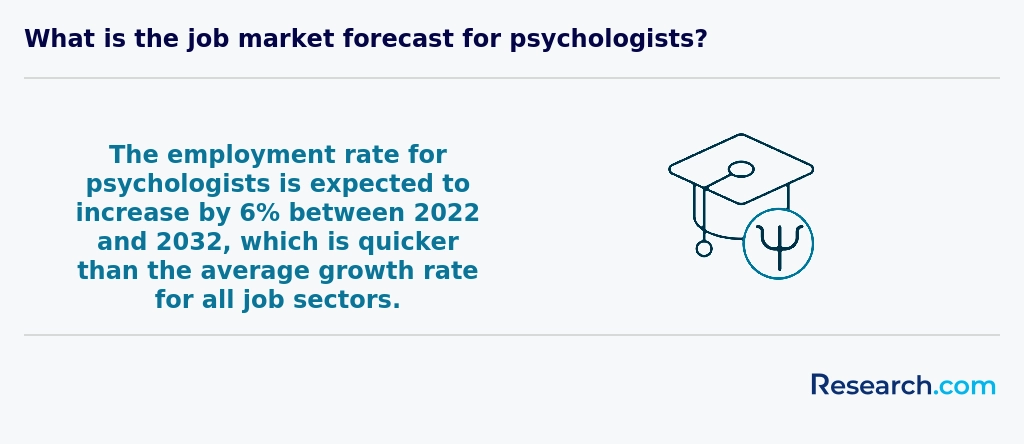
Preparing for the job market after earning a psychology degree in Dubuque involves building both academic credentials and practical experience. Local employers often value internships and applied research, so students should seek opportunities at nearby healthcare facilities or community organizations. According to the U.S. Bureau of Labor Statistics, the average growth rate for psychologist jobs in Iowa is expected to be about 8% between 2022 and 2032, signaling steady demand.
Developing strong communication and data analysis skills is essential, as many roles require interpreting research and working with diverse populations. Networking through Dubuque professional groups or psychology associations can also open doors to job leads and mentorship.
Additionally, pursuing relevant certification or graduate studies can enhance employment prospects in competitive areas like clinical or counseling psychology.
Employers hiring psychology degree graduates in Dubuque prioritize strong communication skills, critical thinking, and ethical judgment. Graduates must effectively interpret research data and apply psychological principles in real-world settings. According to the U.S. Bureau of Labor Statistics, employers also value teamwork and adaptability, as psychology roles often require collaboration with diverse professionals.
Additionally, familiarity with statistical software and experience conducting empirical research enhances graduates' job prospects. Local organizations in Dubuque, such as community mental health centers, emphasize cultural competence and empathy in candidate selection. These skills ensure graduates can serve the area's diverse population efficiently.
Finding internships in Dubuque relevant to a psychology degree involves exploring local healthcare facilities, schools, and community organizations. The UnityPoint Health system and Four Oaks offer practical opportunities for students seeking experience in clinical and counseling psychology. Internships in school districts like Dubuque Community School District also provide roles in educational psychology. Connecting with the University of Dubuque's career services can enhance your search by offering partnerships with local organizations. According to the Iowa Workforce Development, health care and social assistance sectors have grown by 7% in Dubuque since 2020, increasing internship availability. Networking and volunteering locally remain key strategies to secure internships that build valuable skills.
A psychology degree in Dubuque can significantly enhance career mobility and advancement opportunities. Local employers in healthcare, education, and social services seek candidates with strong psychological knowledge due to the city's growing focus on mental health. According to the U.S. Bureau of Labor Statistics, employment for psychologists in Iowa is projected to grow 6% from 2022 to 2032, slightly above the national average. Graduates with a psychology degree often qualify for positions in counseling, human resources, and community outreach, which offer career pathways and leadership roles. Continuing education and licensure further improve prospects for higher earnings and management positions.
Studying for a psychology degree in Dubuque equips students with skills valuable across multiple disciplines such as healthcare, education, and social services. Programs commonly emphasize hands-on research, critical thinking, and communication, preparing graduates to collaborate in diverse professional settings. Local institutions often integrate courses from biology, sociology, and statistics, giving students a broad knowledge base required for interdisciplinary work.
According to the U.S. Bureau of Labor Statistics, psychology-related fields in Iowa are projected to grow by 8% through 2030, highlighting the demand for versatile professionals. Dubuque's educational environment fosters practical experience through internships and community partnerships, enhancing readiness for roles involving teamwork across scientific and human-centered fields.
When choosing between a thesis and a non-thesis psychology degree program in Dubuque, consider your career goals and learning preferences. Thesis programs emphasize research skills and require students to conduct original studies, which is beneficial if you plan to pursue doctoral studies or research-based careers. Non-thesis programs focus more on coursework and practical experience, appealing to those aiming for immediate employment in counseling or applied psychology fields.
The University of Dubuque and Loras College both offer options aligned with these formats. According to the National Center for Education Statistics, roughly 40% of psychology master's students in Iowa choose thesis tracks, reflecting strong research interests locally.
Evaluate program requirements, faculty expertise, and resources to ensure alignment with your aspirations.
Students based in Dubuque looking to study psychology abroad have several pathways through US universities' international programs. While Dubuque itself offers strong local options, many institutions partner with global universities, enabling psychology majors to spend a semester or year overseas. For example, the University of Dubuque and nearby University of Iowa provide study abroad opportunities that include social science and psychology courses designed to transfer back seamlessly.
Additionally, federal data shows that approximately 12% of US psychology students participate in some form of international study, highlighting the growing trend. Students can explore programs in countries such as the UK, Canada, and Australia, where curricula align closely with US standards, supporting licensure and graduate school goals. Academic advisors in Dubuque typically emphasize the importance of confirming program accreditation to ensure course credit applies to psychology degrees.
Students pursuing psychology degrees in Dubuque can benefit from various part-time job opportunities that enhance their academic learning. Local mental health clinics and counseling centers often seek interns or assistants, providing practical experience in client interaction and therapeutic techniques. According to the Iowa Workforce Development, mental health services in Dubuque have grown by 7% over the past five years, increasing job prospects in this area.
Additionally, positions such as research assistants at nearby universities allow students to engage directly with psychological studies and data analysis. Schools, rehabilitation centers, and nonprofit organizations also offer roles in case management and behavioral support, aligning closely with psychology coursework and skill development.
Psychology students in Dubuque benefit from multiple networking opportunities tied to the city's educational and professional community. Loras College, one of the main institutions offering psychology degrees, hosts student organizations such as the Psychology Club, which facilitates events bringing students together with faculty and local practitioners.
Additionally, the Iowa Psychological Association, accessible online, encourages membership for students and organizes conferences and workshops that provide valuable professional connections. Internships with local health centers, like UnityPoint Health, offer psychology students hands-on experience and direct networking with licensed psychologists and counselors.
These combined avenues help students build professional relationships essential to a career in psychology.
Alumni networks play a crucial role for psychology degree students in Dubuque by offering valuable professional connections. Graduates can access job referrals, internships, and mentorship opportunities through these networks, which boost their career prospects. According to the National Association of Colleges and Employers (NACE), 85% of job placements happen through networking, highlighting the significance of such connections.
In Dubuque, psychology alumni often work in local hospitals, schools, and counseling centers, creating strong community ties. Active alumni associations also organize workshops and job fairs specific to psychology fields, helping students navigate the local job market effectively. These resources complement academic learning with real-world insights.
Moreover, alumni can provide guidance on licensure and certification requirements unique to Iowa, which is beneficial for psychology students preparing for state exams. Engaging with former graduates fosters ongoing support and professional growth, a strategic advantage for those entering psychology careers in Dubuque.
Customizing a psychology degree in Dubuque allows students to align their studies with specific career goals. Many local institutions offer elective courses or concentrations such as clinical psychology, counseling, or developmental psychology. This flexibility enables students to gain expertise in areas relevant to their intended profession.
Internships and research opportunities within Dubuque's healthcare facilities and community organizations provide practical experience, which is highly valued by employers. For instance, Clarke University and the University of Dubuque emphasize applied learning.
Advisors typically work with students to design individualized degree plans, balancing core psychology requirements with specialized subjects. This tailored approach supports diverse career paths including social work, education, and mental health services.
Psychology students in Dubuque often face distinct challenges related to limited local research facilities and internship opportunities. According to data from the National Center for Education Statistics (NCES), many psychology programs in smaller cities like Dubuque have fewer on-campus labs compared to metropolitan areas, which can affect hands-on learning experiences.
Another challenge is balancing coursework with the high demand for clinical practicum hours, which are crucial for licensure but can be difficult to secure locally due to fewer mental health providers in the area. Mental health organizations often have limited capacity for student supervision, extending program durations.
Additionally, financial concerns can be significant. Although tuition rates in Dubuque are generally lower than national averages, funding for graduate psychology studies remains competitive. These challenges require students to be proactive in seeking external opportunities and support.
With a psychology degree in Dubuque, you can pursue various professional certifications that enhance your career opportunities. One common path is becoming a Licensed Professional Counselor (LPC), requiring a master's degree, supervised clinical hours, and passing a state exam. The Iowa Board of Behavioral Science sets these standards, relevant for Dubuque graduates.
Another certification is the Certified Alcohol and Drug Counselor (CADC), which is valuable given Dubuque's community treatment programs. This certification requires specific training and supervised experience. Additionally, certifications in school psychology or applied behavior analysis (BCBA) are also accessible, depending on your graduate studies.
These credentials strengthen employment prospects in mental health, education, and social services within the region. According to the Bureau of Labor Statistics, counselor roles in Iowa grew by 5% over the past decade, indicating steady demand.
Writing a winning application for a psychology program in Dubuque requires clear focus on academic achievement and relevant experience. Admissions committees at local institutions, such as the University of Dubuque, look for strong GPA, especially in science and social science courses, along with well-crafted personal statements. Highlight your motivation for studying psychology and how it fits your career goals.
Including volunteer or work experience related to psychology or mental health can significantly strengthen your application. According to the National Center for Education Statistics, strong extracurricular involvement boosts admission chances by up to 20% nationally.
Lastly, secure solid letters of recommendation from professors or professionals familiar with your academic and personal qualities. Proofread all materials carefully to demonstrate professionalism and attention to detail.
Psychology careers in the United States, including Dubuque, are influenced by global trends emphasizing a broad understanding of mental health and human behavior. Professionals trained in psychology often engage in diverse fields such as clinical practice, research, education, and organizational consulting.
Internationally, psychology is recognized as a vital discipline, but licensing requirements vary widely. In the US, including Iowa, earning a doctoral degree and state licensure are essential for clinical practice, with the Bureau of Labor Statistics projecting a 8% growth in psychologist employment from 2022 to 2032.
Global collaboration enhances research and treatment approaches, with US-trained psychologists contributing to and benefiting from worldwide studies on mental health disorders and therapies.
Gaining practical experience during a psychology degree in Dubuque is essential for applying theoretical knowledge and improving job prospects. Many local colleges, including the University of Dubuque and Loras College, offer internship opportunities in community mental health centers, hospitals, and social service organizations. These internships provide hands-on experience and exposure to diverse populations.
Additionally, students can participate in research projects under faculty supervision, which enhances critical thinking and analytical skills. Volunteer positions at agencies like the Dubuque County Health Department also offer valuable real-world experience. According to the Bureau of Labor Statistics, hands-on experience increases employability for psychology graduates nationwide.
Choosing the right concentration within a psychology degree program in Dubuque involves assessing your career goals and interests. Psychology offers various specializations such as clinical, counseling, developmental, or industrial-organizational psychology. Each concentration prepares students for distinct paths, from mental health services to workplace behavior analysis.
Research local employment trends through resources like Iowa's Department of Labor; the Dubuque area shows particular demand in clinical and counseling psychology roles. Consider programs accredited by the American Psychological Association (APA) for quality education and licensure readiness.
Lastly, connect with academic advisors and review courses offered by Dubuque colleges to ensure the concentration aligns with your long-term plans.
Related Psychology Rankings for Nearby Cities
- 2027 Best Psychology Degree Programs Ranking in Chicago
- 2027 Best Psychology Degree Programs Ranking in Saint Paul
- 2027 Best Psychology Degree Programs Ranking in Minneapolis
- 2027 Best Psychology Degree Programs Ranking in Notre Dame
- 2027 Best Psychology Degree Programs Ranking in Saint Louis
- 2027 Best Psychology Degree Programs Ranking in Indianapolis
- 2027 Best Psychology Degree Programs Ranking in Fort Wayne
- 2027 Best Psychology Degree Programs Ranking in Kansas City
- 2027 Best Psychology Degree Programs Ranking in Lincoln
- 2027 Best Psychology Degree Programs Ranking in Detroit
Top Trending Psychology Rankings
See What Experts Have To Say About Studying Psychology
Read our interview with Psychology experts

Robin M. Kowalski. Ph.D.
Psychology Expert
Professor of Psychology
Clemson University

Elizabeth L. Jeglic Ph.D.
Psychology Expert
Professor of Psychology
City University of New York

Joann Farrell Quinn, Ph.D., MBA
Psychology Expert
Director at the College of Medicine Department of Medical Education
Morsani College of Medicine

References
- News https://www.dbq.edu/NewsEvents/News/Dubuque-Promise-Grant-Aims-to-Keep-College-Grads-Local.cfm
- What Certifications Can I Get With A Bachelor's In Psychology? https://www.psychology.org/resources/certification-skills-for-psychology-major-resumes/
- What can I do with a psychology degree? https://www.hull.ac.uk/study/undergraduate/courses/psychology-bsc-hons/what-can-i-do-with-a-psychology-degree
- Careers in and Related to Psychology - Canadian Psychological Association https://cpa.ca/students/career/careersinpsychology/
- Psychology Placement Opportunities for Year 12 Students https://studymind.co.uk/ucas-guide/year-12-guide-to-gaining-psychology-work-experience/
- Sample letters in psychology https://www.mystudies.com/en-in/human-and-social-sciences/psychology/letter-model/
- Psychology Online Degree Pathway https://www.learndirect.com/course/psychology-online-degree
- Know more about thesis vs non- thesis: what is the difference? https://studyfans.com/en/blogs/816
- A Guide to Psychology Internships | Psychology Degree Guide https://psychologydegreeguide.org/resources/internships/
- Staying connected, made simple: how associations and alumni networks grow with Socie - Socie App https://socie.eu/staying-connected-made-simple-how-associations-and-alumni-networks-grow-with-socie/