2027 Most Popular Nursing Degree Programs Ranking in the Northeast

Co-Founder and Chief Data Scientist
Choosing the right nursing degree program is a big step toward a rewarding healthcare career. For students in the Northeast, finding a program that fits your goals and lifestyle can feel overwhelming.
This article features the 2027 Most Popular Nursing Degree Programs Ranking in the Northeast, created by the Research.com team of data scientists to help you make an informed decision.
Discover programs that stand out for quality, support, and career potential. Taking this time now can open doors to a fulfilling future in nursing.
Key benefits of getting nursing degree in the Northeast
- Nursing degree graduates in the Northeast can expect strong salary potential, with average annual wages around $94,480 for roles like Registered Nurse, Clinical Nurse Educator, and Public Health Nurse, while specialized positions such as Operating Room Nurse earn up to $128,490.
- Graduates from popular Northeastern colleges often find diverse career paths in hospitals, community health, or emergency care, offering rewarding opportunities to grow and make a real difference in patient lives.
- Completing a nursing degree online from a recognized Northeast university offers flexibility and convenience, allowing students to balance studies with personal commitments and enter the workforce quickly.
- Key benefits of getting nursing degree in the Northeast
- What can I expect from nursing degree in the Northeast?
- Where can I work with nursing degree in the Northeast?
- How much can I make with nursing degree in the Northeast?
- 2027 Most Popular Nursing Degree Programs Ranking in the Northeast
- Key Findings
- How long does it take to complete nursing degree in the Northeast?
- Accreditation and Licensure Readiness
- What's the difference between online and on-campus nursing degree?
- NCLEX-RN Pass Rates: Benchmarking Program Quality
- What is the average cost of nursing degree in the Northeast?
- Accreditation and Licensure Requirements
- What financial aid is available to nursing degree students in the Northeast?
- Licensure Requirements and NCLEX-RN Preparation
- What are the prerequisites for enrolling in nursing degree program in the Northeast?
- NCLEX Exam Preparation and State Licensure
- What courses are typically in nursing degree programs in the Northeast?
- What types of specializations are available in nursing degree programs in the Northeast?
- How do you choose the best nursing degree in the Northeast?
- What career paths are available for nursing degree students in the Northeast?
- What is the job market for nursing degree in the Northeast?
- Top Trending Nursing Rankings
- See What Experts Have To Say About Studying Nursing
What can I expect from nursing degree in the Northeast?
The average cost of pursuing a nursing degree in the Northeast varies, but many students find that public universities offer in-state tuition rates that are both competitive and manageable. Graduates from well-known programs, such as those at state universities in New York or Massachusetts, often share how financial aid and scholarships helped make their education affordable while they focused on excelling in their studies.
Imagine the relief of balancing rigorous clinical rotations with the reassurance that tuition costs won't become overwhelming. Many nursing students here appreciate that scholarships targeted specifically at nursing can ease the financial burden, especially as workforce shortages encourage schools to support diverse and motivated candidates.
For example, students attending public nursing schools in Pennsylvania report tuition comparable to other state universities, often supplemented by grants or employer tuition reimbursement programs. This environment fosters confidence and focus on learning, helping students thrive both academically and personally while preparing to serve their communities.
Where can I work with nursing degree in the Northeast?
Graduates with nursing degrees from top Northeast schools like Northeastern University or the University of Pennsylvania find themselves welcomed into a wide variety of fulfilling roles. Many begin their careers in bustling hospitals such as Massachusetts General or NewYork-Presbyterian, where they apply their skills in life-changing ways, often supporting critical care or specialized units. These settings offer vibrant environments where nurses quickly build confidence and deepen their expertise.
Others discover rewarding opportunities in community clinics or schools, providing essential public health services and education that make a real difference in neighborhood wellness. Imagine working with local health departments in Philadelphia or Providence, running vaccination drives or chronic illness outreach programs-these roles directly impact families and entire communities.
Some graduates embrace the future by entering telehealth nursing. This innovative path allows them to connect with patients remotely, offering compassionate support for chronic conditions and health education from the comfort of their homes. Whether caring for elders in home health or coordinating care across rural areas, Northeast-trained nurses enjoy diverse, meaningful careers tailored to a growing and dynamic healthcare landscape.
How much can I make with nursing degree in the Northeast?
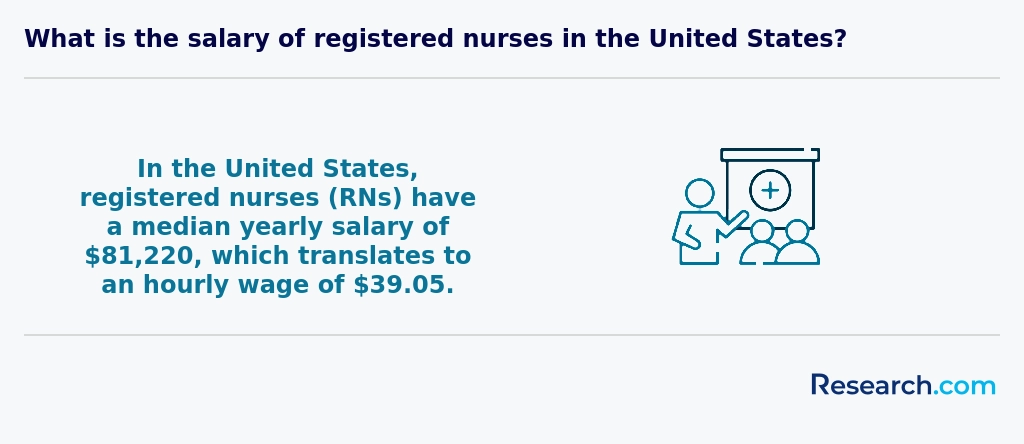
Graduates with nursing degrees from respected institutions like Boston College and New York University in the Northeast can expect competitive salaries that reflect their hard work and dedication. Registered Nurses (RNs) typically earn a mean annual wage of around $94,480, providing a strong financial foundation early in their careers. Hospitals across the region value skilled nurses highly, especially in urban centers like Boston and New York City, where graduates often see higher wages and additional benefits.
For those pursuing specialized roles, the rewards grow even greater. Operating Room Nurses, for example, earn a mean annual wage of $128,490, illustrating the premium placed on advanced clinical skills and expertise. This substantial salary shows that investing in specialized nursing education pays off, opening doors to roles with both professional fulfillment and financial success.
Many graduates from Northeast nursing programs celebrate the balance of meaningful patient care and a salary that supports their lifestyle despite the region's higher living costs. Their stories inspire aspiring nurses to aim high, knowing the Northeast offers not only excellent education but also promising earnings for passionate healthcare professionals.
2027 Most Popular Nursing Degree Programs Ranking in the Northeast
How do we rank schools?
Investing in your education is a significant decision that can shape your future, and the Research.com team understands the importance of making informed choices. To assist prospective students, we have carefully developed the "2027 Most Popular Nursing Degree Programs Ranking in the Northeast." Our commitment to quality, credibility, and accuracy is demonstrated through rigorous research and analysis involved in creating this ranking. We utilized the following reputable data sources to ensure a thorough and reliable evaluation of nursing programs:
By exploring this ranking, readers will gain valuable insights into the most prominent nursing degree programs in the Northeast, empowering them to make confident and well-informed educational decisions. For more details on how this ranking was created, please visit our Research.com methodology page.


# 5 position
Pennsylvania State University-Main Campus
Bachelor of Science in Nursing


Key Findings
- Nursing programs in the Northeast offer degrees from associate to doctoral levels, with top schools located in states like New York, Massachusetts, Pennsylvania, and New Jersey.
- BSN degree costs range from about $40,000 to $90,000, while ADN programs at community colleges are more affordable, typically between $10,000 and $25,000.
- Employment for registered nurses in the region is expected to grow by approximately 10% through 2030, faster than the national average.
- Starting salaries for newly licensed RNs average around $65,000 annually, with experienced nurses often earning more than $85,000 per year.
- All states require passing the NCLEX-RN exam for licensure, with many schools including exam preparation as part of their programs.
How long does it take to complete nursing degree in the Northeast?
Completing a nursing degree in the Northeast offers exciting pathways filled with opportunity and personal growth. For many, an Associate Degree in Nursing (ADN) at community colleges in New York or Pennsylvania provides a swift, 2 to 3-year route to becoming a registered nurse. Graduates from these programs often recall the rewarding feeling of stepping confidently into their first healthcare roles.
Those pursuing a Bachelor of Science in Nursing (BSN), available at universities like Boston University or Rutgers University, typically invest about 4 years of full-time study. Many graduates feel proud reflecting on how this degree opened doors to advanced career opportunities and deeper patient connections.
Accelerated BSN programs, ranging from 12 to 18 months, inspire career changers with prior degrees to embrace nursing quickly and passionately. Nurses who chose this path often share how the intensity cultivated resilience and excitement as they prepared for their new profession.
Advanced degrees, like the Master of Science in Nursing (MSN), generally add 1.5 to 3 years, fueling dreams to lead as nurse practitioners or educators across the Northeast. Every step forward is a testament to dedication and commitment to making a real difference in healthcare.
Accreditation and Licensure Readiness
Ensuring your nursing degree leads to licensure and employer recognition starts with program approval and solid exam support.
- Verify CCNE or ACEN accreditation to meet national education standards and qualify for state licensure.
- Confirm approval by your state board of nursing for smooth clinical placements and eligibility to sit for the NCLEX-RN exam.
- Compare schools’ first-time NCLEX-RN pass rates-aim for programs exceeding an 85% success rate.
- Look for built-in NCLEX prep resources such as review workshops, practice tests, and faculty-led study sessions.
For nurses planning to advance clinical skills and leadership, explore an online dnp program accredited for practice excellence.
What's the difference between online and on-campus nursing degree?
Pursuing a nursing degree in the Northeast offers exciting paths tailored to your lifestyle. Online programs, like those at Northeastern University, empower students to learn on their own schedule, balancing work and family while accessing lectures and assignments from anywhere. Graduates often cherish the independence and digital connections that prepare them for today's dynamic healthcare environments.
Alternatively, on-campus programs at schools such as the University of Pennsylvania provide an enriching, immersive experience. Students benefit from hands-on training in state-of-the-art labs, face-to-face mentorship, and vibrant peer collaboration. These direct interactions build confidence in clinical skills and foster lifelong bonds.
Both options require clinical hours at local healthcare facilities, ensuring graduates gain real-world experience. Whether mastering skills virtually or in person, nursing students in the Northeast emerge ready to excel with compassion and expertise, supported by top-tier education within their community.
NCLEX-RN Pass Rates: Benchmarking Program Quality
One of the most critical indicators of a nursing program’s effectiveness is its NCLEX-RN pass rate, which reflects how well graduates are prepared to enter clinical practice. In the Northeast, top schools often report first-time pass rates exceeding 90%, with programs like Boston College and the University of Connecticut routinely hitting the high 90s. These rates not only demonstrate academic rigor and robust clinical training but also signal strong support systems-such as dedicated NCLEX review sessions and one-on-one mentorship-that help students succeed. When comparing programs, pay close attention to cohort-specific pass rates published by each institution’s nursing department or state board of nursing. A sustained track record of high pass rates suggests a curriculum that effectively integrates theory, simulation labs, and real-world clinical experiences. Prospective students should also inquire about faculty qualifications, class size, and access to NCLEX prep tools, as these factors contribute directly to exam readiness. If affordability and flexibility are top priorities, students may explore online options beyond the Northeast. For instance, the Cheapest Online Nursing Degree Programs Ranking in North Dakota offers insight into cost-effective pathways that still maintain strong accreditation and solid NCLEX outcomes. By balancing pass rate metrics with financial considerations, you can select a program that delivers both quality education and long-term value.
What is the average cost of nursing degree in the Northeast?
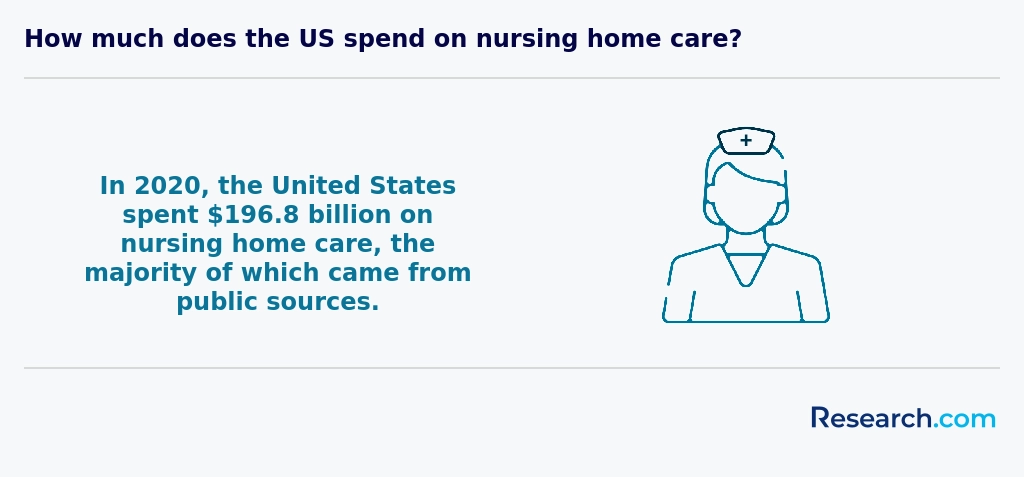
On average, the cost of obtaining a nursing degree in the Northeast is about $50,651, a figure that reflects the quality and robust opportunities this region offers. Graduates from well-known institutions in Boston, New York, and Philadelphia often share how their investment translated into valuable hands-on experience, expert faculty guidance, and access to cutting-edge clinical facilities. These aspects not only enrich their education but also elevate their readiness for an inspiring nursing career.
For many nursing students, especially those attending prestigious colleges in the area, the nursing degree tuition and fees Northeast 2027 projections emphasize a balance between cost and the lifetime return on investment. The comprehensive training involving simulation labs and clinical placements requires financial commitment, but students find it empowering to see their skills grow in real-world healthcare settings. Graduates often express pride knowing their education equips them to make meaningful impacts in their communities.
In addition to traditional pathways, students exploring alternatives such as accelerated programs might consider an lpn to rn bridge to advance their careers efficiently. This path offers flexible options that align with personal goals and budgets, making the journey toward becoming a registered nurse even more accessible. Embracing such opportunities energizes many aspiring nurses to pursue their dreams with confidence.
Accreditation and Licensure Requirements
Accreditation ensures your nursing degree meets standards set by reputable bodies and qualifies you for licensure exams like the NCLEX. Before enrolling, verify both regional accreditation and programmatic accreditation from:
- Commission on Collegiate Nursing Education (CCNE)
- Accreditation Commission for Education in Nursing (ACEN)
Choosing an accredited program guarantees:
- Eligibility for federal financial aid and scholarships
- Seamless credit transfer between institutions
- Recognition by state boards of nursing and employers
Always confirm your state board’s approval to sit for licensure. For budget-friendly, accredited RN-to-BSN pathways, explore our cheapest rn to bsn program online.
What financial aid is available to nursing degree students in the Northeast?
Students pursuing nursing degrees in the Northeast find a wealth of financial aid opportunities that transform daunting tuition costs into achievable dreams. Graduates from renowned schools like Boston University and the University of Pennsylvania often recall how Federal Pell Grants and Direct Loans accessed through FAFSA provided crucial support, letting them focus on clinical skills instead of finances. These grants can cover thousands, easing the burden for full-time and part-time learners alike.
State-funded scholarships in New York, Massachusetts, and Pennsylvania also offer targeted encouragement for those committed to serving local communities. Nursing students have shared how these programs not only reduced their debt but inspired them to give back by working in underserved areas after graduation.
Private scholarships from associations such as the American Association of Colleges of Nursing grant hope and financial relief, while tuition reimbursement from healthcare employers rewards working nurses who advance their education. One graduate describes balancing study and work confidently, knowing their employer supported their passion.
Community college programs add another layer of affordability, blending low tuition with federal work-study options that allow students to earn and learn simultaneously, making a nursing career within reach for many in the Northeast.
Licensure Requirements and NCLEX-RN Preparation
Before you can practice as a registered nurse in the Northeast, you must graduate from an accredited program, apply for state licensure, and pass the NCLEX-RN exam. Each state board of nursing sets its own deadlines and fees, but all require verification of your coursework and clinical hours. Most programs boast NCLEX-RN first-time pass rates above 85%, and top schools in Massachusetts and New York often exceed 90%. What to expect on the NCLEX-RN The exam covers four major categories: 1. Safe and Effective Care Environment 2. Health Promotion and Maintenance 3. Psychosocial Integrity 4. Physiological Integrity With around 75–145 questions, the computerized adaptive test adapts to your performance, so thorough preparation is key. Proven preparation strategies • Practice exams: Regularly simulate full-length NCLEX tests under timed conditions to build stamina and reduce anxiety. • Review courses: Enroll in NCLEX review workshops offered by your school or reputable online providers. • Study groups: Collaborate with classmates to discuss challenging topics and share memory aids. • Clinical simulations: Attend extra lab sessions to reinforce hands-on skills and critical-thinking under pressure. Many students consider an accelerated lpn to rn bridge pathway to leverage their nursing assistant experience and gain targeted NCLEX prep support. By combining structured review with real-world scenarios, you’ll enter the exam room confident and equipped to succeed.
What are the prerequisites for enrolling in nursing degree program in the Northeast?
Enrolling in a nursing degree program in the Northeast is an exciting step filled with promise, and understanding the prerequisites can help you confidently prepare for this rewarding journey. Most nursing programs at renowned institutions like Boston College or the University of Pennsylvania expect applicants to have a high school diploma or GED with strong foundations in biology, chemistry, and mathematics. These subjects build the essential knowledge base you'll rely on as a nursing student.
Many successful graduates recall completing key college-level courses such as human anatomy and physiology, microbiology, and chemistry before starting their Bachelor of Science in Nursing (BSN) program. Maintaining a minimum GPA around 3.0 showcases academic dedication and readiness, which schools in the Northeast take seriously when reviewing applications.
Beyond academics, gaining clinical experience or volunteering at healthcare facilities is a transformative step that connects your passion with real-world care. Letters of recommendation and personal statements allow you to share your unique story and commitment, helping you stand out in this competitive and nurturing environment.
Knowing these requirements early empowers you to plan, build confidence, and embrace the vibrant community of nursing students who have thrived in the Northeast.
NCLEX Exam Preparation and State Licensure
Passing the NCLEX-RN and securing your state nursing license are critical steps toward practicing as a registered nurse in the Northeast. A structured approach to exam preparation and a clear understanding of licensing requirements can greatly boost your confidence and success rate. Curriculum Alignment and Accreditation • Verify that your program is accredited by CCNE or ACEN-only graduates of accredited programs are eligible to sit for the NCLEX. • Review your coursework against the latest NCLEX test plan, focusing on Patient Care, Safety, and Clinical Judgment. Structured Study Plan • Create a timeline: Allocate 8–12 weeks for dedicated NCLEX review after graduation. • Use reputable question banks and simulation software to familiarize yourself with exam-style items. • Join study groups or partner with peers for accountability and knowledge sharing. • Students entering accelerated tracks often explore 6 month lpn programs online to gain foundational clinical experience before tackling the NCLEX-RN exam. State Board Application • Submit your application to the Northeast state board of nursing at least 6–8 weeks before your desired test date. • Complete fingerprinting and background checks as required by your state. • Monitor your Authorization to Test (ATT) email closely-once received, schedule your exam promptly to secure a convenient test center and date. Continuing Competency and License Renewal • After passing NCLEX-RN, pursue any state-mandated continuing education credits or practice hours. • Track renewal deadlines (typically every 1–2 years) and maintain documentation of completed CE activities. • Opt into the Nurse Licensure Compact (where available) to expand practice mobility across participating states. By aligning your study strategy with state regulations and leveraging accredited resources, you’ll be well-prepared to pass the NCLEX-RN and launch your nursing career in the Northeast.
What courses are typically in nursing degree programs in the Northeast?
In nursing degree programs across the Northeast, students dive into a comprehensive mix of courses designed to build a strong foundation and inspire confidence in their future roles. Graduates from popular universities often reflect on how studying Human Anatomy and Physiology brought the human body to life, making every lecture feel like a step closer to real patient care.
Courses like Microbiology and Pharmacology empower students to understand infections and medications deeply, which is crucial when working in fast-paced hospital environments in cities like Boston or Philadelphia. Many students cherish how classes such as Pathophysiology transformed complex diseases into understandable concepts that ignite their passion for healing.
Additionally, programs emphasize hands-on skills with courses like Health Assessment and Adult and Pediatric Nursing, helping students at colleges across the Northeast gain confidence in diagnosing and caring for diverse patient needs.
Leadership and community health courses inspire future nurses to lead with compassion both inside and beyond the hospital walls, reflecting the collaborative spirit seen in renowned Northeastern healthcare facilities.
What types of specializations are available in nursing degree programs in the Northeast?
Nursing degrees in the Northeast offer exciting specializations that empower students to make a real difference in their communities. Graduates from top nursing programs Northeast specializations often highlight fields such as Family Nurse Practitioner (FNP), where they provide compassionate primary care across all ages, responding to the region's aging population with confidence and skill. Others find their passion in Pediatric Nursing, focusing on nurturing the health of children, an area highly valued by families and healthcare providers alike.
Schools across the Northeast, including well-known universities, also offer specializations like Geriatric Nursing, vital for supporting the elderly in states like Maine and Vermont, and Psychiatric and Mental Health Nursing, where nurses become advocates for mental wellness. Critical Care Nursing prepares students for high-pressure environments in major urban hospitals, enhancing their readiness for emergency situations. Women's Health Nursing addresses important reproductive and prenatal care needs.
Many nursing students benefit from programs that blend classroom learning with clinical placements, gaining invaluable hands-on experience. For those eager to accelerate their careers, exploring 6 month lpn programs online can be an inspiring step forward in their journey toward specialization.
How do you choose the best nursing degree in the Northeast?
Choosing the best nursing degree in the Northeast means focusing on programs that combine strong academics with real-world experience. Graduates from renowned universities often share how clinical opportunities in cities like Boston and New York brought their education to life, giving them confidence to thrive in diverse healthcare settings. Seeking out accredited programs ensures you're building a solid foundation recognized nationwide. Many students find that balancing cost and quality is key; affordable nursing schools in the Northeast often offer robust support and impressive NCLEX pass rates, making their graduates ready for success.
Consider program formats that fit your lifestyle-whether a traditional four-year track or an accelerated route for those switching careers. Hearing stories from recent grads about hands-on learning and mentorship can inspire your journey. Exploring financial aid and scholarships further opens doors. For added guidance, check out the Cheapest Online Nursing Degree Programs Ranking in North Dakota to see how affordability and flexibility can align with your goals.
What career paths are available for nursing degree students in the Northeast?
Nursing degree graduates in the Northeast discover a wealth of exciting career paths tailored to the region's dynamic healthcare needs. From bustling hospitals to community health centers, graduates often find fulfilling roles as registered nurses in specialties like emergency care, pediatrics, or geriatrics. Many from renowned nursing programs like those at Boston College or New York University choose to become nurse practitioners or nurse anesthetists, enjoying greater autonomy and rewarding salaries. Their dedication to advancing in healthcare reflects the strong job prospects Northeast students experience due to high demand.
Public health nursing also shines as a meaningful career, with graduates engaged in community wellness programs and public health initiatives addressing local challenges such as chronic disease prevention or opioid addiction. Those inspired by hands-on patient care frequently work as home health nurses or school nurses, making daily, tangible impacts. For anyone passionate about helping others, nursing career opportunities in the Northeast truly offer a path filled with purpose and growth, supported by excellent education and encouraging connections to the healthcare community. To explore more options, prospective students can check out the best college majors for jobs.
What is the job market for nursing degree in the Northeast?
The nursing job growth in the Northeast offers a bright and rewarding future for graduates of nursing degrees. States like New York and Massachusetts provide abundant opportunities thanks to a steady increase in healthcare employment and an aging population in need of expert care. Graduates from well-known nursing schools in the region often share inspiring stories of landing positions quickly in hospitals or outpatient centers, where their skills are in high demand. This strong employment outlook Northeast reflects a competitive yet welcoming environment for new nurses eager to make a meaningful impact.
Many students pursuing nursing in the Northeast find that the balance between tuition costs and high median salaries, often exceeding $85,000 annually, makes this a viable and fulfilling career path. The support from local healthcare systems and the shortage of registered nurses give graduates confidence that their dedication will lead to stable, rewarding jobs. For those considering nursing as a career, starting with an easiest associate's degree can be a strategic step toward entering this thriving market.
Frequently Asked Questions About nursing
Nursing degree students in the Northeast can maximize their learning by engaging in clinical placements at diverse healthcare settings. According to the New England Journal of Nursing, hands-on experience in urban hospitals, rural clinics, and specialized care units greatly enhances practical skills and patient interaction abilities.
Taking advantage of partnerships between universities and leading medical centers, such as those found in Boston and New York City, provides access to cutting-edge technology and expert mentorship. Additionally, students should participate in simulation labs where real-life nursing scenarios are recreated.
Joining regional nursing organizations like the Massachusetts Nurses Association fosters networking and professional development. Lastly, leveraging online resources and research platforms offered by institutions in the Northeast can help students stay current with evolving healthcare standards.
The nursing field in the Northeast is evolving with several emerging niches attracting attention. One growing area is gerontological nursing, driven by the region's aging population; the U.S. Census Bureau notes that states like Pennsylvania and New York have rapidly increasing numbers of seniors needing specialized care. Another important niche is psychiatric-mental health nursing, reflecting broader recognition of mental health issues and a shortage of trained providers.
Additionally, informatics nursing is gaining prominence due to the increasing digitization of healthcare records and data management in hospitals across Massachusetts and New Jersey. Community health nursing also remains vital, focusing on preventive care and outreach in urban centers like Boston and Philadelphia.
After completing a nursing degree in the Northeast, preparing for the job market involves several important steps. First, obtaining licensure is essential; graduates must pass the NCLEX-RN exam to practice as registered nurses. According to the National Council of State Boards of Nursing, Northeastern states have consistently high pass rates, reflecting strong program quality. Networking is also vital; joining regional nursing associations, such as the Massachusetts Nurses Association or New York State Nurses Association, can provide job leads and mentoring opportunities. Additionally, gaining clinical experience through internships or residencies boosts employability, as healthcare employers in the Northeast often prefer candidates with hands-on training. Finally, keeping updated with evolving healthcare technologies and continuing education requirements prepares nurses for a competitive job market.
Employers in the Northeast region prioritize several key skills when hiring nursing degree graduates. Critical thinking and clinical judgment top the list, as hospitals and healthcare facilities demand nurses who can make quick, informed decisions. Communication skills are also essential, enabling nurses to interact effectively with patients, families, and healthcare teams.
Technical proficiency, including familiarity with electronic health records and medical technologies, is increasingly important due to advancing healthcare systems. According to a 2023 report by the Massachusetts Center for Nursing, over 75% of employers in the Northeast seek graduates with strong technological competencies. Additionally, cultural competence and empathy remain vital, ensuring care is patient-centered and respectful of diverse populations.
Finding nursing internships in the Northeast involves exploring several key resources. Many regional hospitals, such as Massachusetts General and NYU Langone, regularly offer clinical internships for nursing students. According to the American Association of Colleges of Nursing (AACN), over 70% of nursing programs in the Northeast have established partnerships with local healthcare facilities for internship placements.
University career centers and nursing departments often maintain updated internship listings tailored to nursing students. Additionally, organizations like the Northeast Regional Nursing Council provide centralized internship information and networking events.
Students should start early, applying six months before intended internship dates to maximize opportunities in this competitive market.
In the Northeast, earning a nursing degree significantly enhances career mobility and advancement opportunities. According to the Bureau of Labor Statistics (2023), registered nursing jobs are projected to grow by 10% nationally, with higher demand concentrated in states like New York, Massachusetts, and Pennsylvania.
Nurses with bachelor's or advanced degrees have access to a wider range of roles, including leadership, specialized clinical positions, and education. The American Association of Colleges of Nursing reports that nurses with a Bachelor of Science in Nursing (BSN) earn on average 15% more than those with an associate degree. Additionally, advanced degrees such as nurse practitioner or nurse educator enable entry into high-paying, in-demand specialties prevalent in Northeast healthcare systems.
Employers in this region often prefer or require higher academic credentials for promotions, especially in competitive urban hospitals and research institutions. Credential advancement correlates with greater job security and salary increases, making a nursing degree a key factor in long-term career growth.
Studying for a nursing degree in the Northeast offers unique preparation for interdisciplinary roles prevalent in today's healthcare settings. Many nursing programs in this region integrate collaborative training with other healthcare disciplines such as medicine, social work, and pharmacy. This approach reflects the growing demand for team-based patient care models.
According to the Massachusetts Department of Higher Education, nearly 70% of nursing programs in the Northeast include interdisciplinary simulation experiences. These exercises train students to communicate effectively with diverse healthcare professionals, improving patient outcomes.
Additionally, the region's dense network of hospitals and research institutions provides nursing students with opportunities to engage in multidisciplinary clinical rotations. This exposure equips graduates to navigate complex healthcare environments and assumes leadership roles in care coordination and policy development.
When choosing between a thesis and a non-thesis nursing degree program in the Northeast, students should consider their career goals and learning preferences. Thesis programs typically require original research and are ideal for those interested in academic or research roles. Non-thesis options focus more on clinical practice and coursework, which suit students aiming for advanced nursing practice or management positions. According to the National League for Nursing, approximately 40% of Northeast nursing graduate programs offer both options, giving flexibility.
Thesis routes can extend program length due to research demands, while non-thesis paths often allow faster completion. Cost and faculty mentorship availability also play important roles in decision-making.
Students in the Northeast interested in studying nursing abroad have several pathways tailored to their academic and professional goals. Many universities in states like New York, Massachusetts, and Pennsylvania offer exchange programs with institutions in countries such as the United Kingdom, Canada, and Ireland, which are known for strong nursing curriculums aligned with U.S. standards. According to the American Association of Colleges of Nursing, about 12% of nursing students in these states participate in international study opportunities.
These programs often include clinical rotations that complement U.S. nursing licensure requirements, enabling students to gain global experience while meeting credentialing standards. Additionally, some Northeastern schools provide dual-degree options allowing students to earn credits abroad without delaying graduation, which aligns well with career advancement plans.
Students pursuing nursing degrees in the Northeast can benefit from several part-time job opportunities that complement their education. Positions such as Certified Nursing Assistants (CNAs) or Patient Care Technicians offer direct patient care experience, crucial for developing practical skills. According to the U.S. Bureau of Labor Statistics, the Northeast shows a steady demand for CNAs, with median hourly wages around $15 to $18. Working in local hospitals or long-term care facilities, common in metropolitan areas like New York and Boston, allows students to apply classroom knowledge in real-world settings. Additionally, roles in medical offices and community health programs provide exposure to health systems and patient interaction.
Nursing students in the Northeast benefit from numerous networking opportunities through academic institutions and professional organizations. Many universities partner with large healthcare systems in states like New York, Massachusetts, and Pennsylvania, providing students with access to clinical placements and professional events. According to the American Nurses Association (ANA) Northeast chapter, students can join regional conferences and workshops designed to connect them with practicing nurses and healthcare leaders.
Local chapters of the National Student Nurses' Association (NSNA) are active in the region, offering mentoring programs and social networking events. Additionally, state nursing associations host annual career fairs and continuing education seminars aimed at fostering professional connections early in nursing careers.
Alumni networks provide valuable support for nursing degree students in the Northeast by connecting them with experienced professionals in their region. These networks often facilitate mentorship opportunities, which are crucial in a competitive field like nursing. According to the National League for Nursing, alumni connections can improve job placement rates by up to 25% for recent graduates.
In the Northeast, where healthcare facilities are densely located, strong alumni networks help students gain access to local internships and clinical placements. This practical experience is essential for licensure and employment after graduation. Alumni events and online groups also offer ongoing professional development and networking opportunities.
Research from the American Association of Colleges of Nursing notes that nursing programs with active alumni networks report higher graduate retention in regional healthcare systems, helping to address local nursing shortages.
To customize a nursing degree program in the Northeast, start by selecting a school that offers diverse specializations such as geriatrics, pediatrics, or psychiatric nursing. Many institutions provide flexible learning options, including part-time, online, or hybrid formats, allowing you to balance work and study. Additionally, you can tailor clinical placements to gain practical experience in settings aligned with your career goals.
Some programs in the Northeast also offer dual degrees or certificates in leadership, education, or informatics, enhancing your qualifications. According to the New England Board of Higher Education, over 70% of nursing schools in the region provide such customizable options.
Engaging with local healthcare networks further supports targeted career pathways through internships or residencies. Therefore, researching program curricula and partnerships is essential to align education with professional aspirations effectively.
Nursing students in the Northeast face several common challenges during their education. High tuition costs are a significant concern, with many programs exceeding $15,000 per year, according to the National Center for Education Statistics. This financial pressure often leads to student debt or the need for part-time work, which can impact study time.
Clinical placement availability is another issue. The dense population increases competition for hands-on training opportunities, essential for licensure and skill development.
Additionally, Northeast students must manage rigorous coursework alongside often stressful clinical environments, which research from the American Association of Colleges of Nursing (AACN) identifies as a factor in student burnout.
With a nursing degree, graduates in the Northeast can pursue various professional certifications to advance their careers. Common certifications include the Certified Nurse Practitioner (CNP), Certified Registered Nurse Anesthetist (CRNA), and Certified Nurse Midwife (CNM). These roles require additional training and state licensure beyond a basic nursing degree.
Other popular certifications are Certified Clinical Nurse Specialist (CNS) and Certified Nurse Educator (CNE), both valuable in specialized clinical care and academic settings. According to the New England Board of Higher Education, obtaining these certifications can lead to higher salaries and increased job opportunities within the region.
Additionally, certifications such as Basic Life Support (BLS) and Advanced Cardiovascular Life Support (ACLS) are often mandatory for nurses and serve as foundational credentials in hospital settings across the Northeast.
Writing a winning application for a nursing program in the Northeast requires clear focus on academic excellence and relevant experience. Most programs expect a strong GPA, typically above 3.0, especially in science courses like biology and chemistry. According to the National League for Nursing, programs also value healthcare volunteering or work experience.
Submit well-crafted personal statements that emphasize your motivation for nursing and familiarity with regional healthcare challenges, such as addressing rural health disparities common in parts of the Northeast. Including letters of recommendation from healthcare professionals or educators can strengthen your application.
Some schools may require standardized test scores like the TEAS, so preparing for these in advance is essential. Keep updated with specific program requirements on official college websites to tailor your application accurately.
Nursing is recognized worldwide as a vital profession, essential to healthcare systems everywhere. In the United States, especially in the Northeast, nursing careers are seen as both stable and rewarding, with employment expected to grow faster than average by 15% through 2031, according to the U.S. Bureau of Labor Statistics.
Globally, nurses often serve as frontline healthcare providers, a role highlighted by recent events like the COVID-19 pandemic. In the Northeast, nursing programs emphasize preparing students for diverse healthcare environments, reflecting international standards of patient care and cultural competency.
The region also attracts many international students due to its well-regarded nursing schools and clinical opportunities in large metropolitan areas such as Boston and New York City.
Gaining practical experience while studying for a nursing degree in the Northeast is essential for career readiness. Most accredited nursing programs in this region, including those in New York and Massachusetts, require clinical rotations in hospitals, long-term care, or community health settings. These hands-on experiences typically start in the second year of study and continue each semester.
Partnerships between colleges and healthcare facilities in the Northeast enable students to work alongside licensed nurses. Additionally, many programs offer simulation labs that replicate real healthcare environments, enhancing practical skills safely.
According to the New England Board of Higher Education, approximately 85% of nursing students in this area complete at least 500 clinical hours before graduation.
Choosing the right concentration within a nursing degree program in the Northeast depends on your career goals and local healthcare demands. Areas such as gerontology, acute care, and psychiatric nursing are popular due to an aging population and increasing mental health needs in states like New York and Massachusetts. According to the New England Board of Higher Education, the demand for nurse practitioners specializing in family and geriatric care will grow by over 15% through 2030.
Evaluate your interests and research the regional job market. Clinical rotations offered by programs in urban centers like Boston can influence your specialization choice by providing valuable hands-on experience.
Consider accreditation and the availability of certifications in your concentration to enhance employability in the Northeast.
Top Trending Nursing Rankings
See What Experts Have To Say About Studying Nursing
Read our interview with Nursing experts

Lisa Grubb
Nursing Expert
Assistant Professor
Johns Hopkins School of Nursing

References
- How to Switch Careers to Nursing Without Starting Over | West Coast University https://westcoastuniversity.edu/blog/making-a-change-to-nursing-how-to-switch-careers-without-starting-over
- Nursing Colleges In The Northeast https://www.alvernia.edu/resources/undergraduate/nursing-colleges-northeast
- What Are the Best Jobs to Work While in Nursing School? https://www.dewv.edu/what-are-the-best-jobs-to-work-while-in-nursing-school/
- How to Choose the Right Nursing School for You | Houston Christian University https://hc.edu/articles/how-to-choose-the-right-nursing-school-for-you/
- Nursing School Requirements in [currentyear] - NEIT https://www.neit.edu/blog/nursing-school-requirements
- Know more about thesis vs non- thesis: what is the difference? https://studyfans.com/en/blogs/816
- What Nursing Concentration Is Right for Me? | Maryville Nursing https://nursing.maryville.edu/blog/what-nursing-concentration-is-right-for-me
- Nursing Financial Aid https://nursinglicensemap.com/resources/nursing-financial-aid/
- What Are the Best RN Certifications for Your Career? https://credenzahealth.com/career-advice/what-are-the-best-rn-certifications-for-your-career
- Bachelor of Science in Nursing (BSN) Program https://www.nec.edu/programs/nursing-bsn-program