2027 Most Affordable Online Master's in Nursing Degree Programs Ranking in Tennessee

Co-Founder and Chief Data Scientist
Are you considering advancing your nursing career without leaving Tennessee? This article introduces the 2027 Most Affordable Online Master's in Nursing Degree Programs Ranking in Tennessee, created by the Research.com team of data scientists. It's designed to guide you through the best affordable options tailored to your needs.
Exploring these programs helps you make confident decisions about your education and future. Earning a nursing degree online offers flexibility, quality, and a valuable pathway to new opportunities in healthcare. Dive in to discover the programs worth your attention and start shaping your rewarding career today.
Key benefits of getting online nursing degree in Tennessee
- Graduates with nursing degrees in Tennessee can earn competitive salaries such as $128,490 annually as a Nurse Practitioner or Critical Care Nurse, reflecting strong financial rewards in this field.
- Nursing grads from universities like the University of Tennessee have diverse career options, including roles as Nurse Educators or Administrators, offering both stability and personal growth.
- Online nursing degrees from institutions like East Tennessee State University offer flexibility and convenience, helping students balance studies with work and family life while achieving quality education.
- Key benefits of getting online nursing degree in Tennessee
- What can I expect from online nursing degree in Tennessee?
- Where can I work with online nursing degree in Tennessee?
- How much can I make with online nursing degree in Tennessee?
- 2027 Most Affordable Online Master's in Nursing Degree Programs Ranking in Tennessee
- Key Findings
- How long does it take to complete online nursing degree in Tennessee?
- Accreditation and Licensure Requirements
- What's the difference between online and on-campus nursing degree?
- Accreditation and State Licensure Considerations
- What is the average cost of online nursing degree in Tennessee?
- Scholarship Opportunities and Financial Assistance for Online Nursing Students in Tennessee
- What financial aid is available to online nursing degree students in Tennessee?
- Graduation and Job Placement Rates
- What are the prerequisites for enrolling in online nursing degree program in Tennessee?
- Accreditation and Licensing: Ensuring Your Degree Is Recognized in Tennessee
- What courses are typically in online nursing degree programs in Tennessee?
- What types of specializations are available in online nursing degree programs in Tennessee?
- How do you choose the best online nursing degree in Tennessee?
- What career paths are available for online nursing degree students in Tennessee?
- What is the job market for online nursing degree in Tennessee?
- Related Nursing Rankings for Nearby States
- Top Trending Nursing Rankings
- See What Experts Have To Say About Studying Nursing
What can I expect from online nursing degree in Tennessee?
Tuition for online nursing degrees in Tennessee varies significantly depending on the institution and degree level, but graduates from popular public universities such as the University of Tennessee system often report more affordable in-state tuition rates. Many students express relief at the availability of financial aid options, scholarships, and employer tuition reimbursement programs that alleviate the financial burden, making advanced nursing education more attainable. For example, a nurse advancing from an associate to a bachelor's degree through a Tennessee public university frequently finds costs manageable enough to balance alongside work and family commitments.
Graduates commonly describe the investment as worthwhile due to the program's rigorous curriculum paired with the practical clinical experiences required by the Tennessee Board of Nursing. The hybrid model, which blends online coursework with in-person clinical hours at local approved healthcare facilities, enhances skill application in real-world settings, fostering confidence and professional growth. This approach equips nurses to meet licensure requirements while maintaining their current employment and personal responsibilities.
Where can I work with online nursing degree in Tennessee?
Graduates with an online nursing degree in Tennessee can access diverse and rewarding career opportunities across various healthcare settings. Many alumni from respected programs at institutions like the University of Tennessee and Belmont University find employment in major hospitals such as Vanderbilt University Medical Center, where roles range from medical-surgical nursing to specialized units like pediatrics and intensive care. These graduates often express satisfaction in working within dynamic, well-resourced environments that promote professional growth.
Beyond hospitals, numerous nurses pursue careers in outpatient clinics and physician offices, focusing on preventive care and chronic disease management. Those with advanced degrees, including an MSN, frequently assume roles as nurse practitioners or case managers, contributing directly to community health. Graduates appreciate the flexibility these positions offer alongside meaningful patient interaction.
Long-term care facilities and community health centers present additional pathways, especially important in Tennessee's aging and rural populations. Many graduates find fulfillment working as nurse supervisors or in public health roles, aiding underserved communities. These real-world experiences reflect the state's growing demand and commitment to improving healthcare access statewide.
How much can I make with online nursing degree in Tennessee?
Graduates of online nursing degree programs in Tennessee commonly find competitive salary opportunities that reflect their education and licensure level. For instance, those entering clinical roles such as Nurse Practitioner or Critical Care Nurse can anticipate mean annual wages around $128,490, as reported by recent Bureau of Labor Statistics data. These figures highlight the rewarding financial prospects available to nurses advancing their training through institutions like the University of Tennessee Health Science Center or Belmont University, both well-regarded for their online nursing curricula.
Similarly, graduates specializing as Clinical Nurse Specialists, Nurse Administrators, or Nurse Educators often earn mean annual salaries near $94,480. Many online students from Tennessee universities have shared positive feedback about how their enhanced knowledge translated into leadership roles with strong compensation, especially in cities like Nashville and Memphis where healthcare demand drives salary growth.
The earning potential for online nursing graduates in Tennessee benefits from the state's appreciation of accredited online programs, with employers valuing practical clinical experience coupled with advanced degrees. This combination enables new professionals to confidently pursue fulfilling, well-paid careers across varied nursing disciplines within the state's dynamic healthcare landscape.
2027 Most Affordable Online Master's in Nursing Degree Programs Ranking in Tennessee
How do we rank schools?
Investing in your education is a significant decision that can shape your future, and the Research.com team understands the importance of making informed choices. To assist prospective students in Tennessee, we have meticulously crafted the "2027 Most Affordable Online Master's in Nursing Degree Programs Ranking in Tennessee." Our commitment to quality, credibility, and accuracy is reflected in the extensive research and analysis conducted to compile this ranking.
We utilized the following reputable data sources to ensure a comprehensive evaluation of nursing programs:
By exploring this ranking, readers will gain valuable insights into the most affordable online master's nursing programs in Tennessee, empowering them to make informed decisions about their educational investments. For more details on our methodology, please visit our Research.com methodology page.


Key Findings
- Online nursing degrees in Tennessee include BSN, RN-to-BSN, and MSN programs designed for working professionals.
- In-state tuition for bachelor's nursing programs typically ranges from $10,000 to $20,000, while MSN programs cost between $15,000 and $30,000.
- Nursing employment in Tennessee is projected to grow by 12% from 2020 to 2030, faster than the average for all occupations.
- New nursing graduates can expect starting salaries around $55,000, with median RN salaries near $68,000 and nurse practitioners often earning over $90,000 annually.
- Online nursing programs must be accredited and approved by the Tennessee Board of Nursing, and clinical hours usually need to be completed within Tennessee or an approved site.
How long does it take to complete online nursing degree in Tennessee?
Completing an online nursing degree in Tennessee typically varies by degree type and program structure. For example, graduates of online Associate Degree in Nursing (ADN) programs at institutions like Chattanooga State Community College report completing their studies within 2 to 3 years while balancing local clinical hours. This timeframe allows them to prepare effectively for the NCLEX-RN licensure exam while managing personal commitments.
Those pursuing a Bachelor of Science in Nursing (BSN) through programs at Middle Tennessee State University experience completion times ranging from 3 to 4 years in traditional paths. Yet, accelerated online BSN options, ideal for those with prior nursing credentials, can shorten this to as little as 12 to 18 months, offering a rewarding and time-efficient route to career advancement.
Online Master of Science in Nursing (MSN) programs at East Tennessee State University often take 1.5 to 3 years, depending on full- or part-time enrollment, combining virtual coursework with essential in-person clinical practicums. Doctor of Nursing Practice (DNP) candidates generally complete their studies in 3 to 4 years, benefiting from flexible pacing that accommodates professional and personal responsibilities.
Many graduates express satisfaction with the structured flexibility Tennessee programs provide, emphasizing how local clinical placements enrich their hands-on experience and facilitate licensure. The ability to transfer credits and part-time options further support timely completion without sacrificing quality or career progression.
Accreditation and Licensure Requirements
Accreditation ensures your degree meets educational standards and prepares you for licensure in Tennessee. Key considerations:
- Confirm program accreditation by the Commission on Collegiate Nursing Education (CCNE) or the Accreditation Commission for Education in Nursing (ACEN).
- Verify Tennessee Board of Nursing approval and state authorization for distance learning.
- Ensure clinical practicum hours meet Tennessee Board requirements and can be completed at approved local facilities.
Licensure steps in Tennessee:
- Apply for RN licensure or APRN authorization through the Tennessee Board of Nursing.
- Submit official transcripts from an accredited program.
- Pass the NCLEX-RN or relevant APRN certification exam.
- Complete any additional state-specific requirements, such as background checks or continuing education.
For nurses pursuing doctoral entry to advanced practice, compare accredited options and discover the easiest dnp programs that align with Tennessee licensure standards.
What's the difference between online and on-campus nursing degree?
The primary difference between online and on-campus nursing degree programs in Tennessee centers on the mode of instruction and learning environment. Online nursing students from institutions like the University of Tennessee at Chattanooga report valuing the flexibility to balance coursework with full-time work or family commitments, accessing lectures and assignments digitally at their convenience. However, both online and on-campus students must complete hands-on clinical rotations locally, which schools such as Belmont University coordinate carefully to meet Tennessee Board of Nursing standards.
Graduates from Nashville-based programs highlight that on-campus learning fosters immediate interaction with instructors and peers, enhancing collaboration through study groups and simulation labs. Meanwhile, online students often speak positively about developing strong self-discipline and time-management skills due to the remote nature of their studies. Tuition costs vary, but public institutions like Tennessee State University typically charge between $7,000 and $12,000 annually for in-state undergraduates, with online options sometimes offering marginal savings when factoring in travel and technology expenses.
Accreditation and State Licensure Considerations
Choosing an accredited online Master’s in Nursing program is essential to ensure eligibility for licensure and seamless career mobility. In Tennessee, the two primary accrediting bodies are the Commission on Collegiate Nursing Education (CCNE) and the Accreditation Commission for Education in Nursing (ACEN). Programs with CCNE or ACEN accreditation have met rigorous standards for curriculum quality, faculty expertise, and clinical practicum oversight-key factors that state nursing boards require before approving graduates to sit for the NCLEX-RN or advanced practice certification exams. Key factors to verify before applying:
- Confirm CCNE or ACEN accreditation on the program’s website and through the U.S. Department of Education’s Database of Accredited Postsecondary Institutions and Programs.
- Check Tennessee Board of Nursing approval, which guarantees that clinical hours completed in-state or through approved partnerships will satisfy licensure requirements.
- Investigate the Nurse Licensure Compact (NLC) status: Tennessee participates in the NLC, allowing multistate licensure portability and the freedom to practice in other compact states without additional exams.
- Review articulation agreements that facilitate credit transfer from your bachelor’s program or state-approved bridge courses, accelerating time to degree completion. Practical tips for licensure preparation: 1. Track and document clinical hours meticulously with site verifications and preceptor evaluations. 2. Enroll in NCLEX-RN or specialty exam prep courses offered by your institution’s test preparation center. 3. Network with alumni or career services to learn best practices for applying to the Tennessee Board of Nursing and submitting clean, complete licensure applications. For students aiming to advance beyond the master’s level, consider exploring our Inexpensive Online Doctorate in Nursing Degree Programs for a cost-effective path to nurse educator, clinical leader, or nurse practitioner roles.
What is the average cost of online nursing degree in Tennessee?
The average cost of an online nursing degree in Tennessee varies considerably depending on residency status and institution type, but the median in-state total cost is approximately $16,533. This figure reflects the real expenses students face when pursuing degrees at popular universities such as the University of Tennessee and Middle Tennessee State University, both known for their accessible and affordable nursing programs.
Graduates often highlight the practical value of these programs, emphasizing a positive balance between cost and quality of education. For many, the affordable tuition combined with flexible online delivery has allowed them to efficiently manage work, family, and study commitments without excessive financial strain. The availability of financial aid and scholarships at these institutions frequently further reduces the overall burden.
Out-of-state students experience higher costs, with median totals around $53,361, but many still find these programs beneficial when considering the reputation and comprehensive curriculum offered by Tennessee institutions. Those seeking affordable online nursing master's Tennessee tuition fees recognize that public universities typically charge between $300 and $600 per credit hour, which aligns well with their budget constraints.
For prospective students comparing options, it is advisable to explore tuition and fees carefully as private institutions may demand considerably higher rates. To identify the cheapest nursing school in Tennessee and make informed decisions, reviewing detailed program-specific costs is essential for aligning educational goals with financial realities.

Scholarship Opportunities and Financial Assistance for Online Nursing Students in Tennessee
For online nursing students in Tennessee, financial assistance and scholarship opportunities can play a crucial role in helping them achieve their academic and career goals. Many organizations, foundations, and institutions offer scholarships and grants to support nursing students, and some of these opportunities are specifically designed for online students. For instance, the cheapest nursing school in Tennessee may offer scholarships or grants to online students who demonstrate financial need or academic excellence. Additionally, some employers may offer tuition reimbursement or other forms of financial assistance to online nursing students who are working in the healthcare field. By exploring these opportunities, online nursing students in Tennessee can help offset the costs of their education and achieve their goals of becoming a nurse. Some key scholarship opportunities and financial assistance programs for online nursing students in Tennessee include the Tennessee Nurses Association Scholarship,! the Nursing Education Loan Forgiveness Program, and the Federal Student Aid program. These programs can provide valuable financial support to online nursing students, helping them to pursue their education and career goals without undue financial burden.
What financial aid is available to online nursing degree students in Tennessee?
Students pursuing an online nursing degree in Tennessee often rely on a combination of federal, state, and institutional financial aid to manage educational costs effectively. Federal aid, such as Pell Grants and Federal Direct Loans obtained through FAFSA, provides affordable support with flexible repayment options. Many graduates from the University of Tennessee Health Science Center found federal work-study opportunities invaluable in easing their financial burdens while gaining clinical experience.
State-specific programs through the Tennessee Student Assistance Corporation (TSAC) further assist with funding. For example, the Tennessee Education Lottery Scholarship has helped numerous undergraduate nursing students at institutions like Middle Tennessee State University reduce tuition expenses significantly. Graduate students often benefit from TSAC's Access Loan program, offering additional financial relief.
Scholarships and grants awarded by nursing programs or organizations like the Tennessee Nurses Foundation frequently reward merit and financial need. Graduates from East Tennessee State University recall how employer tuition reimbursement and loan forgiveness programs motivated their commitment to practice in underserved areas, aligning financial aid with career goals.
Private scholarships from national nursing organizations also complement these options, enhancing affordability for Tennessee nursing students seeking to advance confidently in their field.
Graduation and Job Placement Rates
Online nursing programs in Tennessee consistently report strong graduation and employment outcomes, which can be critical when comparing affordability and quality. According to state data, accredited online Master’s in Nursing programs in Tennessee boast average graduation rates of 85%–92% and job placement rates of 88%–95% within six months of completion. For example, graduates from Vanderbilt University’s online MSN program reported a 90% employment rate in specialized nursing roles-such as nurse educators and nurse practitioners-within three months of graduation. Similarly, the University of Tennessee Health Science Center’s online MSN program achieved an 88% placement rate for alumni entering leadership positions in hospitals, clinics, and public health agencies. When evaluating these outcomes, consider the rigor of clinical partnerships and the strength of career services. Programs that collaborate with major healthcare systems-such as Vanderbilt University Medical Center and East Tennessee Children’s Hospital-tend to provide more hands-on experiences and job leads. Additionally, robust career support, including resume workshops, mock interviews, and alumni networking events, can boost your chances of securing competitive roles. For those exploring alternative pathways in allied health, you may also find value in specialized ma to lpn bridge programs online that offer accelerated training and strong placement support.
What are the prerequisites for enrolling in online nursing degree program in Tennessee?
To enroll in an online nursing degree program in Tennessee, students must meet several rigorous prerequisites designed to prepare them for success. For entry-level programs like RN to BSN offered by popular institutions such as the University of Tennessee Health Science Center, applicants need a high school diploma or equivalent. Graduates commonly share how completing foundational courses in Anatomy and Physiology, Microbiology, Chemistry, Statistics, and English Composition with at least a "C" grade enhances their confidence and readiness for advanced nursing topics.
For advanced degrees such as MSN, often pursued by those at colleges like Vanderbilt University School of Nursing, applicants must hold a bachelor's degree in nursing from an accredited school. A valid Tennessee RN license, reflecting clinical experience typically spanning one to two years, is also essential. Many appreciate that these requirements ensure a solid clinical foundation, which eases transition into leadership and specialized roles.
Additionally, all Tennessee nursing students undergo background checks and maintain necessary immunizations, fostering a safe learning environment. Letters of recommendation and personal statements further allow candidates to demonstrate dedication, often cited by graduates as motivating elements that help them stand out during admissions.

Accreditation and Licensing: Ensuring Your Degree Is Recognized in Tennessee
Before enrolling in any online Master’s in Nursing program, verify that the school holds accreditation from the Commission on Collegiate Nursing Education (CCNE) or the Accreditation Commission for Education in Nursing (ACEN) and is approved by the Tennessee Board of Nursing. Accreditation ensures your coursework meets rigorous academic and clinical standards, while state board approval guarantees eligibility for licensure exams and advanced practice certifications. Most accredited MSN programs integrate NCLEX-RN preparation within core coursework or offer dedicated review modules; passing the NCLEX-RN is a mandatory step for Registered Nurse licensure in Tennessee. For those pursuing advanced practice roles-such as nurse practitioners or clinical nurse specialists-additional certification through bodies like the American Nurses Credentialing Center (ANCC) may be required, along with state-level APRN credentialing via the Tennessee Board of Nursing. If you’re seeking a clinical foundation before starting your MSN, many students first earn a Practical Nursing credential. A practical nursing certificate can be completed in as little as 12–18 months and provides hands-on experience that strengthens graduate-level study. For a fast and straightforward entry point into nursing, explore a fast and easy way to become an lpn, then leverage that background when applying to top online MSN programs in Tennessee. Ongoing licensure renewal in Tennessee requires 30 continuing education contact hours every two years, including two hours of child abuse recognition and prevention. Confirm that your chosen program offers support for CE credit and professional development to maintain state licensure and national certifications well beyond graduation.
What courses are typically in online nursing degree programs in Tennessee?
Online nursing degree programs in Tennessee typically include a diverse range of courses that build both foundational knowledge and clinical expertise. Graduates from well-regarded institutions such as the University of Tennessee Health Science Center often reflect on how courses like Anatomy and Physiology provided them with a clear understanding of the human body, which is crucial when caring for patients with complex conditions.
Other essential courses include Pharmacology, where students learn safe medication administration, and Health Assessment, which trains them to efficiently evaluate patient symptoms. For instance, students recall practicing these skills virtually before applying them in local clinical settings.
Pathophysiology deepens understanding of disease processes, while Nursing Research and Evidence-Based Practice equips students to implement current best practices in care. Leadership training prepares them for supervisory roles, reflecting feedback from alumni who appreciated the balance of theory and real-world application.
Community health courses emphasize public health strategies tailored to Tennessee's population, and clinical practicums ensure hands-on experience under supervision, a vital requirement set by the Tennessee Board of Nursing.
What types of specializations are available in online nursing degree programs in Tennessee?
Online nursing specializations Tennessee programs commonly include Family Nurse Practitioner (FNP), Adult-Gerontology Acute Care, and Psychiatric-Mental Health Nursing. Graduates from popular institutions in the state frequently share how the FNP specialization enabled them to confidently provide comprehensive primary care across diverse clinical settings, ranging from urban clinics to rural hospitals. The Adult-Gerontology track is increasingly vital as graduates witness firsthand the evolving healthcare needs of Tennessee's aging population, particularly in underserved areas.
Nursing degree focus areas Tennessee also emphasize leadership through Healthcare Administration and Nursing Education, preparing students to address the critical faculty shortages while fostering managerial skills. Many students appreciate the flexibility of online study combined with clinical placements that mirror real-world demands, enhancing their professional readiness. Additional specializations such as Neonatal and Pediatric Nursing allow graduates to support vulnerable populations with specialized skills.
Some students balancing nursing studies with other commitments find support by exploring ma to lpn bridge programs online, which offer further pathways into nursing careers.
How do you choose the best online nursing degree in Tennessee?
Choosing the best online nursing degree in Tennessee begins with verifying program accreditation, specifically from CCNE or ACEN, as graduates report that these credentials were crucial for licensure and employment success. Many enrolled students at popular Tennessee institutions praise the alignment of their curricula with the local healthcare job market, noting that specialized tracks like family nurse practitioner enhance their career readiness. Affordability is also a major consideration; graduates commonly mention that Tennessee's public universities offer competitive tuition rates that make affordable nursing programs Tennessee a practical choice, often supplemented by financial aid or employer tuition reimbursement.
Program flexibility and clinical placement support are vital for online learners balancing work and study. Nursing students frequently highlight how their schools facilitate local clinical hours within Tennessee healthcare facilities, ensuring compliance with state requirements. Those seeking pathways to quickly join the workforce sometimes explore a fast and easy way to become an lpn, leveraging practical experience to advance later. Selecting a program with strong NCLEX-RN pass rates and career services often reflects graduates' confidence and satisfaction with their education outcomes.
What career paths are available for online nursing degree students in Tennessee?
Graduates who earn an online nursing degree in Tennessee find diverse career paths that meet the state's expanding healthcare needs. Many pursue roles as registered nurses (RNs), entering hospitals or outpatient clinics statewide. These positions offer both stability and rewarding patient interactions, with Tennessee graduates often sharing satisfaction in balancing work and life through flexible shifts. Those who advance their education through online Bachelor or Master of Science in Nursing programs can access specialized careers such as Nurse Practitioner or Clinical Nurse Specialist, particularly valued in Tennessee's rural and urban healthcare settings.
Popular nursing colleges in Tennessee provide graduates with the clinical skills and administrative knowledge necessary for thriving in public health nursing or healthcare management roles-both critical to community well-being. The growing demand for qualified nursing professionals means graduates frequently secure positions locally, drawn by competitive wages and supportive professional environments. Many alumni reflect positively on their ability to contribute meaningfully to patient care while pursuing continuing education opportunities, including pathways highlighted in Inexpensive Online Doctorate in Nursing Degree Programs.
Online nursing degree career options Tennessee graduates encounter often include educator roles, training the next generation of nurses at institutions that accommodate working adults. This career trajectory combines clinical expertise and teaching, fulfilling a crucial need in Tennessee's healthcare education landscape. The breadth of nursing job opportunities Tennessee graduates enjoy reflects the state's commitment to developing skilled professionals across clinical, educational, and administrative pathways.
What is the job market for online nursing degree in Tennessee?
The online nursing job market Tennessee offers remains strong and promising for graduates who pursue their degrees through flexible, accredited programs. Graduates from popular universities and colleges in Tennessee frequently find employment quickly, benefiting from the state's growing demand for skilled nurses in hospitals, outpatient centers, and rural healthcare facilities. Working professionals enrolled in online programs often share positive experiences about balancing coursework with clinical requirements, which reflects the state's recognition of online credentials when proper accreditation standards are met.
Employment opportunities are particularly favorable for those holding advanced nursing degrees. Employers in Tennessee prioritize candidates with qualifications that support leadership and specialized care roles. Graduates cite that such programs prepare them well for licensure requirements set by the Tennessee Board of Nursing, which often includes ongoing continuing education accessible through online formats. Many nursing students report a rewarding sense of career progression and job security upon completing their degrees, especially from institutions known for offering accredited non profit online colleges.
Salary expectations for nurses with master's degrees in Tennessee are also competitive, reinforcing the attractiveness of the field. The nursing degree employment opportunities Tennessee provides reflect a workforce need, heightened by the state's expanding healthcare infrastructure and initiatives to improve rural health outcomes.
Frequently Asked Questions About nursing
Online nursing degree students in Tennessee can maximize their learning experience by actively engaging with interactive course materials and virtual simulations. Many accredited programs provide access to advanced technology that enhances clinical skills remotely. Students should also seek out local clinical placement opportunities to fulfill hands-on requirements, as Tennessee mandates supervised practice for licensure.
Time management and consistent communication with faculty improve academic outcomes, especially given the rigorous nature of nursing curricula. According to the Tennessee Board of Nursing, students who participate in study groups and tutoring sessions report higher pass rates on the NCLEX-RN exam.
Furthermore, leveraging resources offered by Tennessee's nursing associations can help students stay updated on state-specific regulations and workforce trends.
The nursing field in Tennessee is expanding beyond traditional roles, with emerging niches driven by evolving healthcare needs. One notable area is gerontological nursing, addressing the state's growing elderly population. According to the Tennessee Commission on Aging, seniors will comprise nearly 20% of the population by 2030, increasing demand for specialized care.
Another niche is telehealth nursing, which has surged due to increased remote care needs, especially after the COVID-19 pandemic. Nurses skilled in digital health platforms support patient monitoring and virtual consultations across Tennessee's rural areas.
Additionally, psychiatric-mental health nursing is gaining importance as awareness grows around mental health. The Tennessee Department of Mental Health reports a rising need for trained professionals in this sector. Specialized training programs are now available online to equip nurses for these roles.
After completing an online nursing degree in Tennessee, preparing for the job market involves several key steps. First, graduates must pass the NCLEX-RN exam, required for licensure by the Tennessee Board of Nursing. This ensures competency to practice safely and effectively.
Networking is also crucial. Joining state nursing organizations like the Tennessee Nurses Association offers access to job listings, mentorship, and continuing education. Additionally, gaining clinical experience through internships or volunteer work improves employability.
Tennessee's healthcare sector employs over 90,000 registered nurses, according to the Bureau of Labor Statistics (2023), making it competitive yet promising for new graduates.
Employers in Tennessee seeking nursing graduates emphasize both clinical competence and interpersonal skills. According to the Tennessee Board of Nursing, critical skills include patient assessment, medication administration, and care planning. Nursing professionals with strong communication abilities are highly valued, as effective interaction with patients and healthcare teams improves outcomes.
Additionally, adaptability and proficiency with electronic health records (EHR) are essential due to increasing technology use in healthcare. A 2023 report from the Tennessee Department of Labor highlights that employers prioritize graduates who demonstrate teamwork, critical thinking, and cultural competence to serve the state's diverse populations effectively.
Finding nursing internships in Tennessee requires targeted research and proactive outreach. Many accredited online nursing programs in Tennessee have partnerships with local hospitals and healthcare facilities, providing direct internship opportunities. Students should consult their program's clinical placement office early to explore these options.
Additionally, students can visit websites of large Tennessee health systems, such as Vanderbilt University Medical Center and Nashville General Hospital, which often list internship openings. The Tennessee Nursing Education Consortium is a valuable resource for locating clinical sites and internship programs across the state.
Networking at professional nursing events and joining state organizations like the Tennessee Nurses Association can also help secure internships.
An online nursing degree in Tennessee can significantly enhance career mobility and advancement opportunities. Many healthcare employers in the state recognize accredited online programs, which allows graduates to compete for diverse nursing roles, including management and specialized clinical positions.
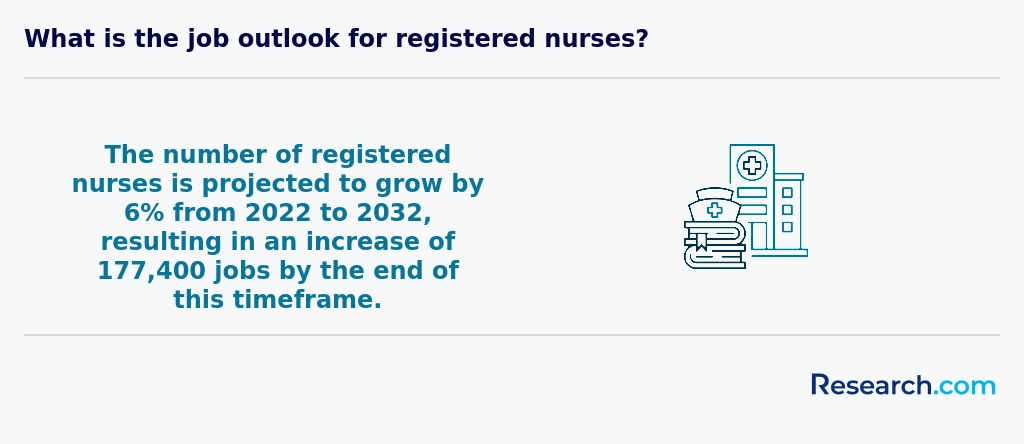
According to the Tennessee Department of Labor and Workforce Development, registered nurse employment is projected to grow 7% from 2022 to 2032, faster than average for all occupations, increasing demand for qualified nurses.
Online degrees offer flexibility, enabling working nurses to pursue higher education without interrupting their careers, thereby accelerating promotions and salary increases. Additionally, advanced credentials can lead to roles in administration, education, or advanced practice nursing, positions increasingly sought after in Tennessee's healthcare market.
Studying for a nursing degree in Tennessee equips students with skills essential for interdisciplinary healthcare roles. Tennessee's accredited online nursing programs emphasize collaborative practice, integrating knowledge from medicine, pharmacy, social work, and other health professions.
Many programs align with guidelines from the American Association of Colleges of Nursing, which promotes teamwork and communication to improve patient outcomes. Students learn care coordination, leadership, and critical thinking skills vital for working alongside diverse healthcare teams.
Tennessee's healthcare system increasingly values nurses who can navigate complex environments, evidenced by a projected 19% job growth for registered nurses in the state through 2030 (Tennessee Department of Labor). This trend highlights the demand for interdisciplinary competencies fostered in nursing education.
When choosing between a thesis and a non-thesis nursing degree program in Tennessee, consider your career goals. A thesis program requires original research, ideal for those aiming for a doctorate or academic roles. It typically involves writing and defending a detailed research project. Non-thesis options focus more on clinical practice and coursework, which suits nurses planning to advance in healthcare settings without pursuing research.
In Tennessee, nursing programs often reflect this distinction to meet the state's demand for advanced clinical nurses, noted by the Tennessee Board of Nursing. According to the Bureau of Labor Statistics, Tennessee expects a 15% growth in nurse practitioner roles by 2030, highlighting practical training importance.
Review program prerequisites, faculty expertise, and your available study time. Many online programs offer flexibility, but thesis tracks usually take longer due to research commitments.
Students based in Tennessee who are interested in studying nursing abroad face limited direct options through online programs offered by foreign institutions. Most accredited online nursing degrees for U.S. students, including those in Tennessee, come from domestic universities that comply with U.S. nursing regulations and state licensing requirements. The Tennessee Board of Nursing requires graduates to complete programs accredited by entities recognized in the U.S., which can limit transferability of international credentials.
However, students may consider partnerships or exchange programs facilitated by Tennessee universities or U.S.-based online programs with international clinical components. According to the Tennessee Higher Education Commission, less than 5% of nursing students report enrolling in international courses, largely due to licensing and accreditation barriers. For those committed to international study, traditional study abroad combined with local licensure exams may be necessary.
Part-time job opportunities in Tennessee that complement nursing degree education often include roles such as certified nursing assistant (CNA), medical scribe, and patient care technician. These positions offer practical experience in healthcare settings while accommodating students' class schedules. According to the Tennessee Department of Labor and Workforce Development, CNAs earn an average hourly wage of around $13.50, providing both income and valuable hands-on patient care exposure.
Medical scribes help document patient visits, enhancing clinical knowledge and familiarity with medical terminology. This role averages $15 per hour in Tennessee. Additionally, roles in home healthcare or hospice support allow flexible hours and strengthen communication skills, essential for nursing careers.
Online nursing students in Tennessee have access to several networking opportunities essential for their professional growth. Many universities offer virtual student organizations and nursing clubs where members can connect and collaborate. Additionally, the Tennessee Nurses Association provides statewide events, webinars, and online forums specifically designed to support nursing students and professionals.
The state's healthcare system also hosts conferences and workshops that online students can attend, allowing them to meet peers and experienced nurses. According to the Tennessee Department of Health, the nursing workforce is expected to grow by 15% through 2030, increasing demand for strong professional networks. These opportunities foster mentorships, job leads, and continuing education connections.
Alumni networks provide valuable support for online nursing degree students in Tennessee by fostering professional connections. These networks often include experienced nurses working across various healthcare settings in the state, which can be essential for mentorship and career advice. According to the Tennessee Board of Nursing, the demand for nurse practitioners is expected to grow 26% by 2030, making networking crucial for job placement. Alumni groups also share local job openings and continuing education opportunities tailored to Tennessee's healthcare system. This accessibility helps online students build relationships and bridge the gap between virtual learning and in-person clinical environments.
Customizing an online nursing degree program in Tennessee allows students to align their education with specific career goals. Many programs offer specializations such as family nurse practitioner, nurse educator, or nurse administrator, helping tailor skills to desired roles. Coursework flexibility enables students to choose electives based on interests and industry demand.
Clinical placement options can often be selected in health care settings relevant to a student's career path, especially in Tennessee's growing healthcare hubs like Nashville or Memphis. Additionally, part-time enrollment and accelerated tracks provide scheduling adaptability for working nurses.
According to the Tennessee Higher Education Commission, registered nurses in the state benefit from advanced degrees by increasing employability and salary potential, making program customization essential for career advancement.
Online nursing students in Tennessee face several challenges that can affect their success. One major issue is balancing clinical practice requirements with remote coursework. Tennessee's Board of Nursing mandates a specific number of in-person clinical hours, which can be difficult to coordinate alongside online classes. Limited availability of local clinical placements adds to this challenge.
Additionally, many students encounter technological barriers such as unreliable internet access, especially in rural areas where nearly 15% of households lack high-speed internet, according to the Tennessee Department of Education. This limits participation in live lectures and virtual simulations.
Another common challenge is time management. Online nursing programs demand significant self-discipline, and students often juggle work, family, and study obligations. The rigorous curriculum combined with a demanding healthcare environment in Tennessee creates stress for many students.
With an online nursing degree in Tennessee, you can pursue various professional certifications to enhance your career. Common options include becoming a Registered Nurse (RN) by passing the NCLEX-RN exam, required for licensure in Tennessee by the Tennessee Board of Nursing.
Advanced certifications are available for specialized fields such as Nurse Practitioner (NP), Clinical Nurse Specialist (CNS), or Nurse Educator. For example, the American Nurses Credentialing Center (ANCC) offers certifications in family, pediatric, and adult-gerontology nursing, which are popular among Tennessee nurses.
These certifications often require completing graduate-level education and clinical experience, which can be attained through accredited online programs. According to the Tennessee Nurses Association, certifications boost job prospects and can lead to higher salaries across the state.
Writing a winning application for an online nursing program in Tennessee requires a clear demonstration of your academic readiness and passion for nursing. Begin by presenting your prior education and relevant certifications, such as your RN license, which is often a prerequisite. Highlight any clinical experience, since Tennessee programs value practical skills alongside theory.
Emphasize your understanding of the state's healthcare environment. Tennessee's growing demand for nurses-expected to increase by 15% through 2028 according to the Tennessee Department of Health-makes showing commitment to serving local communities important.
Craft a concise personal statement that reflects your career goals and motivation for choosing an online format, focusing on flexibility and self-discipline. Strong letters of recommendation from healthcare professionals or educators can strengthen your application. Finally, ensure all transcripts and required documents are submitted correctly and on time to meet program-specific deadlines.
The nursing profession holds significant importance worldwide, including in the United States. Globally, nurses are recognized as essential healthcare providers who improve patient outcomes and support public health. For students in Tennessee considering an online nursing degree, it is useful to know that the U.S. Bureau of Labor Statistics projects a 9% growth in nursing jobs nationally between 2020 and 2030, reflecting strong global demand.
In Tennessee specifically, the Tennessee Department of Health reported an ongoing need for registered nurses due to an aging population. Additionally, earning an online nursing degree allows flexibility while meeting regional licensure requirements, which often align with international nursing standards. Understanding these global and local trends can guide students in shaping a nursing career with broad opportunities.
Gaining practical experience while studying for an online nursing degree in Tennessee is essential for licensure and career readiness. Most accredited programs incorporate clinical or practicum components, which students complete at approved healthcare facilities near their location.
Tennessee has a diverse healthcare system with numerous hospitals, clinics, and long-term care facilities that partner with nursing schools for clinical placements. Students typically arrange these experiences through their program's clinical coordinator.
The Tennessee Board of Nursing requires completion of supervised clinical hours as part of the Nurse Practice Act. For example, Registered Nurse (RN) programs usually mandate at least 500 clinical hours.
Additionally, students can seek internships or volunteer roles in local hospitals or community health centers to enhance real-world skills alongside their studies.
Choosing the right concentration in an online nursing degree program in Tennessee begins with understanding your career goals. Tennessee's healthcare sector is growing, with a projected 19% increase in registered nurse jobs between 2020 and 2030, according to the U.S. Bureau of Labor Statistics. This growth impacts demand for specializations like family nurse practitioner, psychiatric-mental health, and nurse leadership.
Consider your interests and strengths. For instance, if you prefer direct patient care, specialties such as pediatrics or acute care might suit you. If leadership appeals more, a nurse administration focus could be beneficial.
Also, verify that the program's concentration aligns with Tennessee Board of Nursing requirements and offers clinical opportunities within the state. Checking graduation outcomes and certifications earned will help ensure the specialization advances your nursing career in Tennessee's healthcare system.
Related Nursing Rankings for Nearby States
- 2027 Most Affordable Online Master's in Nursing Degree Programs Ranking in Kentucky
- 2027 Most Affordable Online Master's in Nursing Degree Programs Ranking in Mississippi
- 2027 Most Affordable Online Master's in Nursing Degree Programs Ranking in Georgia
- 2027 Most Affordable Online Master's in Nursing Degree Programs Ranking in North Carolina
- 2027 Most Affordable Online Master's in Nursing Degree Programs Ranking in Missouri
- 2027 Most Affordable Online Master's in Nursing Degree Programs Ranking in Arkansas
- 2027 Most Affordable Online Master's in Nursing Degree Programs Ranking in Virginia
- 2027 Most Affordable Online Master's in Nursing Degree Programs Ranking in Indiana
- 2027 Most Affordable Online Master's in Nursing Degree Programs Ranking in South Carolina
- 2027 Most Affordable Online Master's in Nursing Degree Programs Ranking in Illinois
Top Trending Nursing Rankings
See What Experts Have To Say About Studying Nursing
Read our interview with Nursing experts


References
- Exploring Diverse Nursing Career Horizons - N2S Healthcare Blog https://n2shealthcare.com/blog/exploring-diverse-nursing-career-horizons-n2s-healthcare-blog
- Nursing Internships Abroad: An Introduction - RealStep https://www.real-step.com/en/articles/nursing-internships-abroad/
- Know more about thesis vs non- thesis: what is the difference? https://studyfans.com/en/blogs/816
- Guide to Making a Career Change to Nursing https://teach.com/online-ed/healthcare-degrees/online-msn-programs/career-change-to-nursing/
- Top Skills Employers Want in Practical Nursing Graduates https://vervecollege.edu/what-employers-look-for-in-practical-nursing-graduates/
- Client Challenge https://www.springerpflege.de/nursing-graduates-perceived-future-career-pathway-and-career-shi/50653658
- ANU Announces Online Bachelor’s of Science in Nursing Program https://an.edu/anu-announces-online-bachelors-of-science-in-nursing-program/
- Online Nursing Prerequisites: Complete Guide & Cost Savings | StraighterLine https://www.straighterline.com/blog/which-online-nursing-prerequisites-should-you-take-online
- Online vs. Traditional RN to BSN | Nexus University https://www.nexusuniversity.com/online-vs-traditional-rn-to-bsn/
- Nursing Study Abroad Programs | Go Overseas https://www.gooverseas.com/study-abroad/nursing