2027 Most Affordable Online Doctorate in Nursing Degree Programs Ranking in Michigan

Co-Founder and Chief Data Scientist
Are you a Michigan resident considering advancing your nursing career? Our article presents the 2027 Most Affordable Online Doctorate in Nursing Degree Programs Ranking in Michigan, crafted carefully by the Research.com team of data scientists.
This ranking is designed to help you make an informed decision by highlighting nursing programs that combine quality education with affordability.
Pursuing a nursing doctorate opens doors to leadership, research, and expert clinical roles. Exploring this guide will empower you to choose a path that fits your goals and budget, bringing you closer to a fulfilling, impactful future in nursing.
Key benefits of getting online nursing degree in Michigan
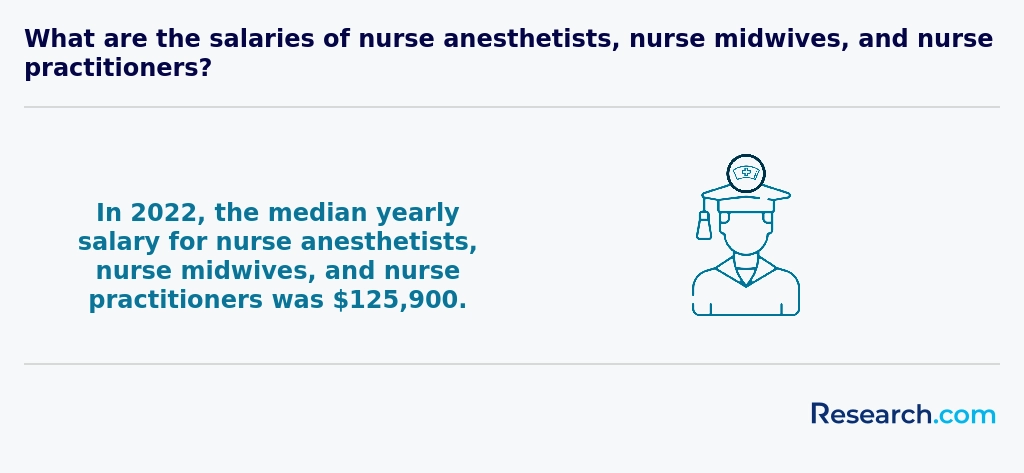
• Graduates with nursing degrees in Michigan, such as Family Nurse Practitioners, can expect a strong salary, with the average annual wage around $128,490, offering financial stability and rewarding career growth.
• Nursing degree holders from Michigan universities often find career paths in diverse roles like Advanced Practice Registered Nurse or Psychiatric Nurse Practitioner, reflecting the flexibility and broad opportunities available.
• Completing a nursing degree online from a Michigan institution provides convenience and flexibility, allowing students to balance work and study while gaining the same respected credentials as traditional programs.
- Key benefits of getting online nursing degree in Michigan
- What can I expect from online nursing degree in Michigan?
- Where can I work with online nursing degree in Michigan?
- How much can I make with online nursing degree in Michigan?
- 2027 Most Affordable Online Doctorate in Nursing Degree Programs Ranking in Michigan
- Key Findings
- How long does it take to complete online nursing degree in Michigan?
- Why Pursue an Affordable Online Nursing Program in Michigan
- What's the difference between online and on-campus nursing degree?
- DNP vs PhD: Choosing the Right Nursing Doctorate for Your Career
- What is the average cost of online nursing degree in Michigan?
- Clinical and Practicum Requirements
- What financial aid is available to online nursing degree students in Michigan?
- Distinctive Features of Online Nursing Doctoral Programs in Michigan
- What are the prerequisites for enrolling in online nursing degree program in Michigan?
- Accreditation and Licensing Requirements for Online Nursing Doctorate Programs in Michigan
- What courses are typically in online nursing degree programs in Michigan?
- What types of specializations are available in online nursing degree programs in Michigan?
- How do you choose the best online nursing degree in Michigan?
- What career paths are available for online nursing degree students in Michigan?
- What is the job market for online nursing degree in Michigan?
- Related Nursing Rankings for Nearby States
- Top Trending Nursing Rankings
- See What Experts Have To Say About Studying Nursing
What can I expect from online nursing degree in Michigan?
When it comes to the price tag on an online nursing degree in Michigan, think of it as an investment in your future care-usually ranging from about $15,000 to $45,000 depending on the institution and level of study. Graduates from well-regarded programs at places like the University of Michigan-Flint or Western Michigan University often reflect on the balance they struck between cost and quality, grateful for the accreditation that boosts their credibility without drowning them in debt.
Imagine juggling a busy day job with virtual classes that fit snugly into evenings and weekends, while coordinating clinical hours at a nearby hospital-affordable yet robust. These programs skillfully weave asynchronous lectures with interactive simulations, offering a flexible cushion for working Michiganders chasing their nursing dreams while staying grounded in their local communities.
Many alumni speak of the tangible value beyond the numbers, celebrating not only affordable tuition but the networking and practical clinical experiences that make every dollar feel like a stepping stone toward a fulfilling healthcare career right in Michigan's heart.
Where can I work with online nursing degree in Michigan?
Graduates holding an online nursing degree in Michigan often find themselves stepping into diverse clinical roles, fueled by both ambition and the flexibility their education afforded. Picture a graduate from the University of Michigan-Flint confidently navigating the bustling halls of Detroit Medical Center, where their BSN earned online opens doors to critical hospital units. Another might embrace the calm of a rural community health center, addressing urgent needs in overlooked areas with compassion and cutting-edge telehealth skills honed through online coursework.
Many alumni from Wayne State University share stories of thriving in outpatient clinics or rehabilitation centers, adapting quickly from virtual simulations to real-world care. The joy of making a tangible impact in long-term care facilities or mentoring future nurses through educational roles energizes those with advanced degrees. Michigan's licensing process respects their online credentials, empowering graduates to explore pediatric wards, mental health clinics, or the fast-paced environment of home healthcare, turning potential into thriving careers across the state's growing healthcare ecosystem.
How much can I make with online nursing degree in Michigan?
Picture this: a graduate from a respected Michigan university, like the University of Michigan or Wayne State, proudly logging into their first day as a Family Nurse Practitioner, buoyed by an online degree earned between campus visits and life's chaos. That graduate can anticipate an impressive average annual wage of around $128,490, matching national figures for Advanced Practice Registered Nurses in roles like Psychiatric, Adult, or Acute Care Nurse Practitioner. These numbers reflect a potent reward for navigating rigorous online studies while balancing busy lives.
Graduates recall the thrill of landing a role where expertise meets impactful care, with salaries translating into financial freedom in Detroit's buzzing metro or Grand Rapids' growing healthcare hubs. Even the commute to patient homes in more rural parts of Michigan carries the promise of competitive pay, with the mean hourly wage about $61.78. These earnings offer a vivid testament to the power of earning a nursing degree online in Michigan-where dedication to study transforms swiftly into meaningful, well-compensated careers.
2027 Most Affordable Online Doctorate in Nursing Degree Programs Ranking in Michigan
How do we rank schools?
Investing in your education is a significant decision that can shape your future, and the Research.com team understands the importance of making informed choices. To assist prospective students in Michigan, we have meticulously crafted the "2027 Most Affordable Online Doctorate in Nursing Degree Programs Ranking in Michigan." Our commitment to quality, credibility, and accuracy is reflected in the extensive research and analysis conducted to compile this ranking.
We utilized the following reputable data sources to ensure a comprehensive evaluation of nursing programs:
By exploring this ranking, readers will gain valuable insights into the most affordable and credible online doctorate nursing programs in Michigan, empowering them to make well-informed decisions about their educational investments. For more details on our methodology, please visit our Research.com methodology page.


Key Findings
- Online nursing degrees in Michigan include accredited BSN and MSN programs designed for working professionals.
- BSN programs typically cost between $10,000 and $25,000, while MSN degrees can range from $20,000 to $40,000.
- New nursing graduates in Michigan earn around $58,000 per year, with experienced nurses making between $75,000 and $80,000 annually.
- Michigan expects over 15,000 new RN jobs by 2030 due to growing healthcare demands.
- Most programs offer local clinical practicums, allowing students to gain hands-on experience without relocating.
How long does it take to complete online nursing degree in Michigan?
At the University of Michigan-Flint, another online BSN student quickly accelerated through their studies, packing 4 years of traditional coursework into just 18 months thanks to an accelerated program. They felt the rush of accomplishment, blending clinical hours locally while navigating virtual lectures on their own schedule. Licensed nurses at Wayne State shine too, often wrapping up RN-to-BSN degrees in 1 to 2 years, balancing shifts with classes like pros.
But it's not just about clocking hours; it's about feeling the momentum-graduates from Michigan State's MSN programs often describe 2 to 3 years of rigorous online study as a transformational, empowering chapter that sparks new career paths. The journey might stretch 3 to 5 years for doctoral ambitions, blending research and practice into a tailored Michigan nursing story that helps you rise swiftly yet deeply rooted in the profession.
Why Pursue an Affordable Online Nursing Program in Michigan
As the healthcare industry continues to evolve, the demand for skilled and compassionate nurses is on the rise, making it an exciting time to pursue a career in nursing. For those interested in advancing their education without breaking the bank, considering affordable nursing programs in Michigan can be a wise decision. These programs not only offer a flexible learning environment but also provide students with the necessary skills and knowledge to succeed in the field. By choosing an affordable online nursing program, students can balance their academic pursuits with other responsibilities, such as work or family commitments, all while taking the first steps towards a rewarding career in healthcare. With the right education and training, graduates can go on to work in a variety of settings, from hospitals and clinics to community health organizations and telehealth services, making a positive impact on the lives of patients and families across Michigan.
What's the difference between online and on-campus nursing degree?
Imagine a graduate from the University of Michigan juggling late-night shifts while clicking through lectures in their cozy home office-this is the magic of an online nursing degree. Flexibility is the heartbeat here, letting you weave study time around family dinners or work emergencies without missing a beat. Yet, like their peers in Michigan State's bustling classrooms, these online learners still suit up for hands-on clinicals at local hospitals, grounding virtual lessons in real-world care.
On-campus students thrive on spontaneous hallway chats and immediate feedback, soaking up energy in lab practicals and campus resources that spark motivation. But those campus fees and daily commutes? They can add a weight that online grads often sidestep, saving not just money but precious time.
Whether clicking "submit" on an assignment at dawn or running across Eastern Michigan's quad between classes, both paths lead toward the same state licensure, shaped by Michigan's nursing standards. It's about choosing your rhythm in a rigorous dance between flexibility and immersion.
DNP vs PhD: Choosing the Right Nursing Doctorate for Your Career
When pursuing a nursing doctorate in Michigan, it’s essential to understand the key differences between a Doctor of Nursing Practice (DNP) and a Doctor of Philosophy (PhD) in Nursing. A DNP is practice-focused, emphasizing advanced clinical skills, leadership, and evidence-based practice. Graduates often assume roles as nurse practitioners, chief nursing officers, or clinical educators, using advanced training to improve patient outcomes. A PhD, by contrast, centers on research, theory development, and scholarly inquiry, preparing nurses for careers in academia, policy analysis, and high-level research. Curriculum and Outcomes • DNP programs typically include courses in healthcare systems leadership, advanced pharmacology, informatics, and quality improvement projects. Most DNP students complete a capstone project addressing real-world clinical challenges. • PhD programs focus on research methodologies, statistical analysis, grant writing, and dissertation work that contributes new knowledge to the nursing profession. Career Paths and Salaries • DNP graduates may earn $100K–$130K annually as nurse practitioners or administrative leaders. • PhD graduates often secure faculty positions or research roles, with salaries ranging from $80K–$120K, depending on institution and grant funding. Choosing Based on Goals If you envision direct patient care with advanced clinical autonomy, a DNP is ideal-and you might also explore the cheapest np degree online for an affordable pathway to practice excellence. If your passion lies in generating evidence and educating future nurses, a PhD will equip you to design studies, publish findings, and influence nursing science. Consider program accreditation, time to completion (2–4 years for DNP, 4–6 years for PhD), and available mentorship as you make your decision.
What is the average cost of online nursing degree in Michigan?
The average cost of an online nursing degree in Michigan settles around $40,895, painting a clearer picture against the backdrop of tuition numbers that often feel daunting. Graduates from Michigan public universities recall budgeting carefully but feeling a rewarding sense of investment in their futures. In-state students enjoy a more manageable rate, with median costs near $46,897, while those coming from out-of-state encounter a steeper climb, averaging $70,219 in total expenses. Picture a nursing student enrolled in a renowned program at a Michigan public university-balancing work, family, and study-and feeling grounded by an attainable tuition fee that reflects both quality and accessibility.
For many considering the average cost of online nursing degree Michigan offers, these financial realities open doors rather than close them, especially when paired with financial aid and scholarships. A vibrant online community of nursing students from institutions like Michigan State University share stories of small fees stacking up-technology charges, mandatory course materials, and lab kits-but these are often softened by supportive employer tuition reimbursements. Students pursuing advanced degrees embrace the value-to-cost ratio carefully, knowing that their investment may range, but often aligns well with programs in Michigan known for blending affordability and academic excellence.
Prospective students hunting for affordable pathways frequently explore affordable nursing programs in Michigan, discovering gems among both public and private options. These programs provide a gateway to respected credentials without locking students into overwhelming debt, encouraging a proactive mindset. Graduates attest that even when factoring in added costs like clinical placements, the journey remains viable and rewarding, fueling their passion to serve with empathy and advanced knowledge.
Online doctorate nursing students in Michigan reflect on the balance between cost and opportunity-parallel tracks where academic prestige meets financial strategy. They understand tuition is but one chapter in funding their ambitions, and the state's educational landscape offers vibrant chances to optimize expenses without sacrificing quality. This thoughtful approach aligns well with the increasing awareness and desire for affordable online doctorate nursing programs Michigan that empower long-term career growth and lifelong impact.

Clinical and Practicum Requirements
Michigan’s accredited online DNP programs blend flexible online coursework with hands-on practice to meet Michigan Board of Nursing standards. Requirements typically include:
- Supervised Clinical Practice: 1,000 hours for BSN-to-DNP tracks; 500 hours for MSN-to-DNP pathways.
- Local Preceptors: Mentorship by Michigan-licensed DNPs, NPs, or faculty at approved healthcare sites.
- Capstone Project Hours: 400–500 practicum hours dedicated to a DNP project on quality improvement or population health.
- Simulation Exercises: 50–100 virtual lab hours to develop advanced assessment and decision-making skills.
- State Approval Compliance: Documentation and hour verification aligned with Board of Nursing regulations.
For details on program length and accelerated options, see our guide to dnp programs online.
What financial aid is available to online nursing degree students in Michigan?
Imagine a nursing student at the University of Michigan-Flint, juggling late-night study sessions and work shifts, relieved to discover Pell Grants easing the burden, thanks to FAFSA's gateway. These grants, never demanding repayment, feel like a financial lifeline amid the chaos. Meanwhile, graduate learners at Grand Valley State University tap into Direct Loans, borrowing up to $20,500 annually with manageable terms that make advancing their careers feel realistically within reach.
Across the state, the Michigan Nursing Scholarship Program acts like a promise wrapped in hope: a pact encouraging graduates to stay and serve Michigan's healthcare system, offsetting their tuition with tangible support. Meanwhile, local champions-scholarships from Ferris State University or Saginaw Valley State-cater to merit, experience, or underrepresented groups, lighting a path for unique stories.
Working professionals study online at Wayne State University, buoyed by employer tuition reimbursements, transforming work hours into tangible progress. Simultaneously, members of the Michigan Nurses Association whisper of annual scholarship opportunities, reminding every aspirant that financial aid is not just numbers, but a network of hope making nursing dreams possible.
Distinctive Features of Online Nursing Doctoral Programs in Michigan
Online nursing doctoral programs in Michigan offer a blend of advanced clinical practice, leadership training, and original research that sets them apart from master’s-level curricula. You’ll engage in specialized coursework on healthcare policy, evidence-based practice, and organizational systems, all designed to prepare you for top-tier roles in academia, administration, and advanced patient care. Expect to: • Dive deep into research methodology. Courses in quantitative and qualitative methods equip you to design, execute, and publish your dissertation, advancing nursing science and improving patient outcomes. • Receive one-on-one mentorship from faculty experts. Doctoral candidates benefit from dedicated advisors who guide topic selection, IRB protocols, and statistical analysis, ensuring scholarly rigor and relevance. • Complete a capstone or DNP project. Unlike master’s theses, these practice-focused projects translate research into real-world interventions-whether developing telehealth protocols for rural clinics or evaluating population-level health initiatives. • Collaborate across disciplines. Many programs partner with schools of public health, business, and social work, fostering interprofessional teamwork that mirrors today’s complex healthcare environments. • Access virtual simulation and lab resources. Cutting-edge platforms enable you to hone advanced clinical and leadership skills, from crisis management to policy advocacy, without geographical constraints. For students prioritizing affordability and program quality outside Michigan, explore our Low Cost Online Nursing Degree Programs Ranking in North Carolina to compare tuition, outcomes, and accreditation.
What are the prerequisites for enrolling in online nursing degree program in Michigan?
To dive into an online nursing degree in Michigan, imagine the first key to unlocking that door: a high school diploma or GED, the universal passport for nursing journeys at schools like the University of Michigan-Flint or Western Michigan University. Graduates often recall how mastering prerequisite science courses-biology, anatomy, chemistry-felt like assembling a toolkit for healing, a vital step before clinical adventures begin.
Picture the excitement of those preparing for RN-to-BSN or MSN programs at Ferris State University, proudly holding their active RN licenses, a tangible badge of real-world nursing grit. They share how standardized exams like TEAS or HESI carved their path, sharpening skills and confidence alike.
It's more than tests and transcripts; glowing letters of recommendation and heartfelt personal statements bring stories to life, revealing motivations that fuel this noble profession. With clear backgrounds and up-to-date immunizations, students step forward ready, embraced by Michigan's supportive nursing culture.
Accreditation and Licensing Requirements for Online Nursing Doctorate Programs in Michigan
Choosing a fully accredited online nursing doctorate is essential for ensuring your degree is recognized by employers and meets Michigan’s licensing standards. Look for programs accredited by the Commission on Collegiate Nursing Education (CCNE) or the Accreditation Commission for Education in Nursing (ACEN), as regional accreditation validates curriculum quality and eligibility for federal financial aid. Additionally, confirm that your program aligns with the Michigan Board of Nursing’s requirements-this typically includes a minimum of 500 clinical practice hours, evidence of a master’s-level nursing credential, and successful completion of a scholarly project or dissertation. Graduates of CCNE- or ACEN-accredited Doctor of Nursing Practice (DNP) and PhD programs in Michigan are eligible to apply for advanced practice registered nurse (APRN) licensure, which grants prescriptive authority and leadership responsibilities in clinical settings. Prior to enrollment, verify that your chosen school submits clinical site agreements with Michigan-licensed healthcare facilities to guarantee hands-on practicum placements. If you hold a non-nursing bachelor’s degree and are considering an accelerated pathway, you might explore related options such as direct entry msn programs for non nursing majors online, which can help bridge your background and meet foundational nursing prerequisites before advancing to doctoral study. Staying compliant with state regulations also means maintaining up-to-date immunizations, completing background checks, and adhering to continuing education requirements post-graduation. By prioritizing accredited programs and understanding Michigan’s licensing process, you’ll safeguard your investment, accelerate your career progression, and ensure seamless transition into leadership or advanced clinical roles across hospitals, research institutions, and public health organizations.
What courses are typically in online nursing degree programs in Michigan?
Diving into an online nursing degree in Michigan means stepping into a dynamic world where foundational courses like Human Anatomy and Physiology become your backstage pass to the intricate ballet of the human body. Graduates from top Michigan institutions often describe moments of awe when visualizing organs and systems that once lived only in textbooks now vividly come to life during virtual labs.
Microbiology and Pharmacology paint another fascinating layer-imagine unraveling the hidden battles between microbes and your future patient's immune system while mastering life-saving medications. Those studying at renowned Michigan colleges share how Pathophysiology challenges them to think critically about disease mechanisms, turning complex concepts into real-world medical detective work.
Clinical courses such as Medical-Surgical Nursing or Pediatric Nursing bring a surge of excitement and purpose, as students prepare for hands-on care. Mental Health Nursing and Community Health modules spark empathy and leadership, key skills Michigan nursing students cherish as they envision themselves advocating for diverse populations.
What types of specializations are available in online nursing degree programs in Michigan?
Michigan's online nursing specializations unfold like a vivid tapestry of career pathways, each designed to shape your future in unique ways. Imagine joining the ranks of Family Nurse Practitioners, whose graduates from reputable colleges in Michigan share stories of thriving in busy community clinics, where their skills soothe the health concerns of multigenerational families. Or picture diving into Psychiatric-Mental Health, an oasis for those drawn to healing minds in underserved urban and rural areas alike-this specialty pulses with urgent purpose, as shared by alumni witnessing real transformations in patient lives across Michigan.
Envision Nurse Educators fueling the next wave of health heroes; graduates from top Michigan programs often evoke the pride that comes from nurturing nursing students amid faculty shortages. For those with a knack for leadership, Nurse Administrator paths prepare candidates to steer healthcare teams in dynamic hospital settings, a role celebrated by many emerging leaders who studied nursing degree concentrations online in Michigan.
For adventurous students exploring direct entry msn programs for non nursing majors online, these diverse specializations promise a compelling journey that blends passion with practical demand.
How do you choose the best online nursing degree in Michigan?
Choosing the best online nursing degree in Michigan feels a bit like assembling a healthcare puzzle-each piece matters. Imagine a graduate from University of Michigan-Flint recalling their smooth journey because their program was accredited by CCNE, unlocking licensure with ease. Such accreditation is a lifeline; without it, your degree might be just a beautiful piece of paper collecting dust. Picture another graduate balancing life while enrolled in Western Michigan University's affordable nursing degree programs Michigan online, stretching every dollar and seizing scholarships like treasures on a voyage.
Hands-on clinical hours can feel like real-life adventures. Think of those graduates who appreciated programs weaving local clinical placements into their lives, so they never lost time to tedious travel. Those moments are more than requirements-they are stories of growth. For those considering advanced paths, seeking best online nursing doctorate programs Michigan graduates praise often leads to fruitful careers.
When costs crunch the spirit, exploring cheapest np degree online options becomes the beacon guiding hopeful nurses toward their dreams.
What career paths are available for online nursing degree students in Michigan?
Graduates from Michigan's online nursing programs leap into vibrant career paths rooted in real-world impact. Picture a Registered Nurse energized by their degree from a top Michigan college, confidently navigating hospital corridors or bustling clinics, earning around $70,000 annually while making life-changing differences. Others embark on advanced journeys, pursuing Michigan nursing doctorate job prospects like Nurse Practitioners or Clinical Nurse Specialists, deploying their skills in diagnosis and treatment with the authority and autonomy a Doctor of Nursing Practice offers. Imagine these graduates thriving in leadership roles, shaping nursing curriculums or managing entire healthcare units, bridging education and administration seamlessly.
Some Michigan alumni channel their passion into specialized fields-public health nurses weaving community wellness programs or informatics nurses blending tech with patient care. For students weighing costs, exploring Low Cost Online Nursing Degree Programs Ranking in North Carolina shines a light on affordable pathways that echo Michigan's own accessible tuition. Each path, vivid and promising, springs from the flexible, robust online degrees Michigan offers, fueling dreams and delivering tangible futures for eager nurses ready to transform healthcare.
What is the job market for online nursing degree in Michigan?
Navigating the online nursing job outlook Michigan reveals a landscape bursting with possibility. Graduates from institutions like the University of Michigan and Michigan State University often find themselves stepping confidently into roles where their skills meet urgent need. Picture a nurse living in a rural town near Traverse City, balancing family life while pursuing an online BSN-soon to be a vital bridge where care is scarce and demand is high. This flexibility fuels both ambition and community impact.
Meanwhile, Michigan nurse practitioner employment prospects shine brighter for those holding advanced degrees, especially when the telehealth trend reshapes patient care. Graduates from online DNP programs report feeling empowered by their ability to serve wider populations without geographic limits. Salary prospects echo this momentum, with many earning well over $100,000 annually.
Cost considerations push students to weigh options carefully-especially when programs offer savings compared to on-campus costs. For anyone wondering about the path forward, exploring what is the easiest masters degree can help clarify your next steps toward a thriving nursing career in Michigan.
Frequently Asked Questions About nursing
Online nursing degree students in Michigan can maximize their learning by actively engaging with their coursework and instructors. Utilizing the state's robust clinical placement networks is essential, as many Michigan programs require hands-on experience in local healthcare facilities. Taking advantage of virtual simulation tools helps reinforce practical skills when in-person options are limited.
Time management is crucial; setting a consistent study schedule helps balance work, family, and academic demands. Michigan's Michigan Board of Nursing offers resources and guidelines that students should review to ensure compliance with state requirements. Joining professional nursing organizations can also provide networking and mentorship opportunities to enhance learning and career development.
The nursing field in Michigan is evolving, with several emerging niches gaining attention. One promising area is geriatric nursing, driven by Michigan's growing elderly population. According to the Michigan Department of Health and Human Services, the 65+ demographic is projected to increase by over 20% by 2030, creating demand for nurses skilled in elder care.
Another niche is telehealth nursing. The pandemic accelerated virtual healthcare, and Michigan hospitals continue to expand telehealth services, requiring nurses trained in remote patient monitoring and digital communication.
Additionally, psychiatric nursing is expanding, as mental health awareness rises. The Michigan Nurses Association highlights increased funding to address shortages in behavioral health specialists.
After completing an online nursing degree in Michigan, it is crucial to focus on licensure and practical experience to enter the job market successfully. Graduates must pass the NCLEX-RN exam, which is mandatory for registered nurse licensure in Michigan, ensuring they meet state standards. According to the Michigan Department of Licensing and Regulatory Affairs, the state's RN employment is projected to grow by 15% through 2030, indicating strong demand.
Building a professional network by joining organizations such as the Michigan Nursing Association can enhance job opportunities. Gaining relevant clinical internships or volunteer experiences strengthens resumes. Additionally, tailoring applications to hospitals and healthcare providers in urban centers like Detroit and Grand Rapids is advisable given their larger healthcare sectors.
Employers in Michigan highly value nursing graduates who demonstrate strong clinical skills combined with effective communication. According to the Michigan Center for Nursing, critical thinking and the ability to provide patient-centered care are essential in today's healthcare settings. Nurses must adeptly handle technology used in electronic health records and telehealth, which are growing rapidly in the state.
Diversity and cultural competence rank among the top skills, reflecting Michigan's varied population. Additionally, teamwork and leadership qualities stand out, as many nursing roles involve collaborating within interdisciplinary teams. The Michigan Board of Nursing stresses that adaptability in dynamic environments is crucial for new graduates entering the workforce.
Finding internships in Michigan related to nursing degrees often begins with exploring partnerships between online nursing programs and local healthcare facilities. Many Michigan-based universities and colleges offering online nursing degrees have established clinical affiliations with hospitals, clinics, and long-term care centers. Students should contact their program advisors early to access these internship opportunities.
The Michigan Center for Nursing reports a strong demand for clinical placements due to its growing healthcare sector. Searching statewide databases such as the Michigan Health Council's internship listings can be helpful. Additionally, professional organizations like the Michigan Nurses Association offer resources and networking events that may lead to internship connections.
Lastly, prospective interns should consider institutions in metropolitan areas like Detroit, Grand Rapids, and Ann Arbor, where healthcare systems tend to offer numerous clinical training options aligned with nursing curricula.
Obtaining an online nursing degree in Michigan can significantly enhance career mobility and advancement opportunities. The state's healthcare industry is growing, with the Michigan Center for Nursing reporting a high demand for advanced practice nurses. Online degrees offer flexible schedules for working professionals seeking promotions or specialized roles such as nurse practitioners or clinical nurse leaders.
Moreover, accredited online programs meet Michigan Board of Nursing requirements, ensuring graduates qualify for licensure upgrades and expanded scopes of practice. According to the Bureau of Labor Statistics, registered nurses in Michigan earn a median annual wage above the national average, reflecting opportunities for financial growth with higher qualifications.
Online nursing degrees thus provide accessible pathways for career development in Michigan's competitive healthcare market.
Studying for a nursing degree in Michigan equips students with skills crucial for interdisciplinary roles in healthcare. Michigan's nursing programs emphasize collaboration across medical, social, and administrative fields, reflecting the state's diverse healthcare environment. For example, curricula often include courses in healthcare policy, communication, and leadership that prepare nurses to work effectively with doctors, social workers, and other professionals.
According to the Michigan Center for Nursing, more than 50% of healthcare jobs require coordination among various disciplines, highlighting the importance of this training. Online nursing degrees in Michigan incorporate case studies and simulations to develop critical thinking and teamwork.
Choosing between a thesis and a non-thesis nursing degree program in Michigan depends on your career goals and learning preferences. Thesis programs require original research, ideal for students aiming at academia, teaching, or research roles. Non-thesis options focus on practical experience and coursework, suitable for nurses pursuing leadership or clinical practice.
In Michigan, the demand for advanced practice nurses and nurse leaders is growing, with the Bureau of Labor Statistics projecting a 15% increase by 2030. Selecting a thesis program may open doors to doctoral research or faculty positions. Non-thesis programs typically allow faster completion and emphasize applied skills.
Consider your time availability, interest in research, and professional objectives before deciding. Consulting academic advisors at Michigan institutions can provide personalized guidance aligned with your career aspirations.
Students based in Michigan interested in studying nursing abroad while pursuing an online degree have limited direct options. Most U.S. nursing programs, including those in Michigan, require licensure and clinical hours completed domestically, often restricting fully abroad study opportunities. However, some accredited Michigan universities partner with international institutions for study abroad or clinical exchange programs, allowing students to gain global experience alongside their U.S. education.
According to the Michigan Board of Nursing, clinical practice must comply with state laws to qualify for licensure, influencing the availability of abroad clinical placements.
Online programs often include virtual international collaborations but mandate local clinical experiences to meet accreditation standards.
In Michigan, part-time jobs that align with nursing degree education often include roles such as certified nursing assistant (CNA), medical scribe, or patient care technician. These positions provide hands-on experience in clinical settings, which enhances practical skills alongside academic learning. According to the Michigan Department of Labor, CNAs earn a median wage of approximately $14 per hour, making it a feasible option for students balancing work and study.
Medical scribing is another growing opportunity, offering exposure to electronic health records and clinical documentation processes.
Additionally, some students find employment in home healthcare services, assisting elderly or disabled patients, which enriches their understanding of patient care in community settings.
Online nursing students in Michigan have access to various networking opportunities that can enhance their education and career prospects. Many Michigan universities offering online nursing degrees provide virtual events, webinars, and discussion boards where students connect with peers and faculty. According to the Michigan Nurses Association, professional organizations also host statewide meetings and conferences open to online students, promoting engagement with local healthcare professionals.
Additionally, clinical placements required by online nursing programs often occur in Michigan healthcare facilities, fostering real-world connections. These experiences enable students to build relationships with mentors and potential employers in the state's healthcare sector.
Alumni networks provide valuable support to online nursing degree students in Michigan by connecting them with experienced professionals in diverse healthcare settings. These networks offer mentorship opportunities that help students navigate clinical challenges and career advancements. According to the Michigan Nurses Association, strong professional connections increase job placement rates by up to 30% for nursing graduates statewide.
Networking through alumni also grants access to exclusive job listings and continuing education events tailored to Michigan's healthcare landscape. Participation in alumni groups encourages knowledge sharing on best nursing practices, vital amid evolving medical technologies and regulations.
For online students, these networks help overcome geographic isolation by fostering a sense of community and professional identity within Michigan's nursing workforce.
Customizing an online nursing degree program in Michigan involves selecting specialization areas aligned with your career goals. Many Michigan universities offer electives in fields like family nurse practitioner, nurse educator, or healthcare administration. Tailoring your coursework helps build expertise relevant to your target role.
Clinical placement options can also be chosen to suit your interests, allowing you to gain practical experience in preferred healthcare settings. Michigan's diverse healthcare system provides opportunities in urban and rural environments.
Additionally, consider programs accredited by the Commission on Collegiate Nursing Education (CCNE) to ensure quality education recognized statewide. Customization enables focused skill development to meet Michigan's nursing workforce demands, projected to grow 9% by 2030 according to the Michigan Center for Nursing.
Online nursing students in Michigan often face several challenges that can impact their education. One common issue is balancing coursework with demanding clinical hours. Since nursing requires hands-on experience, coordinating local clinical placements can be difficult when enrolled in online programs.
Technology access and skills also pose barriers. Some students struggle with reliable internet connections or mastering digital learning platforms.
Additionally, Michigan's fluctuating nursing workforce demands create pressure. According to the Michigan Center for Nursing, the state projected a 12% increase in registered nurse demand by 2025, intensifying competition for clinical sites and jobs.
Finally, limited peer interaction in online settings may affect motivation and networking opportunities.
With an online nursing degree in Michigan, graduates can pursue several professional certifications to advance their careers. Popular certifications include the Certified Registered Nurse Anesthetist (CRNA), Certified Nurse Midwife (CNM), and Clinical Nurse Specialist (CNS), all recognized by the American Nurses Credentialing Center (ANCC).
The state of Michigan also has a growing demand for Certified Nurse Practitioners (CNP), particularly in family and gerontology specialties, reflecting statewide healthcare needs reported by the Michigan Department of Health and Human Services.
Additional certifications such as the Emergency Nurse Certified (ENC) and Oncology Certified Nurse (OCN) are accessible through national bodies like the Board of Certification for Emergency Nursing and the Oncology Nursing Certification Corporation.
Pursuing these certifications requires fulfilling experience and exam requirements set by respective certifying organizations and maintaining licensure with the Michigan Board of Nursing.
To write a winning application for an online nursing program in Michigan, start by thoroughly researching each school's specific requirements. Michigan nursing programs typically require a minimum GPA of 3.0, official transcripts, and a valid RN license for advanced degrees. Highlight your clinical experience clearly, as Michigan's healthcare system values practical skills. Include a well-written personal statement that explains your motivation and career goals in nursing. According to the Michigan Department of Licensing and Regulatory Affairs, demonstrating a commitment to serving diverse communities can strengthen your application. Finally, secure strong letters of recommendation from supervisors or educators familiar with your nursing abilities.
The nursing profession holds a vital role worldwide, influenced by demographic shifts and healthcare demands. In the United States, including Michigan, registered nurses are expected to grow by 9% through 2032, according to the U.S. Bureau of Labor Statistics, reflecting global trends of increasing demand.
Globally, nursing careers are recognized for providing diverse opportunities, from clinical practice to global health initiatives. Many countries face nursing shortages, creating international demand and opportunities for U.S.-educated nurses.
Michigan's nursing workforce reflects these trends; the Michigan Center for Nursing reports ongoing shortages, emphasizing the need for advanced education like online degrees to address complex healthcare challenges.
Consequently, online nursing programs in Michigan equip students with skills relevant both locally and globally, enhancing their ability to contribute to evolving healthcare systems worldwide.
Gaining practical experience is essential when pursuing an online nursing degree in Michigan. Most programs require clinical hours, which students complete at local healthcare facilities. These placements are usually arranged by the school's clinical coordinator to meet Michigan Board of Nursing standards.
Students often work in hospitals, clinics, or long-term care centers, gaining hands-on skills under supervision. Clinical experience complements online coursework, allowing students to apply theory in real-world settings. According to the Michigan Center for Nursing, clinical experience significantly improves job readiness for nursing graduates.
Online nursing students in Michigan should also explore internships or volunteer opportunities in healthcare to expand their practical knowledge. Networking with local healthcare providers can open additional paths for clinical experience.
Choosing the right concentration within an online nursing degree program in Michigan requires careful consideration of your career goals and the state's healthcare needs. Michigan has a high demand for specialized nurses, especially in gerontology and acute care, according to the Michigan Center for Nursing.
Evaluate which areas-such as nurse practitioner, nursing education, or administration-align best with your interests and strengths. Research program accreditation to ensure the degree meets Michigan Board of Nursing standards, which impacts your licensure and employment options.
Consider also salary prospects: for instance, nurse practitioners in Michigan earn a median annual wage of about $113,000 per the U.S. Bureau of Labor Statistics (BLS) 2023 data.
Lastly, check if the program offers clinical experience opportunities tailored to Michigan's healthcare environment, as this is crucial for licensure and practical skills development.
Related Nursing Rankings for Nearby States
- 2027 Most Affordable Online Doctorate in Nursing Degree Programs Ranking in Ohio
- 2027 Most Affordable Online Doctorate in Nursing Degree Programs Ranking in Indiana
- 2027 Most Affordable Online Doctorate in Nursing Degree Programs Ranking in Wisconsin
- 2027 Most Affordable Online Doctorate in Nursing Degree Programs Ranking in Illinois
- 2027 Most Affordable Online Doctorate in Nursing Degree Programs Ranking in Pennsylvania
- 2027 Most Affordable Online Doctorate in Nursing Degree Programs Ranking in Kentucky
- 2027 Most Affordable Online Doctorate in Nursing Degree Programs Ranking in Missouri
- 2027 Most Affordable Online Doctorate in Nursing Degree Programs Ranking in Tennessee
- 2027 Most Affordable Online Doctorate in Nursing Degree Programs Ranking in Virginia
- 2027 Most Affordable Online Doctorate in Nursing Degree Programs Ranking in New Jersey
Top Trending Nursing Rankings
See What Experts Have To Say About Studying Nursing
Read our interview with Nursing experts


References
- How to Choose the Right Nursing Program for Your Career Goals - Maria College https://mariacollege.edu/blog/how-to-choose-the-right-nursing-program-for-your-career-goals
- Nursing Internships Abroad: An Introduction - RealStep https://www.real-step.com/en/articles/nursing-internships-abroad/
- Nursing Study Abroad Programs | Go Overseas https://www.gooverseas.com/study-abroad/nursing
- What Nursing Concentration Is Right for Me? | Maryville Nursing https://nursing.maryville.edu/blog/what-nursing-concentration-is-right-for-me
- School of Nursing Alumni Resources https://nursing.utmb.edu/About/Alumni
- Nursing https://midmich.edu/degrees-programs/programs/nur/
- 2025 Best Online Nursing Programs in Michigan https://www.onlineu.com/degrees/nursing/michigan
- How Do Nurses Prepare to Work in a Multidisciplinary Team? | NursingEducation https://nursingeducation.org/insights/multidisciplinary-team/
- The Benefits of Online Nursing Programs in Michigan | NMU https://online.nmu.edu/online-nursing-programs-in-michigan/
- Career Advancement Pathways for Nurses : Expert RN shares 10+ Professional growth opportunities - MuminMed https://blog.muminmed.com/career-advancement-pathways-for-nurses/