2027 Fastest Online Master's in Nursing Degree Programs Ranking in the Northeast

Co-Founder and Chief Data Scientist
If you're considering advancing your nursing career, choosing the right online master's program is key. This article introduces the 2027 Fastest Online Master's in Nursing Degree Programs Ranking in the Northeast, created by the Research.com team of data scientists. It's designed to help you identify top-quality programs that combine speed and flexibility.
By exploring this ranking, you'll gain valuable insights to make an informed decision. Earning a nursing degree can open doors to new opportunities and greater impact in healthcare, making your journey both rewarding and worthwhile.
Key benefits of getting online nursing degree in the Northeast
- Nursing degree graduates in the Northeast can expect strong salary prospects, with Nurse Practitioners earning a mean annual wage of $128,490 and Clinical Nurse Specialists, Nurse Administrators, and Nurse Educators earning around $94,480.
- Career paths after earning a nursing degree include advanced clinical roles, healthcare management, and education, as shown by graduates from institutions like the University of Pennsylvania, which offers diverse opportunities.
- Obtaining a nursing degree online from schools such as Northeastern University allows flexibility for working students while offering the same respected credentials as traditional programs, enabling quicker career advancement.
- Key benefits of getting online nursing degree in the Northeast
- What can I expect from online nursing degree in the Northeast?
- Where can I work with online nursing degree in the Northeast?
- How much can I make with online nursing degree in the Northeast?
- 2027 Fastest Online Master's in Nursing Degree Programs Ranking in the Northeast
- Key Findings
- How long does it take to complete online nursing degree in the Northeast?
- Accelerating Your Online Nursing Degree
- What's the difference between online and on-campus nursing degree?
- Factors Affecting Program Speed
- What is the average cost of online nursing degree in the Northeast?
- Student Support and Resources
- What financial aid is available to online nursing degree students in the Northeast?
- Student Support and Resources
- What are the prerequisites for enrolling in online nursing degree program in the Northeast?
- Licensure & Certification Requirements for Online Master’s in Nursing in the Northeast
- What courses are typically in online nursing degree programs in the Northeast?
- What types of specializations are available in online nursing degree programs in the Northeast?
- How do you choose the best online nursing degree in the Northeast?
- What career paths are available for online nursing degree students in the Northeast?
- What is the job market for online nursing degree in the Northeast?
- Top Trending Nursing Rankings
- See What Experts Have To Say About Studying Nursing
What can I expect from online nursing degree in the Northeast?
The average cost of an online nursing degree in the Northeast typically falls between $300 and $600 per credit hour for public universities, especially for out-of-state students. Private institutions often charge higher rates but frequently offer robust support services that make the investment feel worthwhile. For example, graduates from online programs at well-regarded schools like those in New York or Massachusetts often share how financial aid and employer tuition reimbursement significantly eased their expenses.
Consider a practical approach: plan your budget based on your chosen program's per-credit cost and total credit requirements. Many students find that by mapping out their tuition alongside available scholarships, they can realistically manage their education without overwhelming debt. The mix of flexible online coursework and nearby clinical rotations helps maintain income streams while gaining necessary hands-on skills.
This financial balance allows nursing students to feel confident and motivated, knowing their investment aligns with a growing regional demand for qualified nurses and promising career advancement.
Where can I work with online nursing degree in the Northeast?
Graduates with an online nursing degree in the Northeast often find work in major hospital systems like Massachusetts General Hospital or Mount Sinai, where roles vary from bedside nursing to specialized units such as oncology or pediatrics. Many students from schools like Northeastern University or University of Pennsylvania report feeling confident stepping into these demanding environments thanks to the accreditation of their programs, which ensures eligibility for licensing.
Others pursue careers in outpatient care settings, such as physician offices or community health centers, reflecting the region's growing demand for preventative and telehealth services. Graduates mention how their flexible online education prepared them to adapt quickly to evolving healthcare trends, making this a rewarding path.
Long-term care facilities and assisted living centers are also strong employment options, especially given the aging population in states like Pennsylvania and Massachusetts. Many online nursing alumni appreciate having this option, knowing there's steady growth and a real impact on elderly care.
Public health roles with state departments or government agencies offer a chance to influence policy and outreach. Graduates highlight that completing an accredited online program helped them meet licensing standards such as passing the NCLEX-RN, opening doors to these community-focused careers.
How much can I make with online nursing degree in the Northeast?
Graduates from online nursing programs in the Northeast, such as those from Northeastern University and the University of Pennsylvania, often see strong financial outcomes. Nurse Practitioners typically earn a mean annual wage of around $128,490, reflecting high demand and advanced skills. Those specializing as Critical Care Nurses can expect similar earnings, also near $128,490 annually. These figures underscore the value of pursuing advanced certifications and degrees online to boost earning potential.
Clinical Nurse Specialists, Nurse Administrators, and Nurse Educators generally earn about $94,480 per year, according to BLS data. Graduates who have completed their MSN online report these roles as rewarding, both professionally and financially, especially when working in major healthcare systems across Boston or New York City.
A common experience among graduates is the positive impact of geographic location on their salaries. Metropolitan healthcare centers tend to offer higher wages and career growth opportunities, while rural areas may supplement income through bonuses or loan repayment plans. This practical approach helps many online nursing graduates maximize their return on education investments in the Northeast.
2027 Fastest Online Master's in Nursing Degree Programs Ranking in the Northeast
How do we rank schools?
Investing in your education is a significant decision that can profoundly impact your career and future. At Research.com, we recognize the importance of making well-informed choices, which is why our team has carefully developed the "2027 Fastest Online Master's in Nursing Degree Programs Ranking in the Northeast." Our dedication to quality, credibility, and accuracy is evident in the thorough research and detailed analysis that went into creating this ranking.
We utilized the following reputable data sources to ensure a comprehensive evaluation of nursing programs:
By exploring this ranking, readers will gain valuable insights into the fastest online master's nursing programs available in the Northeast, enabling informed decisions aligned with their career goals. For more details on our methodology, please visit our Research.com methodology page.


# 19 position
Penn State University Park
Master of Nursing


Key Findings
- Online nursing degrees in the Northeast cost between $30,000 and $65,000, with public universities typically charging less than private ones.
- Accreditation from the CCNE or ACEN is required for reputable nursing programs in this region.
- Entry-level registered nurses in the Northeast earn about $70,000 annually, higher than the national average.
- Experienced APRNs or nurse practitioners can make over $110,000 per year, especially in cities like Boston, New York, and Philadelphia.
- Nursing jobs in the Northeast are expected to grow by approximately 15% through 2031, supporting high job demand.
- Students must complete clinical practicums in person at approved local healthcare facilities despite coursework being online.
How long does it take to complete online nursing degree in the Northeast?
Completing an online nursing degree in the Northeast typically depends on the program level and your prior education. For example, graduates from Community College of Rhode Island often finish their online ADN programs in about 2 to 3 years, which fits well if you're new to nursing and want to start working relatively quickly.
For those aiming higher, Boston University's online BSN programs show that full-time students without prior nursing experience generally take around 4 years. However, graduates with existing degrees can accelerate to completion in just 12 to 18 months-great news if you want to advance faster. Part-time options extend the timeline but allow for a better balance with work and family.
At Northeastern University, students pursuing online MSN degrees commonly finish in 18 months to 3 years, depending on whether they study full- or part-time and their chosen specialty. Many appreciate the flexible pacing, allowing them to juggle clinical placements within their local area while progressing steadily.
Expect clinical rotations to happen in-person nearby, which can add scheduling considerations but also offer valuable hands-on experience that graduates consistently highlight as rewarding and confidence-building.
Accelerating Your Online Nursing Degree
To complete your MSN program sooner, implement these strategies:
- Maximize transfer credits by documenting prior coursework and clinical experience early.
- Enroll in back-to-back terms, including summer and winter sessions, to maintain momentum.
- Take a full credit load each term while ensuring you can balance work and study.
- Choose courses with integrated clinical practicums to reduce extra scheduling and travel.
- Explore accelerated bridge options like rn to bsn without clinicals to shorten your path from RN to graduate studies.
What's the difference between online and on-campus nursing degree?
Online and on-campus nursing degrees in the Northeast mainly differ in delivery and flexibility. Graduates from schools like Northeastern University report that online courses let them balance jobs and family without commuting across busy Boston streets, accessing lectures and assignments anytime. In contrast, those attending on-campus programs at Rutgers University highlight the value of direct interaction with professors and peers during fixed class schedules.
Both options require practical clinical hours, arranged locally, ensuring hands-on experience crucial for state licensure. For many, especially commuters from New York or Philadelphia suburbs, online formats reduce daily travel stress while still mandating in-person clinical work nearby.
Cost differences often come down to extras: online students save on housing and transit, though tuition stays similar. With Northeast programs ranging from $20,000 to $40,000, graduates appreciate that flexibility and community feel vary based on personal priorities-virtual group work supplements online students, while on-campus learners benefit from lively campus networks that can boost career prospects.
Factors Affecting Program Speed
Choosing the fastest online MSN in the Northeast means understanding what drives program length and completion time.
- Credit transfer and recognition of prior learning
- Enrollment intensity (full-time vs part-time pacing)
- Clinical hour requirements and availability of local placement partners
- Offering of accelerated or condensed course formats
- Institutional policies on term start dates and course sequencing
For those seeking even faster doctoral options, consider online dnp programs without dissertation.
What is the average cost of online nursing degree in the Northeast?
The average cost of an online nursing degree in the Northeast typically falls around $26,853 for the total program, with in-state students often paying slightly less, near $24,750, and out-of-state students around $26,730. Graduates from institutions like the SUNY system appreciate how manageable tuition rates-about $700 per credit hour-help them balance expenses with quality education. This practical approach allows students to plan their finances carefully while pursuing their nursing degrees.
Many nursing students in the Northeast find that understanding these costs upfront can ease stress and help set realistic goals. For example, attending a public university in New England or Pennsylvania often means lower tuition compared to private schools, which can charge between $40,000 and $55,000 for the full program. These graduates emphasize that while private schools offer flexibility and specialized tracks, the tuition and additional fees for clinical placements or supplies add up quickly.
Keeping an eye on the average cost of online nursing degree Northeast programs lets prospective students compare options effectively. It's wise to look into financial aid, scholarships, or employer tuition reimbursement plans to offset expenses. Those unsure about their next step might consider researching what is the easiest nursing school to find affordable and accessible programs that fit their budget and lifestyle.
Student Support and Resources
Navigating an online MSN journey in the Northeast is smoother when you have a robust network of support. Top programs offer a combination of academic advising, technical assistance, and career services designed to keep you on track and motivated: • Personalized Academic Advising: Dedicated advisors help you select courses, manage prerequisites, and stay informed about clinical placement requirements. • 24/7 Technical Support: With round-the-clock IT help desks and online tutorials, you can resolve login issues, access learning platforms, and troubleshoot simulation software quickly. • Virtual Library and Research Tools: Extensive e-book collections, nursing journals, and citation guides ensure you have the latest evidence-based resources at your fingertips. • Career Development Services: Resume workshops, interview coaching, and virtual job fairs connect you with Northeast employers, boosting your confidence as you transition into new roles. • Peer Mentorship and Networking: Online student lounges, discussion forums, and alumni mentorship programs foster community and professional relationships that last well beyond graduation. In addition, many programs partner with local hospitals and clinics to arrange clinical rotations, providing hands-on experience and networking opportunities. If budgeting for graduate school is a concern, exploring regional cost comparisons can help you make informed decisions. For instance, our Most Affordable Nursing Degree Programs Ranking in Arkansas highlights programs with lower tuition rates that still deliver high-quality support services.
What financial aid is available to online nursing degree students in the Northeast?
When pursuing an online nursing degree in the Northeast, start by exploring federal financial aid-Pell Grants can cover up to $7,395 annually for undergraduates, while graduate students often use Direct Unsubsidized Loans to manage tuition and expenses. For example, nursing graduates from public schools like the University of Massachusetts found these loans essential in bridging the gap between tuition and living costs.
State-specific programs can make a big difference. Graduates from SUNY colleges often praise New York's Excelsior Scholarship, which fully covers tuition for eligible public college students, including online learners. Similarly, nursing students in Massachusetts leverage the Workforce Incentive Program for scholarships tied to healthcare studies, reducing financial strain.
Don't overlook scholarships from organizations such as the American Association of Colleges of Nursing, which many graduates from institutions like Northeastern University credit for helping them focus on their studies instead of finances. Employers in healthcare sometimes reimburse tuition, so check if your workplace offers this benefit.
Finally, institutional aid is key. Many online nursing programs provide grants or discounted tuition. Graduates from well-known colleges in the region often found that contacting their school's financial aid office uncovered hidden resources tailor-made for online students.
Student Support and Resources
A robust network of student support services can be the difference between merely completing an online master’s in nursing and truly thriving in your program. Leading Northeast institutions understand that adult learners juggle work, family, and study, so they offer a wide array of resources designed to foster academic success and professional growth. Before committing, prospective students should evaluate the following support features:
- Academic Advising: Dedicated advisors guide you through course selection, clinical placements, and degree progression, ensuring you stay on track to graduate on time.
- Technical Support: 24/7 IT help desks, tutorial videos, and live troubleshooting prevent tech hiccups from derailing your learning.
- Virtual Library Access: Comprehensive databases, e-journals, and interlibrary loan services provide the latest nursing research at your fingertips.
- Career Services: Resume workshops, mock interviews, and networking events connect you with healthcare employers across the Northeast.
- Tutoring and Writing Centers: One-on-one sessions help you master nursing terminology, research methodologies, and APA-style writing.
- Mental Health and Wellness: Online counseling, stress-management seminars, and peer support groups help maintain your well-being throughout rigorous coursework.
- Alumni Mentorship Programs: Pairing with experienced graduates offers insider advice and real-world insights into clinical and leadership roles. When researching program options and what is the easiest nursing school to get into, prospective students should also assess the depth of student support services-this ensures you have the guidance, tools, and community connections necessary to excel both academically and professionally.
What are the prerequisites for enrolling in online nursing degree program in the Northeast?
To enroll in an online nursing degree program in the Northeast, you first need a high school diploma or equivalent for undergraduate entry, while master's programs typically require a Bachelor of Science in Nursing (BSN) from an accredited school. Graduates from programs at well-known institutions like Boston College or the University of Pennsylvania often emphasize maintaining a minimum GPA of around 3.0 to meet admission standards.
Applicants must have completed foundational courses such as anatomy, physiology, chemistry, and statistics, which are essential for mastering nursing concepts. Many programs require official transcripts confirming this coursework, so gathering these early can smooth your application process.
If you're a registered nurse aiming for a master's degree, you'll need an active, unencumbered RN license from your state. Nurses who've studied through programs at schools like Northeastern University share how having one to two years of clinical experience significantly boosted their confidence and readiness for advanced practice.
Standardized tests like the GRE are usually optional but checking each school's policy is crucial. Planning ahead financially is important, too, as in-state tuition for these programs ranges from about $12,000 to $25,000 annually.
Licensure & Certification Requirements for Online Master’s in Nursing in the Northeast
Navigating state licensure and national certification is a pivotal step after completing your online master’s in nursing. In the Northeast, each state board of nursing sets specific requirements for Registered Nurse (RN) licensure by examination (NCLEX-RN) and Advanced Practice Registered Nurse (APRN) certification. To ensure you meet all criteria: • RN Licensure and NCLEX-RN: - Graduates must hold a regionally accredited nursing degree and submit official transcripts to their state board. - You’ll register for the NCLEX-RN through Pearson VUE, complete any background checks, and fulfill jurisprudence exam requirements if applicable. - Some states offer temporary practice permits while you await exam results. • APRN Certification: - Upon obtaining RN licensure, Master’s-prepared nurses pursue national certification (e.g., ANCC, AANP) in specialties such as Family Nurse Practitioner or Clinical Nurse Specialist. - Certification exams require documentation of clinical practicum hours, faculty verification of competencies, and proof of graduation from a CCNE- or ACEN-accredited program. • State-by-State Variations: - License portability varies; for example, New York requires a separate application fee and state law exam, whereas Massachusetts participates in the Nursing Licensure Compact for streamlined multi-state practice. - Always consult your state board’s website for the most current fees, forms, and processing times. • Maintaining Certification: - National certifications typically require renewal every 3–5 years, involving continuing education credits and clinical practice hours. - Many online programs integrate post-graduation support or alumni CE modules to help you stay compliant and advance your specialty practice. Planning ahead for licensure ensures a seamless transition from student to practitioner. As you evaluate advanced practice options, consider programs that balance affordability with strong licensure support-such as the most affordable nurse practitioner degree programs online-to optimize both cost and career readiness.
What courses are typically in online nursing degree programs in the Northeast?
Online nursing degree programs in the Northeast consistently include practical, career-focused courses designed to prepare students for real-world healthcare settings. Graduates from popular institutions like those in Boston and New York often mention how foundational courses such as Advanced Pathophysiology and Pharmacology gave them the confidence to understand complex patient conditions and manage medications safely.
Courses in Health Assessment ensure you gain hands-on skills in evaluating patients thoroughly, which local nursing programs enhance with practicum opportunities at nearby hospitals. Leadership and Management in Nursing is another key course, equipping students to step into supervisory roles soon after graduation, an advantage many Northeast graduates appreciate as healthcare systems here value strong managerial abilities.
Topics like Healthcare Policy and Ethics, and Evidence-Based Practice prepare you to make sound decisions aligned with state regulations and modern research. Community and Public Health Nursing classes reflect Northeast priorities by emphasizing population health strategies tailored to urban and rural settings.
Choosing such an online program means balancing flexibility with practical experience, something graduates often find rewarding when progressing through their nursing careers.
What types of specializations are available in online nursing degree programs in the Northeast?
Online nursing specializations in the Northeast commonly include Family Nurse Practitioner (FNP), Psychiatric-Mental Health Nursing, and Gerontological Nursing, reflecting regional healthcare demands. Graduates from popular colleges appreciate how these programs prepare them for real-world roles, such as managing primary care for diverse patient populations or addressing mental health challenges in community settings. For example, nurses focusing on gerontology find themselves well-equipped to care for the Northeast's aging population, an increasingly vital skill in this region.
Many programs also offer Nurse Educator tracks-critical as nursing schools here face faculty shortages-which enable graduates to teach and mentor future nurses within academic or clinical environments. Students have found that most coursework is flexible, though certain specializations require local clinical placements to meet licensing requirements, so planning ahead is essential.
Other options include Leadership and Healthcare Management or Pediatric Nurse Practitioner tracks, providing routes to advanced clinical or administrative roles. Prospective students interested in cost-effective choices should explore the most affordable nurse practitioner degree programs online, which often include these specializations to fit both budget and career goals.
Choosing wisely among nursing degree concentration options Northeast means balancing interests with logistical and licensure factors to ensure smooth progress toward certification and employment.
How do you choose the best online nursing degree in the Northeast?
Start by confirming the program's accreditation, focusing on those approved by the Commission on Collegiate Nursing Education (CCNE) or the Accreditation Commission for Education in Nursing (ACEN). Graduates from well-known Northeast colleges often highlight how this accreditation eased their licensure process and boosted employer confidence. Next, explore curriculum options that align with your goals-for example, some online nursing degrees in the Northeast offer specialized tracks like Family Nurse Practitioner or Psychiatric Mental Health Nurse Practitioner. Flexible scheduling and asynchronous classes are key for working nurses balancing shifts and study.
Cost is a practical concern. Public nursing programs here typically charge from $12,000 to $25,000 annually for in-state students, while private schools can exceed $30,000. Many students found it helpful to compare tuition and related fees alongside available financial aid. For those prioritizing budget, reviewing the Most Affordable Nursing Degree Programs Ranking in Arkansas can offer useful perspective even if outside the Northeast.
Finally, look into faculty expertise and support services which graduates often praise for helping them succeed remotely. Checking NCLEX pass rates and graduation stats from programs popular in this region gives insight into program quality. These steps will guide you toward the best online nursing programs Northeast residents trust and recommend.
What career paths are available for online nursing degree students in the Northeast?
Graduates of online nursing programs in the Northeast find a range of career paths suited to their interests and degree level. Many start in staff nursing roles within hospital units such as medical-surgical, emergency, or pediatrics, often in renowned schools near urban centers like Boston University or New York University. These roles offer hands-on experience and competitive wages, aligning well with the local demand for licensed RNs.
For students aiming higher, pursuing an MSN online prepares them for specialized careers such as nurse practitioners or clinical nurse specialists. Graduates from programs at colleges like Northeastern University report rewarding experiences moving into nurse anesthetist or nurse educator positions, where they see increased responsibility and salary growth. These advanced roles capitalize on the strong healthcare infrastructure of the region and the thriving community health centers.
Other options for online nursing degree holders include healthcare administration, informatics nursing, and public health nursing, particularly in metropolitan areas where these skills are in high demand. Prospective students should also explore pathways through easiest bachelor degrees if flexibility in study pace is critical for balancing work and education, a growing concern among Northeastern online learners.
What is the job market for online nursing degree in the Northeast?
The nursing job outlook Northeast reflects steady growth driven by the region's expanding healthcare infrastructure and demand for skilled professionals. Graduates of online nursing degree programs from institutions like University of Pennsylvania and Boston College often find opportunities in major hospitals and community health centers that value accredited online education. Many nurses report rewarding experiences applying their advanced skills in states such as New York and Massachusetts, where supportive policies encourage expanded nurse practitioner roles.
For students considering online nursing degrees, it's practical to focus on programs offering clinical placements within the Northeast to build local connections. This strategy helps in navigating state licensure requirements and securing employment quickly. The online format suits working professionals balancing family and study, while competitive tuition costs align well with the region's higher-than-average RN salaries.
Exploring accelerated options such as the top associate degree in 6 months accredited can jumpstart your career path efficiently. Overall, online nursing degree employment Northeast offers a promising path, combining flexibility with a robust job market.
Frequently Asked Questions About nursing
Online nursing degree students in the Northeast can maximize their learning by actively engaging with virtual coursework and clinical simulations. The region offers many accredited programs recognized by the Commission on Collegiate Nursing Education (CCNE), ensuring quality education. Students should leverage local healthcare facilities for in-person clinical rotations, often a required component of licensure. According to the American Association of Colleges of Nursing, the Northeast has seen a 12% increase in demand for advanced practice nurses, making practical experience essential. Joining study groups and utilizing university resources like tutoring and career services also enriches learning. Time management and regular interaction with instructors further support success in online nursing programs.
The nursing profession in the Northeast is evolving, with several emerging niches gaining prominence. One key area is geriatric nursing, driven by the region's growing elderly population. According to the U.S. Census Bureau, states like New York and Massachusetts are experiencing significant increases in residents aged 65 and older, creating demand for specialized care.
Another expanding niche is telehealth nursing. The COVID-19 pandemic accelerated the adoption of remote healthcare, and many Northeastern hospitals now employ nurses skilled in virtual patient monitoring and support. This trend is supported by Northeast healthcare systems investing in digital technologies.
Additionally, psychiatric-mental health nursing is rising due to increased awareness of mental wellness and regional efforts to improve behavioral health services. The Bureau of Labor Statistics notes that mental health nursing jobs in the Northeast have grown faster than the national average.
Specializations like oncology and neonatal nursing also show steady growth, reflecting investments in specialized care centers across the Northeast.
After completing an online nursing degree in the Northeast, preparing for the job market requires strategic planning. Start by obtaining the necessary nursing licensure; most states in this region mandate passing the NCLEX-RN exam for registered nurses. According to the New York State Education Department, nearly 85% of new nurses secure employment within six months post-certification.
Networking is equally important: join professional organizations like the Massachusetts Nurses Association to access job boards and career resources. Gaining clinical experience through internships or volunteer opportunities enhances employability, especially in competitive areas such as Boston and Philadelphia. Finally, tailor your resume to highlight relevant skills and certifications specific to the healthcare needs of Northeast communities.
Employers in the Northeast prioritize a mix of technical skills and interpersonal qualities in nursing graduates. Clinical competence remains essential; nurses must demonstrate strong assessment, critical thinking, and patient care skills. According to the New England Journal of Nursing, proficiency in electronic health records (EHR) systems is increasingly vital due to technology integration in healthcare facilities.
Communication skills are highly valued, enabling nurses to collaborate effectively with patients and multidisciplinary teams. Adaptability and problem-solving abilities also rank high because the region's healthcare environment is fast-paced and often complex.
Leadership potential and cultural competence are important as well, reflecting the diverse patient populations across Northeastern states, according to a 2023 report by the National League for Nursing.
Finding nursing internships in the Northeast starts with utilizing resources from accredited online nursing programs. Many schools collaborate with local hospitals and healthcare facilities in states like New York, Massachusetts, and Pennsylvania to offer clinical placements. The New England Board of Higher Education reports that over 60% of nursing students in the region secure internships through their schools.
Students should also explore partnerships through state nursing associations, such as the New York State Nurses Association, which frequently posts internship opportunities. Checking hospital websites directly, including large health systems like Massachusetts General Hospital, can reveal openings.
Additionally, platforms like Handshake and the National Student Nurses' Association provide internship listings tailored to the Northeast.
Online nursing degrees in the Northeast significantly enhance career mobility by providing flexible access to advanced education without geographic constraints. According to the Bureau of Labor Statistics, nursing jobs in states like New York, Massachusetts, and Pennsylvania are expected to grow faster than the national average through 2030. Earning a Master's or higher degree online enables registered nurses to qualify for leadership roles, specialized clinical positions, or teaching jobs that often require advanced credentials.
In addition, many healthcare employers in the Northeast recognize accredited online nursing programs, supporting graduates in salary increases and promotions. For example, the Massachusetts Department of Higher Education highlights how advanced nursing education correlates with higher wages and stronger job security in regional healthcare markets.
Studying for a nursing degree online in the Northeast offers students a strong foundation for interdisciplinary roles within healthcare. Programs emphasize collaboration with professionals such as physicians, social workers, and therapists, reflecting the region's integrated care approach. According to the New England Center for Nursing, around 75% of programs incorporate team-based learning simulations, fostering practical skills in communication and coordination.
Curricula often include courses on health informatics and policy, preparing nurses to contribute to multi-disciplinary teams and leadership roles. The Northeast's emphasis on diverse healthcare systems ensures graduates can navigate complex patient needs efficiently in various settings.
When choosing between a thesis and a non-thesis nursing degree program in the Northeast, consider your career goals first. Thesis programs typically appeal to students interested in research, academia, or advanced clinical roles, as they require original research and a formal thesis document.
Non-thesis programs, on the other hand, focus more on practical skills and may include additional coursework or capstone projects, making them ideal for nurses aiming to advance in clinical practice or administration.
According to the National Student Clearinghouse Research Center, many nursing graduates in the Northeast prioritize flexible, career-focused programs, reflecting the region's growing demand for skilled practitioners in healthcare settings.
Cost and time commitment are also factors: thesis tracks often require more time to complete due to research demands.
Review program accreditation and faculty expertise to ensure quality education tailored to your aspirations.
Students in the Northeast looking to study nursing abroad have limited direct options due to the nature of online nursing programs being primarily U.S.-based. Most accredited online nursing degrees focus on U.S. healthcare standards and licensing requirements. However, some Northeastern institutions offer study abroad components or international clinical experiences within their master's nursing programs, often in partnership with foreign universities.
Additionally, the Commission on Collegiate Nursing Education (CCNE) accredits many online programs that meet U.S. standards, which may restrict formal international study but ensure a quality education recognized nationwide.
The best approach for students is to explore programs in the Northeast that incorporate global health topics or allow travel abroad while completing most coursework online.
Part-time job opportunities that complement nursing degree education in the Northeast often include roles such as certified nursing assistants (CNAs), medical scribes, and healthcare aides. These positions allow students to gain practical patient care experience while attending online programs. According to the U.S. Bureau of Labor Statistics (BLS), the Northeast has a robust demand for CNAs, with projected growth rates around 10% through 2032.
Medical scribing roles help nursing students sharpen clinical documentation skills, which are crucial in modern healthcare settings. Many hospitals and clinics in states like New York and Massachusetts offer flexible, part-time hours.
Healthcare aides in long-term care facilities provide an additional avenue to build patient interaction capabilities. These roles reinforce nursing knowledge and improve time management for online students.
Online nursing students in the Northeast benefit from a variety of networking opportunities designed to connect them with peers, faculty, and healthcare professionals. Many accredited nursing programs offer virtual student organizations and discussion forums that facilitate interaction and support. According to the American Association of Colleges of Nursing (AACN), over 70% of Northeast nursing schools provide access to regional conferences and workshops, often with virtual attendance options.
Additionally, partnerships between online programs and local hospitals or clinics in states like New York, Massachusetts, and Pennsylvania allow students to engage in clinical rotations and professional networking events. These connections can be crucial for job placement and career growth within the competitive healthcare market of the Northeast.
Professional organizations such as the Massachusetts Nurses Association and the New York State Nurses Association also offer memberships and events for online students, expanding opportunities to build networks across the region. These organizations often include mentorship programs, leadership training, and job boards relevant to Northeast nursing professionals.
Alumni networks provide valuable support for online nursing degree students in the Northeast by fostering professional connections across hospitals, clinics, and research centers. Graduates from this region often benefit from a strong communal bond, which facilitates job referrals and mentorship opportunities. According to the Northeastern Nursing Research Society, nearly 60% of nursing graduates in the area found their first position through networking.
These networks offer access to exclusive continuing education resources and updates on local healthcare trends, which are vital in a rapidly evolving field like nursing. Moreover, alumni events frequently include workshops that enhance leadership and clinical skills, directly benefiting online learners.
Customizing your online nursing degree in the Northeast begins with selecting programs that offer various specialization tracks aligned with your career goals. Many accredited institutions provide options such as nurse practitioner, nurse educator, or nurse administrator concentrations. According to the American Association of Colleges of Nursing, nearly 70% of graduate nursing programs in the region offer these focused pathways.
Additionally, look for programs that allow elective courses or clinical placements in healthcare settings relevant to your interests. This flexibility helps build experience in preferred fields. Some schools also support part-time enrollment, enabling you to balance work and study effectively.
Licensure preparation is another key factor, especially since requirements vary across Northeastern states. Tailoring your coursework to meet these can smooth your path to state certification and expand your professional opportunities.
Online nursing students in the Northeast often face unique challenges related to clinical placements. Many states in this region, including New York and Massachusetts, have strict regulations requiring in-person clinical hours, limiting flexibility despite online coursework. According to the National Council of State Boards of Nursing, this can cause delays in completing hands-on training. Additionally, students experience difficulties balancing rigorous coursework with personal and professional responsibilities, especially given the demanding healthcare environment in urban centers like Boston and Philadelphia.
Network connectivity issues can also affect students in rural areas of the Northeast, impacting access to lectures and resources. Finally, navigating licensure requirements across different states poses an extra obstacle for those seeking to work regionally after graduation.
With an online nursing degree, professionals in the Northeast can pursue several key certifications to advance their careers. Common options include becoming a Certified Nurse Practitioner (CNP), Certified Clinical Nurse Specialist (CNS), or Certified Nurse Midwife (CNM). These certifications often require a master's degree and passing national exams.
The American Nurses Credentialing Center (ANCC) offers certifications widely recognized across Northeastern states. Additionally, the Northeast hosts some of the highest concentrations of advanced practice nurses in the US, making certifications valuable for job placement and salary advancement.
Other certifications include Nurse Educator and Nurse Administrator credentials, which can also be achieved with an online Master's degree. According to the Bureau of Labor Statistics, registered nurses in the Northeast earn approximately 10-15% more than the national average, reflecting the demand for certified professionals.
To write a winning application for an online nursing program in the Northeast, start by thoroughly researching each program's requirements. Many schools seek candidates with at least a 3.0 GPA and relevant clinical experience. Highlight any healthcare work or volunteer roles to show your commitment.
Strong personal statements are crucial. Clearly explain your motivation for advancing in nursing and how the online format suits your goals. Use specific examples to demonstrate your skills.
Letters of recommendation from nursing professionals or professors strengthen applications. The Northeast has a dense network of healthcare institutions, so leverage local connections if possible.
Lastly, ensure all documents are error-free and submitted before deadlines, often between December and March for fall admissions.
The nursing profession holds a vital role worldwide, with growing demand fueled by aging populations and increased healthcare access. In the United States, particularly in the Northeast, nursing is recognized as a stable and respected career with diverse opportunities.
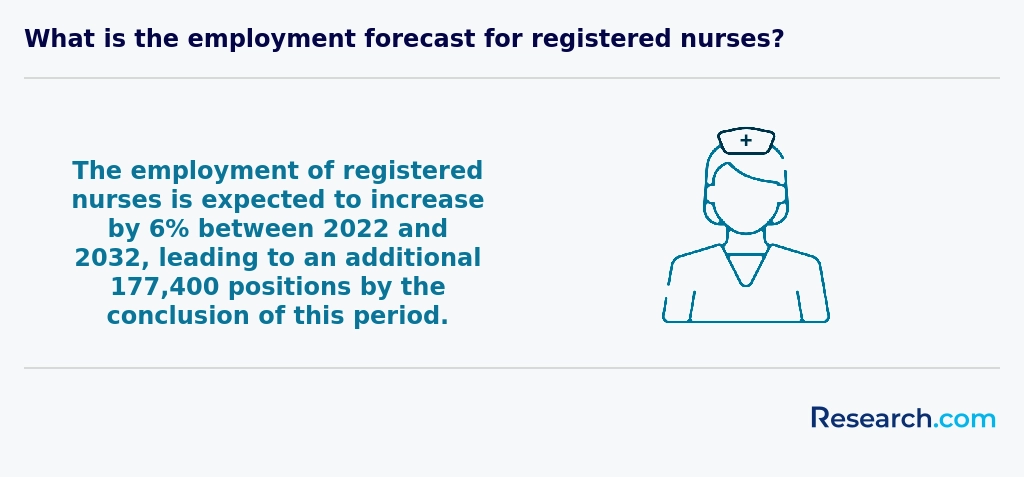
Globally, nurses often serve as primary healthcare providers, especially in underserved areas. According to the U.S. Bureau of Labor Statistics, employment for registered nurses is projected to grow 6% through 2032, indicating strong job security within the region.
For students pursuing online nursing degrees in the Northeast, these global trends translate into rich career paths that may include international work or collaboration. Universities in this region offer programs aligned with global standards, preparing graduates for both domestic and overseas careers.
Gaining practical experience is essential when pursuing an online nursing degree in the Northeast. Most accredited programs require clinical hours completed at healthcare facilities near your location. Schools often partner with local hospitals, clinics, and long-term care facilities to arrange these placements.
Students must typically complete at least 500 clinical hours, depending on the program and state regulations, such as those set by the New York State Education Department or the Massachusetts Board of Registration in Nursing. These hours provide hands-on training under licensed professionals' supervision.
Additionally, some programs incorporate virtual simulations to supplement in-person practice. According to the National Council of State Boards of Nursing, virtual clinical experiences have grown by over 30% since 2020, enhancing skill development when access to facilities is limited.
Overall, coordinating with your school's clinical placement office is key to securing practical experience while studying online in the Northeast.
Choosing the right concentration within an online nursing degree program in the Northeast involves assessing your career goals and local job market demands. Popular specialties include Family Nurse Practitioner, Nurse Educator, and Psychiatric-Mental Health, reflecting a growing need in these areas across states such as New York, Massachusetts, and Pennsylvania, according to the Bureau of Labor Statistics.
Review program curricula to ensure they align with your interests and state licensure requirements. Additionally, consider factors like clinical placement support and faculty expertise in your chosen concentration. Networking with local healthcare employers and consulting professional nursing organizations can also help clarify which specialization offers the best opportunities.
Top Trending Nursing Rankings
See What Experts Have To Say About Studying Nursing
Read our interview with Nursing experts

Lisa Grubb
Nursing Expert
Assistant Professor
Johns Hopkins School of Nursing

References
- How Do Nurses Navigate Career Advancement? | NursingEducation https://nursingeducation.org/insights/career-advancement/
- Client Challenge https://www.springerpflege.de/nursing-graduates-perceived-future-career-pathway-and-career-shi/50653658
- Can I Get a Nursing Degree Online? | University of Phoenix https://www.phoenix.edu/articles/nursing/can-i-get-a-nursing-degree-online.html
- The Nurses' Alumni Association https://giving.mainlinehealth.org/get-involved/auxiliaries-and-womens-boards/lankenau-medical-center-womens-board/the-nurses-alumni-association
- Nursing School Requirements in [currentyear] - NEIT https://www.neit.edu/blog/nursing-school-requirements
- Pros And Cons Of Online Nursing In 2025 | Davis & Elkins https://www.dewv.edu/the-pros-and-cons-of-online-nusing-in-2025-is-it-right-for-you/
- How to Write https://esign.com/letter-of-intent/school/nursing/
- Nursing Colleges In The Northeast https://www.alvernia.edu/resources/undergraduate/nursing-colleges-northeast
- Your Questions About Online Nursing School, Answered https://www.allnursingschools.com/how-to-get-into-nursing-school/online-programs/
- Career Advancement Pathways for Nurses : Expert RN shares 10+ Professional growth opportunities - MuminMed https://blog.muminmed.com/career-advancement-pathways-for-nurses/





![2027 Best Advanced Standing Online MSW Programs [CSWE Accredited] thumbnail](/uploads/Online_Advanced_Standing_MSW_301dbd5368.jpg)