2027 Best Online Master's in Nursing Degree Programs Ranking in Florida

Co-Founder and Chief Data Scientist
Choosing the right nursing program can shape your future career. Our article presents the 2027 Best Online Master's in Nursing Degree Programs Ranking in Florida, crafted by Research.com's expert data scientists. This ranking helps you explore quality options backed by thorough analysis.
Whether you're advancing your skills or starting fresh, a nursing degree opens doors to meaningful opportunities. Reading this guide empowers you to make informed decisions, tailored to your goals and lifestyle in Florida.
Discover programs that fit your needs and take a confident step toward a rewarding nursing career.
Key benefits of getting online nursing degree in Florida
- Graduates with an online nursing degree in Florida can earn competitive salaries, such as $128,490 annually for Nurse Practitioners and Critical Care Nurses, and $94,480 for Clinical Nurse Specialists, Nurse Administrators, and Nurse Educators.
- Many Florida nursing graduates pursue diverse careers in clinical care, administration, education, or specialty nursing, often starting at well-known schools like the University of Florida that offer solid professional networks and opportunities.
- Online nursing degrees provide flexible schedules and allow students to balance work and study, as demonstrated by graduates from institutions like the University of Central Florida, making it easier to advance your nursing career without pausing your income.
- Key benefits of getting online nursing degree in Florida
- What can I expect from online nursing degree in Florida?
- Where can I work with online nursing degree in Florida?
- How much can I make with online nursing degree in Florida?
- 2027 Best Online Master's in Nursing Degree Programs Ranking in Florida
- Key Findings
- How long does it take to complete online nursing degree in Florida?
- Direct-Entry MSN Programs for Non-Nurses
- What's the difference between online and on-campus nursing degree?
- Accreditation and Licensing Pathways
- What is the average cost of online nursing degree in Florida?
- Bridging Pathways: RN to BSN Programs for Future MSN Students
- What financial aid is available to online nursing degree students in Florida?
- Most Affordable Options for Online Nursing Degrees in Florida
- What are the prerequisites for enrolling in online nursing degree program in Florida?
- Accreditation and Licensure Eligibility
- What courses are typically in online nursing degree programs in Florida?
- What types of specializations are available in online nursing degree programs in Florida?
- How do you choose the best online nursing degree in Florida?
- What career paths are available for online nursing degree students in Florida?
- What is the job market for online nursing degree in Florida?
- Related Nursing Rankings for Nearby States
- Top Trending Nursing Rankings
- See What Experts Have To Say About Studying Nursing
What can I expect from online nursing degree in Florida?
The average cost of an online nursing degree in Florida varies significantly but typically reflects the distinction between public and private institutions. Graduates from well-known public universities often recall paying more manageable tuition rates-generally between $5,000 and $12,000 per year for in-state students-making higher education feel less like a financial burden and more like an attainable investment. These learners frequently describe a sense of relief and motivation, having chosen programs that balance quality education with affordability.
Conversely, students at private colleges may face tuition fees that double or even triple those amounts, sometimes exceeding $25,000 annually. While this can seem daunting, many graduates report that the access to personalized support, smaller class sizes, and extensive scholarship opportunities helped turn financial stress into opportunity. Such experiences highlight that cost doesn't solely define value-commitment, institutional fit, and financial aid resources reshape the equation.
Ultimately, those navigating nursing degrees online in Florida learn to negotiate practical realities: competitive tuition costs paired with robust access to clinical placements and licensure preparation. The evolving healthcare landscape makes these programs a gateway to careers that promise both personal fulfillment and financial return.
Where can I work with online nursing degree in Florida?
Graduates from online nursing programs at well-known Florida institutions like the University of Florida or Florida State University often find themselves at the heart of bustling hospitals such as AdventHealth or Tampa General Hospital. These environments demand not just clinical skills but emotional resilience, where every shift feels like a meaningful contribution to saving lives. Many alumni share how working in emergency rooms or surgical units immediately connected their online education to real-world impact.
Outside hospital walls, nurses navigate vibrant outpatient clinics and community health centers, championing preventive care and chronic disease management. Picture a graduate from the University of Central Florida designing care plans for underserved patients at a local federally qualified health center - this blend of empathy and expertise transforms lives daily.
Long-term care facilities offer a distinct, rewarding challenge; graduates often express profound fulfillment in supporting Florida's expansive senior population. Nursing homes, with their intimate care dynamics, become places where nurses become trusted pillars of aging communities.
With advanced roles such as nurse practitioners or educators, online MSN holders unlock leadership avenues, steering healthcare improvements statewide. Working in health policy or public health agencies further allows innovative nurses to influence systemic change, proving an online nursing degree in Florida is truly a gateway to diverse, impactful career paths.
How much can I make with online nursing degree in Florida?
Graduates of online nursing programs in Florida report entering the workforce with salaries that can pleasantly surprise new nurses, especially when considering regional factors. For example, a registered nurse completing an online degree through a popular Florida college might expect an average annual wage close to $73,200, consistent with statewide data. But pushing further, those advancing to roles like nurse practitioners typically see mean earnings reach around $128,490 nationwide, reflecting the premium Florida places on advanced qualifications.
Graduates specializing as clinical nurse specialists, nurse administrators, or nurse educators-roles accessible through online MSN pathways offered by institutions such as the University of Central Florida or Florida State University-find their mean annual salaries averaging $94,480. These salaries not only reward expertise but also the leadership and educational impact nurses bring to healthcare teams.
Imagine starting your career with the energy of fresh knowledge from an online program, then soon stepping into a critical care nursing role where wages can escalate to nearly $128,490 annually. This trajectory exemplifies how Florida's nursing graduates leverage online education to unlock significant, rewarding income streams, reshaping what many expect from an online degree.
2027 Best Online Master's in Nursing Degree Programs Ranking in Florida
How do we rank schools?
Investing in your education is a significant decision that can shape your future, and the Research.com team understands the importance of making informed choices. To assist prospective students interested in nursing, we have meticulously developed the "2027 Best Online Master's in Nursing Degree Programs Ranking in Florida." Our dedication to quality, credibility, and accuracy is reflected in the thorough research and analysis undertaken to compile this ranking.
We utilized the following reputable data sources to ensure a comprehensive evaluation of nursing programs:
By consulting this ranking, readers will gain valuable insights into the top online nursing master's programs in Florida, enabling them to make well-informed decisions about their educational journey. For further information on how this ranking was created, please visit our Research.com methodology page.


Key Findings
- Florida offers accredited online nursing programs including ADN, BSN, and MSN degrees that qualify graduates to take the NCLEX-RN exam.
- Tuition for online BSN programs ranges from $15,000 to $35,000, while MSN programs cost between $20,000 and $50,000.
- The demand for registered nurses in Florida is expected to grow by about 15% through 2030, driven by an aging population and expanding healthcare facilities.
- Starting salaries for newly licensed registered nurses average around $60,000, with experienced nurses earning between $70,000 and $90,000 or more.
- Online nursing programs include local clinical practice placements to satisfy hands-on training requirements.
How long does it take to complete online nursing degree in Florida?
Completing an online nursing degree in Florida can feel like navigating a flexible timeline tailored to your life. For example, graduates from the University of Central Florida share how their accelerated BSN programs compressed years into just 12 to 18 months, perfectly fitting their hectic work schedules. Meanwhile, others at Florida State University cherished the traditional online BSN path that took 3 to 4 years, allowing them to balance family life and study at a manageable pace.
The reality is that the clock varies widely depending on your prior education and time commitment. RN-to-BSN bridge programs, commonly favored by licensed nurses, typically take 12 to 24 months, making progress tangible without overwhelming pressure. Online MSN pursuits, especially part-time at schools like the University of Florida, can stretch up to three years, giving working professionals room to breathe while advancing their careers.
What resonates most with students is how these timelines accommodate clinical hour requirements mandated by the Florida Board of Nursing, often shaping the true pace of completion. This blend of online coursework with hands-on practice grounds learning in real-life experience, making the journey demanding but deeply rewarding.
Direct-Entry MSN Programs for Non-Nurses
Direct-entry MSN programs offer a streamlined pathway for individuals with a non-nursing bachelor’s degree to transition directly into advanced nursing roles without first completing a BSN. These programs typically combine foundational nursing coursework with graduate-level specialization, allowing students to earn an MSN in as little as 24–36 months. Admission requirements vary but often include completion of prerequisite science courses (e.g., anatomy, physiology, microbiology), a minimum GPA (usually 3.0 or higher), and satisfactory scores on standardized tests like the GRE or MAT. Curriculum structure blends didactic instruction, simulation labs, and supervised clinical rotations. Core MSN courses cover advanced pharmacology, health assessment, evidence-based practice, and leadership in healthcare. Specialization tracks-such as family nurse practitioner, psychiatric-mental health, or nurse educator-begin in the second year, ensuring early exposure to role-specific competencies. Many programs also integrate interprofessional collaboration modules, preparing graduates to navigate complex healthcare systems. Tuition for direct-entry MSN programs can range from $500 to $900 per credit, but accelerated formats often reduce overall costs by shortening program length. Prospective students should explore financial aid options, including institutional scholarships and loan forgiveness programs for service in underserved areas. Clinical placement support is another key factor-top programs maintain partnerships with hospitals and community clinics to secure high-quality practicum sites. For those seeking an accelerated bridge into nursing leadership and advanced practice, our guide to the quick direct entry msn for non nurses online highlights the shortest, most flexible options available. By choosing a reputable, accredited direct-entry MSN program, non-nurses can fast-track their careers and meet the growing demand for skilled, advanced-practice nurses in Florida and beyond.
What's the difference between online and on-campus nursing degree?
Online nursing degrees in Florida offer unmatched flexibility that resonates with many students juggling work or family duties. Graduates from programs like those at the University of Central Florida often mention how asynchronous lectures let them study late at night or during quiet weekend hours, making it easier to stay engaged without sacrificing personal commitments.
Contrast that with the immersive buzz of on-campus life at institutions such as the University of Florida, where hands-on clinical labs and real-time faculty interactions create a dynamic learning environment. Many on-campus graduates appreciate the immediate feedback and camaraderie that naturally arise in this setting, fueling motivation and confidence.
However, both paths share a crucial requirement: supervised clinical hours at approved healthcare facilities. Online students frequently coordinate local placements near their homes, while on-campus students benefit from university-established partnerships. This practical exposure is where theory translates into real patient care.
For potential Florida nursing students, the decision often hinges on personal learning rhythms and lifestyle. The choice isn't simply about format-it challenges you to envision how education fits into your unique life story.
Accreditation and Licensing Pathways
Accreditation is the cornerstone of any reputable online nursing program, ensuring your education meets the rigorous standards set by national bodies like the Commission on Collegiate Nursing Education (CCNE) and the Accreditation Commission for Education in Nursing (ACEN). In Florida, enrolling in a program with CCNE or ACEN accreditation not only guarantees curriculum quality but also fulfills eligibility requirements for the Florida Board of Nursing (FBON) and prepares you for the NCLEX-RN or NCLEX-PN licensure exams. To obtain licensure in Florida, graduates must: 1. Complete an accredited nursing program. 2. Apply for licensure with the FBON, submitting official transcripts and a criminal background check. 3. Register for and pass the NCLEX exam within two years of program completion. 4. Provide proof of required immunizations and health screenings, as mandated by clinical partners. Maintaining your license requires ongoing education-Florida mandates 24 contact hours of continuing education every two years, including courses in HIV/AIDS and domestic violence. Many online programs integrate these CE units into their graduate offerings, streamlining your professional development. While accreditation and licensure processes are broadly similar across states, it’s valuable to compare how different regions approach program quality and affordability. For example, our partner site offers an Affordable Online Nursing Degree Programs Ranking in South Carolina, highlighting accredited options and cost metrics that can inform decisions if you’re considering interstate study or relocation. By prioritizing accredited programs and understanding licensure pathways, you’ll ensure a smooth transition from student to licensed nursing professional.
What is the average cost of online nursing degree in Florida?
The average cost of an online nursing degree in Florida centers around a median total tuition of approximately $21,440, reflecting a balance between affordability and quality education. Graduates from popular institutions like the University of Florida and Florida State University often describe the investment as worthwhile, especially given the practical and flexible online structure tailored to working professionals. These programs typically range from $15,000 to $35,000, depending on whether students attend public or private universities, and whether they qualify as in-state or out-of-state residents.
Considering the average cost of online nursing degree Florida students face, many find that the financial commitment is manageable when weighed against the career advancement and personal fulfillment achieved after graduation. Alumni frequently mention how flexible payment plans and scholarships ease the burden, allowing them to focus on studies rather than financial strain. The decision to pursue online nursing also benefits from a clear understanding of factors such as residency status, specialization choices, and additional fees for clinical components.
For those exploring options, reviewing the most affordable nursing schools in Florida can reveal pathways to reduce costs without compromising education quality. The state's commitment to accessibility is evident in these programs, which attract students eager to improve healthcare outcomes locally. Selecting the right program involves examining tuition alongside accreditation and student support, all of which contribute to a rewarding nursing career.
Explore the most affordable nursing schools in Florida to align your goals with realistic financial planning.
Bridging Pathways: RN to BSN Programs for Future MSN Students
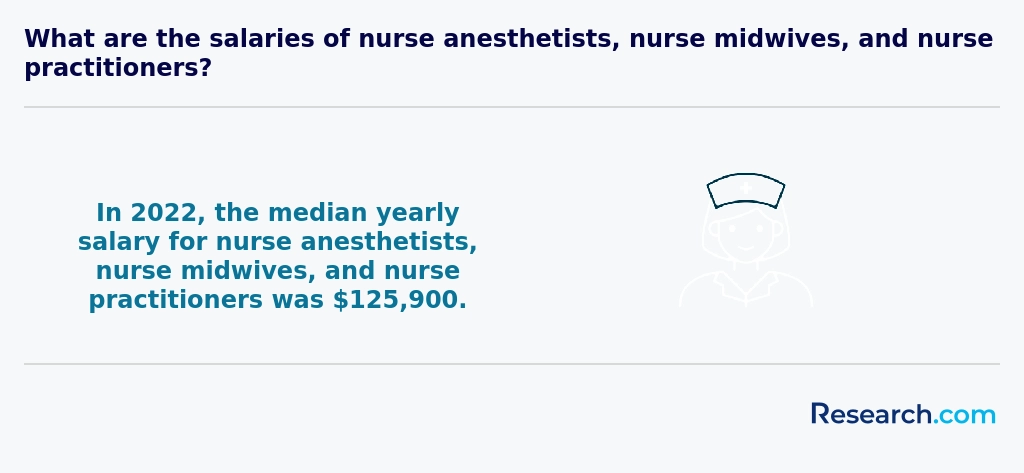
Many aspiring nurses in Florida begin their advanced-degree journey by first earning a Bachelor of Science in Nursing (BSN), which not only strengthens clinical skills but also fulfills prerequisites for top-tier MSN programs. If you hold an associate degree or diploma in nursing, consider exploring rn to bsn online programs without clinicals to accelerate your path. These bridge programs typically offer:
- Flexible, self-paced coursework that fits around work and family commitments
- Accredited curricula designed to meet AACN and CCNE standards
- No additional on-site clinical hours, using virtual simulations and portfolio evaluations instead
- Dedicated academic advisors and career services to guide your transition into graduate‐level study Completing an RN-to-BSN online program not only boosts your salary potential-BSN-prepared nurses in Florida earn on average 10–15% more than their ADN counterparts-but also enhances your competitiveness for MSN admissions, leadership roles, and specialized certifications. By choosing a reputable bridge program, you lay a solid foundation for a seamless move into one of Florida’s best online Master’s in Nursing degree programs.
What financial aid is available to online nursing degree students in Florida?
Many nursing students at institutions like the University of Florida or Florida State University often find financial aid transforming their educational journey from daunting to doable. Federal aid, especially Pell Grants-providing up to $7,395 annually-can turn the impossible into a tangible pathway by easing tuition costs that might otherwise reach $35,000 a year.
Beyond federal help, students discover that state programs such as the Florida Bright Futures Scholarship or loan forgiveness opportunities through the Florida Department of Health actively reward commitment to underserved areas. Graduates recount how these programs didn't just lighten debt but motivated them to serve communities in need, adding deeper meaning to their careers.
Institutional scholarships at Florida colleges frequently recognize more than grades-they embrace ambition and financial hardship alike, making a difference for students juggling work and study. Furthermore, joining organizations like the Florida Nurses Association opens doors to grants targeting specialized fields, empowering students to pursue advanced degrees confidently.
Such a layered approach to aid redefines the financial narrative, showing that with the right support, earning an online nursing degree in Florida is not only accessible but richly rewarding.
Most Affordable Options for Online Nursing Degrees in Florida
When considering an online nursing degree in Florida, affordability is a crucial factor for many students. With the cost of tuition varying significantly between institutions, it's essential to research and compare prices to find the most affordable option that still offers a high-quality education. For those looking to minimize their expenses, exploring most affordable nursing schools in Florida can be a valuable first step. Many of these schools offer competitive pricing without compromising on the quality of education, ensuring that students receive the best possible start to their nursing careers. By opting for an affordable online nursing program, students can reduce their financial burden, making it easier to focus on their studies and prepare for a successful career in healthcare.
What are the prerequisites for enrolling in online nursing degree program in Florida?
Enrolling in an online nursing degree in Florida means meeting more than basic academic benchmarks-it demands true readiness. Graduates from institutions like the University of Florida or Florida State University often recall how holding a high school diploma or an active RN license shaped their path. For those aiming for a BSN, proving foundation in science through courses like anatomy or microbiology wasn't just paperwork; it was a confidence booster before tackling demanding online lessons.
Standardized tests such as the TEAS challenge prospective students to demonstrate real competence in math, reading, and science, pushing them to reflect on their preparedness. Florida nursing programs don't just want applicants-they want future caregivers with verified skills and clinical readiness. Many graduates found that hands-on experience, such as CNA work or healthcare volunteering, gave their applications a compelling edge and emotional weight.
Alongside academics, submitting letters of recommendation or personal statements transforms an application into a story of passion and commitment, grounding the rigorous process in human connection. The financial investment, often between $7,000 and $10,000 annually at public Florida colleges, becomes a meaningful pledge toward a career dedicated to healing and service.
Accreditation and Licensure Eligibility
Ensuring your online MSN is accredited and approved by the Florida Board of Nursing guarantees eligibility for advanced practice licensure and transferability of credits. Look for:
- Commission on Collegiate Nursing Education (CCNE) or Accreditation Commission for Education in Nursing (ACEN) recognition
- Regional accreditation (eg, SACSCOC) for broader degree acceptance
- Florida Board of Nursing approval for clinical hour requirements
Graduates in Family Nurse Practitioner tracks should verify that FNP concentrations meet national certification requirements; for budget-friendly accredited options, explore the cheapest fnp programs online.
What courses are typically in online nursing degree programs in Florida?
Online nursing degree programs in Florida typically immerse students in courses that strike a balance between foundational knowledge and future-facing specialties. Graduates from institutions like the University of Central Florida often reflect on how courses such as Advanced Health Assessment equipped them to confidently perform detailed patient exams, transforming textbook theory into meaningful patient interactions.
Core classes also include Pathophysiology and Pharmacology, where students explore the biological mechanisms of disease and the complexities of drug therapies. Those from Florida State University comment on how this deep scientific insight fuels their critical thinking during fast-paced clinical decisions.
Furthermore, courses like Nursing Research and Health Care Policy and Ethics challenge learners to question established routines and advocate for ethical practices in Florida's diverse healthcare environment. Meanwhile, elective tracks in Advanced Clinical Management or Nursing Leadership allow students at colleges such as the University of Florida to tailor their study toward management or community health, making their education feel personally relevant and practically empowering.
What types of specializations are available in online nursing degree programs in Florida?
In Florida, the landscape of online nursing degrees transcends traditional roles with specializations that reflect the state's unique healthcare demands. Graduates from well-known institutions like the University of Florida or Florida State University often share how focusing on Family Nurse Practitioner (FNP) tracks empowered them to serve Florida's large elderly communities more effectively. The Adult-Gerontology Nurse Practitioner (AGNP) specialization is especially crucial here, preparing nurses to care for a population that, by 2030, will have nearly 26% aged 65 or older-an undeniable reality that shapes daily practice and career fulfillment.
Other students pursuing Florida accredited nursing programs specialties have found Psychiatric-Mental Health Nurse Practitioner (PMHNP) tracks critical, given rising mental health awareness. Meanwhile, those drawn to acute care discover the intensity and reward in Acute Care Nurse Practitioner (ACNP) roles, often supported by flexible clinical hours that meet Florida's licensure standards. Many appreciate programs offering leadership and administration pathways, where they learn to manage healthcare environments.
For those balancing work and study, exploring rn to bsn online programs without clinicals offers an alternative route to advancing careers without traditional clinical constraints.
How do you choose the best online nursing degree in Florida?
Choosing the best online nursing degree in Florida is not just about picking the program with the lowest tuition or the most impressive name. Graduates from top Florida universities often recall how looking beyond cost to accreditation, like CCNE or ACEN, ensured their degree opened doors statewide. Programs that offer clinical placements with Florida-approved facilities helped learners balance work and study without uprooting their lives. One graduate shared how flexible asynchronous classes allowed them to care for family while advancing their career, a vital consideration for many.
Aligning your goals with Florida's healthcare demands is equally crucial. Nursing students focused on gerontology or psychiatric mental health found their expertise in demand after graduation, reflecting the state's needs. Considering affordable online nursing degrees Florida offers, taking the time to investigate strong faculty support and curriculum relevance can transform your educational journey into a deeply rewarding experience.
For those looking to accelerate their path, exploring quick direct entry msn for non nurses online is often a game changer.

What career paths are available for online nursing degree students in Florida?
Graduates with an online nursing degree in Florida find themselves at the intersection of opportunity and impact, stepping into diverse roles that challenge the traditional boundaries of nursing. Beyond becoming Registered Nurses, a common path embraced by many from institutions like the University of Florida or Florida Atlantic University, graduates often pursue specializations such as Family Nurse Practitioner or Psychiatric-Mental Health Nurse Practitioner, where they address the unique health needs of Florida's aging and diverse population. The demand here is more than a statistic-it's a lived reality for those who have felt the satisfaction of directly improving patient outcomes in hospitals and community clinics across the state.
Exploring online nursing careers in Florida also reveals unexpected routes. Some graduates transition into healthcare administration or education, inspired by their time at colleges known for hands-on online programs. They share how this shift often brings a deeper sense of purpose-leading policy changes or training the next generation of nurses, roles that generate both challenge and fulfillment. Tuition at Florida public institutions remains accessible, making these transformative journeys possible for many. For those weighing options, the Affordable Online Nursing Degree Programs Ranking in South Carolina offers insight into cost-effective pathways that complement these ambitions.
What is the job market for online nursing degree in Florida?
The job market for graduates holding an online nursing degree in Florida defies the notion that remote education limits local opportunities. In fact, the state's rapid population growth fuels an escalating demand for healthcare professionals, with particular shortages reported in Miami-Dade, Orlando, and Tampa Bay. For those enrolled in well-regarded programs at popular institutions, such as the University of Central Florida or Florida Atlantic University, the reality is filled with multiple pathways into vibrant healthcare settings.
Many graduates find themselves stepping confidently into roles as registered nurses in hospitals serving over 175,000 RNs statewide. Others pursue specialties like nurse practitioners or nurse anesthetists, where advanced training can translate into salaries well above the median annual wage of $67,000. These real-life successes illustrate how online nursing jobs Florida can be a gateway rather than a barrier. For prospective students weighing costs, exploring the cheapest associates degree options within Florida's nursing school offerings can provide a strategic start toward a rewarding career.
Frequently Asked Questions About nursing
Online nursing degree students in Florida can maximize their learning by actively engaging with course materials and participating in virtual simulations offered by many programs. Utilizing resources such as the Florida Center for Nursing can provide valuable state-specific data and professional development opportunities. Regularly communicating with instructors and peers through discussion boards helps deepen understanding and build a professional network. Since Florida requires clinical hours for nursing licensure, students should seek local healthcare facilities early to complete hands-on practice efficiently. According to the Florida Board of Nursing, staying informed about licensure requirements and continuing education ensures timely progression towards professional goals.
The nursing field in Florida is rapidly evolving, opening new opportunities for specialized roles. Emerging niches include nurse informatics, which combines nursing with information technology to improve patient care management. According to the Florida Center for Nursing, demand for nurse informatics specialists is expected to grow by over 20% by 2030.
Another promising area is gerontological nursing, driven by Florida's large elderly population. Nurses focused on aging care develop expertise in managing chronic conditions and end-of-life care. Additionally, nurse practitioners in mental health are increasingly vital, reflecting a statewide emphasis on behavioral health services expansion.
These niches offer pathways for advanced nursing professionals pursuing online degrees in Florida.
Preparing for the job market after completing an online nursing degree in Florida requires strategic planning and knowledge of local healthcare demands. Graduates should obtain licensure by passing the NCLEX-RN exam, which is mandatory to practice nursing in Florida.
Networking plays a critical role. Joining professional organizations like the Florida Nurses Association can provide job leads and mentorship opportunities. Florida's healthcare sector is projected to grow significantly, with the Florida Department of Economic Opportunity estimating a 15% increase in registered nurse jobs through 2030.
Additionally, gaining clinical experience through internships or volunteering boosts employability. Tailoring resumes to highlight Florida-specific healthcare regulations and skills is essential for standing out to employers.
Employers in Florida highly value nursing graduates who demonstrate strong clinical skills alongside effective communication. According to the Florida Center for Nursing, critical thinking and patient assessment abilities rank among the top competencies desired in new hires. Additionally, teamwork and adaptability are essential due to the fast-changing healthcare environments statewide.
Florida's growing elderly population increases demand for nurses knowledgeable in geriatric care and chronic disease management. The Bureau of Labor Statistics projects a 15% job growth for registered nurses in Florida through 2031, highlighting the need for graduates who can manage complex patient needs efficiently.
Technical proficiency with electronic health records (EHR) and adherence to safety protocols are also emphasized by healthcare employers in Florida, reflecting national standards.
Finding nursing internships in Florida involves several key steps tailored for students pursuing online nursing degrees. Start by contacting your school's clinical placement office, as many programs have partnerships with local hospitals and healthcare facilities. Florida has over 200 hospitals, including major institutions like Tampa General and UF Health, which often offer intern opportunities.
Additionally, explore resources from the Florida Center for Nursing, which provides guidance on clinical placements and workforce development. Networking through professional organizations such as the Florida Nurses Association can also open doors to internships.
Online students should verify that internships meet state licensure requirements and provide supervised clinical hours essential for graduation and licensing.
Obtaining an online nursing degree in Florida can significantly enhance career mobility and advancement opportunities within the state's healthcare sector. Florida's growing demand for skilled nurses, driven by an aging population, creates a competitive job market where higher education often translates to better job prospects and higher salaries. According to the Florida Center for Nursing, nurses with advanced degrees, such as a Master's in Nursing, tend to have access to leadership roles, specialized clinical positions, and increased earning potential.
Online nursing programs accredited by recognized bodies ensure that graduates meet Florida Board of Nursing requirements, allowing seamless licensure and credential recognition. The flexibility of online degrees also facilitates working nurses to advance their qualifications without interrupting employment.
In the rapidly evolving healthcare environment, employers favor nurses who demonstrate commitment to continued education, which online programs support efficiently. Career advancement pathways, including nurse practitioner or nurse educator roles, frequently require or prefer candidates with graduate nursing degrees. This trend aligns with the U.S. Bureau of Labor Statistics, which projects a 23% growth in nurse practitioner positions nationwide from 2021 to 2031, with Florida being a significant contributor to this increase.
Studying for a nursing degree in Florida equips students with skills crucial for interdisciplinary roles, reflecting the state's growing healthcare demands. Florida's nursing programs emphasize collaboration with professionals from disciplines like medicine, social work, and health administration. According to the Florida Center for Nursing, over 60% of nurses report working in team-based care settings, making teamwork education essential.
Online nursing degrees in Florida integrate coursework in communication, leadership, and health informatics to prepare graduates for complex healthcare environments. These programs often include clinical simulations and interprofessional case studies to foster coordination among diverse healthcare roles.
State regulations also require nursing curricula to align with national competencies that stress interdisciplinary collaboration, enhancing graduates' readiness to contribute effectively in multi-specialty teams.
When choosing between a thesis and a non-thesis nursing degree program in Florida, consider your career goals and learning preferences. A thesis option typically suits students aiming for research roles or doctoral studies, requiring original research and a formal thesis document. Non-thesis programs focus more on coursework and practical skills, ideal for nurses seeking advanced clinical positions or leadership roles.
Florida's nursing workforce is rapidly growing, with a 15% projected increase by 2030 according to the Florida Center for Nursing. Selecting a thesis program may enhance opportunities in academic or research settings within this expanding field. Conversely, non-thesis pathways can fast-track clinical advancement without the extended research commitment.
Faculty availability and program flexibility vary, especially in online formats, so review each school's resources carefully. Many Florida schools offer both options online through accredited institutions, ensuring compliance with state nursing board standards.
Students based in Florida interested in studying nursing abroad have limited direct options due to licensing and accreditation requirements of the Florida Board of Nursing. Most Florida students seeking international nursing education instead enroll in U.S.-based online programs with international partnerships or exchanges. These programs often offer clinical placements overseas while maintaining U.S. accreditation. According to the Florida Center for Nursing, 65% of nurses in Florida hold degrees from in-state or nationally accredited schools, underscoring the preference for U.S.-recognized credentials.
Students should ensure abroad programs meet Florida's licensure standards for Registered Nurses (RNs) or Nurse Practitioners (NPs).
Students pursuing an online nursing degree in Florida often seek part-time jobs that complement their studies and build relevant skills. Common opportunities include working as certified nursing assistants (CNAs), medical assistants, or patient care technicians. These roles provide practical experience in clinical settings while allowing flexible hours to accommodate coursework. According to the Florida Department of Economic Opportunity, the demand for CNAs is projected to grow by 20% through 2030, making this a valuable entry point into healthcare careers.
Other popular options include positions in home health care and medical administrative support. These jobs improve patient communication skills and enhance understanding of healthcare operations. Many employers offer part-time shifts, ideal for students balancing work and study.
Online nursing students in Florida have access to diverse networking opportunities designed to enhance their professional growth. Many accredited programs encourage participation in virtual study groups and online forums, connecting students statewide. Additionally, Florida hosts several nursing organizations, such as the Florida Nurses Association, which offer virtual events and local chapter meetings for networking and mentorship.
Clinical rotations available through partnerships with hospitals often provide in-person networking with healthcare professionals. According to the Florida Center for Nursing, about 70% of nurses find job placements through professional relationships established during education and clinical experiences.
Finally, statewide nursing conferences frequently offer hybrid attendance options, enabling online students to engage with peers and industry leaders across Florida.
Alumni networks play a crucial role for online nursing degree students in Florida by offering valuable professional connections and support. These networks connect graduates to mentors and peers who understand the unique challenges of nursing education and practice in the state. According to the Florida Nurses Association, leveraging such contacts can increase job placement rates significantly after graduation.
Additionally, alumni often share job leads within Florida's diverse healthcare settings, from large hospitals in Miami to rural clinics. Networking through alumni groups helps students gain insights into local licensing requirements and continuing education opportunities, which are essential for career advancement.
Many Florida nursing programs facilitate online alumni events and forums, making it easier for remote students to stay involved and benefit from collective experience.
In Florida, customizing your online nursing degree program to align with your career goals begins with selecting the right specialization. Many programs offer tracks such as nurse practitioner, nurse educator, or nurse administrator. These focus areas help tailor your education to specific roles in healthcare.
Additionally, you can often choose elective courses that emphasize skills relevant to your desired job. For example, courses in healthcare informatics or gerontology can enhance your expertise in high-demand areas within Florida's aging population. According to the Florida Center for Nursing, registered nurse opportunities are expected to grow 15% through 2028.
Flexible clinical placement options are another way to customize your experience, allowing you to train in facilities that match your career interests. Many accredited schools partner with local hospitals and clinics across Florida to support this.
Online nursing students in Florida often face several challenges unique to their environment. One major issue is finding appropriate clinical placement sites. Florida's growing healthcare demand means spots can be limited, causing delays in program completion.
Many students also report difficulties balancing coursework with work and family commitments, especially since nursing programs require rigorous study and practical hours. According to the Florida Center for Nursing, about 60% of nursing students work while studying, adding to their stress.
Technological barriers, such as unreliable internet or unfamiliarity with online platforms, can hinder learning. Additionally, students may experience reduced peer interaction and support compared to traditional settings, impacting motivation and networking opportunities.
With an online nursing degree in Florida, graduates can pursue various professional certifications that enhance their career prospects. Popular certifications include the Certified Nurse Practitioner (CNP), Certified Nurse Educator (CNE), and Certified Nurse Midwife (CNM). These certifications typically require passing national exams and meeting state licensing requirements.
Florida's Board of Nursing regulates licensure and certifications, ensuring that candidates meet all necessary criteria. According to the Florida Department of Health, demand for advanced practice registered nurses (APRNs) grew by over 15% from 2018 to 2023.
Other valued certifications include Critical Care (CCRN) and Psychiatric-Mental Health Nurse Practitioner (PMHNP), enabling specialization in critical fields. Online nursing degrees provide the academic foundation required for these credentials, combining flexible learning with rigorous training.
Writing a winning application for an online nursing program in Florida starts with understanding the state's nursing education landscape. Florida has one of the largest nursing workforces in the US, creating strong competition. Highlighting your academic achievements and clinical experience is essential, as Florida programs often require proof of practical nursing hours.
Ensure your personal statement clearly articulates your professional goals and commitment to nursing, reflecting Florida's growing demand for advanced practice nurses, especially in rural areas (source: Florida Center for Nursing, 2023).
Also, submit all transcripts and licensure documents promptly, as many programs prioritize timely, complete applications. Including strong letters of recommendation from healthcare professionals enhances credibility and demonstrates your readiness for graduate study.
The nursing profession holds a respected position globally due to its crucial role in healthcare systems. In the United States, including Florida, nursing is seen as a stable and growing career, with the Bureau of Labor Statistics projecting a 9% job growth for registered nurses from 2022 to 2032. This demand is partly driven by aging populations and increased chronic conditions worldwide.
Globally, nursing standards and education vary, but the U.S. is recognized for rigorous training programs, making degrees earned here highly respected internationally. Florida's online nursing programs reflect this trend, offering flexible options aligned with national accreditation, helping students meet both local and global healthcare needs.
The World Health Organization highlights the importance of investing in nursing education to address worldwide shortages. For Florida students, pursuing an online nursing degree can open doors to diverse career opportunities both within the state-where demand is high due to its large elderly population-and abroad, where U.S.-trained nurses are often sought after.
Students pursuing an online nursing degree in Florida can gain practical experience through clinical placements required by accredited programs. These clinical experiences are typically arranged by the school in partnership with local hospitals, clinics, or long-term care facilities within Florida. According to the Florida Board of Nursing, students must complete supervised clinical hours to qualify for licensure.
Many programs offer flexible scheduling for these practicums, allowing students to complete hands-on training near their residence. Additionally, some universities provide simulation labs or virtual clinical experiences to supplement real-world training.
Gaining practical experience is vital for licensure exams such as the NCLEX-RN, which is mandatory in Florida to become a registered nurse.
Choosing the right concentration within an online nursing degree in Florida depends on your career goals and the demand in the state's healthcare system. Florida has a high need for nurse practitioners, especially in geriatrics and primary care, due to its large aging population. According to the Florida Center for Nursing, specialties like family nurse practitioner and adult-gerontology are among the fastest-growing areas.
Consider your passion and the work environment you prefer, such as hospitals, clinics, or community health. Research accreditation and state licensing requirements for your chosen concentration. Reviewing job market trends in Florida and talking to current professionals can also guide your decision-making process.
Related Nursing Rankings for Nearby States
- 2027 Best Online Master's in Nursing Degree Programs Ranking in Georgia
- 2027 Best Online Master's in Nursing Degree Programs Ranking in South Carolina
- 2027 Best Online Master's in Nursing Degree Programs Ranking in Mississippi
- 2027 Best Online Master's in Nursing Degree Programs Ranking in Tennessee
- 2027 Best Online Master's in Nursing Degree Programs Ranking in North Carolina
- 2027 Best Online Master's in Nursing Degree Programs Ranking in Louisiana
- 2027 Best Online Master's in Nursing Degree Programs Ranking in Kentucky
- 2027 Best Online Master's in Nursing Degree Programs Ranking in Arkansas
- 2027 Best Online Master's in Nursing Degree Programs Ranking in Virginia
- 2027 Best Online Master's in Nursing Degree Programs Ranking in Missouri
Top Trending Nursing Rankings
See What Experts Have To Say About Studying Nursing
Read our interview with Nursing experts


References
- Online Nursing Prerequisites | Sophia Nursing Pathway https://www.sophia.org/online-courses/course-pathways/nursing-pathway/
- Financial Services https://fan.edu/financial-services
- Find Online Nursing Programs with Financial Aid https://www.edumed.org/online-schools/nursing-rn-programs/financial-aid/
- Online Nursing Programs in Florida https://westcoastuniversity.edu/online-nursing-programs-in-florida
- Nursing Scholarships & Financial Aid Resources | AACN https://www.aacnnursing.org/students/scholarships-financial-aid
- Educational journey from nursing to medical school https://ojs.southfloridapublishing.com/ojs/index.php/jdev/article/download/5124/3469/12933
- Generic RN Program Costs https://www.southflorida.edu/current-students/degrees-programs/academics/health-sciences/nursing/nursing-generic-rn-as/generic-rn-costs
- Nursing | Florida College | Academics https://floridacollege.edu/departments/nursing/
- Available Grants & Scholarships https://www.floridanurse.org/page/AvailableGrantsScohlarships
- Home - International College of Health Sciences, Boynton ... https://www.ichs.edu/