2027 Best Online Doctorate in Nursing Degree Programs Ranking in Pittsburgh, PA

Co-Founder and Chief Data Scientist
For aspiring nurses in Pittsburgh seeking to advance their careers, choosing the right online doctorate program can be overwhelming. This article introduces the 2027 Best Online Doctorate in Nursing Degree Programs Ranking in Pittsburgh, PA, carefully crafted by the Research.com team of data scientists.
Our ranking helps you focus on quality options, making it easier to decide which nursing degrees are truly worth your time and investment. Pursuing a nursing doctorate opens new doors and deepens your expertise, empowering you to make a real difference in healthcare.
Explore the ranking and take confident steps toward your academic and professional goals.
Key benefits of getting online nursing degree in Pittsburgh
- Nursing graduates in Pittsburgh can earn a mean annual wage of $128,490 for roles like Family Nurse Practitioner or Acute Care Nurse Practitioner, reflecting strong earning potential.
- Career paths for nursing graduates from universities in Pittsburgh include diverse roles such as Psychiatric or Adult Nurse Practitioner, offering rewarding and flexible opportunities to make a difference.
- Online nursing degrees in Pittsburgh provide convenience and flexibility, allowing students to balance work and study while gaining the same respected credentials as traditional programs.
- Key benefits of getting online nursing degree in Pittsburgh
- What can I expect from online nursing degree in Pittsburgh?
- Where can I work with online nursing degree in Pittsburgh?
- How much can I make with online nursing degree in Pittsburgh?
- 2027 Best Online Doctorate in Nursing Degree Programs Ranking in Pittsburgh, PA
- Key Findings
- How long does it take to complete online nursing degree in Pittsburgh?
- Application Process and Requirements for Online Doctorate in Nursing Programs
- What's the difference between online and on-campus nursing degree?
- What is the average cost of online nursing degree in Pittsburgh?
- How to Apply
- What financial aid is available to online nursing degree students in Pittsburgh?
- Most Affordable Nursing Programs
- What are the prerequisites for enrolling in online nursing degree program in Pittsburgh?
- DNP vs Nursing PhD: Choosing the Right Doctorate Path
- What courses are typically in online nursing degree programs in Pittsburgh?
- What types of specializations are available in online nursing degree programs in Pittsburgh?
- How do you choose the best online nursing degree in Pittsburgh?
- What career paths are available for online nursing degree students in Pittsburgh?
- What is the job market for online nursing degree in Pittsburgh?
- Top Trending Nursing Rankings
- See What Experts Have To Say About Studying Nursing
What can I expect from online nursing degree in Pittsburgh?
The average cost of an online nursing degree in Pittsburgh often reflects a mix of institutional type and student circumstances. Graduates from state-affiliated universities typically report tuition costs ranging from moderate to affordable levels, sometimes less than private college counterparts. Many recall the financial relief of saving on commuting and housing, making the overall expense feel manageable despite rigorous coursework.
Those enrolled at renowned Pittsburgh institutions appreciate the availability of scholarships and financial aid tailored specifically for nursing students. One graduate noted how these opportunities eased the pressure, enabling focus on clinical placements in local hospitals rather than budgets.
Online nursing students in Pittsburgh find that, beyond tuition, costs can include fees for clinical training, which must be completed at community health facilities nearby. Yet the flexibility of balancing work and study often turns this investment into a rewarding step toward a fulfilling healthcare career, especially given Pittsburgh's steady demand for nurses.
Where can I work with online nursing degree in Pittsburgh?
Graduates with an online nursing degree in Pittsburgh often find themselves welcomed into a diverse and expanding healthcare job market. Many start their careers gaining hands-on experience at renowned institutions like the University of Pittsburgh Medical Center (UPMC) or Allegheny Health Network, where acute care roles challenge and excite new nurses daily. These experiences often bring a sense of fulfillment, knowing they contribute directly to patient recovery in some of the city's busiest hospitals.
Others begin working in outpatient clinics or specialized centers, such as the VA Pittsburgh Healthcare System, caring for veterans and developing deep community ties. Graduates from Duquesne University's online BSN program frequently mention the pride they feel supporting Pennsylvania's aging population through home health or hospice care, sectors that are rapidly growing and in great need of compassionate nurses.
Many alumni also pursue leadership roles in nursing administration or public health, utilizing their education to influence healthcare delivery across Pittsburgh. Some move into teaching at local institutions, inspired by their own journeys and eager to mentor the next generation. These pathways reflect a future rich with opportunities for online nursing graduates in Pittsburgh's dynamic healthcare landscape.
How much can I make with online nursing degree in Pittsburgh?
Graduates of online nursing degree programs in Pittsburgh often find promising salary opportunities that reflect both local demand and advanced qualifications. For example, nurses stepping into roles like Family Nurse Practitioner or Psychiatric Nurse Practitioner can expect to earn around $128,490 annually, according to U.S. Bureau of Labor Statistics data. This figure aligns well with experiences shared by graduates from well-regarded Pittsburgh institutions, who highlight the city's thriving healthcare sector and broader nurse practitioner demand.
Those completing advanced programs, such as the Doctor of Nursing Practice (DNP) online, often see this salary potential translate into rewarding careers at major Pittsburgh hospitals and clinics. Imagine a graduate providing specialized care in critical settings while benefiting from competitive hourly wages near $61.78.
Additionally, many graduates note that Pittsburgh's supportive environment for new nursing professionals eases the transition into these roles, with incremental pay raises common after gaining experience. The combination of rigorous education, practical exposure, and regional healthcare needs opens exciting doors for online nursing students here.
2027 Best Online Doctorate in Nursing Degree Programs Ranking in Pittsburgh, PA
How do we rank schools?
Investing in your education is a significant decision that can shape your future, and the Research.com team understands the importance of making informed choices. To assist prospective students in Pittsburgh, PA, we have meticulously crafted the "2027 Best Online Doctorate in Nursing Degree Programs Ranking." Our commitment to quality, credibility, and accuracy is reflected in the extensive research and analysis conducted to compile this ranking.
We utilized the following reputable data sources to ensure a comprehensive evaluation of nursing programs:
By exploring this ranking, readers will gain valuable insights into the best online doctorate in nursing degree programs available in Pittsburgh, helping them make informed decisions about their educational paths. For more details on our methodology, please visit our Research.com methodology page.


Key Findings
- Online nursing degrees in Pittsburgh offer flexible coursework but require in-person clinical hours at local healthcare facilities.
- Tuition for bachelor's degrees ranges from $15,000 to $40,000, while advanced degrees like MSN or DNP can cost between $20,000 and $50,000.
- Starting salaries for new nursing graduates average around $60,000, with mid-career nurses earning $85,000 to $95,000 and advanced nurses making over $100,000 annually.
- Nursing jobs in Pittsburgh are expected to grow by about 15% in the next decade, outpacing the national average.
- Accreditation from CCNE or ACEN is important to ensure eligibility for licensure and federal aid.
- Pennsylvania licensure requires passing the NCLEX-RN exam and ongoing continuing education, which most online programs prepare students for.
How long does it take to complete online nursing degree in Pittsburgh?
Completing an online nursing degree in Pittsburgh typically takes between 2 to 4 years, but the timeline can be highly personalized. For instance, graduates from local institutions offering hybrid ADN programs often share how balancing work and family commitments extended their studies slightly beyond the standard 2 years. Conversely, many full-time students at Pittsburgh's prominent nursing schools report finishing an ADN or RN-to-BSN bridge within 1 to 2 years, enjoying the flexibility of online coursework paired with local clinical placements in nearby hospitals.
Looking ahead, students anticipate even more accelerated pathways as Pittsburgh's universities adapt to tech-driven learning and streamlined clinical partnerships. For example, some graduates have felt motivated and optimistic about finishing an MSN program in just 1.5 years, thanks to innovative scheduling and expanded online resources. This evolving landscape means Pittsburgh's future nursing students can expect a supportive, adaptable environment that respects their personal pace-whether diving into a comprehensive BSN or advancing through specialty DNP tracks-all while maintaining ties to their community and professional networks.
Application Process and Requirements for Online Doctorate in Nursing Programs
Applying to an online doctorate in nursing program in Pittsburgh, PA requires careful planning and attention to detail. Most programs mandate:
- A Master of Science in Nursing (MSN) from a CCNE- or ACEN-accredited institution, with a cumulative GPA of at least 3.0.
- A current RN license in good standing and at least two years of clinical experience, often demonstrated through professional references.
- Submission of official transcripts, a detailed curriculum vitae, and a personal statement outlining your research interests and career goals. Many schools also require GRE scores, although some waive this requirement for applicants with significant graduate-level coursework or professional certifications. To strengthen your application, consider highlighting leadership roles, publications, or presentations at nursing conferences. If you’re transitioning from a non-nursing background, you may find value in exploring accelerated master's nursing programs for non nurses to bridge any academic gaps before embarking on a doctoral journey. Key tips for a competitive application: 1. Personal Statement: Clearly articulate a research question or practice problem you wish to address, demonstrating alignment with faculty expertise at your target institution. 2. Letters of Recommendation: Secure three letters-ideally one from a clinical supervisor, one academic mentor, and one professional colleague-highlighting your leadership, scholarship, and clinical impact. 3. Writing Sample: Provide a scholarly paper or quality improvement project to showcase your ability to conduct literature reviews, synthesize evidence, and propose innovative solutions. By understanding these requirements and leveraging targeted preparation, you can navigate the application process confidently and position yourself for success in Pittsburgh’s top online doctorate in nursing programs.
What's the difference between online and on-campus nursing degree?
Online nursing degrees in Pittsburgh, like those offered by regional campuses of major universities, provide unmatched flexibility for students juggling work or family life. Graduates often share how attending lectures from home lets them tailor study time around their busy schedules, from overnight shifts as caregivers to weekday class discussions. Yet, they still complete essential clinical hours at local hospitals, blending virtual learning with hands-on experience that feels deeply rewarding.
By contrast, on-campus programs at institutions such as Duquesne University offer immersive environments where students thrive on face-to-face mentorship and spontaneous collaboration. Many graduates describe the energy of campus labs and peer study groups as powerful motivators, creating close-knit communities and networking opportunities that help them feel supported throughout their education.
Cost and convenience weigh heavily in Pittsburgh students' decisions. Online students appreciate savings on commuting and housing, while those on campus enjoy immediate access to specialized resources. Both paths require discipline and passion, but as digital platforms evolve, the gap between online and traditional nursing education continues to narrow, opening new horizons for Pittsburgh's future nurses.
What is the average cost of online nursing degree in Pittsburgh?
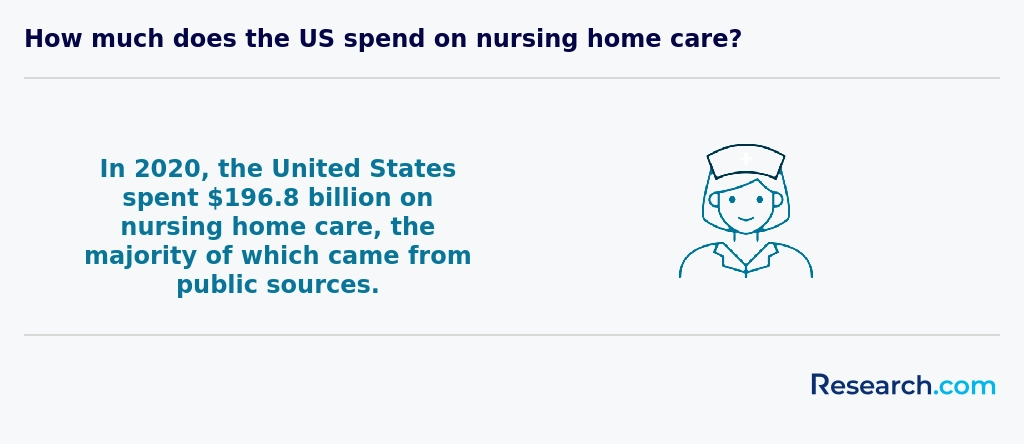
The average cost of an online nursing degree in Pittsburgh currently hovers around $45,795, reflecting a balance between accessible education and quality programs. Many students pursuing nursing degrees at institutions like the University of Pittsburgh find that while tuition can seem significant, the flexibility of online courses paired with hybrid options creates an invaluable learning experience that fits busy lifestyles. Graduates often share how investing in their education this way allowed them to maintain jobs or family responsibilities, making the cost feel worthwhile and manageable over time.
Looking ahead, the financial landscape of nursing education in Pittsburgh could become even more accommodating. Emerging trends such as increased availability of affordable online doctorate nursing programs Pittsburgh PA promise to broaden access without compromising program quality. For example, hybrid programs at Carlow University combine affordable tuition with hands-on clinical opportunities, giving students confidence their expenses align with the value they receive.
Many aspiring nurses are discovering that total costs include more than just tuition. Expenses like technology fees and textbooks add to the investment but often bring the advantage of modern learning tools that enhance readiness for real-world healthcare settings. Prospective students should explore financial aid options early, as scholarships and employer aid play a significant role in easing the financial burden, nurtured by Pittsburgh's commitment to supporting nursing education. For those seeking guidance, checking out affordable nursing programs in pennsylvania is a smart first step toward budgeting and planning their future.
How to Apply
When you’re ready to apply to an online nursing doctorate in Pittsburgh, follow these steps:
- Research accredited programs and compare costs; explore the cheapest online nursing programs for budget-friendly options.
- Verify state authorization and accreditation (CCNE or ACEN) to ensure licensure eligibility.
- Gather official transcripts, an active RN license, letters of recommendation and an updated resume.
- Draft a personal statement that highlights your clinical experience, research interests and leadership goals.
- Complete the online application form, pay any required fees and note all deadlines.
- Submit your FAFSA and any nursing-specific scholarship applications to secure financial aid.
- Prepare for interviews or informational sessions, responding promptly to any school requests.
What financial aid is available to online nursing degree students in Pittsburgh?
Many nursing students pursuing online degrees from Pittsburgh institutions like the University of Pittsburgh or Duquesne University find federal aid a vital financial lifeline. Completing the FAFSA opens the door to Federal Pell Grants, which can provide up to $7,395 annually without repayment, easing stress for those balancing work and study. Graduates often share relief at qualifying for subsidized loans that pause interest while enrolled, reducing long-term debt pressure.
State aid through the Pennsylvania Higher Education Assistance Agency adds another layer of support. The Pennsylvania State Grant has been a game-changer for countless students, offsetting tuition and allowing more focus on learning rather than finances. Nursing graduates recount how scholarships offered by local organizations and hospitals gave them the boost needed to complete their degrees online while working full-time.
Employers in Pittsburgh increasingly recognize the value of investing in their staff's education. Tuition reimbursement and loan forgiveness programs provide a hopeful path for working nurses striving for advancement. Military benefits like the GI Bill also continue to expand opportunities for veterans aiming to join the nursing workforce through flexible online studies.
Most Affordable Nursing Programs
Pursuing an online nursing degree can be a costly endeavor, but there are numerous affordable nursing programs available for aspiring nurses. For those interested in exploring these options, considering factors such as tuition, fees, and financial aid is crucial. Many institutions offer competitive pricing, scholarships, and grants to make education more attainable. You can explore affordable nursing programs in pennsylvania to find programs that fit your budget and career aspirations. By investing in an affordable nursing program, you can set yourself up for success in this rewarding field without accumulating significant debt. This pragmatic approach to nursing education can lead to a fulfilling career, where you can make a meaningful difference in the lives of others while also achieving financial stability.
What are the prerequisites for enrolling in online nursing degree program in Pittsburgh?
Enrolling in an online nursing degree in Pittsburgh typically requires a high school diploma or GED, serving as the essential base. Graduates from programs at local institutions often share how meeting this simple but crucial step made their dreams tangible. For those aiming at RN-to-BSN or MSN pathways, holding an active RN license through the Pennsylvania State Board of Nursing is a firm prerequisite, ensuring you come equipped with real-world nursing experience before advancing.
Many Pittsburgh nursing students recall needing to submit transcripts proving completion of foundational courses like anatomy, physiology, and microbiology-key stepping stones that make complex nursing concepts less daunting. Some programs also ask for a minimum GPA around 2.5 to 3.0, reflecting academic readiness, while standardized entrance exams like the TEAS test your core skills in science and English. Imagine preparing for these tests with peers from local colleges, sharing both anxiety and excitement.
Since clinical training remains vital, online students in Pittsburgh must live close enough to approved healthcare sites for hands-on practice. This blend of flexibility and real-world exposure is one reason many find fulfillment studying close to home while aspiring to grow professionally.
DNP vs Nursing PhD: Choosing the Right Doctorate Path
When exploring online nursing doctorate programs in Pittsburgh, PA, it’s essential to understand how a Doctor of Nursing Practice (DNP) differs from a PhD in Nursing. A DNP is tailored for advanced clinical practice, leadership, and healthcare policy implementation, whereas a PhD emphasizes research methodologies, theoretical development, and academic scholarship. Prospective DNP candidates often seek immersive practice experiences, diagnostic authority, and the ability to influence care delivery across settings. In contrast, PhD students focus on generating new nursing knowledge, publishing peer-reviewed studies, and teaching the next generation of nurses. Program length and curriculum also vary: DNP tracks typically span 2–4 years and include courses in quality improvement, evidence-based practice, and organizational leadership. PhD pathways can extend 4–6 years, with a heavier emphasis on research design, statistics, and dissertation work. Those aiming for roles in hospital administration, advanced clinical practice, or health systems leadership will find a DNP more aligned with their goals. Meanwhile, future nurse scientists, university faculty, or research directors often gravitate toward a PhD. Financial considerations matter as well. While DNP tuition may be higher due to clinical residency components, many graduates quickly recoup costs through leadership salaries and practice-based stipends. For students evaluating program flexibility, some institutions-such as capella university dnp-offer streamlined online formats that balance coursework with clinical practicum. By weighing career aspirations, program structure, and long-term outcomes, you can confidently select the doctorate path that best supports your vision for impacting healthcare in Pittsburgh and beyond.
What courses are typically in online nursing degree programs in Pittsburgh?
Online nursing degree programs in Pittsburgh typically include a blend of foundational and specialized courses designed to meet both local and advancing healthcare needs. Graduates from prominent institutions like the University of Pittsburgh recall starting with essential subjects such as human anatomy and physiology, which built the groundwork for understanding patient care in depth.
Microbiology and pharmacology follow closely, fostering confidence in managing infections and medications-skills vital in Pittsburgh's diverse clinical environments. Many students find courses in health assessment particularly empowering, allowing them to translate theoretical knowledge into practical patient evaluations, whether during virtual simulations or local clinical practicums.
Looking ahead, there is growing emphasis on gerontology and mental health nursing in these programs to address Pennsylvania's aging population and urban health challenges. Graduates from online programs at institutions like Carlow University often praise the integration of nursing theory with evidence-based practice, which prepares them to innovate and lead in evolving healthcare settings.
Leadership and ethics courses frequently inspire students to embrace healthcare advocacy, equipping them to navigate complex moral decisions with empathy and professionalism in Pittsburgh's collaborative care teams.
What types of specializations are available in online nursing degree programs in Pittsburgh?
Online nursing specializations Pittsburgh programs often include areas like Family Nurse Practitioner (FNP), Adult-Gerontology Acute Care Nurse Practitioner, and Psychiatric-Mental Health Nurse Practitioner. Graduates from universities in Pittsburgh frequently share how focusing on these tracks helped them excel within the region's healthcare system, especially at hospitals linked to the University of Pittsburgh Medical Center.
Many students pursuing nursing degree focus areas Pittsburgh PA find that specialization in fields such as Nurse Educator or Healthcare Leadership opens doors to roles beyond direct patient care, aligning well with the city's evolving healthcare demands. This adaptability proves empowering, with graduates recalling how flexible online programs enabled them to balance work and study efficiently.
Looking ahead, emerging trends suggest growing opportunities for nurses trained in mental health and administration, reflecting nationwide shifts. For those considering advanced online options, exploring programs like the capella university dnp can provide practical paths to specialization, blending accessibility with robust curriculum designed for Pittsburgh's healthcare landscape.
How do you choose the best online nursing degree in Pittsburgh?
Choosing the best online nursing degree in Pittsburgh means looking beyond just accreditation and cost. Graduates from popular institutions in the area often share how flexible schedules enabled them to balance family and work while progressing through rigorous coursework. For many, the availability of asynchronous classes at local colleges has been a game-changer, allowing them to study at their own pace without sacrificing hands-on clinical experiences required by the program.
Affordability is a recurring theme among students seeking affordable online nursing degrees Pittsburgh PA offers; they weigh tuition against available financial aid and future job market potential. Nursing students frequently highlight how program specializations, such as Nurse Practitioner tracks, shaped their career paths and aligned with growing healthcare demands in the region.
Looking ahead, those considering advanced roles often explore options like accelerated master's nursing programs for non nurses, which are gaining traction locally. With Pittsburgh's health sector expanding rapidly, graduates feel optimistic, supported by programs emphasizing NCLEX pass rates and robust online resources to enhance learning.
What career paths are available for online nursing degree students in Pittsburgh?
Graduates pursuing an online nursing degree in Pittsburgh find a variety of career paths energized by the city's dynamic healthcare environment. Many begin as registered nurses, gaining hands-on experience in facilities like UPMC and Allegheny Health Network, where they witness the impact of quality care firsthand. These experiences inspire graduates to explore advanced roles such as nurse practitioners or nurse educators, positions that offer both professional growth and greater financial rewards.
Some graduates from popular local institutions reflect on the exciting opportunities in specialized fields like becoming a Certified Registered Nurse Anesthetist or a Clinical Nurse Specialist, where they influence patient care protocols in areas such as cardiology or oncology. Others are drawn to health informatics nursing, blending technology with caregiving to improve patient outcomes. These evolving trends highlight how online nursing career opportunities in Pittsburgh are expanding beyond traditional roles.
For those curious about affordability and program options, many students find valuable guidance through resources like the Most Affordable Online Nursing Degree Programs Ranking in Ohio, which helps map pathways that fit individual goals and budgets.
What is the job market for online nursing degree in Pittsburgh?
The job market for online nursing jobs in Pittsburgh looks promising as local healthcare systems continue to expand. Graduates from well-known universities and colleges in Pittsburgh often share that their online degrees opened doors to staff nurse roles in major hospitals and community clinics. These opportunities allow them to gain hands-on experience quickly while balancing work and study. Many find that specialized roles, such as nurse practitioners or nurse educators, become attainable with further certifications, often supported by the flexible schedules offered by online programs.
Employment outlook for Pittsburgh nursing degree holders suggests steady growth, driven by an aging population and robust healthcare networks like UPMC. Nurses with online degrees report competitive wages near $75,000 annually, with advanced practice nurses expecting even higher earnings. The affordability and convenience of online education-sometimes paired with a fast paced associates degree path-encourage more students to enter this sector, creating a dynamic pipeline of skilled professionals ready to meet future demands.
Frequently Asked Questions About nursing
Online nursing degree students in Pittsburgh can maximize their learning by leveraging local healthcare resources for clinical practice. Pittsburgh hosts several top hospitals, like UPMC, which often partner with nursing programs for hands-on experience. Engaging with these institutions helps bridge theory and real-world nursing skills.
Time management and active participation in virtual discussions are crucial. Studies show that students who regularly engage in online forums and group work report higher satisfaction and better grades. Additionally, using Pittsburgh's public libraries for quiet study spaces can improve focus.
Prospective students should also seek Accredited Commission for Education in Nursing (ACEN) or CCNE-accredited programs, ensuring quality education recognized nationwide. Local nursing workforce data from the Pennsylvania Department of Health can guide students on in-demand specialties in Pittsburgh.
The nursing profession is rapidly evolving, creating new opportunities for specialization. Emerging niches include telehealth nursing, which has grown significantly in response to increased demand for remote care, particularly in urban areas like Pittsburgh. According to the Pennsylvania Center for Telehealth, telehealth services have expanded by over 40% since 2020.
Another expanding field is gerontological nursing, where specialists address the aging population's complex health needs. Pittsburgh's older adult population is expected to rise by 15% by 2030, increasing demand for nurses in this area, according to the Allegheny County Health Department.
Additionally, psychiatric mental health nursing is gaining prominence due to rising awareness of mental health conditions. Nurses trained in this area provide critical support across healthcare settings, reflecting a nationwide trend toward integrated mental health services in nursing education.
After completing an online nursing degree in Pittsburgh, preparing for the job market requires strategic steps. First, ensure you pass the NCLEX-RN exam to obtain licensure required for registered nurses in Pennsylvania. The Pennsylvania State Board of Nursing oversees this process, which is mandatory before employment.
Networking through local healthcare organizations like the Pittsburgh Regional Health Initiative can provide job leads and mentorship opportunities. Pittsburgh's healthcare sector is strong, with over 100 hospitals and medical centers, creating diverse job openings.
Consider gaining specialized certifications in areas such as gerontology or critical care to increase your marketability. According to the U.S. Bureau of Labor Statistics, registered nursing jobs in Pennsylvania are projected to grow by 7% through 2031, reflecting steady demand.
Engaging with local nursing associations can also help in staying informed about job fairs and continuing education events.
Employers in Pittsburgh highly value nursing graduates who demonstrate strong clinical skills combined with effective communication. According to the Pennsylvania Department of Labor & Industry, critical thinking and the ability to adapt to fast-paced healthcare settings are essential. Nurses must also show proficiency in patient care technologies, as hospitals like UPMC invest heavily in digital health systems.
Additionally, cultural competence and teamwork are in demand, reflecting Pittsburgh's diverse patient population and collaborative healthcare environment. Leadership skills are increasingly important, especially for those with advanced degrees aiming at management roles. Overall, employers seek graduates who blend technical expertise with empathy and problem-solving abilities.
Finding nursing internships in Pittsburgh involves several strategic steps, especially for students pursuing online degrees. Start by exploring local hospitals and healthcare centers, such as UPMC and Allegheny Health Network, which often offer clinical placements for nursing students. These organizations collaborate with universities to provide internships that fulfill clinical hour requirements.
Contact your online nursing program's career services or internship office, as many schools maintain partnerships with Pittsburgh-based health providers. The Pennsylvania Department of Health and the Pittsburgh Regional Health Initiative also list internship opportunities and related resources on their websites.
Networking with local nursing associations like the Pennsylvania State Nurses Association (PSNA) can help identify openings. In 2023, Pittsburgh reported a nursing shortage rate near 15%, increasing demand for interns and entry-level nurses, which may improve internship availability.
Obtaining an online nursing degree can significantly enhance career mobility for nurses in Pittsburgh. The city's healthcare sector is robust, with a growing demand for advanced nursing roles such as nurse practitioners and clinical nurse specialists. According to the Pennsylvania Department of Labor & Industry, nursing occupations in the Pittsburgh metropolitan area are expected to grow faster than the national average through 2030.
Online nursing degrees provide flexibility, allowing working nurses to pursue higher education without disrupting their careers. This flexibility supports continued employment while gaining qualifications needed for leadership or specialized clinical roles.
In Pittsburgh, hospitals and healthcare providers increasingly value advanced nursing credentials for promotions and salary increases. Graduates often find broader opportunities in various settings, including hospitals, outpatient clinics, and community health organizations. Furthermore, earning an online doctorate can position nurses for roles in education and research within Pittsburgh's academic medical centers.
Studying for a nursing degree online in Pittsburgh equips students to excel in interdisciplinary healthcare teams. Programs emphasize collaboration with physicians, social workers, and therapists, reflecting the integrated care model prevalent in Pittsburgh's medical centers, like UPMC. According to the Pennsylvania Department of Education, curricula include courses in healthcare administration, ethics, and communication, preparing nurses for leadership roles.
Many Pittsburgh nursing programs also offer practical experiences in hospitals where teamwork is essential. This hands-on training fosters skills in coordination and patient advocacy across disciplines. Research from the University of Pittsburgh highlights that 85% of nurses in the region engage regularly in interdisciplinary decision-making, underscoring these programs' effectiveness.
Choosing between a thesis and a non-thesis nursing degree program in Pittsburgh depends largely on your career goals and learning preferences. A thesis option typically suits students interested in research or academic roles, as it requires conducting original research and writing a formal paper. This path can enhance skills valuable for pursuing a PhD or teaching positions.
Conversely, non-thesis programs emphasize practical skills and clinical knowledge, often including additional coursework or internships. This route appeals to nurses aiming for leadership or advanced clinical roles without a strong focus on research.
Pittsburgh's healthcare industry supports both approaches, with many hospitals valuing research experience but also prioritizing clinical expertise. According to the Pennsylvania Higher Education Assistance Agency, the City of Pittsburgh had an 8% increase in healthcare job opportunities from 2020 to 2023, underscoring demand for diverse advanced nursing roles.
Students based in Pittsburgh interested in studying nursing abroad through online programs have limited direct options, as most U.S.-accredited nursing degrees are offered domestically. However, some universities offer international partnerships allowing students to complete portions of their studies abroad while finishing the degree online. Pittsburgh students may explore programs accredited by the Commission on Collegiate Nursing Education (CCNE) that offer global clinical experiences or virtual international collaboration.
Pittsburgh's proximity to several major metropolitan hubs with international institutions also provides access to global nursing education networks. Additionally, students can pursue nurse exchange programs or post-graduate certifications that involve study abroad components. Always verify program accreditation and Pennsylvania Board of Nursing licensure requirements to ensure U.S. credential recognition.
In Pittsburgh, part-time job opportunities that complement nursing degree education often include roles such as certified nursing assistant (CNA), patient care technician, and medical scribe. These positions provide practical experience in clinical settings while accommodating students' schedules.
CNAs and patient care technicians assist nursing staff with basic patient needs, helping students build essential bedside skills. Medical scribes support healthcare providers by documenting patient encounters, enhancing students' understanding of medical terminology and workflows.
According to the Pennsylvania Department of Labor, healthcare-related positions in Pittsburgh are projected to grow by over 15% through 2030, reflecting strong demand and opportunity for nursing students to work part-time locally.
Many hospitals in Pittsburgh, including UPMC and Allegheny Health Network, offer flexible part-time roles designed to support nursing students' education and work-life balance.
Online nursing students in Pittsburgh benefit from several local networking opportunities despite remote learning. Many universities, such as the University of Pittsburgh and Duquesne University, offer virtual events, workshops, and student organizations tailored for nursing professionals.
The Pittsburgh Regional Health Care Association hosts conferences that attract nursing leaders from across the region, providing valuable connections and career insights.
Additionally, Pittsburgh's robust healthcare industry, including major hospitals like UPMC, often facilitates internships and mentorships accessible to online students. These experiences encourage networking with seasoned professionals.
Statewide groups like the Pennsylvania State Nurses Association provide online forums and events, enhancing community engagement for Pittsburgh-based nursing students.
Alumni networks provide significant benefits for online nursing degree students in Pittsburgh. These networks connect graduates with local healthcare professionals, which is critical in a city with a robust health sector employing over 100,000 nurses, according to the Pennsylvania Department of Labor.
Through alumni groups, students gain access to mentoring opportunities, job leads, and continuing education support tailored to the Pittsburgh nursing community. This connection promotes professional growth and can improve job placement rates, especially in competitive hospital systems like UPMC.
Networking also enhances collaboration and knowledge sharing, which supports ongoing learning in fast-evolving nursing fields.
Customizing an online nursing degree program in Pittsburgh allows students to align their education with specific career ambitions. Many accredited schools provide flexible curricula with elective courses focused on specialties like gerontology, pediatrics, or nurse leadership. This flexibility supports Pittsburgh's diverse healthcare workforce needs, as reported by the Pennsylvania Department of Health.
Students can also select programs offering clinical experiences in local hospitals, including the University of Pittsburgh Medical Center network, enhancing practical skills tailored to regional healthcare demands. Online formats often enable part-time study, helping professionals balance work while advancing their education.
Additionally, Pittsburgh nursing programs frequently integrate certification preparation for roles such as Nurse Practitioner or Clinical Nurse Specialist, meeting growing market needs highlighted by recent Bureau of Labor Statistics data.
Online nursing students in Pittsburgh often face unique challenges related to balancing rigorous coursework with personal and professional responsibilities. Many learners are working nurses managing shifts while attending virtual classes. This can lead to time management difficulties, as clinical hours and assignments require significant commitment.
Access to reliable internet can also be a barrier in some Pittsburgh neighborhoods, impacting students' ability to participate in live sessions and submit coursework on time. According to local reports, about 10% of households in certain areas of Pittsburgh lack high-speed internet.
Another challenge involves securing clinical placements. While some students benefit from Pittsburgh's extensive healthcare network, others must compete for limited spots at local hospitals, which is crucial for degree completion and practical experience.
With an online nursing degree, graduates in Pittsburgh can pursue several professional certifications to advance their careers. Common certifications include the Certified Nurse Practitioner (CNP), Certified Nurse Educator (CNE), and Certified Registered Nurse Anesthetist (CRNA).
Additionally, registered nurses often seek the Medical-Surgical Nursing Certification (CMSRN) or the Critical Care Registered Nurse (CCRN) credential.
The Pennsylvania State Nurses Association notes that certification improves job prospects and salary potential, with certified nurses earning up to 15% more on average.
Certification typically requires passing an exam and meeting clinical experience standards, which vary by specialization.
Applying to an online nursing program in Pittsburgh requires careful preparation. First, ensure you meet the minimum eligibility, such as holding a valid RN license recognized in Pennsylvania. Many programs look for at least one to two years of clinical experience, which strengthens your application.
Highlight your professional achievements and leadership roles in your personal statement. Pittsburgh healthcare employers value community engagement, so mention volunteer work or relevant healthcare projects.
Submit all official transcripts from accredited institutions and ensure your GPA meets program thresholds, often around 3.0 or higher. Demonstrating familiarity with local healthcare challenges can impress admission committees.
Finally, request strong letters of recommendation from nursing supervisors or faculty who can attest to your skills and dedication.
The nursing profession holds a vital role worldwide, and perspectives on it reflect the growing demand for healthcare workers. In the United States, including Pittsburgh, nursing is recognized as a stable and expanding career path with excellent earning potential. According to the U.S. Bureau of Labor Statistics, employment for registered nurses is projected to grow 9% from 2020 to 2030, faster than average for all occupations.
Globally, nurses are essential to health systems, often leading patient care and public health initiatives. Countries like the U.S. emphasize advanced degrees, such as nurse practitioner and doctorate programs, to meet complex healthcare needs. Pittsburgh, a city with renowned medical centers like UPMC, offers many online nursing degrees to support workforce growth. These programs are designed to provide flexibility while maintaining rigorous curriculum standards.
Moreover, global health challenges, such as pandemics and aging populations, increase the need for skilled nurses trained in leadership and research. This trend encourages prospective students in Pittsburgh to consider higher education in nursing, which can lead to diverse and impactful career opportunities worldwide.
Gaining practical experience while pursuing an online nursing degree in Pittsburgh is essential to meet licensure requirements and build clinical skills. Students typically complete clinical hours at local healthcare facilities approved by their nursing programs. Pittsburgh offers a range of hospitals and clinics, including UPMC and Allegheny Health Network, that partner with online programs for clinical placements.
Students should coordinate with their school's clinical coordinator to find suitable sites near Pittsburgh. Some programs also provide virtual simulation labs to complement hands-on experiences.
According to the Pennsylvania State Board of Nursing, most nursing programs require between 500 and 700 clinical hours for licensure eligibility.
Choosing the right concentration within an online nursing degree program in Pittsburgh involves considering your career goals and local healthcare needs. Pittsburgh's healthcare sector is strong, with major employers like UPMC offering diverse nursing opportunities. Popular concentrations include family nurse practitioner, nurse educator, and psychiatric mental health nursing, reflecting current workforce demands.
Evaluate program offerings for alignment with Pennsylvania's licensure requirements, ensuring the curriculum supports state board certification. The Pennsylvania Department of Health reported a steady nursing demand growth of 10% through 2030, emphasizing specialties like gerontology and acute care.
Research program flexibility, faculty expertise, and clinical placement options near Pittsburgh to maximize practical experience.
Related Nursing Rankings for Nearby Cities
- 2027 Best Online Nursing Degree Programs Ranking in Morgantown, WV
- 2027 Best Online Nursing Degree Programs Ranking in Flint, MI
- 2027 Best Online Nursing Degree Programs Ranking in South Orange, NJ
- 2027 Best Nursing Degree Programs Ranking in Cleveland
- 2027 Best Nursing Degree Programs Ranking in Harrisonburg
- 2027 Best Nursing Degree Programs Ranking in Washington
- 2027 Best Nursing Degree Programs Ranking in Baltimore
- 2027 Best Nursing Degree Programs Ranking in Detroit
- 2027 Best Nursing Degree Programs Ranking in Lynchburg
- 2027 Best Nursing Degree Programs Ranking in Rochester
Top Trending Nursing Rankings
See What Experts Have To Say About Studying Nursing
Read our interview with Nursing experts


References
- Top Nursing Skills U.S. Employers Want to See on Your Resume | O'Grady Peyton https://www.ogradypeyton.com/blog/job-seeker-resources/top-nursing-skills-u.s.-employers-want-to-see-on-your-resume
- Nursing Study Abroad Programs | Go Overseas https://www.gooverseas.com/study-abroad/nursing
- How to Choose the Right Nursing Program for Your Career Goals - Maria College https://mariacollege.edu/blog/how-to-choose-the-right-nursing-program-for-your-career-goals
- The Importance of Clinical Experience for Nursing Students https://bealuniversity.ca/clinical-experience-for-nursing-students/
- Client Challenge https://www.springerpflege.de/nursing-graduates-perceived-future-career-pathway-and-career-shi/50653658
- UPMC Schools of Nursing - Education and Training | UPMC https://www.upmc.com/healthcare-professionals/education/schools-of-nursing
- Online versus Face-to-Face Nursing Degrees: A Study of Recruiters’ Perceptions - OJDLA https://ojdla.com/articles/online-versus-face-to-face-nursing-degrees-a-study-of-recruiters-perceptions
- 7 Things to Consider When Getting a Nursing Degree Online https://onlinedegrees.elmhurst.edu/blog/seven-things-consider-when-picking-online-nursing-program
- Top Skills Employers Want in Practical Nursing Graduates https://vervecollege.edu/what-employers-look-for-in-practical-nursing-graduates/
- Can I Get a Nursing Degree Online? | University of Phoenix https://www.phoenix.edu/articles/nursing/can-i-get-a-nursing-degree-online.html