2027 Best Nursing Degree Programs Ranking in Staten Island

Co-Founder and Chief Data Scientist
Choosing the right nursing degree program is an important step toward a rewarding career in healthcare. This article presents the 2027 Best Nursing Degree Programs Ranking in Staten Island, carefully crafted by the Research.com team of data scientists.
Our goal is to help you make a confident and informed decision about which programs truly stand out. Whether you're starting fresh or advancing your career, this guide highlights options that match your aspirations.
Discover opportunities that can open doors to meaningful work and personal growth in nursing.
Key benefits of getting nursing degree in Staten Island
- Nursing degree graduates in Staten Island can expect strong earning potential, with Registered Nurses and Public Health Nurses earning a mean annual wage of $94,480 and Operating Room Nurses earning significantly more at $128,490.
- Graduates from local colleges, like the College of Staten Island, have access to diverse career paths including Emergency Room Nurse, Clinical Nurse Educator, and Public Health Nurse, ensuring a variety of rewarding opportunities.
- Obtaining a nursing degree online offers flexibility for busy students, as shown by graduates from online programs, allowing them to balance studies and personal commitments while still gaining valuable qualifications.
- Key benefits of getting nursing degree in Staten Island
- What can I expect from nursing degree in Staten Island?
- Where can I work with nursing degree in Staten Island?
- How much can I make with nursing degree in Staten Island?
- 2027 Best Nursing Degree Programs Ranking in Staten Island
- Key Findings
- How long does it take to complete nursing degree in Staten Island?
- How to Apply: Application Process and Key Deadlines
- What's the difference between online and on-campus nursing degree?
- Accreditation and Licensure Success
- What is the average cost of nursing degree in Staten Island?
- Licensing and Certification Requirements in New York State
- What financial aid is available to nursing degree students in Staten Island?
- Affordability and Financial Considerations for Nursing Students in Staten Island
- What are the prerequisites for enrolling in nursing degree program in Staten Island?
- NCLEX-RN Exam Pass Rates for Staten Island Nursing Programs
- What courses are typically in nursing degree programs in Staten Island?
- What types of specializations are available in nursing degree programs in Staten Island?
- How do you choose the best nursing degree in Staten Island?
- What career paths are available for nursing degree students in Staten Island?
- What is the job market for nursing degree in Staten Island?
- Top Trending Nursing Rankings
- See What Experts Have To Say About Studying Nursing
What can I expect from nursing degree in Staten Island?
The average cost of pursuing a nursing degree in Staten Island varies but generally falls within a practical range for many local students. Graduates from the College of Staten Island often reflect that tuition, combined with fees and necessary materials, can amount to around $8,000 to $12,000 per year for in-state students. This affordability allows many to focus on mastering their studies without overwhelming financial pressure.
One common sentiment shared is that this investment feels worthwhile considering the quality of education and clinical experiences offered. For example, students frequently mention how clinical placements in nearby hospitals provide invaluable hands-on learning, offsetting costs with real-world preparation. Paying for books, uniforms, and exam fees is another consideration, but many find scholarships and financial aid available through local institutions to be helpful.
Overall, those who graduated from Staten Island's nursing programs often describe their educational journey as both challenging and rewarding, reinforced by the manageable expenses and strong community support typical of the area.
Where can I work with nursing degree in Staten Island?
Nursing graduates from institutions like the College of Staten Island often find themselves welcomed in diverse, rewarding settings right here on Staten Island. Many step confidently into roles at Staten Island University Hospital, where the fast-paced environment of emergency rooms or specialized units like maternity wards provides a sense of purpose and constant learning. Graduates share how their clinical training gave them the confidence to handle real-life medical challenges, making each shift feel impactful and fulfilling.
Others discover meaningful careers in long-term care facilities, such as the Staten Island Nursing Home, where the close relationships they build with elderly patients bring a deep sense of satisfaction. The opportunity to practice not just medicine but compassion resonates strongly with those drawn to community care.
Public health roles with local agencies also attract graduates eager to combine clinical expertise with outreach, especially in vaccination programs and health education across Staten Island's neighborhoods. Many reflect on how rewarding it is to see tangible improvements in community health as a result of their efforts.
For those pursuing advanced degrees, teaching at local colleges offers a chance to shape future nurses, blending hands-on experience with mentorship. This path often evokes pride, knowing they contribute directly to nursing's future on Staten Island.
How much can I make with nursing degree in Staten Island?
Graduates with nursing degrees from Staten Island schools often find rewarding financial opportunities soon after completing their studies. For example, many Registered Nurses (RNs) can expect mean annual wages around $94,480 according to recent data, which aligns well with the salaries that local hospital employers offer. This reflects both the quality of education from institutions like the College of Staten Island and the strong healthcare demand in the area.
Those pursuing specialized roles, such as Operating Room Nurses, stand to earn even more, with mean annual salaries reaching approximately $128,490. Alumni in these positions often share experiences of hands-on training combined with clinical rotations at Staten Island University Hospital, which bolsters their confidence and marketability.
Other career paths such as Clinical Nurse Educators or Public Health Nurses earn close to $94,480 annually too, highlighting varied yet stable salary prospects for graduates. The blend of academic preparation in Staten Island's nursing programs and local healthcare industry needs supports these competitive earnings and promising career growth.
2027 Best Nursing Degree Programs Ranking in Staten Island
How do we rank schools?
Investing in your education is a significant decision that can shape your future, and the Research.com team understands the importance of making informed choices. To assist prospective nursing students in Staten Island, we have meticulously crafted the "2027 Best Nursing Degree Programs Ranking in Staten Island." Our commitment to quality, credibility, and accuracy is reflected in the extensive research and analysis conducted to compile this ranking.
We utilized the following reputable data sources to ensure a comprehensive evaluation of nursing programs:
By exploring this ranking, readers will gain valuable insights into the top nursing degree programs in Staten Island, empowering them to make well-informed decisions about their educational and career paths. For more details on our methodology, please visit our Research.com methodology page.
# 1 position
Wagner College
Bachelor of Science in Nursing

# 2 position
Wagner College
Bachelor of Science in Nursing
# 3 position
College of Staten Island CUNY
Master of Science in Nursing

# 4 position
College of Staten Island CUNY
Bachelor of Science in Nursing
Key Findings
- Nursing programs in Staten Island cost between $8,000 and $25,000, depending on the school and degree level.
- The employment growth rate for healthcare professions in Staten Island is projected to be above the national average through 2030.
- Starting salaries for new nurses average around $65,000 per year, with experienced nurses earning over $85,000 annually.
- Accredited nursing programs in Staten Island are approved by the New York State Education Department and the Accreditation Commission for Education in Nursing.
- Clinical training is provided through partnerships with local hospitals like Staten Island University Hospital and Richmond University Medical Center.
- Bridge programs such as RN-to-BSN and accelerated bachelor's degrees offer career advancement opportunities for nurses with associate degrees.
How long does it take to complete nursing degree in Staten Island?
Completing a nursing degree in Staten Island can vary widely, but most graduates describe it as a journey that deeply shapes both their skills and confidence. Those who pursued an Associate Degree in Nursing (ADN) at places like the College of Staten Island often took around two to three years of full-time study. They mention how this timeframe allowed them to quickly step into entry-level nursing roles, gaining hands-on experience while feeling supported by smaller class sizes and community-focused programs.
On the other hand, graduates from the Bachelor of Science in Nursing (BSN) programs, also at the College of Staten Island, recall a rich four-year experience. They appreciated the broader education, blending clinical practice with leadership and research, which opened doors to advanced opportunities. Some who already held degrees elsewhere found accelerated BSN programs challenging yet rewarding, completing their studies in just 12 to 18 months, often balancing intense schedules with a strong sense of purpose.
These timelines reflect more than just milestones; they mark transformative periods where students in Staten Island evolve personally and professionally, readying themselves for a meaningful nursing career.
How to Apply: Application Process and Key Deadlines
Prospective students should familiarize themselves with the step-by-step application process and critical deadlines to secure a spot in a nursing program in Staten Island, NY: 1. Gather Required Documents - Official high school or college transcripts demonstrating completion of prerequisite coursework (biology, chemistry, and math). - TEAS (Test of Essential Academic Skills) scores, typically required by most institutions. - Letters of recommendation (academic instructors or healthcare professionals are preferred). 2. Complete the Online Application - Create an account on each college’s admissions portal. - Fill in personal information, educational history, and program of interest. - Upload or mail official transcripts and test scores before the specified cutoff date. 3. Submit a Personal Statement - Describe your motivation for pursuing nursing and any hands-on healthcare experience. - Highlight any unique qualities or community service that underscores your commitment to patient care. 4. Monitor Deadlines and Notifications - Early decision deadlines typically fall in November; regular decision deadlines range from January to March. - Rolling admission programs may accept applications until seats are filled-check each school’s calendar. - Expect notification of acceptance 4–8 weeks after the deadline; admitted students should confirm enrollment promptly to secure clinical placement spots. 5. Explore Cost-Saving Options - Compare program tuition and fees, and consider bridge programs or accelerated tracks. - For advanced study, investigate the most affordable online msn program to maximize value while earning your Master of Science in Nursing. By following these guidelines and tracking important dates closely, applicants can optimize their chances of acceptance and make informed decisions about their nursing education in Staten Island.
What's the difference between online and on-campus nursing degree?
Choosing between online and on-campus nursing degrees in Staten Island often comes down to balancing flexibility with hands-on experience. Graduates from local institutions like the College of Staten Island frequently recall how on-campus programs offered them immediate access to simulation labs and direct mentorship from faculty, which made the learning deeply engaging and personal. They valued those face-to-face moments with peers, which helped ease the stress of mastering clinical skills.
Conversely, students opting for online nursing degrees appreciated the freedom to manage studies alongside jobs or family responsibilities. Many found the ability to review lectures anytime empowering, though they emphasized the need for self-discipline to keep pace. Still, practical clinical hours remained non-negotiable, often completed through partnerships between online programs and Staten Island healthcare facilities.
The tuition costs can be similar, but online students saved on commuting and campus fees. Ultimately, considering your lifestyle and how you connect best-whether through in-person interaction or flexible digital learning-can illuminate the path best suited for your nursing journey.
Accreditation and Licensure Success
Accreditation ensures your nursing degree meets rigorous standards and qualifies you for licensure in New York.
- Commission on Collegiate Nursing Education (CCNE) or Accreditation Commission for Education in Nursing (ACEN) accreditation guarantees curriculum quality.
- Approval by the New York State Education Department (NYSED) and the Board of Nursing is required to sit for the NCLEX-RN exam.
- Programs with NCLEX-RN pass rates above the state average (85–95%) signal strong preparation and employer recognition.
- Accredited credits transfer smoothly to advanced studies or specialized training.
Graduates often report that completing an accredited program and reviewing best practices for licensure prep boosts their confidence on exam day. For nurses eyeing graduate roles, explore online nurse practitioner programs texas.
What is the average cost of nursing degree in Staten Island?
The average cost to earn a nursing degree in Staten Island typically centers around $30,345 for in-state students, reflecting the median in-state total cost of attendance. Graduates from local institutions like the College of Staten Island often share how balancing tuition with living expenses required careful planning. They emphasize that while the financial commitment is significant, the value of hands-on clinical experience and education in a respected public university setting makes it worthwhile. Many find comfort knowing costs for public institutions remain more manageable compared to private schools.
Out-of-state students face a higher median total cost of approximately $54,976, which can feel daunting but is often offset by scholarships, financial aid, and part-time work opportunities. Those pursuing nursing degrees in Staten Island have found that exploring these financial supports early in their journey eased stress, permitting them to focus more on their studies than on expenses. The cost varies widely depending on whether students enroll in associate degree programs or Bachelor of Science in Nursing (BSN) programs, with some public community colleges offering more affordable options.
Understanding the average nursing degree cost Staten Island students face is crucial for making informed decisions. It's also important to examine various resources for funding education. For those researching options, consulting lists of the cheapest nursing schools in New York can reveal accessible pathways. Many nursing graduates reflect positively on their investment, knowing it opened doors to rewarding careers focused on helping communities close to home.
Licensing and Certification Requirements in New York State
Prospective nursing students and graduates must satisfy specific licensure and certification criteria as mandated by the New York State Education Department (NYSED). To qualify for the NCLEX-RN exam, applicants must:
- Complete an accredited nursing program approved by NYSED’s Office of the Professions.
- Submit official transcripts, undergo a criminal background check and fingerprinting.
- Apply online via the NYSED portal and pay the required application fees. Upon passing the NCLEX-RN, new Registered Nurses receive their New York license, valid for three years. To renew, RNs must complete 36 contact hours of continuing education, including one hour each in infection control and child abuse identification and reporting, ensuring ongoing competency and compliance with state regulations. Advanced Practice Registered Nurses (APRNs) in New York-including Nurse Practitioners, Clinical Nurse Specialists, Nurse Anesthetists, and Nurse Midwives-must hold a valid RN license, a master’s or doctoral degree, and national certification in their specialty. For those targeting the Family Nurse Practitioner (FNP) role, requirements include 1,000 supervised clinical hours and successful passage of a national certifying exam. Many RNs fast-track this pathway through targeted 1 year online fnp programs that align with NYSED standards and national certification prerequisites. Maintaining APRN certification involves periodic educational updates: Nurse Practitioners need at least 36 continuing education hours every three years, including pharmacology credits. Staying current with NYSED regulations and national board updates not only ensures uninterrupted practice but also promotes high-quality, evidence-based patient care across Staten Island and beyond.
What financial aid is available to nursing degree students in Staten Island?
Financial aid for nursing students in Staten Island opens many doors, making the pursuit of a nursing degree more achievable. Graduates from the College of Staten Island often reflect on how federal Pell Grants, which can cover up to $7,395 annually, removed significant financial burden early in their studies. These grants, based entirely on need, do not require repayment, providing peace of mind amidst the demands of nursing coursework.
Many also rely on federal student loans like Direct Subsidized Loans, which ease cash flow while studying, and some find comfort knowing that programs such as Public Service Loan Forgiveness can lighten loan burdens if they serve as nurses in eligible public sector jobs.
State aid, including the New York State Nursing Incentive Scholarship, offers targeted support-up to $3,000 yearly-to those committed to working locally after graduation, which resonates with those wanting to give back to their Staten Island community. Local hospitals often reward dedication by sponsoring scholarships or tuition reimbursement, nurturing a strong bond between students and future employers.
Merit scholarships and work-study programs through Staten Island colleges also provide hands-on financial relief, helping students juggle education and living expenses. This blend of aid programs cements nursing as a viable path for many in Staten Island, fueling aspirations with practical support.
Affordability and Financial Considerations for Nursing Students in Staten Island
When considering nursing programs in Staten Island, NY, one of the crucial factors for prospective students is affordability. Understanding the financial implications of pursuing a nursing degree is essential for making informed decisions. For those seeking to minimize their educational expenses, exploring the cheapest nursing schools in New York can be a strategic move. By evaluating the cost of tuition, additional fees, and available financial aid, students can better navigate their educational journey without undue financial stress. This thoughtful approach to financial planning can significantly impact a student's ability to complete their degree and embark on a successful nursing career.
What are the prerequisites for enrolling in nursing degree program in Staten Island?
Nursing students aiming to enroll in programs at Staten Island's community colleges or CUNY branches often find that meeting the prerequisites builds a strong foundation for success. Graduates frequently reflect on how completing core science courses like biology and chemistry helped them grasp vital concepts early on, making clinical studies far less daunting.
Official transcripts confirming these courses with grades of C or higher are essential, as admissions teams rely on them to gauge preparedness. Some students recall the challenge but ultimate value of placement tests in math and English, which clarified exactly where they needed focus before starting rigorous coursework.
Beyond academics, practical requirements such as CPR certification, background checks, and immunization records become gatekeepers to clinical experiences at local healthcare facilities. Many students appreciate how these steps not only comply with rules but also instill confidence and readiness for patient care.
Finally, standardized entrance exams like the TEAS test sharpen critical skills, with many alumni attributing their admission success to thorough preparation. These prerequisites feel demanding at first, yet they reliably set students on a path toward fulfilling careers in nursing within Staten Island's supportive educational community.

NCLEX-RN Exam Pass Rates for Staten Island Nursing Programs
One of the most critical indicators of a nursing program’s quality is its NCLEX-RN pass rate, which reflects how well graduates are prepared for licensure. In 2023, the College of Staten Island reported an 88% first-time NCLEX-RN pass rate, closely followed by Wagner College at 91% and St. John’s University on Staten Island at 89%. These figures compare favorably to the national average of 85%, demonstrating that local programs equip students with the knowledge and clinical skills required to succeed on the licensing exam. High NCLEX-RN pass rates are often linked to rigorous curricula, robust simulation labs, and strong faculty support. Prospective students should examine each school’s published pass rates when comparing programs. Additionally, understanding the relationship between program cost and exam performance can guide budget-conscious learners-if affordability is a priority, you can also explore our Inexpensive Online Nursing Degree Programs Ranking in Ohio to see how cost-effective programs elsewhere balance tuition savings with licensure outcomes. When evaluating NCLEX-RN outcomes, consider trends over multiple years rather than a single data point. Consistently high pass rates signal sustained academic excellence and effective student support services-key factors that contribute to a smoother transition from nursing school to professional practice.
What courses are typically in nursing degree programs in Staten Island?
Nursing degree programs in Staten Island weave together a mix of science and hands-on patient care that truly equips students for the realities of the healthcare field. Graduates often reflect on the foundational courses like anatomy, physiology, microbiology, and chemistry as eye-opening, forming the backbone of their understanding of the human body. At colleges such as those partnering with Staten Island University Hospital, students bring these lessons to life through clinical practice, which is crucial for building confidence in real situations.
Courses like Pharmacology and Medical-Surgical Nursing prepare students for everyday challenges by teaching medication management and care for adults facing both acute and chronic conditions. Many students express a sense of fulfillment when applying lessons from Pediatric Nursing and Mental Health Nursing to support vulnerable populations in local clinics.
- Fundamentals of Nursing: Introduction to nursing concepts, patient care, and basic clinical skills.
- Pharmacology: Study of medications and their effects on the human body.
- Medical-Surgical Nursing: Focus on care for adult patients with various acute and chronic illnesses.
- Pediatric Nursing: Specialized courses on caring for infants and children.
- Mental Health Nursing: Understanding psychiatric conditions and providing psychological support.
- Community Health Nursing: Emphasis on public health, preventive care, and health education.
- Pathophysiology: Examination of disease processes and their impact on the body.
- Nursing Ethics and Law: Courses covering professional standards, patient rights, and healthcare regulations.
The emphasis on clinical application through partnerships with local hospitals, such as Richmond University Medical Center, turns theory into empathy and skill. Graduates often mention the rewarding challenge of integrating Nursing Ethics and Law lessons with real patient care, shaping professionals who are compassionate, competent, and ready to serve diverse Staten Island communities.
What types of specializations are available in nursing degree programs in Staten Island?
Students pursuing a nursing degree in Staten Island often find a rich array of specializations tailored to the community's diverse healthcare needs. Popular pathways include Registered Nursing (RN) with focus areas like pediatric, geriatric, and medical-surgical nursing-each preparing graduates for real-life challenges in local hospitals and clinics. Reflecting on stories from graduates who studied at prominent Staten Island colleges, the emphasis on hands-on experience in these fields often sparks a deep sense of fulfillment, especially when caring for different patient age groups.
Advanced practice roles such as Family Nurse Practitioner and Psychiatric-Mental Health Nurse Practitioner are increasingly embraced by students aiming to broaden their impact. Many Staten Island nursing programs with specialization options offer these tracks, which enable nurses to provide holistic care from managing chronic conditions to mental health support. Students frequently express pride in filling critical healthcare gaps within their neighborhoods.
Other specializations like Neonatal or Emergency Nursing bring dynamic, fast-paced experiences to the forefront, enriching students' clinical skills. For those balancing cost and aspirations, exploring the most affordable online msn program pathway provides an accessible route to advanced specialization.
How do you choose the best nursing degree in Staten Island?
Choosing the best nursing degree in Staten Island hinges on more than just tuition costs or program length; it's about aligning your personal goals with the unique offerings of local schools. Graduates from popular colleges often stress how accreditation by bodies like ACEN or CCNE ensured their education met rigorous standards, setting a solid foundation for passing the NCLEX-RN. Many found that programs connected to Staten Island University Hospital provided invaluable hands-on experiences, turning theoretical knowledge into confident, day-to-day nursing practice.
Affordability plays a crucial role too. When I spoke with recent alumni, those attending affordable nursing schools in Staten Island noted that despite reasonable tuition, the comprehensive curriculum and clinical training prepared them thoroughly for diverse healthcare roles. Flexibility was another highlight; some appreciated part-time or online options that balanced work and family life, while others benefited from hybrid formats offering both virtual classes and essential in-person practice.
For those eager to advance quickly, exploring 1 year online fnp programs is a smart choice. Reflecting on these experiences can guide you toward a nursing degree that truly fits your lifestyle and ambition in Staten Island.
What career paths are available for nursing degree students in Staten Island?
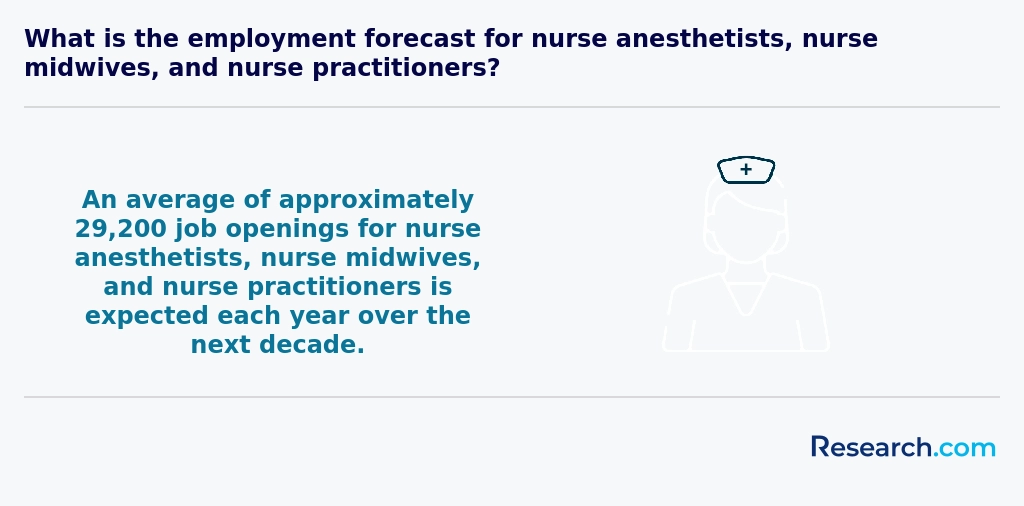
Nursing degree holders in Staten Island find diverse career paths open to them, shaped by the borough's healthcare environment and population needs. Many graduates from local colleges enter roles as Registered Nurses (RN), delivering essential patient care in hospitals like Staten Island University Hospital. These positions offer rewarding, hands-on experiences, often accompanied by competitive salaries reflecting NYC's healthcare demand. Others pursue Licensed Practical Nurse (LPN) roles, which serve as valuable stepping stones with a shorter educational path, perfect for those eager to begin working promptly.
Graduates often share how specialized nursing fields-such as pediatrics or geriatrics-offer both challenge and fulfillment, especially given Staten Island's aging demographic and diverse communities. These specializations require extra certification or education but lead to deeply impactful careers. Nursing career opportunities in Staten Island extend further into healthcare administration and public health, where advanced degrees from local programs facilitate career advancement.
For students evaluating their options, exploring resources like the Inexpensive Online Nursing Degree Programs Ranking in Ohio can provide guidance on affordable pathways to broaden their qualifications and enhance job prospects.
What is the job market for nursing degree in Staten Island?
The nursing job opportunities in Staten Island offer a promising landscape for graduates from local institutions such as Staten Island University Hospital's affiliated nursing programs and Richmond University Medical Center. Many nursing graduates share how the strong presence of hospitals and community health centers has helped them transition smoothly into roles that match their skills and ambitions. These experiences reflect a robust employment outlook, supported by salaries higher than the national median, creating both financial stability and meaningful career growth.
Those pursuing a nursing degree in Staten Island will benefit from a community that values healthcare professionals, especially as the sector grows to include telehealth and outpatient services. The Staten Island nursing degree employment outlook is optimistic, with employers actively recruiting new nurses and encouraging licensure through NCLEX-RN, which graduates find straightforward with local educational support. For anyone weighing educational paths, considering the best college degree in nursing here aligns well with practical and economic realities.
Frequently Asked Questions About nursing
Nursing degree students in Staten Island can maximize their learning experience by engaging deeply with both theoretical and clinical components of their education. Staten Island offers several accredited nursing programs, such as those affiliated with the College of Staten Island (CSI), which provide access to clinical placements in local hospitals and community health centers.
Participating actively in clinical rotations is vital as it offers hands-on experience with diverse patient populations. According to the New York State Education Department, clinical practice improves critical thinking and procedural skills, essential for nursing licensure exams.
Students should also take advantage of study groups and simulation labs available at Staten Island campuses, which help reinforce classroom learning. Networking with faculty and healthcare professionals can open opportunities for internships and job placements in Staten Island's growing healthcare system.
The nursing field is evolving rapidly, with several emerging niches gaining importance in Staten Island and across the U.S. One notable area is geriatric nursing, driven by an aging population requiring specialized care. According to the New York State Department of Labor, demand for geriatric nurses is expected to grow significantly through 2030.
Another growing niche is telehealth nursing, which expanded during the COVID-19 pandemic and continues to offer remote patient monitoring and care coordination. Skilled nurses are needed to operate digital platforms and assist patients virtually.
Additionally, nurse informaticists integrate nursing science with information technology to improve healthcare outcomes. This specialty is vital as healthcare systems increasingly rely on electronic health records.
After completing a nursing degree in Staten Island, job market preparation is essential to secure employment in a competitive field. First, graduates should pass the NCLEX-RN exam, the mandatory licensing test for registered nurses in New York State. According to the New York State Education Department, passing rates for Staten Island nursing graduates typically align with the state average, around 85% in recent years.
Networking locally through Staten Island healthcare facilities, such as Richmond University Medical Center and Staten Island University Hospital, can increase job prospects. Additionally, gaining hands-on experience via internships or clinical rotations boosts practical skills that employers value. Tailoring resumes to highlight specific competencies and registering with local nursing associations offer further advantages for job seekers in this borough.
Employers hiring nursing graduates in Staten Island prioritize a combination of technical and interpersonal skills. Strong clinical competence, including proficiency in patient care and medical procedures, is essential. According to the New York State Department of Education, nurses in Staten Island should also demonstrate excellent communication skills to effectively interact with patients and healthcare teams.
Critical thinking and problem-solving abilities are highly valued as nurses handle complex health situations daily. Additionally, time management and adaptability are crucial due to the fast-paced hospital environments common in the borough. The Staten Island University Hospital emphasizes teamwork and cultural sensitivity as key attributes for new nursing professionals.
Finding nursing internships in Staten Island involves leveraging local healthcare facilities and educational resources. Many nursing programs in the area partner with hospitals such as Staten Island University Hospital and Richmond University Medical Center, which frequently offer clinical placements for students.
Students should also consult their school's career services or nursing department to access internship listings tailored to their program's requirements. Additionally, the New York State Department of Health website provides updates on approved clinical sites in Staten Island.
Networking through professional nursing organizations, like the New York State Nurses Association, can open doors to internships and mentorship opportunities.
Early application is crucial, as competitive placements often fill quickly.
A nursing degree significantly enhances career mobility and advancement opportunities in Staten Island's healthcare sector. Graduates with a Bachelor of Science in Nursing (BSN) or higher are highly sought after by hospitals and medical centers seeking qualified professionals to meet growing patient demands.
According to the New York State Department of Labor, registered nurses in Staten Island enjoy a median annual wage above the state average, with many employers giving preference to candidates holding advanced nursing degrees. This preference boosts promotion prospects and access to specialized roles, such as nurse practitioner or nurse educator positions.
Furthermore, earning a nursing degree facilitates easier licensure and certification renewals, which are critical for professional growth in New York's regulated nursing environment. Career advancement is often linked to continued education, making nursing degrees essential for long-term success in Staten Island's competitive job market.
Studying for a nursing degree in Staten Island equips students with skills essential for interdisciplinary healthcare roles. Local nursing programs emphasize collaboration with other medical professionals such as physicians, social workers, and therapists. This approach reflects the integrated care model increasingly adopted in Staten Island hospitals and clinics.
Many nursing curricula in Staten Island include clinical rotations in diverse healthcare settings, fostering teamwork and communication. According to the New York State Education Department, these experiences help students develop critical thinking and problem-solving abilities in real-world scenarios.
Additionally, nursing students often engage with community health initiatives tailored to Staten Island's population, which enhances their understanding of social determinants of health. This exposure prepares graduates to work effectively in multidisciplinary teams addressing complex patient needs.
Choosing between a thesis and a non-thesis nursing degree program in Staten Island depends on your career goals and academic interests. A thesis option typically suits students interested in research, advanced clinical roles, or eventually pursuing a doctoral degree. This path involves conducting original research and writing a detailed academic paper.
Non-thesis programs emphasize practical skills and clinical experience, making them ideal for those aiming to enter or advance in nursing practice quickly. In Staten Island, programs often reflect this distinction, with local institutions like Wagner College offering both options.
The US Bureau of Labor Statistics predicts a 9% growth in nursing jobs through 2032, encouraging students to align their choice with market demands and personal aspirations.
Students in Staten Island interested in studying nursing abroad have several pathways to consider. Many pursue study abroad programs offered through their local colleges or universities, such as the College of Staten Island, which partners with institutions worldwide to provide international clinical experiences. These programs allow students to gain global healthcare perspectives while completing required coursework.
Alternatively, students can enroll in internationally recognized nursing degrees from schools abroad that accept U.S. credits, often through articulation agreements. According to the National Student Clearinghouse Research Center, interest in study abroad among nursing students is growing, fueled by the global demand for culturally competent healthcare professionals.
Financial aid and scholarships for international nursing studies might be available, but students should carefully verify accreditation to ensure U.S. licensure eligibility upon return.
Students pursuing nursing degrees in Staten Island have several part-time job opportunities that can enhance their education and professional skills. Positions such as certified nursing assistant (CNA), medical scribe, and pharmacy technician are commonly available in local hospitals and clinics, including Staten Island University Hospital. These roles provide hands-on experience in patient care, medical documentation, and medication management.
According to the New York State Department of Labor, healthcare support occupations in Staten Island are projected to grow by 12% over the next decade, indicating strong job availability. Working in these roles while studying helps nursing students build practical skills and strengthen their resumes for future RN licensing and employment.
Nursing students in Staten Island benefit from multiple networking opportunities that support their professional growth. Local institutions, such as the College of Staten Island, often host nursing clubs and events, connecting students with faculty and healthcare professionals. Participation in clinical placements at Staten Island University Hospital provides valuable hands-on experience and chances to meet licensed nurses and healthcare leaders.
Moreover, the New York State Nurses Association offers regional chapters and conferences where students can engage with practicing nurses and learn about industry trends. Networking through internships and professional organizations enhances job prospects and builds important connections early in the career path.
Alumni networks offer vital support to nursing degree students in Staten Island by connecting them with experienced professionals and local healthcare institutions. These networks often provide mentorship opportunities, helping students navigate clinical placements and licensing requirements. According to the New York State Education Department, Staten Island nursing graduates benefit from strong community ties that improve job placement rates post-graduation.
Members of alumni groups can share insights about evolving nursing practices, continuing education options, and regional job market trends. For students, this means access to firsthand advice and potential job referrals in Staten Island's healthcare system, which includes major centers like Staten Island University Hospital.
Overall, involvement in alumni networks enhances professional growth and career readiness within the local nursing community.
Customizing a nursing degree program in Staten Island allows students to align their education with specific career goals. Many local institutions offer flexible options such as part-time study, accelerated tracks, or bridge programs for licensed practical nurses advancing to registered nurse status. Specializations in areas like gerontology, pediatrics, or community health are also available, helping students tailor their focus.
Clinical placements across Staten Island's diverse healthcare settings provide practical experience that complements academic learning. According to the New York State Education Department, tailoring coursework and clinical hours can maximize readiness for licensure exams and job market demands. Seeking academic advising early supports individual pathway planning.
Nursing students in Staten Island often face several significant challenges during their education. One primary difficulty is balancing rigorous coursework with clinical practice hours required for state licensure. According to the New York State Education Department, students must complete extensive hands-on training, which can be time-consuming and stressful.
Additionally, Staten Island's limited number of clinical placement sites creates competition among students, sometimes causing scheduling conflicts. Financial strain is another issue, as nursing programs can be costly, and many students struggle to afford tuition alongside living expenses.
Finally, adapting to rapid healthcare changes and mastering new technology is a common pressure for students entering the nursing field today.
With a nursing degree in Staten Island, graduates can pursue several professional certifications to advance their careers. Popular options include the Certified Nurse Assistant (CNA), Licensed Practical Nurse (LPN), and Registered Nurse (RN) licenses, which are foundational in the New York State healthcare system. Further specialization can be achieved through certifications such as the Certified Nurse Practitioner (CNP), Clinical Nurse Specialist (CNS), and Certified Nurse Midwife (CNM).
These certifications often require passing national exams administered by bodies like the American Nurses Credentialing Center (ANCC). According to the New York State Education Department, Staten Island nurses benefit from access to extensive clinical training networks supporting certification programs.
Data from the Bureau of Labor Statistics highlights that certified nurses typically see higher employment rates and salaries in the Staten Island region compared to non-certified peers.
To write a winning application for a nursing program in Staten Island, start by thoroughly researching local schools such as the College of Staten Island. Emphasize your academic records, especially in science and math courses, as many programs require strong foundations in these subjects. Highlight relevant healthcare experience, including volunteering or certifications like CNA, which demonstrate your commitment to the field.
Personal statements should be clear and focused, describing your motivation for nursing and specific goals. Incorporating knowledge about Staten Island's healthcare needs can show genuine interest. Meeting all application deadlines and submitting polished documents is crucial to stand out in the competitive admissions process.
Nursing is recognized worldwide as a vital and respected profession. Globally, nurses play a key role in healthcare systems, providing essential care and improving patient outcomes. In the United States, including Staten Island, the demand for nurses continues to grow; the U.S. Bureau of Labor Statistics projects a 9% growth rate from 2020 to 2030, reflecting the profession's stability. Staten Island benefits from this trend, with local hospitals actively recruiting nursing graduates to meet community health needs.
Internationally, nursing standards vary, but U.S. nursing education is often considered rigorous and comprehensive, combining theory with practical experience. Nurses trained in the U.S. can find opportunities abroad due to the global need for qualified healthcare professionals.
Gaining practical experience while studying for a nursing degree in Staten Island is essential for developing clinical skills. Many nursing programs in the area include hands-on clinical rotations at local healthcare facilities, such as Staten Island University Hospital. These rotations allow students to work alongside experienced nurses and gain exposure to different medical settings.
Additionally, students can seek volunteer opportunities or part-time roles as nursing assistants. According to the New York State Education Department, clinical hours are mandatory for degree completion and licensure eligibility, ensuring students receive supervised practical training. Networking with faculty and local healthcare providers can also help secure internships or externships focused on patient care.
Choosing the right concentration within a nursing degree program in Staten Island requires understanding your career goals and the local healthcare environment. Concentrations such as gerontology, pediatrics, or acute care reflect specialized patient groups. Staten Island's aging population, projected to grow by over 15% by 2030 according to NYC Department of Health data, suggests strong demand for geriatric nursing professionals.
Consider your interests, whether in clinical practice, education, or administration. Research local hospitals like Staten Island University Hospital, which often indicate in-demand specialties. Additionally, review program curricula and clinical opportunities to ensure they align with your professional aspirations. Accreditation and NCLEX pass rates for specific tracks also offer valuable insights.
Related Nursing Rankings for Nearby Cities
- 2027 Best Nursing Degree Programs Ranking in Brooklyn
- 2027 Best Nursing Degree Programs Ranking in New York
- 2027 Best Nursing Degree Programs Ranking in Bronx
- 2027 Best Nursing Degree Programs Ranking in Baltimore
- 2027 Best Nursing Degree Programs Ranking in Washington
- 2027 Best Nursing Degree Programs Ranking in Boston
- 2027 Best Nursing Degree Programs Ranking in Rochester
- 2027 Best Nursing Degree Programs Ranking in Virginia Beach
- 2027 Best Nursing Degree Programs Ranking in Harrisonburg
- 2027 Best Nursing Degree Programs Ranking in Pittsburgh
Top Trending Nursing Rankings
See What Experts Have To Say About Studying Nursing
Read our interview with Nursing experts


References
- How Do Nurses Navigate Career Advancement? | NursingEducation https://nursingeducation.org/insights/career-advancement/
- Exploring Diverse Nursing Career Horizons - N2S Healthcare Blog https://n2shealthcare.com/blog/exploring-diverse-nursing-career-horizons-n2s-healthcare-blog
- VNS Health Careers https://jobs.vnshealth.org/careers-home/jobs/4934
- Staten Island, New York School Nurse Job - RN https://www.hhstaff.com/rn-jobs-new-york/school-nurse/staten-island
- Study Nursing Abroad | Boomerang International Educational Services https://boomerangedu.com/study-nursing-abroad/
- How to Set and Achieve Your Nursing Career Goals | HealthTrust https://engage.healthtrustjobs.com/how-to-set-achieve-nursing-career-goals
- Getting RN Experience After Graduation | All Nursing Schools https://www.allnursingschools.com/articles/getting-rn-experience/
- NURSING - University College of Enterprise and Administration https://en.wspa.pl/nursing-graduate-program/
- Saint Paul's School of Nursing | Staten Island, NY https://www.stpaulsschoolofnursing.edu/campuses/new-york/staten-island.html
- How to Choose a Nursing Program: A Comprehensive Guide - Madonna ABSN https://absn.madonna.edu/blog/how-to-choose-a-nursing-program/