2027 Most Affordable MBA Degree Programs Ranking in Rochester

Co-Founder and Chief Data Scientist
Choosing the right MBA program in Rochester can be overwhelming, especially when budget is a key concern. This article introduces the 2027 Most Affordable MBA Degree Programs Ranking in Rochester, carefully crafted by the Research.com team of data scientists. Their goal is to help you make an informed choice by highlighting programs that balance quality and affordability.
Reading this ranking offers valuable insights into your educational options, empowering you to take confident steps toward career growth and personal achievement. An MBA can open doors to new opportunities and brighter futures.
Key benefits of getting MBA degree in Rochester
- While specific salary data for MBA graduates in Rochester is not available, MBA holders often pursue roles such as management analysts or financial managers, where the U.S. mean annual wages range from about $93,000 to $131,000, reflecting strong earning potential.
- A typical MBA graduate from the University of Rochester may find diverse career paths including consulting, finance, and marketing, offering exciting opportunities to grow in leadership and strategy roles.
- Completing an MBA online through institutions like Rochester Institute of Technology allows flexible scheduling and lower costs, helping busy professionals balance work and study while advancing their careers efficiently.
- Key benefits of getting MBA degree in Rochester
- What can I expect from MBA degree in Rochester?
- Where can I work with MBA degree in Rochester?
- How much can I make with MBA degree in Rochester?
- 2027 Most Affordable MBA Degree Programs Ranking in Rochester
- Key Findings
- How long does it take to complete MBA degree in Rochester?
- Next Steps and Applicant Resources to Enhance Your MBA Journey in Rochester, NY
- What's the difference between online and on-campus MBA degree?
- Return on Investment (ROI) for MBA Programs in Rochester, NY
- What is the average cost of MBA degree in Rochester?
- What financial aid is available to MBA degree students in Rochester?
- Alternative Options for MBA Students in New York
- What are the prerequisites for enrolling in MBA degree program in Rochester?
- What courses are typically in MBA degree programs in Rochester?
- What types of specializations are available in MBA degree programs in Rochester?
- How do you choose the best MBA degree in Rochester?
- What career paths are available for MBA degree students in Rochester?
- What is the job market for MBA degree in Rochester?
- Top Trending MBA Rankings
What can I expect from MBA degree in Rochester?
The average cost of an MBA degree in Rochester varies significantly depending on the institution chosen. Graduates from the University of Rochester's Simon Business School often recall the investment of about $65,000 for the full program, which, while substantial, corresponds with the school's strong national reputation and STEM designation that can enhance post-graduation work opportunities. This higher tuition is balanced by the program's emphasis on analytical skills and the reported job placement rate exceeding 90% within three months, aspects that many students find reassuring when justifying the expense.
Conversely, graduates from St. John Fisher College's Wegmans School of Business report a more affordable experience, with tuition generally under $30,000. This lower cost, combined with specific MBA tracks focused on practical business skills and local industry networking, creates an appealing option for students prioritizing cost-effectiveness alongside professional connections within Rochester's vibrant business community.
Still, it is crucial for students to consider additional expenses such as fees, books, and living costs, which in Rochester remain moderate compared to larger cities. Weighing these factors helps frame a realistic view of the total financial commitment involved in pursuing an MBA locally.
Where can I work with MBA degree in Rochester?
Graduates from MBA programs at institutions like the Simon Business School at the University of Rochester frequently find themselves navigating diverse sectors within the city's economy. For example, some alumni reflect on securing roles in healthcare administration, working with institutions such as Rochester Regional Health, where strategic decisions directly impact patient care and operational efficiency.
Others share experiences transitioning into the tech landscape, joining innovation-driven companies like Kodak Alaris or local startups. These roles often blend technical understanding with business acumen, allowing MBAs to lead product development or manage business growth creatively.
Finance also remains a prominent destination. Graduates have noted opportunities at regional banks and credit unions such as KeyBank, where advanced financial analysis skills learned during their MBA support portfolio management and corporate strategy.
Manufacturing firms in Rochester offer yet another path, where MBA holders leverage leadership skills in supply chain management or strategic planning. While these roles provide rewarding challenges, it is important to acknowledge the competitive nature of the market and consider gaining relevant internships or networking within these industries to increase employability.
How much can I make with MBA degree in Rochester?
Graduates from MBA programs in Rochester often report earnings ranging between $85,000 and $120,000 annually, though individual outcomes vary widely. For instance, those from well-regarded institutions like the University of Rochester tend to secure management roles in finance or healthcare administration, often earning closer to $100,000 or more shortly after graduation. These roles typically come with additional benefits such as bonuses or stock options, especially in local tech startups, which can significantly enhance total compensation.
Many Rochester MBA graduates share that gaining five or more years of experience can push salaries well beyond the $120,000 mark, underscoring the value of both education and professional growth. Meanwhile, entry-level positions in consulting or financial services generally start around $70,000 to $90,000 but provide strong career trajectories. Experience from popular local MBA programs often leads to better networking, which plays a crucial role in gaining competitive positions.
The varied economic landscape of Rochester-with its mix of technology, manufacturing, and healthcare sectors-means that MBA graduates can find rewarding careers tuned to their personal interests. Even though exact salary data from official sources is limited, students consistently report positive financial returns on their Rochester MBA investment.
2027 Most Affordable MBA Degree Programs Ranking in Rochester
How do we rank schools?
Investing in your education is a significant decision that can shape your future, and the Research.com team understands the importance of making informed choices. To assist prospective students in Rochester, we have meticulously crafted the "2027 Most Affordable MBA Degree Programs Ranking in Rochester." Our commitment to quality, credibility, and accuracy is reflected in the extensive research and analysis conducted to compile this ranking.
We utilized the following reputable data sources to ensure a comprehensive evaluation of MBA programs:
By exploring this ranking, readers will gain valuable insights into the most affordable MBA programs available in Rochester, empowering them to make informed and confident decisions about their educational pursuits. For more details on our methodology, please visit our Research.com methodology page.


Key Findings
- The average total cost for completing an MBA in Rochester ranges from $50,000 to $70,000, with public universities offering lower tuition for in-state students.
- Entry-level MBA graduates in Rochester can expect annual salaries between $70,000 and $80,000, while experienced managers may earn over $110,000.
- Rochester's job market supports MBA graduates in industries like healthcare, manufacturing, technology, finance, marketing, and consulting.
- Most MBA programs require two years of full-time study, with part-time and accelerated options also available.
- Applicants typically need a bachelor's degree, GMAT or GRE scores, and relevant work experience for competitive admission.
- The city has a moderate cost of living, making it an affordable option for MBA students compared to larger metropolitan areas.
How long does it take to complete MBA degree in Rochester?
The time it takes to complete an MBA in Rochester varies widely, reflecting diverse student needs and program structures. Graduates from the University of Rochester often share that the traditional full-time MBA requires about two years, which aligns well with their goal to immerse fully in their studies and campus life. This pace suits those committed to a rigorous but manageable timeline.
For working professionals attending Rochester Institute of Technology, the part-time MBA extending over three or more years offers flexibility to juggle job responsibilities while advancing education. One alum emphasized the reward of steady progress despite a longer timeline, appreciating how the program's structure allowed career growth alongside study.
Accelerated MBA programs, found at some Rochester colleges, compress completion to 12-18 months, ideal for highly motivated students eager to re-enter the workforce quickly. A recent graduate highlighted the intensity and satisfaction of finishing fast, though noting it demands significant focus and time.
Online MBAs in Rochester cater to those valuing convenience and personalized pacing, ranging from one to three years. Students have expressed gratitude for this adaptability, especially when balancing family and work.
Next Steps and Applicant Resources to Enhance Your MBA Journey in Rochester, NY
As you digest the extensive insights on program rankings, course offerings, financial aid options, and career outcomes, it’s crucial to know what to do next. Begin by mapping out a clear timeline for your application process. Research each program’s deadlines, application requirements, and interview formats to prepare a tailored personal statement and secure strong recommendations. Connecting with current students and alumni through virtual info sessions or campus tours can provide firsthand perspectives and help you gauge whether a program fits your career aspirations. Simultaneously, explore additional support resources such as dedicated career services, mentorship programs, and networking groups that many Rochester institutions offer. These resources not only smooth your transition into the MBA program but also build a foundation for your post-graduation success. For those seeking flexibility while balancing work and study, consider exploring affordable executive mba programs that blend the convenience of online learning with comprehensive career support. Taking these proactive steps will empower you to navigate admissions confidently, making your investment in an MBA both informed and strategic.
What's the difference between online and on-campus MBA degree?
Choosing between an online and on-campus MBA in Rochester often comes down to how you prefer to engage with your education. Graduates from local universities frequently highlight the convenience of online programs, especially for those balancing work and family. The ability to access lectures at any time makes it easier to juggle responsibilities without missing critical content.
Conversely, those who attended on-campus programs often emphasize the value of face-to-face interaction. For example, Rochester-based schools frequently organize career fairs and networking events that many alumni found instrumental in building local connections and job opportunities. The dynamic energy of in-person group projects and classroom discussions fosters a sense of community hard to replicate online.
Cost is another factor. While online MBAs in Rochester tend to be 10% to 30% cheaper due to lower overhead, some programs maintain similar tuition regardless of delivery method. Graduates recall weighing these differences carefully, recognizing that online options provide flexibility but may lack spontaneous campus experiences.
Ultimately, both routes cover core business principles, yet the choice hinges on whether you value immediate campus access and networking or the adaptability of remote study.
Return on Investment (ROI) for MBA Programs in Rochester, NY
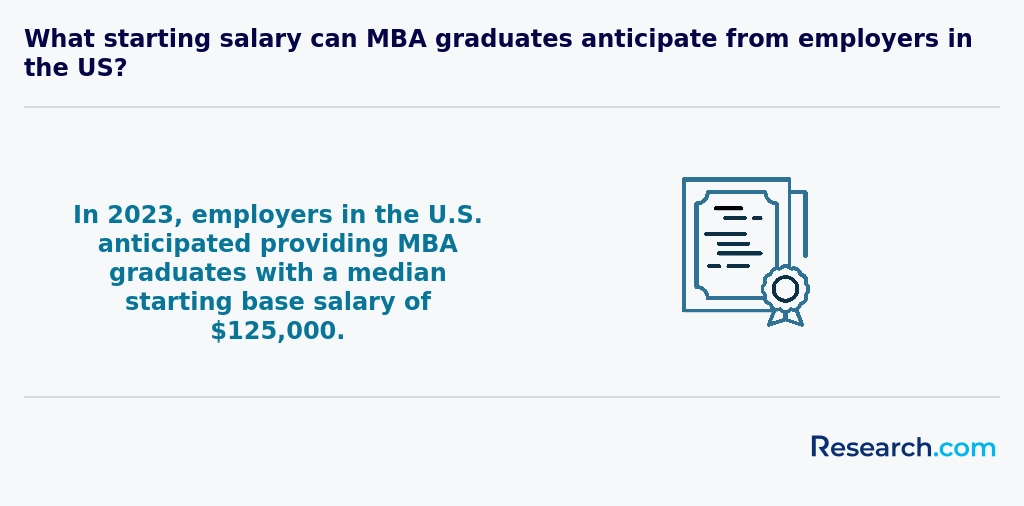
Investing in an MBA is a major financial decision, and understanding your return on investment (ROI) helps you gauge the true value of your degree. In Rochester, NY, the average two-year MBA program cost ranges from $40,000 to $70,000, while graduates report starting salaries between $70,000 and $100,000. By comparing program cost against salary uplift, you can estimate your payback period and long-term earnings potential. • Estimated Payback Period: Assuming a $60,000 total tuition and a $30,000 annual increase in post-MBA salary, the program pays for itself in roughly two years. • Lifetime Earnings Premium: Over a 20-year career, an MBA graduate earning an extra $30,000 per year could realize an additional $600,000 in gross income, net of opportunity costs. • Scholarship & Employer Support Impact: Merit-based scholarships and employer tuition reimbursement can shorten the payback period by 6–12 months. • Sensitivity to Industry & Role: Industries such as finance and technology often yield higher starting salaries (up to $131,000), improving ROI, whereas nonprofit management roles may have a longer payback horizon. For those comparing regional affordability metrics, our Low Cost MBA Degree Programs Ranking in Worcester, MA provides additional insights into cost-effective options in nearby markets. By factoring in total cost of attendance, expected salary gains, and available financial aid, you can make a data-driven decision that maximizes both your educational investment and career trajectory.
What is the average cost of MBA degree in Rochester?
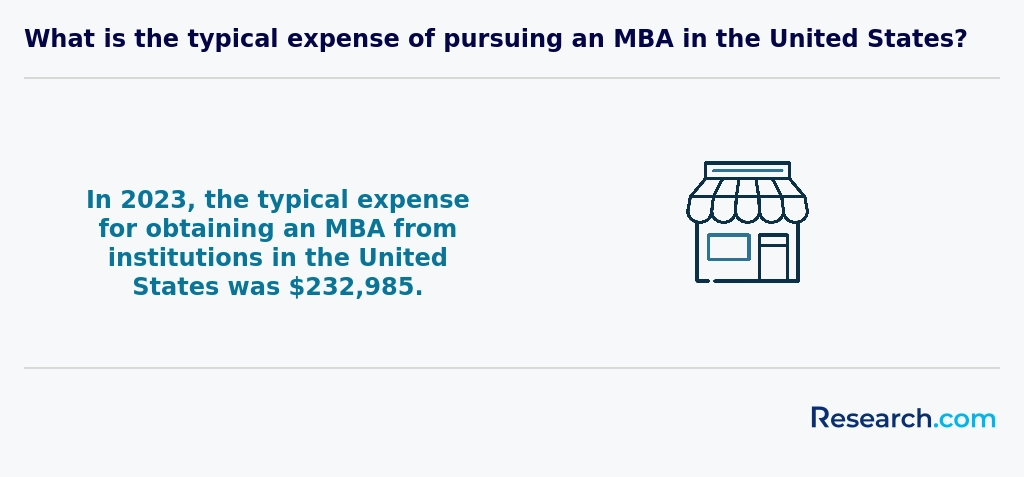
On average, the cost of an MBA degree in Rochester centers around a median total of $58,587. This figure aligns with both in-state and out-of-state tuition estimates, acknowledging some variance but offering a solid benchmark for prospective students. Graduates from universities like the University of Rochester's Simon Business School frequently share that while the tuition-approximately $63,000 for the full-time MBA-feels substantial, the investment often matches the quality and networking opportunities they received.
Many students appreciate how Rochester's moderately priced MBA programs provide access to strong academic resources without the overwhelming expenses of larger metropolitan schools. Those pursuing part-time or online MBAs often highlight that these formats ease financial pressures and fit better with personal and professional obligations, making the average cost more manageable. This balance reflects the availability of affordable MBA programs Rochester tuition fees typically fall within, often supported by scholarships or employer tuition reimbursement.
Practical considerations also shape perceptions of costs. Graduates note that beyond tuition, fees and living expenses add to the total outlay but tend to remain reasonable compared to cities like New York or Boston. This keeps overall affordability realistic. For students navigating options, exploring the cheapest mba schools in new york can provide helpful insights toward balancing costs and program quality.
What financial aid is available to MBA degree students in Rochester?
MBA students in Rochester typically access financial aid through federal programs by completing the FAFSA, unlocking options like Federal Direct Unsubsidized Loans and Graduate PLUS Loans. Graduates often describe these loans as a crucial starting point, though they emphasize the importance of understanding long-term repayment obligations. At the University of Rochester's Simon Business School, merit-based scholarships reward academic and leadership excellence, which can substantially ease tuition burdens; many recipients recall the confidence boost these awards provided during their studies.
Employer sponsorships also play a significant role, especially in Rochester's varied corporate environment. Some students share how tuition reimbursement programs enabled them to continue working while pursuing their degree, highlighting the balance of financial stability and academic growth. Private scholarships, such as those from the Forte Foundation for women, add another layer of support, often making the pursuit feel more attainable.
Part-time and executive MBA candidates appreciate flexible payment plans tailored to their schedules and budgets, underscoring how Rochester's MBA offerings adapt to different needs. These options collectively help students navigate the financial challenges without losing sight of their goals.
Alternative Options for MBA Students in New York
For individuals considering MBA programs beyond Rochester, exploring options in other parts of New York can be beneficial. Many find that pursuing an MBA in a different location, such as New York City, offers unique advantages, including access to a broader range of job opportunities and networking events. If cost is a significant factor, looking into the cheapest mba schools in new york can provide valuable insights into affordable educational paths. This approach allows prospective students to weigh the benefits of different locations and programs, ultimately making an informed decision that aligns with their career aspirations and financial situation.
What are the prerequisites for enrolling in MBA degree program in Rochester?
To enroll in an MBA program in Rochester, most candidates must hold a bachelor's degree from an accredited institution. While some programs lean toward applicants with business or economics backgrounds, many appreciate diverse fields of study, recognizing how varied perspectives enhance classroom discussions. For example, graduates from the Simon Business School at the University of Rochester often remark on how their peers' different academic paths enriched their learning experience.
Work experience is another crucial prerequisite, typically ranging from two to five years. This reflects the MBA's focus on practical management skills. Many students share how real-world insights during their studies made classroom theories more tangible and engaging. Some Rochester programs have adopted flexible approaches regarding standardized tests like the GMAT or GRE, sometimes waiving scores for those with strong professional backgrounds or high GPAs. This flexibility can ease entry barriers for applicants balancing rigorous careers and studies.
Letters of recommendation, personal essays, and resumes are common application components. These elements help admissions committees understand candidates' leadership potential and career goals, making the application process feel like a personalized narrative rather than just a checklist.
What courses are typically in MBA degree programs in Rochester?
MBA programs in Rochester typically include core courses such as Accounting and Financial Reporting, Marketing Management, and Operations Management, which collectively build a strong foundation in essential business skills. Graduates from the Simon Business School often reflect on how mastering Corporate Finance helped them confidently evaluate investment opportunities in real-world scenarios, while those from the Rochester Institute of Technology appreciate the practical focus within Strategic Management courses that prepare them for leadership roles.
Many students find Organizational Behavior and Leadership especially impactful, recalling projects where understanding team dynamics translated into more effective management during internships. Rochester's unique industry landscape, with its strengths in technology and healthcare, enables MBA candidates to choose electives tailored to these sectors, enriching their learning experience with relevant case studies and networking opportunities.
Some graduates highlight that the blend of analytical and practical coursework makes the Rochester MBA experience feel both rigorous and rewarding, providing skills they immediately apply in their careers. This approach reflects the distinct emphasis these programs place on experiential learning alongside traditional academics.
What types of specializations are available in MBA degree programs in Rochester?
MBA specializations offered in Rochester reflect the city's unique economic landscape, providing students with paths tailored to local industry demands. Popular MBA concentration options Rochester include finance, marketing, healthcare management, and technology management-each serving as a practical choice for graduates targeting the region's job market. For instance, finance remains strong due to Rochester's expanding financial sector, making it an appealing track for students aiming at corporate or investment banking roles.
Graduates from schools like the Simon Business School often share how their specialization in healthcare management connected them with Rochester's renowned medical institutions, enhancing both their career prospects and personal engagement. Similarly, those focusing on technology management appreciate the balance between business strategy and IT leadership, reflecting the city's growing innovation hubs.
Other avenues such as supply chain management and entrepreneurship are also frequently explored, offering flexibility in career planning. Those seeking cost-effective options should consider affordable executive mba programs that balance quality education with Rochester's relatively moderate living expenses.
How do you choose the best MBA degree in Rochester?
Choosing the best MBA degree in Rochester involves balancing multiple factors, notably accreditation, program flexibility, and cost. Graduates from the University of Rochester's Simon Business School often emphasize the assurance that AACSB accreditation brings, reflecting a rigorous education recognized widely. However, some students prioritize part-time or online formats to juggle work and study, finding Rochester Institute of Technology's flexible MBA options a better fit for their schedules and careers.
Cost considerations are crucial, especially if finances are limited. While the Simon Business School's tuition hovers around $70,000 for a full-time MBA, working professionals seeking affordable MBA programs Rochester often discover that RIT offers competitive part-time rates under $40,000. Many graduates remind prospective students to review financial aid cautiously and factor in scholarships or employer sponsorships to offset expenses.
Another valuable perspective comes from alumni who stress networking and curriculum alignment with local industry. Those aiming for post-graduation roles in Rochester's healthcare or finance sectors recommend choosing programs known for strong alumni ties and relevant specializations. Comparing program reputation alongside affordability helps in making a balanced choice. For more insight on cost-effective options, exploring the Low Cost MBA Degree Programs Ranking in Worcester, MA can provide useful guidance.
What career paths are available for MBA degree students in Rochester?
Graduates from MBA programs in Rochester commonly find career opportunities across diverse sectors such as finance, healthcare, marketing, and operations management. For instance, those studying at Rochester's prominent business schools often secure roles as financial analysts or healthcare administrators, tapping into the city's strong financial services and medical institutions like the University of Rochester Medical Center. These careers demand a mix of analytical thinking and leadership, skills sharpened by the MBA curriculum.
Some graduates, drawn to Rochester's vibrant business environment, pursue entrepreneurship or consulting, leveraging connections forged during their studies to innovate within local startups or advise growing firms. While Rochester presents solid prospects, it is important to critically assess individual career goals; not every MBA leads directly to executive roles, and some may find the path requires supplementary experience. Prospective students sometimes balance pursuing an MBA with other certifications or gaining practical exposure, which can be vital in competitive fields.
Ultimately, those seeking business management jobs in Rochester benefit from the city's economies and employers like Eastman Kodak or Wegmans. In parallel, individuals looking for flexible entry points into advanced business education might also consider an associate's degree online in 6 months as a stepping stone toward broader career ambitions.
What is the job market for MBA degree in Rochester?
The job market for MBA degree holders in Rochester benefits from the city's diversified economy, where industries like healthcare, manufacturing, finance, and technology actively seek individuals with strong business acumen. Rochester MBA degree employment opportunities are particularly favorable given the presence of renowned companies such as Kodak and Bausch + Lomb, which value leadership and strategic skills fostered in local MBA programs. Graduates from universities in Rochester often share how their curriculum's emphasis on data analytics and practical case studies helped them secure management roles shortly after graduation.
While the metropolitan area maintains a low unemployment rate, MBA students recognize the importance of networking and gaining specific skills that match Rochester's evolving sectors. Many find roles in healthcare administration at institutions like the University of Rochester Medical Center or in financial services with local banks. The potential to earn between $75,000 and $100,000, adjusted for the city's affordable cost of living, encourages students to invest in their education.
Considering the costs of MBA programs, which generally range from $30,000 to $60,000, students often look for added value, such as career support and connections to employers. For those exploring supplementary credentials, exploring certifications online that pay well can also be a strong complement to MBA training.
Frequently Asked Questions About MBA
Students pursuing an MBA in Rochester can enhance their learning by engaging actively with local business communities. Rochester is home to a diverse economy, including sectors like health care, optics, and advanced manufacturing, providing real-world opportunities for internships and networking. According to the Rochester Business Journal, MBA students who participate in local professional events report higher satisfaction and better career outcomes.
Additionally, leveraging resources from schools such as the University of Rochester's Simon Business School or Rochester Institute of Technology can deepen understanding through case studies and applied projects. Students should also seek mentorship from faculty and alumni actively working in Rochester's business environment.
Finally, combining classroom learning with part-time work or consulting helps students translate theory into practice, which is crucial for maximizing the MBA experience.
The MBA field in Rochester is evolving with several emerging niches responding to industry demands. One growing area is Healthcare Management, reflecting Rochester's strong medical and biotech sectors. MBA programs here increasingly offer specialized courses tailored to managing healthcare organizations and navigating complex regulations.
Another niche gaining attention is Sustainability and Environmental Management. With rising concerns about climate change, Rochester schools are incorporating green business practices, preparing students to lead in corporate social responsibility roles.
Data Analytics and Technology Management also stand out as vital focuses. As Rochester companies adopt advanced technologies, MBA graduates skilled in interpreting big data and managing digital transformation are highly valued.
After earning an MBA degree in Rochester, preparing for the job market involves several key steps. Networking is crucial; Rochester's business community hosts regular events and career fairs where MBA graduates can connect with potential employers. Utilizing resources from local universities, such as career centers at the Simon Business School or University of Rochester, offers access to job listings and interview coaching.
It's also important to develop practical skills, including proficiency in data analysis and digital marketing, which are highly valued by Rochester employers. According to the Rochester Business Journal, nearly 40% of MBA graduates secure roles in finance and consulting within six months.
Internships and mentorships during or after your studies can increase your marketability. Keep your resume updated and tailor applications for Rochester's competitive job market.
Employers in Rochester increasingly seek MBA graduates with strong leadership and strategic thinking skills. According to the Rochester Business Journal, over 70% of local companies prioritize candidates who demonstrate the ability to manage teams effectively. Analytical skills, particularly in data-driven decision making, are also highly valued due to Rochester's growing tech and healthcare sectors.
Communication abilities rank among the top requirements; MBA graduates must articulate complex ideas clearly to diverse stakeholders. Additionally, adaptability and innovation stand out, reflecting Rochester's dynamic business environment.
Financial acumen and understanding of local market trends remain essential for roles in Rochester's robust manufacturing and services industries.
Finding internships in Rochester related to an MBA degree involves leveraging local business networks and university career services. The Rochester metropolitan area hosts various industries such as technology, healthcare, and finance, which often seek MBA interns.
Many Rochester universities with MBA programs, including the University of Rochester's Simon Business School, offer dedicated internship placement support through career centers. These centers provide access to employer databases and organize networking events specifically for MBA students.
Additionally, online platforms like Handshake and LinkedIn are essential for identifying Rochester-based internship openings in relevant sectors.
According to the Rochester Business Journal, approximately 40% of MBA students secure internships locally within fields like supply chain management and marketing, benefiting from the city's diverse economy and strong corporate presence.
An MBA degree in Rochester significantly enhances career mobility and advancement opportunities for professionals. According to data from the Rochester Business Journal, MBA graduates in the region experience a 15-20% average salary increase within three years post-graduation. The degree equips students with leadership, financial, and strategic skills highly valued by local employers in industries such as healthcare, technology, and manufacturing.
The Rochester area's competitive job market favors candidates with advanced business credentials, often leading to faster promotions. Networking opportunities provided by Rochester-based MBA programs also connect students directly with local business leaders and alumni, facilitating job placements and career growth.
Furthermore, Rochester's growing economy and expanding firms require managers with formal business training, making an MBA a critical asset for professionals aiming at senior roles.
Studying for an MBA degree in Rochester equips students with skills that span multiple disciplines, crucial for interdisciplinary roles. Rochester's business schools emphasize integrating knowledge from finance, marketing, operations, and technology, reflecting the demands of today's complex work environments. According to the Rochester Business Journal (2023), over 60% of MBA graduates from local programs engage in cross-functional teams within their first year of employment.
Programs also encourage collaboration through practical projects involving industries such as healthcare, manufacturing, and IT, fostering versatile problem-solving abilities. This approach helps graduates adapt to diverse professional challenges, making them effective leaders across fields.
When choosing between a thesis and a non-thesis MBA program in Rochester, consider your career goals and learning preferences. Thesis programs typically involve research and writing a formal paper, suitable for students interested in academic or analytical careers. Non-thesis options focus more on coursework and practical experience, which align with professionals aiming for immediate workplace application.
According to the Rochester Institute of Technology, about 30% of local MBA students opt for thesis tracks, reflecting a demand for research skills. Most schools, including the University of Rochester's Simon School, offer both paths, allowing flexibility based on your schedule and ambitions.
Cost, duration, and faculty expertise are also important factors when making your decision.
Students based in Rochester who wish to study for an MBA abroad have several pathways available. Many local institutions, like the University of Rochester and Rochester Institute of Technology, offer dual-degree or exchange programs with international business schools. These partnerships enable students to earn credits abroad while maintaining ties to their home university. According to the Graduate Management Admission Council (GMAC), about 30% of US MBA candidates express interest in international study opportunities, highlighting demand among Rochester learners.
Additionally, some Rochester students choose fully online global MBA programs to gain international exposure without relocating. These programs often feature global case studies and virtual collaboration with peers worldwide, enriching the academic experience.
Careful research of program accreditation and cost is vital. Rochester-based students can benefit from scholarships aimed at promoting global study. Resources like GMAC's report and university international offices provide valuable guidance on MBA options abroad.
Rochester offers various part-time job opportunities that can enhance the learning experience of MBA students. Roles in local financial institutions, such as M&T Bank and ESL Federal Credit Union, provide practical exposure to banking and finance. According to the Rochester Business Journal, internships and part-time positions in marketing firms and startups in the area enable students to apply business strategy and analytics concepts directly. Additionally, healthcare companies like Rochester Regional Health often hire MBA students for project management roles, blending business skills with healthcare operations. Working in these sectors allows MBA candidates to build valuable networks and gain real-world insights complementing their academic coursework.
Rochester offers robust networking opportunities for MBA students through its strong ties to local industries and business communities. Universities like the Simon Business School at the University of Rochester host regular career fairs, alumni panels, and employer networking events, attracting over 200 companies annually, according to their 2023 career services report.
Additionally, professional organizations such as the Rochester Chamber of Commerce and the Rochester Business Alliance provide platforms for MBA students to connect with executives and entrepreneurs in the region. These groups frequently hold workshops and mixers tailored to business professionals.
Many programs also encourage participation in consulting projects and internships, further expanding students' professional networks locally.
Alumni networks are a significant asset for MBA students in Rochester, offering access to experienced professionals and local industry leaders. These connections can open doors to internships, job opportunities, and mentorship, which are crucial in a competitive job market. According to the Rochester Business Journal, Rochester-area MBA alumni frequently participate in networking events and career panels, enhancing career prospects for current students.
Moreover, strong alumni engagement helps in understanding Rochester's business climate, including key sectors like technology, healthcare, and manufacturing. This localized expertise supports students in tailoring their skills effectively. Many Rochester MBA programs report alumni involvement rates above 40%, which reflects active community participation beneficial to students throughout their academic journey.
In Rochester, customizing your MBA program to align with career goals is achievable through various flexible options offered by local institutions. Many programs provide concentrations such as finance, marketing, healthcare management, or technology, allowing students to specialize in areas matching their interests. Additionally, part-time and online MBA formats enable working professionals to balance studies with job commitments while focusing on relevant electives.
Internships and experiential learning opportunities available in Rochester's business community further enhance practical skills and networking. According to data from the University of Rochester's Simon Business School, about 70% of MBA students choose tailored concentrations to better position themselves in competitive job markets.
MBA students in Rochester often encounter several challenges related to balancing rigorous coursework with personal and professional commitments. Many pursue their degrees part-time while working full-time, leading to time management difficulties. According to a 2023 survey by the Rochester Business Journal, nearly 60% of MBA students reported stress due to workload and deadlines.
Additionally, networking opportunities, crucial for career advancement, can be limited in a smaller city like Rochester compared to major metropolitan areas. Students often need to actively seek internships and connections beyond local industries to broaden their prospects.
Financial concerns also affect many candidates, especially since average MBA tuition in Rochester ranges from $25,000 to $50,000, as reported by U.S. News & World Report in 2024.
With an MBA degree from Rochester, graduates gain a strong foundation to pursue various professional certifications that enhance career prospects. Common certifications include the Project Management Professional (PMP), recognized globally and valuable for leadership roles. Another popular choice is the Certified Management Accountant (CMA), ideal for those focused on financial management.
The Chartered Financial Analyst (CFA) certification is also pursued by MBA holders aiming for investment management careers. Additionally, the Certified Business Analysis Professional (CBAP) suits those interested in business strategy and data analytics.
According to the Rochester Business Journal, about 30% of MBA graduates in the area seek such certifications to boost their credentials.
Writing a winning application for an MBA program in Rochester requires clear focus and preparation. Start by researching schools like the University of Rochester's Simon Business School, known for its data-driven approach and competitive admissions.
Highlight your professional achievements and leadership experience, as these are highly valued. According to the Graduate Management Admission Council (GMAC), 77% of MBA programs seek candidates demonstrating strong career growth.
Craft a compelling personal statement that explains your career goals and why an MBA in Rochester fits those goals. Tailor your essay to reflect local business trends, such as Rochester's strong presence in healthcare and technology sectors.
Prepare thoroughly for the GMAT or GRE, as many Rochester programs typically expect scores above the national average for top candidates.
The global perspective on an MBA career remains strongly influenced by the program's emphasis on leadership, management, and strategic thinking skills. For students in Rochester, earning an MBA aligns with international standards that prepare graduates for diverse roles across industries. According to the Graduate Management Admission Council (GMAC), about 35% of MBA graduates typically pursue careers outside their home country, highlighting the degree's global mobility.
Rochester's MBA programs often incorporate global business case studies and encourage international internships, offering students cross-cultural exposure. These elements increase graduates' competitiveness in multinational corporations and international markets.
Moreover, the U.S. continues to lead in MBA education quality, with programs in cities like Rochester emphasizing practical skills that employers worldwide value, such as data analysis and digital marketing.
Gaining practical experience while pursuing an MBA in Rochester is integral to developing career-ready skills. Many local institutions offer internship opportunities with Rochester-based companies, especially in industries like healthcare, manufacturing, and finance. Internships often complement coursework and provide real-world business exposure.
Additionally, some Rochester MBA programs incorporate consulting projects, allowing students to work directly with area businesses on current challenges. These projects can enhance problem-solving and strategic thinking skills.
Networking events and career fairs hosted by Rochester universities also connect students with local professionals and potential employers, fostering valuable relationships before graduation.
Choosing the right concentration within an MBA program in Rochester involves aligning your career goals with available specialties. Rochester offers concentrations like finance, marketing, healthcare management, and supply chain management, reflecting its regional economic strengths.
Research local job markets and industry growth; for example, healthcare and tech sectors are expanding in Rochester, providing opportunities for MBA graduates. According to the Rochester Regional Chamber of Commerce, healthcare accounts for over 20% of local jobs, making healthcare management a promising concentration.
Consider your background and skills too. If you have experience in finance, an MBA concentration in financial management may enhance your expertise. Additionally, visiting university websites and reviewing curriculum details can help determine which concentration aligns best with your professional aspirations.
Related MBA Rankings for Nearby Cities
- 2027 Most Affordable MBA Degree Programs Ranking in Pittsburgh
- 2027 Most Affordable MBA Degree Programs Ranking in Cleveland
- 2027 Most Affordable MBA Degree Programs Ranking in Springfield
- 2027 Most Affordable MBA Degree Programs Ranking in New Haven
- 2027 Most Affordable MBA Degree Programs Ranking in Baltimore
- 2027 Most Affordable MBA Degree Programs Ranking in Washington
- 2027 Most Affordable MBA Degree Programs Ranking in Worcester
- 2027 Most Affordable MBA Degree Programs Ranking in Cambridge
- 2027 Most Affordable MBA Degree Programs Ranking in Boston
- 2027 Most Affordable MBA Degree Programs Ranking in Fort Wayne
Top Trending MBA Rankings
References
- MBA Internships: Find 5400 MBA Intern Jobs https://internshala.com/internships/mba-internship/
- MBA Requirements: What do you really need for an MBA degree https://www.obseducation.org/en/blog/mba-requirements-what-do-you-really-need-for-an-mba-degree
- Follow These 10 Steps To Write Your MBA Application Essays - ApplicantLab https://www.applicantlab.com/blog/10-steps-to-write-your-mba-application-essay/
- 6 Tips to Make the Most of Your MBA Experience https://mbaschooled.com/2020/01/14/6-tips-to-make-the-most-of-your-mba-experience/
- Rochester MBA programs spotlighted in national rankings - Rochester Business Journal https://rbj.net/2026/04/07/rochester-mba-programs-ranked-nationally-employment-outcomes/
- 10 Highest-Paying MBA Specializations in 2026 (With Salary Data) - Paris School of Management (PSM) https://www.psm-paris.fr/en/10-highest-paying-mba-specializations-in-2026/
- Top Challenges for MBA Students in 2025: Placements and Career Growth in India | BeJobbed.com https://bejobbed.com/challenges-mba-students-placements-career-growth-india/
- 5 Tips on How to Choose the Best MBA Concentration https://www.pointloma.edu/resources/business-leadership/5-tips-how-choose-best-mba-concentration
- MBA Requirements https://www.collegeessayguy.com/blog/mba-requirements
- MBA studies https://moderna.edu.pl/majors/management/master-of-management/mba-management-masters-degree/