2027 Best MBA Degree Programs Ranking in West Virginia

Co-Founder and Chief Data Scientist
Choosing the right MBA program can shape your future career and personal growth. For students in West Virginia seeking quality education, this article offers valuable insights.
The Research.com team of data scientists created the 2027 Best MBA Degree Programs Ranking in West Virginia to help you find programs that truly stand out.
By exploring this ranking, you'll gain clarity on which options align with your goals, making the decision easier and more confident.
Getting an MBA is a rewarding step that can open new doors and boost your success.
Key benefits of getting MBA degree in West Virginia
- Although specific salary data for MBA graduates in West Virginia is not available from the US Bureau of Labor Statistics, MBA holders in the U.S. typically enjoy competitive salaries, often ranging from $80,000 to over $120,000 annually, reflecting strong earning potential.
- Graduates from West Virginia University's MBA program often pursue diverse careers in fields like finance, marketing, and healthcare management, providing flexibility and numerous opportunities for growth.
- Completing an MBA online, such as through Marshall University's program, offers convenience and the ability to balance work and study, which many find enhances their learning experience positively.
- Key benefits of getting MBA degree in West Virginia
- What can I expect from MBA degree in West Virginia?
- Where can I work with MBA degree in West Virginia?
- How much can I make with MBA degree in West Virginia?
- 2027 Best MBA Degree Programs Ranking in West Virginia
- Key Findings
- How long does it take to complete MBA degree in West Virginia?
- Return on Investment: Calculating Your MBA Payback Period
- What's the difference between online and on-campus MBA degree?
- What is the average cost of MBA degree in West Virginia?
- Investing in an Affordable MBA Program in West Virginia
- What financial aid is available to MBA degree students in West Virginia?
- Return on Investment (ROI) for MBA Graduates in West Virginia
- What are the prerequisites for enrolling in MBA degree program in West Virginia?
- Building a Strong Alumni Network and Lifelong Support
- What courses are typically in MBA degree programs in West Virginia?
- What types of specializations are available in MBA degree programs in West Virginia?
- How do you choose the best MBA degree in West Virginia?
- What career paths are available for MBA degree students in West Virginia?
- What is the job market for MBA degree in West Virginia?
- Related MBA Rankings for Nearby States
- Top Trending MBA Rankings
What can I expect from MBA degree in West Virginia?
The average cost of pursuing an MBA degree in West Virginia is generally affordable compared to national rates, making it an attractive option for many. For example, graduates from West Virginia University's John Chambers College of Business and Economics often mention the manageable tuition fees, which typically range from $5,000 to $10,000 per semester for in-state students. This depends on how many credit hours a student takes but consistently remains lower than many other states.
Many working professionals appreciate how programs at institutions like Marshall University or West Liberty University offer flexible part-time and online options, allowing them to balance their careers without financial strain. Graduates often share how this flexibility reduces stress and helps maintain steady income streams during their studies.
In addition to lower tuition, students frequently highlight the value they gain from practical learning experiences embedded in these West Virginia programs, making the investment feel worthwhile both professionally and personally.
Where can I work with MBA degree in West Virginia?
Graduates with an MBA from West Virginia University or Marshall University often find strong career paths in healthcare administration, joining leading organizations like West Virginia University Medicine or Charleston Area Medical Center. These roles allow them to apply advanced management skills to improve patient services and streamline operations, creating tangible impacts in their communities.
Financial sectors in cities such as Charleston and Morgantown also recruit MBA holders for positions in financial analysis and risk management. Graduates frequently share how their MBA training helped them secure roles in regional banks where strategic decision-making and investment planning drive personal and professional growth.
Manufacturing companies focused on chemicals or automotive parts offer exciting leadership roles in supply chain and operations management. MBA alumni describe managing complex projects that modernize production lines, blending business acumen with technical expertise.
Energy companies, including coal and renewable sectors, provide dynamic opportunities in project management and business development. Graduates feel empowered knowing their strategic efforts contribute to the state's evolving energy landscape.
Entrepreneurship is a vibrant option supported by resources like the West Virginia Small Business Development Center, helping MBA graduates launch innovative ventures and thrive in small business management.
How much can I make with MBA degree in West Virginia?
Graduates with an MBA degree from West Virginia institutions such as West Virginia University often find themselves positioned for salaries ranging from $80,000 to over $110,000 annually, depending on their experience and industry. Entry-level MBAs may start around $65,000 to $75,000, but with 3 to 5 years of hands-on experience-often gained through internships or local business connections-salaries rise significantly. For example, graduates working in healthcare management or energy sectors in Charleston or Morgantown regularly report incomes near $100,000 as their expertise grows.
Mid-level managers and analysts with MBAs combining business strategy with skills in analytics or project management see even higher earning potential. Senior executives in these roles often exceed $120,000 annually. Many graduates emphasize how their MBA from well-regarded West Virginia schools opened doors to leadership roles and consulting positions that directly boosted their career growth and financial rewards.
Focusing on local industries where MBAs are in demand, networking with alumni, and targeting management roles can help maximize your return on the degree. Practical experience paired with local market knowledge is key to unlocking these salaries and advancing quickly in the region's competitive economy.
2027 Best MBA Degree Programs Ranking in West Virginia
How do we rank schools?
Investing in your education is a significant decision that can shape your future, and the Research.com team understands the importance of making informed choices. To assist prospective students in West Virginia, we have meticulously created the "2027 Best MBA Degree Programs Ranking in West Virginia." Our dedication to quality, credibility, and accuracy is evident in the rigorous research and comprehensive analysis applied in compiling this ranking.
We utilized the following reputable data sources to ensure a thorough evaluation of MBA programs:
By exploring this ranking, readers will gain valuable insights into top MBA programs in West Virginia, empowering them to make well-informed decisions about their academic and professional futures. For more information on how this ranking was developed, please visit our Research.com methodology page.


# 5 position
Salem University
Master of Business Administration


Key Findings
- West Virginia offers multiple MBA programs with full-time, part-time, and online options at public and private universities.
- The total cost of an MBA ranges from $25,000 to $40,000, with lower tuition for in-state residents at public universities.
- Starting salaries for MBA graduates average around $65,000 annually, increasing to about $90,000 after several years of experience.
- Job opportunities exist in healthcare administration, energy, finance, and government, particularly in Charleston, Morgantown, and Huntington.
- MBA programs focus on applied learning and leadership, often featuring specializations like supply chain management, entrepreneurship, and healthcare management.
How long does it take to complete MBA degree in West Virginia?
Completing an MBA degree in West Virginia typically takes about two years for full-time students at popular institutions like West Virginia University or Marshall University. Many graduates share how balancing their studies was manageable thanks to structured semesters that require about 36 to 48 credit hours over four semesters.
For working professionals, part-time MBA programs offer greater flexibility but often extend the timeline to three or four years. These students appreciate the ability to take fewer credits each term, allowing them to maintain their jobs and family commitments without feeling overwhelmed. Online and hybrid programs further enhance this flexibility, with some graduates able to accelerate their studies or take more time depending on personal circumstances.
Those choosing accelerated MBA tracks can complete the degree in 12 to 18 months, which some students describe as intense but rewarding, enabling faster career advancement. Understanding these options helps prospective students tailor their MBA journey in West Virginia to fit their lifestyle and goals effectively.
Return on Investment: Calculating Your MBA Payback Period
Evaluating the return on investment (ROI) of an MBA in West Virginia means comparing total program costs against post‐graduation earnings gains to determine how many years it takes to recoup your investment. On average, West Virginia MBA graduates report salary increases of 25–35% within two years, translating to an incremental annual boost of $15,000–$25,000. By dividing your total expenses (tuition, fees, living costs) by this annual salary uplift, you can estimate a payback period-often between three and five years for in‐state students at public institutions. To refine your calculation, include opportunity costs (foregone income if studying full‐time) and potential tax benefits of tuition deductions or employer sponsorships. Remember, executive or part‐time MBA pathways may extend the payback horizon but allow you to maintain a salary stream, reducing overall financial strain. While West Virginia offers competitive ROI metrics, prospective students should also consider neighboring states’ affordability. For additional low‐cost options that may further shorten your payback period, explore the Affordable MBA Degree Programs Ranking in Arkansas. By weighing tuition against regional salary trends and scholarship opportunities, you’ll make a data‐driven decision that maximizes long‐term career and financial rewards.
What's the difference between online and on-campus MBA degree?
Choosing between online and on-campus MBA programs in West Virginia means weighing lifestyle and learning preferences. Graduates from West Virginia University's traditional MBA often share how face-to-face interactions with professors and classmates enriched their networking and teamwork skills-imagine collaborating on a project in a campus study room or attending career workshops in person. The average yearly tuition here is about $12,000 for in-state students, making it a cost-effective option when combined with hands-on experiences.
Conversely, online MBAs offer West Virginia students greater flexibility. Busy professionals appreciate accessing coursework anytime, fitting studies around work and family without commuting to campus. For example, graduates from institutions offering online programs note how they balanced coursework during evenings or weekends, benefiting from diverse specializations and the ability to apply lessons directly at their jobs. Tuition usually ranges from $10,000 to $15,000, and savings on commuting and housing can make this a smart financial choice.
Both paths have pros: on-campus fosters immersion and immediate connection; online empowers self-paced learning and convenience. Assessing your daily routine and interaction needs will guide your best fit.
What is the average cost of MBA degree in West Virginia?
The average cost of an MBA degree in West Virginia varies depending on residency status and institution type, but median total expenses typically amount to around $31,490 for both in-state and out-of-state students. However, in-state tuition at public universities is significantly lower, with a median total cost near $10,656. For example, graduates from West Virginia University, a popular choice for MBA studies, often share how managing this lower tuition allowed them to balance studies and personal commitments without excessive financial stress.
Many students pursuing MBA programs in West Virginia choose public institutions due to their affordability, making it easier to focus on learning and career growth rather than financial worries. However, private universities in the state usually carry higher tuition rates, sometimes exceeding $30,000 annually, aligning with broader national trends for MBA pricing. Those graduates frequently highlight the perceived value of networking opportunities and program prestige despite the higher costs.
When budgeting for an MBA, it's important to include all total expenses for MBA programs West Virginia students face, such as books, fees, and living costs. Many students find creative ways to offset these costs, including scholarships, employer tuition reimbursement, or graduate assistantships, which significantly lighten the financial load and help them stay on track.
Students interested in affordability and quality education can explore the affordable mba schools in west virginia to discover programs offering solid value without compromising on education quality. This practical approach ensures that the MBA journey is financially manageable while opening doors to rewarding career opportunities.

Investing in an Affordable MBA Program in West Virginia
: When considering an MBA program in West Virginia, one of the critical factors to think about is affordability. With the rising costs of education, finding an MBA program that offers quality education at a reasonable price is essential. For those looking to minimize their expenses, exploring affordable mba schools in west virginia can be a beneficial step. Many of these programs offer flexible payment plans, scholarships, and assistantships that can significantly reduce the financial burden. Additionally, some universities provide online or part-time MBA options, which can be more budget-friendly than traditional full-time programs. By weighing the costs and benefits of different programs, prospective students can make informed decisions about their educational investments, ultimately finding an affordable MBA program in West Virginia that aligns with their career aspirations and financial situation.
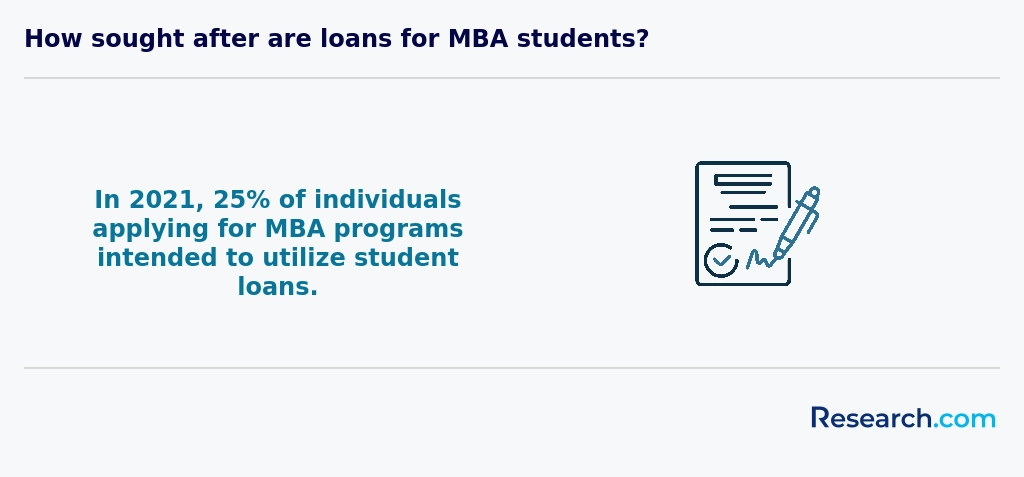
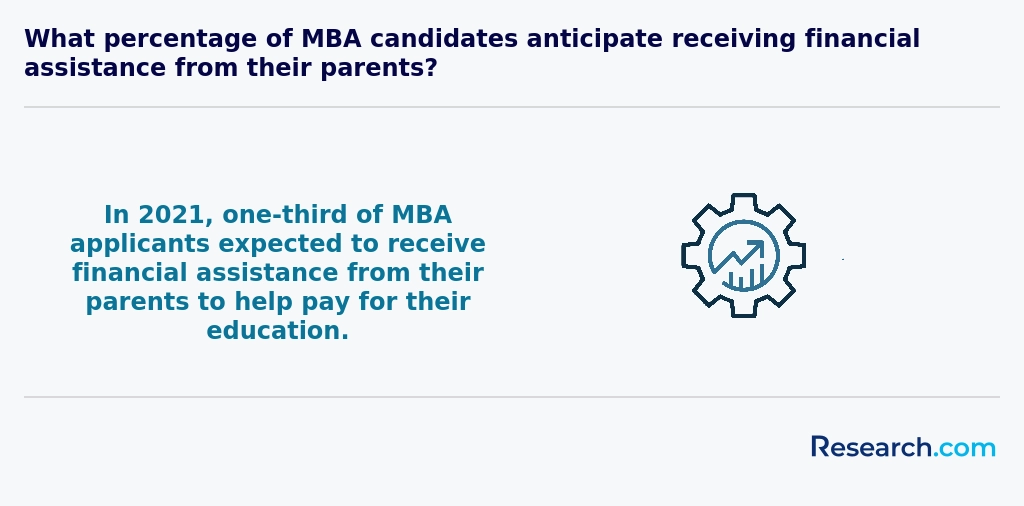
What financial aid is available to MBA degree students in West Virginia?
MBA students in West Virginia often rely on a combination of federal loans, state grants, and university scholarships to ease the financial burden. For example, graduates from West Virginia University share how Federal Direct Unsubsidized Loans provided flexible repayment options while pursuing their MBA. These loans aren't income-dependent, making them accessible for many.
State aid like the West Virginia Higher Education Grant has helped students at Marshall University significantly cut tuition expenses. Many MBA candidates also secure graduate assistantships that offer tuition waivers and stipends in return for teaching or research duties, providing both financial relief and valuable experience.
Employers increasingly support MBA studies through tuition reimbursement programs. Graduates report that checking with their company's HR department revealed untapped funding opportunities, sometimes covering entire MBA costs.
Private scholarships from organizations such as GMAC add another layer of support. Connecting with financial aid offices at programs like West Virginia Wesleyan College often uncovers tailored awards that match business-focused experience, helping students feel confident and ready to succeed.
Return on Investment (ROI) for MBA Graduates in West Virginia
Understanding the true value of an MBA means looking beyond sticker price to measure the return on investment (ROI). In West Virginia, the average total cost of a two-year MBA-including tuition, fees, and living expenses-ranges from $50,000 to $70,000 for in-state students. Upon graduation, many alumni report salary increases of 30%–40%, with starting salaries climbing from around $65,000 to over $90,000. This translates into a payback period of just three to five years, significantly shorter than the national average of six to eight years for more expensive programs. Long-term ROI also factors in promotions, leadership roles, and expanded industry networks. For example, an MBA graduate who secures a management position in healthcare administration may see annual earnings exceed $120,000 within five years-effectively doubling the original investment. Additionally, programs that emphasize mentorship and alumni engagement tend to accelerate career growth, as graduates tap into a ready-made network for job referrals and business partnerships. For cost-conscious applicants, comparing regional and out-of-state options can further boost ROI. If you’re exploring budget-friendly alternatives and want a side-by-side look at tuition and outcomes, check out our Affordable MBA Degree Programs Ranking in Arkansas to benchmark affordability and earnings potential. By carefully weighing program expenses against expected salary gains, you can select an MBA path in West Virginia that maximizes both professional impact and financial return.
What are the prerequisites for enrolling in MBA degree program in West Virginia?
To enroll in an MBA program in West Virginia, you need a bachelor's degree from an accredited institution, which can be in any major. Graduates from universities like West Virginia University often share that having a business or economics background can ease the learning curve, but many succeed without it by leveraging strong academic records and determination.
Most programs expect at least a 3.0 GPA, demonstrating consistent academic performance. Additionally, applicants typically submit GMAT or GRE scores, though some schools now waive these tests for candidates with solid work experience or excellent transcripts. For example, several students at Marshall University found test-optional policies reassuring as they balanced careers and studies.
Professional experience is valuable-usually two to three years of full-time work. This real-world knowledge helps you engage better in class discussions, making your learning relatable and practical. Many West Virginia grads highlight how sharing workplace challenges with peers enriched their education.
Strong application materials are essential. Submit persuasive recommendation letters, a clear personal essay, and an updated resume to showcase your leadership skills and career goals. Some schools also conduct interviews to better understand your fit and motivation, providing a chance to make a memorable impression.
Building a Strong Alumni Network and Lifelong Support
An essential yet often overlooked aspect of choosing an MBA program is the strength of its alumni network and the post-graduation support offered by the institution. In West Virginia, many MBA programs pride themselves on building tight-knit communities that extend far beyond the classroom. These networks play a critical role in providing mentorship, job referrals, and continuous professional development long after you earn your degree. Successful alumni often organize networking events, workshops, and mentorship programs that help current students transition seamlessly into the business world. Programs that nurture strong alumni relationships enable students to tap into a wealth of practical advice and industry insights-a crucial advantage when navigating career challenges or seeking new opportunities. Additionally, these schools often maintain dedicated career services centers to serve both current students and graduates, aiding in resume development, interview preparation, and long-term career planning. For instance, many of these programs collaborate with top firms and industries, ensuring that their alumni are well-informed about emerging trends and opportunities. If you’re exploring flexible options that still offer a solid network, you might want to check out what are the best easiest online mba degree programs which highlight programs designed to balance academic rigor, affordability, and robust post-graduation support. This holistic approach not only strengthens your academic journey but also lays a strong foundation for long-term success in the competitive business landscape.
What courses are typically in MBA degree programs in West Virginia?
MBA programs in West Virginia typically start with core courses in accounting, finance, marketing, operations management, organizational behavior, and business strategy. Graduates often describe how these foundational subjects provided them with practical tools to analyze business challenges confidently and make informed decisions in their careers.
At West Virginia University's John Chambers College of Business and Economics, students highlight courses on managerial leadership and corporate social responsibility as especially impactful. These classes emphasize ethical decision-making and effective communication-skills that graduates say have helped them lead teams and navigate workplace dynamics with greater confidence.
Many students appreciate the flexibility to choose electives or concentrations aligning with their career goals. Popular areas include entrepreneurship, healthcare management, supply chain logistics, information systems, and finance. One graduate recalled how selecting a specialization in supply chain management directly led to an internship that landed them a regional leadership role.
Hands-on projects and case studies embedded in the curriculum also help students translate theory into action, preparing them to thrive in West Virginia's unique business environment.
What types of specializations are available in MBA degree programs in West Virginia?
West Virginia's MBA programs offer a range of specializations to fit various career goals, including healthcare management, energy and sustainability, finance and accounting, marketing, and supply chain and operations management. Graduates from well-known institutions report feeling confident stepping into leadership roles in West Virginia's growing healthcare and energy sectors due to their focused studies.
For example, many students at popular West Virginia colleges choose healthcare management to align with local hospital networks and insurance companies, gaining practical skills that translate directly into job opportunities. Others find that specializing in energy and sustainability connects them with the state's evolving coal and renewable energy industries, providing a career edge that is both fulfilling and relevant.
If you're exploring what are the best easiest online mba degree programs in West Virginia, consider options that maintain these industrial ties while offering flexibility for working professionals. Choosing the best mba concentrations West Virginia offers helps ensure your education investment matches the local market demands and personal aspirations.
How do you choose the best MBA degree in West Virginia?
Choosing the best MBA degree in West Virginia means prioritizing accreditation, flexibility, and cost. Graduates from West Virginia University emphasize how AACSB accreditation boosted their confidence in program quality and career prospects. Since many students juggle jobs, part-time and online formats offered by schools like Marshall University provide the essential flexibility to manage work and study effectively. This approach helps maintain motivation and performance across the program.
Concerning affordability, the best MBA programs West Virginia cost-wise are often found at public universities, with tuition significantly lower than private options. Comparing tuition alongside financial aid options can make a real difference, as one graduate shared that employer tuition reimbursement eased their financial burden. Exploring a range of options, including specializations tailored to your ambitions in fields such as healthcare management or finance, increases the degree's practical value.
For those seeking to balance value and quality, checking resources like the Affordable MBA Degree Programs Ranking in Arkansas can offer useful insights relevant to your search.
What career paths are available for MBA degree students in West Virginia?
MBA graduates in West Virginia have access to diverse career paths across industries like healthcare, finance, manufacturing, and government. Many graduates from institutions such as West Virginia University pursue management roles including business analysts, financial managers, marketing directors, and operations managers, where their leadership and strategic skills are highly valued. These business management jobs West Virginia offer rewarding opportunities, with financial managers earning an average salary of about $102,000 in 2023.
Healthcare administration is also a strong option, especially in West Virginia's expanding medical sector. MBA holders often advance to roles managing hospital operations or healthcare programs, where they impact patient care quality and organizational efficiency. Small business entrepreneurship is popular too, with graduates launching startups or offering consulting to local companies. For those interested in public service, government and nonprofit agencies provide roles in economic development and project management that benefit from MBA expertise.
Graduates from popular West Virginia MBA programs frequently highlight the affordability and practical training they received, which equip them to thrive in these roles. If you want to accelerate your career, consider exploring one year online masters programs that offer flexibility and speed while connecting to these career opportunities.
What is the job market for MBA degree in West Virginia?
The MBA career opportunities in West Virginia reflect steady demand within key sectors such as healthcare, energy, manufacturing, and finance. Graduates from popular institutions like West Virginia University commonly find roles in managerial positions at companies including Mylan Pharmaceuticals or WVU Medicine, where leadership skills are highly valued. Many alumni share how the local focus on industries like coal and natural gas provides a tangible advantage for MBAs aiming to guide complex operations in these fields.
The West Virginia MBA job market outlook shows modest growth but remains competitive, with early-career salaries averaging around $65,000 and mid-career earnings near $100,000. This scale suits the regional cost of living and appeals to students planning to build careers close to home. Those weighing program costs may appreciate tuition rates ranging from $15,000 to $30,000 annually, generally below the national average. Prospective students should consider exploring options at open admissions colleges that fit their career goals and budgets.
Frequently Asked Questions About MBA
Students pursuing an MBA degree in West Virginia can enhance their learning by engaging deeply with both coursework and practical experiences. West Virginia University, offering one of the state's largest MBA programs, emphasizes applied learning through internships and consulting projects.
Participating in local business networks, such as those in Charleston and Morgantown, allows students to build valuable professional connections. According to the West Virginia Higher Education Policy Commission, combining academic study with real-world exposure increases graduate employment rates by up to 20%.
Additionally, leveraging online resources and attending MBA workshops hosted by West Virginia institutions can improve skills in leadership and analytics, key areas tested by employers nationwide.
The MBA field is evolving rapidly, with emerging niches attracting many students in West Virginia. Areas such as healthcare management, data analytics, and sustainability are growing in popularity. According to the West Virginia Higher Education Policy Commission, programs focusing on healthcare administration reflect the state's expanding medical sector. Data analytics integrates technology and decision-making, important for businesses adapting to digital trends. Sustainability and social impact management are gaining attention as companies emphasize environmental responsibility. These specialized MBA tracks help students target industries crucial to West Virginia's economy, providing relevant skills and competitive advantages in the local and national job markets.
After completing an MBA degree in West Virginia, preparing for the job market involves strategic steps tailored to local and national opportunities. West Virginia hosts several business hubs, especially in healthcare, energy, and manufacturing sectors, which actively seek MBA graduates. Networking is crucial; graduates should engage with university career services, alumni groups, and regional business organizations like the West Virginia Chamber of Commerce.
Internships and practical experience gained during the degree significantly boost employability. According to the West Virginia Higher Education Policy Commission, about 70% of MBA graduates find employment within six months of graduation, reflecting the importance of internships and local connections.
Enhancing skills such as data analytics and project management, which are in high demand across industries, strengthens job prospects. Utilizing platforms like Handshake or LinkedIn to connect with West Virginia employers can open doors to entry-level and managerial positions.
Stay aware of salary trends, which for MBA holders in West Virginia average around $85,000 annually, and tailor your job search accordingly. Continuous learning and professional certifications also add value in this competitive market.
Employers in West Virginia highly value MBA graduates who demonstrate strong leadership and critical thinking skills. According to data from the West Virginia Higher Education Policy Commission, companies seek candidates who can effectively manage teams and drive strategic initiatives. Analytical skills are essential, as employers expect graduates to interpret complex financial data and market trends to support decision-making.
Communication skills rank among the top attributes, with emphasis on both written and verbal proficiency. Additionally, adaptability to changing business environments is crucial given West Virginia's growing sectors like healthcare and energy. Tech-savviness, especially familiarity with data analytics tools, also enhances job prospects for MBA holders in the state.
Finding internships relevant to MBA degrees in West Virginia involves leveraging both educational and professional resources. Many universities, such as West Virginia University, maintain strong connections with local businesses and often provide internship listings through their career centers. These internships typically focus on finance, marketing, management, and entrepreneurship.
Students should also explore statewide business organizations like the West Virginia Chamber of Commerce, which offers networking events and internship opportunities. Additionally, West Virginia's growing industries-such as energy and healthcare-often seek MBA candidates for strategic roles.
Online internship platforms and LinkedIn can supplement local searches. According to the National Association of Colleges and Employers, MBA internships in West Virginia tend to lead to higher job placement rates post-graduation, emphasizing their value.
In West Virginia, earning an MBA degree significantly enhances career mobility and advancement opportunities. The state's growing industries, such as healthcare, finance, and energy, increasingly value the leadership and strategic skills developed through MBA programs.
According to the West Virginia Higher Education Policy Commission, MBA graduates in the region experience a 15-20% higher average salary compared to those with only a bachelor's degree. Employers often prefer MBA holders for managerial and executive roles, as the degree signals advanced business acumen.
Additionally, West Virginia's MBA programs focus on practical skills like project management and data analysis, which align with market demands. This practical focus helps graduates transition smoothly into leadership positions across various sectors.
Studying for an MBA degree in West Virginia equips students with skills that transcend traditional business boundaries, making them well-suited for interdisciplinary roles. Programs often emphasize collaboration between business, engineering, healthcare, and public administration sectors, reflecting the state's diverse economy. According to West Virginia University's College of Business and Economics, MBA curricula incorporate case studies and projects that require knowledge from multiple disciplines.
This approach fosters critical thinking and adaptability, essential for roles that blend management with technical or social fields. The state's emphasis on industries like energy, healthcare, and manufacturing also means students gain practical experience relevant to various sectors.
A 2023 report by the West Virginia Higher Education Policy Commission highlights that over 60% of MBA graduates engage in roles requiring interdisciplinary knowledge, demonstrating the degree's effectiveness in preparing students for complex, cross-functional careers.
When choosing between a thesis and a non-thesis MBA program in West Virginia, consider your career goals and time commitment. Thesis MBAs emphasize research and require a substantial project or paper, ideal for those aiming for academic or analytical roles. Non-thesis programs focus on practical skills through coursework and internships, often preferred by professionals targeting management positions.
West Virginia University and Marshall University offer both options, with thesis tracks typically adding 6 to 12 months. According to U.S. News & World Report, non-thesis MBAs tend to attract working adults seeking flexible schedules and faster completion.
Cost and faculty availability should also influence your choice, as thesis advisement can vary by institution.
Students in West Virginia interested in studying for an MBA abroad have several options through partnerships and exchange programs facilitated by local universities. Institutions such as West Virginia University (WVU) offer dual-degree programs or study-abroad opportunities in collaboration with European and Asian business schools.
These arrangements enable students to complete part of their MBA overseas while maintaining credits toward their West Virginia degree. According to the Graduate Management Admission Council, 12% of U.S. MBA candidates in 2023 considered international study options, reflecting growing interest in global experiences.
Additionally, students can enroll in international MBA programs with flexible online and hybrid formats recognized by U.S. accreditation bodies. This approach allows West Virginia residents to gain global exposure without relocating permanently.
Part-time job opportunities in West Virginia that complement an MBA education are abundant, especially in sectors such as finance, healthcare, and technology. Many MBA students find roles in local banks or credit unions where they can develop financial analysis and client management skills. According to the West Virginia Department of Commerce, the state's healthcare industry employs over 100,000 workers, offering positions in hospital administration that leverage MBA training.
Additionally, small businesses and startups in cities like Charleston and Morgantown often seek part-time assistants for marketing and operations, providing practical experience with business strategy and management. These roles help students apply classroom knowledge in real-world settings while maintaining flexibility.
Nonprofit organizations also hire MBA students for project coordination and fundraising, which can strengthen leadership skills. National data from the Graduate Management Admission Council shows that approximately 35% of MBA students nationwide engage in part-time work related to their studies, underlining the value of such opportunities for career advancement.
MBA students in West Virginia benefit from multiple networking opportunities across the state's universities and business communities. Programs at institutions like West Virginia University and Marshall University often host industry events, guest speakers, and alumni mixers. These gatherings enable students to connect directly with local executives and entrepreneurs.
Additionally, West Virginia's MBA programs frequently collaborate with regional chambers of commerce and economic development organizations. This cooperation provides students with access to internships and business conferences focused on sectors prominent in the state, such as energy, healthcare, and manufacturing.
According to the West Virginia Higher Education Policy Commission, over 75% of MBA graduates report improved professional networks through program-related activities, highlighting the value of these networking experiences.
Alumni networks significantly benefit MBA students in West Virginia by providing valuable professional connections and career support. In the state, many MBA programs maintain active alumni associations that host networking events, mentorship programs, and job placement assistance. According to the West Virginia Higher Education Policy Commission, over 70% of MBA graduates leverage their alumni network when seeking new job opportunities.
These networks enable students to connect with experienced professionals across various industries, enhancing internships and employment prospects. Additionally, alumni often share insights on the West Virginia business climate, helping current students navigate regional market trends effectively.
Many program alumni also contribute through guest lectures and workshops, strengthening educational experiences and professional growth for MBA candidates throughout West Virginia.
Customizing an MBA degree in West Virginia allows students to align their education with specific career ambitions. Many West Virginia universities offer concentration options such as healthcare management, finance, or entrepreneurship, enabling students to focus on fields with strong local industry ties. For example, programs at West Virginia University emphasize practical skills tailored to the Appalachian regional economy, including energy and manufacturing sectors.
Students can often select elective courses to deepen expertise in areas like data analytics or marketing. Additionally, part-time and online MBA formats offer flexibility for working professionals, helping balance career and study. Internship and networking opportunities with West Virginia businesses further support personalized career growth. According to the National Center for Education Statistics, West Virginia has seen a steady increase in MBA enrollments, reflecting demand for adaptable programs.
MBA students in West Virginia often face several challenges related to balancing academics, work, and personal life. Given that many programs in the state attract working professionals, time management can be a significant hurdle. According to the West Virginia Higher Education Policy Commission, nearly 60% of MBA students are part-time, highlighting the need to juggle employment and study commitments.
Financial concerns also impact many candidates. Although tuition rates in West Virginia are generally lower than the national average, affordability remains an issue, especially for those without employer assistance.
Additionally, limited networking opportunities within the state's smaller business community can affect career advancement post-graduation. Access to diverse industries and internships may be less abundant compared to larger metropolitan areas.
An MBA degree from West Virginia universities opens doors to several respected professional certifications that can enhance your career prospects. Common certifications pursued after earning an MBA include the Project Management Professional (PMP), which is highly regarded in industries across the state's growing business sectors. Additionally, many graduates pursue the Certified Management Accountant (CMA) credential, valued for roles in finance and accounting. Another popular option is the Certified Financial Planner (CFP), especially relevant for those interested in financial advising.
West Virginia's MBA programs often prepare students with the skills needed to meet certification requirements and excel in their exams, according to data from the West Virginia Higher Education Policy Commission. These certifications can significantly boost earning potential and job opportunities within the state's competitive job market.
Applying for an MBA program in West Virginia requires careful preparation to stand out in a competitive field. Most programs, such as those at West Virginia University, ask for a strong academic record, competitive GMAT or GRE scores, and relevant work experience. According to WVU's School of Business, the average GMAT score of admitted students is around 570, highlighting the importance of standardized testing.
Craft a compelling personal statement that clearly explains your career goals and how the MBA fits your plans. Emphasize leadership experience and community involvement to reflect well-roundedness. Letters of recommendation should come from supervisors or professionals who can speak to your skills and potential.
Pay close attention to application deadlines and submit all documents promptly. Many West Virginia schools also value interviews, so practice to communicate your motivation effectively. Using official resources like individual school websites or the Graduate Management Admission Council can provide updated guidance.
The global perspective on an MBA career increasingly values adaptability, leadership, and cross-cultural management skills. Graduates from West Virginia MBA programs often find these qualities highly marketable in multinational corporations and global markets. According to the Graduate Management Admission Council (GMAC), nearly 70% of MBA graduates in the U.S. pursue roles involving international business or collaboration with global teams.
West Virginia's MBA programs emphasize practical skills that align with global economic trends, including supply chain management and data-driven decision-making. This focus enhances graduates' ability to contribute in diverse business environments worldwide.
Moreover, international opportunities for MBA holders are expanding as companies seek professionals who understand both local and global business dynamics. MBA careers in West Virginia thus provide a solid foundation for global career mobility.
Gaining practical experience while pursuing an MBA in West Virginia can significantly enhance your career readiness. Many universities, such as West Virginia University, offer internship programs that connect students with local businesses and industries. These internships often provide hands-on experience in areas like finance, marketing, and management.
Additionally, experiential learning opportunities, including consulting projects and business simulations, are common in West Virginia MBA curricula. Students may collaborate with real companies to solve current business challenges, applying classroom knowledge in tangible settings.
Networking through university-sponsored events and local professional organizations also helps develop practical skills and industry connections essential for a successful MBA graduate.
Choosing the right concentration within an MBA program in West Virginia depends on your career goals and local industry demands. Popular tracks like healthcare management, energy, and finance align with key West Virginia sectors. For example, healthcare employs over 200,000 people statewide, making healthcare administration a strong concentration choice (Bureau of Labor Statistics, 2023).
Consider programs affiliated with accrediting bodies such as AACSB, which indicate quality and may affect employer recognition. West Virginia University and Marshall University offer concentrations tailored to the state's economy. Additionally, assess the flexibility of part-time or online options if you plan to work while studying.
Review job placement rates and alumni networks to gauge how well a concentration supports career advancement in the region. Understanding local market trends alongside personal interests will guide your choice effectively.
Related MBA Rankings for Nearby States
- 2027 Best MBA Degree Programs Ranking in Kentucky
- 2027 Best MBA Degree Programs Ranking in Maryland
- 2027 Best MBA Degree Programs Ranking in North Carolina
- 2027 Best MBA Degree Programs Ranking in Indiana
- 2027 Best MBA Degree Programs Ranking in Georgia
- 2027 Best MBA Degree Programs Ranking in New Jersey
- 2027 Best MBA Degree Programs Ranking in Michigan
- 2027 Best MBA Degree Programs Ranking in Illinois
- 2027 Best MBA Degree Programs Ranking in Missouri
- 2027 Best MBA Degree Programs Ranking in New York
Top Trending MBA Rankings
References
- Top 10 Career Options After a Global MBA | SP Jain Global https://www.spjain.org/blog/articles/top-global-mba-careers
- MBA Requirements https://www.collegeessayguy.com/blog/mba-requirements
- MBA Internships: Find 5400 MBA Intern Jobs https://internshala.com/internships/mba-internship/
- What Can You Do with an MBA in Today’s Market? | Elmhurst University Elmhurst University Blog https://www.elmhurst.edu/blog/what-can-you-do-with-an-mba-in-todays-market/
- Master’s Degree in Business Administration - Online or In-Person https://westliberty.edu/westbusiness/programs/online-mba/
- Why Alumni Networks Matter in Business School: 7 Reasons https://europe.ceibs.edu/article/why-alumni-networks-matter-business-school
- Know more about thesis vs non- thesis: what is the difference? https://studyfans.com/en/blogs/816
- How to Choose an MBA Program That Fits Your Career Goals https://www.mobileviewer.io/blog/how-to-choose-an-mba-program-that-fits-your-career-goals
- Verifying that you are not a robot... https://krea.edu.in/ifmrgsb/top-5-emerging-career-paths-for-mba-graduates/
- Follow These 10 Steps To Write Your MBA Application Essays - ApplicantLab https://www.applicantlab.com/blog/10-steps-to-write-your-mba-application-essay/