2027 Best MBA Degree Programs Ranking in Saint Louis

Co-Founder and Chief Data Scientist
Choosing the right MBA program in Saint Louis can shape your future career and open new opportunities. This article presents the 2027 Best MBA Degree Programs Ranking in Saint Louis, developed by the Research.com team of data scientists to guide you through the options with reliable, data-driven insights.
Reading this ranking will help you identify programs that match your goals and ambitions. Earning an MBA offers valuable skills and confidence, empowering you to grow professionally and personally. Explore the best choices to make informed decisions for your education journey.
Key benefits of getting MBA degree in Saint Louis
- Many MBA graduates in Saint Louis enter roles such as financial managers or marketing managers, where the mean annual wage typically ranges around $130,000 nationally, offering strong earning potential.
- Graduates from universities like Washington University in Saint Louis often find diverse career paths, including leadership positions in finance, consulting, and healthcare management, helping them build rewarding and versatile professional futures.
- Online MBA programs from local colleges provide flexibility for working professionals, allowing them to balance career and studies while gaining the same respected degree, which can accelerate advancement without relocating or quitting a job.
- Key benefits of getting MBA degree in Saint Louis
- What can I expect from MBA degree in Saint Louis?
- Where can I work with MBA degree in Saint Louis?
- How much can I make with MBA degree in Saint Louis?
- 2027 Best MBA Degree Programs Ranking in Saint Louis
- Key Findings
- How long does it take to complete MBA degree in Saint Louis?
- Accelerated MBA Programs and ROI Considerations
- What's the difference between online and on-campus MBA degree?
- What is the average cost of MBA degree in Saint Louis?
- Return on Investment (ROI) of an MBA in Saint Louis, MO
- What financial aid is available to MBA degree students in Saint Louis?
- Return on Investment: Calculating the ROI of Your MBA in Saint Louis, MO
- What are the prerequisites for enrolling in MBA degree program in Saint Louis?
- Navigating Financial Considerations for MBA Programs in Saint Louis, MO
- What courses are typically in MBA degree programs in Saint Louis?
- What types of specializations are available in MBA degree programs in Saint Louis?
- How do you choose the best MBA degree in Saint Louis?
- What career paths are available for MBA degree students in Saint Louis?
- What is the job market for MBA degree in Saint Louis?
- Top Trending MBA Rankings
What can I expect from MBA degree in Saint Louis?
The average cost of pursuing an MBA degree in Saint Louis varies notably between institutions, providing options for different financial considerations. For example, graduates from Washington University's Olin Business School often reflect on the investment of approximately $60,000 per year for full-time tuition. While this represents a significant commitment, many emphasize the value gained through personalized learning experiences and access to a powerful alumni network.
Conversely, MBA students at Saint Louis University benefit from a more affordable tuition structure, making quality business education accessible without compromising on academic rigor. These graduates commonly appreciate the balance between cost and quality, highlighting practical coursework tailored to the region's dynamic industries such as healthcare and finance.
Many students report that flexible program formats, including part-time and online options, have eased financial pressures and life balance, enabling them to continue earning while studying. These choices allow candidates to customize their MBA journey financially and professionally within the thriving Saint Louis business environment.
Where can I work with MBA degree in Saint Louis?
MBA graduates in Saint Louis find diverse career opportunities across major industries due to the city's dynamic economy. Graduates from institutions like Washington University in St. Louis and Saint Louis University frequently secure roles in Fortune 500 companies such as Centene Corporation and Emerson Electric, where they apply leadership and strategic skills in management, finance, and marketing.
Several alum of these programs share their rewarding experiences working in healthcare administration at renowned entities like BJC HealthCare, benefiting from the robust local healthcare sector that demands MBA expertise. Financial services firms, including Stifel Financial and Edward Jones, attract MBA holders for roles in investment and risk management, reflecting the city's growing financial hub.
Graduates also thrive in supply chain and operations positions within logistics-heavy companies like Anheuser-Busch, leveraging analytical skills honed during their MBA studies. Those inclined toward entrepreneurship find Saint Louis's startup ecosystem-supported by innovation hubs such as the Cortex Innovation Community-an inspiring environment to launch ventures or contribute innovatively, often recalling the practical training received during their MBA journey.
How much can I make with MBA degree in Saint Louis?
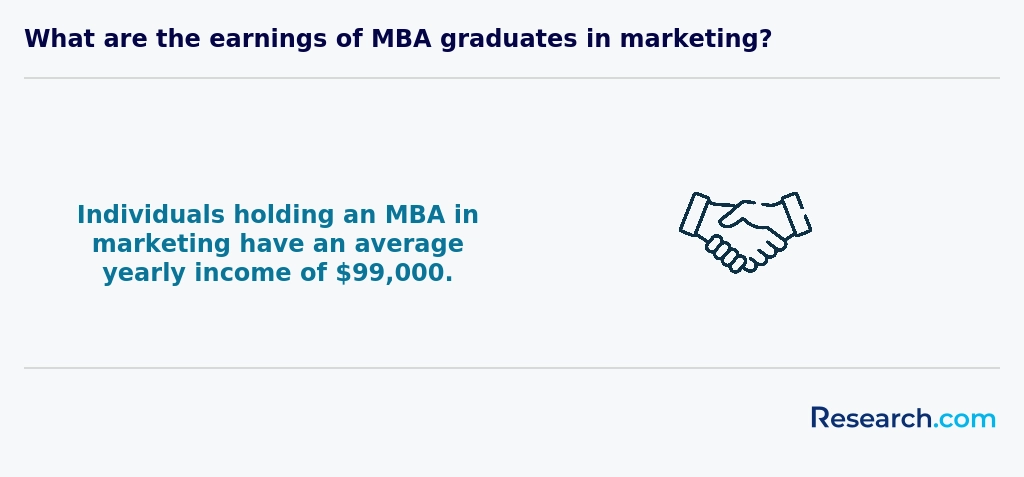
Graduates from MBA programs at Saint Louis University and Washington University in St. Louis report competitive salaries that reflect the strong economic environment of the region. Early and mid-career MBA holders typically earn between $70,000 and $130,000 annually, with a local average around $95,000, slightly surpassing the national average of approximately $90,000. These figures illustrate the added financial value of completing an MBA in Saint Louis's vibrant business community.
Many MBA alumni find rewarding opportunities in finance, consulting, and healthcare administration, where salaries can increase substantially with experience. For instance, seasoned financial managers and consultants commonly earn upwards of $140,000, bolstered by bonuses and profit-sharing plans at companies such as Express Scripts and Centene Corporation. These real-world earnings underscore the payoff of leveraging the robust alumni networks and internship programs offered by prominent local universities.
The salary growth reported by graduates echoes national data showing a 50% increase compared to pre-MBA income, confirming that the investment in a Saint Louis MBA can lead to meaningful professional and financial advancement.
2027 Best MBA Degree Programs Ranking in Saint Louis
How do we rank schools?
Investing in your education is a significant decision that can shape your future, and the Research.com team understands the importance of making informed choices. To assist prospective students in Saint Louis, we have meticulously crafted the "2027 Best MBA Degree Programs Ranking in Saint Louis." Our commitment to quality, credibility, and accuracy is reflected in the extensive research and analysis conducted to compile this ranking.
We utilized the following reputable data sources to ensure a comprehensive evaluation of MBA programs:
By exploring this ranking, readers will gain valuable insights into the best MBA degree programs available in Saint Louis, helping them make informed decisions about their educational paths. For more details on our methodology, please visit our Research.com methodology page.


Key Findings
- MBA programs in Saint Louis offer full-time, part-time, and online options to accommodate different student needs.
- Tuition costs for MBA degrees typically range from $30,000 to $70,000, excluding books and living expenses.
- Early-career MBA graduates earn between $75,000 and $90,000 annually, with experienced professionals often making over $120,000.
- The job market includes sectors like healthcare, finance, manufacturing, and technology, with roles in management, consulting, and marketing.
- Several programs have AACSB accreditation, which is a recognized quality standard in business education.
How long does it take to complete MBA degree in Saint Louis?
Completing an MBA degree in Saint Louis typically requires a commitment ranging from one to four years, depending on the program structure and student circumstances. Full-time students at institutions like Saint Louis University and Washington University often finish their studies in about two years. Graduates recount a rigorous yet rewarding experience, balancing a demanding course load alongside practical internships that enhance their real-world business skills.
For working professionals, part-time MBA programs offer flexibility by extending the duration to three or four years. Evening and weekend classes enable students to continue their careers while advancing academically, fostering a manageable pace that many alumni appreciate for reducing stress and maintaining work-life balance.
Accelerated MBA pathways allow completion in approximately 12 months, appealing to those eager to swiftly re-enter the workforce or shift careers. However, this intensive approach requires dedication and limits extracurricular opportunities, as shared by graduates who valued the challenging but efficient schedule.
Online MBA options reflect a broader range of timelines, typically one to three years, granting students autonomy over their pace and schedule. Such flexibility resonates strongly with those balancing professional and personal responsibilities in Saint Louis's dynamic environment.
Accelerated MBA Programs and ROI Considerations
In today’s fast-paced business environment, exploring accelerated MBA options can be a game-changer for professionals eager to advance their careers without committing to a traditional multi-year program. Accelerated tracks, particularly those offered online, are designed to deliver a condensed, high-impact curriculum that allows students to integrate learning directly into their work routines. For busy professionals seeking a rapid route to career growth, options like the shortest mba can provide the flexibility and speed needed to make an immediate impact in today’s competitive market. Equally important is evaluating the return on investment (ROI) that these accelerated programs offer. Beyond the immediate reduction in tuition and time commitments, prospective students should consider long-term benefits such as early career advancements, increased earning potential, and the growth of a valuable professional network. A well-structured accelerated MBA can not only enhance your skillset in a shorter duration but also position you for leadership roles sooner, which may translate to higher salary prospects and quicker payback on your educational investment. When weighing various programs, it is essential to compare curriculum rigor, total costs, and the potential for career acceleration to ensure that the chosen path aligns seamlessly with your long-term goals.
What's the difference between online and on-campus MBA degree?
On-campus MBA programs in Saint Louis, such as those at Washington University in St. Louis or Saint Louis University, offer a rich, face-to-face learning environment that fosters direct interaction with professors and peers. Graduates often describe the immersive atmosphere of group projects and live networking events as highly rewarding, creating valuable local connections that enhance career opportunities. The cost ranges from $50,000 to $70,000 per year, reflecting the extensive campus resources and experiential learning involved.
In contrast, online MBA programs provide flexibility that suits working professionals or those with family commitments. Saint Louis University's online MBA, for example, closely mirrors its on-campus counterpart in curriculum but allows students to study asynchronously from any location. Graduates value the convenience of balancing education with personal and work life, often noting the comfort of digital platforms for lectures and discussions. Tuition tends to be lower, averaging $30,000 to $55,000 for the entire program, reducing expenses tied to commuting and housing.
Both paths serve different lifestyles and preferences but maintain strong academic standards and professional outcomes in Saint Louis.
What is the average cost of MBA degree in Saint Louis?
The average MBA degree cost in Saint Louis typically centers around a median total tuition of approximately $45,950. This figure reflects a balance between in-state and out-of-state rates, with in-state students often benefiting from a lower median total cost of about $33,181. Graduates from institutions like Washington University's Olin Business School frequently highlight the value of their investment, despite its higher tuition, around $66,000 for a two-year full-time program, due to its strong alumni network and career services.
Many students pursuing MBA programs in Saint Louis from schools such as Saint Louis University appreciate the more affordable tuition ranges, generally between $30,000 and $40,000, especially for part-time or online formats designed for working professionals. These flexible programs often enable students to manage expenses while continuing employment, contributing to a positive overall experience in balancing education and personal finances.
For residents, the University of Missouri-St. Louis offers an attractive option with tuition costs closer to $25,000 to $35,000, enhancing accessibility for in-state students seeking quality education without excessive financial strain. Consideration of the total cost of MBA programs Saint Louis extends beyond tuition, including living expenses and fees, but numerous students feel that the investment yields rewarding professional returns.
Prospective candidates interested in affordable routes may explore the most affordable mba schools in missouri, which provide competitive programs with strong career outcomes while helping manage overall expenses.

Return on Investment (ROI) of an MBA in Saint Louis, MO
Evaluating the ROI of your MBA is essential for making a data-driven decision. Start by calculating total program costs-tuition, fees, books, and living expenses-against the expected salary increase. In Saint Louis, MO, MBA graduates report starting salaries ranging from $70,000 to $100,000, with mid-career earnings often surpassing $120,000. Subtract your estimated debt and opportunity cost (lost income during full-time study) to determine your break-even point, which for most local programs falls between three and five years. Scholarships, fellowships, and employer sponsorships can significantly shorten payback time. For example, students who secure merit-based aid or service fellowships at institutions like Saint Louis University often recoup their investment within three years. Part-time or online formats enable you to maintain full-time employment, further reducing opportunity costs. If affordability is a top priority, consider comparing tuition rates across the region. You may also explore programs with strong ROI profiles at a lower price point, such as those featured in our Cheapest MBA Degree Programs Ranking in the Midwest. By balancing cost, earning potential, and program quality, you can maximize the long-term return on your MBA investment in Saint Louis.
What financial aid is available to MBA degree students in Saint Louis?
MBA students in Saint Louis benefit from various financial aid options tailored to ease the considerable tuition costs, which typically range from $30,000 to $60,000. Graduates from well-known institutions like Washington University in St. Louis often highlight federal student loans such as the Direct Unsubsidized and Grad PLUS Loans, accessible through FAFSA, for their fixed rates and manageable repayment plans. While federal grants are scarce, merit-based scholarships and fellowships provided by local business schools offer substantial relief, rewarding academic excellence and leadership potential. Many students have reported that these awards made their programs financially feasible.
Local organizations, including the Missouri Women's Council for Excellence, also contribute scholarships targeting graduate business students, adding another layer of support. Employer tuition assistance frequently plays a vital role, with companies in the Saint Louis area reimbursing tuition fees to encourage workforce development. Some graduates recall utilizing employer programs at Saint Louis University to balance education and work smoothly. Private loans remain a last resort due to higher interest rates, but when combined thoughtfully with other resources, they help students navigate funding with confidence and optimism.
Return on Investment: Calculating the ROI of Your MBA in Saint Louis, MO
Understanding the return on investment (ROI) of an MBA program is essential for making an informed decision. In Saint Louis, MO, average total tuition for a two-year MBA ranges from $40,000 to $120,000. When balanced against starting salaries-typically $70,000 to $100,000-prospective students can estimate a payback period of roughly 3 to 5 years. To calculate your personal ROI:
- Estimate Total Cost: Include tuition, fees, living expenses, and lost income if you study full-time. For part-time or online formats, factor in reduced opportunity costs.
- Project Earnings Increase: Research local salary data for roles like financial analyst, marketing manager, or healthcare administrator. Subtract your pre-MBA salary from expected post-MBA salary to find annual increments.
- Calculate Payback Period: Divide your net investment by the annual salary increase. A program with a $60,000 net cost and a $20,000 salary boost yields a 3-year payback.
What are the prerequisites for enrolling in MBA degree program in Saint Louis?
Enrolling in an MBA program in Saint Louis typically requires a bachelor's degree from an accredited institution, which graduates from universities such as Saint Louis University or Washington University often highlight as a fundamental step. The undergraduate field is flexible, welcoming backgrounds ranging from business to humanities, though many students emphasize the advantage of prior coursework in quantitative subjects to navigate the curriculum confidently.
Work experience is another essential prerequisite, with most programs preferring candidates who bring two to three years of professional experience. Graduates recall how real-world leadership and problem-solving skills gained in local industries significantly enriched their classroom contributions and group projects.
Standardized testing, primarily the GMAT or GRE, remains important. While some Saint Louis schools offer test-optional paths, those submitting a competitive GMAT score-often above 600-find they strengthen their application impressively, illustrating readiness for rigorous study.
Additionally, applicants submit letters of recommendation and statements of purpose, which allow them to share personal motivations and demonstrate commitment, creating a compelling narrative that resonates with admissions committees at these respected institutions.

Navigating Financial Considerations for MBA Programs in Saint Louis, MO
When considering MBA programs in Saint Louis, MO, one crucial aspect to navigate is the financial implications of pursuing such a degree. The cost of an MBA program can vary significantly, and understanding these costs, as well as the potential return on investment, is vital for making informed decisions. Prospective students can explore various financial aid options, including scholarships, grants, and loans, to help manage the expenses associated with their MBA journey. For those looking to minimize costs, researching the most affordable mba schools in missouri can provide valuable insights into affordable yet high-quality MBA programs. Additionally, considering the long-term benefits of an MBA, such as increased earning potential and career advancement opportunities, can help students assess whether the investment is worthwhile for their future career goals.
What courses are typically in MBA degree programs in Saint Louis?
MBA programs in Saint Louis typically include a robust set of core courses that provide a strong foundation in key business disciplines. Graduates from institutions like Saint Louis University and Washington University often highlight courses such as Financial Accounting and Managerial Accounting, which equip them with the skills to analyze financial statements and make data-driven decisions crucial in everyday business operations.
Other essential courses include Marketing Management, where students learn to develop effective strategies by understanding consumer behavior, and Operations Management, focusing on improving supply chains and production efficiency. Organizational Behavior courses help MBA candidates develop leadership skills by exploring team dynamics, a frequent topic during collaborative projects at local universities.
Corporate Finance and Strategic Management courses guide students through investment decisions and long-term planning, reflecting the practical challenges faced by businesses in Saint Louis' finance and manufacturing sectors. Many graduates appreciate the inclusion of Business Ethics and Corporate Social Responsibility, which encourage responsible leadership aligned with the community's values.
Elective options, such as entrepreneurship and healthcare management, further tailor the curriculum to suit diverse career goals, making the Saint Louis MBA experience both comprehensive and personally rewarding.
What types of specializations are available in MBA degree programs in Saint Louis?
Typical MBA specializations in Saint Louis reflect the dynamic economic landscape of the region and the diverse interests of students pursuing advanced business education. Graduates from well-known universities in the area often highlight concentrations in Finance, Marketing, Healthcare Management, Supply Chain and Operations Management, Entrepreneurship, and Information Technology Management as particularly relevant. These specializations equip students to meet the demands of local industries ranging from financial institutions to healthcare providers and tech startups.
For those seeking the best MBA concentration options Saint Louis has to offer, hands-on experiences such as internships at regional firms or consulting projects add significant value. Many students find that these practical opportunities boost their confidence and job readiness, bridging academic theories with real-world challenges.
Students aiming for a tailored educational path might explore the shortest mba options to accelerate their career goals while still benefiting from strong specialty tracks that align with their ambitions in Saint Louis's competitive market.
How do you choose the best MBA degree in Saint Louis?
Selecting the best MBA programs in Saint Louis requires evaluating accreditation, program flexibility, and specialization options aligned with your career ambitions. Graduates from Washington University's Olin Business School often highlight the value of its AACSB accreditation, which ensures rigorous academic standards and strong employer recognition. Many students appreciate programs offering evening or weekend classes, allowing them to balance work and study effectively, especially in institutions like Saint Louis University.
Affordability plays a major role; tuition can vary significantly between public and private schools. Exploring financial aid, employer sponsorships, and scholarships is essential to manage costs effectively. For those prioritizing cost efficiency, consulting the Cheapest MBA Degree Programs Ranking in the Midwest helps identify affordable MBA degrees Saint Louis offers without compromising quality.
Specializations in healthcare management, finance, and entrepreneurship reflect the local economy's strengths and appeal to many candidates. Alumni frequently mention how curriculum focus and strong career services, including local employer connections, accelerated their job placement and professional growth within Saint Louis industries.
What career paths are available for MBA degree students in Saint Louis?
Graduates pursuing MBA career opportunities in Saint Louis find diverse paths across finance, healthcare, manufacturing, and technology sectors. Financial institutions like Edward Jones and Stifel Financial offer roles in investment management and corporate finance, where graduates from institutions such as Washington University in St. Louis confidently apply their strategic skills. Healthcare management is another prominent avenue, especially with major systems like BJC HealthCare, encouraging MBA graduates from local colleges to engage in hospital administration and consulting, driving impactful changes in healthcare policy and operations.
Saint Louis MBA graduate job prospects also include manufacturing and logistics, where companies like Boeing value expertise in supply chain and project management. Technology and startups flourish particularly around innovation hubs like Cortex Innovation Community, attracting entrepreneurial MBAs from popular programs who thrive in product management and consulting roles. Many students find their career pathways evolving after studying with supportive ecosystems and hands-on experiences.
For those exploring affordable options, the region offers competitive costs and even guidance on other affordable degrees such as the best accelerated online associates degree. This combination of quality education and broad opportunities helps enable fulfilling careers post-MBA in Saint Louis.
What is the job market for MBA degree in Saint Louis?
Saint Louis offers a stable and growing job market for MBA graduates, with vibrant opportunities in finance, healthcare, manufacturing, and logistics. Graduates from popular institutions like Washington University in St. Louis and Saint Louis University frequently secure leadership roles at major local employers such as Centene Corporation and Emerson Electric. These roles often involve strategy development and management, reflecting the city's demand for experienced business professionals.
Those exploring mba job opportunities in Saint Louis find the region's competitive salaries appealing, typically ranging from $85,000 to $110,000 annually. This level of compensation aligns well with the cost of living, providing graduates with a practical balance of income and expenses. Many MBA holders share that the access to strong local networks and corporate connections significantly enhances their career trajectories.
Students weighing their educational investments appreciate that full-time MBA tuition in Saint Louis falls between $30,000 and $60,000 per year, presenting a cost-effective choice for advanced business training. For those still considering alternatives, especially if seeking the easiest associates degree to get as a stepping stone, Saint Louis offers diverse academic pathways.
Insights into the Saint Louis mba career outlook reveal steady demand for mid to senior management roles and growing sectors like healthcare management and supply chain logistics. The city's innovation ecosystem also supports entrepreneurship, offering a fertile ground for graduates eager to launch startups.
Frequently Asked Questions About MBA
Students pursuing an MBA degree in Saint Louis can enhance their learning by engaging actively with the city's robust business community. Saint Louis hosts a range of networking events, such as those organized by the Saint Louis Regional Chamber, which provide valuable connections and real-world insights.
Incorporating internships and consulting projects with local companies, including multinational firms like Express Scripts and Energizer, allows students to apply classroom concepts practically. According to the Saint Louis University's business school data, over 70% of MBA students participate in experiential learning opportunities.
Additionally, leveraging resources from local universities, such as speaker series and career services, can significantly boost knowledge and professional growth.
The MBA landscape in Saint Louis is evolving with several emerging niches gaining traction. One of the fastest-growing areas is healthcare management, reflecting the city's strong medical and biotech industries. According to the Saint Louis Economic Development Partnership, healthcare companies represent a significant share of local employers, increasing demand for specialized MBA training.
Another promising niche is data analytics and business intelligence. With companies increasingly relying on big data, MBA programs now integrate analytics courses to prepare graduates for data-driven decision-making roles.
Additionally, sustainability and corporate social responsibility are becoming key elements within MBA curricula, especially as regional firms pursue greener business practices in response to market and regulatory pressures.
Saint Louis also benefits from a growing focus on entrepreneurship and innovation, supported by local incubators and startups. This niche appeals to students aiming to launch ventures or drive innovation within established firms.
Preparing for the job market after earning an MBA in Saint Louis involves strategic planning and leveraging local resources. Saint Louis hosts several reputable business schools, including Washington University's Olin Business School, known for strong corporate connections. According to the Graduate Management Admission Council, over 90% of MBA graduates report job satisfaction, but networking is essential to access those opportunities.
Students should use career services early to develop resumes, participate in internships, and attend local business events. The Saint Louis economic region has growth in finance, healthcare, and technology sectors, offering relevant roles for MBA holders. Engaging with St. Louis-based companies via informational interviews sharpens industry knowledge and increases job prospects.
Employers in Saint Louis prioritize a combination of leadership, analytical, and communication skills in MBA graduates. According to the Saint Louis Economic Development Partnership, skills in strategic thinking and data-driven decision-making are highly valued, reflecting the city's growing emphasis on tech and healthcare industries.
Strong interpersonal abilities, including teamwork and conflict resolution, are critical as many local firms focus on collaborative work environments. Additionally, proficiency in financial management and understanding emerging markets remain top competencies sought by recruiters in the region.
The GMAC Corporate Recruiters Survey (2023) also highlights that adaptability and digital literacy are increasingly important, with 67% of employers in the Midwest expecting MBA graduates to navigate evolving business technologies effectively.
Finding internships in Saint Louis relevant to an MBA degree involves leveraging local business networks and university resources. Saint Louis hosts numerous Fortune 500 companies like Express Scripts and Centene, offering valuable internship opportunities for MBA students focused on healthcare, finance, and consulting sectors.
MBA candidates should connect with career centers at regional schools such as Washington University in St. Louis or Saint Louis University, which actively partner with local businesses to provide internship placements. According to the St. Louis Economic Development Partnership, internships are increasingly promoted in industries like technology, biosciences, and finance.
Additionally, professional organizations like the St. Louis Chamber of Commerce and MBA student groups offer networking events and job fairs. Utilizing online platforms dedicated to Saint Louis internships also enhances access to relevant positions in the competitive market.
An MBA degree in Saint Louis significantly enhances career mobility and advancement opportunities within the region's diverse economy. Saint Louis hosts a concentration of Fortune 500 companies and a growing startup ecosystem, where MBA graduates are valued for leadership and strategic skills. According to the Saint Louis Economic Development Partnership, MBA holders in the city experience a 20% higher likelihood of promotion within five years compared to non-MBA peers.
The degree also broadens professional networks through local alumni associations and business events. Many Saint Louis employers, such as Monsanto and Enterprise Holdings, actively recruit MBA graduates for managerial roles. Additionally, the U.S. Bureau of Labor Statistics projects a 7% growth in management occupations in the Midwest over the next decade, which further underscores the importance of an MBA for career advancement in Saint Louis.
Studying for an MBA degree in Saint Louis equips students with skills essential for interdisciplinary roles by emphasizing collaborative learning across business, technology, healthcare, and nonprofit sectors. Local programs, such as those at Saint Louis University and Washington University, integrate case studies and projects involving multiple industries, promoting problem-solving beyond traditional business functions.
Saint Louis is a regional hub for healthcare and financial services, enabling MBA candidates to gain hands-on experience with cross-sector challenges. According to the U.S. Bureau of Labor Statistics, professionals with combined expertise in management and specialized fields are increasingly sought after.
Additionally, MBA curricula in Saint Louis often include coursework in data analytics, organizational behavior, and strategy, preparing graduates to work effectively in diverse teams and adapt to varied professional environments.
When choosing between a thesis and a non-thesis MBA program in Saint Louis, consider your career goals and learning preferences. A thesis MBA typically requires original research and a formal paper, ideal for students interested in academic or research careers. Non-thesis programs focus more on coursework and practical experience, appealing to those aiming for direct entry into business roles.
Saint Louis universities, such as Saint Louis University and Washington University, offer both options varying in structure and length. According to the National Center for Education Statistics, thesis MBAs may take longer to complete. Research local programs' specifics and consider faculty expertise and available resources before deciding.
Students in Saint Louis interested in studying MBA degrees abroad have multiple pathways to consider within the US higher education framework. Many regional universities, including Washington University in Saint Louis, offer exchange programs and dual-degree options with international institutions. This allows students to gain global experience while benefiting from stateside resources. Additionally, online MBA programs provide flexible international curricula with several universities partnering with global business schools, facilitating cross-border learning without relocating.
According to the Graduate Management Admission Council's 2023 report, nearly 25% of US MBA candidates consider international study options. Saint Louis-based students can tap into alliances between local schools and foreign universities, notably in Europe and Asia, expanding their academic and professional networks.
Students pursuing an MBA degree in Saint Louis have various part-time job options that complement their academic learning. Positions in local finance firms, marketing agencies, and nonprofit organizations provide valuable hands-on experience aligned with MBA coursework.
Saint Louis has a growing startup ecosystem where MBA candidates can find roles in project management and business development. According to the Saint Louis Economic Development Partnership, the city's professional services sector grew by 3.5% in 2023, increasing internship and part-time opportunities.
Campus-based roles, such as research assistantships in business schools, also allow students to deepen their knowledge while earning income. Networking in these roles can facilitate future career advancement in the region's strong corporate market.
Saint Louis offers robust networking opportunities for MBA students through its diverse business community and academic institutions. Universities like Washington University in St. Louis and Saint Louis University connect students with alumni networks exceeding 100,000 professionals locally and globally.
The Greater Saint Louis area hosts over 20,000 businesses, including major corporations such as Express Scripts and Edward Jones, which frequently collaborate with MBA programs for internships and events. According to the Saint Louis Economic Development Partnership, this dynamic environment enables practical engagement with industry leaders.
Additionally, professional organizations such as the St. Louis Business Networking Group provide recurring events, workshops, and mentorship programs tailored to MBA students. These connections enhance career prospects post-graduation by fostering relationships across various sectors.
Alumni networks play a crucial role for MBA students in Saint Louis by offering extensive professional connections. Graduates from programs like Washington University's Olin Business School and Saint Louis University's Chaifetz School often tap into these networks to access job opportunities and mentorship.
Studies show that 70% of MBA graduates in the US find employment through alumni referrals or contacts. In Saint Louis, local business ties further strengthen these connections, providing students with a competitive edge in the regional job market.
In addition, alumni events and online platforms foster knowledge sharing, career guidance, and collaborative projects, enhancing students' educational experience and career growth.
In Saint Louis, MBA programs offer various options to tailor your education to meet specific career goals. Many universities provide elective courses and concentrations such as finance, marketing, healthcare management, or entrepreneurship, allowing students to focus on their area of interest. For example, Saint Louis University and Washington University offer customizable tracks that align with local industry demands.
Additionally, experiential learning through internships, consulting projects, or capstone experiences helps apply classroom knowledge to real-world business challenges. Some programs also enable part-time or online formats, letting students balance work and study.
According to U.S. News & World Report, nearly 60% of MBA students in Saint Louis choose specializations to enhance their career prospects, emphasizing the importance of customization in today's market.
MBA students in Saint Louis commonly face several challenges related to balancing education, work, and personal commitments. Many candidates are working professionals, making time management a critical issue, especially when courses demand extensive group projects and networking. According to data from the Graduate Management Admission Council (GMAC), nearly 60% of MBA students nationally report difficulties juggling studies and jobs, which holds true locally as well.
Additionally, financing an MBA is a significant concern. Tuition fees at Saint Louis area universities average between $30,000 and $60,000 for the full program, leading students to rely on loans or employer sponsorship. Adjusting to the rigorous academic demands and competitive environment can also cause stress for some students.
With an MBA degree obtained in Saint Louis, graduates can pursue several professional certifications that enhance their career opportunities and expertise. Popular certifications include the Certified Public Accountant (CPA) for those with accounting interests, and the Project Management Professional (PMP), which is highly valued in various industries.
Other notable certifications include the Certified Management Accountant (CMA) and the Chartered Financial Analyst (CFA), suited for finance and strategic management professionals. These certifications complement the broad business knowledge an MBA provides.
According to the Graduate Management Admission Council, about 30% of MBA graduates in the U.S. pursue at least one professional certification post-degree, enhancing their salary potential and job mobility.
Saint Louis-based programs often provide tailored support and local professional networks to help students prepare for these certifications efficiently.
Writing a winning application for an MBA program in Saint Louis begins with demonstrating clear professional goals and how the MBA will enhance your career. Local programs, such as those at Washington University in St. Louis and Saint Louis University, seek candidates with leadership potential and community engagement.
Highlight your academic achievements and quantify your work experience, as accepted applicants often have at least 3-5 years in management roles. Strong GMAT or GRE scores, commonly above the 80th percentile for Saint Louis programs, improve competitiveness.
Essays should be concise, well-structured, and tailored to each school's mission. Recommendations from supervisors who can attest to your leadership and problem-solving skills are critical.
Finally, prepare thoroughly for interviews by articulating how you will contribute to the Saint Louis business environment and leverage the local network, aligning with data from U.S. News and World Report on regional MBA trends.
Globally, an MBA degree is valued for its ability to equip graduates with versatile leadership and management skills. In the United States, including Saint Louis, an MBA often positions professionals for higher executive roles and broader career mobility. According to the Graduate Management Admission Council (GMAC), nearly 60% of employers worldwide seek MBA talent for roles in consulting, finance, and technology.
Saint Louis, as a growing business hub, benefits from this trend. MBA graduates from local universities like Washington University and Saint Louis University report median salaries between $90,000 and $110,000, reflecting strong regional and global demand.
Internationally, the MBA remains a passport for cross-border opportunities, with 53% of US MBA graduates pursuing careers outside their home states, signaling rising globalization.
Gaining practical experience while pursuing an MBA in Saint Louis is a strategic way to enhance your skills and improve job prospects. Many local programs emphasize experiential learning through internships, consulting projects, and partnerships with businesses in sectors like healthcare, finance, and manufacturing, which are prominent in the region.
Saint Louis area MBA students often access internship opportunities at companies such as Express Scripts and Centene. These roles allow students to apply classroom knowledge in real-world environments, building valuable industry connections.
Additionally, some universities offer business incubators and entrepreneurship centers where MBA candidates can work on live startups or community projects. This hands-on experience helps develop leadership and problem-solving skills highly valued by employers.
According to the U.S. News & World Report, MBA programs in Saint Louis rank well for offering practical experiences through such initiatives, contributing to a reported 90% employment rate within six months of graduation for many students.
Choosing the right concentration within an MBA program in Saint Louis involves aligning your career goals with the local industry demands and your personal interests. Saint Louis has a strong presence in healthcare, finance, and manufacturing, so popular concentrations include Healthcare Management, Finance, and Operations Management. According to the Saint Louis Economic Development Partnership, healthcare accounts for about 14% of employment in the region, making related MBA tracks particularly valuable.
Consider the program's curriculum flexibility and faculty expertise in your chosen concentration. Research reported by the Graduate Management Admission Council highlights that more than 70% of MBA students prioritize concentrations with strong job placement rates. You should also evaluate internship and networking opportunities within Saint Louis to maximize local employment prospects.
Related MBA Rankings for Nearby Cities
- 2027 Best MBA Degree Programs Ranking in Springfield
- 2027 Best MBA Degree Programs Ranking in Indianapolis
- 2027 Best MBA Degree Programs Ranking in Kansas City
- 2027 Best MBA Degree Programs Ranking in Memphis
- 2027 Best MBA Degree Programs Ranking in Louisville
- 2027 Best MBA Degree Programs Ranking in Nashville
- 2027 Best MBA Degree Programs Ranking in River Forest
- 2027 Best MBA Degree Programs Ranking in Chicago
- 2027 Best MBA Degree Programs Ranking in Dubuque
- 2027 Best MBA Degree Programs Ranking in Cincinnati
Top Trending MBA Rankings
References
- Know more about thesis vs non- thesis: what is the difference? https://studyfans.com/en/blogs/816
- What Work Experience Do You Need For an MBA? | Articles | Unimy https://www.unimy.com/article/blog-mba-preparation-admissions-mba-work-experience
- MBA Salary: How Much Can You Earn After Graduation? | Walbrook https://www.walbrook.ac.uk/subjects/mba/mba-degree-salary-how-much-can-you-earn/
- Lessons learned: one year into pursuing an MBA while balancing full-time work - Franz Vitulli https://franzvitulli.com/mba-work/
- 6 Tips to Make the Most of Your MBA Experience https://mbaschooled.com/2020/01/14/6-tips-to-make-the-most-of-your-mba-experience/
- How to Use Your MBA for Career Growth While You’re Still Studying - International Career Institute USA https://icieducation.com/blog/how-to-use-your-mba-for-career-growth-while-youre-still-studying/
- How an MBA contributes to career advancement https://online.wlv.ac.uk/blog/how-an-mba-contributes-to-career-advancement/
- MBA studies https://moderna.edu.pl/majors/management/master-of-management/mba-management-masters-degree/
- Why Fit Matters: Matching Your Profile and Career Goals to Your Dream MBA Program https://merchantmba.com/blog/why-fit-matters-matching-your-profile-and-career-goals-to-your-dream-mba-program
- What Can You Do with an MBA in Today’s Market? | Elmhurst University Elmhurst University Blog https://www.elmhurst.edu/blog/what-can-you-do-with-an-mba-in-todays-market/