2027 Best MBA Degree Programs Ranking in Buffalo

Co-Founder and Chief Data Scientist
Choosing the right MBA program can shape your career and open doors to exciting opportunities. This article presents the 2027 Best MBA Degree Programs Ranking in Buffalo, created by the Research.com team of data scientists to help students like you make informed decisions.
By exploring this ranking, you'll discover which local programs offer the best value, quality, and support. Getting an MBA is an investment in yourself that can boost your confidence and skills, positioning you for success in today's competitive job market.
Take the first step toward your future with insights tailored for Buffalo students.
Key benefits of getting MBA degree in Buffalo
- While specific Buffalo salary data is unavailable, MBA graduates in the US typically earn between $90,000 and $120,000 annually, providing strong financial incentive and career stability.
- An MBA graduate from the University at Buffalo often explores diverse career paths such as management consulting, finance, or marketing, opening doors to leadership roles in various thriving industries.
- Completing an MBA online from a school like the University at Buffalo offers flexibility, allowing students to balance work and study easily while gaining the same respected degree as traditional programs.
- Key benefits of getting MBA degree in Buffalo
- What can I expect from MBA degree in Buffalo?
- Where can I work with MBA degree in Buffalo?
- How much can I make with MBA degree in Buffalo?
- 2027 Best MBA Degree Programs Ranking in Buffalo
- Key Findings
- How long does it take to complete MBA degree in Buffalo?
- Alumni Network and Career Services
- What's the difference between online and on-campus MBA degree?
- What is the average cost of MBA degree in Buffalo?
- What financial aid is available to MBA degree students in Buffalo?
- What are the prerequisites for enrolling in MBA degree program in Buffalo?
- Determining the Affordability of MBA Programs in Buffalo, NY
- What courses are typically in MBA degree programs in Buffalo?
- What types of specializations are available in MBA degree programs in Buffalo?
- How do you choose the best MBA degree in Buffalo?
- What career paths are available for MBA degree students in Buffalo?
- What is the job market for MBA degree in Buffalo?
- Top Trending MBA Rankings
What can I expect from MBA degree in Buffalo?
The average cost of pursuing an MBA degree in Buffalo can vary, but many students at the University at Buffalo's School of Management report tuition expenses ranging between $30,000 and $60,000 for the entire program. Graduates reflect on this investment as one that brought significant return, especially considering UB's AACSB accreditation, which assures high academic standards respected by employers.
One common experience among part-time students in Buffalo is balancing work and study, a necessity that also helps manage tuition costs without sacrificing income. These graduates often emphasize how local connections, built through internships and networking events, made their financial commitment feel worthwhile, turning classroom lessons into practical career advancements.
Moreover, the flexibility of timing-whether full-time or part-time-enables students to tailor their education to their budget and lifestyle, mitigating financial stress. This adaptability, combined with the region's growing industries, frequently leads to quicker employment and salary gains, reinforcing the value of the investment in Buffalo's MBA programs.
Where can I work with MBA degree in Buffalo?
Graduates holding an MBA from institutions like the University at Buffalo find themselves welcomed across various thriving sectors in the city. Many share how their degrees opened doors in finance and banking, landing roles at regional giants such as M&T Bank, where financial acumen and strategic insight are highly prized.
Others have taken leadership positions within Buffalo's healthcare organizations, including Kaleida Health, managing complex hospital operations and contributing to innovative projects on the Buffalo Niagara Medical Campus. These experiences often fuel a sense of fulfillment, knowing their business skills support critical community services.
Technology also draws MBA holders eager to blend strategy with innovation. Buffalo's expanding tech hubs create opportunities in product management and business development-fields that graduates describe as dynamic and rewarding.
Manufacturing companies like Moog Inc. appreciate MBA-trained professionals for improving supply chains and driving operational excellence, a particularly satisfying challenge for those who enjoy hands-on leadership.
Finally, nonprofit and education sectors offer meaningful careers, allowing graduates from Buffalo's business schools to impact academia and social programs profoundly, finding purpose beyond profit.
How much can I make with MBA degree in Buffalo?
Graduates with an MBA degree from institutions like the University at Buffalo often find their earnings reflecting both the strength of their education and the unique economic landscape of Buffalo. While exact salary data for specific MBA roles in Buffalo is limited, experience shows that entry-level MBAs typically start around $65,000 to $75,000, which, though modest compared to larger cities, feels rewarding when balanced against Buffalo's affordable living costs.
Mid-career professionals tend to reach salaries near or above $110,000, especially those who step into managerial roles within thriving sectors such as healthcare or technology. Graduates share stories of steady progression, noting how their strategic skills gained from local programs translate into leadership opportunities in regional companies.
One recent graduate recalls leveraging connections made during their MBA at Buffalo State College to secure a consulting role with a local firm, where the initial salary aligned well with national averages despite the city's smaller market. Benefits and bonuses often supplement base salaries, contributing to financial stability and satisfaction.
The evolving Buffalo economy offers a vibrant environment where MBA graduates' expertise is valued and compensated in ways that encourage optimism and commitment to long-term growth.
2027 Best MBA Degree Programs Ranking in Buffalo
How do we rank schools?
Investing in your education is a significant decision that can shape your future, and the Research.com team understands the importance of making informed choices. To assist prospective students in Buffalo, we have meticulously crafted the "2027 Best MBA Degree Programs Ranking in Buffalo." Our commitment to quality, credibility, and accuracy is reflected in the extensive research and analysis conducted to compile this ranking.
We utilized the following reputable data sources to ensure a comprehensive evaluation of MBA programs:
By exploring this ranking, readers will gain valuable insights into the top MBA programs in Buffalo, helping them make confident decisions about their educational paths. For more details on our methodology, please visit our Research.com methodology page.


Key Findings
- The average total tuition for MBA programs in Buffalo ranges from $30,000 to $60,000, with public universities offering lower in-state rates.
- Entry-level MBA salaries in Buffalo typically range between $65,000 and $75,000 annually.
- Experienced MBA graduates can earn between $90,000 and $110,000, especially in finance, healthcare management, and technology sectors.
- Buffalo's economy supports a steady job market for MBA holders, with opportunities in financial services, healthcare, manufacturing, and professional services.
- Flexible MBA program formats like full-time, part-time, and online are available to accommodate working professionals.
- Many MBA programs in Buffalo provide networking and internship opportunities through partnerships with local businesses, aiding job placement.
How long does it take to complete MBA degree in Buffalo?
Completing an MBA degree in Buffalo typically takes about two years if you enroll full-time. Graduates from the University at Buffalo's School of Management often reflect on this period as intense but rewarding, allowing them to immerse fully in their studies and campus life. This traditional timeframe fits well for those eager to advance their careers swiftly without balancing other major commitments.
For others juggling work or personal responsibilities, part-time MBA programs offer a compassionate alternative. Many find that spreading courses over three to four years helps maintain a healthy balance, creating space for steady progress without overwhelming pressure. These students often share a sense of accomplishment in managing both work and study effectively.
Accelerated MBAs in Buffalo offer a faster route, sometimes finishing in just 12 to 18 months. While demanding, graduates say the intense focus generates strong momentum and a gratifying sense of achievement. Knowing the time commitment upfront helps students choose the path best suited to their life circumstances and career goals.
Alumni Network and Career Services
A robust alumni network and dedicated career services are vital for MBA students seeking guidance, mentorship, and job placements in Buffalo’s competitive market. Graduates tap into a community of over 5,000 alumni across diverse industries-including finance, healthcare, and technology-who regularly volunteer for mentorship programs, guest lectures, and resume reviews. Key Career Services Offerings:
- Personalized Coaching: One‐on‐one sessions with career advisors help students refine elevator pitches, optimize LinkedIn profiles, and tailor cover letters for target roles.
- Networking Events: Monthly industry panels connect current students with alumni working at leading firms. Recent events featured executives from M&T Bank and Delaware North.
- Internship and Job Portals: An exclusive online platform lists 200+ internship and full‐time opportunities annually, updated in real time by employers seeking MBA talent.
- Skill Workshops: Regular workshops cover essential skills-interview techniques, negotiation strategies, and data visualization tools-ensuring graduates stand out in the job market. Alumni Engagement and Outcomes: Graduates report a 90% job placement rate within six months of graduation, with median starting salaries around $75,000. Alumni mentor virtually and in person, offering real‐world insights that complement classroom learning. For example, the University at Buffalo’s alumni advisory board collaborates with the career center to host “Consulting Case Night,” where former students share case‐solving tactics. For prospective students balancing cost and career support, many career services teams also highlight affordable program options through resources like our sister page Inexpensive MBA Degree Programs Ranking in New York, helping you make an informed investment in your future.
What's the difference between online and on-campus MBA degree?
Choosing between an online and an on-campus MBA in Buffalo often comes down to how you want to balance life and learning. Graduates from the University at Buffalo reflect on the value of in-person classes, appreciating the immediate access to professors and spontaneous hallway conversations that sparked deeper understanding. These face-to-face moments create a strong network, essential for local career growth in fields like finance or healthcare.
Conversely, graduates from Buffalo State College share how online programs allowed them to continue working full-time while studying. The flexibility to watch lectures on their schedule eased stress and made balancing family commitments manageable. Though some miss the physical presence of classmates, virtual discussion boards and scheduled online networking events helped maintain a sense of community.
In Buffalo's MBA landscape, on-campus programs offer direct access to campus resources and career fairs, while online options excel in flexibility. Both carry reputable accreditation, ensuring you gain a solid education tailored to your personal and professional needs.
What is the average cost of MBA degree in Buffalo?
The average MBA degree cost in Buffalo reflects a blend of accessibility and quality, particularly when you consider local tuition rates coupled with living expenses. Graduates from the University at Buffalo, for instance, often remark that the total cost of their MBA journey hovered around $22,718 for in-state students, a figure that feels attainable when compared to nationwide averages. This number includes tuition, fees, and course materials, providing a practical financial framework for planning.
Living in Buffalo further eases financial pressures, as many MBA students find that housing and daily costs average between $10,000 and $15,000 annually. These manageable living expenses help create a balanced budget that complements the Buffalo MBA tuition and fees 2027 expectations. Several graduates recall how spreading tuition payments through part-time enrollment was a key factor in making the degree achievable without overwhelming debt.
Prospective students seeking the best value often explore the cheapest mba programs in new york to supplement local options. Financial aid, scholarships, and employer tuition reimbursement programs featured prominently in many alumni stories, underscoring how these resources can reduce the overall expense. This approach allows ambitious Buffalo-area professionals to pursue advanced degrees while working or supporting their families.

What financial aid is available to MBA degree students in Buffalo?
Many MBA students in Buffalo find financial aid to be a crucial support in their academic journey. Graduates from the University at Buffalo often share how merit-based scholarships eased the burden significantly, allowing them to focus more on learning than finances. These scholarships, awarded for strong academic and professional records, can reduce tuition costs by thousands each year.
Graduate assistantships also stand out as a practical option. Holding a part-time teaching or research role not only grants a stipend but often covers tuition remission. This dual benefit provides both income and professional experience, which many MBA grads recall as invaluable for their career growth.
Federal loans like Direct Unsubsidized Loans and Grad PLUS Loans offer flexible repayment plans and predictable interest rates, making higher education more attainable. Completing the FAFSA is the first step toward accessing this aid, which many Buffalo students find essential.
Employer tuition reimbursement is another encouraging avenue. Local MBA candidates often feel motivated knowing their companies invest in their education, reinforcing leadership skills critical in business environments. This form of assistance makes balancing work and study less stressful and more rewarding.
Finally, private scholarships and state grants tailored to New York residents further lighten financial pressure. Thoughtful application timing and exploring all these options often transform the daunting cost of an MBA into a manageable, even exciting, investment.
What are the prerequisites for enrolling in MBA degree program in Buffalo?
To enroll in an MBA program in Buffalo, a bachelor's degree from an accredited institution is essential-whether it's in business, economics, or an unrelated field. Graduates from the University at Buffalo often share how their diverse academic backgrounds were valued, particularly when combined with strong transcripts. This foundation confirms your readiness for advanced business studies.
Most programs also expect standardized test scores like the GMAT or GRE, with the University at Buffalo citing an average GMAT around 600. Some students with solid professional experience have seen their scores waived, reinforcing that real-world skills count just as much as test results here.
Speaking of experience, having two to five years of full-time work enhances classroom engagement, allowing you to connect theory with practice. Those who've attended Buffalo-area colleges recall how their work stories enriched discussions and formed lasting network ties.
Beyond academics and experience, sharing your motivations through essays and recommendations is key. Buffalo MBA alumni emphasize that this personal insight truly shapes admissions decisions and helps you align your goals with the program's strengths.
Determining the Affordability of MBA Programs in Buffalo, NY
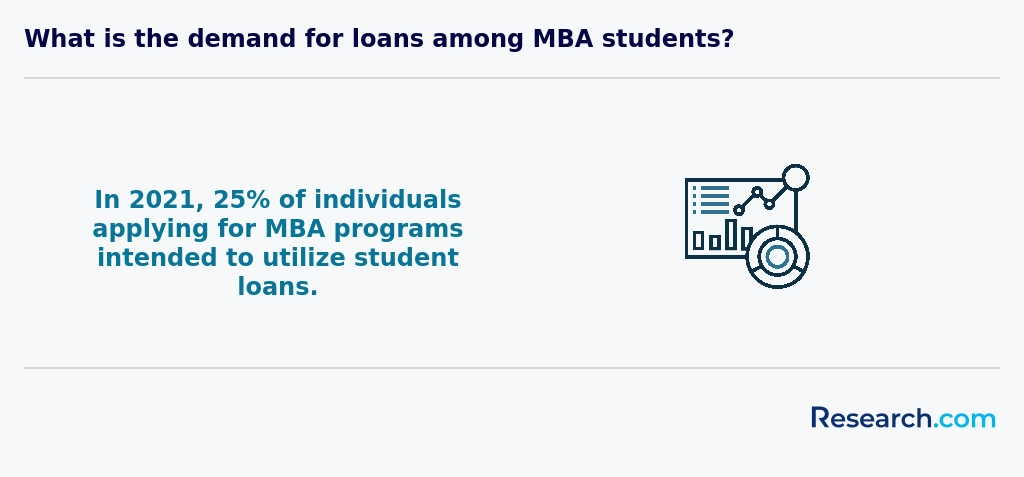
When considering pursuing an MBA degree in Buffalo, NY, one of the critical factors to evaluate is the affordability of the program. The cost of an MBA can vary significantly depending on the institution, with public universities generally being more affordable than private schools. For instance, tuition for in-state students at public universities in Buffalo can range from $230 per credit hour, while private institutions may charge upwards of $2,000 per credit hour. To make informed decisions, prospective students should research programs thoroughly, including exploring options like the cheapest mba programs in new york, which can offer a more budget-friendly pathway to achieving their educational and career goals. By weighing the costs against potential returns on investment, such as increased earning potential and career advancement opportunities, students can determine whether an MBA program in Buffalo is a financially viable choice for them.
What courses are typically in MBA degree programs in Buffalo?
MBA students in Buffalo often find themselves immersed in a curriculum that balances essential business knowledge with real-world relevance. Graduates from institutions like the University at Buffalo appreciate how core courses such as Financial Accounting and Marketing Management lay a solid foundation. These courses are not just theoretical; they often involve case studies reflecting local industry challenges, making learning feel both practical and rewarding.
Many students describe developing a confident grasp of Organizational Behavior and Corporate Finance through group projects and interactive discussions. These experiences echo the dynamic business environment of Buffalo, a city known for its diverse economic sectors. Learning Operations and Supply Chain Management prepares candidates for tangible problem-solving, especially within local manufacturing and distribution companies.
Complementing core subjects, electives allow students to tailor their MBA journey. Specializations in Investment Analysis or Digital Marketing Strategies reflect the region's evolving market demands. Graduates frequently mention how these courses sparked enthusiasm and provided skills directly applicable to internships and eventual roles in Buffalo's competitive job market.
What types of specializations are available in MBA degree programs in Buffalo?
MBA specializations in Buffalo NY reflect the city's economic landscape and offer practical paths for students determined to align their careers with local industries. Graduates from institutions like the University at Buffalo often choose Finance, drawn by Buffalo's strong presence in banking and asset management. Their firsthand experience highlights how financial analysis and corporate finance skills open doors in the regional market.
For those passionate about connecting with customers and digital trends, Marketing remains a top choice. Many graduates embrace the dynamic nature of Buffalo's tech startups, applying their knowledge in digital marketing strategies to real business challenges. This focus clearly illustrates how business administration concentration options Buffalo can sharpen expertise relevant to emerging industries.
Other students find meaningful purpose in Healthcare Management, benefiting from Buffalo's extensive healthcare infrastructure which includes hospitals and innovative biotech companies. This specialization emphasizes leadership in healthcare policy and organizational management, preparing graduates for impactful roles.
Many appreciate operations-focused specializations too, such as Supply Chain Management, which taps into Buffalo's manufacturing heritage. Others pursue areas like Entrepreneurship or Information Technology Management to merge innovation with sound business practices.
If speed is a priority, exploring the fastest mba online can also be a practical consideration for students balancing work and study.
How do you choose the best MBA degree in Buffalo?
Choosing the best MBA degree in Buffalo demands more than just picking a school; it requires thoughtful alignment with your professional ambitions and lifestyle. Graduates from popular Buffalo colleges often share how checking the accreditation of their programs gave them confidence in the quality and recognition of their degree, which matters deeply in local job markets. For instance, AACSB-accredited schools here are known for rigorous curricula that blend theory with practical application, helping students stand out.
Understanding the curriculum is equally crucial. Some classmates found that programs emphasizing specializations like healthcare management or data analytics truly matched Buffalo's business ecosystem, making their studies feel relevant and energizing. Exploring options among the diverse top MBA programs Buffalo 2027 offers can lead to a tailored educational journey that fuels passion and opportunity.
Cost was a real consideration for many peers. Buffalo's tuition rates often come in lower compared to national averages, which made completing an MBA more attainable without overwhelming debt. For those seeking affordable MBA degrees in Buffalo, reviewing comprehensive expenses and visiting resources like the Inexpensive MBA Degree Programs Ranking in New York helped them plan wisely.

What career paths are available for MBA degree students in Buffalo?
MBA career opportunities in Buffalo present diverse and promising pathways for graduates. Many find rewarding roles in financial services, leveraging the city's proximity to major hubs and institutions. Graduates from popular local schools often step into positions as financial analysts or investment managers, appreciating the blend of challenge and stability in this sector.
Buffalo's healthcare management landscape is another fertile ground. MBA graduates here frequently join large healthcare systems like Kaleida Health, gaining hands-on experience in hospital administration or healthcare consulting. These roles offer not only competitive salaries but also a deep sense of contributing to community wellbeing, resonating strongly with many students' values.
Supply chain and operations management have also become natural fits for Buffalo MBAs, especially given the city's strategic location near the Great Lakes and Canada border. Graduates stepping into procurement or logistics roles appreciate the tangible impact they make on regional manufacturing and distribution.
Technology startups provide a dynamic alternative. Those focusing on entrepreneurship or IT management discover opportunities in product management and business development. Reflecting on alumni journeys, the excitement of shaping innovations in Buffalo's growing tech scene is palpable.
For those weighing the investment in an MBA, especially from institutions known nationally, the cost-typically between $30,000 and $60,000 in New York state-can yield rewarding returns given Buffalo's strong job prospects. Many graduates who explore a masters degree online 1 year find flexible options complementing their ambitions while staying rooted in local opportunities.
What is the job market for MBA degree in Buffalo?
The job market for MBA degrees in Buffalo is vibrant and steadily expanding, supported by the city's diversified economy. Graduates from respected local programs, such as those at the University at Buffalo, often find themselves well-positioned for roles in finance, healthcare, manufacturing, and technology sectors. These industries actively seek professionals with advanced business acumen, valuing MBA graduates for strategic planning and leadership roles. Many alumni recount positive experiences gaining internships and networking through career services, which directly connect them to Buffalo's regional employers like M&T Bank and Kaleida Health.
Many students pursuing an MBA in Buffalo appreciate how affordable tuition fuels a strong return on investment, especially compared to national averages. This encourages a steady influx of motivated professionals ready to contribute to the city's growing industries. Those exploring their options might also consider an easiest masters degree online to complement their career goals. The Buffalo MBA job market outlook reflects promising potential for graduates eager to advance in managerial and executive positions.
Frequently Asked Questions About MBA
To maximize their learning experience, MBA students in Buffalo should actively engage with local business communities and internship opportunities. Buffalo's growing economy offers access to companies in healthcare, finance, and technology sectors, which provide practical exposure beyond classroom theories. According to the Buffalo Niagara Partnership, collaboration between universities and industries has increased by 15% over recent years, benefiting students.
Students can also leverage resources at institutions like the University at Buffalo, which hosts events and networking sessions that connect students with alumni and business leaders. Participating in case competitions and student organizations further enhances teamwork and leadership skills, essential for MBA success.
The MBA field continues to evolve, with new niches emerging to meet shifting market demands.
In Buffalo, data analytics and technology management are gaining prominence due to the region's growing tech sector. According to the University at Buffalo's school reports, roughly 30% of their MBA graduates in 2023 specialized in these areas.
Healthcare management is another expanding niche, driven by Western New York's large healthcare industry. An increase in MBA programs offering healthcare tracks reflects this demand.
Sustainability and social impact management are also rising trends. Businesses seek leaders skilled in environmental, social, and governance (ESG) practices, which are increasingly integrated into MBA curricula.
These niches prepare students for specialized roles and can improve their career prospects in Buffalo's evolving job market.
After completing an MBA degree in Buffalo, effective preparation for the job market begins with leveraging local networking opportunities. Buffalo's business community, including firms in finance, healthcare, and manufacturing, offers numerous connections for graduates. Participating in internships or cooperative education during the program can significantly enhance real-world experience, which 67% of local employers reported valuing highly, according to the Buffalo Niagara Partnership 2023 report.
Additionally, graduates should focus on refining their resumes and interview skills using resources from university career centers like the University at Buffalo's Career Resource Center. Strong communication and leadership abilities remain essential, as Buffalo employers seek MBAs who can manage teams and projects effectively.
Staying informed about regional economic trends and continuously developing skills through certifications can further improve job prospects in the competitive Buffalo market.
Employers in Buffalo highly value MBA graduates who demonstrate strong leadership and strategic thinking skills. According to the Buffalo Business First 2023 survey, 78% of local companies prioritize candidates with effective decision-making abilities that can drive business growth. Communication skills are also crucial, as managers need to articulate ideas clearly across departments.
Analytical and financial expertise remain important, particularly for roles in Buffalo's growing finance and healthcare sectors. Data-driven problem solving is frequently cited by hiring managers as a key asset. Additionally, adaptability and proficiency in digital tools, including business analytics software, are increasingly demanded due to evolving market trends.
Finding internships in Buffalo relevant to an MBA degree involves leveraging local business networks and university resources. Buffalo is home to reputable institutions like the University at Buffalo School of Management, which regularly connects students with internship opportunities through career fairs and partnerships. According to the Buffalo Niagara Partnership, over 200 companies in the region actively seek MBA candidates for internships.
Students should also explore Buffalo's growing sectors, such as healthcare, finance, and technology, which often offer MBA internships. Utilizing platforms like Handshake and local job boards can increase visibility to MBA-specific roles. Networking events hosted by professional organizations can provide valuable contacts for internship placements.
In Buffalo, obtaining an MBA degree significantly enhances career mobility and advancement opportunities. The city's diverse economy, spanning healthcare, finance, and technology, rewards advanced business skills. According to the Buffalo Niagara Partnership, MBA holders experience a 20% higher likelihood of promotion within local companies compared to those with only a bachelor's degree.
Buffalo's competitive job market often favors candidates with leadership and strategic management skills gained through MBA programs. These degrees also open doors to upper management roles, where the average salary exceeds $100,000 annually, as reported by the U.S. Bureau of Labor Statistics.
Many MBA graduates leverage local networking events and alumni connections in Buffalo to access executive roles faster, demonstrating the degree's practical value in this regional context.
Studying for an MBA degree in Buffalo equips students with skills essential for interdisciplinary roles by combining business fundamentals with exposure to diverse industries. Many Buffalo-area programs emphasize collaboration across fields such as healthcare, technology, and finance, reflecting the city's varied economy.
Buffalo's MBA curricula often include courses in data analytics, leadership, and strategic management, encouraging students to approach problems from multiple perspectives. According to the University at Buffalo School of Management, graduates gain hands-on experience through projects involving cross-functional teams, enhancing adaptability in complex environments.
This local approach aligns with nationwide trends where 70% of MBA graduates work in roles requiring interdisciplinary knowledge, helping Buffalo students remain competitive both locally and nationally (AACSB, 2023).
When choosing between a thesis and a non-thesis MBA program in Buffalo, it is important to consider your career goals and learning preferences. A thesis MBA requires conducting original research and writing a formal paper, which can be beneficial for students interested in academic or research-oriented careers. Non-thesis programs, more common in Buffalo's business schools, focus on practical coursework and internships to prepare students for immediate industry roles.
According to the U.S. Department of Education, about 65% of MBA students nationwide opt for non-thesis programs because they finish faster and emphasize hands-on skills. Buffalo's universities typically follow this trend, offering flexible options aligned with local business demands.
Thesis programs in Buffalo may take 6 to 12 months longer but provide strong analytical training. Non-thesis paths usually require 36-48 credit hours with diverse electives shaped around leadership and management.
Students based in Buffalo seeking MBA degrees abroad have several options through partnerships between local institutions and international business schools. Although Buffalo itself hosts reputable programs like those at the University at Buffalo, many students consider study abroad programs to gain global business exposure.
Several US universities offer exchange programs or dual degrees with schools in Europe, Asia, and Latin America. For example, students may spend one or two semesters overseas in countries such as the UK, France, or China while retaining enrollment at their home institution.
The advantages include access to global networks and diverse business practices. According to the Graduate Management Admission Council, about 20% of US MBA candidates pursue international study experiences to enhance career prospects.
Financial aid and scholarships for study abroad vary, so prospective Buffalo MBA students should consult respective schools' international offices for specific guidance and opportunities.
Buffalo offers a variety of part-time job opportunities that can complement MBA studies effectively. Students often find roles in financial services, such as bank teller or loan assistant positions, which help develop skills in finance and customer relations. According to the Buffalo Niagara Partnership, the local economy supports a growing healthcare and manufacturing sector, providing internships and administrative roles suitable for MBA candidates.
Marketing internships at local startups and digital agencies also allow MBA students to apply classroom knowledge in real-world projects. Additionally, many firms in Buffalo seek part-time analysts or project coordinators, enabling students to gain experience in management and strategy development. These roles enhance practical skills crucial for MBA career advancement.
Buffalo offers MBA students a variety of networking opportunities that can significantly enhance their career prospects. Local universities such as the University at Buffalo provide access to active business clubs and events that connect students with industry professionals. According to the University at Buffalo's School of Management, their MBA cohort benefits from over 100 annual networking events and alumni gatherings.
Besides campus activities, Buffalo's growing business community hosts frequent professional meetups, workshops, and conferences. These events often attract executives from finance, healthcare, and manufacturing sectors, offering MBA students direct interaction with potential employers.
Additionally, Buffalo's proximity to major cities like Toronto and New York enhances regional networking scope for MBA students seeking broader connections. Local chambers of commerce and entrepreneurial groups also support MBA candidates by offering mentorship programs and internships.
Alumni networks offer valuable advantages for MBA students in Buffalo by providing access to established professionals within the regional business community. These connections foster mentoring opportunities, which can guide students in career decisions and business strategies. According to the University at Buffalo School of Management, its alumni network includes over 40,000 graduates, facilitating a broad reach for internships and job placements locally.
Networking events and alumni panels are common, helping current students build relationships with individuals working in various industries across Buffalo and Western New York. Such interactions increase awareness of local market trends, aiding students in tailoring their skills effectively. Research by the Graduate Management Admission Council highlights that strong alumni engagement correlates with higher employment rates post-graduation, underscoring its importance for MBA students in Buffalo.
In Buffalo, MBA programs offer several ways to customize your degree to align with career goals. Many local universities provide elective courses in areas such as finance, marketing, and entrepreneurship, allowing students to tailor their studies to industry demands. For example, the University at Buffalo's School of Management offers concentrations that help develop specific skills valued by employers. Additionally, Buffalo's proximity to diverse industries enables access to internships and networking opportunities that complement academic learning. Part-time and online formats also provide flexibility for working professionals seeking to advance without pausing their careers. According to the National Center for Education Statistics, about 60% of MBA students in New York pursue specialized tracks to enhance employability.
MBAs in Buffalo face several notable challenges typical of graduate business students in the U.S. One major hurdle is balancing studies with work and personal responsibilities, as many MBA candidates in Buffalo enroll part-time while maintaining jobs. Data from the Buffalo Business First indicates nearly 60% of local MBA students juggle employment alongside their coursework.
Financial strain is another common issue. While tuition in Buffalo tends to be more affordable than the national average, students still contend with living expenses and potential debt. According to the National Center for Education Statistics, the average graduate tuition for New York public universities hovers around $11,500 annually.
Networking opportunities can also be limited outside larger metropolitan areas, which impacts internships and job placement prospects post-graduation. Buffalo's smaller corporate ecosystem means fewer local Fortune 500 companies, which can affect real-world experience availability.
With an MBA degree, professionals in Buffalo can pursue various certifications that enhance career prospects across industries. Common certifications include the Project Management Professional (PMP), Certified Financial Manager (CFM), and Certified Management Accountant (CMA). These credentials validate specialized skills in project leadership, financial analysis, and management accounting respectively.
The region's growing business landscape, especially in healthcare and finance, makes certifications like Certified Healthcare Financial Professional (CHFP) relevant for MBA graduates seeking roles in local organizations. According to the Buffalo Niagara Partnership, demand for these skills is rising in Western New York.
Additionally, the Six Sigma Green Belt certification is valued for process improvement roles. Many MBA programs in Buffalo incorporate preparation for such certifications, aligning education with professional standards.
To write a winning application for an MBA program in Buffalo, start by thoroughly researching the specific schools, such as the University at Buffalo's School of Management, which is AACSB accredited. Highlight your professional achievements and leadership experiences clearly, as Buffalo programs often value practical experience alongside academic performance.
Focus on crafting a compelling personal statement that explains your career goals and why Buffalo's business environment aligns with your ambitions. Buffalo's growing industries, such as healthcare and finance, offer relevant context to tailor your essays.
Ensure your GMAT or GRE scores meet or exceed the average for Buffalo programs, typically around 600-650 for GMAT.
Finally, prepare strong recommendations from supervisors familiar with your work ethic and potential.
The global perspective on MBA careers highlights strong demand for graduates with advanced business skills across industries. In the US, including Buffalo, MBA holders often see a salary increase averaging 50% compared to pre-MBA earnings, according to the Graduate Management Admission Council's 2023 report.
Many Buffalo MBA graduates pursue roles in finance, healthcare, and technology sectors, reflecting broader national trends. The emphasis on global business knowledge and leadership prepares students for multinational companies and entrepreneurial ventures.
Research shows that employers value MBAs who exhibit cross-cultural communication and strategic thinking, essential for navigating global markets. Buffalo's growing economy and connections to Canada provide unique opportunities for international business exposure.
Gaining practical experience while pursuing an MBA in Buffalo is essential to enhance career prospects. Many local universities, such as the University at Buffalo, offer internship programs that connect students with companies in the region's diverse economy, including healthcare, finance, and manufacturing sectors.
Additionally, Buffalo's growing startup ecosystem provides opportunities for hands-on involvement through consulting projects and entrepreneurial initiatives. Some MBA programs also incorporate experiential learning courses, where students work on real business challenges with local firms. According to the U.S. Department of Education's College Scorecard, about 65% of Buffalo MBA students participate in internships during their studies, which significantly improves job placement rates.
Networking events and business competitions in Buffalo also allow students to apply classroom skills in practical settings, fostering leadership and strategic thinking. These opportunities are critical elements of many Buffalo-based MBA curricula.
Choosing the right concentration within an MBA program in Buffalo involves assessing your career goals and local market demands. Buffalo's economy prominently features sectors like healthcare, finance, and manufacturing, which often shape available MBA specializations. For instance, healthcare management is a growing concentration due to the city's expanding medical institutions.
Research from the Buffalo Niagara Partnership highlights finance and supply chain management as key local industries, making concentrations in these areas valuable. Prospective students should also consider faculty expertise and alumni success within specific tracks at Buffalo-area schools. Accreditation and program flexibility, such as part-time or online options, are also essential factors.
Related MBA Rankings for Nearby Cities
- 2027 Best MBA Degree Programs Ranking in Rochester
- 2027 Best MBA Degree Programs Ranking in Cleveland
- 2027 Best MBA Degree Programs Ranking in Pittsburgh
- 2027 Best MBA Degree Programs Ranking in Scranton
- 2027 Best MBA Degree Programs Ranking in Albany
- 2027 Best MBA Degree Programs Ranking in Baltimore
- 2027 Best MBA Degree Programs Ranking in Philadelphia
- 2027 Best MBA Degree Programs Ranking in Newark
- 2027 Best MBA Degree Programs Ranking in Arlington
- 2027 Best MBA Degree Programs Ranking in Washington
Top Trending MBA Rankings
References
- MBA studies https://moderna.edu.pl/majors/management/master-of-management/mba-management-masters-degree/
- How to Use Your MBA for Career Growth While You’re Still Studying - International Career Institute USA https://icieducation.com/blog/how-to-use-your-mba-for-career-growth-while-youre-still-studying/
- How an MBA contributes to career advancement https://online.wlv.ac.uk/blog/how-an-mba-contributes-to-career-advancement/
- Overcoming Common Challenges Faced by Management Students https://iilm.edu/iilm-lucknow/blog/challenges-faced-by-management-students/
- Buffalo SUNY MBA Program Details 2025-26 https://www.expertsglobal.com/buffalo-suny-mba-program-details-placements-class-profile/
- MBA Internships: Find 5400 MBA Intern Jobs https://internshala.com/internships/mba-internship/
- Lessons learned: one year into pursuing an MBA while balancing full-time work - Franz Vitulli https://franzvitulli.com/mba-work/
- Top Challenges for MBA Students in 2025: Placements and Career Growth in India | BeJobbed.com https://bejobbed.com/challenges-mba-students-placements-career-growth-india/
- MBA Fees in the USA: Financial Guide for Students - MBA & Beyond https://www.mbaandbeyond.com/blog/mba-fees-in-the-usa
- How to Choose the Best MBA Program for Your Career Goals https://www.clearadmit.com/2025/05/how-to-choose-the-best-mba-program-for-your-career-goals/