2027 Most Valuable Marketing Degree Programs Ranking in Tennessee

Co-Founder and Chief Data Scientist
Choosing the right marketing degree program in Tennessee can feel overwhelming. To help, this article presents the 2027 Most Valuable Marketing Degree Programs Ranking in Tennessee, developed by Research.com's skilled team of data scientists.
By exploring this ranking, you'll gain clear insights into which programs offer the best value, helping you make a confident decision for your future. A marketing degree can open doors to exciting careers, and understanding your options is the first step to success. Let's explore the opportunities that await you.
Key benefits of getting marketing degree in Tennessee
- Marketing degree graduates in Tennessee can expect competitive salaries, such as $83,190 annually for Marketing Assistants, $159,420 for Public Relations Specialists, and $53,280 for Sales Associates, offering strong financial motivation to pursue this field.
- Graduates from popular Tennessee universities often explore diverse career paths including media planning, digital marketing, and sales, providing exciting opportunities to match different interests and skills.
- Online marketing degrees from reputable Tennessee institutions offer flexible learning schedules and often lower costs, making it easier for busy students to balance education with work or family commitments.
- Key benefits of getting marketing degree in Tennessee
- What can I expect from marketing degree in Tennessee?
- Where can I work with marketing degree in Tennessee?
- How much can I make with marketing degree in Tennessee?
- 2027 Most Valuable Marketing Degree Programs Ranking in Tennessee
- Key Findings
- How long does it take to complete marketing degree in Tennessee?
- What's the difference between online and on-campus marketing degree?
- Return on Investment (ROI) of Marketing Degrees in Tennessee
- What is the average cost of marketing degree in Tennessee?
- What financial aid is available to marketing degree students in Tennessee?
- Industry Partnerships and Internship Opportunities
- What are the prerequisites for enrolling in marketing degree program in Tennessee?
- Top 2024 Marketing Degree Programs in Tennessee
- What courses are typically in marketing degree programs in Tennessee?
- What types of specializations are available in marketing degree programs in Tennessee?
- How do you choose the best marketing degree in Tennessee?
- What career paths are available for marketing degree students in Tennessee?
- What is the job market for marketing degree in Tennessee?
- Related Marketing Rankings for Nearby States
- Top Trending Marketing Rankings
- See What Experts Have To Say About Studying Marketing
What can I expect from marketing degree in Tennessee?
The average cost of pursuing a marketing degree in Tennessee varies depending on the institution, but students can generally expect to invest between $9,000 and $25,000 per year for tuition. Graduates from universities like the University of Tennessee or Middle Tennessee State University often recall how the combination of affordable tuition and access to cutting-edge marketing tools offered excellent value. Many find this investment rewarding, as programs blend theory with hands-on activities such as digital campaigns and market research projects.
Belmont University students highlight the advantage of smaller class sizes and personalized mentorship, which enrich the learning experience without an overwhelming price tag. Additionally, internships offered through Tennessee colleges connect students with local businesses, making education both practical and inspiring. This real-world exposure helps graduates feel confident stepping into the vibrant marketing job market of Nashville and beyond.
Overall, pursuing a marketing degree in Tennessee balances manageable costs with rich opportunities, encouraging students to invest in their future with optimism and purpose.
Where can I work with marketing degree in Tennessee?
Graduates from marketing programs at Tennessee universities like the University of Tennessee and Belmont College find vibrant career paths across the state's thriving business landscape. Many step confidently into roles within retail giants and wholesale trade companies in Nashville or Memphis, where they craft compelling advertising campaigns and develop in-depth customer insights that drive sales growth.
Others discover rewarding opportunities in healthcare marketing, partnering with renowned institutions such as Vanderbilt University Medical Center. Here, marketing graduates contribute to meaningful public relations and community outreach efforts that impact thousands of lives.
Technology hubs in Chattanooga and Smyrna offer dynamic environments for marketing professionals to innovate, working alongside automotive leaders like Nissan or emerging tech startups to strategically position products.
Hospitality students often find excitement promoting Tennessee's tourist destinations, enriching visitor experiences amid cities like Gatlinburg or Nashville. Graduates joyfully share how their skills fuel record-breaking tourism numbers, creating memorable moments for millions.
The state's digital marketing firms and advertising agencies also welcome new talent eager to shape brand stories through social media and creative campaigns, making each day an inspiring journey of growth and impact.
How much can I make with marketing degree in Tennessee?
Graduates with a marketing degree from universities like the University of Tennessee or Belmont College in Tennessee can anticipate promising earning potential right from the start. Entry-level roles such as Marketing Assistants or Media Planners typically earn a mean annual wage of about $83,190, providing an excellent launchpad into the marketing world.
Many graduates find excitement in climbing career ladders where skills in digital marketing or public relations boost their incomes. Public Relations Specialists in Tennessee enjoy an impressive mean annual wage of around $159,420, reflecting their critical role in shaping brand narratives.
Sales Associates with marketing expertise also benefit from competitive salaries near $53,280, combining client interaction with dynamic sales strategies.
Tennessee's vibrant business hubs like Nashville give graduates valuable opportunities to apply their education in rewarding real-world settings, making these salaries not just numbers but attainable milestones in fulfilling marketing careers.
With passion, perseverance, and the right skills, a marketing degree in Tennessee opens doors to a future where rewarding salaries and exciting challenges go hand in hand.
2027 Most Valuable Marketing Degree Programs Ranking in Tennessee
How do we rank schools?
Investing in your education is a significant decision that can profoundly impact your career, and the Research.com team is committed to helping you make well-informed choices. To support prospective students in Tennessee, we have carefully developed the "2027 Most Valuable Marketing Degree Programs Ranking in Tennessee." Our dedication to quality, credibility, and accuracy is demonstrated through rigorous research and analysis behind this ranking.
We utilized the following reputable data sources to ensure a thorough evaluation of marketing degree programs:
By exploring this ranking, readers will gain valuable insights that can guide them toward the most advantageous marketing programs in Tennessee, enabling smarter educational investments. For more information on how this ranking was created, please visit our Research.com methodology page.





# 16 position
Tennessee Wesleyan University
Bachelor of Science in Business Administration in Marketing


Key Findings
- Tuition for marketing degrees in Tennessee averages around $9,000 per year at public universities and about $25,000 or more at private institutions.
- Entry-level marketing professionals in Tennessee earn between $45,000 and $50,000 annually, with mid-career salaries ranging from $70,000 to $85,000.
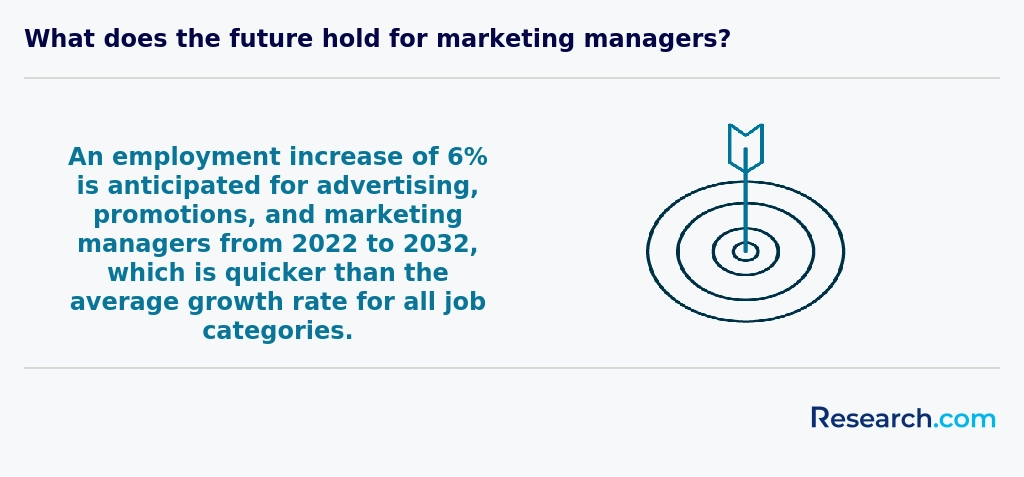
- The job market for marketing roles in Tennessee is growing at about 10% from 2022 to 2032, which is faster than the national average for all jobs.
- Major cities like Nashville, Memphis, and Knoxville offer many marketing job opportunities, especially in entertainment, healthcare, manufacturing, and retail sectors.
- Marketing programs in Tennessee often include practical experience and specializations in digital marketing, advertising, or sales management to meet employer demands.
How long does it take to complete marketing degree in Tennessee?
Completing a marketing degree in Tennessee is an exciting journey that typically takes about four years for a bachelor's degree when pursuing full-time study. Many graduates from institutions like the University of Tennessee and Middle Tennessee State University share how this timeline allows them to deeply explore marketing subjects while balancing engaging general education courses in the first two years. This thoughtful progression builds a strong foundation and sparks creativity in understanding consumer behavior and digital marketing.
For those looking for a faster path, associate degrees at places like Nashville State Community College take about two years, offering a practical and rewarding approach to entering the workforce quickly or transferring to a four-year program. Many students find joy in mixing part-time study or online classes with work, stretching their learning over more time but gaining rich, real-world experience along the way.
Graduate degrees, such as an MBA with a marketing focus, usually span two years full-time. This route attracts driven professionals eager to accelerate their careers with advanced skills and insights, often sharing inspiring stories of transformation.
What's the difference between online and on-campus marketing degree?
Choosing between an online or on-campus marketing degree in Tennessee opens exciting paths tailored to your lifestyle and goals. Graduates from Middle Tennessee State University share how online programs allowed them to balance work and family while mastering digital marketing strategies through flexible, self-paced learning. This flexibility empowers you to learn anytime, anywhere, building crucial tech skills and independence that modern marketers need.
Meanwhile, students attending the University of Memphis experience vibrant campus life where hands-on projects, lively discussions, and face-to-face mentorship create a supportive community. Immersing yourself in collaborative internships and marketing clubs provides invaluable networking and real-world insights, fueling your professional growth in ways online programs strive to match. Both paths cover essential marketing topics, but the on-campus experience blossoms through direct interaction and local business partnerships reflecting Tennessee's dynamic retail and hospitality landscape.
With in-state tuition around $10,000 annually for traditional programs, and some online offerings providing cost-effective alternatives, Tennessee's accredited marketing degrees warmly welcome driven students ready to thrive in the evolving marketing world.
Return on Investment (ROI) of Marketing Degrees in Tennessee
Data-driven analysis of marketing degree ROI in Tennessee shows that balancing tuition costs against post-graduation salaries is essential. With in-state tuition averaging $10,000 to $30,000 per year and entry-level wages around $50,082, marketing assistants can often recover their investment within 3–5 years. Public university alumni report earning an average of $11,000 more annually than peers from private institutions a decade post-graduation, translating to a 4-year payback period versus 5–7 years. To optimize ROI, students should strategically leverage financial aid, such as the Tennessee HOPE Scholarship and merit-based awards, alongside internships that frequently lead to full-time roles. Graduates who secure paid digital marketing internships, for instance, benefit from a 6–8% salary premium in their first professional positions. Investing in advanced credentials can further elevate returns. Exploring what is an mba in marketing allows graduates to assess how a master’s degree might boost their earning potential by 20–30%, especially in senior roles like marketing manager or brand strategist where MBA holders command higher salaries. By carefully evaluating program costs, career outcomes, and available financial support, prospective students can make informed decisions that maximize the ROI of a marketing degree in Tennessee, ensuring both short-term gains and long-term career growth.
What is the average cost of marketing degree in Tennessee?
The average marketing degree cost in Tennessee typically falls around $25,620 for in-state students, reflecting an accessible investment in your future. Many graduates from institutions like the University of Tennessee find that this cost reflects not just tuition but a rich educational experience that prepares them for dynamic marketing careers. For students coming from outside the state, the median cost may rise to about $37,733, which still opens doors to valuable opportunities at schools such as Middle Tennessee State University, known for its engaging marketing programs.
Choosing to study marketing in Tennessee means considering these numbers alongside stories of students who balanced costs with scholarships and work opportunities, turning financial challenges into stepping stones. Community colleges also offer a great starting point with lower tuition, allowing students to save money before transferring to four-year universities.
When examining the total cost of marketing degree programs Tennessee students often factor in additional expenses like books, technology, and living costs, but many find these to be worthwhile investments. Promisingly, programs like the Tennessee Promise help reduce tuition burdens, making education even more achievable.
For those exploring options, checking out an affordable marketing school in Tennessee can uncover great value. Graduates frequently mention the confidence and skills gained outweigh the cost, empowering them to launch fulfilling careers in marketing.
What financial aid is available to marketing degree students in Tennessee?
Marketing students in Tennessee can access a variety of financial aid options that truly open doors to their educational dreams. Graduates from Middle Tennessee State University often share how Pell Grants, which offer up to $7,495 per year without repayment, made their journey less stressful and more focused on learning. Many take advantage of the Tennessee Promise program, which offers two years of tuition-free attendance at community colleges like Chattanooga State, providing a smart and affordable start before transferring to a four-year marketing program.
The Tennessee Student Assistance Corporation also supports adult learners through Tennessee Reconnect, allowing working professionals to rejoin college life without the heavy burden of tuition. University-based scholarships and opportunities from local chapters of the American Marketing Association inspire students to excel both academically and professionally, fueling their passion for marketing.
Beyond scholarships and grants, paid internships and cooperative education programs at institutions like the University of Tennessee help students gain hands-on experience while easing financial pressure. These vibrant pathways empower Tennessee marketing students to build bright futures with confidence.
Industry Partnerships and Internship Opportunities
In addition to a robust curriculum, industry partnerships and hands-on internship opportunities are vital components that can significantly enhance a student's learning experience and career prospects in marketing. Many top Tennessee programs have forged strong relationships with local businesses, advertising agencies, and tech companies to provide meaningful internship placements that allow students to apply classroom theory to real-world challenges. These practical experiences not only reinforce course material but also facilitate networking with industry professionals, often serving as a stepping stone to full-time employment after graduation. Students benefit from these partnerships by gaining access to exclusive workshops, guest lectures, and career fairs, all of which promote professional growth and community engagement. Moreover, institutions continually update their internship programs to align with emerging market trends and evolving employer needs. If you are searching for a program that balances academic rigor with real-world application, consider exploring the offerings at an affordable marketing school in tennessee-a choice that many prospective marketers have found to be both enriching and cost-effective. By emphasizing industry connections and practical training, Tennessee marketing programs not only prepare students for immediate entry into the workforce but also foster long-term career success through ongoing mentorship and opportunities for advancement.
What are the prerequisites for enrolling in marketing degree program in Tennessee?
To enroll in a marketing degree program in Tennessee, you'll want to have a high school diploma or GED, which sets a strong foundation for your journey. Many successful graduates from the University of Tennessee system recall how their consistent high school GPA-often around 2.5 to 3.0 or higher-opened doors to exciting marketing opportunities. Standardized tests like the SAT or ACT may be part of your application, but some schools now offer flexible, test-optional pathways, making it easier to focus on what truly matters: your passion and potential.
Transcripts, recommendation letters, and even a personal statement sharing your marketing aspirations can showcase your dedication. For those aiming higher with graduate programs like an MBA focused on marketing, a completed bachelor's degree and a solid GPA near 3.0 demonstrate readiness to thrive.
Imagine entering a vibrant classroom at Belmont University or Middle Tennessee State University, where real-world marketing skills come alive. Prior internships or involvement in business clubs can boost your confidence and experience, even if not required. This path in Tennessee is designed to support and elevate aspiring marketers like you every step of the way.

Top 2024 Marketing Degree Programs in Tennessee
Below is our ranked list of the most valuable marketing degree programs in Tennessee, evaluated by ROI, graduate salaries, and academic quality: 1. University of Tennessee, Knoxville – Bachelor of Science in Marketing • ROI Score: 92/100 | Average Early-Career Salary: $65,000 • Key strengths: Nationally recognized faculty, robust alumni network, integrated capstone project. 2. Belmont University – Bachelor of Business Administration in Marketing • ROI Score: 89/100 | Average Early-Career Salary: $63,500 • Key strengths: Hands-on client engagements, strong digital marketing curriculum, small class sizes. 3. Middle Tennessee State University – Bachelor of Science in Marketing • ROI Score: 87/100 | Average Early-Career Salary: $61,800 • Key strengths: Emphasis on analytics, state-of-the-art research labs, industry partnerships. 4. East Tennessee State University – Bachelor of Business Administration in Marketing • ROI Score: 84/100 | Average Early-Career Salary: $60,200 • Key strengths: Affordable tuition, practical internships with regional businesses. 5. Tennessee Technological University – Bachelor of Science in Marketing • ROI Score: 82/100 | Average Early-Career Salary: $58,900 • Key strengths: Focus on industrial marketing, strong student-led consultancy projects. 6. University of Memphis – Bachelor of Business Administration in Marketing • ROI Score: 80/100 | Average Early-Career Salary: $58,000 • Key strengths: Urban market research opportunities, extensive career services. 7. Lipscomb University – Bachelor of Business Administration in Marketing • ROI Score: 78/100 | Average Early-Career Salary: $57,500 • Key strengths: Faith-based ethics integration, global study tours. 8. Tennessee State University – Bachelor of Business Administration in Marketing • ROI Score: 75/100 | Average Early-Career Salary: $56,300 • Key strengths: Strong community outreach projects, growing alumni mentorship program. 9. Austin Peay State University – Bachelor of Business Administration in Marketing • ROI Score: 73/100 | Average Early-Career Salary: $55,700 • Key strengths: Collaborative research with local startups, competitive scholarship packages. 10. University of Tennessee at Chattanooga – Bachelor of Science in Marketing • ROI Score: 71/100 | Average Early-Career Salary: $55,200 • Key strengths: Personalized advising, experiential learning through city partnerships. For students comparing value and cost, our Tennessee rankings can be paired with regional affordability benchmarks-see the Cheapest Marketing Degree Programs Ranking in Fairfield, CT for additional insights.
What courses are typically in marketing degree programs in Tennessee?
Marketing degrees in Tennessee immerse students in courses that build both strong foundations and practical expertise. Graduates from well-known universities like the University of Tennessee often recall how Principles of Marketing helped them understand real-world market segmentation, enabling them to create campaigns targeting diverse audiences effectively.
Courses like Consumer Behavior reveal the fascinating psychology behind why people choose one brand over another, sparking excitement as students connect theory with everyday shopping experiences. In Marketing Research, learners develop skills to analyze data that drive smart business decisions, often applying these to projects with local Nashville companies, bridging classroom learning and the vibrant marketing scene.
The digital world is embraced through Digital Marketing studies, where students master social media strategies and SEO, skills highly prized by Tennessee's fast-growing business community. Practical courses such as Advertising and Promotion Management and Sales Management prepare graduates to lead teams and design impactful campaigns.
This blend of courses inspires confidence and creativity, equipping students across Tennessee to excel in dynamic marketing careers.
What types of specializations are available in marketing degree programs in Tennessee?
Marketing degrees in Tennessee open doors to exciting specialized paths that energize students with practical skills and real-world relevance. Popular marketing degree specializations in Tennessee include Digital Marketing, where graduates from top universities in Nashville dive into social media strategies and SEO, thriving amid the city's vibrant tech growth. Market Research and Analytics prepares students to transform raw data into smart business solutions, a skill highly prized by employers across the state.
Advertising and Brand Management captivates creative minds eager to craft compelling campaigns, while Sales Management readies students for leading teams and building lasting customer relationships in Tennessee's bustling retail and manufacturing sectors. Another rewarding choice is Consumer Behavior, helping students understand the psychological sparks behind buyers' choices, a crucial advantage in today's marketplace. Graduates often share how these specializations boosted their confidence and employability in healthcare, entertainment, and retail.
For those wondering what is an mba in marketing and how it fits into this evolving landscape, Tennessee's universities offer pathways that blend digital expertise with human insight, making it an inspiring place to grow your marketing career.
How do you choose the best marketing degree in Tennessee?
Choosing the best marketing degree in Tennessee means focusing on programs that combine strong academics with real-world opportunities. Many graduates from universities in Nashville and Knoxville share how hands-on internships with local businesses elevated their learning and confidence, turning classroom concepts into practical marketing skills. Whether you prefer a vibrant campus or flexible online courses, Tennessee offers options designed to fit every lifestyle and ambition, fueling your passion with up-to-date digital marketing and analytics training.
Affordability weighs heavily in many students' decisions. For those seeking the most accessible education paths, exploring affordable marketing colleges Tennessee provides can lead to scholarships and smart financial choices. Comparing tuition with career outcomes is key, especially since marketing managers in Tennessee earn robust salaries post-graduation. To explore cost-effective choices more deeply, check out the Cheapest Marketing Degree Programs Ranking in Fairfield, CT as a helpful benchmark.

What career paths are available for marketing degree students in Tennessee?
Graduates with a marketing degree in Tennessee discover a world of rewarding career options that match their passion and creativity. From early roles as marketing coordinators and research analysts to specialized positions in digital marketing or brand management, the possibilities are vast and inspiring. Those studying at popular institutions like the University of Tennessee or Belmont University often share how hands-on projects helped them land roles where they shape social media campaigns or lead product launches, feeling confident they are making a real impact.
Marketing job opportunities in Tennessee thrive in cities like Nashville and Memphis, where local industries offer dynamic environments to grow skills. Many graduates find excitement in helping startups develop their brands or crafting unique advertising strategies for healthcare or entertainment companies. For those eager to expand their expertise, exploring high paying certification programs can open doors to even more specialized careers.
What is the job market for marketing degree in Tennessee?
The job market for marketing degree holders in Tennessee is vibrant and filled with promise. Graduates from well-known institutions like the University of Tennessee and Middle Tennessee State University often find themselves stepping into diverse industries such as healthcare, manufacturing, and technology. These sectors, particularly thriving in cities like Nashville and Chattanooga, provide ample opportunities to apply skills in digital marketing, market research, and social media management.
Employment outlook for marketing graduates Tennessee shows steady growth, reflecting a healthy demand for marketing specialists. Many graduates share stories of landing internships that turned into full-time roles, thanks to the practical experience they gained alongside their academic studies. This hands-on learning is crucial for standing out, and programs at Tennessee universities emphasize it to boost career readiness.
Tuition costs are reasonable compared to national averages, making it easier for students to invest in their futures. For those seeking additional educational flexibility, Tennessee also offers options through open admission universities, allowing students to tailor their journey while keeping affordability in mind.
Frequently Asked Questions About marketing
Marketing degree students in Tennessee can maximize their learning experience by engaging in internships offered by local companies, which allows practical application of classroom theories. Tennessee's growing economy, especially in Nashville and Chattanooga, provides numerous opportunities in digital marketing, advertising, and market research. According to the Tennessee Department of Labor, marketing-related jobs are expected to grow 9% by 2030, emphasizing the sector's vitality.
Students should also participate in student organizations such as the American Marketing Association chapters available at many Tennessee universities. These groups provide networking, workshops, and access to industry professionals.
Additionally, leveraging Tennessee's proximity to Fortune 500 headquarters and attending regional marketing conferences can deepen real-world understanding. Combining academic study with experiential learning keeps students well-prepared for the evolving marketing landscape.
The marketing field is evolving quickly, with several emerging niches becoming prominent in Tennessee and the broader U.S. market. Digital marketing, driven by data analytics and social media strategies, remains a primary growth area. According to the Tennessee Department of Labor, positions in digital marketing and content creation are expected to grow by over 12% through 2030.
Another important niche is influencer marketing, which leverages social media personalities to reach targeted audiences. Additionally, sustainable and ethical marketing is gaining traction as consumers increasingly demand corporate responsibility.
Marketing automation and AI-driven advertising are also expanding. These technologies help firms personalize promotions and improve customer experience efficiently. Given Tennessee's growing tech sector, these fields offer promising opportunities for marketing graduates.
After earning a marketing degree in Tennessee, students should focus on building practical skills that employers seek. According to the Tennessee Department of Labor and Workforce Development, marketing-related jobs in the state are projected to grow by 5% through 2030, highlighting steady demand.
Internships provide valuable hands-on experience and networking opportunities. Many Tennessee universities encourage internships with local businesses, which can lead to job offers. Additionally, proficiency in digital marketing tools like Google Analytics and SEO software is important, as nearly 70% of Tennessee companies emphasize digital skills when hiring.
Joining professional groups such as the American Marketing Association's Tennessee chapters can also expand contacts and industry knowledge. Finally, developing a strong portfolio showcasing real projects can help graduates stand out in the competitive job market.
Employers in Tennessee highly value marketing degree graduates who possess strong analytical skills. With the rise of data-driven marketing, the ability to interpret consumer data and market trends is essential. According to the Tennessee Department of Economic and Community Development, digital marketing expertise is also in high demand, especially skills related to social media, SEO, and content creation.
Communication skills remain critical, as marketing professionals must clearly convey ideas both internally and to clients. Additionally, creativity and adaptability are prized, enabling graduates to develop innovative campaigns in a competitive landscape. Familiarity with marketing software like Google Analytics or HubSpot is another frequent requirement.
Finding internships in Tennessee relevant to a marketing degree involves leveraging local business networks and educational resources. Many universities, such as the University of Tennessee and Belmont University, offer career services that connect students with marketing internships in sectors like healthcare, tourism, and retail. According to the Tennessee Department of Labor, the state's marketing and advertising sector grew by 3.5% in 2023, increasing internship availability.
Tennessee students should explore local chambers of commerce and professional groups like the American Marketing Association's Nashville chapter. Additionally, popular job platforms often list Tennessee-specific marketing internships, providing a broad range of opportunities in cities such as Nashville, Memphis, and Knoxville.
Obtaining a marketing degree in Tennessee significantly enhances career mobility and advancement opportunities within the state's growing business sector. Marketing graduates gain valuable skills in consumer behavior, digital marketing, and data analysis, which are highly sought after across diverse industries including healthcare, retail, and technology.
Tennessee's Bureau of Labor Statistics reports that marketing-related occupations in the state are expected to grow by approximately 8% through 2030, slightly higher than the national average. This growth translates into increased job openings and promotional prospects for degree holders.
Employers in cities like Nashville and Memphis often prefer candidates with formal marketing education, as it signals preparedness for strategic roles. Additionally, networking opportunities provided by Tennessee's universities help graduates access internships and mentorships, further accelerating career progression.
Studying for a marketing degree in Tennessee equips students with skills that extend beyond traditional marketing roles. Many universities incorporate interdisciplinary coursework involving data analytics, business management, communications, and technology. This approach reflects Tennessee's diverse economy, which includes sectors such as healthcare, manufacturing, and entertainment.
According to the Bureau of Labor Statistics, Tennessee's marketing-related jobs are projected to grow by 7% from 2022 to 2032. Programs often emphasize collaboration and problem-solving, preparing graduates to work effectively across departments.
Additionally, partnerships with local businesses provide practical experience in integrated marketing strategies, strengthening students' readiness for multi-faceted roles.
Choosing between a thesis and a non-thesis marketing degree program in Tennessee depends on your career goals and learning preferences. Thesis programs emphasize research skills and require students to complete an original research project, which is ideal if you plan to pursue a PhD or work in academic or research settings.
Non-thesis programs focus more on practical coursework and internships, preparing students for immediate employment in Tennessee's growing marketing sector. According to the Tennessee Department of Labor, marketing positions are projected to grow 7% by 2030, reflecting a demand for hands-on skills.
Consider your interests carefully and consult with academic advisors to align your choice with your career aspirations.
Students based in Tennessee who wish to study marketing abroad have several pathways to consider. Many Tennessee universities with marketing programs, such as the University of Tennessee, Nashville State Community College, and Middle Tennessee State University, offer established study abroad partnerships. These programs often include destinations in Europe, Asia, and Latin America, providing valuable international business perspectives.
Participation in these programs can enhance understanding of global marketing trends, preparing students for careers in diverse markets. According to the Institute of International Education, nearly 15% of Tennessee college students engage in study abroad, a figure steadily rising year over year.
Additionally, some programs include internships or practical experiences with international companies, a strong asset in marketing careers.
Students pursuing marketing degrees in Tennessee can benefit from numerous part-time job opportunities that complement their academic learning. Roles such as social media coordinator, content creator, and marketing intern are common within local businesses, nonprofits, and startups.
Tennessee's diverse economy provides practical environments where students can apply marketing principles hands-on. For instance, Nashville's robust music and entertainment industry often seeks marketing assistants to manage event promotions and digital outreach.
According to the Tennessee Department of Labor and Workforce Development, marketing and sales jobs in the state are projected to grow by 8% from 2022 to 2032, highlighting promising opportunities for students.
These roles help develop skills in customer analytics, campaign management, and digital marketing tools, aligning closely with university curricula.
Tennessee offers marketing students numerous networking opportunities through university-affiliated organizations and state business events. Schools such as the University of Tennessee and Belmont University have active chapters of the American Marketing Association (AMA), where students connect with marketing professionals and peers.
Additionally, Tennessee hosts marketing conferences like the Tennessee Marketing Conference, which attracts industry leaders and provides a platform for students to learn and network. According to the Tennessee Department of Economic and Community Development, the state's growing marketing and advertising sector supports over 10,000 jobs, offering ample internship and mentorship opportunities.
Local chambers of commerce and business incubators also organize events that foster connections between students and regional marketing agencies. These experiences help students gain real-world insights and build professional relationships essential for career advancement in Tennessee's marketing industry.
Alumni networks play a crucial role for marketing degree students in Tennessee by providing valuable professional connections. These networks offer access to experienced marketers who often work in Tennessee's diverse industries, including healthcare, entertainment, and technology. According to the Tennessee Higher Education Commission, graduates involved in alumni networks report a 25% higher chance of securing internships and job placements within the state.
Networking events and mentorship programs organized by alumni associations help students build practical skills and gain insights into market trends specific to Tennessee. This local support can be especially beneficial given the state's growing marketing sector, projected to expand by 6% annually through 2027 (U.S. Bureau of Labor Statistics).
Moreover, alumni often share exclusive job postings and industry news, enhancing students' career readiness. Engaging with these networks can significantly improve both personal and professional growth opportunities for marketing students.
Customizing a marketing degree program in Tennessee is possible through course selection, internships, and specializations. Many Tennessee universities offer concentrations such as digital marketing, sales management, or market research, allowing students to tailor their studies to specific career paths. According to the Tennessee Higher Education Commission, institutions often provide flexible elective options to align with industry demands.
Internships in cities like Nashville and Chattanooga offer practical experience in marketing roles, enhancing resumes and networking. Choosing elective courses in data analytics or social media helps prepare for in-demand skills, as reported by the U.S. Bureau of Labor Statistics, which forecasts a 10% job growth for marketing managers nationwide through 2032.
Students should consult academic advisors early to optimize their coursework for personal goals, combining theory with hands-on learning relevant to Tennessee's diverse business sectors.
Marketing students in Tennessee often encounter challenges related to staying current with rapidly changing digital marketing trends. The integration of data analytics and social media platforms requires continuous learning beyond traditional coursework. According to the Tennessee Department of Labor and Workforce Development, the state's demand for digital marketing skills is growing at 5% annually, adding pressure on students to master new tools quickly.
Another difficulty is limited local internship opportunities in smaller cities, where marketing industries are less concentrated compared to Nashville or Chattanooga. This can delay practical experience, which employers highly value.
Additionally, some students face financial constraints, as out-of-state tuition and living costs can impact those attending private or out-of-region public schools.
With a marketing degree in Tennessee, graduates can pursue various professional certifications to boost their career prospects. Popular certifications include the American Marketing Association's Professional Certified Marketer (PCM), recognized nationally and valuable for demonstrating marketing expertise.
Another valuable credential is the HubSpot Content Marketing Certification, which focuses on digital marketing skills growing rapidly in Tennessee's job market. According to the Tennessee Department of Labor, digital marketing roles are expanding by over 8% annually in the state.
Other certifications worth considering are Google's Analytics Individual Qualification (IQ) and Google Ads Certification, both enhancing technical skills highly sought by Tennessee employers in cities like Nashville and Memphis.
These credentials complement a marketing degree by validating specialized knowledge in today's competitive landscape.
Writing a winning application for a marketing program in Tennessee begins with thorough research on the targeted schools and their specific admission requirements. Highlight your academic achievements, especially in business-related courses, as Tennessee schools often value a strong GPA in relevant subjects. Include experience or internships related to marketing to demonstrate practical knowledge.
Craft a compelling personal statement explaining your motivation and career goals in marketing. According to the Tennessee Higher Education Commission, showcasing understanding of regional marketing trends, such as the influence of Nashville's growing entertainment industry, can strengthen your application. Also, obtain strong recommendation letters that testify to your skills and work ethic.
Finally, adhere strictly to deadlines and submit all required materials, including test scores if requested, to increase your chances of acceptance.
A marketing career in Tennessee is influenced by global trends, as businesses increasingly operate on an international scale. Understanding diverse markets and cultures is essential for successful marketing strategies. The U.S. Bureau of Labor Statistics forecasts a steady 10% growth for marketing managers nationally from 2022 to 2032, reflecting strong demand worldwide.
Tennessee's growing economy, including sectors like manufacturing, healthcare, and tourism, benefits from graduates who can apply global marketing insights locally. Universities in Tennessee integrate international business concepts to prepare students for cross-border challenges.
Marketing professionals with global awareness can expect broader career opportunities, from digital marketing to brand management, adapting to evolving consumer behaviors globally and regionally.
Students pursuing a marketing degree in Tennessee can gain practical experience through several valuable avenues. Many Tennessee universities offer internships that connect students with local businesses, enabling hands-on marketing work. According to the Tennessee Department of Labor, internships in marketing fields have grown by 12% in recent years, providing more chances for real-world experience. Participating in campus marketing clubs and case competitions also builds skills applicable to future careers. Additionally, cooperative education programs allow students to alternate between classroom study and paid marketing roles in companies throughout Tennessee. These practical opportunities complement academic learning and improve job readiness upon graduation.
Choosing the right concentration within a marketing degree program in Tennessee depends on your career goals and interests. Common options include digital marketing, sales management, and market research. Research by the Tennessee Department of Labor shows that digital marketing roles are growing at a rate of 12% annually, reflecting the state's expanding tech and e-commerce sectors.
Look for concentrations that align with current job market trends in Tennessee, such as social media strategy or data analytics. Also, consider program resources, internship opportunities, and faculty expertise at local universities. This approach ensures your studies match regional demands and improve your employment prospects after graduation.
Related Marketing Rankings for Nearby States
- 2027 Most Valuable Marketing Degree Programs Ranking in Alabama
- 2027 Most Valuable Marketing Degree Programs Ranking in Georgia
- 2027 Most Valuable Marketing Degree Programs Ranking in Missouri
- 2027 Most Valuable Marketing Degree Programs Ranking in Arkansas
- 2027 Most Valuable Marketing Degree Programs Ranking in Indiana
- 2027 Most Valuable Marketing Degree Programs Ranking in Illinois
- 2027 Most Valuable Marketing Degree Programs Ranking in Florida
- 2027 Most Valuable Marketing Degree Programs Ranking in Louisiana
- 2027 Most Valuable Marketing Degree Programs Ranking in Maryland
- 2027 Most Valuable Marketing Degree Programs Ranking in Iowa
Top Trending Marketing Rankings
See What Experts Have To Say About Studying Marketing
Read our interview with Marketing experts

Aidin Namin, Ph.D.
Marketing Expert
Associate Professor of Marketing Analytics
Loyola Marymount University

Sonya A. Grier, Ph.D.
Marketing Expert
Professor, Department of Marketing
American University

References
- What Jobs Can You Get with a Marketing Degree? https://www.global-business-school.org/content-type/blog/what-jobs-can-get-marketing-degree/
- Marketing Manager Salaries State-by-State https://www.allbusinessschools.com/marketing/salary/
- Career Goals: 17 Inspirational Examples for you in 2026 https://www.imd.org/blog/learning-and-development/career-goals/
- 12 Major Marketing Challenges and How to Address Them | NetSuite https://www.netsuite.com/portal/resource/articles/erp/marketing-challenges.shtml
- 15 Marketing Certifications to Build Must-Have 2025 Skills https://www.cmswire.com/digital-marketing/10-marketing-certifications-that-can-help-you-earn-a-better-salary/
- Study Marketing Abroad | Go Overseas https://www.gooverseas.com/study-abroad/marketing
- Academic Challenges of Marketing Students - Blog – Expert Tips & Insights for Students https://affordableassignments.co.uk/blog/academic-challenges-of-marketing-students/
- Marketing https://www.tntransferpathway.org/majors/marketing
- How to Become an International Marketing Executive https://online.maryville.edu/online-bachelors-degrees/marketing/careers/international-marketing-executive/
- Student Jobs and Networking: Unlock Career Success Early https://ydiak.hu/en/student-jobs-why-is-networking-important